
Multigenerational trips promise the best kind of memory: shared meals, shared jokes, and shared photos that actually get printed later. They also bring different rulebooks into the same rental car. One group learned to plan early and avoid surprises, another trusts apps and flexibility. Small choices, when to tip, how loud a phone should be, whether a schedule is firm, can feel like personal values. These etiquette disagreements often surface in airports and restaurants, then follow everyone home. Handled well, they turn into quick agreements that make the trip kinder for every age.
Phone Use at Shared Moments

Older travelers often read constant phone use as disengagement, while younger relatives see it as navigation, translation, ticket storage, and memory keeping. The clash appears at dinners, museums, and viewpoints when one person films, another wants a quiet look, and someone else replies to messages while a guide is speaking or a toast is happening. A workable truce is specific: phones down during meals, ask before filming faces, keep calls outside, silence notifications in galleries, and pick one planned photo moment per stop so the rest of the time stays present and shared, with group shots optional.
How Early to Arrive
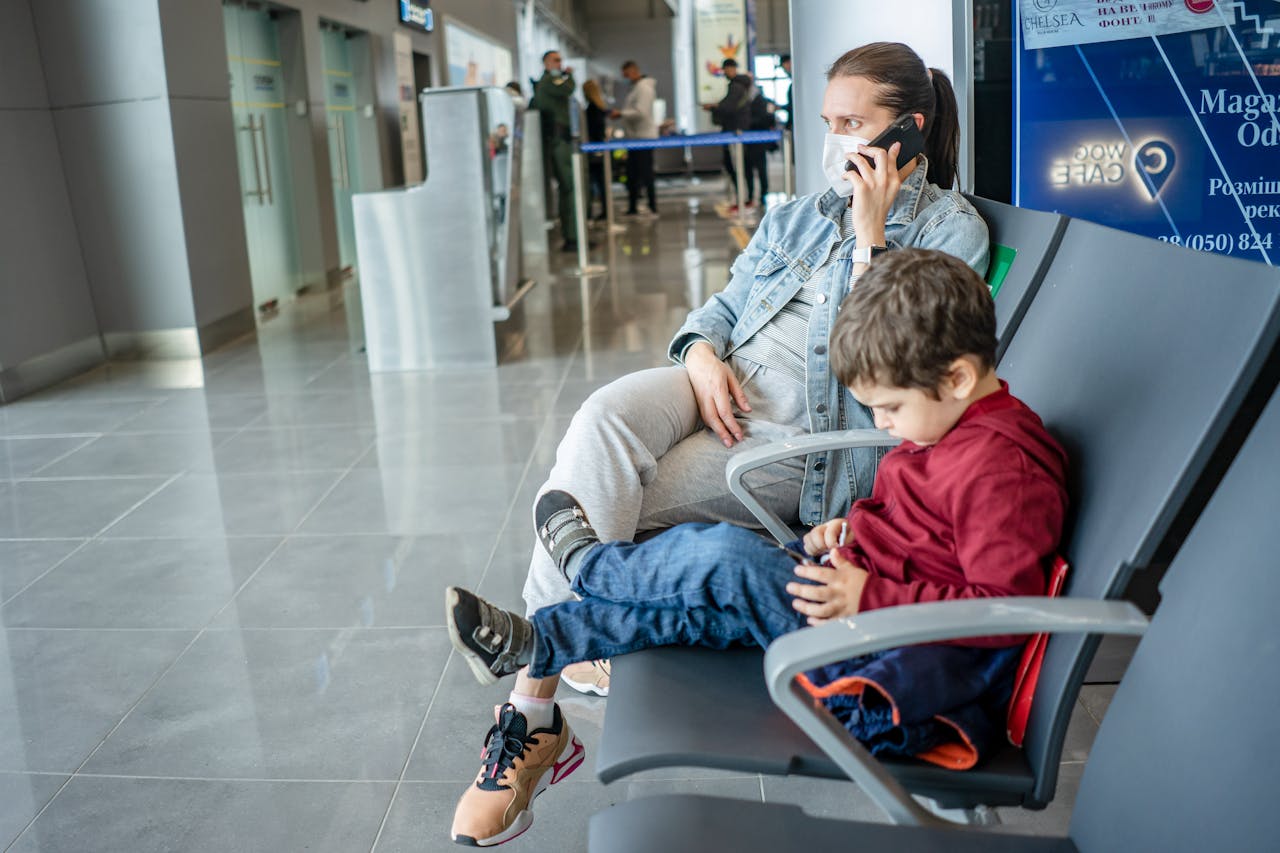
One generation treats the airport like a risk to be managed, arriving early, printing backups, packing snacks, and hovering near the gate long before boarding is announced. Another relies on mobile passes, lounge alerts, and tight timing that assumes security lines will move, kiosks will work, and staff will solve hiccups quickly. Agreement helps: set a buffer based on checked bags, holiday crowds, and connections, choose one meeting point after security, and name a final must-arrive time so early birds can relax and late arrivers are not panicked or shamed, even if a coffee line runs long or a bathroom stop.
Reclining Seats and Personal Space

Reclining on planes and trains is a small motion that can spark a big argument, especially on long routes when everyone is tired, cramped, and trying to eat or work. Some travelers see the seat as paid comfort and recline without thinking, while others treat it as a courtesy that needs a warning and a limited angle, particularly when laptops, knees, tray tables, and drinks are in play. A calmer standard works: check behind first, move slowly, sit upright during meals and takeoff, and use aisle breaks, neck pillows, or bulkhead picks to solve comfort without surprising anyone or starting a quiet standoff.
Restaurant Pace and Bill Splitting

Meals are where generations collide because food is both pleasure and logistics, and everyone arrives with different ideas of what a good dinner looks like. Some relatives want a long shared-plate meal with stories, dessert, and a second coffee, while others prefer quick ordering, separate checks, and an early night to protect the next day’s tour or drive. The fix is upfront: decide whether the meal is social or refuel, reserve a time, agree on shared starters and one dessert, and pick one split method, including tip handling, so the table stays warm instead of tense when the bill lands at the end.
Tipping, Cash, and Service Expectations

Tipping sparks tension because it mixes money, gratitude, and local custom, and it can feel like a judgment call in public. Some travelers tip generously by habit, carry cash, and distrust card prompts, while others follow posted guidance, prefer contactless, and worry about overpaying or breaking norms in places where service is included. A steady approach is to confirm local practice before the trip, carry small bills for guides and drivers, decide a range for taxis and cafés, and let one person handle gratuities quietly so the discussion never happens in front of staff or nearby tables at all.
Kids, Screens, and Quiet Spaces

When children are on the trip, etiquette differences surface fast, because adults have different comfort levels with noise, devices, and how long kids should sit still. Older relatives may expect kids to stay engaged through meals and tours with minimal screens, while parents see tablets as tools that prevent overload and keep the day moving during long drives, delays, and late dinners. A practical compromise helps: headphones by default, short breaks built into the schedule, a clear rule for quieter venues, and a shared bedtime plan so adults are not negotiating at the table while everyone is tired.
Punctuality Versus Flexibility
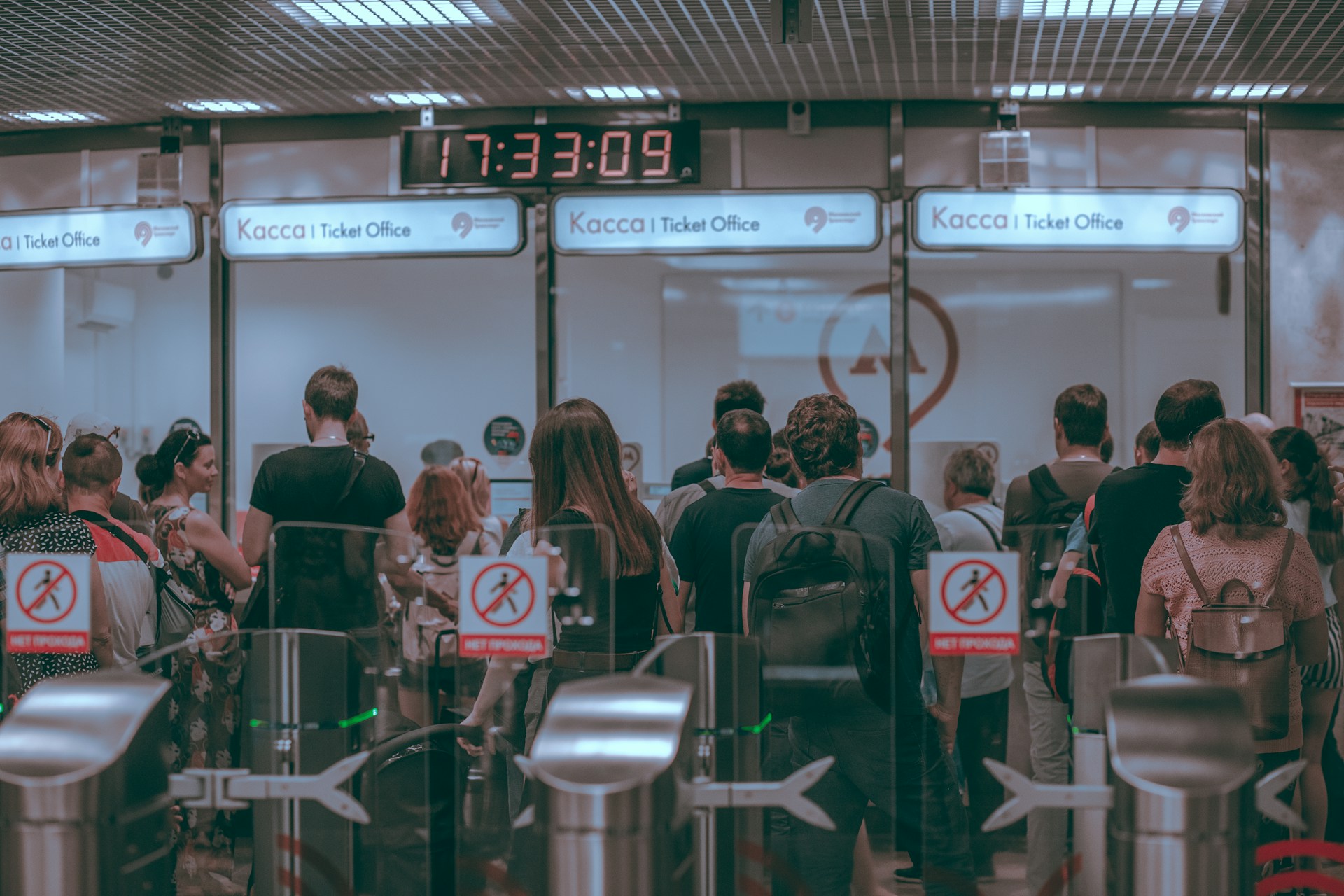
Some travelers treat a plan as a promise, with fixed departure times, timed tickets, and a clear order of stops that keeps the day smooth and reduces decision fatigue. Others treat the plan as a suggestion, ready to pivot for a street performance, a café tip, or a longer rest, and they value spontaneity over checklists and rigid pacing. A shared baseline prevents friction: lock the must-hit times for transport and tours, build flexible wandering blocks, and agree that changes are discussed out loud with a quick vote, plus a hard cutoff for leaving, so waiting is rare and nobody feels controlled.
Posting Photos and Tagging Everyone

Social sharing has created a modern etiquette disagreement: who controls the trip’s images and story once it hits a group chat or a public feed. Younger travelers may post in real time, tag locations, and share group shots for fun, while older relatives may dislike being photographed or want privacy about lodging, health, or simply being off the radar. A simple rule set keeps peace: ask before posting faces, avoid tagging exact lodging, keep cameras respectful in sacred spaces, and save a few signature moments for living them instead of staging them for repeats, retakes, captions, comments, and edits.