Rotary dials and switchboards made the telephone feel like a ritual. A call began with fingertips, patience, and the whir of a dial returning home. In many towns, an operator’s voice stitched neighbors, businesses, and emergencies into one shared web, sometimes by name, sometimes by number. Families learned the rhythm of busy signals, evening chatter, and long-distance charges that rose by the minute. The hardware looked simple, yet the system trained habits: how to wait, how to speak clearly, and how a community stayed reachable when news moved slower. Message pads and penciled numbers turned voices into paper trails on counters and desks. Even the pause between rings carried meaning, as if connection had its own texture.
Operators Worked As Human Directories

Before automatic routing, switchboard operators functioned as the town’s human directory and traffic controller at once, seated behind rows of jacks, cords, and glowing lamps in the exchange office. Callers asked for the drugstore, the mill office, or Dr. Patel, and the operator matched names to lines by memory, voice, and local habit, plugging and unplugging with practiced speed as connections opened, cleared, and re-lit. In rush hours, that steady judgment decided which calls moved first, how long someone waited, and how the town sounded to itself when news, business, and worry all hit the board together, sometimes for hours.
Rotary Dialing Set The Tempo

Rotary dialing set the pace because the network would only accept numbers at the speed of the spinning dial, not at the speed of someone’s impatience, and every digit had to land cleanly. Each number required a full sweep to the finger stop and a controlled release, and a rushed motion often produced a misdial, a stuttered click, and the need to start again from the first digit while the call tone vanished. That friction pushed families to memorize key contacts, keep tidy lists near the handset, and treat even a quick call as a task that rewarded calm hands, clear intent, and a little grace for small mistakes, too.
Party Lines Made Privacy A Group Project

Party lines lowered costs by letting several households share a circuit, but privacy became a negotiated space instead of a guarantee, especially in close-knit neighborhoods where everyone knew the ring patterns. Distinctive rings told families when to answer, yet any neighbor could lift a receiver and hear another call forming, and the faint click of listening could shift a conversation mid-sentence from honest to guarded, even polite. The shared wire carried helpful coordination and uninvited gossip side by side, teaching people to manage tone, time, and courtesy as if the whole street might be listening, because sometimes it was.
The Phone Book Served As Civic Paperwork

The phone book worked like civic paperwork, dropped on doorsteps as a printed map of who lived where and which businesses kept the lights on, updated on a schedule and trusted like a utility. White pages listed households, yellow pages organized trades, and bold ads promised plumbers, florists, and diners with an authority built through repetition, local trust, and the simple fact of being findable when trouble hit. Families circled key numbers, penciled notes in margins, taped updates inside the cover, and kept emergency contacts handy, so the directory became both reference tool and quiet community record that aged on the shelf.
Busy Signals Enforced Boundaries
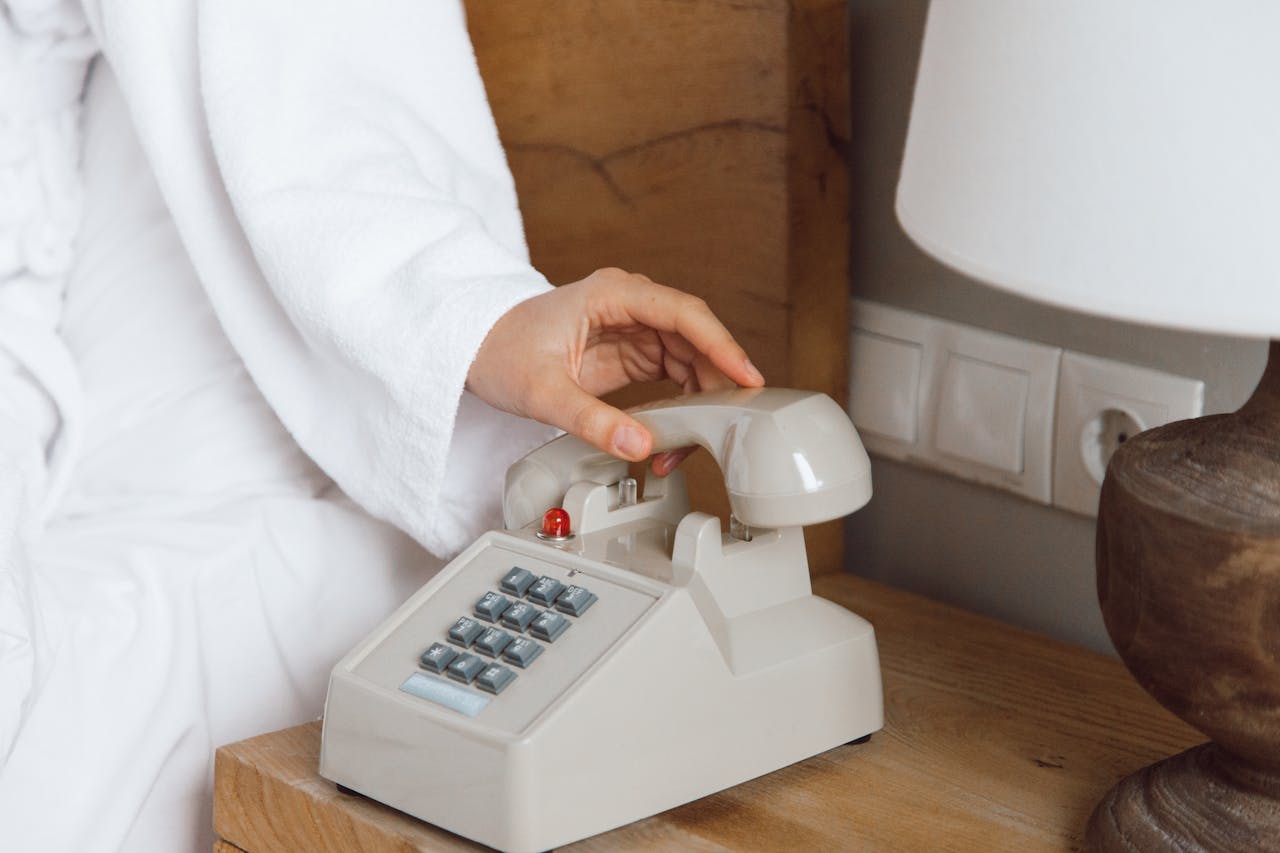
A busy signal was a boundary line, not just an error tone, because one conversation could block everyone else in the house from reaching anyone at all, including urgent calls that could not wait. Without call waiting, families negotiated phone time like they negotiated the TV dial, setting rules around dinner, homework, and late nights, while neighbors on party lines learned to share or resent the hold and the silence. Redialing turned into a small discipline, and the first clear ring after a string of beeps felt like permission to step back into the social current, finally heard instead of stalled on hold for minutes.
Long-Distance Rates Shaped Relationships

Long-distance rates made distance feel tangible, because affection and logistics arrived with a per-minute cost that showed up on the bill in plain numbers, sometimes itemized like a confession. Households waited for cheaper evening windows, planned what to say before dialing, and kept conversations focused, while operators arranged collect and person-to-person calls for relatives who needed the connection but watched every cent. That economy shaped language, too, and thrift developed its own signals, including brief rings meant to announce safe arrival, proving how pricing rules could quietly rewrite intimacy at home.
Emergencies Often Started With An Operator

In many communities, emergencies started with an operator, not a three-digit shortcut, and that human layer could change outcomes when minutes mattered. Dialing 0 or calling the exchange brought a calm voice that reached a doctor, a volunteer fire crew, or the sheriff while collecting landmarks, cross streets, and family names that maps did not always capture in rural areas. The switchboard office acted like a local nerve center, sometimes staying on the line to relay updates, coordinate neighbors, track addresses, and keep panic from spreading when storms, outages, and fear made every second feel longer in the dark.
One Handset Controlled Teen Social Life

One household handset turned teen social life into a public performance staged in hallways and kitchens, where every ring was heard by someone else first and every pause could be noticed across the room, in plain sight. Coiled cords stretched toward bedrooms, whispers dropped at the sound of footsteps, and cover stories formed fast when a parent lifted an extension and asked who was calling, then listened for hesitation and tone. Rules hardened around fairness and reputation, from no calls during dinner to curfews on weeknights, and the shared line kept privacy partial even when feelings ran high and secrets felt urgent.
Offices Ran On Switchboard Discipline

In offices, the switchboard served as the front door, and the person working it set the rhythm of the whole workplace with tone, speed, and discretion, often knowing everyone’s calendar by ear and habit. Calls were screened, transferred through PBX panels, and logged in neat handwriting, while messages landed on pink slips and desk blotters that traveled from reception to managers like small instructions that could not be ignored. That daily discipline decided who got through, who waited, and who was promised a call back, giving even modest firms a calm, competent voice customers recognized and trusted over years.
Linemen Kept The Whole System Real
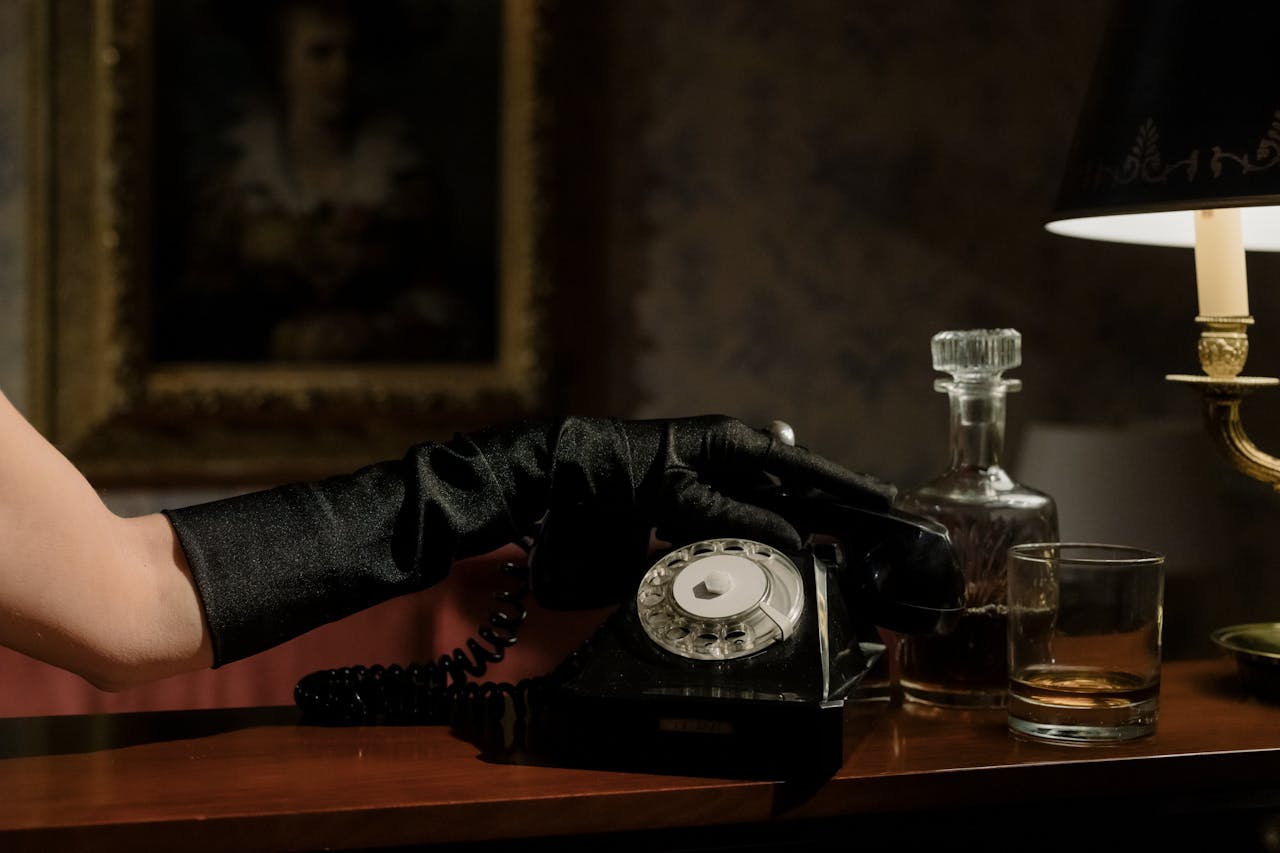
Behind every rotary handset sat a physical web of poles, splices, and copper that had to be maintained for voices to travel without hiss, crackle, or silence, and that work was constant. Linemen climbed in heat and rain to quiet noisy lines, replace broken drops, and restore dial tone, while central offices tested circuits, traced faults by neighborhood, and kept exchanges powered during outages. When service failed, the loss was immediate and practical, and repair crews earned real gratitude by bringing back that steady hum of connection, along with the simple comfort of being reachable again before nightfall, if possible.