Writers often talk about rooms and routines, but many of their best ideas were shaped outdoors, where weather, scent, and light kept the mind honest. A well-loved garden offers structure without noise: a path to pace, a bench to pause, and a season-by-season reminder that time moves. These author gardens are more than pretty settings. They are working landscapes where sentences were tested, revised, and sometimes rescued by a turn among roses, herbs, or sea air. In each place, the planting reveals what the writer valued: order, surprise, privacy, or freedom.
Sissinghurst Castle Garden, Kent (Vita Sackville-West)
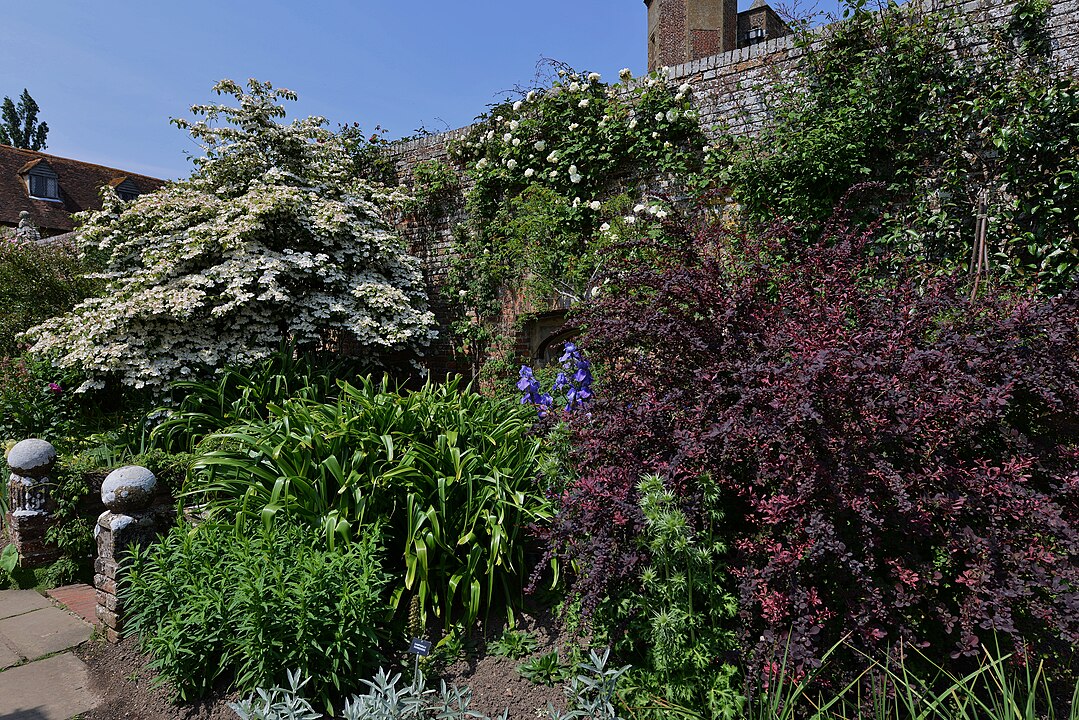
Sissinghurst feels like a set of outdoor rooms written in hedges, each one changing mood as clearly as a new chapter, and each space feels distinctly named at dusk. Vita Sackville-West and Harold Nicolson shaped spaces such as the White Garden and the Rose Garden so color stays intentional, while long yew lines, brick walls, and clipped edges keep the eye steady and the steps measured. Old roses, foxgloves, and airy perennials soften the structure, and the tower view reveals the real trick: strict geometry that still leaves plenty of space for scent, surprise, and a little wildness at the margins.
Monk’s House, Rodmell (Virginia Woolf)
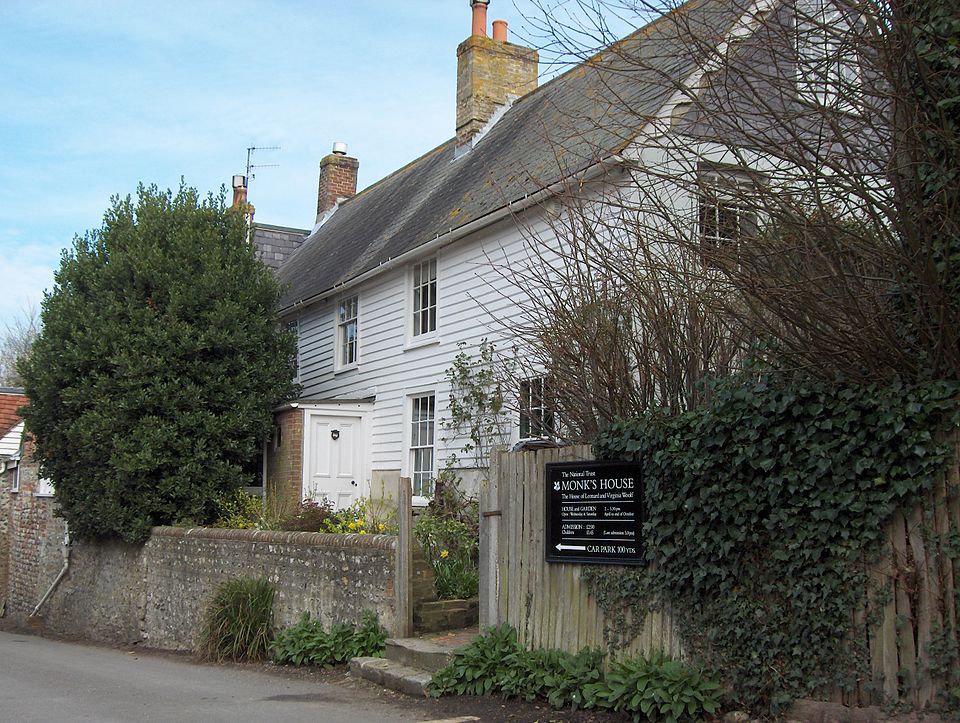
Monk’s House is a cottage garden with real working energy, small enough to feel intimate and structured enough to feel calm, even on busy summer days and windy mornings in spring. Leonard Woolf planned paths, beds, and an orchard so the space could be walked in short, repeatable loops, a practical rhythm between writing sessions, tea, and conversation, with benches that invite a pause. Climbers ease over flint walls, herbaceous borders thicken with color and scent, and the garden’s steady order mirrors Woolf’s strength: turning a small shift of light, birdsong, or weather into clear, lasting prose.
Greenway, Devon (Agatha Christie)
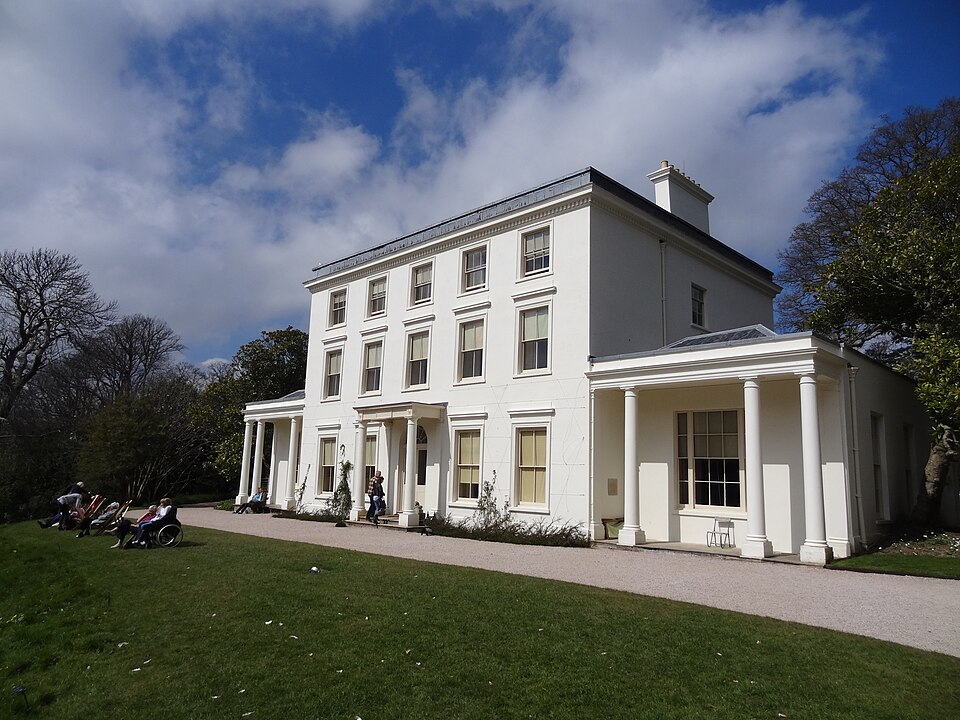
Greenway moves from sheltered garden rooms into riverside woodland, shifting from tended calm to shade that smells of leaves and water after rain, with air that feels cooler near the trees. Near the house, walled areas, a vinery, and clipped plantings hold privacy close, then paths drift downhill where birds and tall trees take over the soundscape and soften the world’s edges. By the time the route reaches the boathouse, the River Dart opens wide, and the place makes sense as a creative refuge: it offers cover, quiet, and a natural pace that lets thoughts arrive without forcing them into shape.
Hill Top, Near Sawrey (Beatrix Potter)
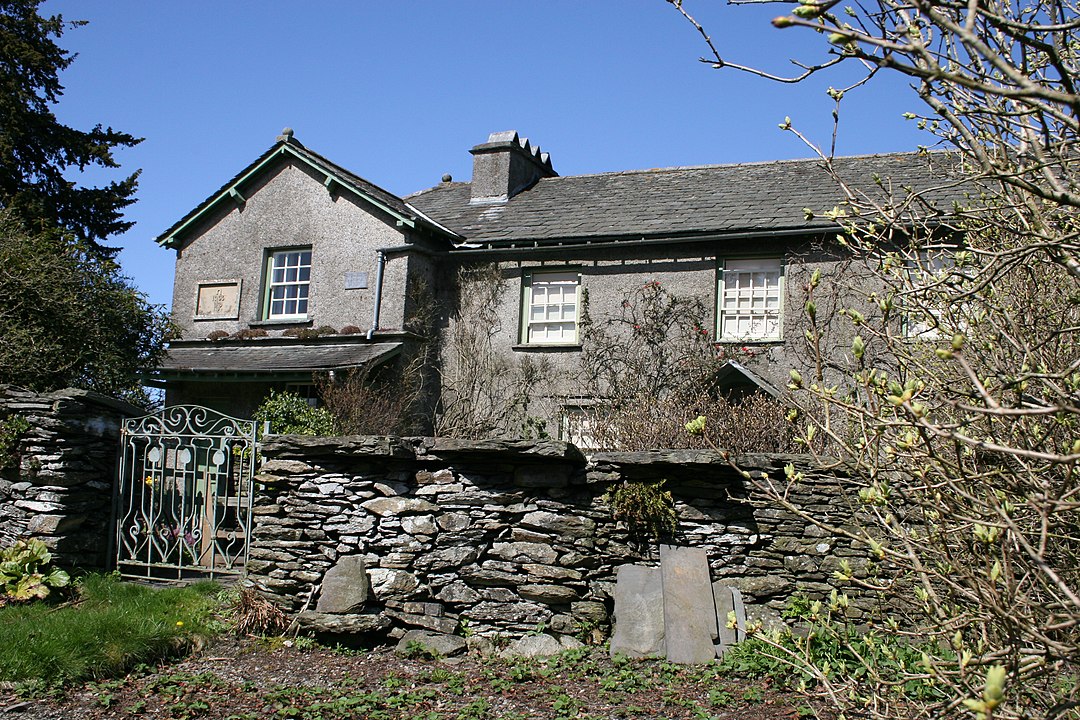
Hill Top’s cottage garden stays practical first, with vegetables, flowers, and stone edges laid out the way a small home depends on them. In the Lake District setting, gates, steps, and narrow paths sit close to the house, turning everyday corners into miniature stages where animals, weather, and imagination can easily share the scene. Bright borders sit beside useful beds, and details echo “The Tale of Tom Kitten” and “The Tale of Pigling Bland,” making it clear how Potter’s patient observation could turn ordinary planting into a world that still feels lively, familiar, and warmly scaled on purpose.
The Mount, Lenox (Edith Wharton)
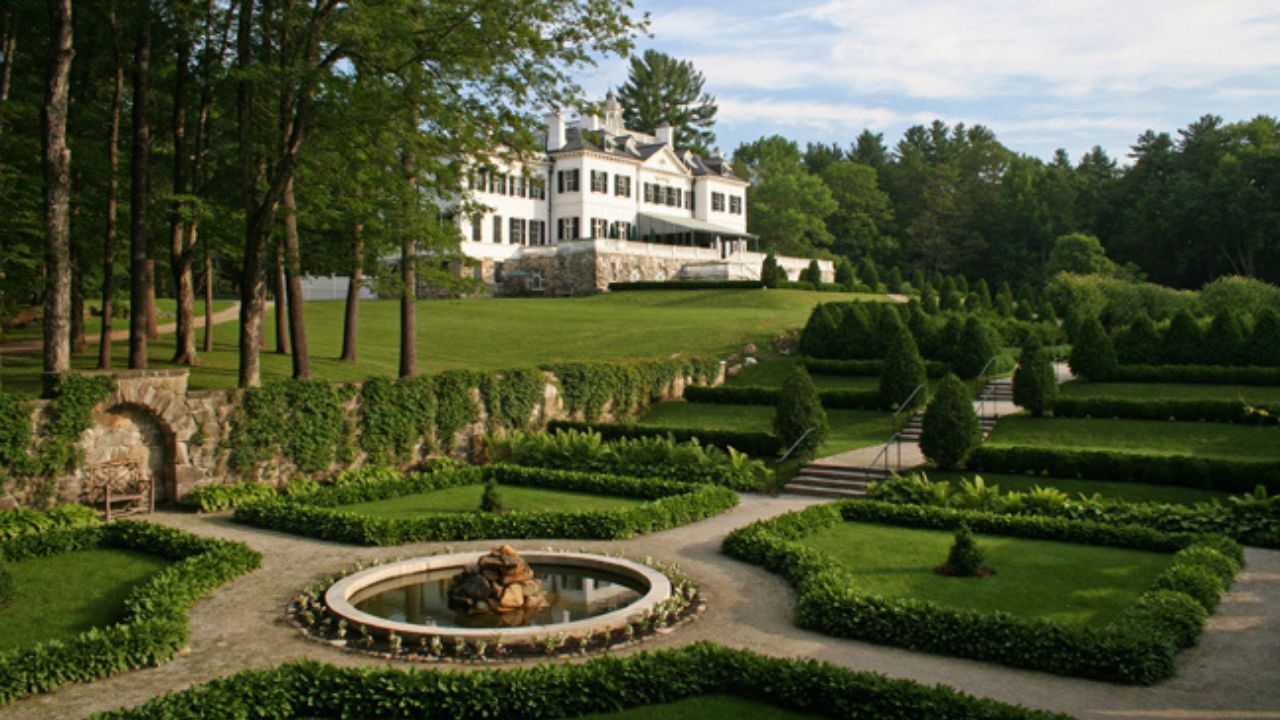
At The Mount, Edith Wharton treated the grounds like good prose: clean structure, deliberate transitions, and room for nuance, all held together by proportion and clear sightlines. Terraces and formal spaces, including an Italian-style garden, create composed pauses near the house, then paths ease outward into woods and meadow so the landscape can breathe and the mind can unclench. Framed views, clipped edges, and quiet benches keep everything ordered without feeling stiff, and the design suggests why the place suited her: it steadies attention, invites conversation, and then lets thought expand into silence.
The Homestead, Amherst (Emily Dickinson)
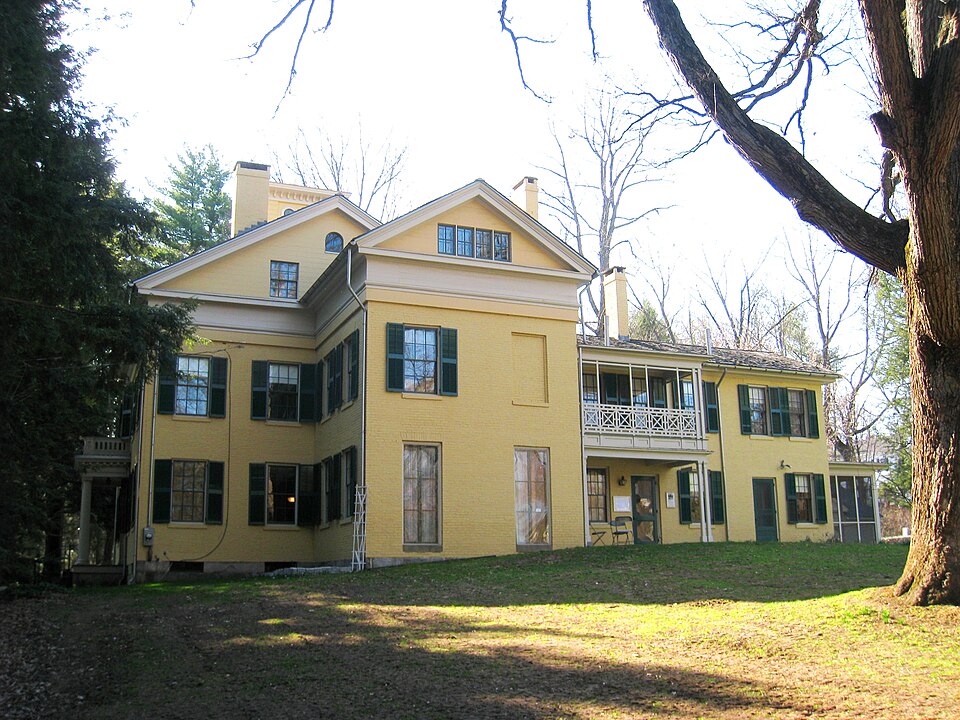
The Dickinson Homestead garden speaks through detail, not size, built for close attention to bloom times and small changes of light across familiar beds and borders each day. Beds and borders reward the habit of looking twice, where a bud opening, a shifting shadow, or a sudden scent becomes a note worth keeping, pressed into memory like a flower and carried indoors. The conservatory adds a bright refuge for leaves and color when weather turns cold, extending the growing year into daily life and explaining why plants recur in her poems as proof that the smallest things can carry astonishing meaning.
Jane Austen’s House, Chawton (Jane Austen)
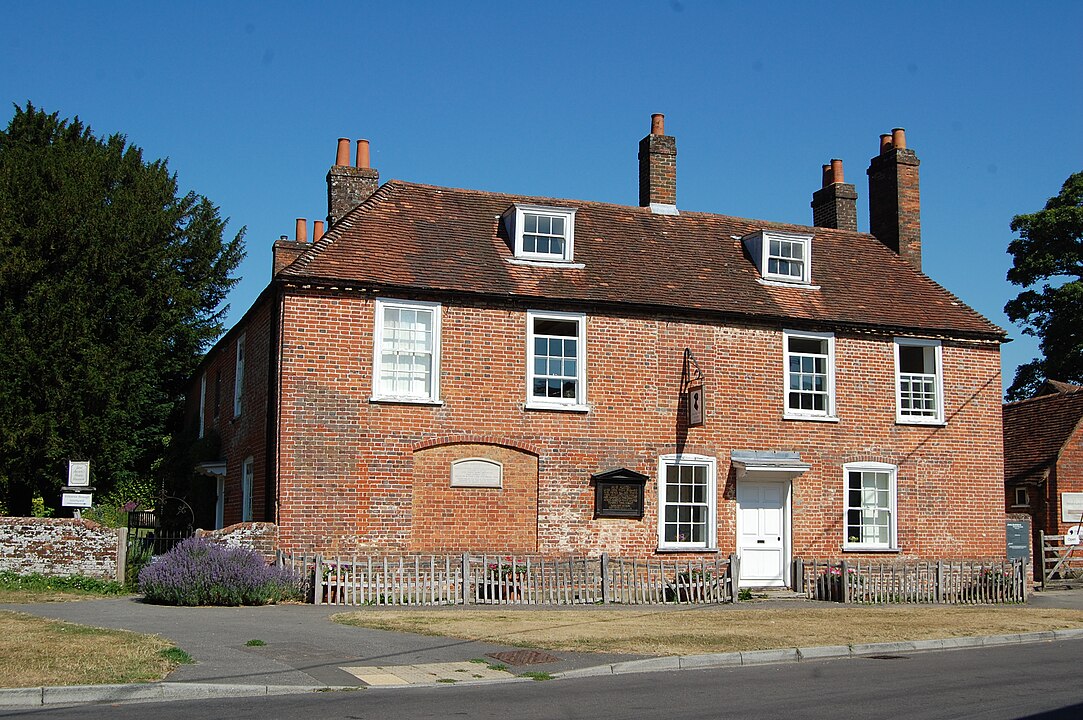
Jane Austen’s garden at Chawton reflects household rhythm, with flowers for pleasure, fruit for the table, and vegetables for everyday meals, all kept within an easy, domestic scale that favors routine. An orchard and a shrubbery walk offered gentle routes for pacing, while the kitchen garden kept life tied to season and routine, the quiet counterweight to sharper social scenes on the page and in the parlor. The setting remains modest and orderly, and that restraint is the point: a short stroll could cool a mind, sharpen a line of dialogue, and return a day to balance without any need for grandeur.
Max Gate, Dorchester (Thomas Hardy)
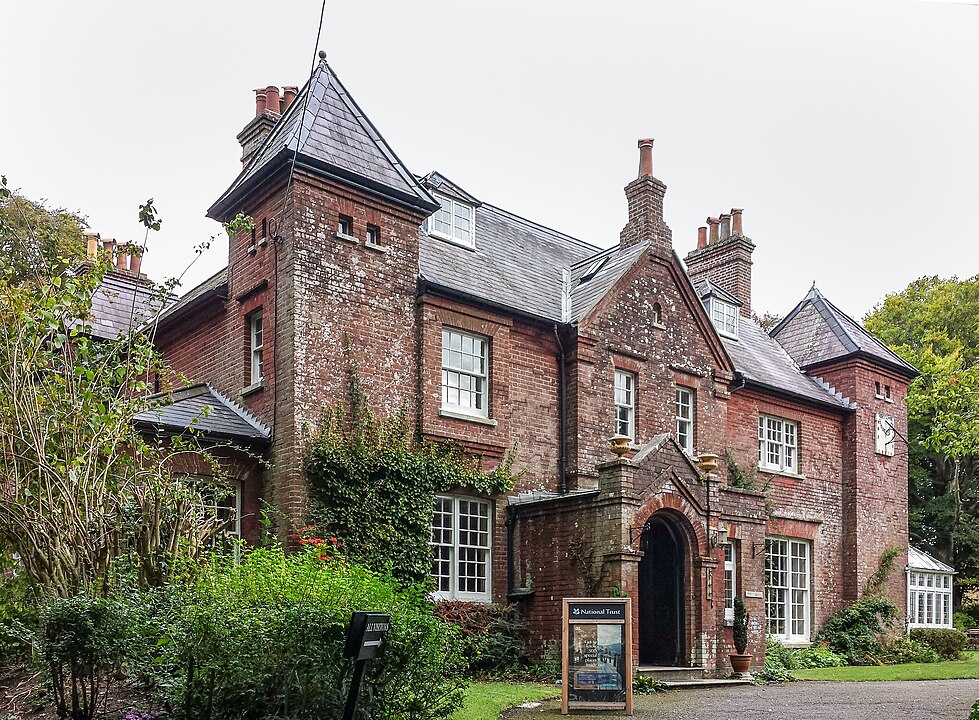
Max Gate was planned with work in mind, and the garden carries that purpose in its simple, walkable layout, close enough to feel like part of the house. Hardy designed paths that can be taken in repeated loops, letting a thought settle through motion before it returns to the desk, with trees providing soft shelter and borders adding color without fuss or excess. The house sits close enough that outdoors feels like an extra room of the study, and the whole setting reads as a practical Dorset companion: steady, familiar, and made for revisiting the same view until a sentence finally sounds right.
Shaw’s Corner, Ayot St Lawrence (George Bernard Shaw)
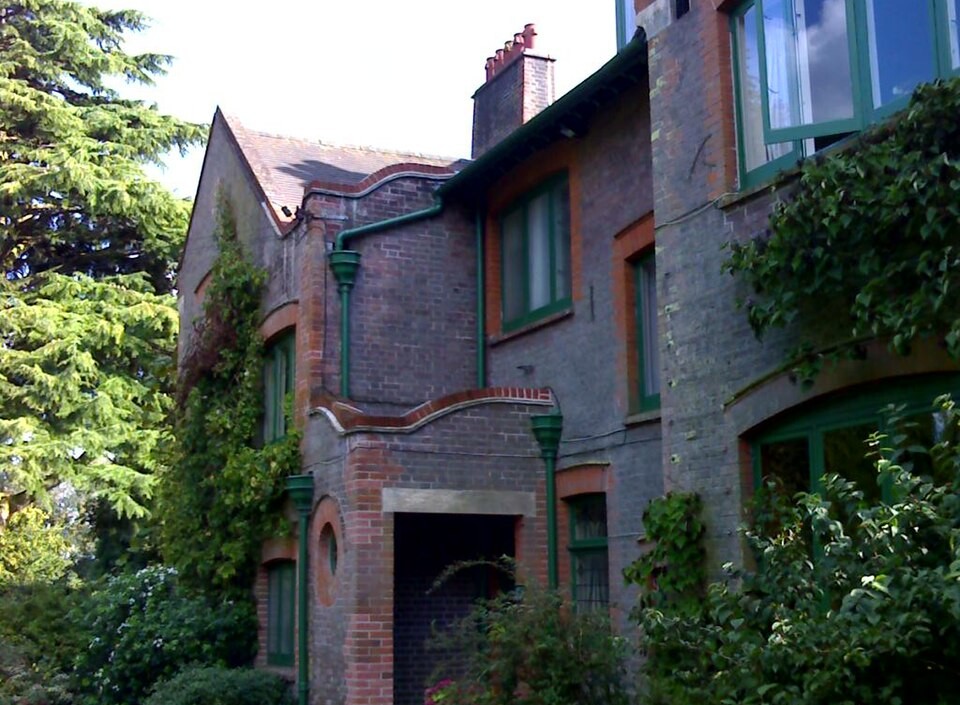
Shaw’s Corner is shaped by a practical invention: a small revolving garden hut used as a workroom at the end of the lawn, modest in size but clever in intent and oddly charming today. It could be turned to follow the sun, keeping natural light steady on the page and making the short walk there a daily reset that separated ordinary chatter from focused work, almost like closing a door. Around it, beds, lawn, and shade trees keep the garden calm and human-scaled, a place for pacing through an argument and returning to the desk with cleaner judgment, as if the landscape itself insisted on clarity.
Bateman’s, Burwash (Rudyard Kipling)
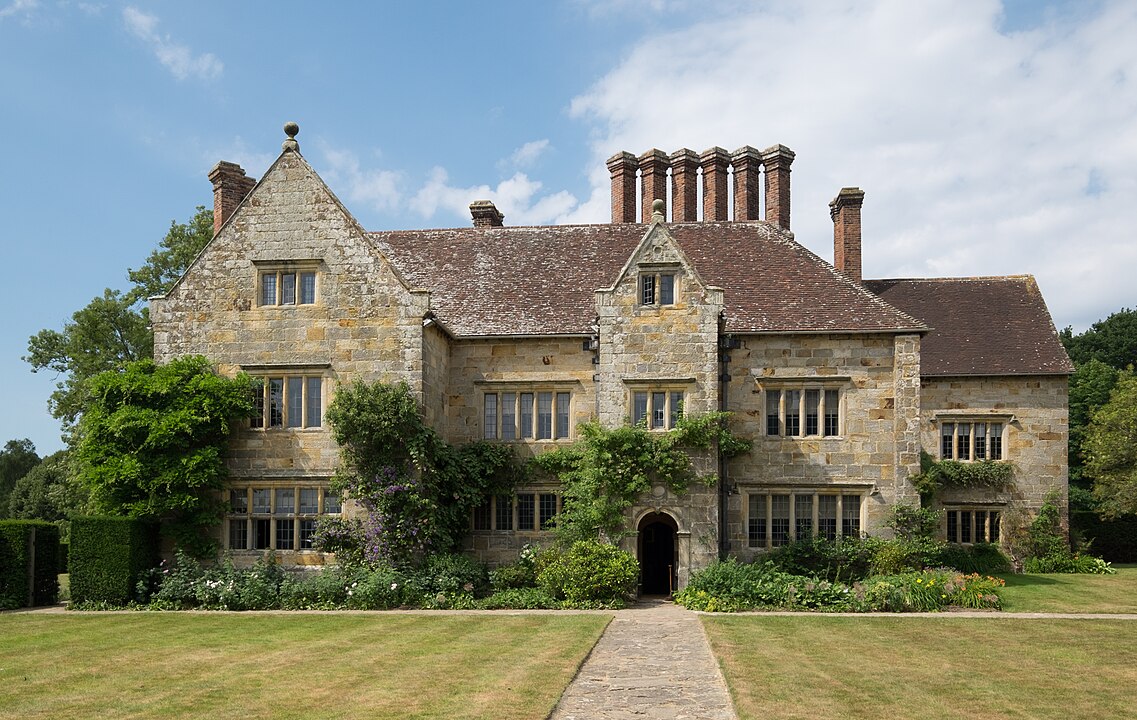
Bateman’s surrounds Kipling’s house with a garden that balances formal shape and countryside ease, so it feels cared for without feeling strict, and always comfortable to move through. A stream, ponds, and a working watermill bring gentle sound and movement, while orchard areas and meadow edges open the grounds into softer, wider views that change with the day’s light. Paths shift between sun and shade, offering both privacy and openness, and the place reads like a set of ready-made settings: a lawn for gatherings, a corner for quiet, and a walk for clearing the mind, then returning with steadier focus.
Yasnaya Polyana, Tula Region (Leo Tolstoy)
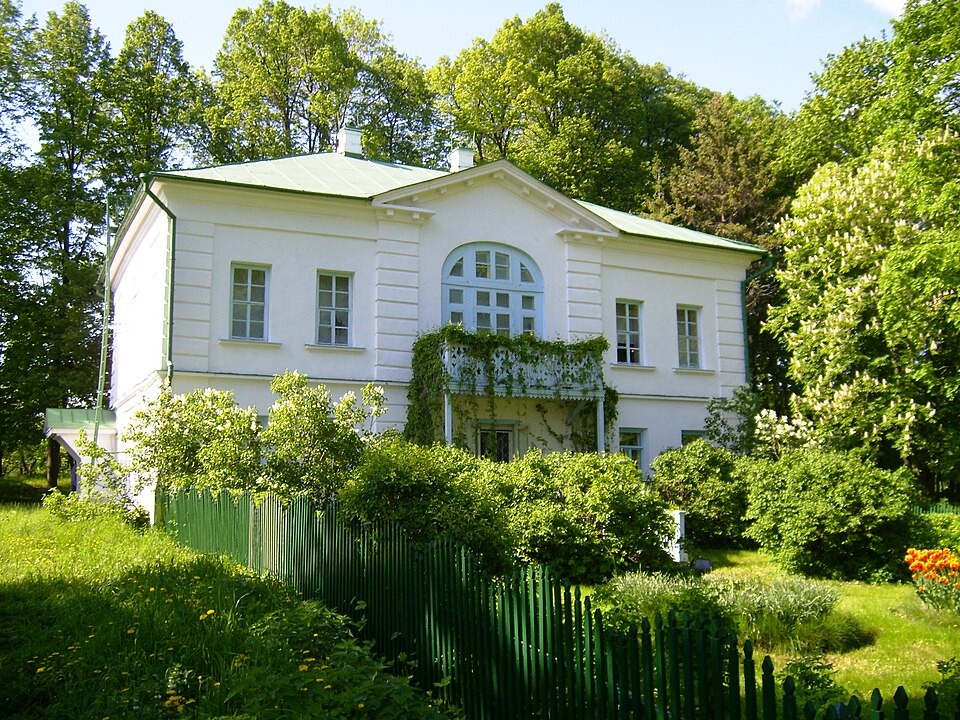
Yasnaya Polyana carries the scale of an old estate, with long tree-lined avenues that invite unhurried walking and long thought through changing seasons. Orchards, ponds, and broad lawns create space for reflection, while more formal garden areas add structure without turning the land into display, keeping the beauty direct and usable. The grounds feel lived with rather than polished, and that plain authenticity matches Tolstoy’s pull toward simplicity and clarity: here nature is not decoration, but a steady companion that offers distance, quiet, and time to consider what matters, without showiness.
Isla Negra, El Quisco (Pablo Neruda)
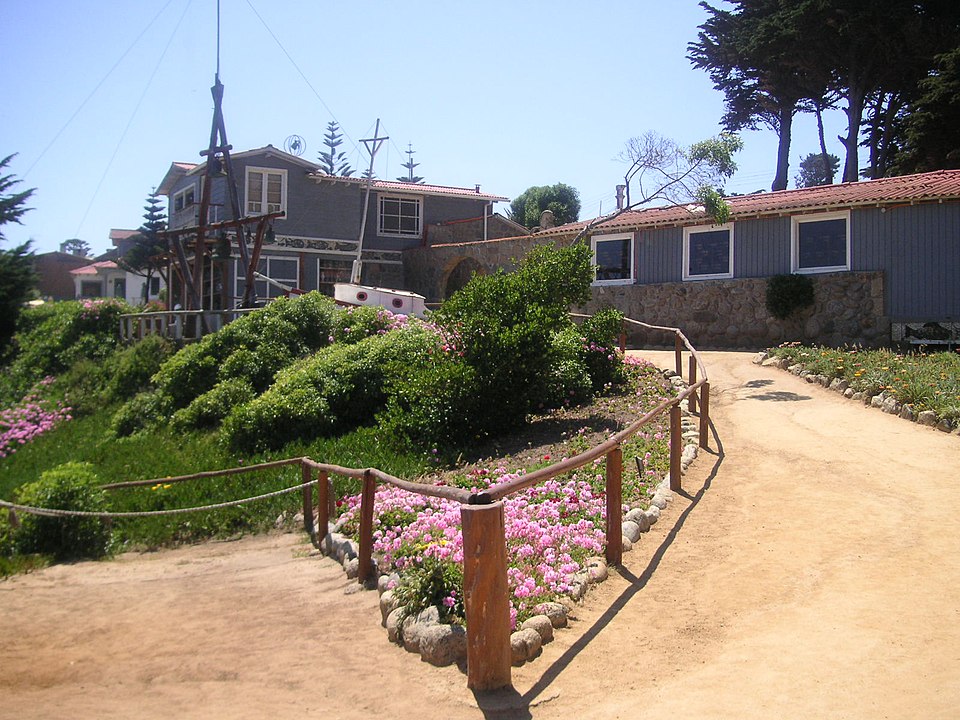
Isla Negra is less a formal garden than a coastal outlook shaped by salt air, stone, and constant change from the Pacific, where the sea sets the tempo and the wind does the editing. The setting trades clipped borders for viewpoints, wind-tolerant plants, and paths that keep drawing attention toward water and sky, where weather rearranges the scene in minutes and resets the mind. Light shifts quickly, the horizon does its own composing, and the place suits Neruda’s way of seeing: a landscape that keeps delivering fresh images and textures, asking only attention and leaving the rest to the sea.