Classic muscle cars are remembered for loud V8s, bold stripes, and the kind of straight-line punch that rearranges a grin. But many were engineered for boulevard bragging and quarter-mile runs, not for late-apex corners or broken pavement. Heavy big-blocks, soft springs, skinny factory tires, and vague steering turned speed into drama once the wheel was turned. They remain icons, yet they also capture an era when power grew faster than chassis tuning, brakes, and grip. Driven gently, they cruise with swagger. Driven hard, their weight transfer, body roll, and slow responses can make a fast car feel oddly uncertain.
Plymouth Hemi ’Cuda (1970–1971)
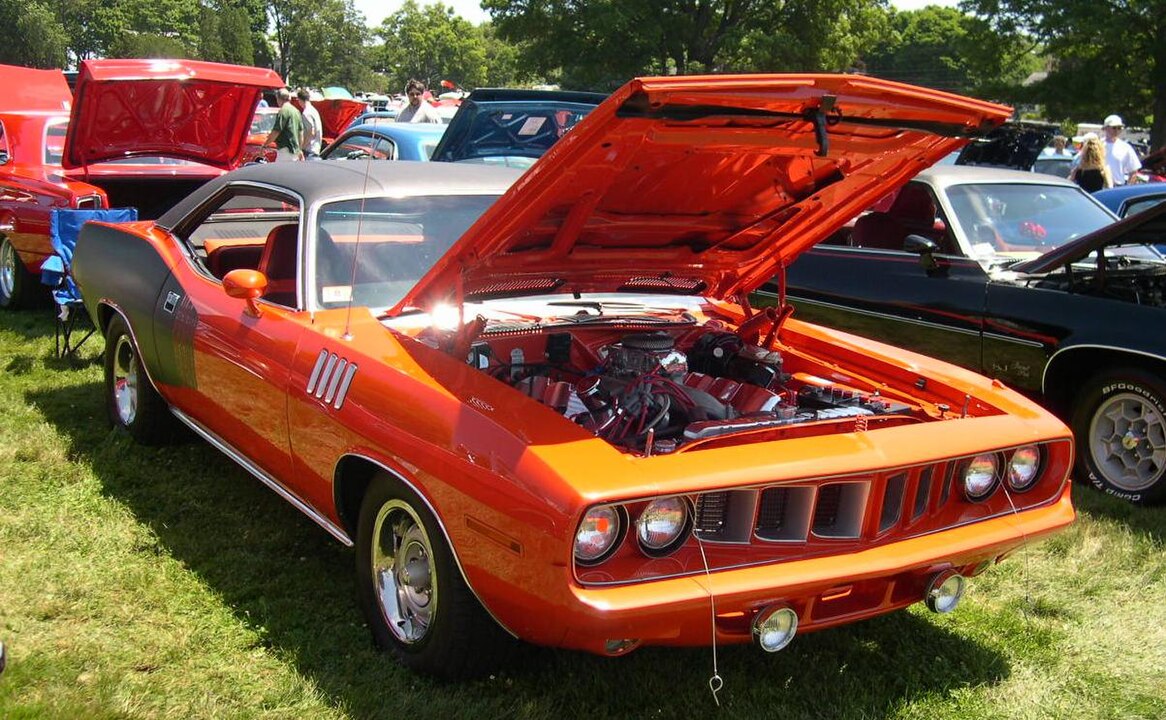
Few names loom larger than the Hemi ’Cuda, and the 426 under its hood explains why. That same mass sat in a short wheelbase package, skewing balance and making transitions feel abrupt once the road stopped being straight. Period suspension and tire tech struggled to settle it, so hard cornering brought heavy body roll, a wandering sense of center, and a rear end that could feel loose when power was fed back in. On bumpy turns, it asked for constant small corrections, as if the front and rear were negotiating two different plans at speed. The legend came from acceleration, not cornering confidence. For most drivers.
Chevrolet Chevelle SS 454 (1970)
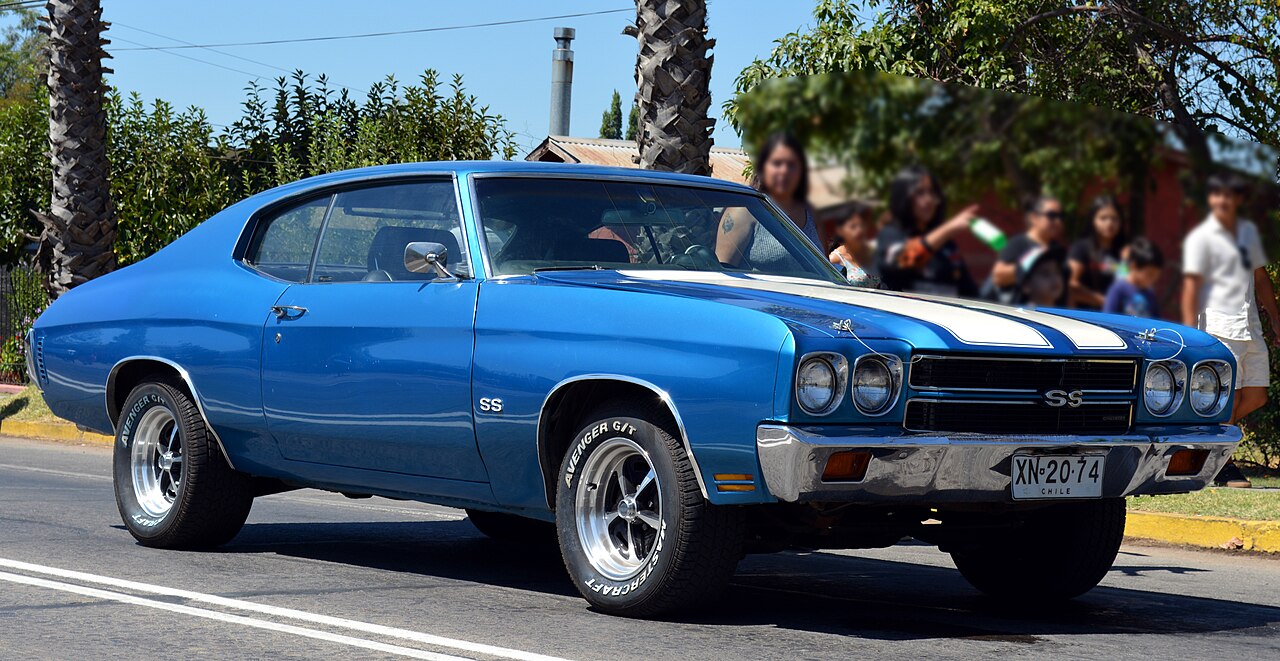
The Chevelle SS 454 could feel like a sledgehammer in a straight line, then strangely heavy-footed the moment the road tightened. Its big-block weight loaded the nose, encouraging understeer and a slow, reluctant turn-in that begged for patience. Factory tire widths and comfort-first spring rates let the body lean and take a beat to settle, so the steering often communicated more guesswork than precision. On fast sweepers, that delay between input and response could make the car feel detached, even when everything was working as intended. Hard braking into corners piled weight forward, and the front end pushed wide.
Dodge Challenger R/T (Early 1970s)
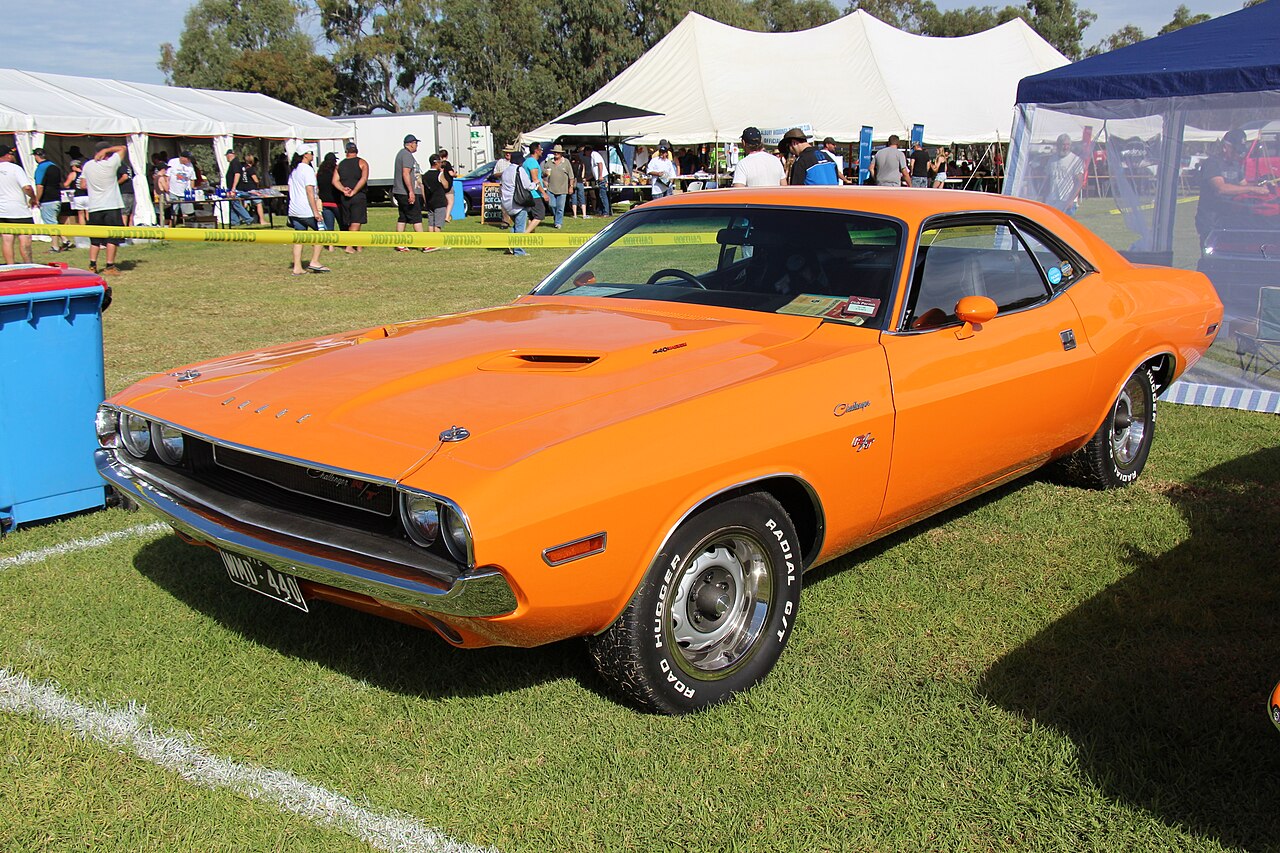
Early Challenger R/T models looked ready for a road course, yet their hardware was happier cruising than carving. Bulk up front, plus dated suspension geometry, produced steering that felt slow to wake up, then vague once it did. The long hood and heavy nose encouraged mid-corner push, while the rear suspension could struggle to keep consistent traction when the throttle was added. On uneven pavement, the car often felt like it was riding on separate motions, with the body rolling first and the tires sorting it out later. Its stance promised confidence, but quick left-right transitions felt like persuasion, not command.
Pontiac GTO Judge (1969)
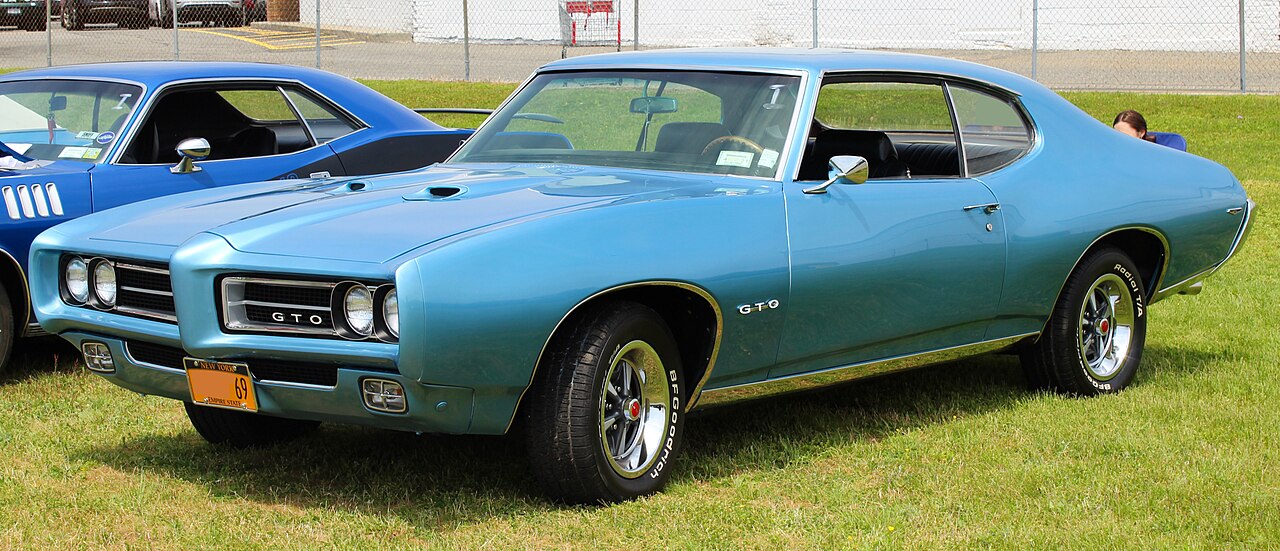
The GTO Judge helped define the muscle car idea, and it delivered the kind of shove that made stoplight folklore. In corners, comfort-minded tuning took over. Soft springs and dampers allowed dramatic body roll, and the chassis could feel slow to take a set, so the driver was often waiting for weight to settle before asking for more speed. Braking could be inconsistent by modern expectations, which added another layer of caution when a fast straight ended in a tight bend. With limited grip and steering that favored ease over feedback, it was easy for the front to wash outward while the cabin swayed in a slow dance.
Ford Mustang Mach 1 (Early 1970s)
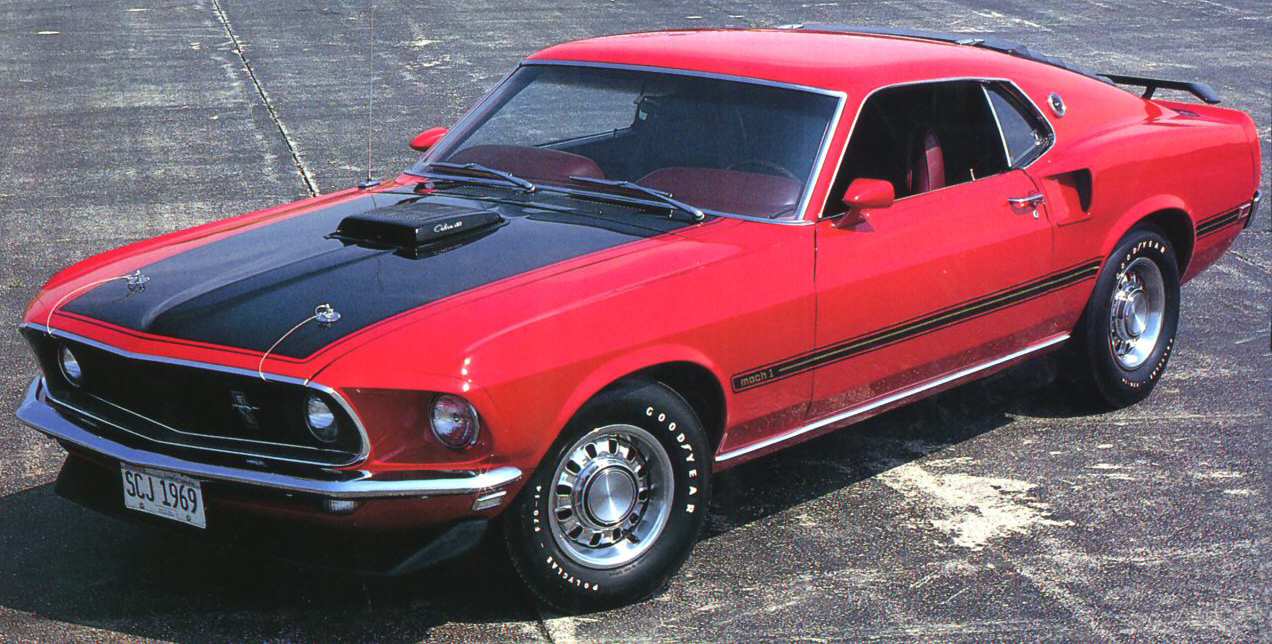
As the Mustang grew in the early 1970s, the Mach 1 gained presence and power, but the platform paid for it in poise. Bigger engines arrived faster than meaningful brake and suspension upgrades, and the solid rear axle did not flatter rough surfaces. Limited tire grip and a willingness to step out made the car feel lively, sometimes too lively, especially when the pavement was uneven or wet. The result was a machine that could be thrilling at moderate pace, then abruptly sideways when driven as hard as its styling implied. Steering play and big weight transfer meant corrections arrived late and needed a light touch.
Chevrolet Camaro Z28 (Second Generation, Early Years)
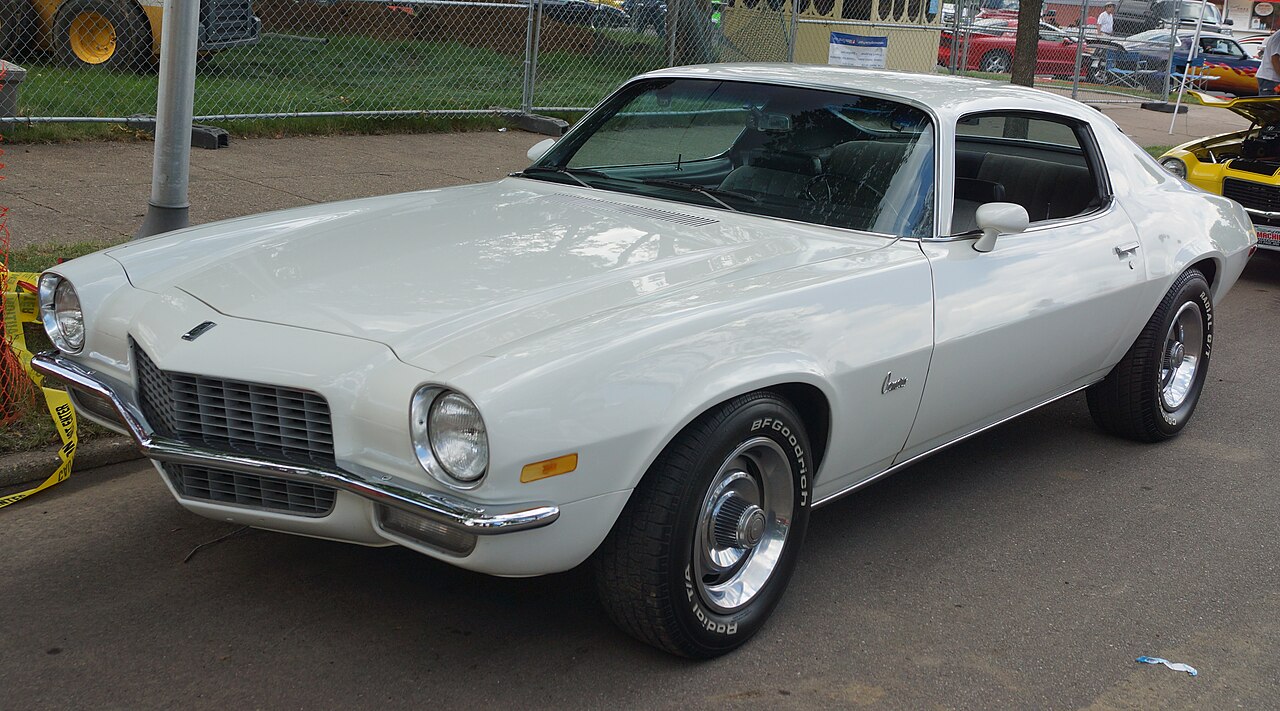
Early second-generation Camaro Z28s looked wider, lower, and ready to hunt corners, but the feel did not always match the shape. Steering could come across as numb, and stock shocks and springs allowed more body movement than performance driving wanted. That extra motion blurred the limit, so the car sometimes leaned, floated, then finally took a set after the moment had passed. Later tuning and aftermarket fixes transformed many examples, yet in factory form the early cars could feel like they were still learning what the styling promised. Mid-corner bumps could kick it off line, turning an entry into a busy correction.
AMC AMX (1968–1970)
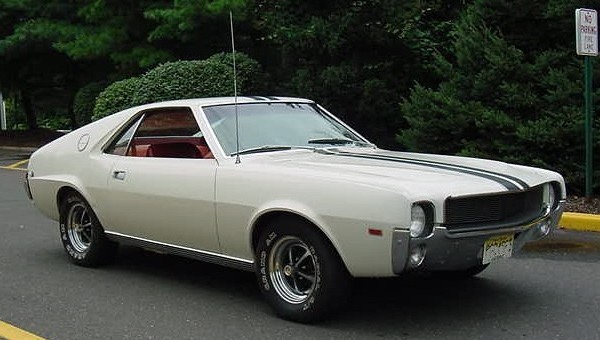
The AMC AMX packed real muscle into a compact shell, and that short wheelbase was both its charm and its warning label. At speed, quick reactions could slide into twitchiness, especially when the road surface turned rough. Pushed beyond casual cruising, the car could feel unpredictable in corners, as if grip arrived in pulses rather than a steady line. It was fast off the line and easy to love at a glance, but the same tight footprint that made it agile could also make it nervous when the driver asked for more. Small steering inputs had outsized effects, and mid-corner ripples could change the car’s attitude fast.