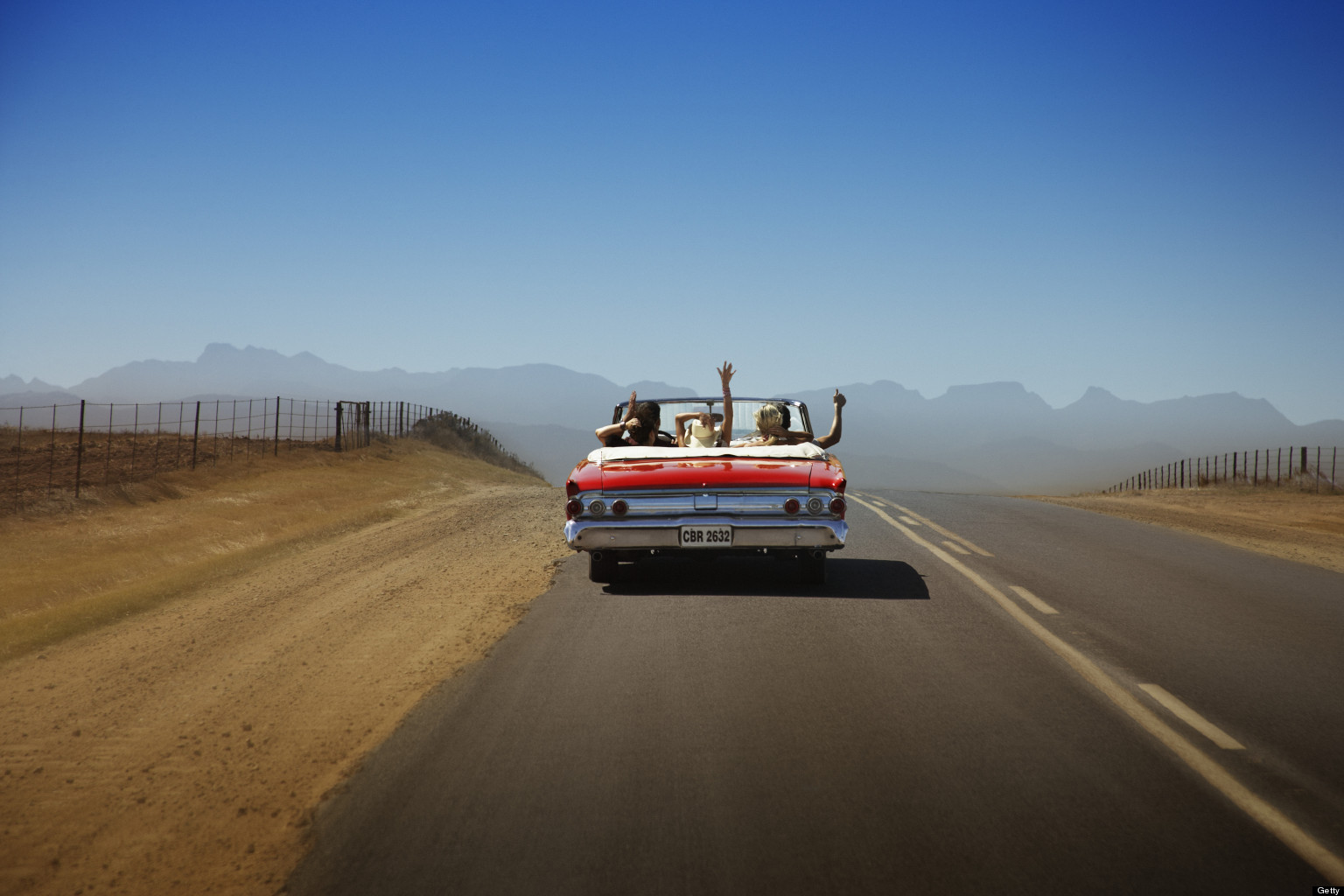
A suitcase can hold perfectly normal items that suddenly feel suspicious at a border, a museum door, or a sun baked town square. Most bans are not about drama. They are about cleanup crews, fragile stone, overcrowded streets, and a few bad incidents that became expensive. The surprise is how ordinary the trigger can be: a snack bought on impulse, shoes packed for a photo, a bag grabbed at checkout. In each place, the rule is a small attempt to keep daily life livable and heritage intact. The result is a quiet patchwork of local lines that make travelers pause, then laugh, then read the sign twice. And comply. For once.
Chewing Gum
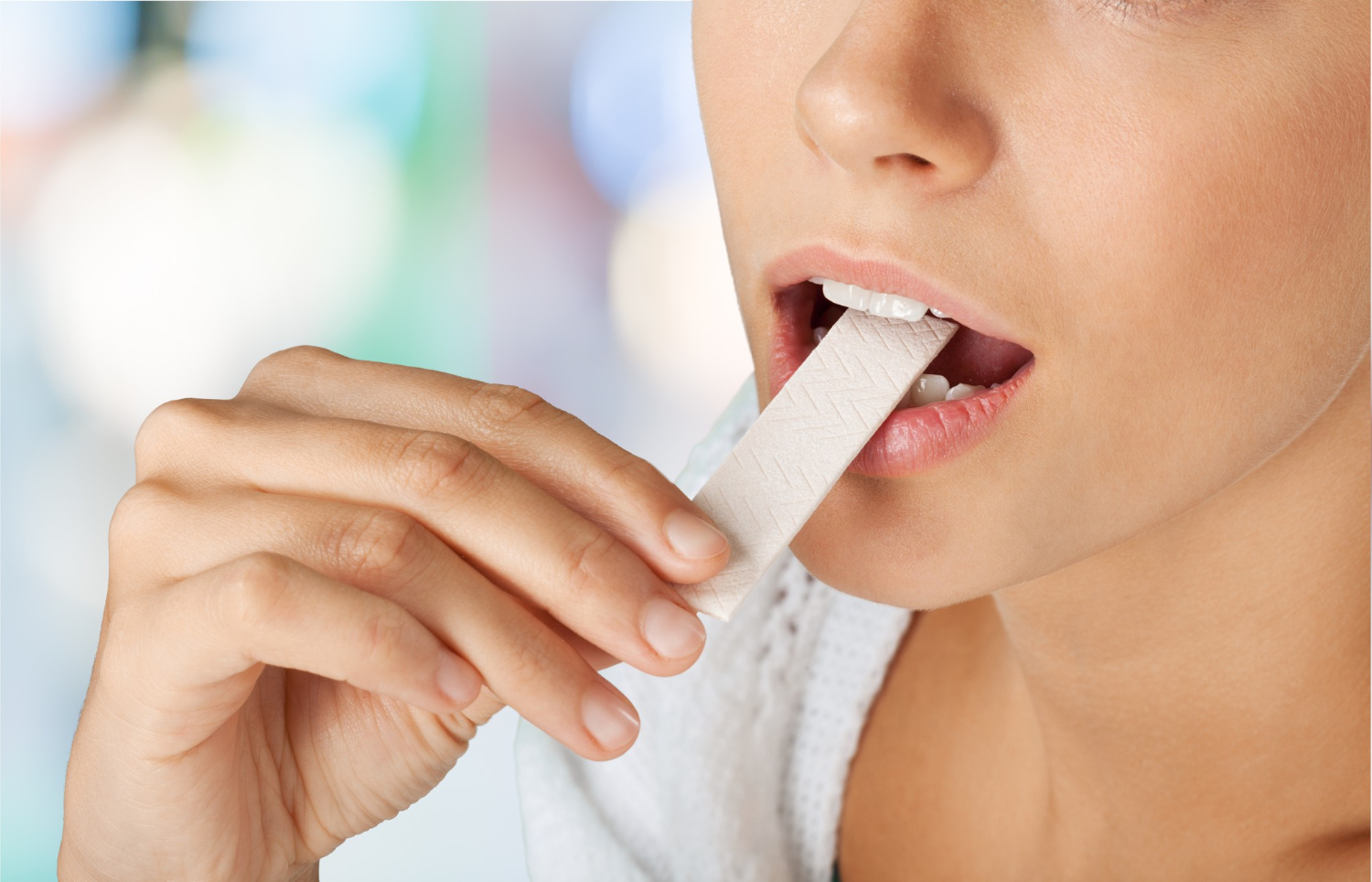
In Singapore, chewing gum is not illegal to chew, but the sale and import of most gum have been tightly restricted since 1992. Officials were reacting to a specific nuisance: gum stuck on sidewalks, elevator buttons, and transit equipment, including train door sensors that could fail when gummed up, delay commuters, and rack up cleanup costs. Since 2004, certain therapeutic gums have been allowed through doctors or pharmacies, while ordinary gum import is prohibited under regulation except for limited cases, so multiple packs in luggage can look like intent to distribute and be seized or questioned at entry points.
Kinder Surprise Eggs
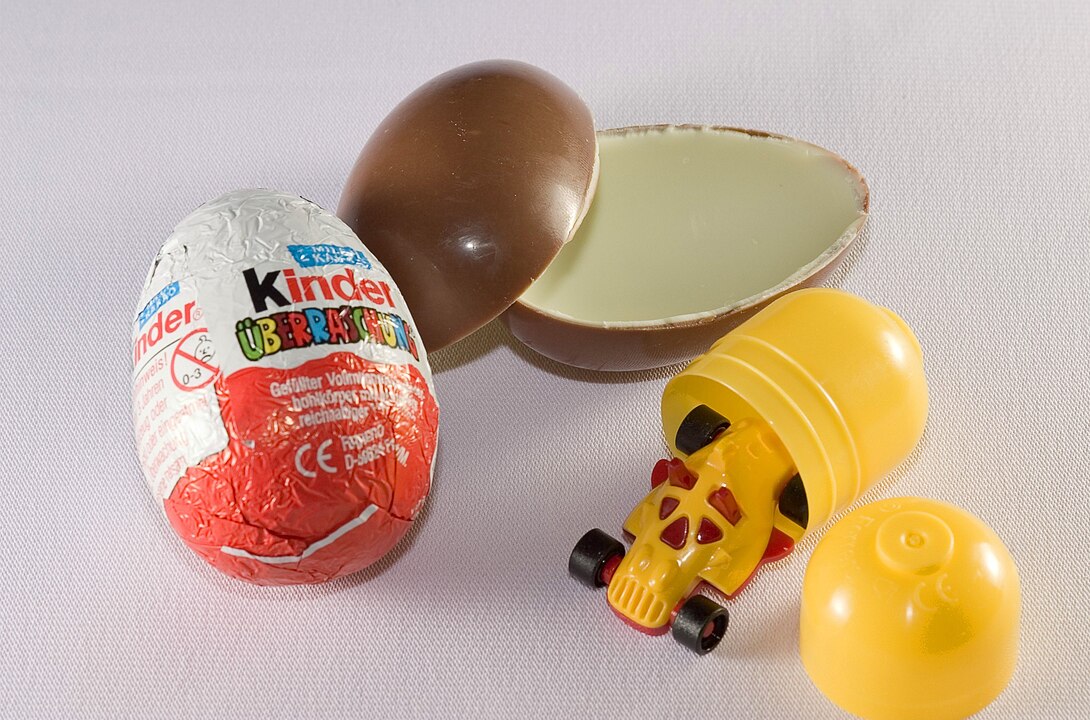
In the United States, Kinder Surprise style chocolate eggs with a toy sealed inside are treated as prohibited to import and sell, even when they look like an innocent gift in carry on luggage. The issue is the format: U.S. rules bar confectionery that contains a hidden nonfood object because it can be swallowed, and agencies have flagged the toy capsule as a choking and aspiration risk for young children. In much of Europe and elsewhere, the same egg is a normal checkout treat with clear age warnings and a familiar brand, which is why it still surprises families when a sweet becomes a seized item at customs unexpectedly.
Single Use Plastic Bags
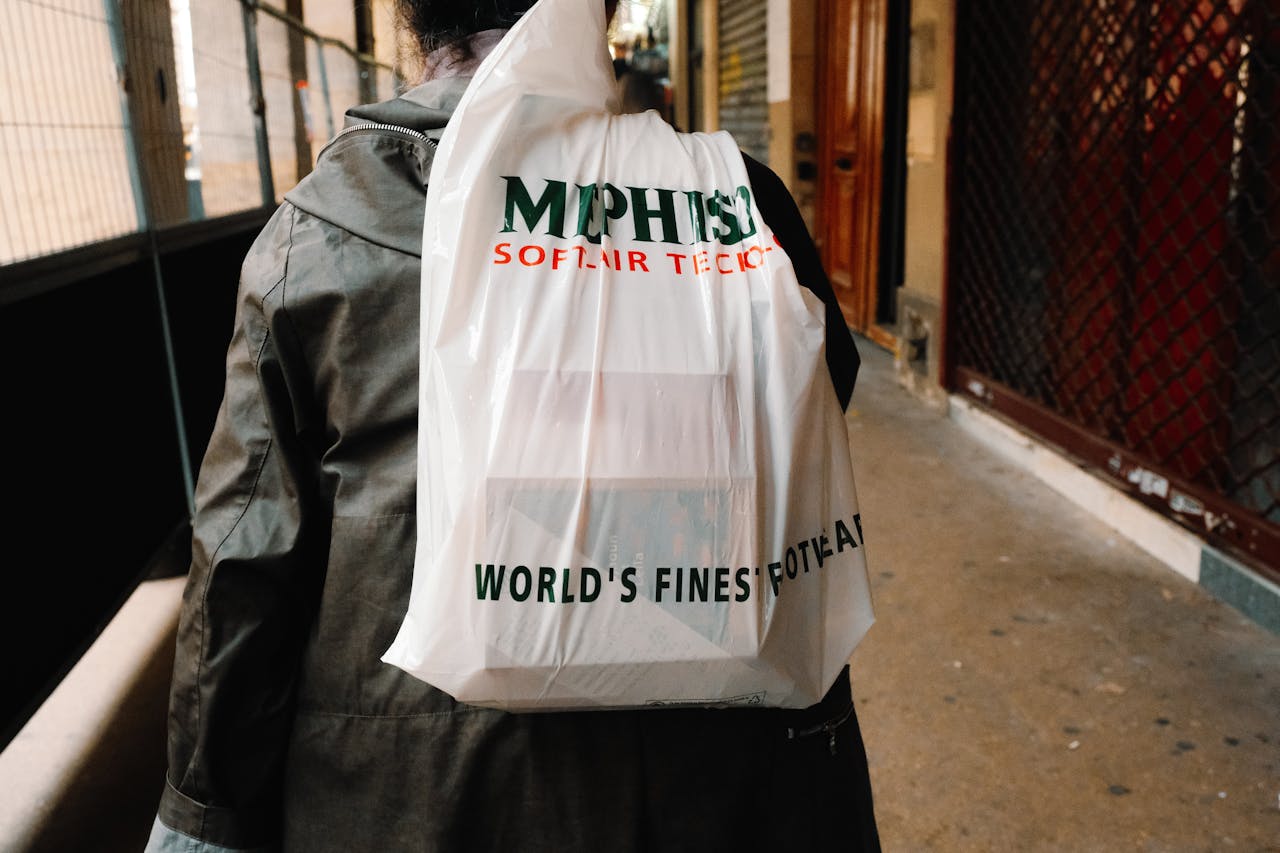
In Kenya, the thin plastic shopping bag that feels disposable elsewhere can carry serious consequences, including hefty fines and potential jail time under the 2017 crackdown on carrier bags. The country targeted single use plastics to reduce pollution that clogs drains, harms livestock, and lingers in waterways, beaches, and parks, where it can outlast the trip that created it. The ban covers producing, selling, and using certain plastic bags, so visitors often switch to cloth totes fast, not for virtue signaling, but because an everyday checkout bag can turn into a legal headache at the wrong checkpoint quickly.
Laser Pointers
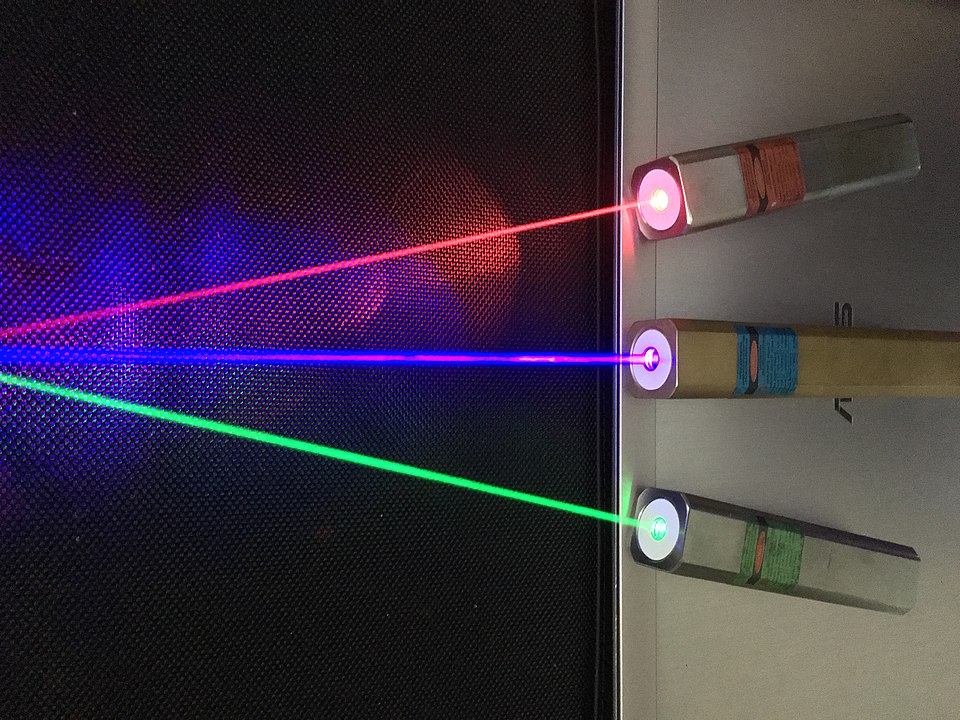
In Switzerland, many higher powered laser pointers have been banned since June 1, 2019, including restrictions on import, possession, and use, with only the safest class generally permitted. The concern is practical and medical: noncompliant lasers can cause eye injuries, and they have been misused in public, including shining at vehicles and aircraft, which turns a cheap pointer into a safety threat. A gadget bought online for presentations or pets might be illegal the moment it lands, so the tiny label showing the laser class and power is the detail that decides whether it stays in a pocket or gets confiscated.
High Heels at Ancient Sites
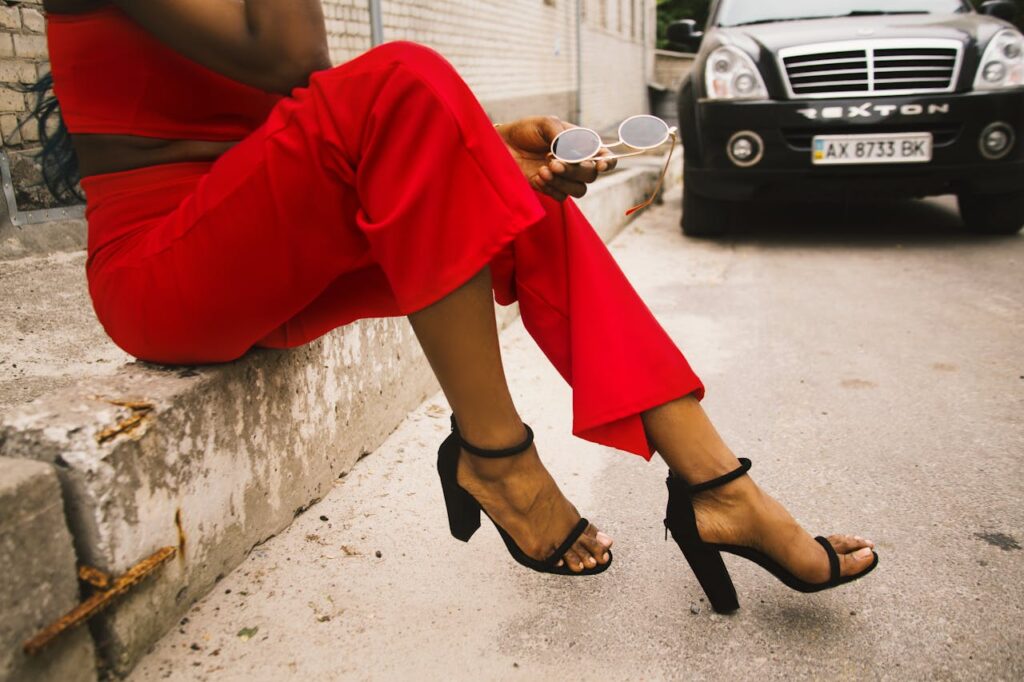
At major ancient sites in Greece, high heels have been barred in order to protect fragile surfaces, a policy widely reported since 2009 for places tied to antiquities and open air performances. The rule is preservation, not fashion policing, and it shows up where millions of footsteps add up to wear on marble stairs, thresholds, and theater seating that already carries cracks from time, salt air, and heat. A pointed heel concentrates weight into a sharp tip that can chip and scratch, so staff may refuse entry or ask for a change of shoes, making flats part of access conditions at iconic monuments during peak visitation.
Birdseed for Pigeons
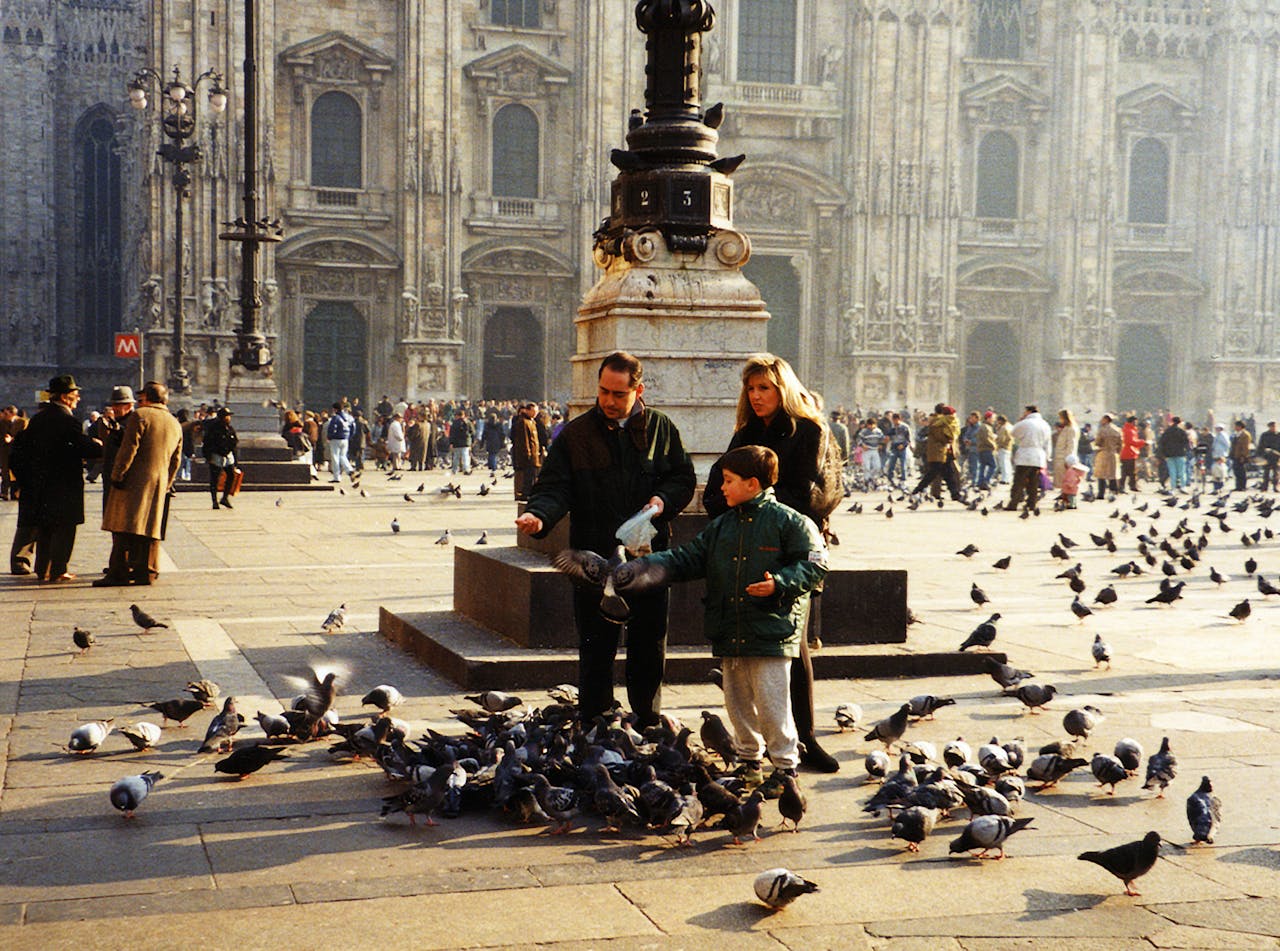
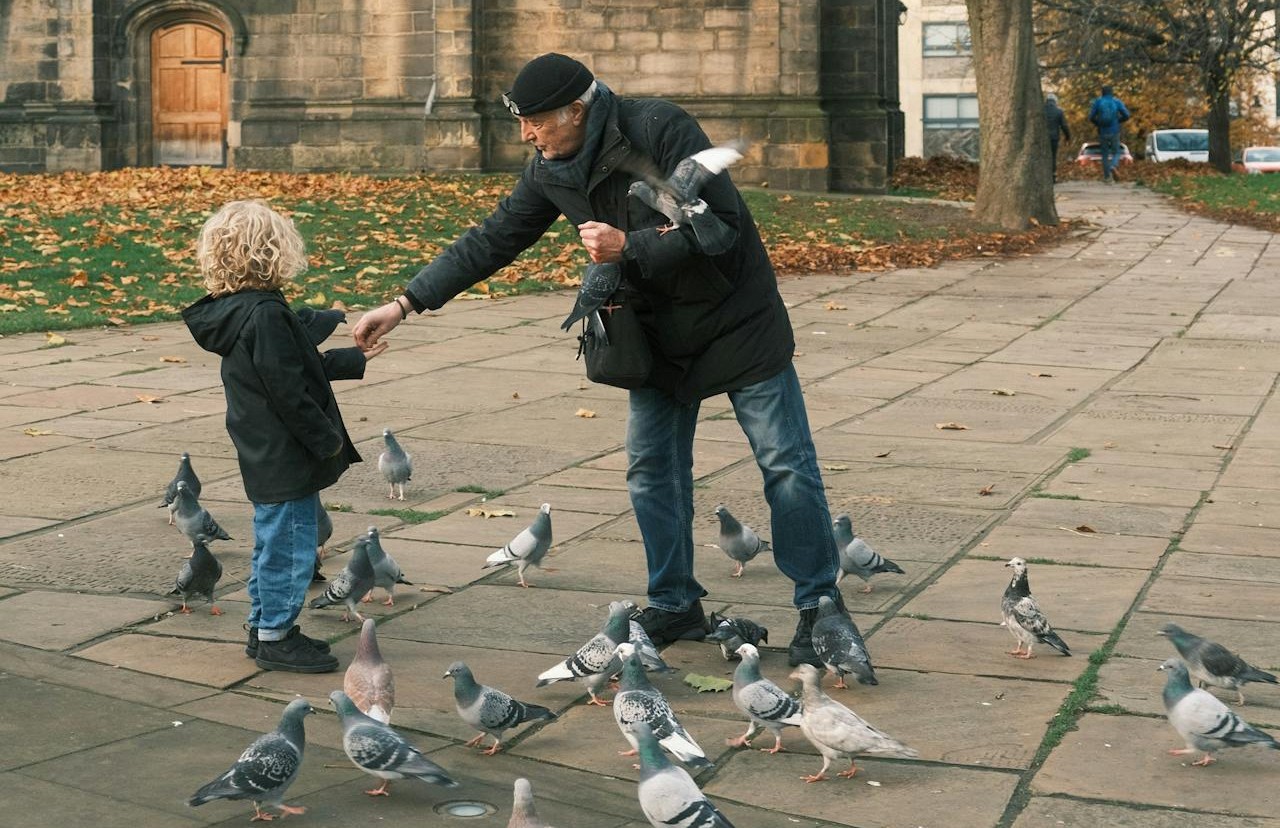
In Venice, feeding pigeons and even distributing grain for them has been banned, and fines can run from modest to painful depending on the location, the crowd, and the officer’s patience. The city’s concern is the aftermath: droppings stain and corrode stone, birds cluster around cafés and churches, and dense crowds stop in the same places to throw feed, turning a small moment into a bottleneck for everyone else. A tiny bag of seed can summon a swarm in seconds, so the rule quietly protects façades, walkways, and the everyday rhythm of a city that has very little space to spare in its most famous squares in summer.
Beach Sand and Shell Souvenirs
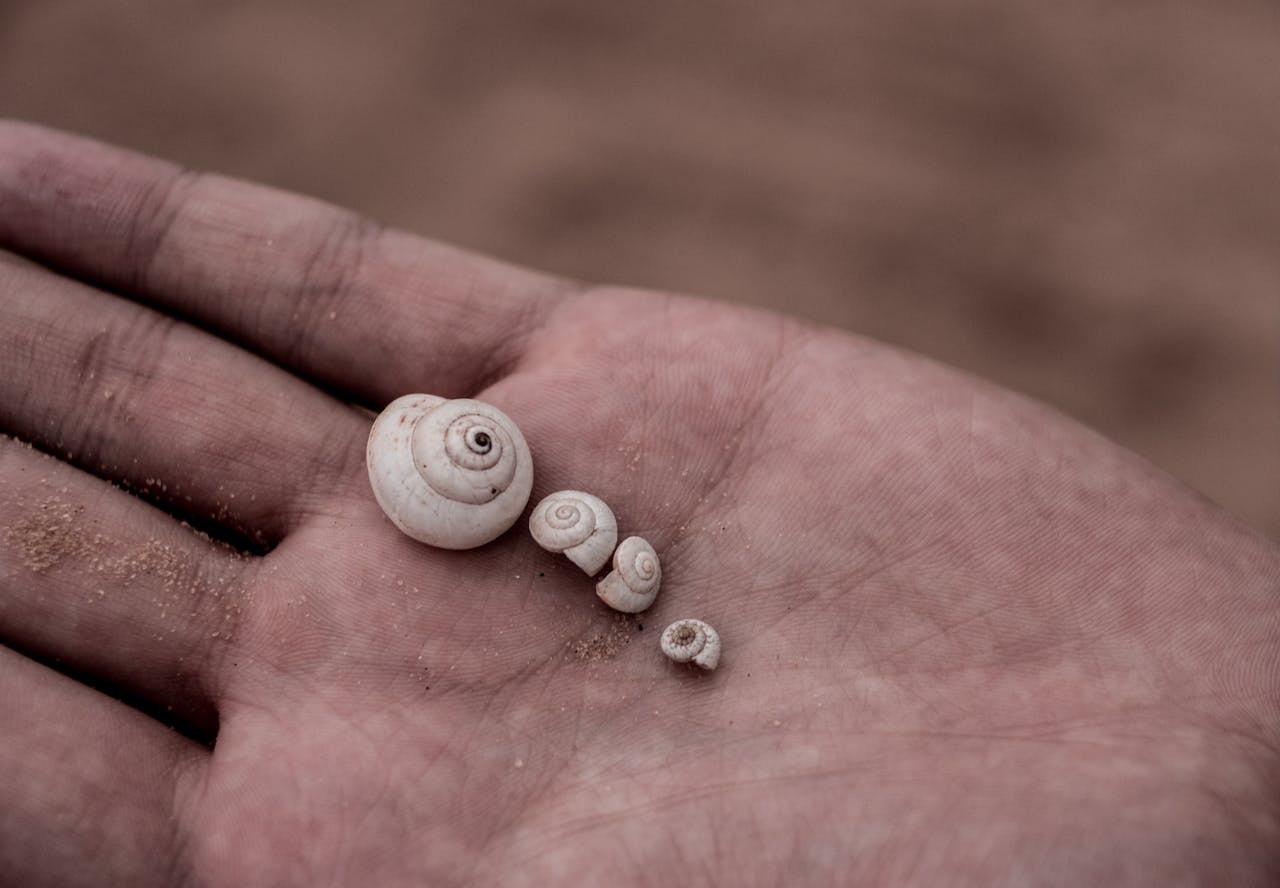
On Sardinia’s beaches, taking sand, shells, or pebbles as souvenirs has been treated as an offense in protected areas, with reports of fines reaching up to about €3,000 for sand theft. The reasoning is erosion and loss, because what seems like a handful becomes tons when thousands do it each season, thinning beaches and changing habitats that depend on that material staying put, grain by grain. Officials have intercepted bags of sand at airports and ports, turning a common beach keepsake into a blunt message: the island’s beauty is not a sample to pocket, ship, and display on a shelf back home. Even a jar can count.
Noisy Wooden Clogs
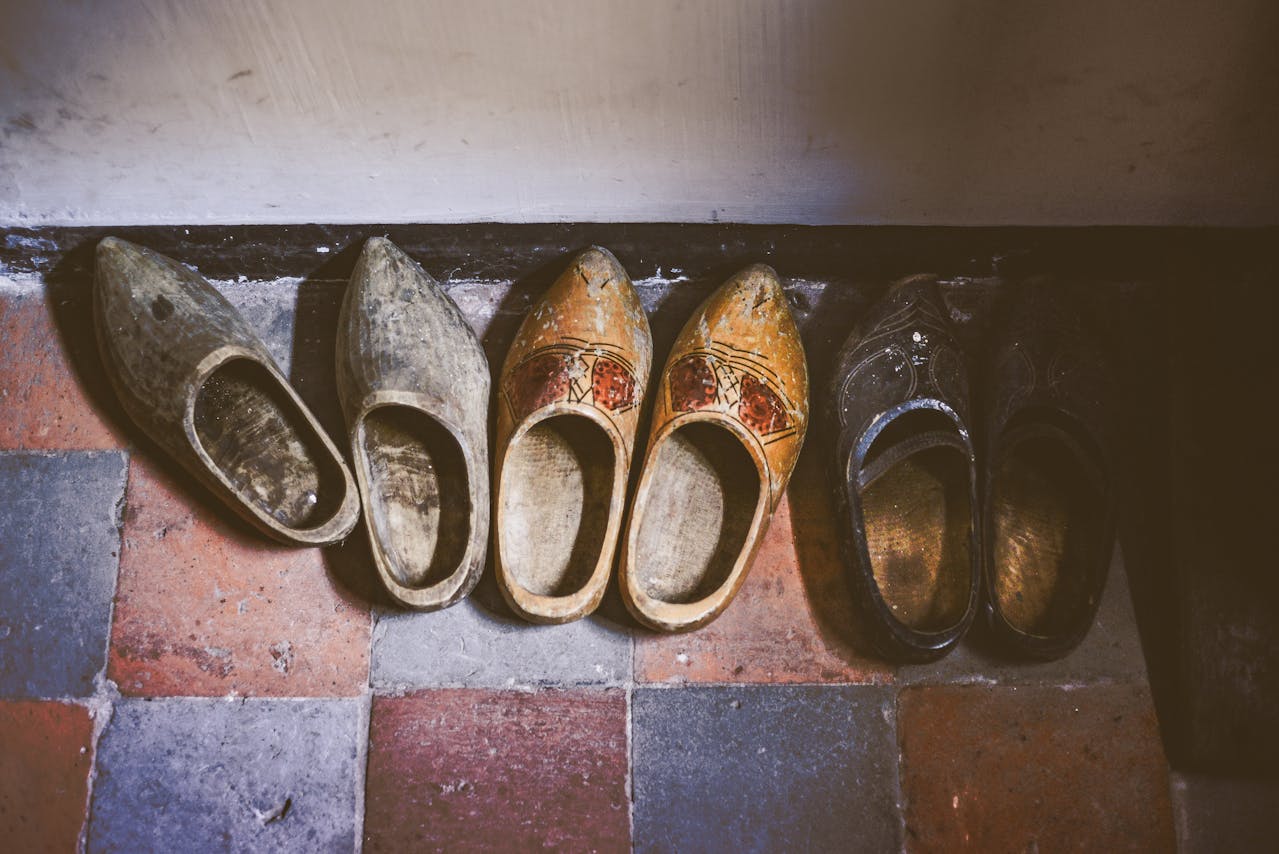
On Capri, loud wooden clogs have been banned for decades, dating back to rules often traced to the 1960s, a small law that fits the island’s obsession with calm streets and unhurried evenings. The idea is less about style than the sharp echo of hard soles on cobblestones, especially when narrow alleys act like sound tunnels and the whole town is built to amplify footsteps, chatter, and rolling suitcases. Visitors can still wear sandals and sneakers, but anything that clacks and amplifies can draw attention and even a warning, a reminder that in some places, noise is treated as a kind of litter that cannot be swept away. (
Selfie Sticks
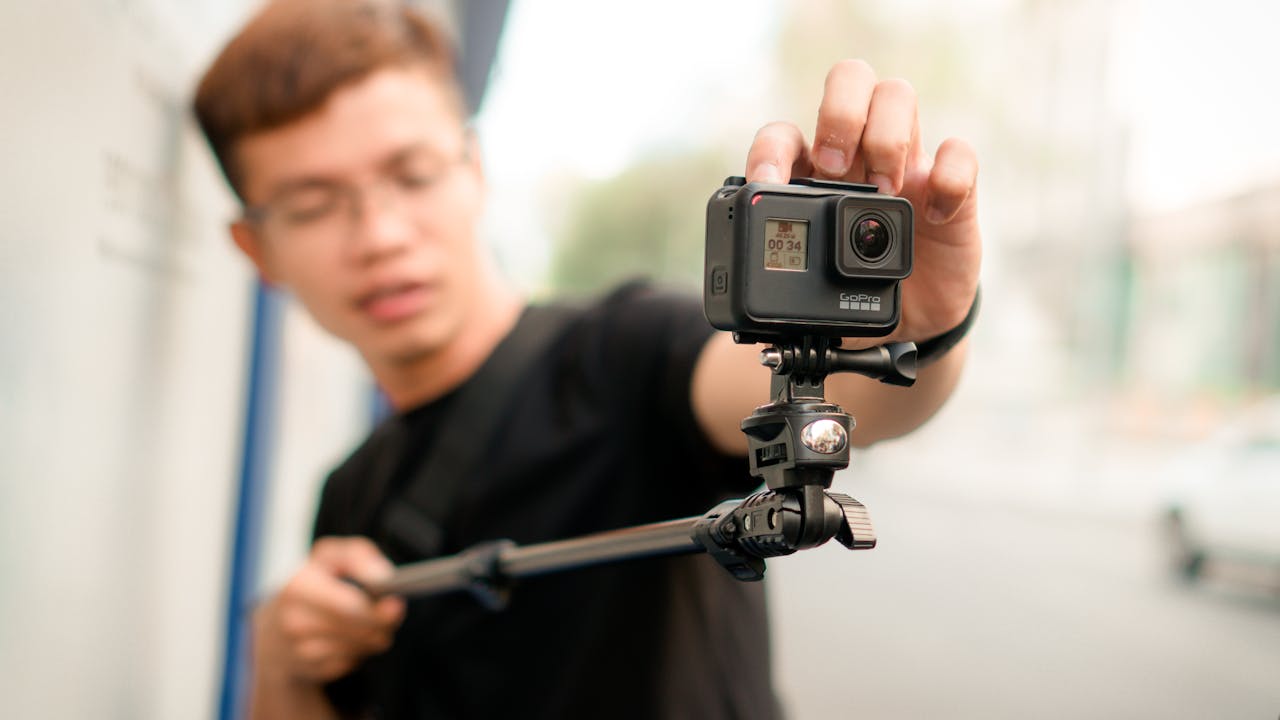
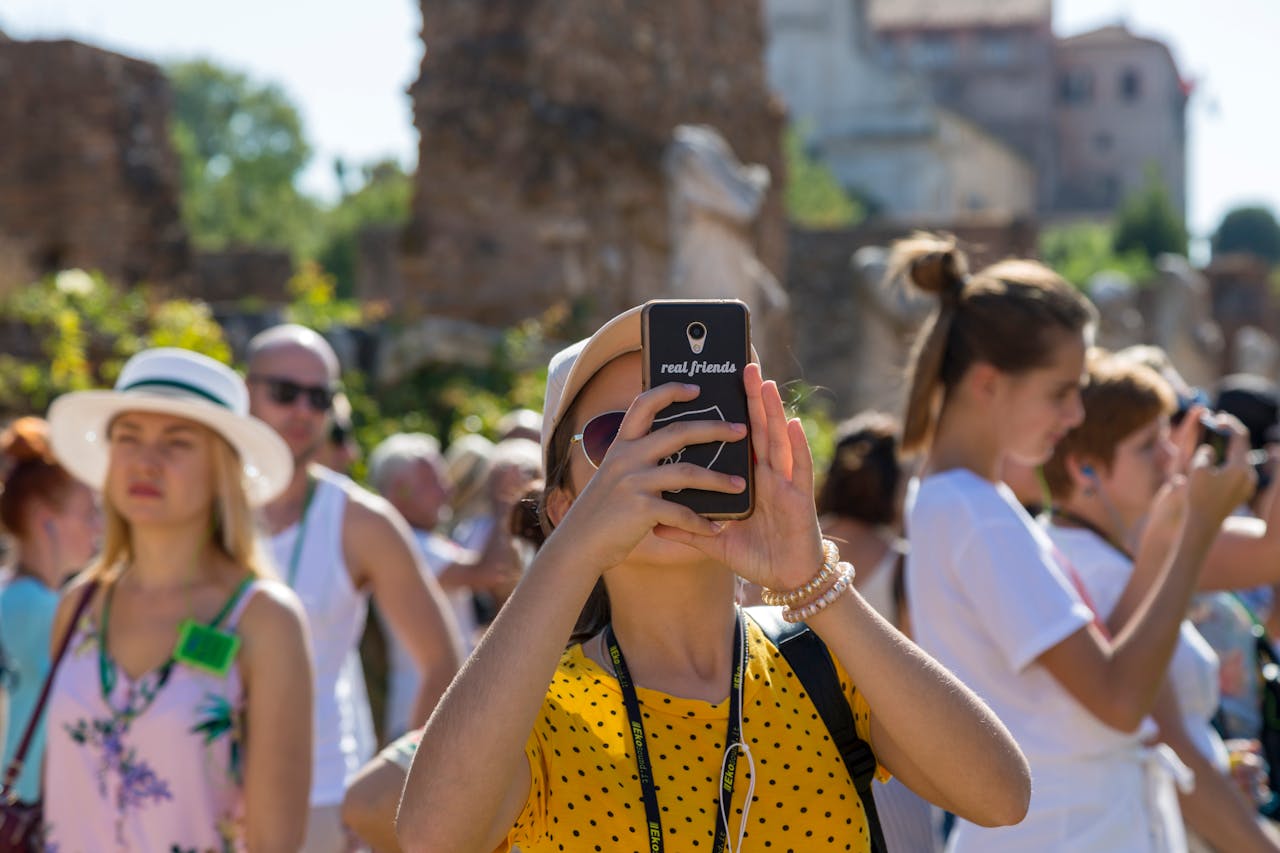
Selfie sticks are banned in a growing list of places, including major museums and theme parks, because crowded spaces and fragile objects do not mix with long poles, sudden swings, and distracted attention. The Smithsonian folded them into its no tripods or monopods policy, and Disney has cited safety concerns when banning them in parks, where a stick can hit faces, screens, or ride sensors in a split second. The tool is ordinary and usually harmless, but in tight galleries and queues it becomes a lever, and the ban is a calm way of saying memories matter more than perfect angles and extended reach indoors. In crowds.
Glass Bottles and Cans

In parts of Milan, summertime rules have targeted everyday drink containers, banning glass bottles and cans in specific public areas and time windows during busy summer stretches along popular gathering spots. The aim is to reduce litter, broken glass, and the kind of late night crowd behavior that turns waterfront paths and plazas into a mess for residents and cleaners the next morning, long after the music fades. It is not a moral judgment about what someone is drinking, just crowd control by object, where the same beverage in a different container can decide whether an evening stays easy or ends with a fine at night.