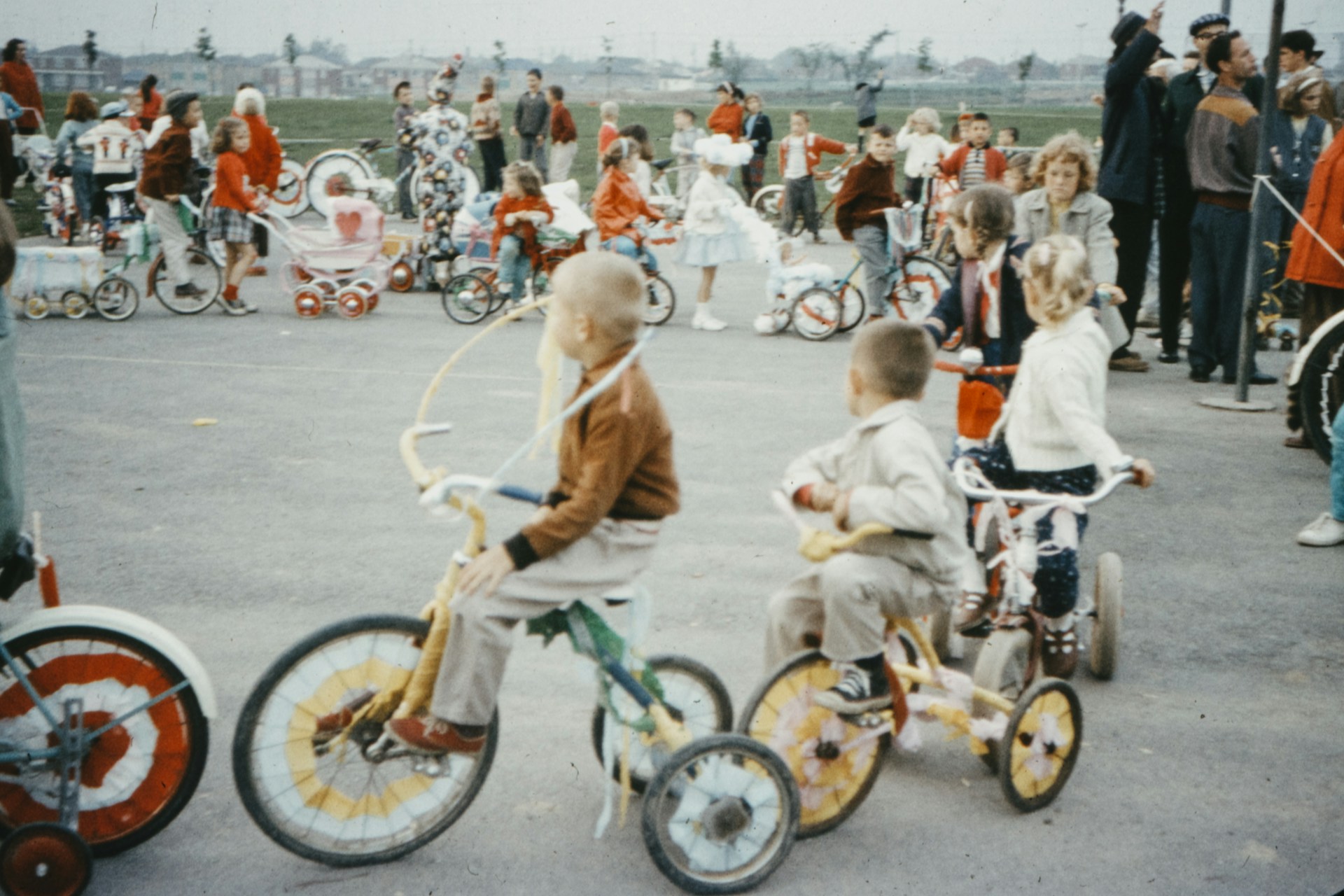
For many kids in the 1960s, freedom arrived before a schedule did. Afternoons stretched long, parents worked, and boredom was treated as something to solve, not escape.
With no phone in a pocket and fewer adults hovering nearby, kids learned to steady their moods, make choices, and live with outcomes. A bike, a baseball glove, a stack of library books, or a kitchen chore could fill a whole day. Waiting in lines, patching small mishaps, and rebuilding plans after disappointment became practice. Those habits did not make childhood perfect, but they built a calm competence that still reads as rare in many homes and schools now.
How To Entertain Themselves
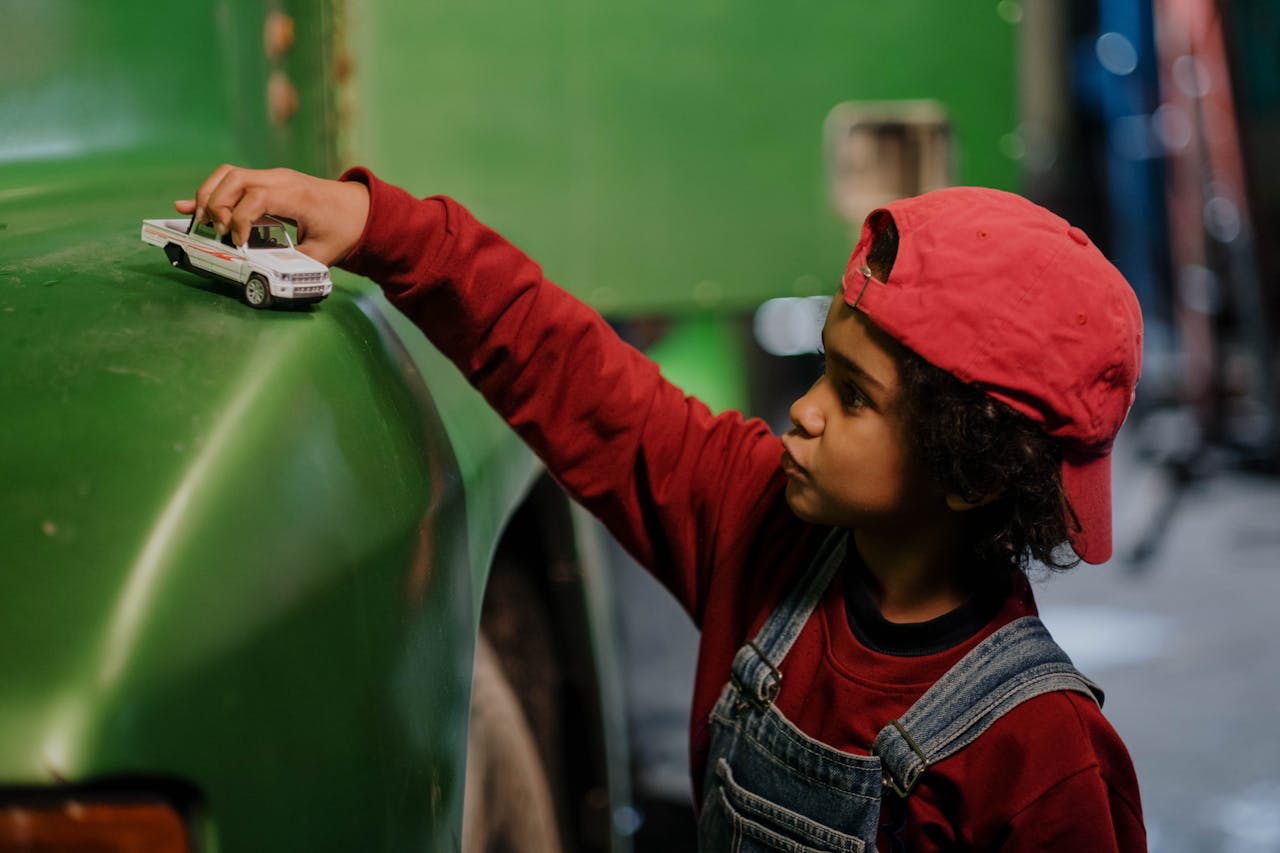
Boredom was not treated as an emergency. Without a screen within reach, many kids invented games, built forts, traded baseball cards, or turned sidewalks into worlds with chalk and a few homemade rules. A curb became a base, and a vacant lot could hold a whole afternoon.
Adults were often busy, so children learned to start the fun, adjust when it fizzled, and pull friends back in after a disagreement. That meant negotiating, cooling off, and trying again without a referee. Rainy days pushed them toward comic books, board games, and library stacks. Over time, creativity became a reflex, and quiet moments stopped feeling risky.
Hard Work Is Not Always Comfortable
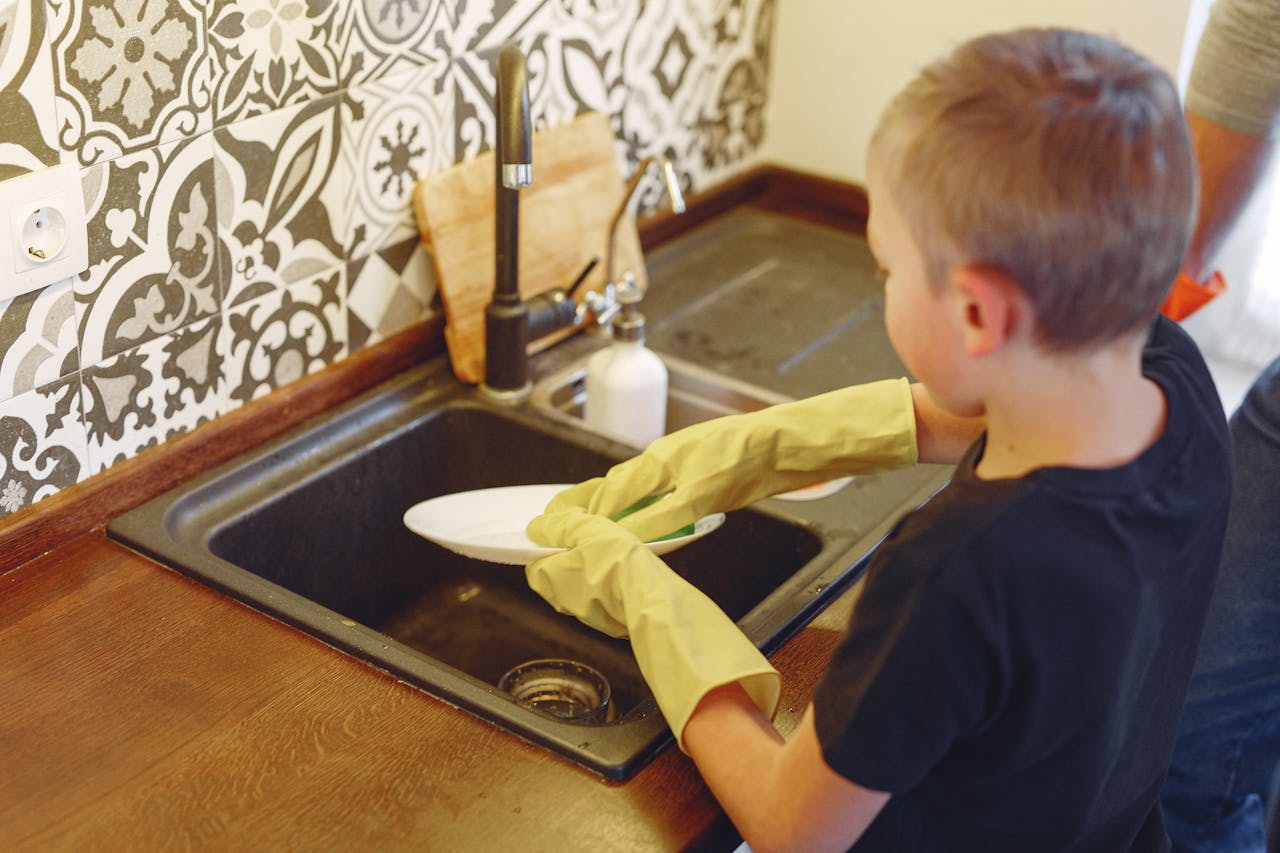
Work was rarely presented as something that should feel pleasant. Many 1960s kids had chores, paper routes, babysitting, or family tasks that had to be done even when the weather was bad or the mood was off. Dinner dishes, lawns, and small errands were part of belonging.
The lesson was not that rest was wrong, but that effort often includes discomfort, and quitting early has a cost. With fewer adults smoothing every rough edge, kids learned to pace themselves, finish what they started, and reset without drama.
Pride came from completion, not applause. That quiet work ethic made later problems feel less like a verdict and more like a task.
Nobody Is Coming To Save Them
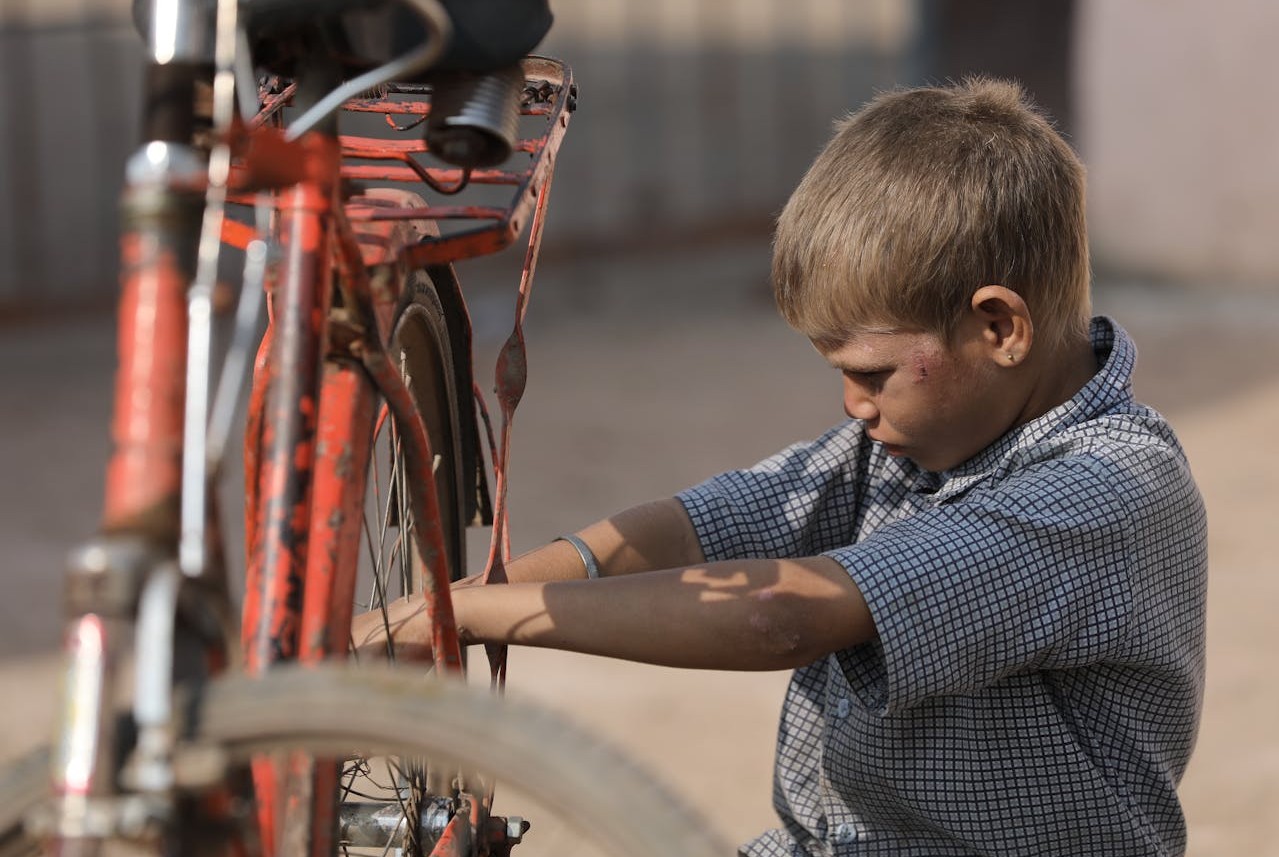
Many 1960s kids spent long stretches without an adult nearby, not because they were unloved, but because parents worked and households ran on routines. It was early latchkey living. Getting home, finding the key, starting homework, and sometimes watching a younger sibling became normal.
When boredom hit or a conflict flared, the first response came from within. They tried a second plan, cooled off, asked a neighbor for help, or used the landline only when it truly mattered.
Help existed, just not instantly. That gap taught steadiness: handle what can be handled now, learn from the miss, and let the rest wait without panic.
Freedom Requires Responsibility

Freedom in the 1960s often came with a quiet trade. More roaming meant remembering rules, finishing chores, and showing up when promised, because trust was the ticket back outside. A lost key or missed time could shrink that freedom fast.
Research from Michigan State University has noted that kids learn responsibility by watching adults and the world around them. In many homes, responsibility also came from doing: tracking time, keeping siblings safe, and fixing what went wrong.
Independence felt earned because follow-through mattered. That lesson stays useful whenever choice and commitment need to travel together, every day.
How To Assess Risk
Without an adult hovering over every choice, many kids learned to assess risk in ordinary moments. They judged whether a shortcut was smart, whether a dare was worth it, and when a disagreement needed space instead of a showdown. Streets, bikes, and ball games taught timing.
At home, some handled younger siblings, managed small mishaps, and decided what could wait until a parent returned. That practice trained judgment through repetition, not lectures. When a choice backfired, the feedback was immediate, and the next decision improved.
Caution and courage became partners. The goal was not perfect safety, but workable sense.
Resilience Requires Adversity
The decade carried social change and, for many families, real money stress, so adversity was not abstract. Kids learned that discomfort could be endured, and that feelings could be managed without instant relief. A scraped knee, a lost game, or a lonely afternoon became training.
Research published in Psychological Science has discussed how growth and resilience can follow manageable hardship. For many 1960s kids, hardship looked like long unsupervised hours, responsibilities, and plans that failed in public.
They practiced recovering, then returning to the day anyway. Over time, resilience became less a slogan and more a familiar reflex.
How To Manage Disappointment

Disappointment was handled in the middle of the day, not always in a guided conversation. When a game ended unfairly, a friend said something sharp, or a plan fell apart, kids often had to steady themselves and keep moving. Not making the team, losing a turn, or hearing no became practice.
With fewer scripts for talking through every feeling, they learned to sit with embarrassment, frustration, or loss without immediate relief. Some cooled off alone, some repaired things with a simple apology, and some waited for the mood to pass.
That endurance did not erase emotion. It built the capacity to hold it and still function well.
Failure Is Part Of Life
Mistakes were treated as normal, not as a personal crisis. When a bike chain slipped, a science project flopped, or a test score disappointed, many kids learned to try again without turning the setback into a label. Broken models were fixed, and missed catches became another attempt.
With fewer adults rushing in to prevent failure, learning stayed hands-on. They adjusted, practiced, and returned, often with friends who were also figuring it out. Progress mattered more than perfection.
Failure became information: what did not work, what could change, and what needed more time. Confidence grew sturdier because it was built on recovery.
The Art Of Waiting

Waiting was baked into daily life. Kids stood in lines, sat through errands, and lived with unanswered questions because convenience was limited and communication was slower. A favorite show came once a week, a letter took time, and photos had to be developed before anyone saw them.
That delay trained the mind to settle instead of chasing constant stimulation. They watched the world, talked to whoever was nearby, counted change, or simply let time pass without filling every second. Patience had room to grow.
Delayed gratification became ordinary, not heroic. In a culture of quick clicks, that quiet skill still protects focus and calm.
Dealing With Consequences
Consequences were usually straightforward, and kids were expected to connect actions to outcomes. Rules at home were often clear, and parents were framed as authority figures rather than pals, so boundaries were not debated for hours. Losing privileges made the lesson tangible.
When a rule was broken, the response aimed to teach accountability. Excuses rarely changed the result, so repair mattered: apologize, replace what was damaged, or earn trust back through better choices.
That structure taught that freedom works best when paired with responsibility. It drew a line between comfort and care, and showed that self-control keeps doors open.
The Power Of Being Resourceful

Resourcefulness was not a trendy virtue; it was daily practice. With tight household budgets and periodic economic strain in the early 1960s, many families stretched meals, repaired what they owned, and taught kids to make do.
Leftovers became lunch, hand-me-downs were normal, and broken items were fixed before anything new was considered. Jars became storage, bikes were patched, and clothes were mended until they wore out. An allowance was saved, not spent twice.
That habit built planning and pride, because value came from care, not constant buying. In a convenience-heavy culture, that thrift can feel rare, yet it still solves problems.