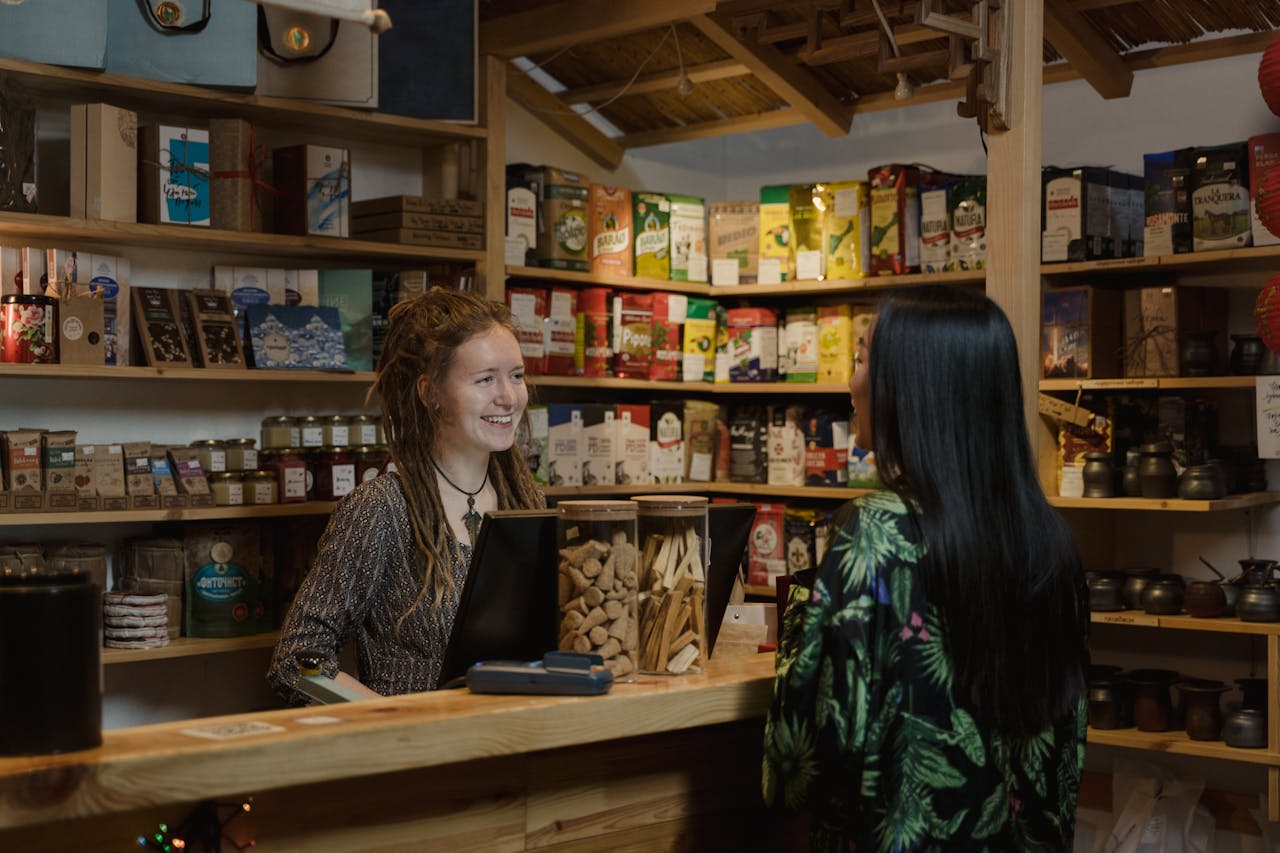
By the time a retro grocery memory starts with I only needed milk, the room leans in. These stories travel because they sound ordinary, then tilt just enough to feel unstable: a cashier who remembers a birthday from nowhere, a handwritten total that changes twice, a vanished aisle that everyone swears existed. They borrow the texture of older stores, paper sacks, waxed produce bins, stamp books, and fluorescent hum, then lace it with doubt. In comment threads, strangers debate details like witnesses and return for retelling. What spreads is not pure nostalgia, but the uneasy thrill of memory under cross-examination.
The Penny Candy Ledger That Never Balanced
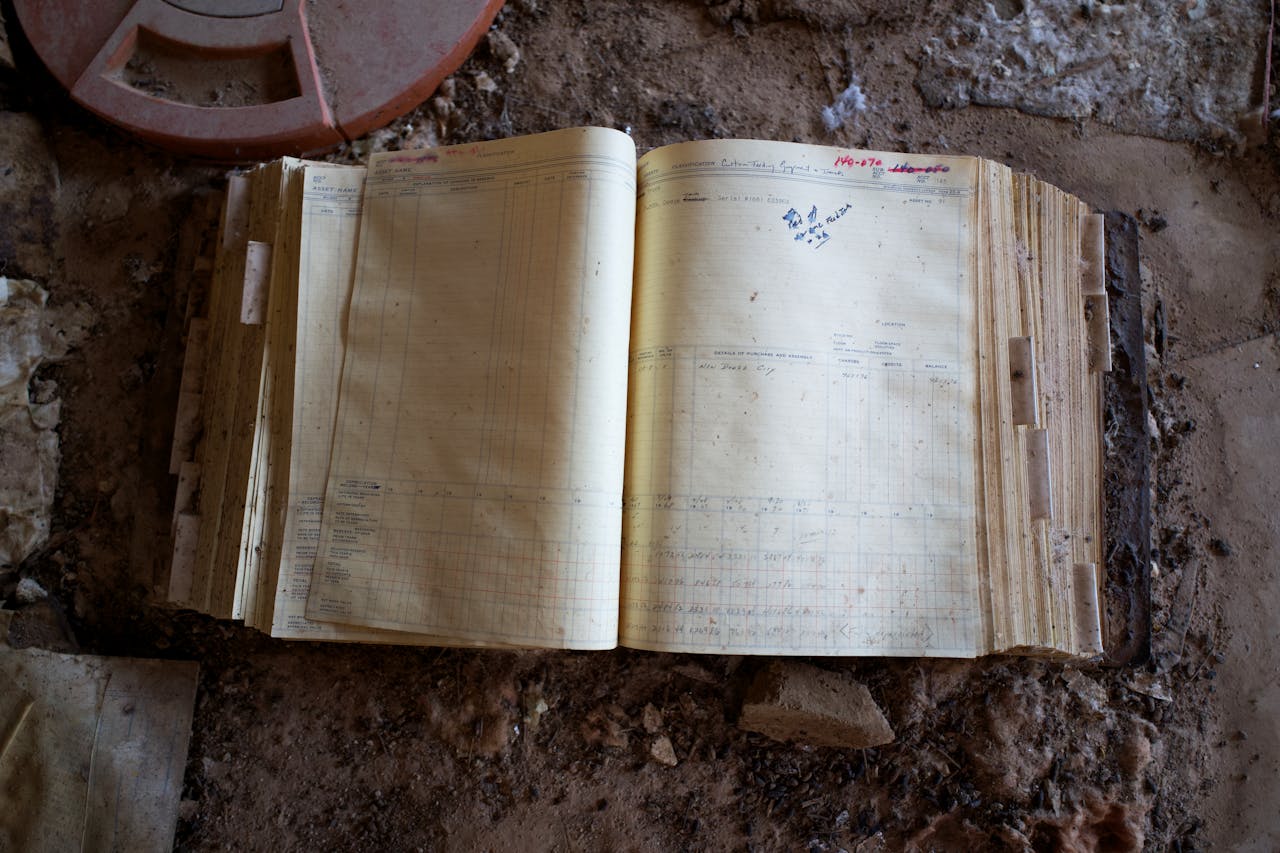
The narrator swears the corner store kept candy on open ledgers, with children trusted to declare what they owed on Friday. He remembers writing two licorice ropes and one cola bottle, then watching the page total drop instead of rise when the grocer added it in pencil. The post lands because the detail feels retro, brass scale, paper twine, nickels warm from a palm, yet the math keeps slipping.
Readers flood in with split testimony: some insist old shops did informal tabs, others call it pure invention. That friction is the engine. The scene is concrete enough to believe, but the arithmetic glitch leaves a live wire of doubt.
The Freezer Aisle Time Slip
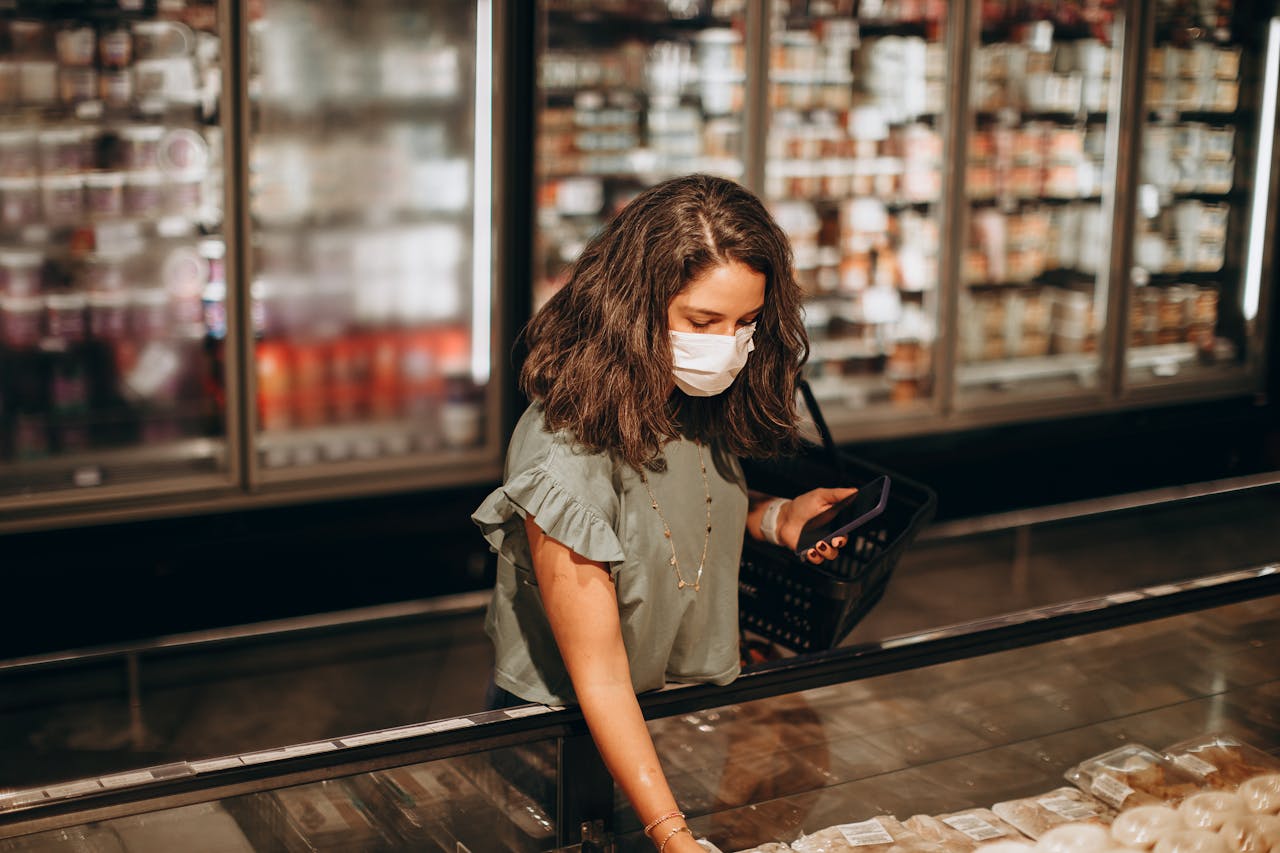
He opens with a claim that the freezer aisle changed decades between one visit and the next: metal doors one week, foggy glass the next, then back again. The memory stacks sensory proof, cold air biting forearms, floor tiles slick from melt, a hum loud enough to swallow talk, so the shift sounds less like fantasy and more like testimony.
Stories like this spread because grocery fixtures did change unevenly across neighborhoods and small-town chains, while childhood recall compresses years into one errand. The narrator sounds sincere, but the timeline bends. That mix of confidence and drift keeps comment wars alive for days.
The Clerk Who Knew Every Family Secret
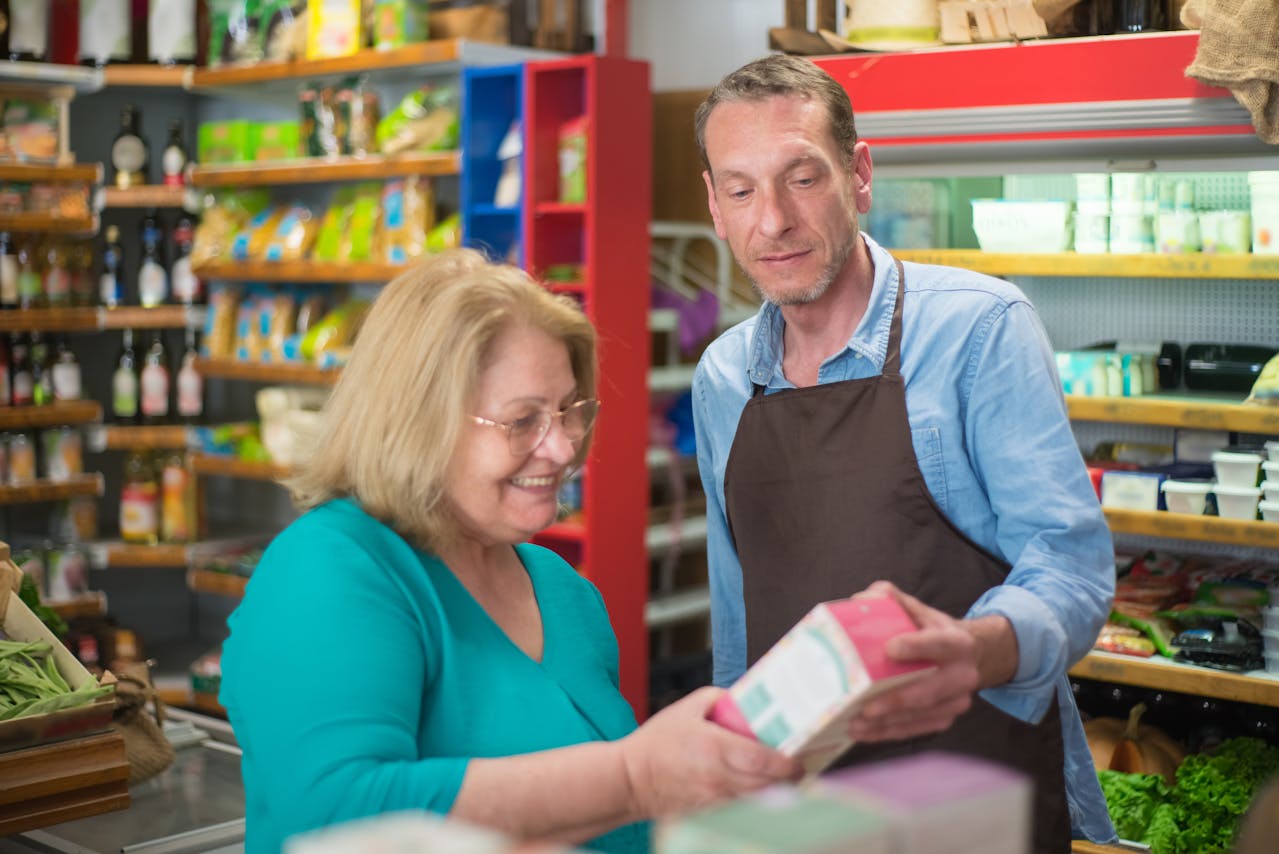
In this version, a checkout clerk seems to know everything: whose son quit baseball, who switched coffee brands, who began paying cash only after a hard winter. The voice insists none was public, yet every visit brings another private fact. The store feels right, conveyor squeak, price gun clicks, carbon-copy receipts, so the clerk’s omniscience lands as eerie, not comic.
Small groceries often worked like neighborhood bulletin boards, which makes the setup believable. But the narrator frames each reveal as impossible, pushing readers to choose between sharp observation, loose gossip, or a memory blended from several clerks.
The Coupon Envelope That Changed Hands
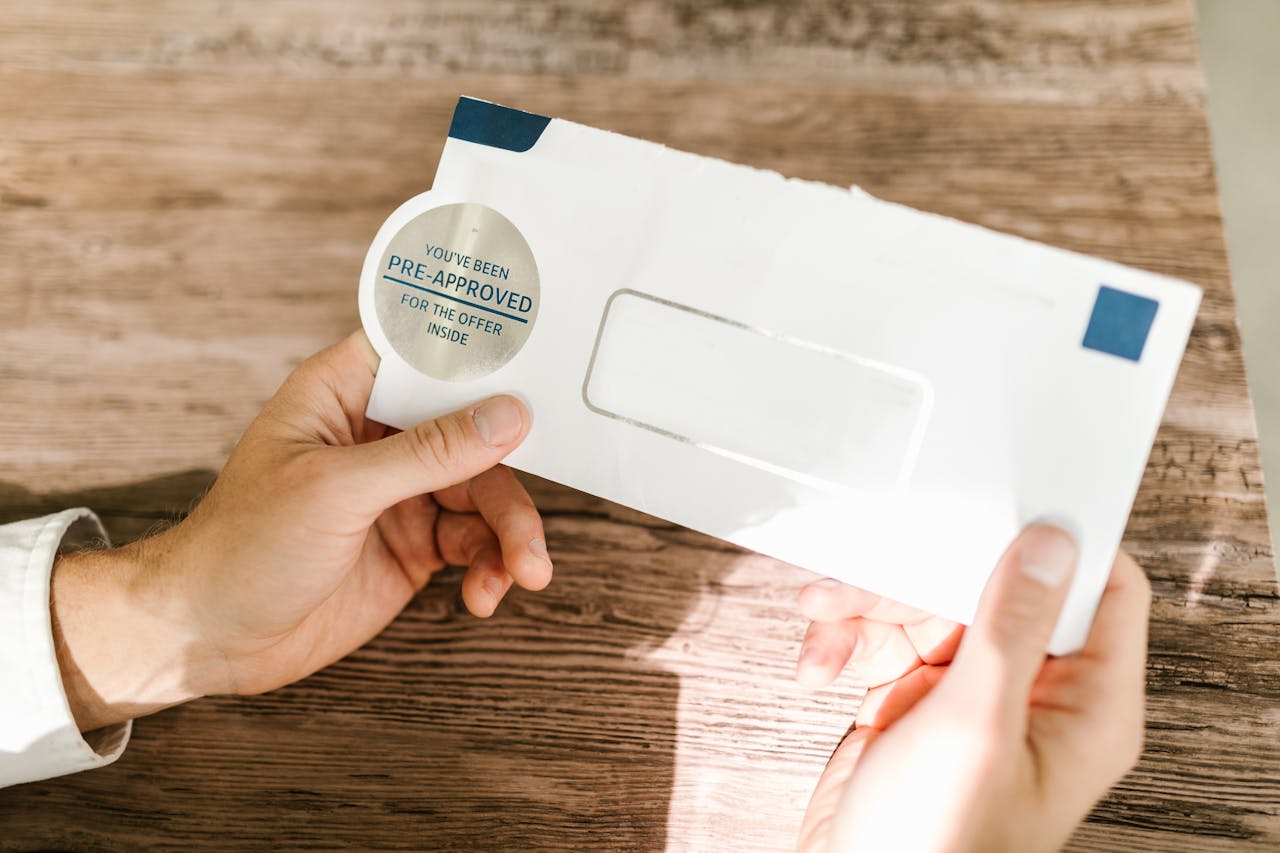
A woman recalls carrying her grandmother’s coupon envelope, packed with clipped rectangles, dates, and notes like use only if peaches are firm. At the register, she says another shopper took it by mistake, then returned it weeks later with extra coupons and a short apology signed only M. Object details ring true, rubber band bite marks, circulars folded into quarters, double-coupon pride, which gives the tale backbone.
What makes it explode is the missing middle. No one can verify who M was, or why the envelope came back fuller than before. The story feels honest, generous, and still strange enough to resist closure for years.
The Mystery Brand That Tasted Like Memory

He tells it like a dare: one forgotten store brand from childhood tasted better than every premium remake that came later. He buys modern versions, checks ingredient panels, and still cannot match the flavor he remembers from a plain box with a color stripe and no mascot. The credibility comes from precise era clues, foil inner pouch, shelf tags stamped by hand, a mother comparing unit prices with a wet thumb.
Food historians call this memory drift common, because taste is encoded with context, stress, and company as much as recipe. The narrator may be wrong on facts, but right on feeling, and that paradox draws huge engagement.
The Rainy Saturday Meat Counter Confession
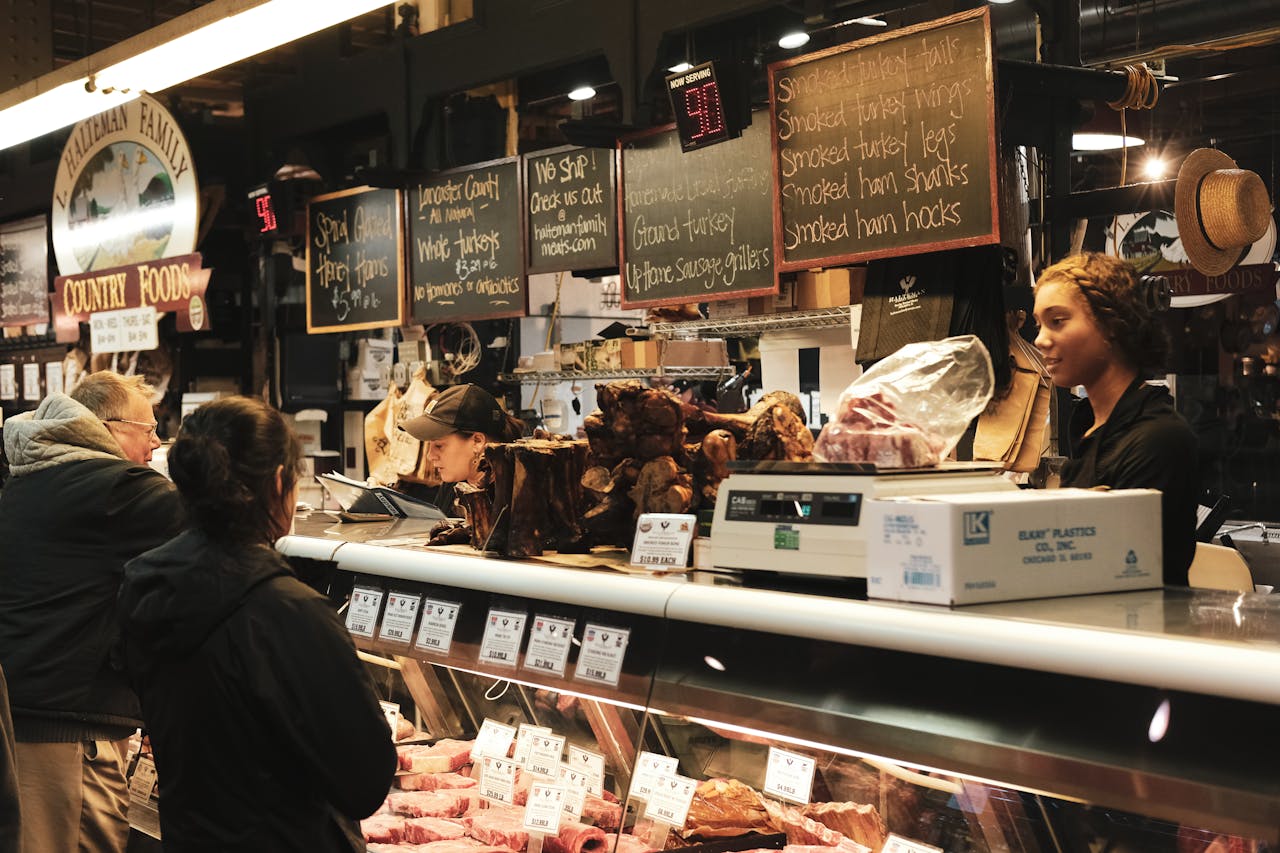
On a rainy Saturday, the narrator says the butcher leaned over waxed paper and admitted the family always bought the cheapest cut, while bragging at cookouts that it was premium. He says the confession was kind, and came with a free soup bone plus a recipe on the back of a price sticker. The scene feels tactile, damp coats, butcher block thuds, wrapped parcels sliding across steel.
It spreads because it mixes class anxiety with tenderness, and because old-service counters often hosted longer conversations than modern grab-and-go cases. Readers argue whether the butcher crossed a line, or quietly protected dignity for years.
The Checkout Joke That Became Town Lore

He swears a checkout joke, still paying in buttons today, was tossed at him when he forgot his wallet in 1989, then repeated for decades as if it were local proverb. The unreliable hook is scale: one offhand line somehow survives managers, remodels, and ownership changes without losing a word. Yet the background detail is exact, check-writing delays, coin trays, bag boys racing rain to parked cars.
Memes thrive on repeatable language, and old grocery one-liners were built for repetition before the internet arrived, for anyone listening. The post booms because the claim sounds absurd, while the social mechanics feel believable.
The Lost Child Announcement Nobody Forgot

A now-grown narrator writes about hearing a lost-child announcement that used his exact name, age, and shirt color, even though he was standing beside his mother at the bakery rack. He insists no sibling had his name, no cousin was visiting, and no prankster could have known the details. The retail texture anchors it, crackling ceiling speakers, red pull baskets, sample toothpicks near the deli.
Former employees note that scripts were often improvised under stress, and names could be misheard over busy aisles. Still, the post detonates because the emotional truth is clear: one ordinary trip suddenly felt like a glitch in reality.
The Night Shift Restock With No Receipts
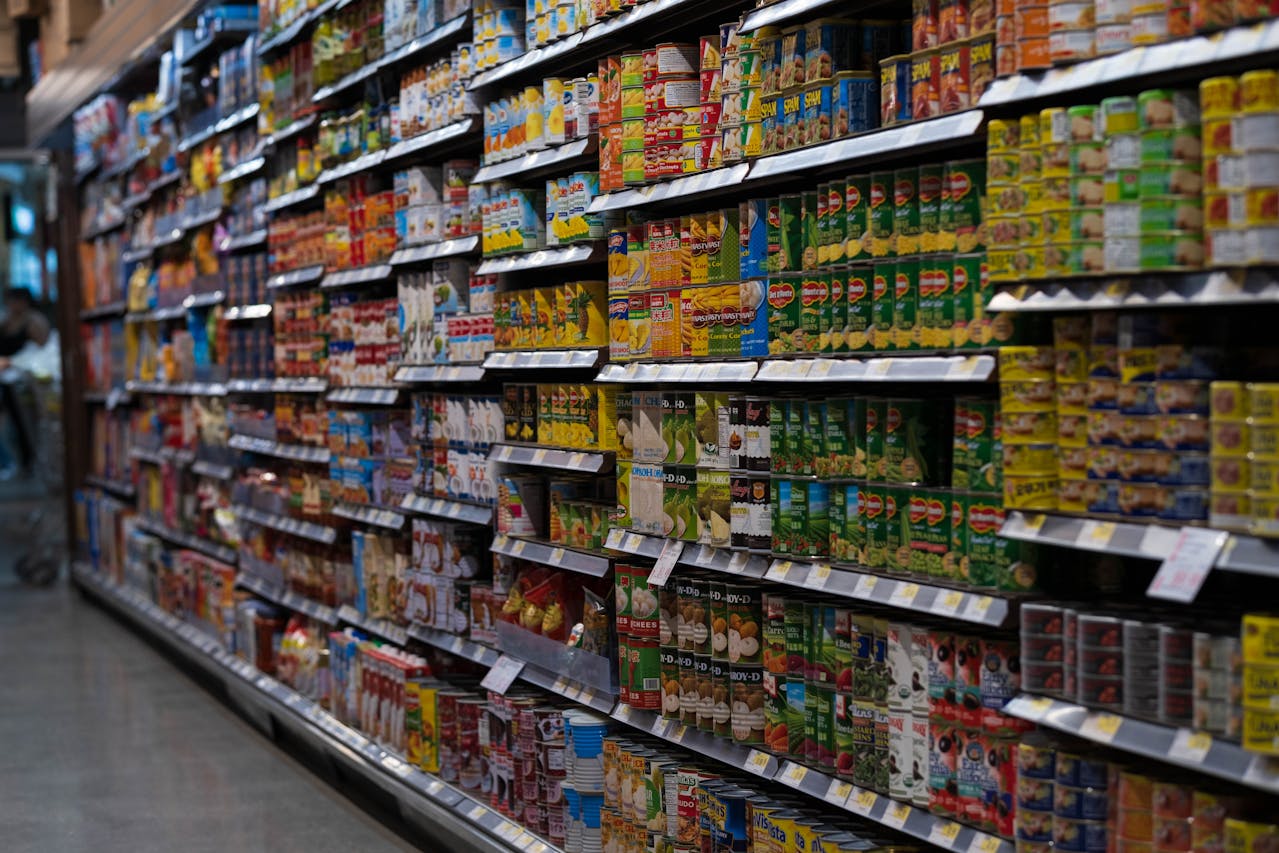
In this tale, a teenage stocker clocks in after school, re-faces cereal rows to midnight, and is paid in cash envelopes whenever the system goes down on busy weekends. He remembers no pay stubs, only initials on masking tape and a manager promising paperwork would catch up next month. The uncertainty feels earned because many small stores mixed formal rules and habit with improvised fixes during tech shifts.
Labor veterans in comments split hard, some recognize cash-gap practices, others call the memory impossible under payroll law. The post wins either way, framing adolescence as exploited and oddly protected by local trust.
The Cart That Rolled Home By Itself
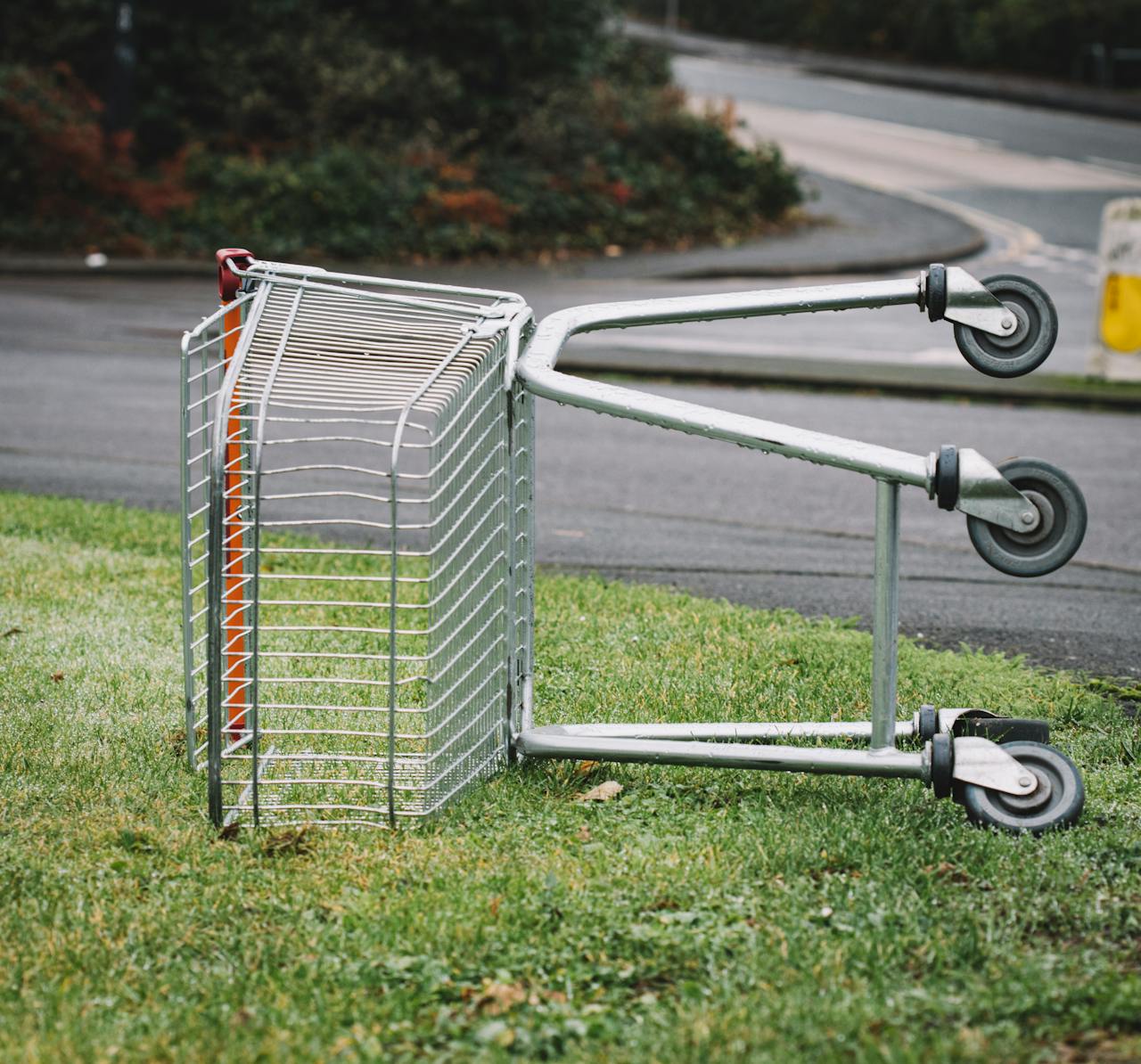
The narrator claims a cart with one locked wheel broke free in a storm, rolled three blocks, and stopped at his apartment gate when he realized the eggs were missing. He returns it next morning and finds his shopping list tucked under the child seat flap, dry despite overnight rain. The absurdity is obvious, yet the setting is precise, sloped sidewalks, loose cart chains, old store logos fading on dented metal.
Urban planners note that wind, grade, and wheel caster angle can move carts farther than people expect. But that last dry note keeps the story unresolved, giving nostalgia a mystery pulse that audiences replay and debate.