Responsible gun owners can do many things right and still get burned by bad advice traded at ranges, online, or at the counter. Myths about self-defense, storage, and travel can turn a tense moment into an arrest, or a quick errand into a serious charge. The law judges actions, not intentions, and investigators notice choices that look reckless or avoidable on video. A rumor repeated often enough can sound like permission, until it collapses under scrutiny. Small details matter: what was said, where a gun sat, and how it was carried. Clearing myths keeps choices calmer and outcomes less brutal when scrutiny is highest.
Warning Shots Make Situations Safer
A warning shot often reads as panic, not prudence. Many jurisdictions treat an unjustified discharge as a stand-alone crime, and prosecutors may frame it as aggravated assault or reckless endangerment because a round sent into the air or ground still has a destination. Firing also creates a new story for investigators: neighbors hear shots, cameras capture muzzle flash, and the first report can sound like an escalation. That can undercut a self-defense claim by suggesting there was time to think rather than an imminent threat. The safer truth is bluntly stated: if deadly force is not justified, a gun should not be fired.
Brandishing Will Scare Trouble Away
Pulling a firearm to intimidate is not a free warning label. In many states, displaying a gun without a lawful reason can be charged as brandishing, menacing, or assault, even if no shot is fired. The legal question is not whether fear felt real, but whether the situation met the standard for using or threatening deadly force. In road-rage arguments, a moment of posturing can become the main event in court. When that standard is missing, a drawn gun can look like escalation, not defense, especially on video or in a witness statement. De-escalation, distance, and calling police create a cleaner record. And preserve permits.
Shooting To Wound Shows Restraint
The idea of shooting to wound sounds humane, but it collides with how self-defense is evaluated. Deadly force is justified only when a person reasonably fears imminent death or great bodily harm. Intentionally aiming for a limb can be portrayed as proof that the danger was not truly deadly, or that the shooter had enough control to choose a different response. Prosecutors also argue that deliberately firing at a person is still deadly force, with unpredictable outcomes and high risk to bystanders. Courts tend to reward necessity, not symbolism, and the body reacts badly to Hollywood plans. A miss travels and a hit kills.
Castle Doctrine Means Shoot First
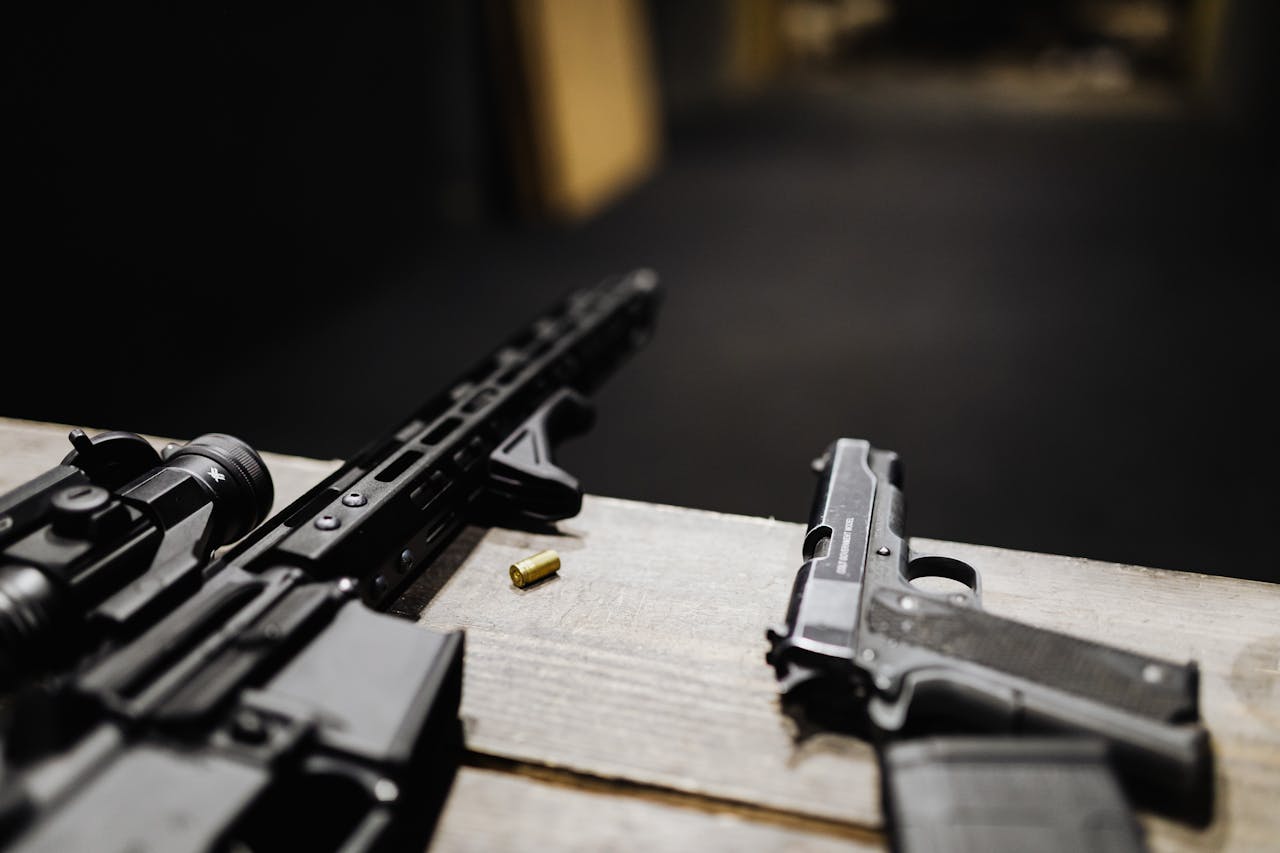
Castle Doctrine is often treated like a magic phrase, but it is a narrow legal doctrine with conditions. It generally removes or reduces a duty to retreat in a home, yet it does not authorize shooting anyone who wanders onto property. Most states still require a reasonable belief of an imminent threat, and many carve out exceptions for invited guests, co-occupants, or situations the defender provoked. When the facts look murky, investigators focus on whether the response matched the threat, not whether the address matched the deed. Good reporting, clear boundaries, and restraint matter as much as hardware. Under stress.
A Car Is A Safe Storage Spot
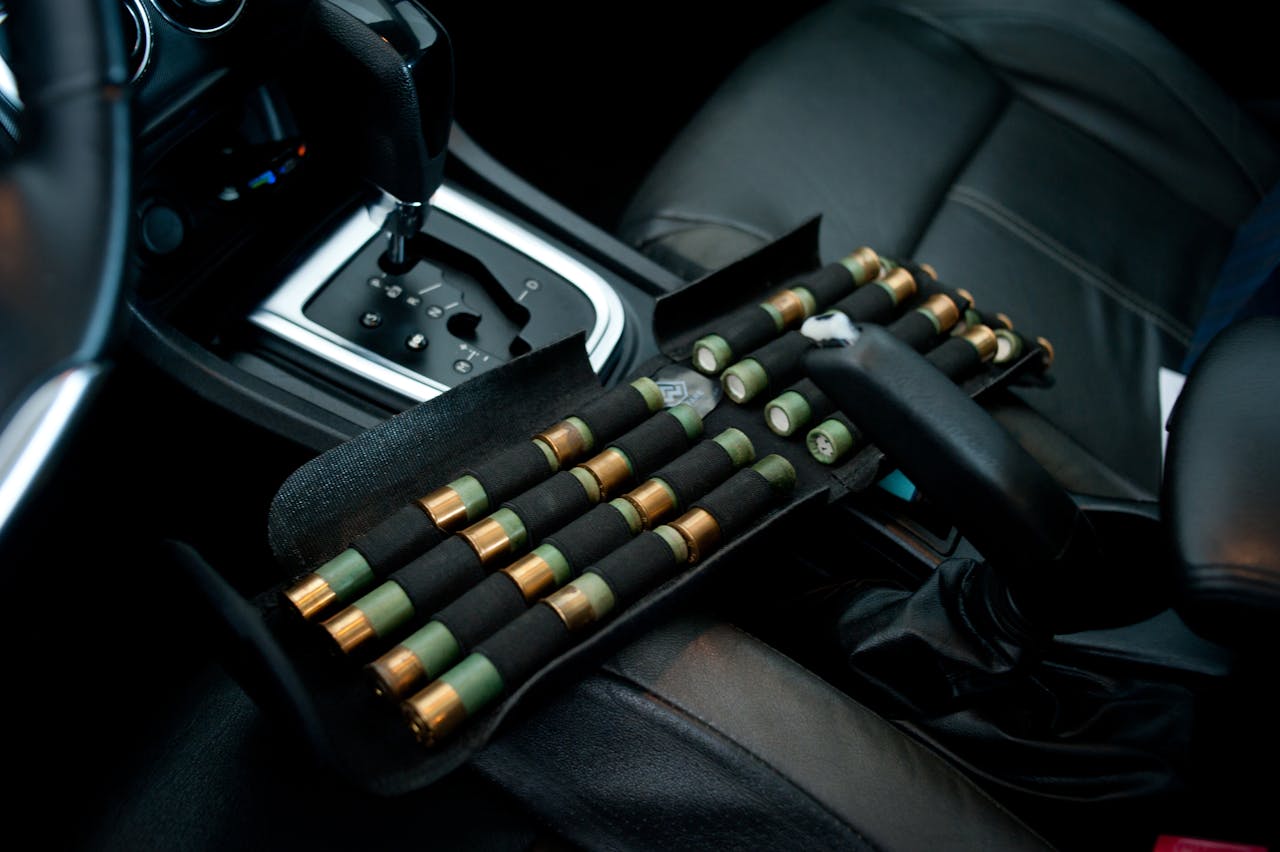
A glove box or center console may feel private, but vehicles are a leading source of stolen guns. Everytown’s analysis of FBI data found that, on average, at least one gun was stolen from a car every nine minutes in 2022, with many thefts happening from cars parked at home. Beyond theft, some states treat an unsecured firearm in a vehicle as improper storage, especially when minors could access it. After a break-in, an owner may also face questions about negligence if the firearm is later used in a crime. Locks, dedicated containers, and minimizing time left in a car reduce both risk and liability. Paper trails help.
Federal Travel Rules Override Every State
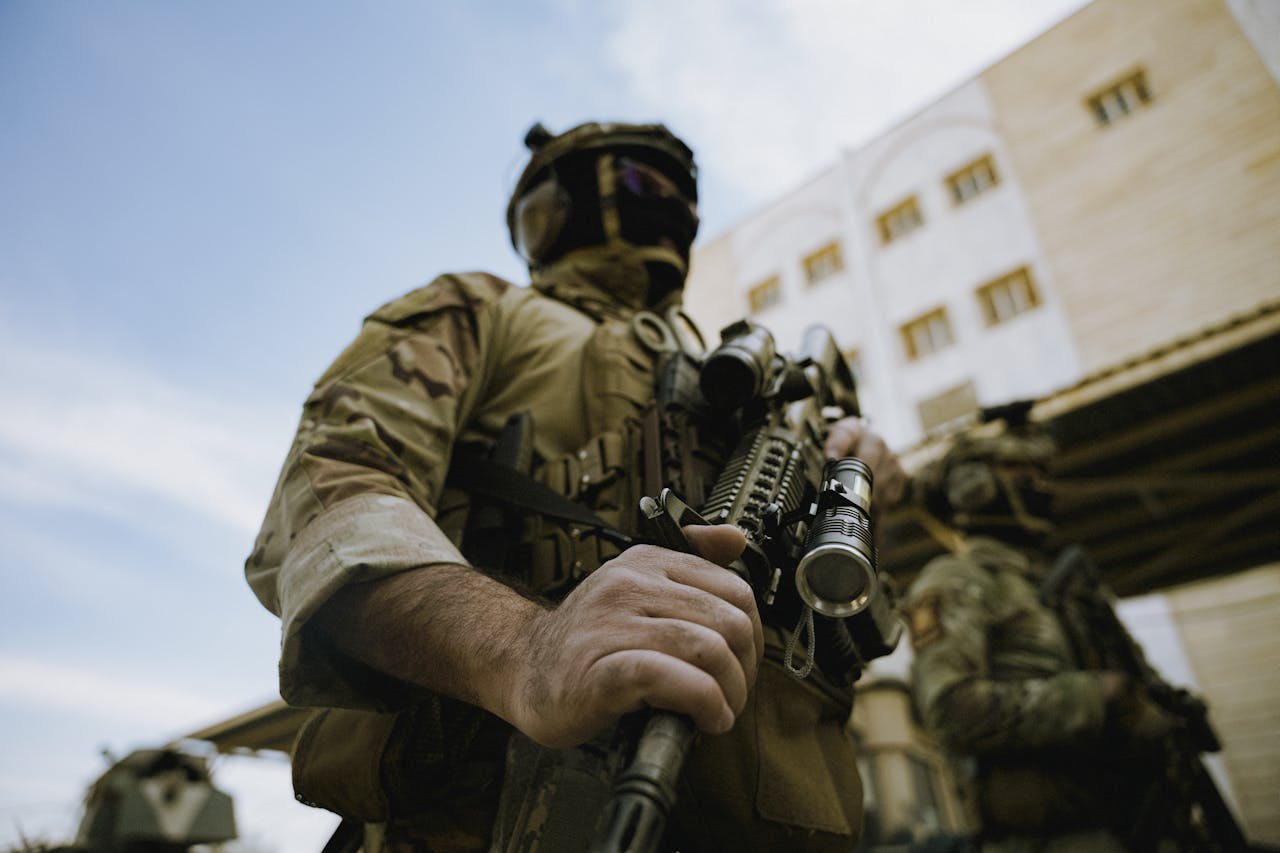
The federal safe-passage rule in 18 U.S.C. § 926A is real, but it is not a universal shield. It protects certain interstate transport when a firearm is unloaded and neither the gun nor ammunition is readily accessible, typically in a locked container or trunk. States and cities still enforce their own rules on stops, accessibility, magazine limits, and where carry is allowed, and travelers can end up arrested while arguing about protections later. The myth is that legality in one state guarantees safety in the next. Planning routes, minimizing unnecessary stops, and checking local rules prevents surprises. Before leaving.
Unloaded Means No Lock Needed

Some owners assume an unloaded gun is automatically compliant. Several states still require secure storage regardless of whether a firearm is loaded, and Massachusetts law makes it unlawful to store a firearm unless it is secured in a locked container or equipped with a tamper-resistant lock. California also has multiple storage rules that can trigger liability when a firearm is left where prohibited people or minors can access it. Unloaded status may help safety, but it does not erase storage duties written into statute. A lock, safe, or certified device is usually cheaper than a court date. It matters in shared homes.
A Permit Covers Every Location

A carry permit is not a universal pass. Federal law restricts firearms in many federal facilities, and violations can bring serious penalties even when a permit is valid at home. States also define their own prohibited places, from certain government buildings to schools, and private property owners can set rules that turn a simple mistake into a trespass or weapons charge. The myth survives because the boundaries feel invisible until a metal detector, a posted sign, or an arrest report makes them real. Responsible owners treat location rules like weather: checked early, and rechecked often. Courthouses are a classic trap.
A Clear Case Means No Arrest
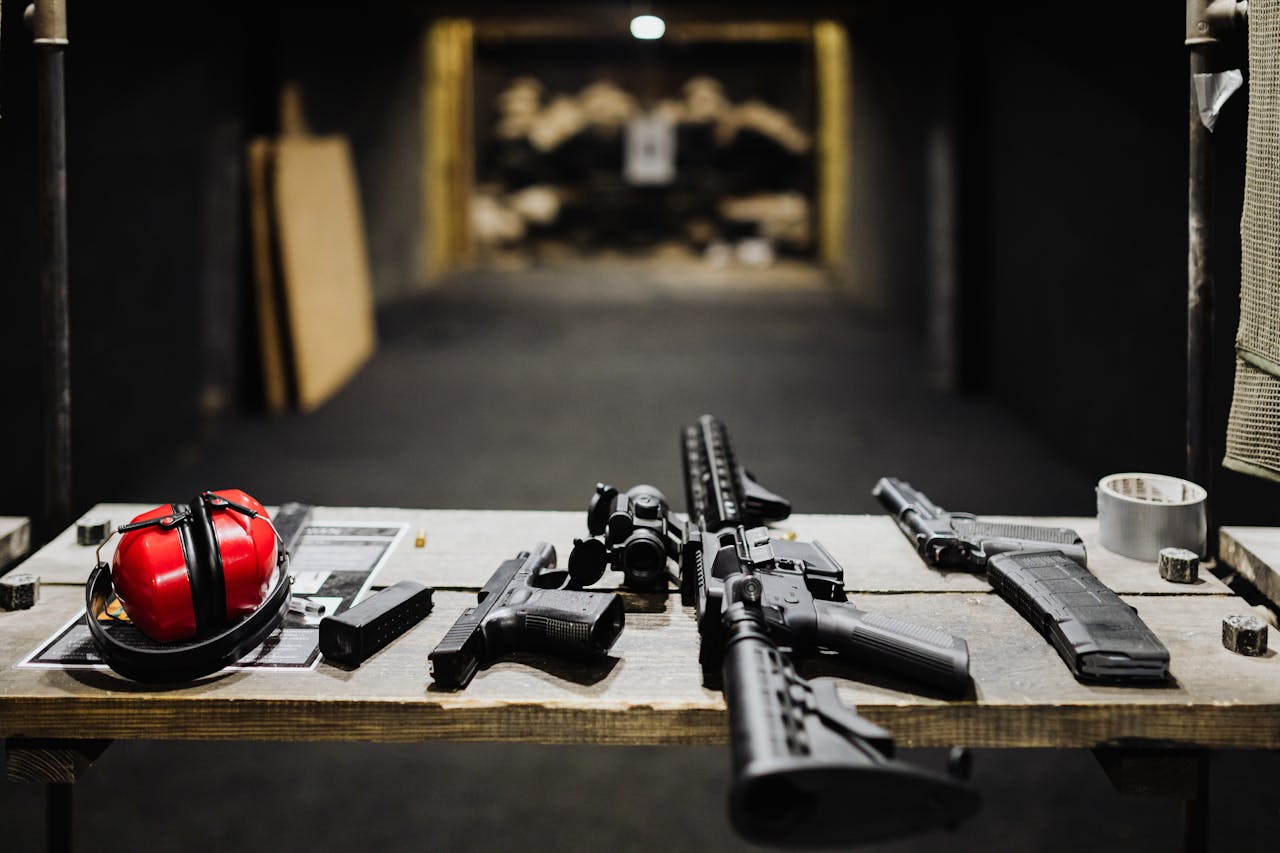
Many people expect a defensive incident to end with a handshake and a short report. In reality, officers may detain, disarm, and arrest while facts are sorted, especially when there are injuries, conflicting witnesses, or unclear video. Firearms are commonly seized as evidence, and interviews can run long. Self-defense is usually raised later as a legal justification, not decided instantly on a sidewalk. Statements made under adrenaline can sound inconsistent, and small details can shift how intent is interpreted. Calm cooperation and prompt legal counsel often matter more than winning an argument in the moment, overall.
Stand-Your-Ground Works The Same Everywhere
Stand-your-ground and duty-to-retreat rules vary sharply by state, and the differences matter in real cases. Some jurisdictions expect retreat when it can be done safely, while others remove that duty in many public places. A common myth is that feeling right replaces the local legal standard. Investigators and juries still examine who started the conflict, whether escape was possible, and whether the force used was proportional. Crossing a state line can change what a prosecutor must prove, and what a defender must explain. Knowing the local rule keeps decisions from being judged by the wrong playbook. It surprises many.