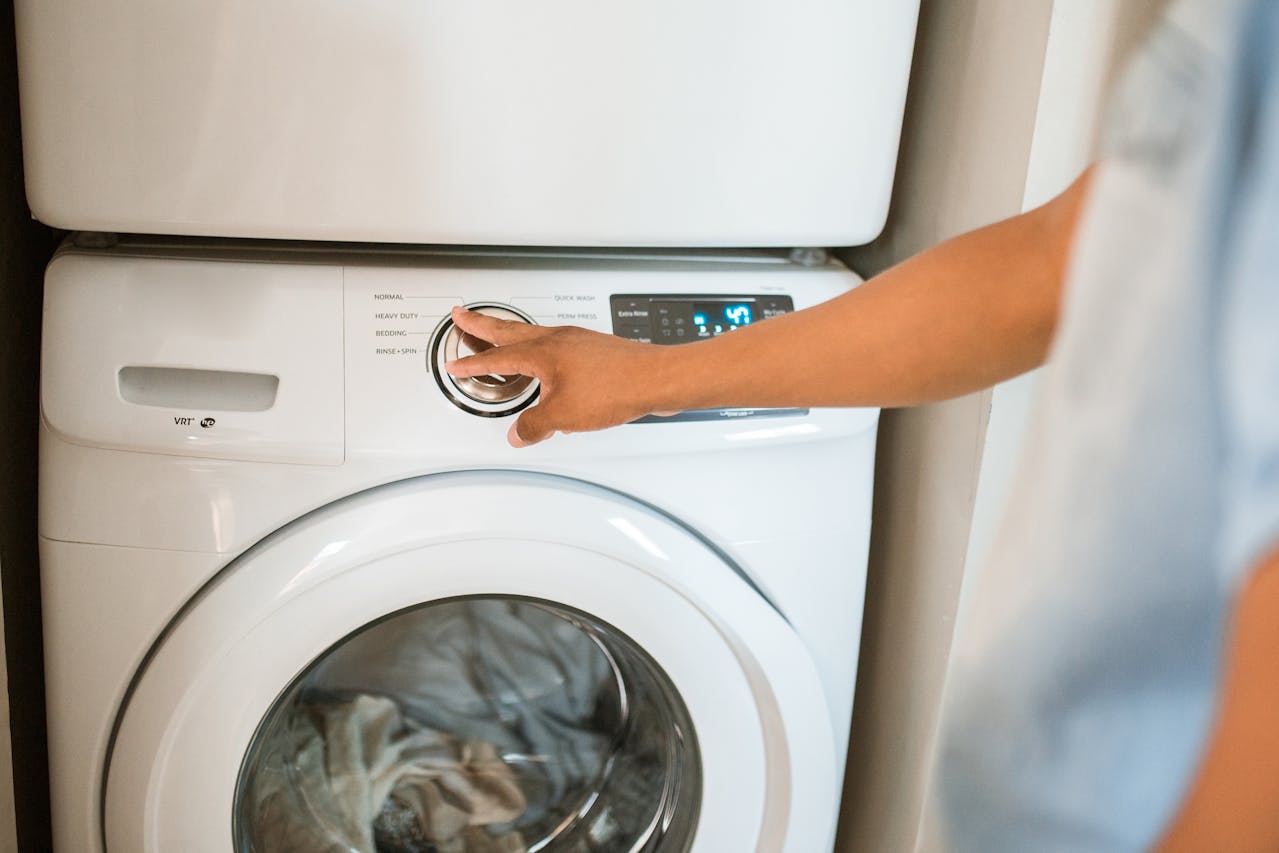
Most laundry problems do not start in the dryer or with cheap detergent. They start at the dial. Modern washers offer cycles built for specific messes, yet many loads get tossed onto one familiar setting because it feels safe and fast, even when it is not doing the load any favors.
That habit quietly taxes clothes. Colors dull, elastic relaxes, and detergent clings in seams when water and spin are mismatched. The fix is simple: treat cycles as tools, not labels. When the right cycle matches the soil and fabric, cleaning improves, wear drops, and loads come out looking calmer. It is laundry logic, not laundry lore.
Pre-Soak or Pre-Wash
Pre-soak is not a fancy extra; it is time set aside for water to do the first hard work. It suits loads with dried-on grime: muddy uniforms, grayish whites, and towels that look clean but do not smell clean.
Most machines hold the soak for about 15 to 30 minutes, often with light agitation. Detergent or a soak solution can be added, then the washer drains that dirty water, may spin briefly, and shifts into the main wash. That drain-and-reset step stops loosened soil from re-depositing, so the main cycle can focus on true cleaning instead of battling clumps of dirt. It is especially helpful when stains had hours to set.
Speed Wash for Lightly Soiled Refreshes
Speed wash, sometimes called quick wash, is built for the kind of laundry that is barely laundry. It fits a shirt worn briefly, a light layer after errands, or a towel used to blot a spill, where the goal is a quick reset.
Because the cycle is shorter, cleaning depends on smart settings. Pros note it can handle a small load of more soiled items, like sports uniforms, if water temperature and soil level are bumped up. The limit is capacity: crowd the drum or add heavy towels and the rinse cannot keep up. Used correctly, it trims time and water. It is a reset button, not a rescue mission without grinding fibers for no reason.
Colors Cycle to Protect Dyes
The colors cycle is the quiet workhorse for everyday clothes that are not delicate but still need respect. It is similar in spirit to the permanent press setting on older machines, usually pairing cooler water with a gentler spin.
That combination helps preserve color vibrancy, limits fading or bleeding, and keeps fabric from twisting into hard creases. It is a smart home for jeans, cotton blends, and most staples that get worn often. When bright items are pushed through hot, aggressive cycles, dyes migrate and fibers roughen, so the piece looks older than it is. A steadier wash keeps the color story intact, load after load.
Bulky or Bedding for Water-Hungry Items
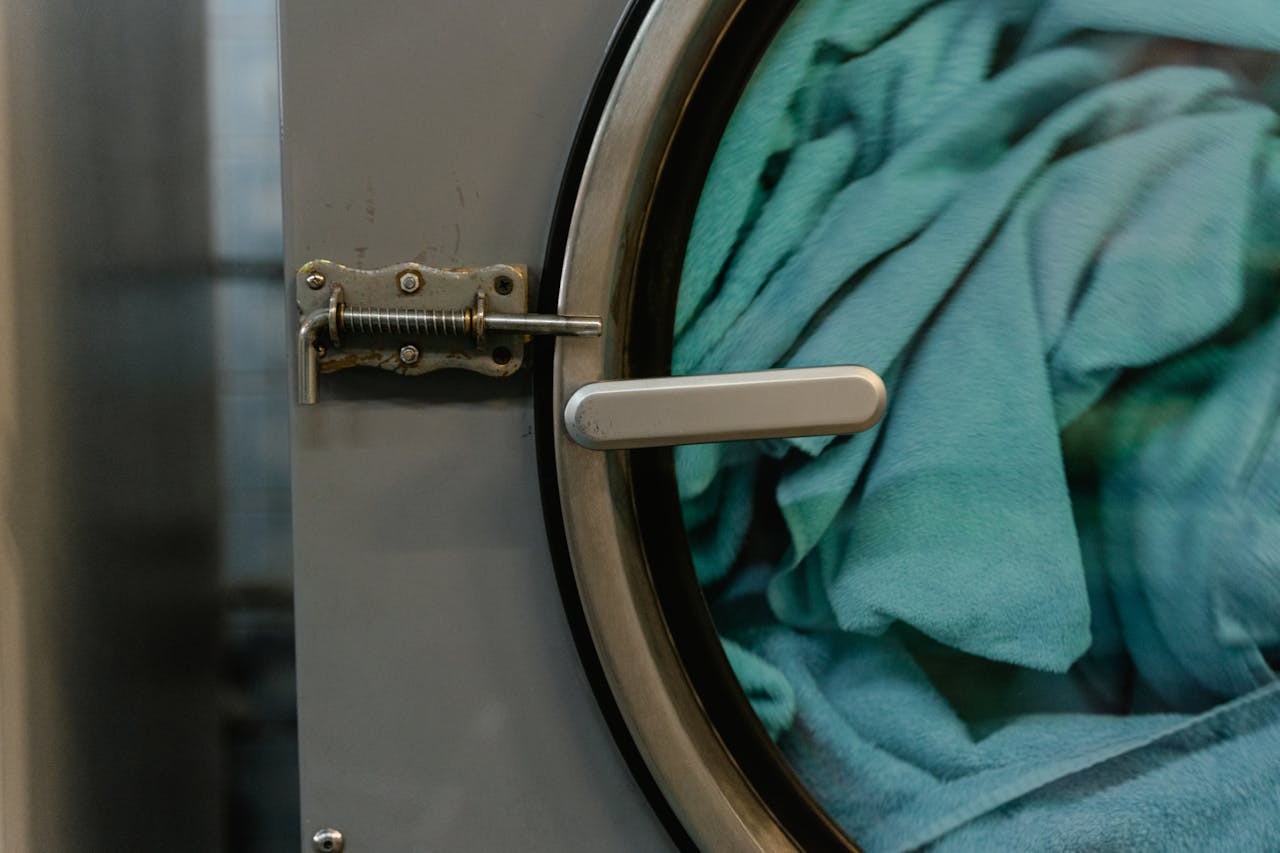
Bulky or bedding is made for items that drink water and then get heavy: comforters, pillows, puffy coats, and sleeping bags. These loads need more time and usually more water so everything in the drum gets fully saturated.
Experts note the cycle often uses a medium spin and a longer wash to clean without flattening filled pieces. Regular cycles can leave dry pockets inside the bundle, which means detergent stays trapped and odors return quickly. A proper bulky setting focuses on full wetting and thorough rinsing, which matters more than brute-force agitation for these big, absorbent loads. That is how bedding comes out even clean.
Delicates for Lace, Silk, and Embellishments
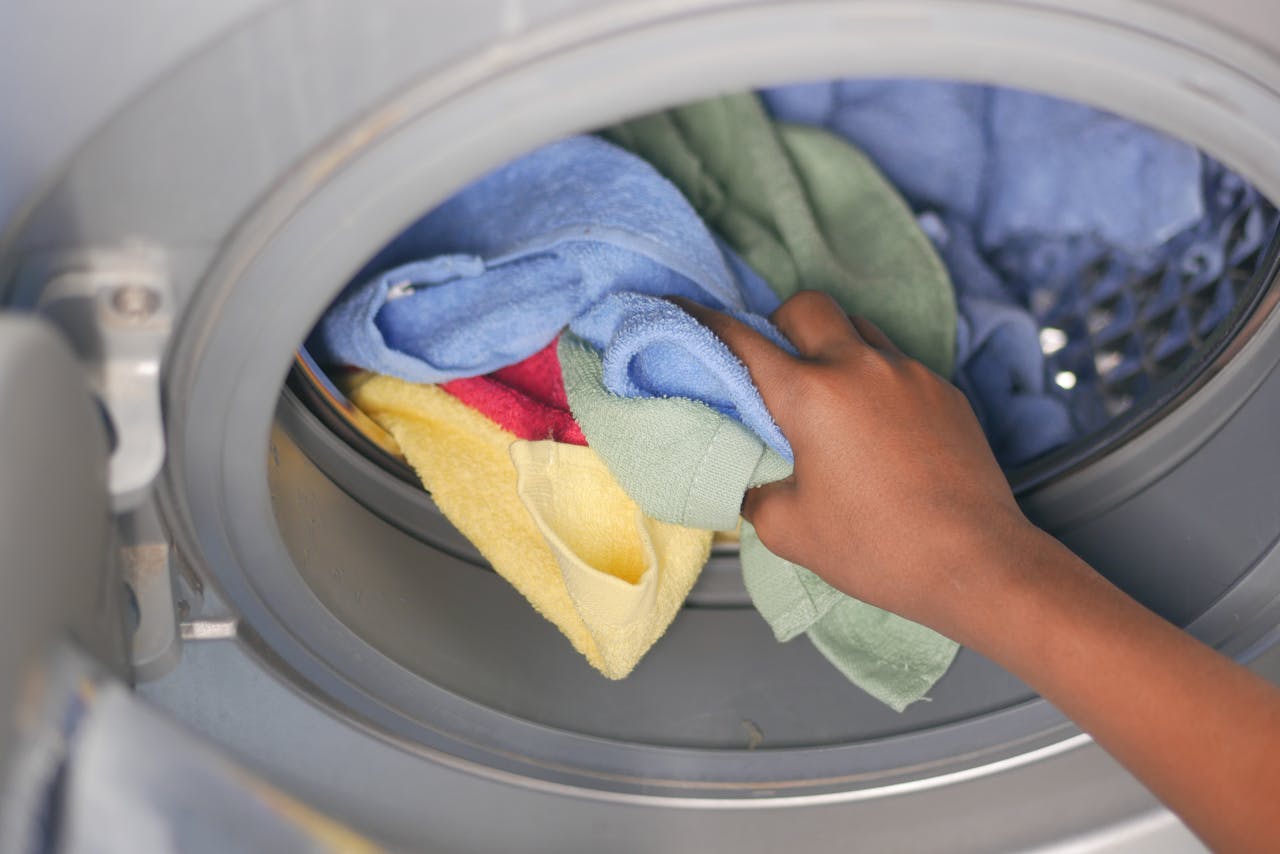
Delicates is designed to reduce stress on fabrics that snag, stretch, or lose shape easily. The wash action is softer and the spin is slower, and some machines keep the cycle shorter than standard programs.
It is a safer choice for lingerie, washable silk, lace, and pieces with embellishments that can catch and fray. Many laundry pros also place small items in mesh bags so hooks and straps stay contained. When delicate pieces get pushed through a fast, high-spin cycle, damage shows up as pulled threads, dulled sheen, and warped seams. A gentle cycle protects the garment’s architecture so it wears well over time smoothly.
Sanitize for Germ and Allergen Loads
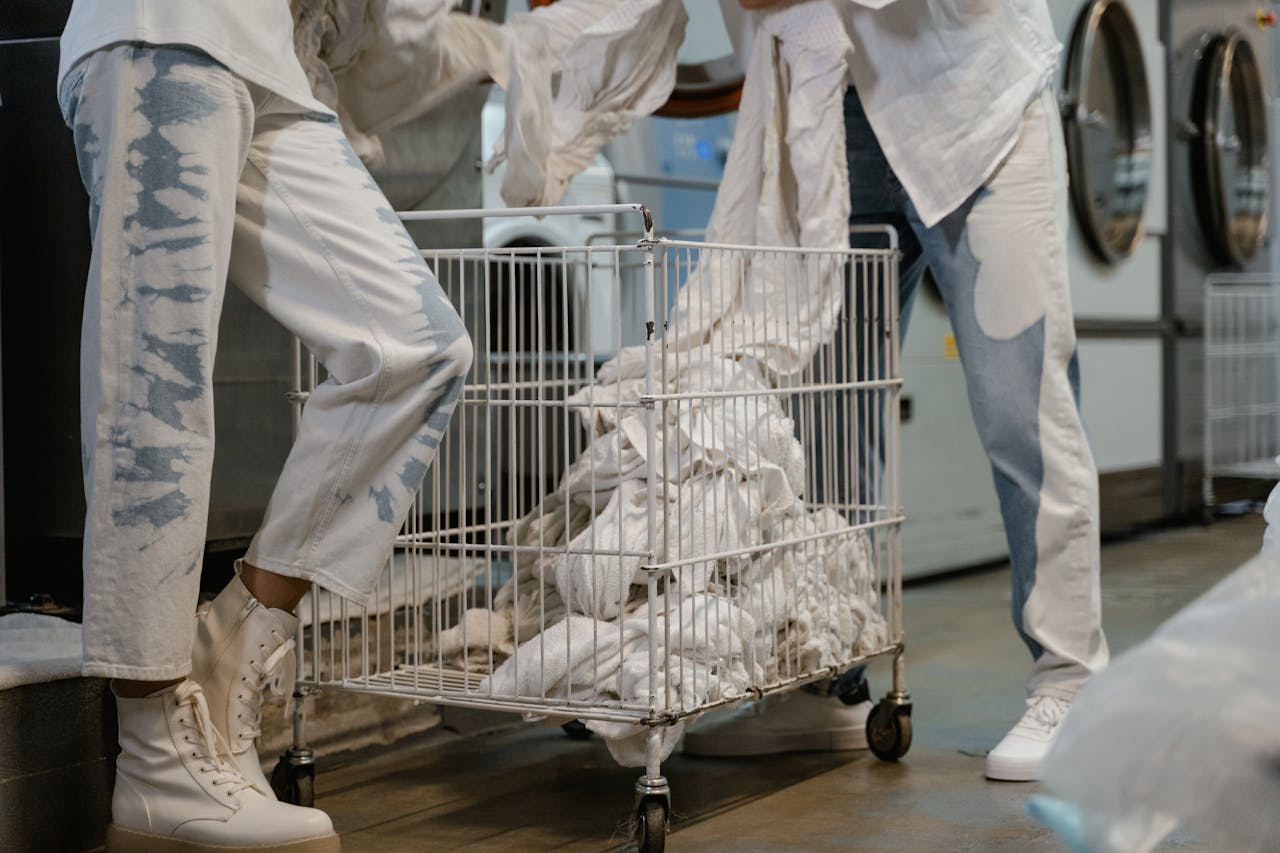
Sanitize is a high-heat cycle, often paired with steam, meant for the moments when hygiene matters more than fabric softness. It is used to reduce bacteria and allergens on items that have had real exposure, like workout gear or kitchen and bath towels.
Because heat and time are part of the design, it is not the everyday default. Delicates and routine loads can shrink, fade, or weaken under extra-hot water and extended washing. When someone in a household is sick, or towels have that stubborn stale smell, sanitize can be the targeted reset that standard cycles do not deliver. Care labels should guide heat limits, always.
Rinse and Spin to Fix a Load Without Rewashing
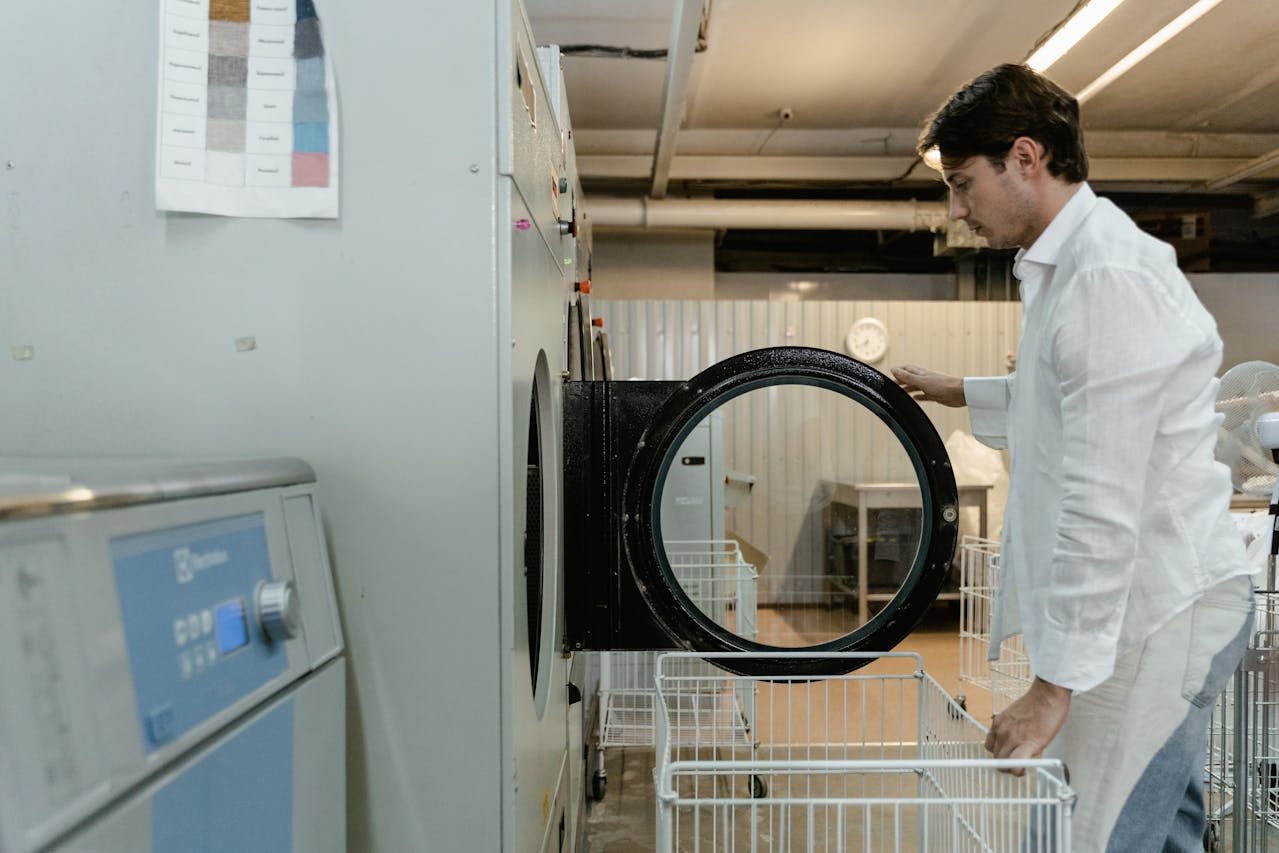
Rinse and spin is the underused problem-solver when the wash part is done but the results feel off. It is useful when detergent did not rinse cleanly, or when a finished load sat in the drum long enough to pick up that damp smell.
It also helps with hand-washed items that need a final rinse and better water removal before drying. Instead of starting a full program, this cycle targets the endgame: clean water through the fibers and a strong spin to pull it out. That small intervention can prevent stiff residue, cut musty odors, and save time, because it fixes the mistake without repeating the whole wash. A practical second pass.
Self-Clean to Keep the Washer From Getting Funky
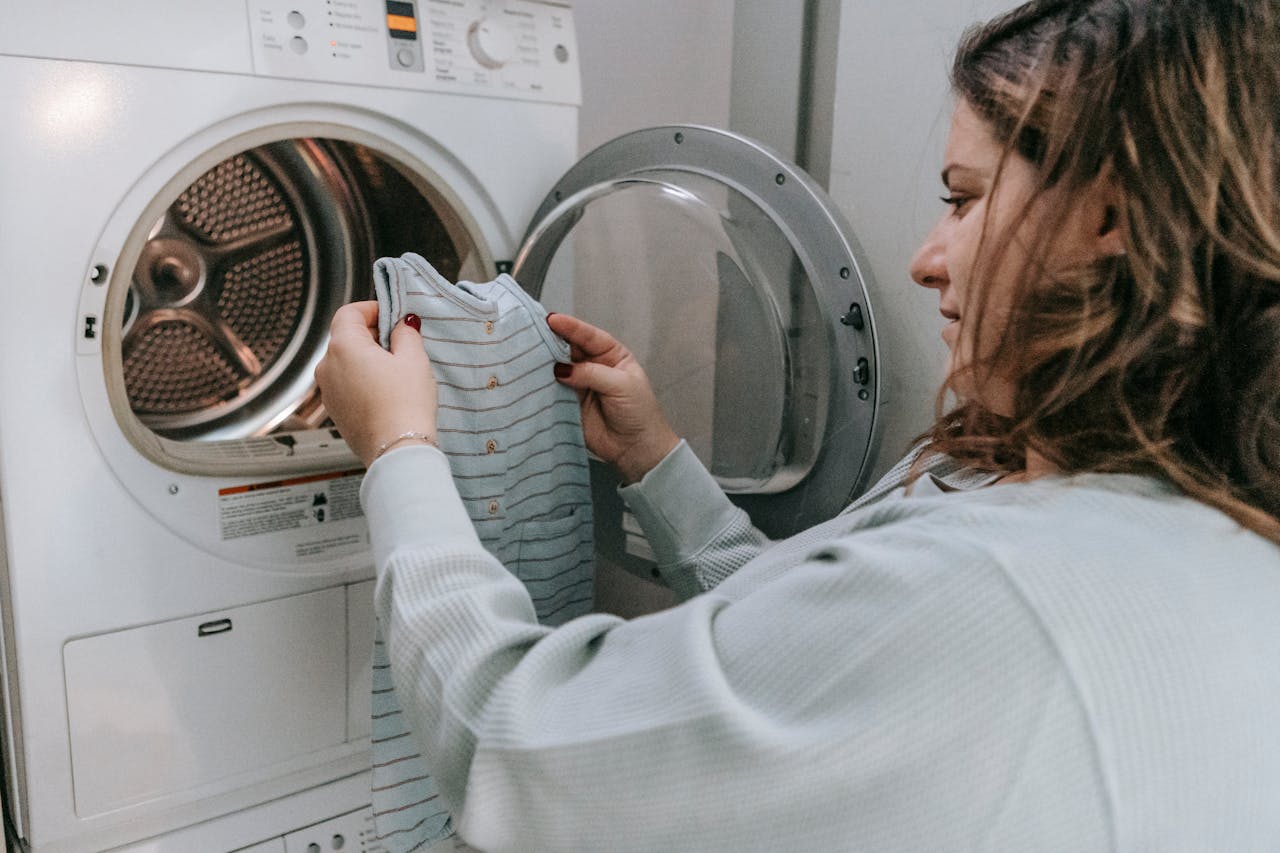
Self-clean, sometimes labeled tub clean, is not for clothes. It is the cycle that keeps the machine from quietly sabotaging every load. Detergent film, damp lint, and mildew can build inside the drum and seals, leading to odors that migrate onto clean fabric.
Running self-clean about once a month is a common expert rule, because the cycle presets heat, time, and agitation to strip residue. Some manufacturers allow a small amount of bleach; others recommend a dedicated washer cleaner tablet or powder. A clean tub rinses better, smells neutral, and helps the washer perform like the day it was installed. Maintenance that pays back.