Travel in 2026 is leaning toward trips that feel chosen, not default. Planning is becoming more responsive, stays are carrying stronger local identity, and itineraries are being built around interests instead of crowded checklists. Pets are joining more journeys, rail and flight connections are being stitched together with less friction, and quieter experiences are rising as a real form of luxury. Even celebration travel is changing, with smaller milestones earning their own short escapes. The thread running through it all is control: clearer expectations, smoother days, and more meaning packed into limited time away.
Hyper-Personalized Trip Planning Gets Sharper
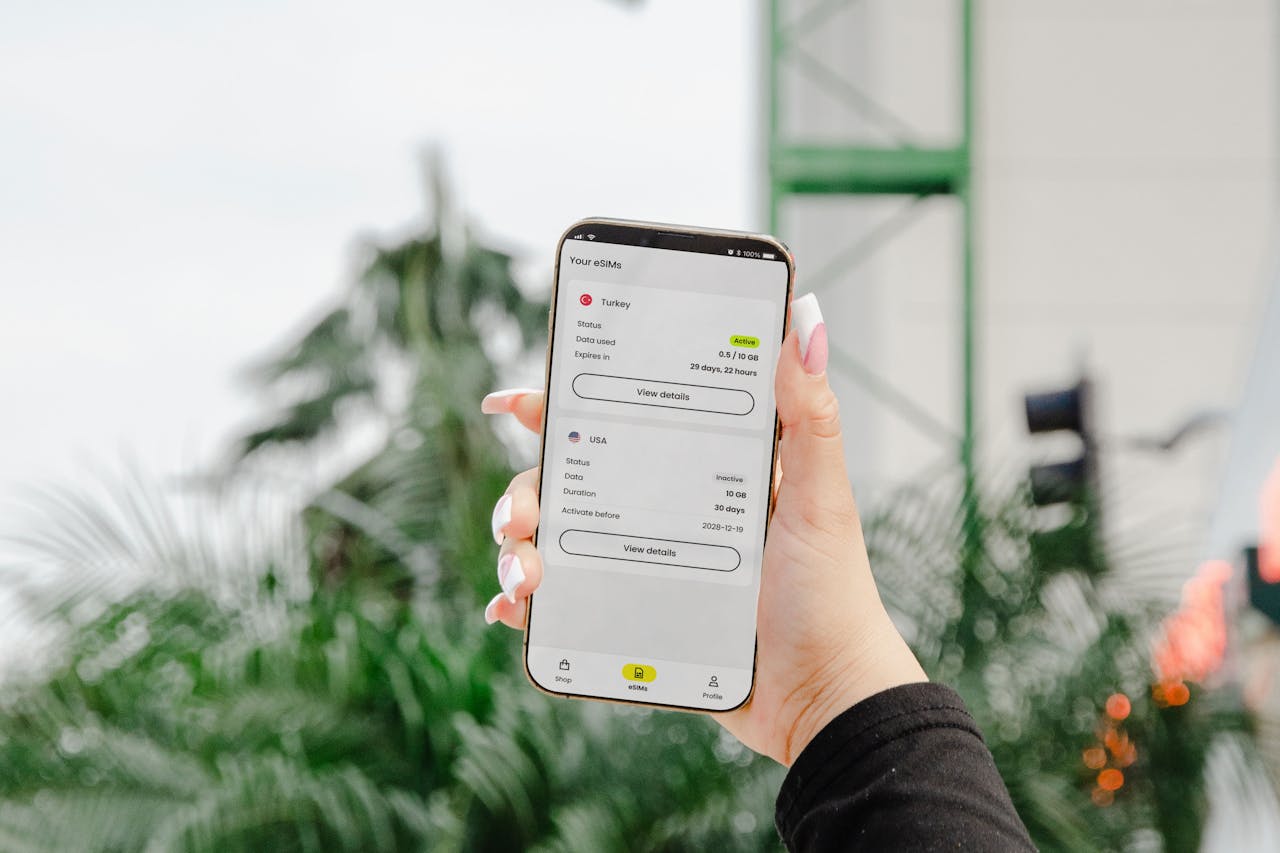
In 2026, planning tools behave less like blank search boxes and more like a calm travel editor. They learn pace, food preferences, budget comfort, and small habits like early starts or slow dinners, then shape day-by-day plans that fit. If weather flips or transit runs late, the itinerary can suggest clean swaps instead of forcing a full reset. The result is fewer mismatched bookings, less decision fatigue, and trips that feel designed on purpose, not stitched together at midnight. Expect smarter timing for crowds and alerts for local closures, and better neighborhood picks that match a traveler’s vibe. Planning feels tailored not overworked.
Fan Voyages And Pop-Culture Pilgrimages
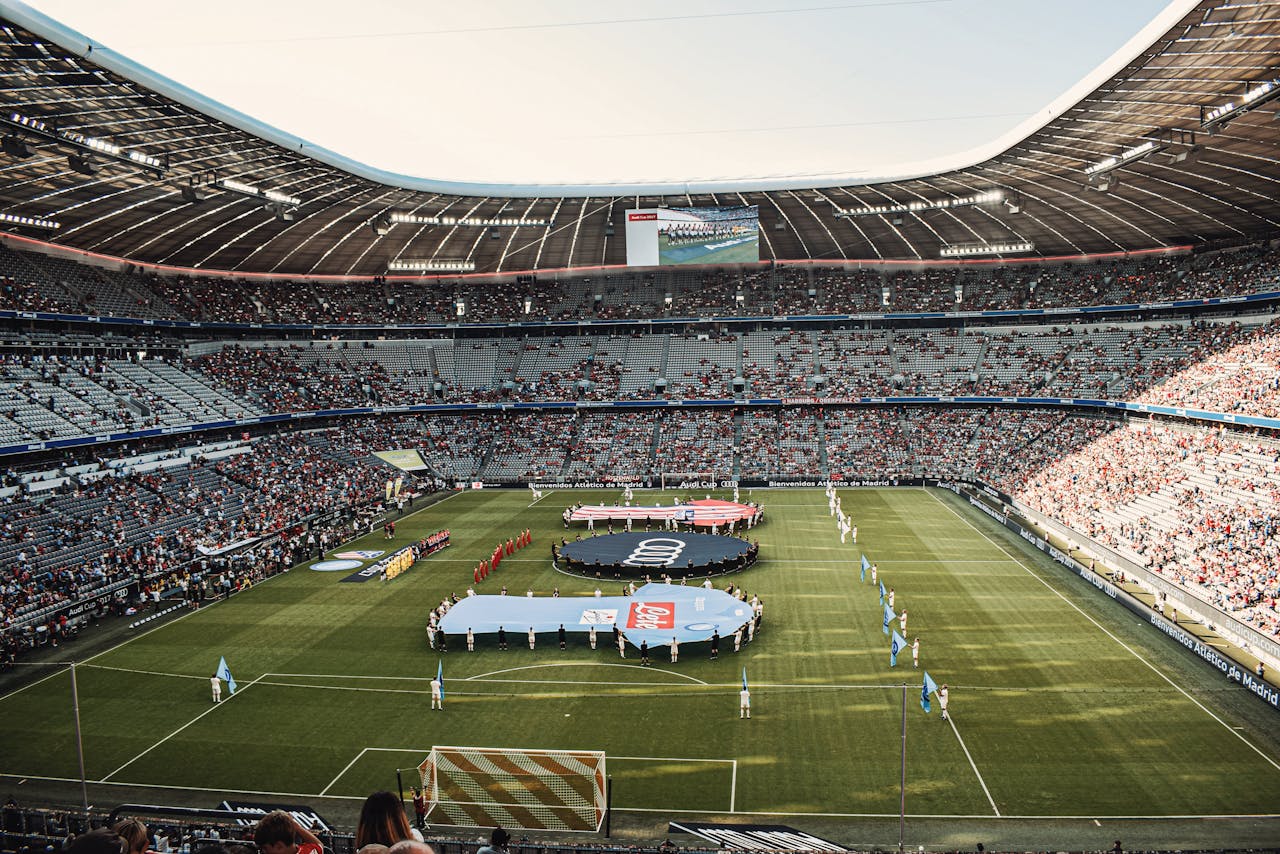
In 2026, trips built around movies, music, books, and sports grow more thoughtful, not just photo-driven. A filming street or tour date becomes the anchor for a wider route with timed visits, local guides, and smaller neighborhoods that share the spotlight. Well-run fan travel spreads people across hours and districts, so the same few corners do not carry the whole load. It also adds context, pairing the famous scene with museums, cafés, and everyday places that explain why the destination matters beyond the fandom. Cities manage this with permits, time slots, and guide rules, so fandom spending stays local and streets stay usable after dark.
Hotel Hopping For One Trip, Many Moods
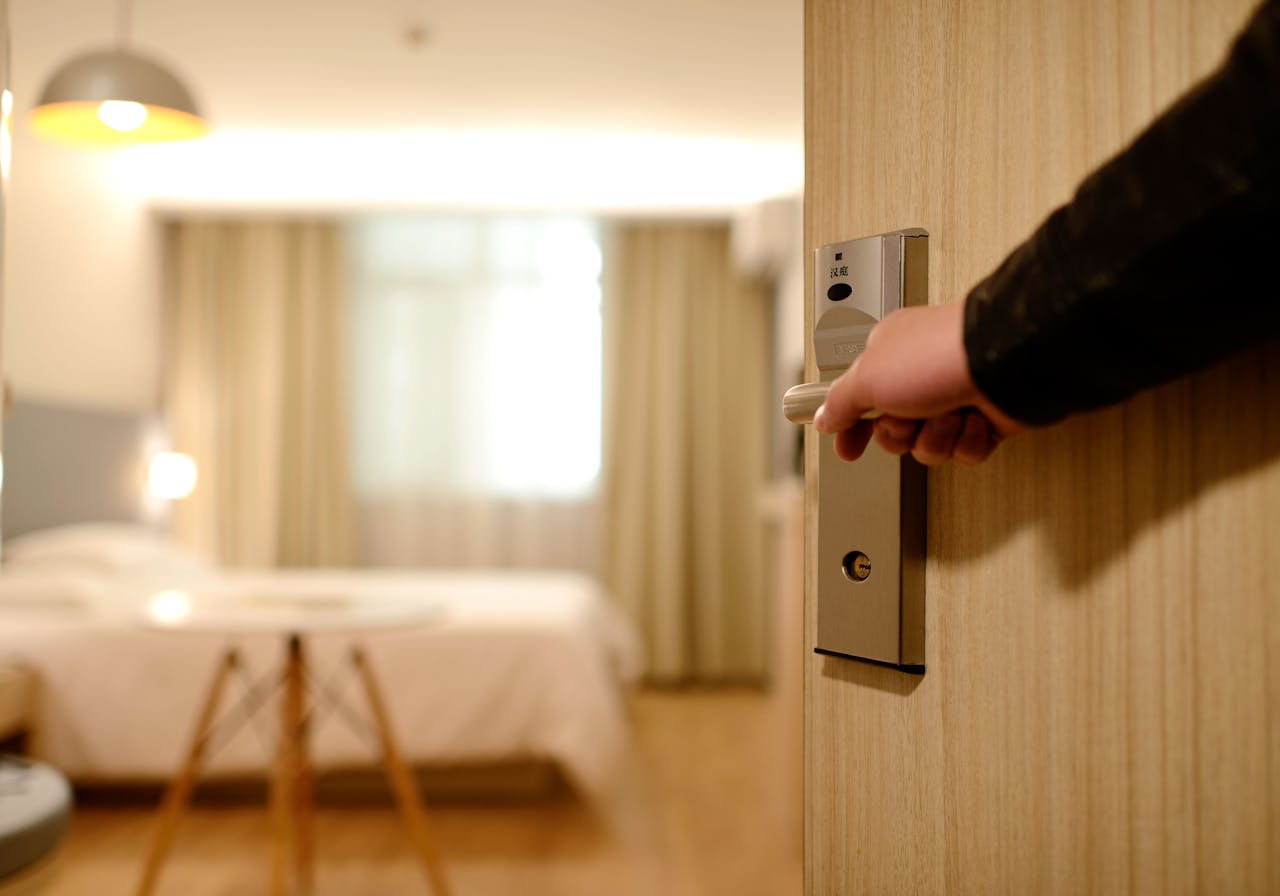
In 2026, more travelers split one vacation across multiple hotels, treating lodging like chapters with different energy. A central stay covers museums and late dinners, then a quieter property handles recovery, and a final shift brings nature or coastline. Good rail links, luggage storage, and flexible check-in make the rhythm feel easy instead of frantic. This trend also spreads spending beyond the usual blocks, and it lets people mix splurge nights with simpler stays without losing the thread of the trip. Brands respond with flexibility luggage handling, and transit tips because shift between stays should feel like part of the vacation too.
Salvaged Stays And Adaptive Reuse
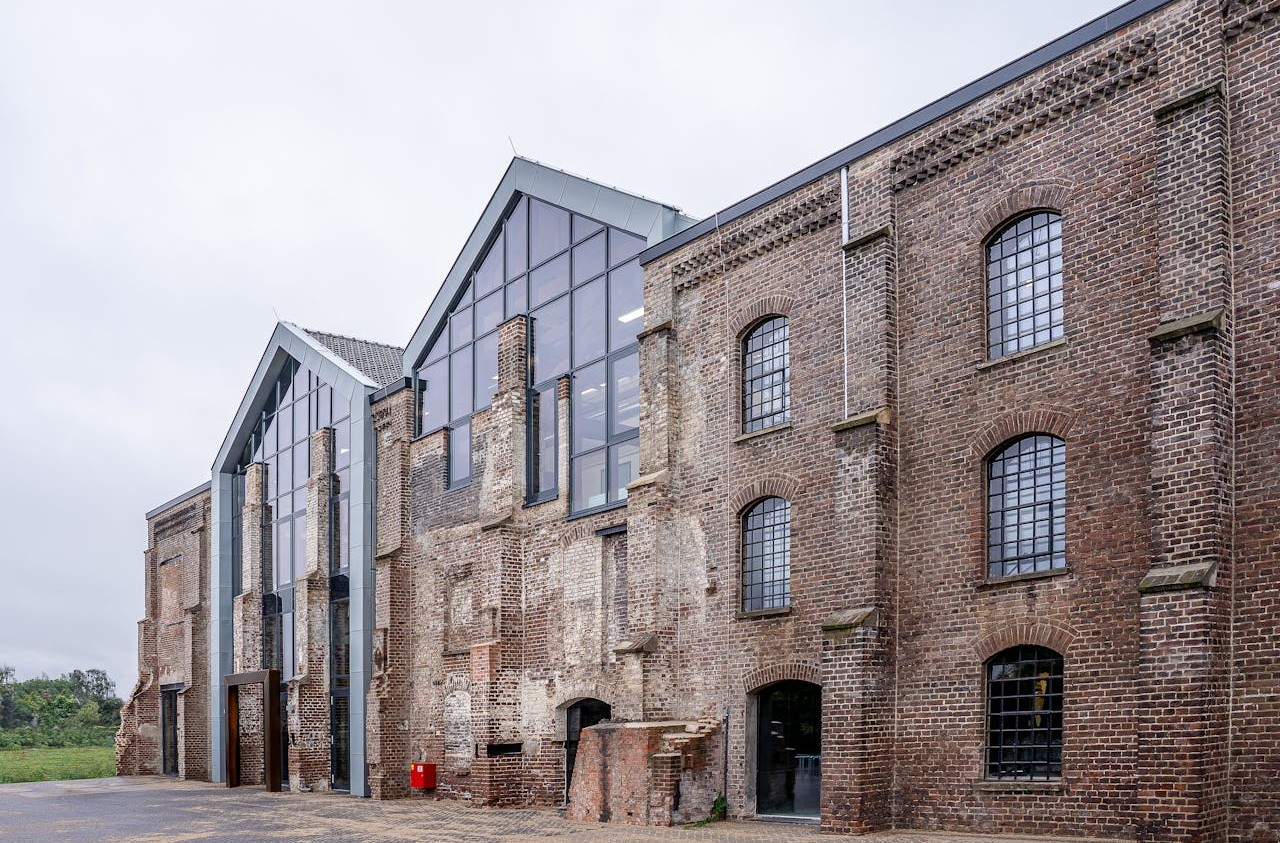
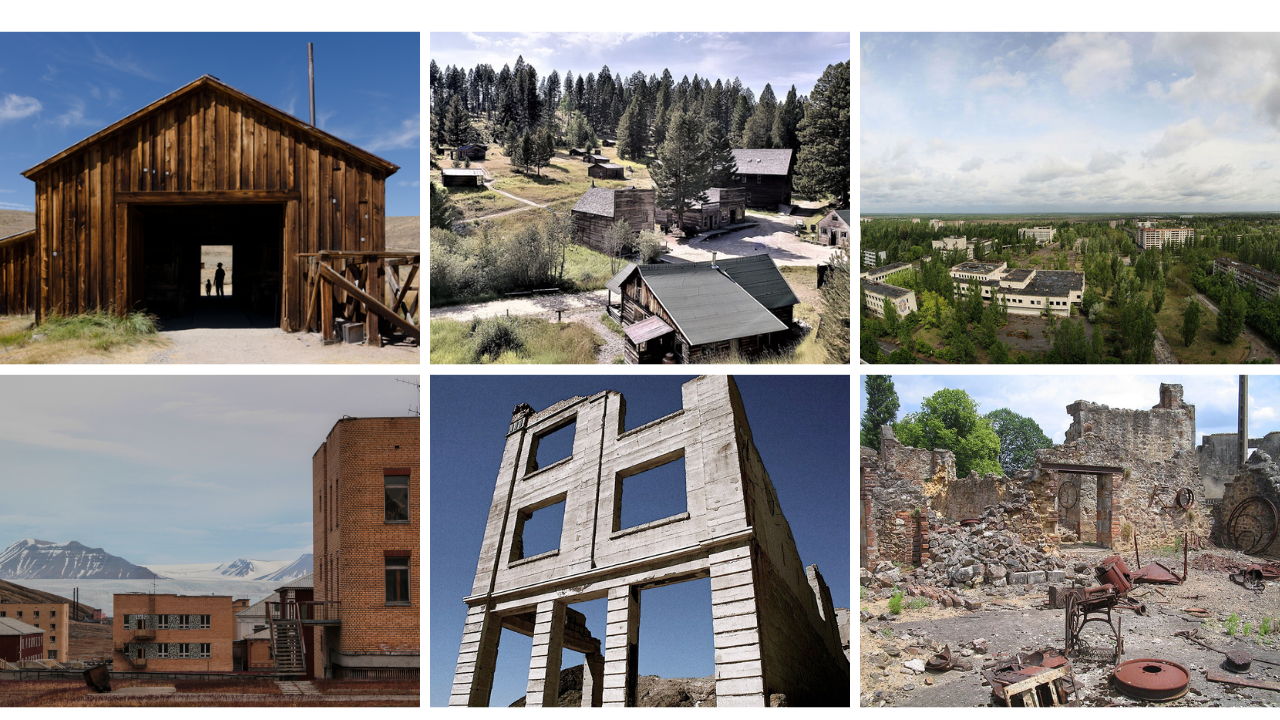
Converted buildings keep winning in 2026 because comfort feels better when it comes with a sense of place. Old mills, warehouses, and farm structures are being reworked into hotels that keep beams, brick, and proportions that cannot be faked. Guests get design plus story, but the best versions still nail basics like quiet rooms, strong showers, and serious mattresses. These stays often sit in lived-in neighborhoods, where mornings start slow, local cafés feel real, and the building’s past is shared with simple pride, not a sales pitch. They attract people who prefer craft over gloss, and history over a lobby that could be anywhere every time.
Pet-First Travel Turns Serious
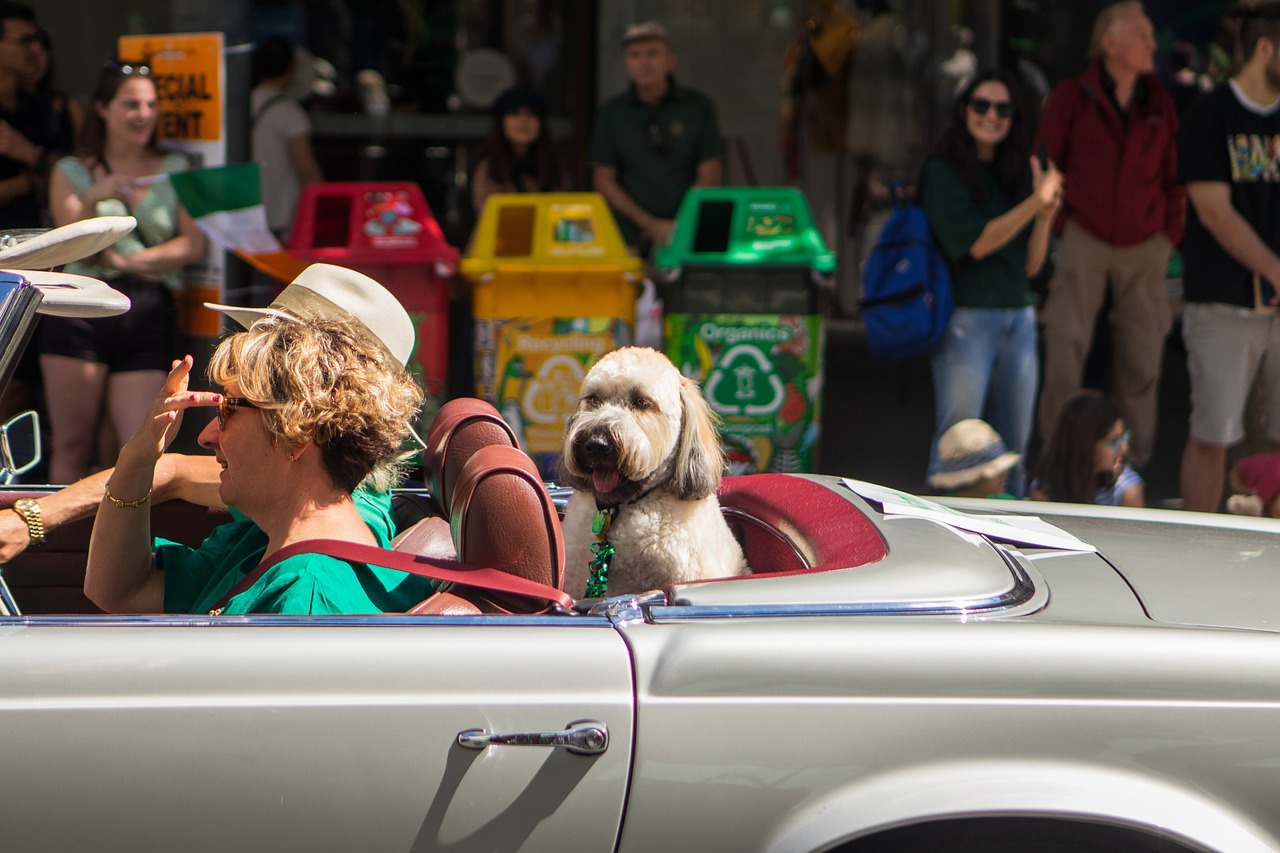
Pet travel in 2026 moves beyond vague promises into clear, practical hospitality. Instead of a generic pet-friendly label, bookings come with straightforward rules, real space for carriers, and nearby options for walks, patios, and quick supplies. Stays that plan for animals reduce friction at check-in, which matters when schedules are tight and fatigue is high. Destinations also get smarter about support, from trusted sitters to access to clinics, so the trip feels stable and respectful for everyone sharing the space. Clear pricing, clear policies, and honest size limits matter because nobody wants a debate at check-in after a long ride too.
Multi-Modal Routing Gets Easier
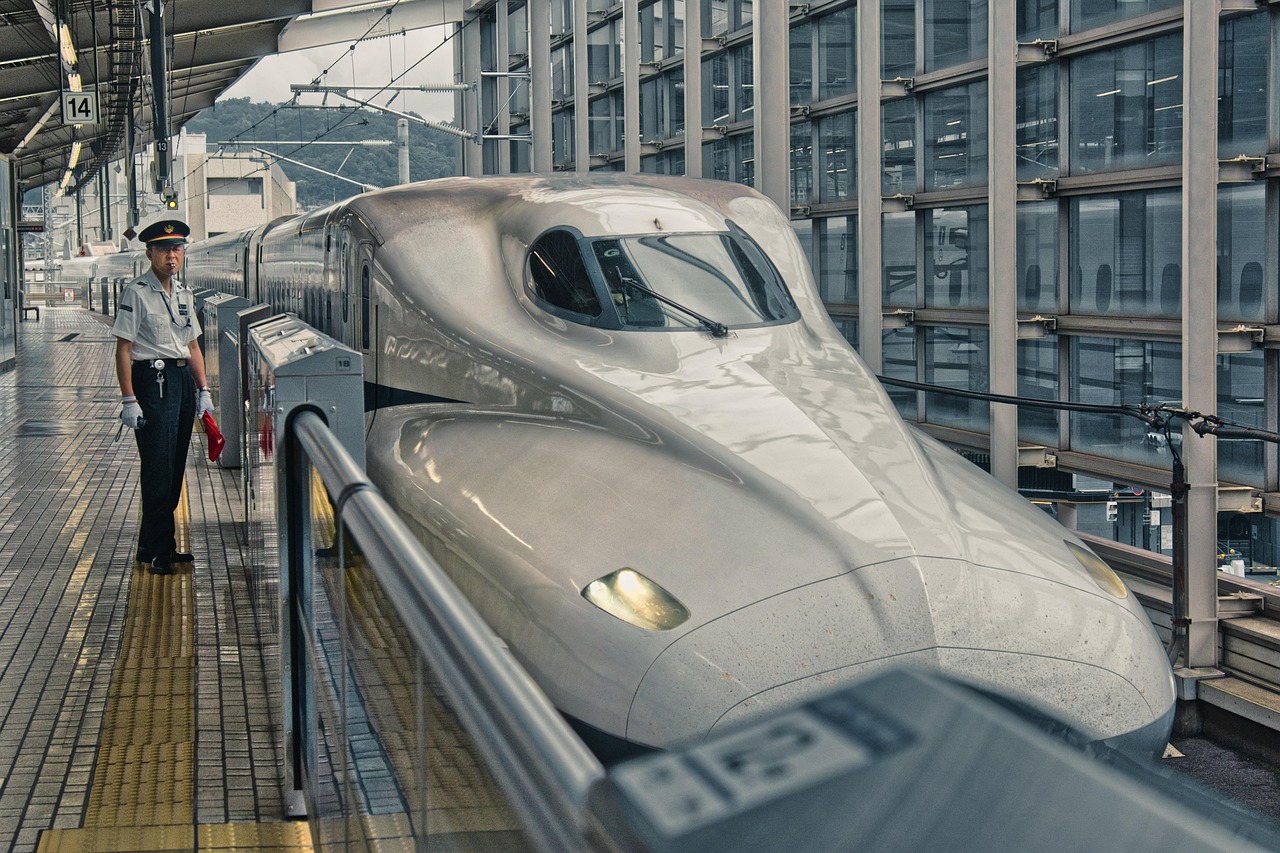
In 2026, more itineraries blend flights, trains, ferries, and local transit into one connected plan. This makes smaller towns easier to reach and turns scenic rail stretches into a feature rather than a chore. It also reduces car dependence, which can lower stress in places where parking is scarce and streets are narrow. When connections run late, better routing tools surface realistic alternatives fast, so the journey stays fluid and the day is not lost to scrambling. The result is a steadier, slower rhythm. It favors regions with strong rail networks and walkable centers, and it makes detours feel like choices instead of mistakes every day.
Hushed Hobbies And Quiet Escapes

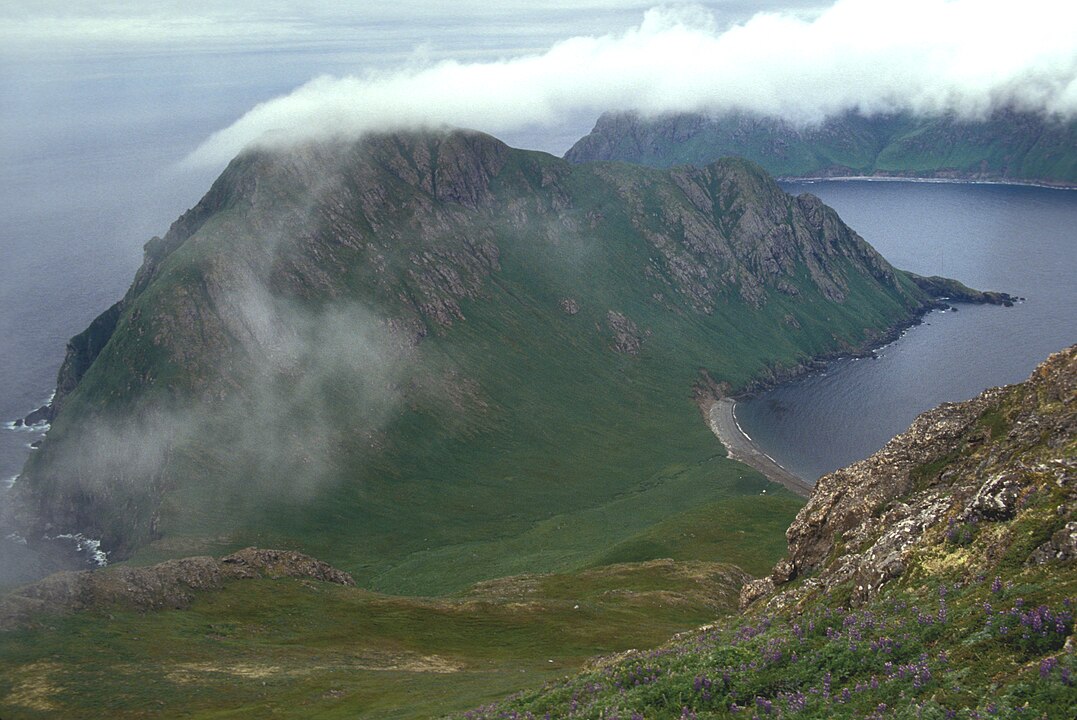
Quiet travel keeps growing in 2026, shaped around hobbies that reward patience instead of constant stimulation. Trips built around birding, stargazing, sketching, or slow trails favor dark skies, early markets, and long afternoons without urgency. Small groups suit local guides and makers who prefer calm, and the experience feels restorative without being preachy. These escapes also spread visitor pressure, because the best settings are often valleys, islands, and coastal paths that do not need crowds to feel alive. The appeal is simple: attention, space, and clean air. It suits travelers who want a gentler pace and a quieter mind for a week.
Modern Milestone Missions

In 2026, celebration travel shifts toward smaller personal markers that still deserve a change of scenery. A first solo trip, a friend reunion, or a birthday reset can anchor a short getaway built around one meaningful plan. These trips favor walkable neighborhoods, good meals, and a relaxed pace over packed schedules. They also fit flexible calendars, where a long weekend can carry the emotional weight of a bigger vacation. The focus becomes memory, not spectacle, and that makes the whole experience easier to repeat. Hotels are packaging these as short, flexible breaks, because meaning often fits inside 48 hours when planning is clean. fast.