Cruise ships can feel like effortless island days, but on small coasts the impact lands all at once. A single morning call can double a town’s population, stretch water and waste systems, and turn heritage lanes into slow-moving corridors. In response, several islands are setting clearer boundaries: caps on daily landings, limits on ship size, timed berths, and fees that pay for port staff, reef protection, and public services. The aim is not to push visitors away, but to keep local life livable, so streets, beaches, and harbors can breathe even in high summer. Each policy reflects geography, history, and hard lessons. When limits work, they reduce crowd surges, protect wildlife, and give residents back a sense of control.
Santorini, Greece

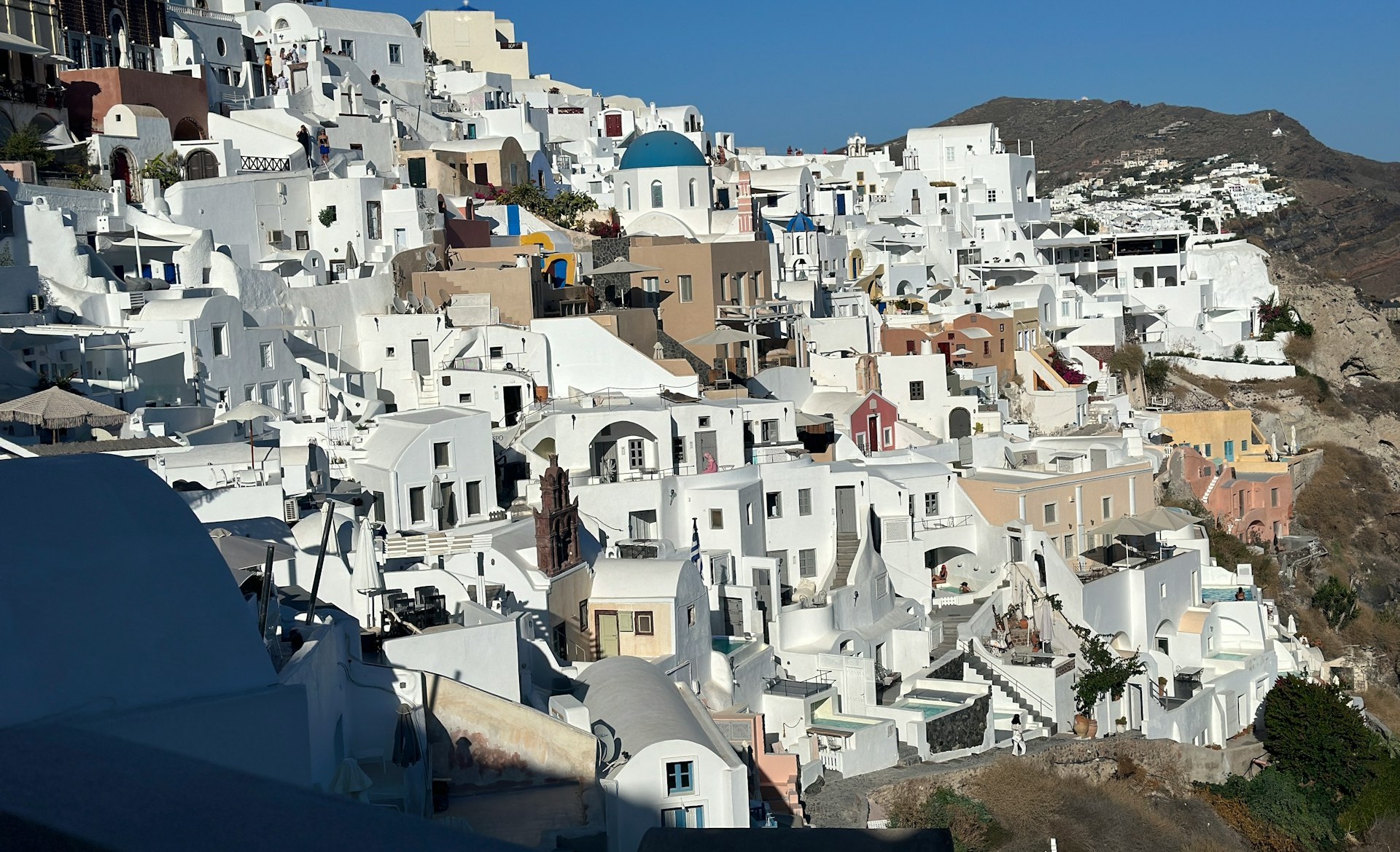
Santorini’s cliff towns were built for foot traffic, not three ships arriving together and funneling thousands into Fira’s switchbacks, bus stops, and narrow terraces. Local controls have leaned on passenger caps and stricter tender scheduling, spreading landings across the day so the cable car line does not swallow the square, trash bins do not overflow by noon, and Oia’s alleys do not turn into a single-file crawl. Seasonal passenger fees are used to support water deliveries, wastewater treatment, and port staffing, keeping the island’s postcard calm from being replaced by constant congestion. on hot August afternoons.
Mykonos, Greece
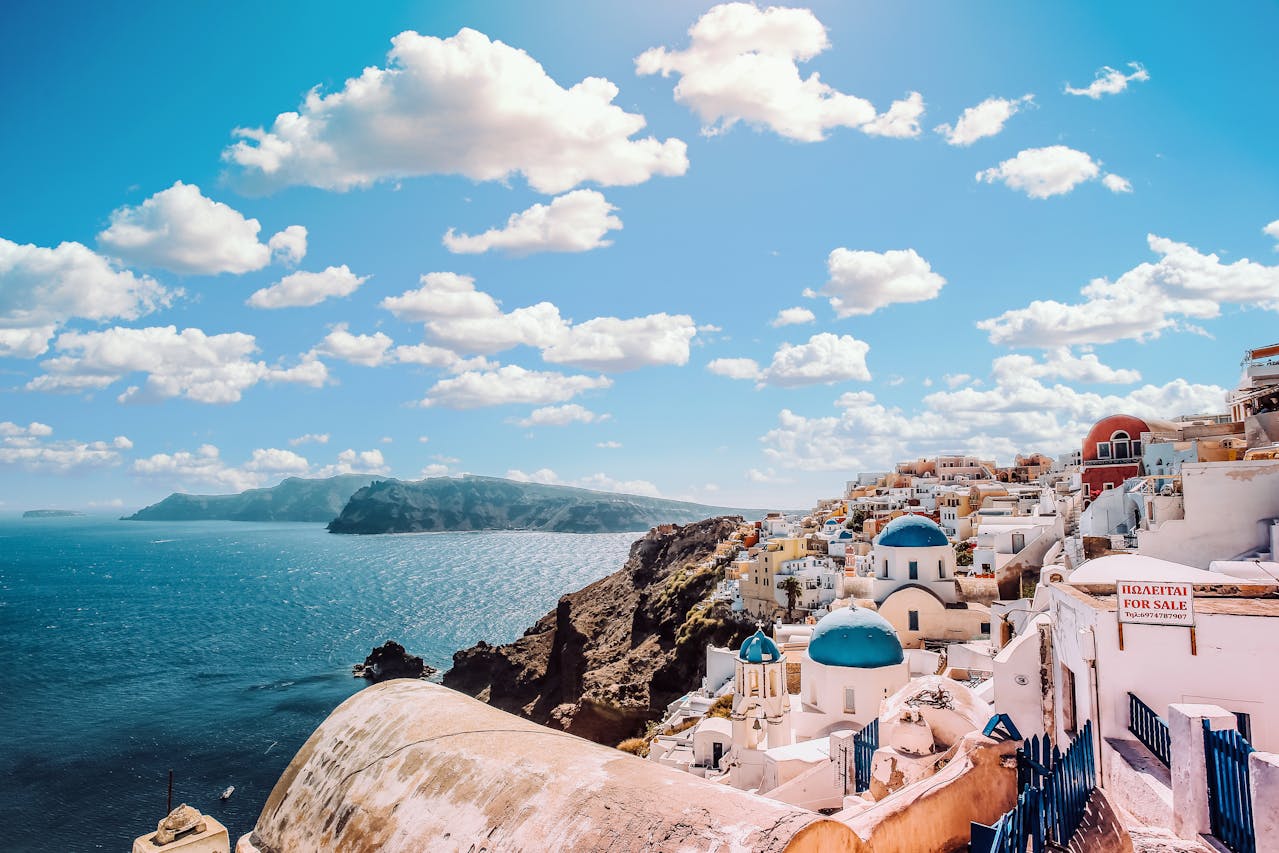
Mykonos runs on small-scale charm: whitewashed lanes, low walls, and a waterfront that looks best when it is not jammed with tenders and diesel haze. To soften the sudden swell of day-trippers, port schedules have shifted toward timed windows and limits on simultaneous calls, which spreads foot traffic past the windmills, reduces midday bottlenecks near Little Venice, and keeps emergency vehicles from getting boxed in. Passenger levies and tighter planning are framed as preservation tools, paying for cleanup, port staff, and crowd management while protecting the island’s rhythm through the longest weeks of summer.
Venice, Italy
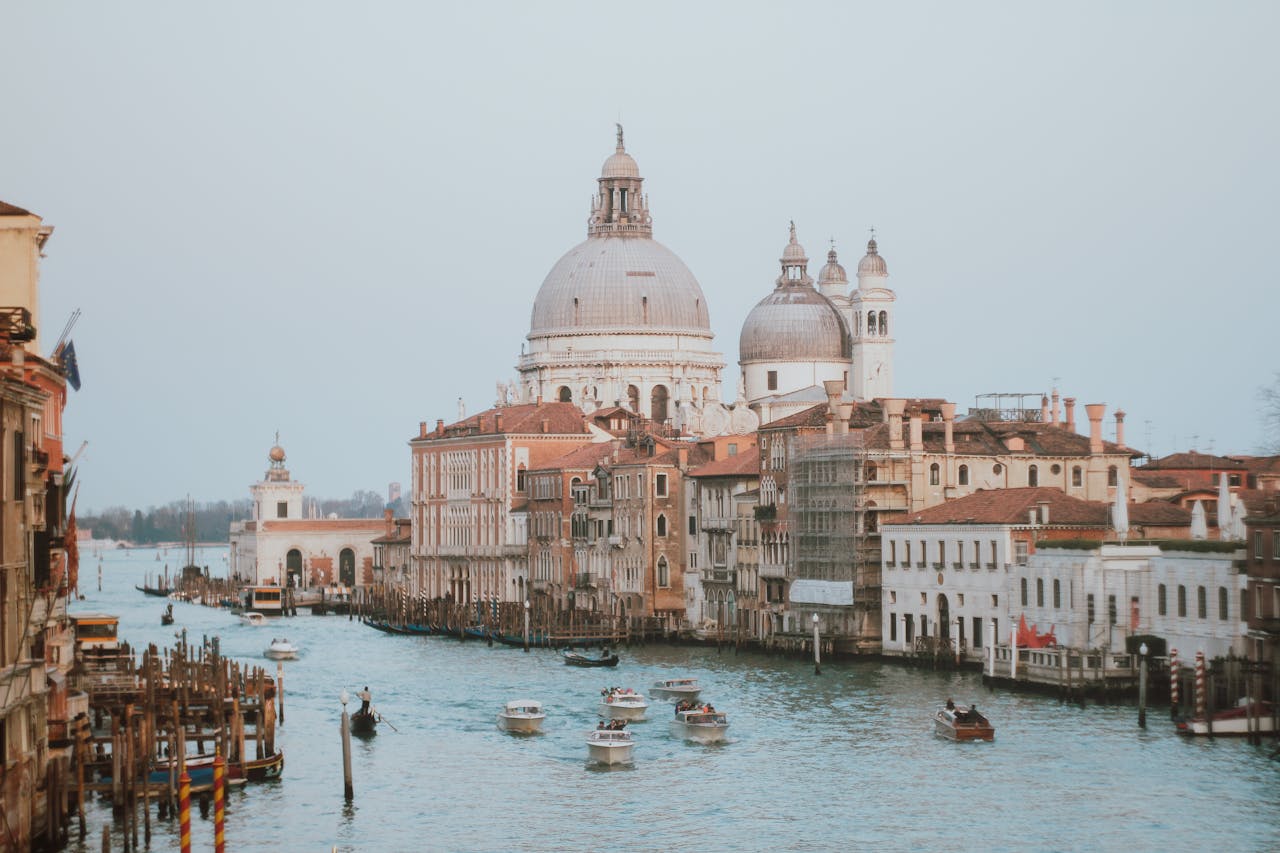
Venice is an island city where beauty depends on fragile balance: quiet water, steady foundations, and lanes that turn impassable when too many visitors spill in at once. Restrictions on large cruise ships were introduced to keep the biggest vessels out of the most sensitive lagoon corridors, reducing wake, erosion, vibration, and the visual shock of towering hulls near St. Mark’s and the Giudecca. Many itineraries still include the area, but passengers are redirected to alternative terminals and transfer routes, trading a dramatic sail-in for a calmer lagoon and a skyline that feels more human again. especially at dawn.
Palma de Mallorca, Spain
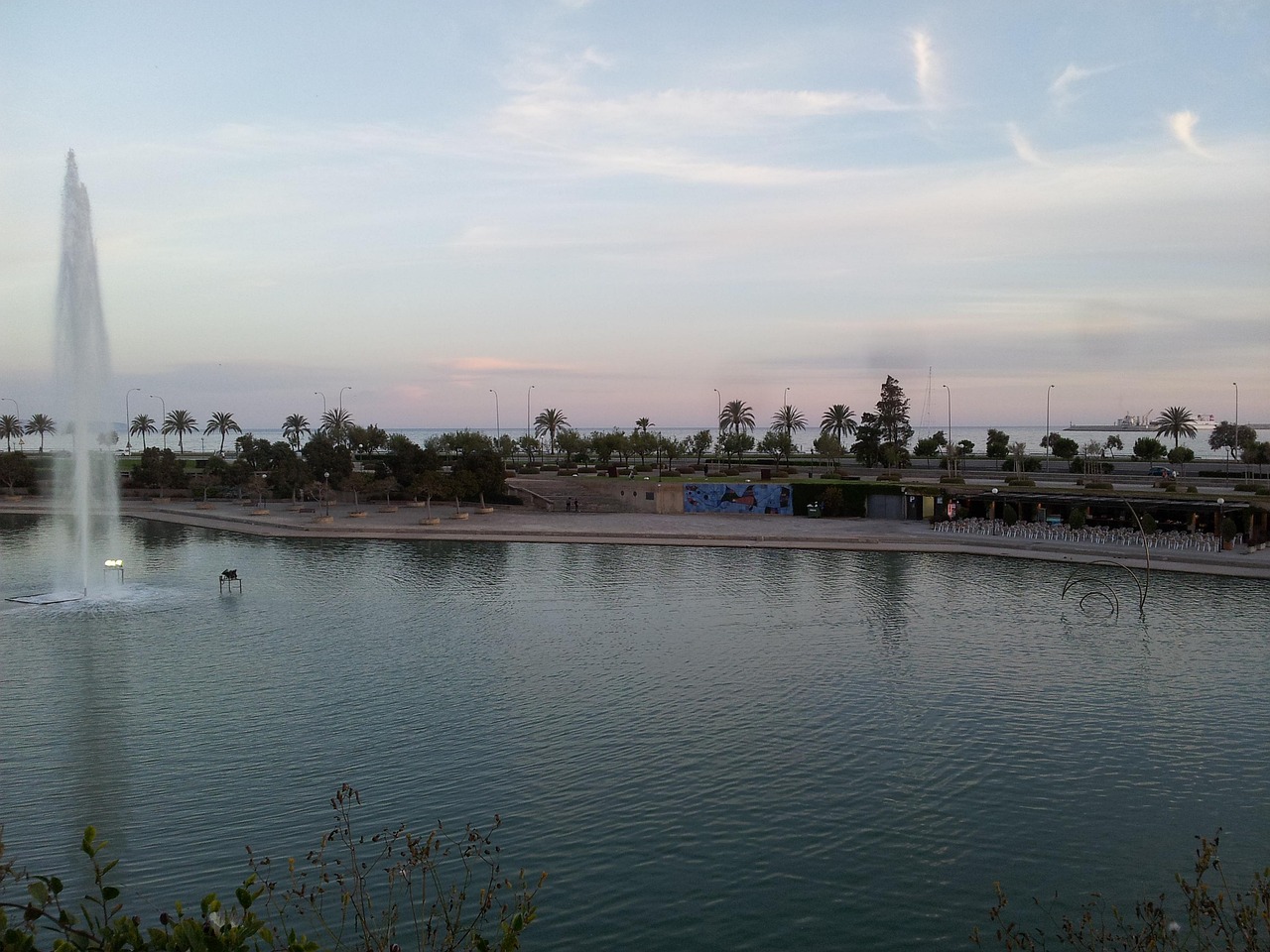
Palma’s port sits close to the old city, so cruise traffic does not stay at the waterfront; it pours straight toward the cathedral, shopping streets, and areas that still have school runs. Local limits have aimed to cap the number of ships per day and reduce the chance of multiple megaships docking together, easing coach queues, smoothing traffic on the seafront, and cutting the sharp spikes in exhaust and noise near the harbor. By forcing arrivals to spread out, the city protects both the visitor experience and the daily logistics of island life, from commutes to waste collection, in the hottest months of the year.
Bar Harbor, Maine
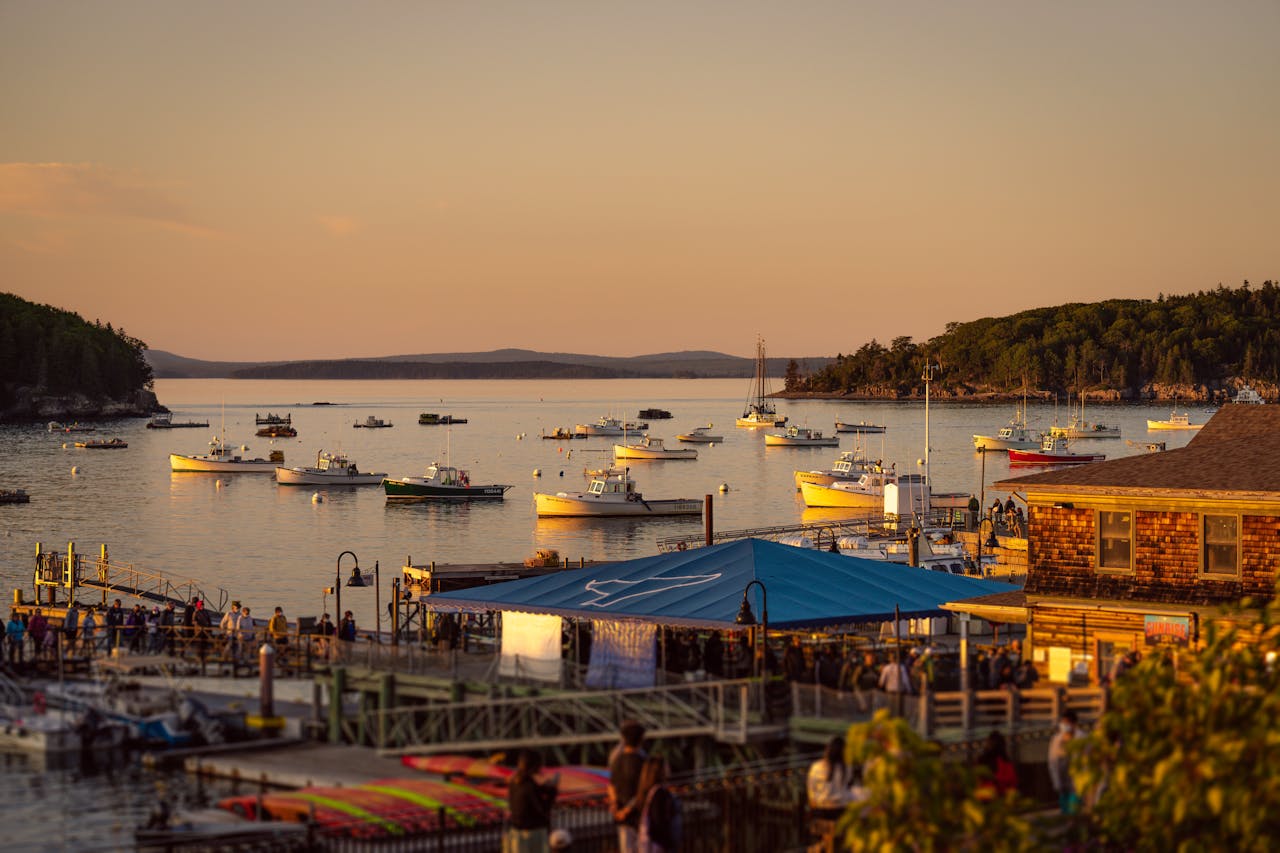
Bar Harbor lives on the edge of Acadia, where a small downtown meets a national park, and summer already pushes parking lots, sidewalks, and Route 3 to their limit. After years of heavy cruise days, residents backed a daily cap on disembarking passengers, aiming to prevent the sudden crowding that overwhelms shuttles, restrooms, tender docks, and the simple act of crossing Main Street at lunchtime. The policy has faced pushback and legal wrangling, but it reflects a local priority: a slower, more predictable waterfront, where workers can move through town and trailheads feel less like a waiting room. by late July.
Galápagos Islands, Ecuador
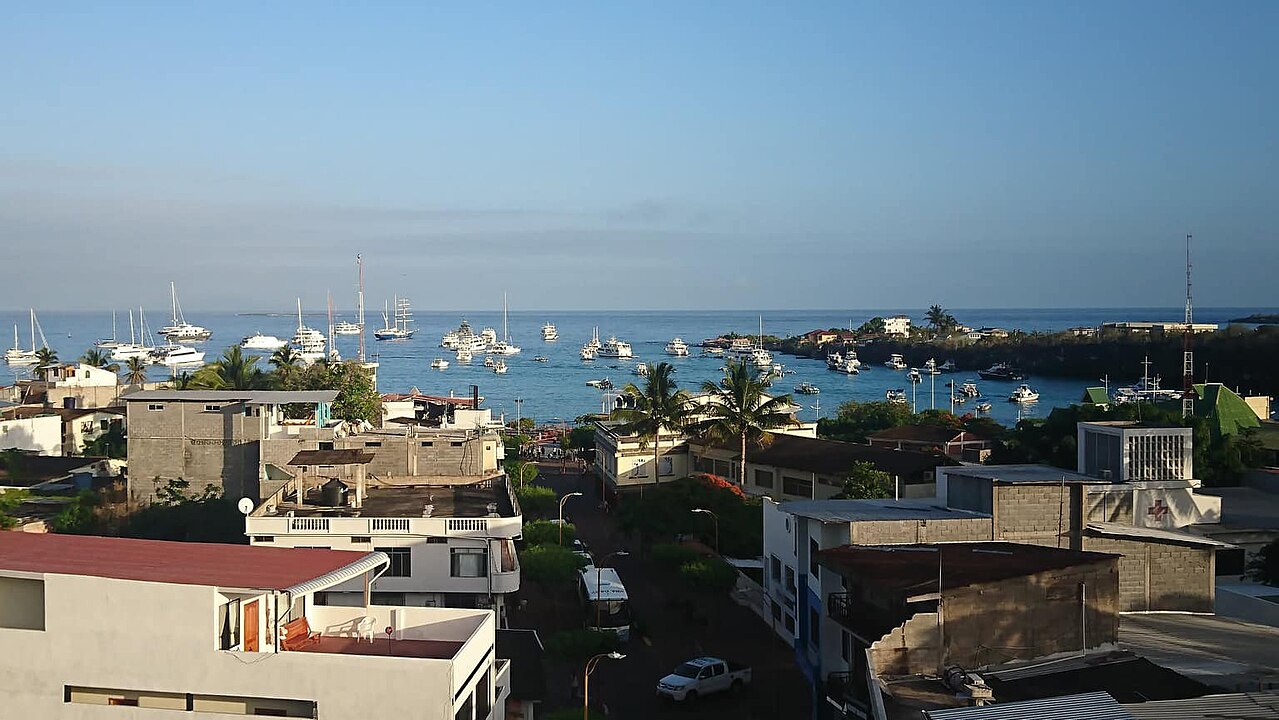
The Galápagos treat cruising less like a floating resort and more like managed access to a living laboratory, where wildlife sets the rules and humans keep their distance. Visitor numbers are controlled through permits, small-ship limits, and guided landings that keep groups tight, trails respected, and biosecurity routines taken seriously, so seeds, insects and pathogens are less likely to hitch a ride ashore. By spreading visits across approved sites and enforcing strict behavior standards, the islands protect sea lions, marine iguanas, and fragile shorelines, ensuring tourism supports conservation instead of eroding it.