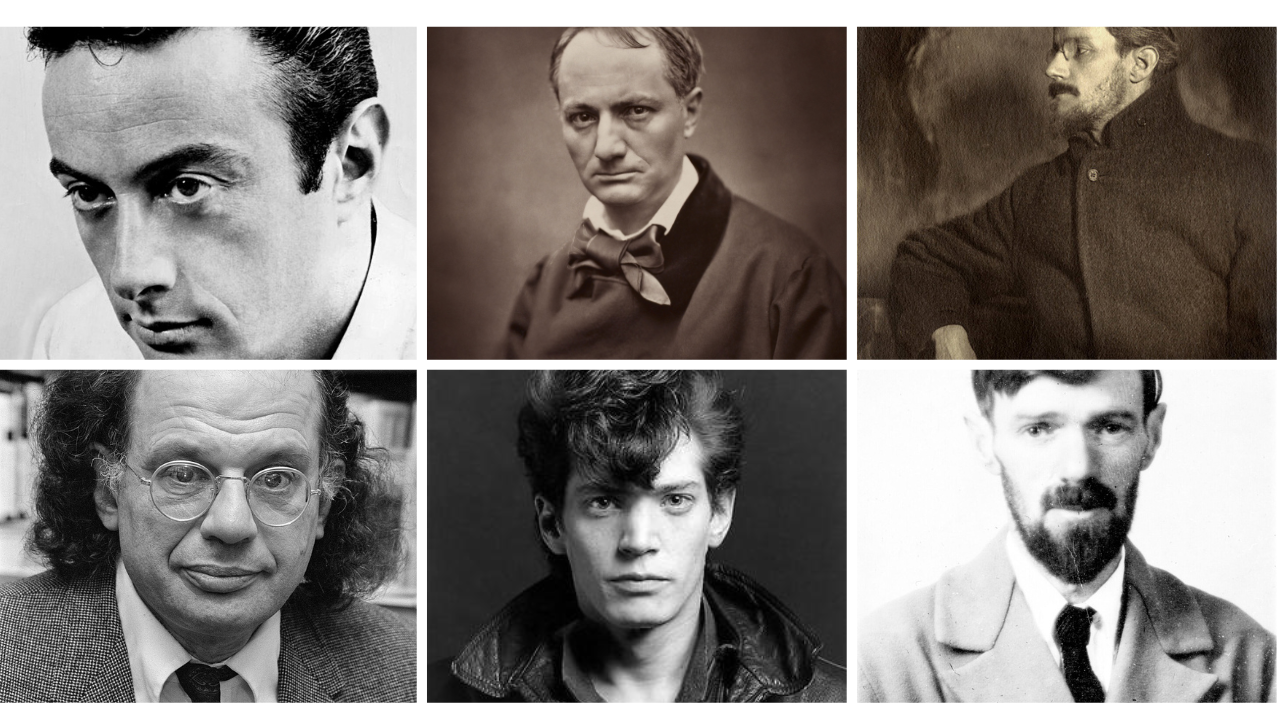
Indecency prosecutions have trailed artists who refused to treat sex, the body, or private language as off-limits. In courtrooms, the argument was rarely about paint or paper. It was about fear: fear that readers would imitate, that viewers would be changed, that a community would lose its grip on what could be said. Yet the same trials that tried to shame these creators also preserved a public record of their impact. A seizure turned into a headline, a fine into a bestseller, a raid into a rallying point. Over time, the work stayed complicated, but the panic aged badly, and the accused became reference points for entire movements. Their stories show how art survives when law tries to blink first.
Gustave Flaubert
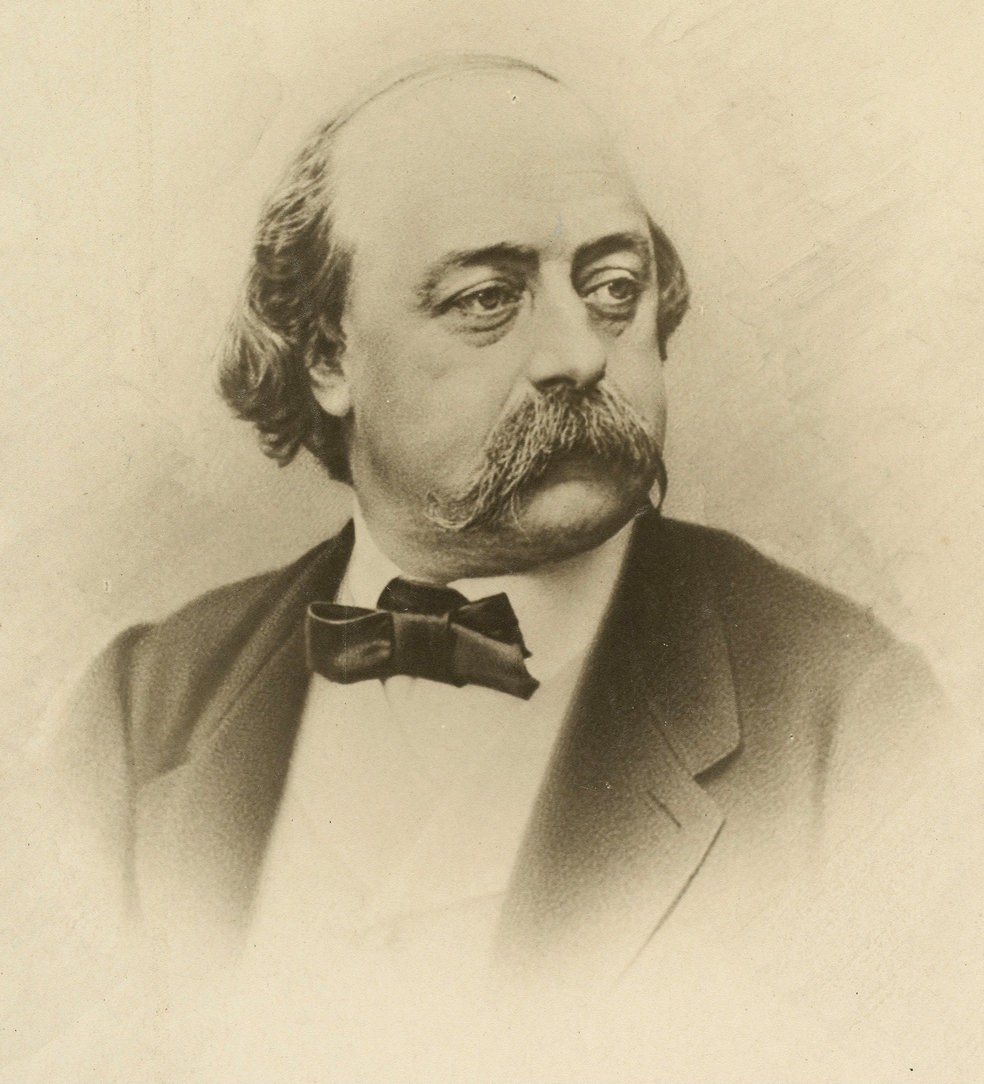
When “Madame Bovary” ran in the Revue de Paris, prosecutors claimed the novel’s realism and Emma’s adultery insulted public morals by making yearning feel ordinary, almost domestic, inside a tidy bourgeois town. In Jan. 1857, Gustave Flaubert was tried for offending morality; on Feb. 7, 1857, he was acquitted, and the stern lectures from the bench only increased the book’s allure and sales. That cool, close perspective, compassionate without excusing anyone, taught later writers how to show boredom, vanity, and self-deception without preaching, proving that restraint can be the sharpest blade, and that lesson keeps fiction honest.
Charles Baudelaire
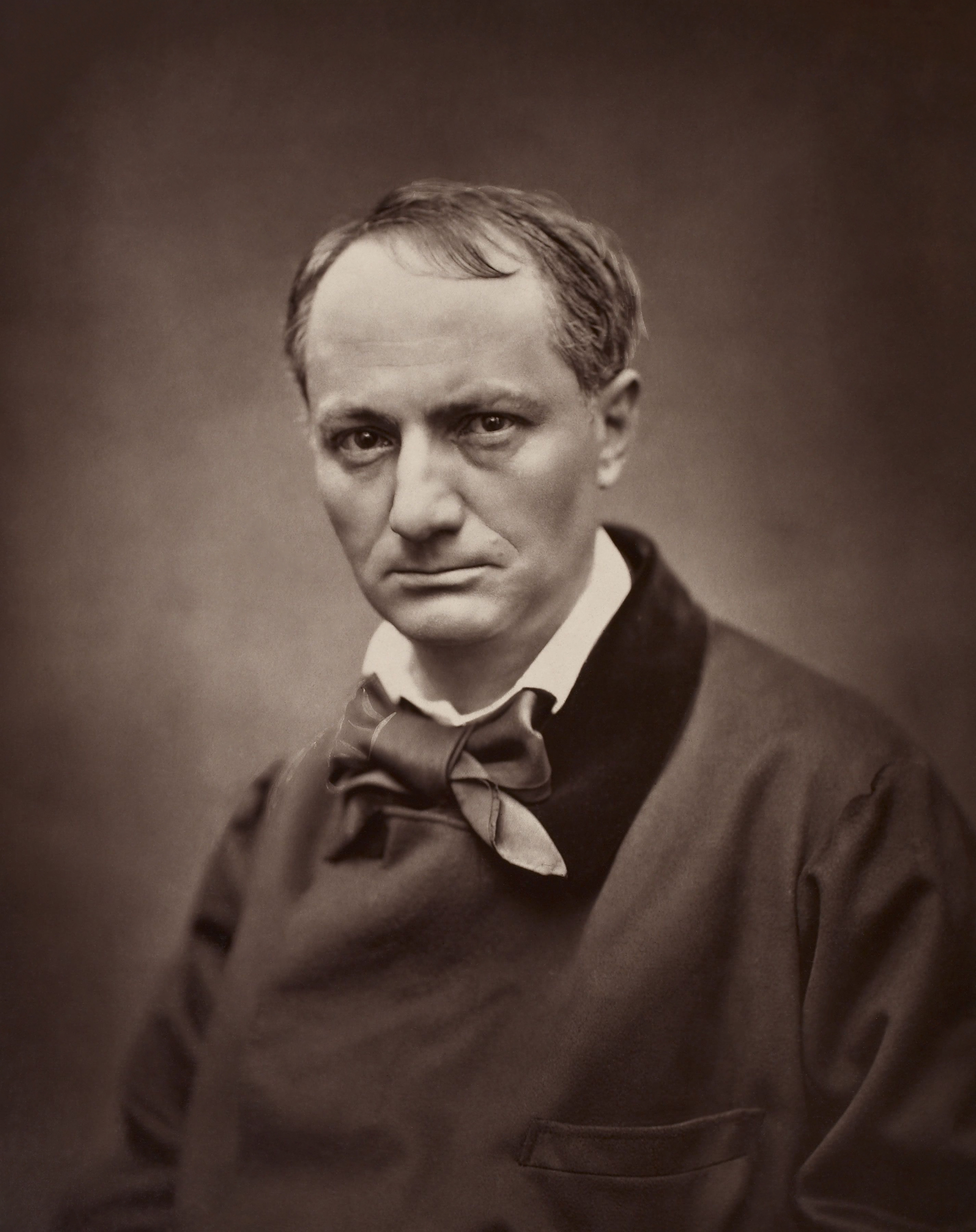
Charles Baudelaire released “Les Fleurs du mal” in June 1857, and the state treated its erotic candor and urban shadow as a direct assault on decency, as if naming desire would summon it. On Aug. 20, 1857, he was convicted, fined, and ordered to suppress six poems, a judgment that lingered until France finally lifted the ban in 1949, long after the scandal had cooled. The poems endured because they refused to tidy passion into virtue, turning perfume, fatigue, and moral dread into a modern lyric voice that shaped Symbolism and the whole idea of the poetic city, while censorship looked increasingly small, even quaint.
James Joyce
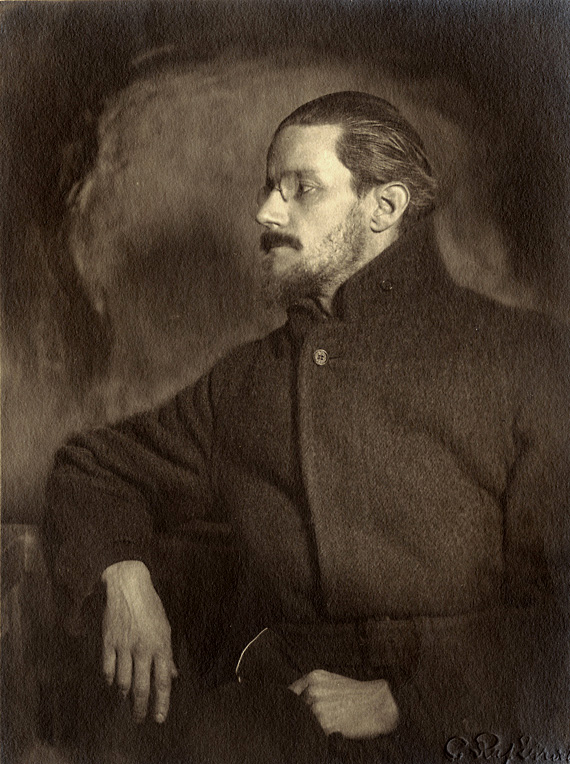
“Ulysses” spent years in legal limbo, with seizures and bans that framed Joyce’s frank interior life as a public hazard rather than literature, especially when sex appeared as thought instead of plot. After earlier U.S. action over the “Nausicaa” episode, a test case reached federal court, and on Dec. 6, 1933, Judge John M. Woolsey ruled the novel was not obscene, clearing a path for publication. What survived was the method: a whole city rendered through stray memories, jokes, hungers, and contradictions, so precise that modern narrative technique still borrows from its daring attention, and it still shocks in its calm detail.
D. H. Lawrence
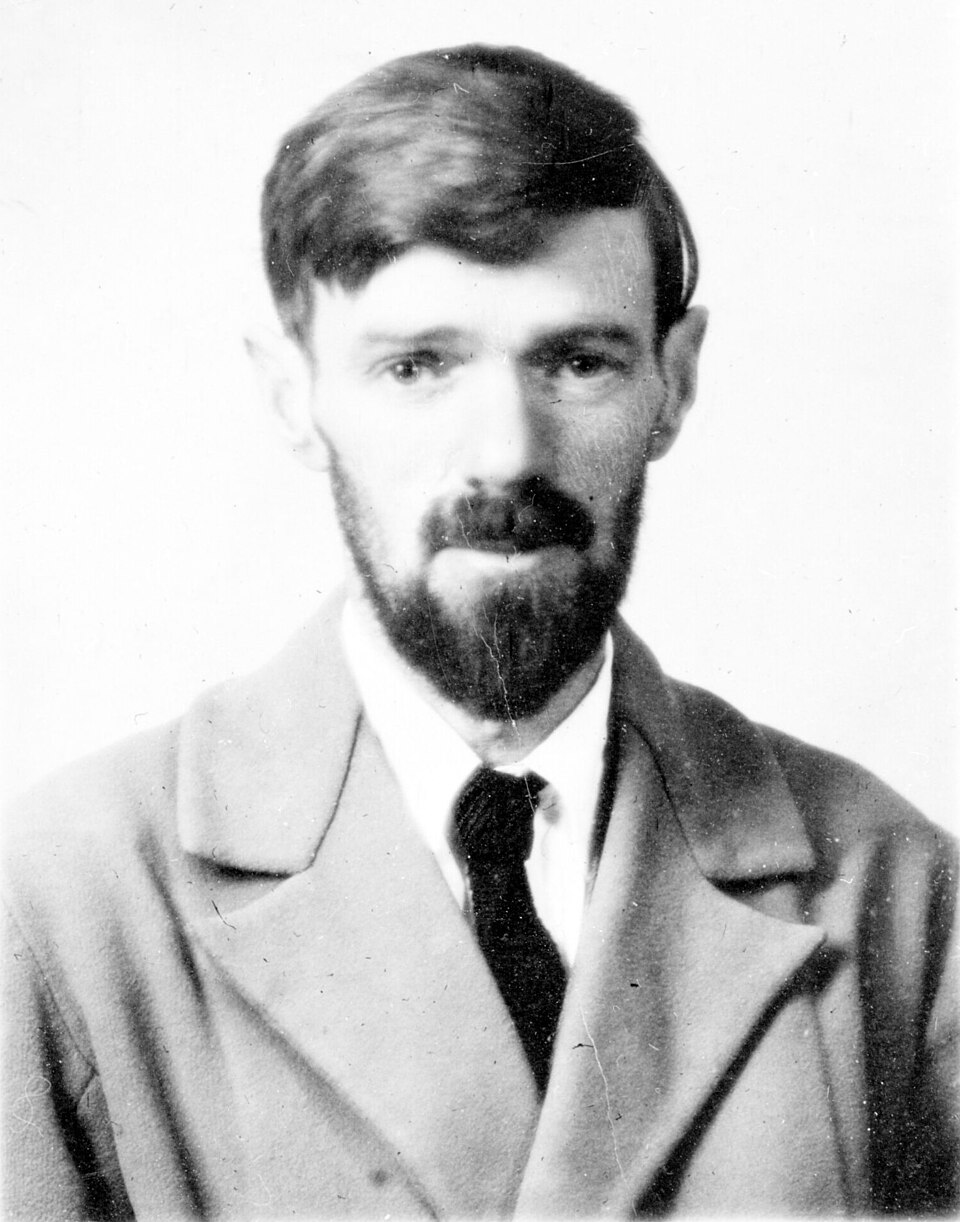
D. H. Lawrence wrote “Lady Chatterley’s Lover” to argue that sex and tenderness belong to human dignity, not to euphemism or shame, and that class rules can wound the body as surely as the mind. When Penguin Books published the unexpurgated edition, prosecutors launched the Old Bailey obscenity case; the trial ran Oct. 20 to Nov. 2, 1960, and ended in acquittal after expert testimony treated literature as evidence. The verdict widened British publishing overnight, and the novel’s plain-spoken insistence that loneliness, touch, and power share one reality remains its lasting provocation, even for readers raised on softer myths.
Allen Ginsberg
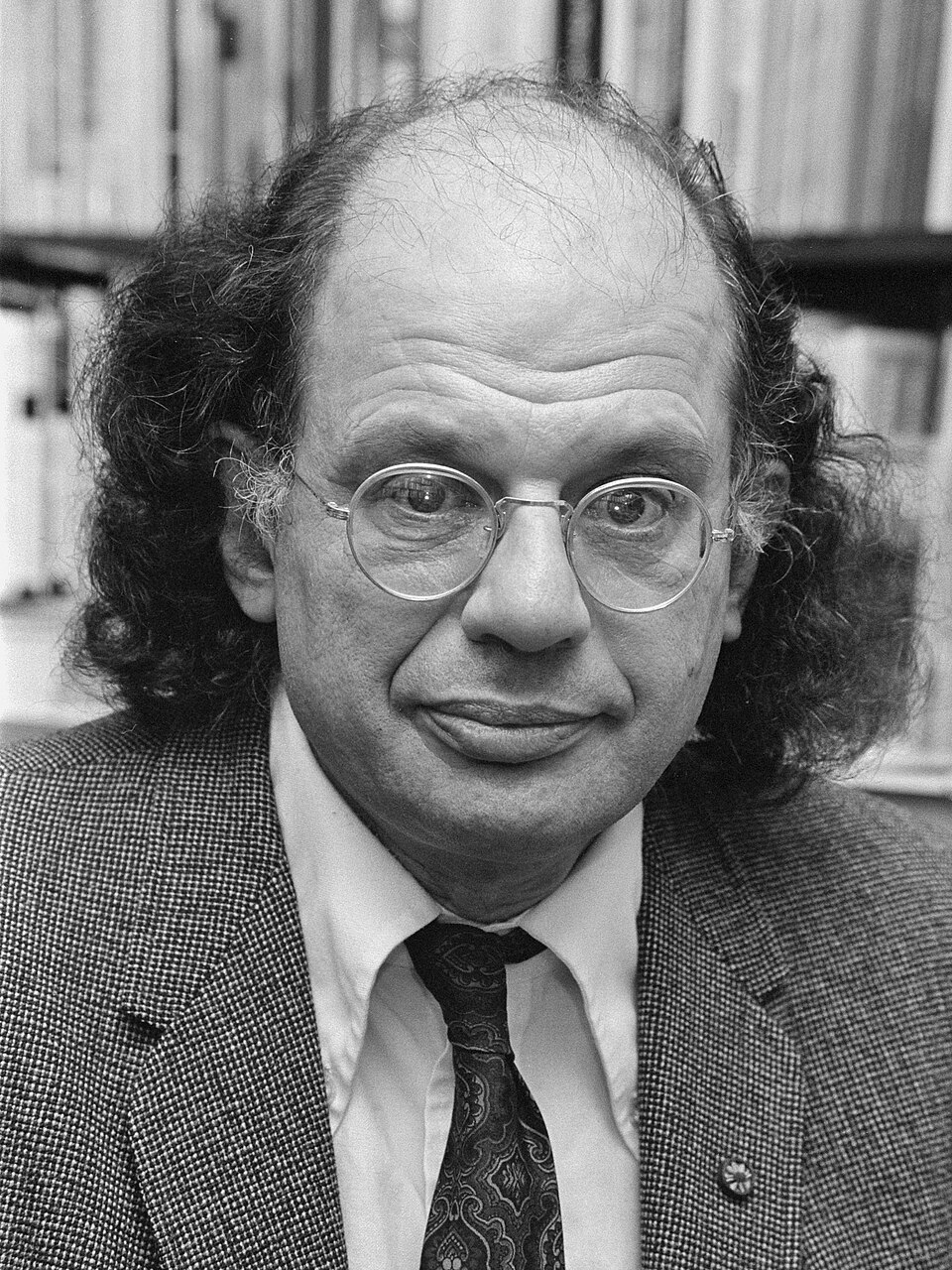
Allen Ginsberg’s “Howl” named sex, drugs, and spiritual hunger with a blunt lyric heat that refused to soften its edges for polite company, insisting that the bruised and ecstatic belonged in the same breath. In 1957, authorities seized copies and charged City Lights publisher Lawrence Ferlinghetti with obscenity; on Oct. 3, 1957, Judge Clayton W. Horn ruled the poem protected because it carried social importance. The case turned a local panic into a national permission slip, and American poetry stepped into a louder, freer voice, with honesty replacing decorum as the measure of seriousness, and a generation heard itself in print.
Lenny Bruce
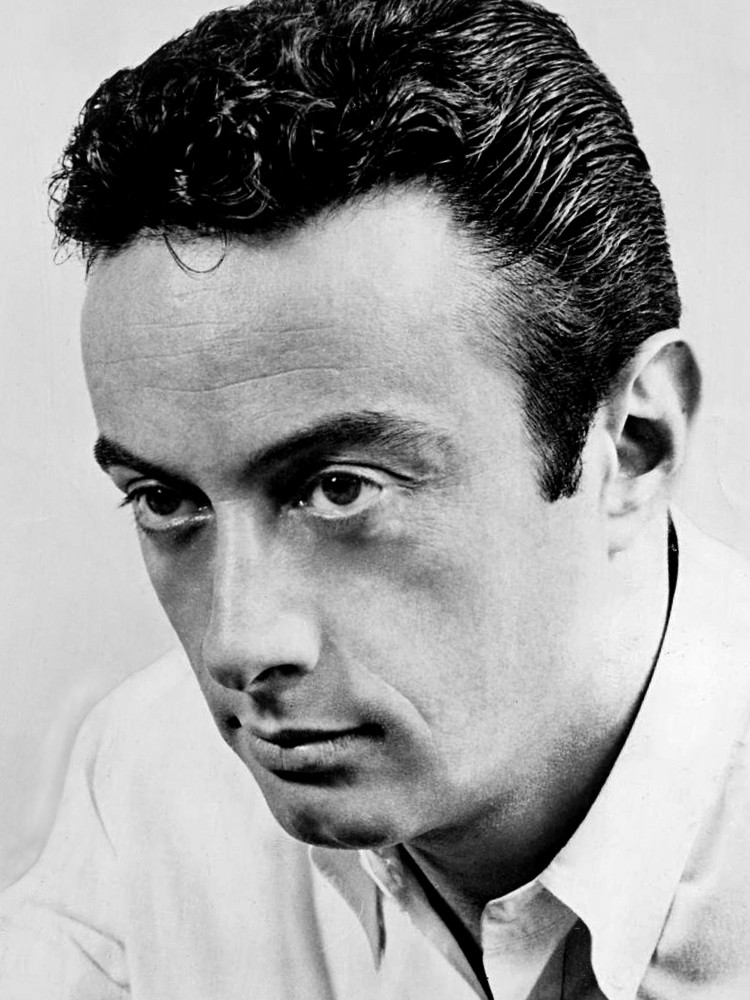
Lenny Bruce treated comedy like live cross-examination, pulling taboo words into daylight to expose hypocrisy, policing, and the machinery of respectability, then watching audiences decide what they could bear. After years of arrests, he was convicted on obscenity charges in New York in 1964, with club routines transcribed line by line as if jokes were evidence, and court dates became part of the act. The pressure helped ruin his health, but his legacy held: modern stand-up’s faith that speech can be risky, ugly, and still essential, especially when power demands a polite silence, long after the transcripts gathered dust.
Robert Mapplethorpe
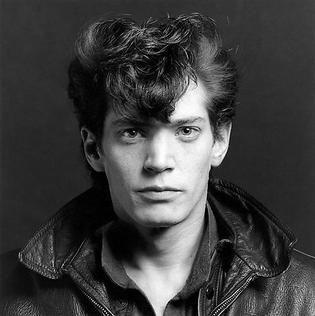
Robert Mapplethorpe photographed desire with crisp formal control, mixing classical composition with images that many viewers and politicians insisted could not be shown in public, even when the craft was undeniable. In 1990, the Contemporary Arts Center in Cincinnati and director Dennis Barrie were criminally charged over “Robert Mapplethorpe: The Perfect Moment”; a jury acquitted them on Oct. 5, 1990, rejecting the obscenity claims. The trial made a museum exhibition a national censorship test, and his work now occupies the cultural center, forcing a hard look at who gets to define art, and for whom, as history.
Egon Schiele
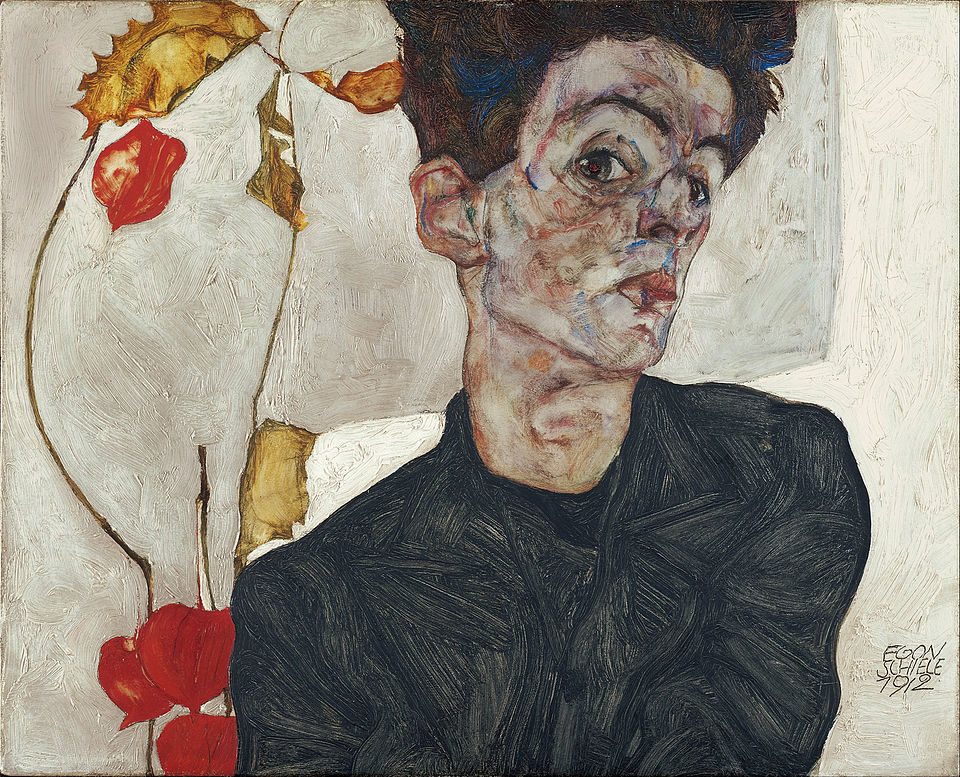
Egon Schiele drew bodies with nervous honesty, where youth, loneliness, and lust sit in the same sharp line and refuse sentimentality, making viewers complicit in the act of looking. In 1912 in Neulengbach, police seized more than 100 works and jailed him for 21 days; the court dropped the worst claims but convicted him for displaying an erotic drawing where children could see it, and one sheet was burned in court. He kept drawing through confinement, and the style once branded indecent became a defining signature of Viennese modernism, admired for its truthfulness rather than feared for its candor and museums treat it as essential.