
A board game is supposed to turn a table into a safe little world: rules, laughter, and the soft click of pieces. But every so often, a game slips past the cozy promise of family night and carries a real-world risk into the living room. Sometimes it is chemistry, with bright paint hiding heavy metals. Sometimes it is physics, with tiny magnets behaving like traps once swallowed. And sometimes it is a design detail that breaks, loosens, or snaps off at the worst possible moment. The stories below trace the odd afterlife of playthings pulled from shelves, recalled, or quietly abandoned, reminders that fun is still a product that can fail. Especially when kids are the intended players.
“Ribbit” And Lead-Painted Frogs

In “Ribbit,” the appeal was simple: bright frog-shaped wooden pawns hopping across a board, the kind of piece kids instinctively clutch and sometimes mouth. That sweetness collapsed on Oct. 31, 2007, when SimplyFun recalled about 1,500 sets after testing found excess lead in the surface paint on the five frog pieces. The game had been sold through independent consultants for about $18 during 2007, a small purchase that suddenly carried an outsized worry. No injuries were reported, yet lead exposure is cumulative, and the remedy was a refund, not a quick fix, because the risk was in the color itself in busy, everyday play.
“Cranium Cadoo” And The Lead-Tainted Die

“Cranium Cadoo” promised kinetic chaos: quick challenges, loud guesses, and a chunky die that decided what came next. On Jan. 17, 2008, the game was recalled after the surface paint on certain dice was found to contain excessive lead, violating the federal lead paint standard. Only games with lot numbers 2007195 through 2007244 were included, but about 38,000 units had already reached major retailers for around $20. The remedy was tellingly narrow: dispose of the die and request a replacement, because the contamination sat on the part that gets rolled, grabbed, and shared all night. Even victory could feel suspect.
Target’s Magnetic Tic Tac Toe
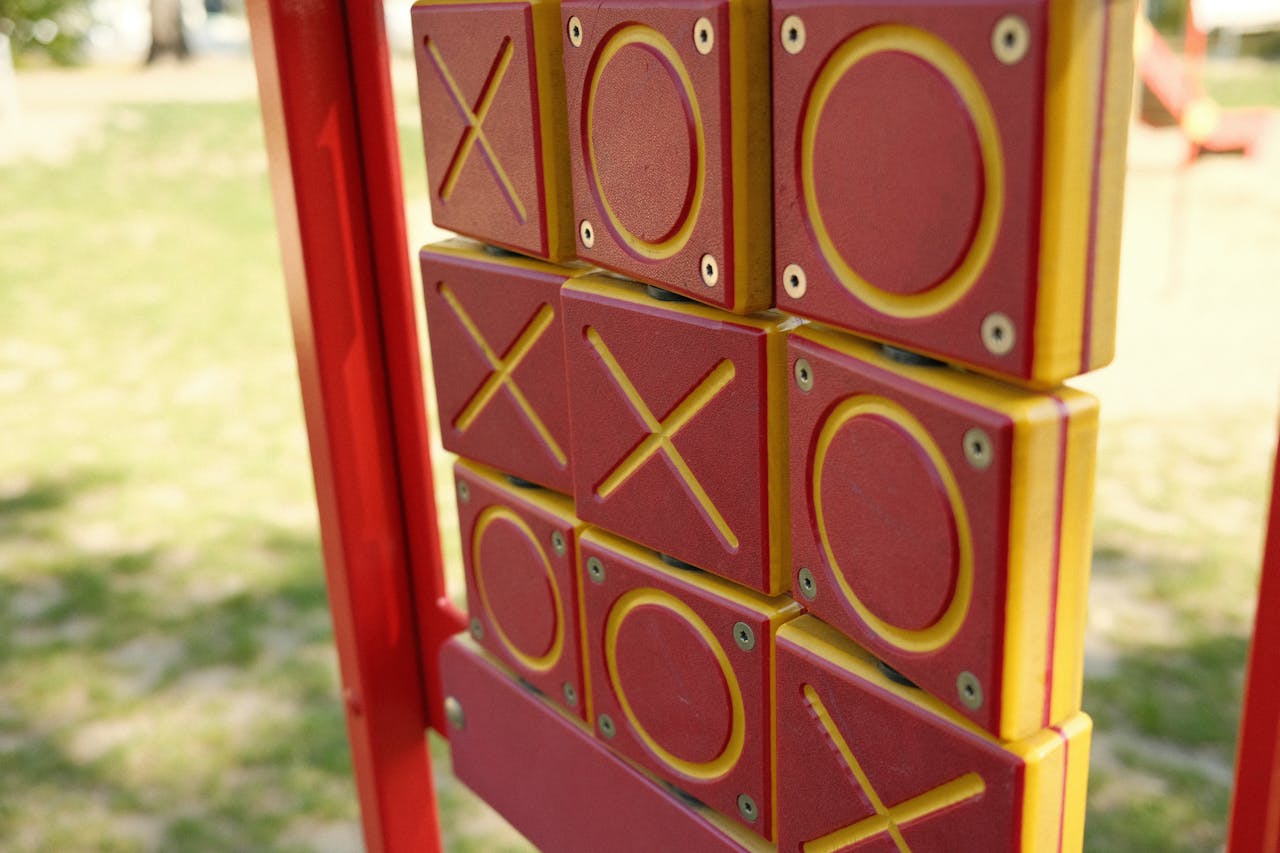
A travel-sized game like tic tac toe should be harmless, which is why the Target magnetic version felt so casual, almost disposable. On Mar. 29, 2017, it was recalled when magnets on the backs of the “X” and heart pieces could detach, creating both a choking hazard and a magnet ingestion hazard. The 10 x 10 inch plywood board sold for about $5 from Dec. 2016 to Feb. 2017, easy to toss into a cart without a second thought. Swallowed magnets can link inside the body and cause intestinal injury, a danger severe enough to be spelled out in the recall notice. In a game built on three-in-a-row, the real risk hid in the pieces.
“Sardines” And “Starfish” Fishing Games

The Juratoys fishing tins, sold as the “Sardines” and “Starfish” games, turned pretend angling into a simple motor-skills challenge for ages 2–5. On Sept. 10, 2015, the sets were recalled because the plastic worm at the end of the fishing line could separate, releasing small parts that posed a choking hazard. Worse, a small magnet inside the worm could come loose, and multiple swallowed magnets can cause serious internal injuries. The remedy required mailing the game back in a prepaid envelope for a refund, a sharp ending for a toy that sold for about $15–$20. In the end, the cutest catch was also the riskiest. By far.
“Kluster” And The Pull Of Powerful Magnets

“Kluster” looks like a minimalist party game: a loop of string for a border, then smooth hematite stones dropped into the space until magnets snap together. Health Canada’s testing led to a recall update on Dec. 29, 2023, finding the magnets did not meet the performance criteria for small, powerful magnets under Canadian rules. The set’s 24 stones are exactly the kind a child can swallow, and more than one magnet can attract through intestinal tissue, twisting or tearing it. The instruction was blunt: stop using it and contact the seller, because the danger is fast and invisible. No incidents were reported in Canada.
Temu’s Viral Magnetic Chess Sets

The so-called “Magnetic Chess” sets that spread online in 2023 leaned on tension: players place loose magnetic stones and try not to trigger a chain reaction. On Jun. 13, 2024, CPSC announced a recall for versions sold on Temu that included about 20 small, separable magnets that were stronger than permitted and small enough to fit a small-parts cylinder. About 2,600 units sold for around $8 from Dec. 2023 to Feb. 2024, priced low enough to feel like a harmless impulse buy. If swallowed, high-powered magnets can clamp together inside the digestive tract, causing perforations, infection, or worse. Risk outplayed rules.
Australia’s Banned Magnet Chess Trend

Australia’s Product Safety regulator flagged another “magnetic chess game” on Dec. 4, 2025, after Cozy Toys Australia sold sets with 20 loose high-powered pieces in multiple styles, including a rotating version and a wooden-board deluxe. The recall cited noncompliance with Australia’s permanent ban on small high-powered magnets, warning of choking as well as catastrophic internal injuries if more than one magnet is swallowed. The advice was immediate: stop using it, keep it away from children, and return it for a refund or credit. Modern fads can vanish overnight when safety law catches up. Play should not need a surgeon.