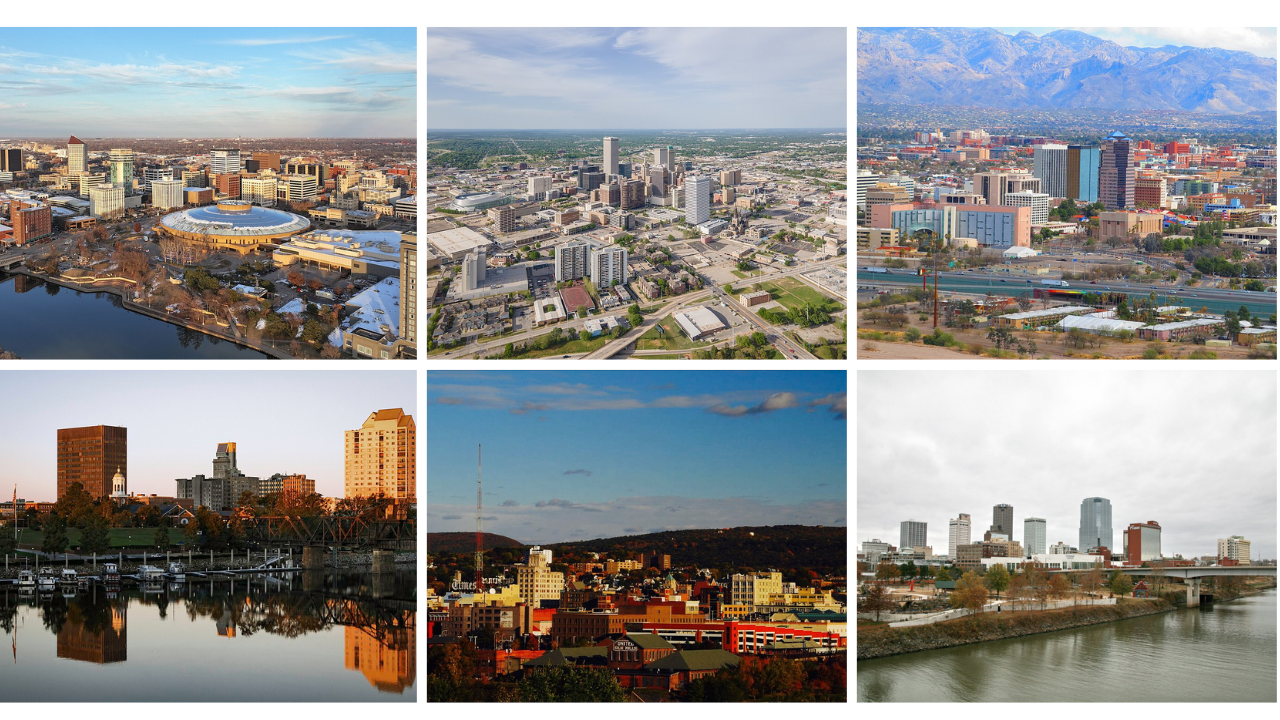
Retirement often begins as a quiet math problem: stretching a steady income without shrinking daily life. Across the U.S., a handful of midsize cities still keep housing and basics low enough to echo the ease many people associate with Mexico, especially compared with pricey coastal ZIP codes. The appeal is not luxury; it is a calmer baseline that leaves room for health care, hobbies, and repeatable pleasures. Parks, libraries, diners, and local markets make social routines affordable, and reliable airports and regional hospitals help family ties stay practical. It is where the budget stops being the main conversation too.
McAllen, Texas
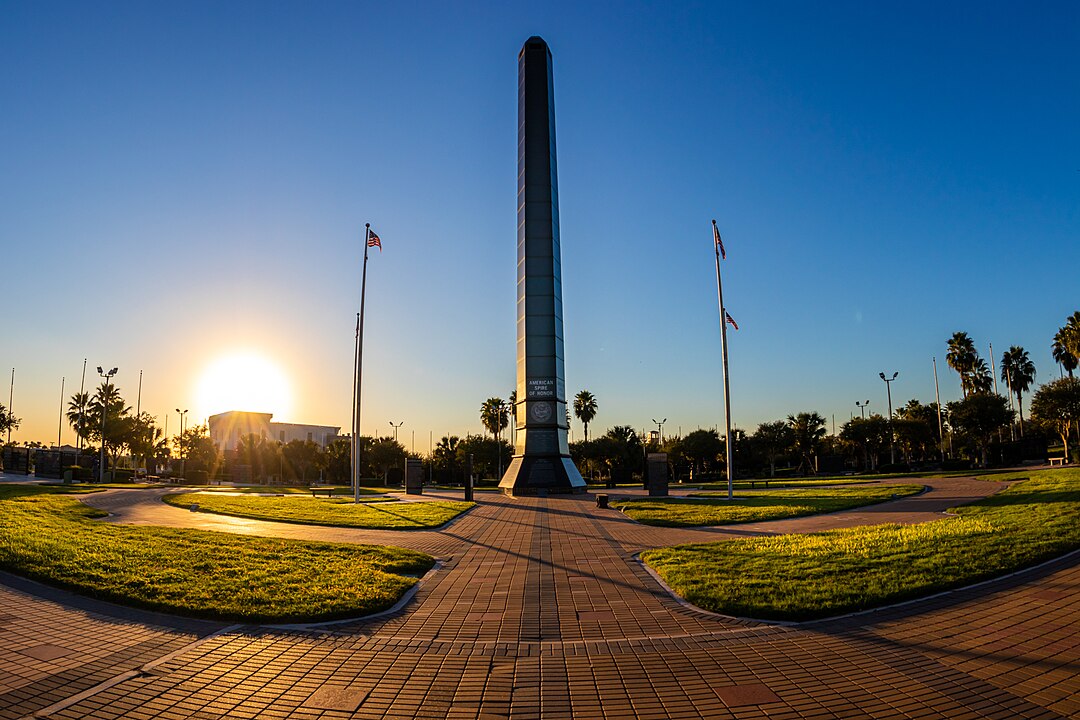
McAllen is one of the rare U.S. metros where the monthly baseline can feel startlingly light. Cost comparisons consistently put the area far below the national average, with housing doing most of the work and health care often priced lower than many peers. That savings shows up in daily life: a morning at Quinta Mazatlan, an easy museum stop, fresh produce runs, and dinners out that do not have to be reserved for special occasions; winter stays social thanks to seasonal visitors, and the Rio Grande Valley’s bilingual culture helps newcomers settle in; summer heat can lift electric bills, but the overall budget usually holds.
El Paso, Texas
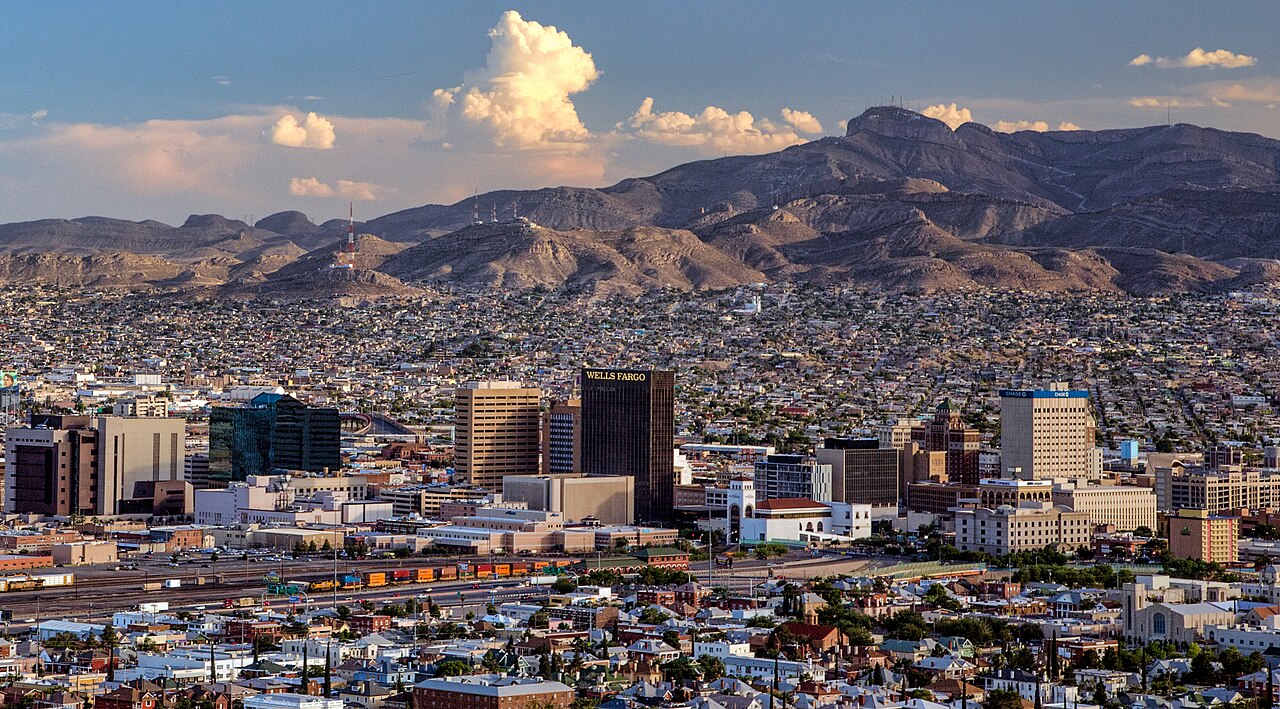
El Paso blends desert landscapes and border-city warmth with costs that stay grounded for a city of its size. Housing is often the main advantage, and everyday errands are helped by practical neighborhoods and short drives. Entertainment does not have to revolve around pricey tickets: Franklin Mountains views, a bakery stop, a local history museum, and a satisfying dinner can still land in the affordable zone; a manageable airport and no state income tax in Texas can add extra breathing room; the presence of UTEP and major hospitals keeps the city lively, and many retirees describe the monthly math as surprisingly calm.
Tulsa, Oklahoma
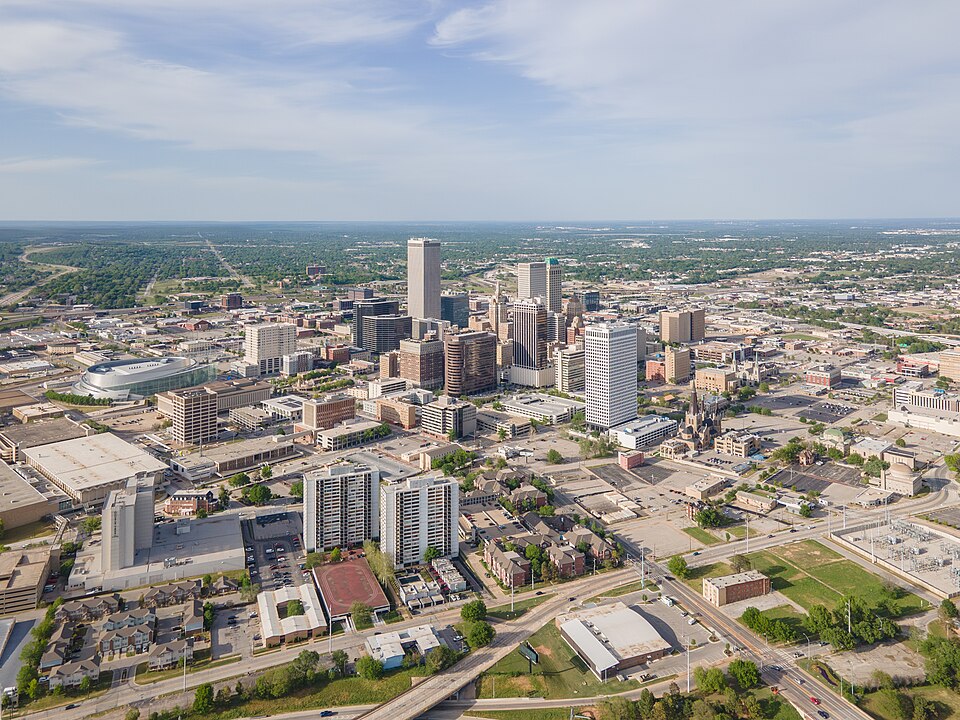
Tulsa offers culture without the constant premium that follows it in larger markets. Costs often land well below the national average, which gives retirees room for small choices that add up, like meeting friends for coffee, joining a class, or saying yes to live music a few times a month. Art Deco streetscapes, Greenwood’s history, the Gathering Place, river parks, and museums such as Philbrook add depth, while housing stays the stabilizer; a strong medical network and an airport close to town help with planning; the city feels practical, but not dull, and the social calendar can stay full without turning budgets into negotiation.
Wichita, Kansas
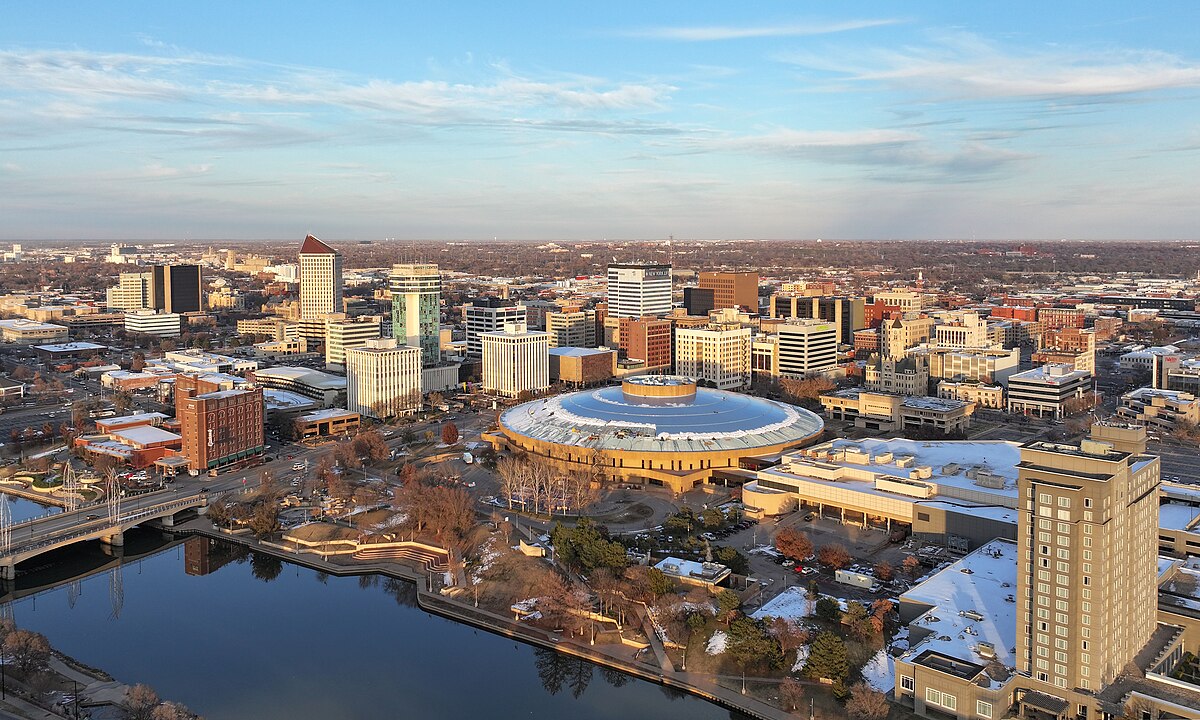
Wichita keeps the bargain where retirees feel it most: housing. Even when other categories run closer to national norms, a lower mortgage or rent can calm the entire budget and make health-related expenses easier to absorb. Old Town events, the Keeper of the Plains, Botanica gardens, and long river walks can fill a week without constant spending; everyday services stay straightforward, and groceries rarely feel like a splurge; the airport is easy for family visits; spring storms and winter winds are part of the Plains bargain, but the cost of staying comfortable remains manageable, with clubs and volunteer groups to plug into.
Augusta, Georgia
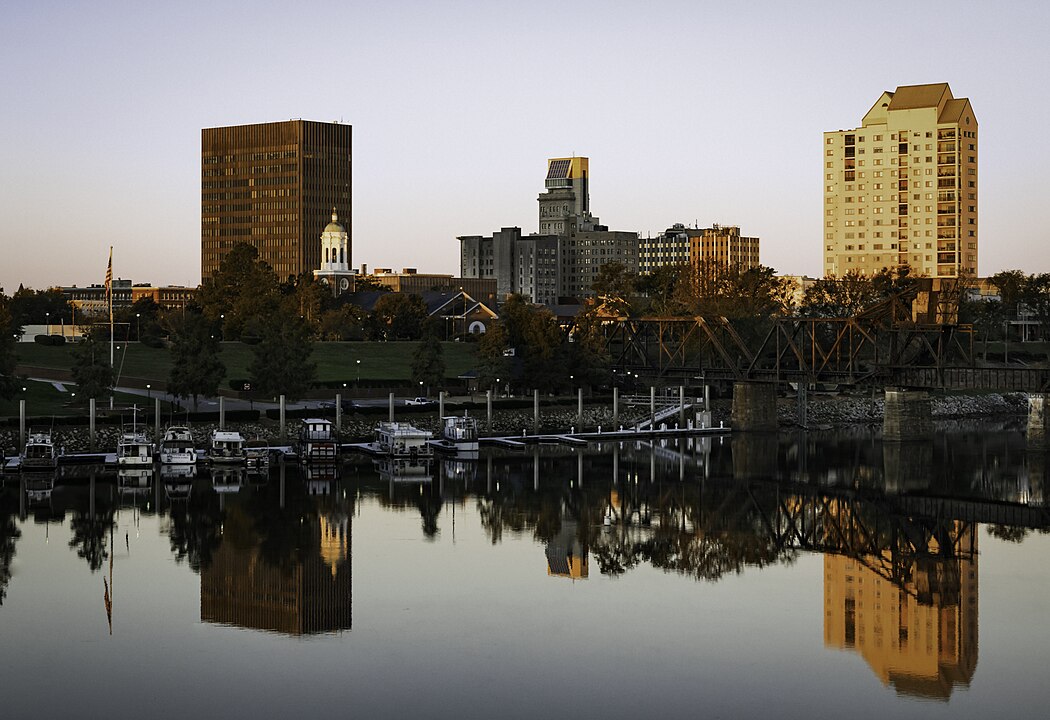
Augusta moves at a slower Southern pace, and the cost structure often matches that calm. Outside tournament season, the city leans into everyday pleasures that stay reasonably priced: riverwalk evenings, small restaurants, local markets, and neighborhoods where errands do not balloon into a full afternoon. Housing is usually the lever that makes the budget work, and the regional medical network adds reassurance as needs shift with age; modest arts venues and easy lake day trips keep weekends busy; humid summers can raise cooling costs, but the overall monthly math tends to stay steady, with plenty of community groups to join.
Little Rock, Arkansas
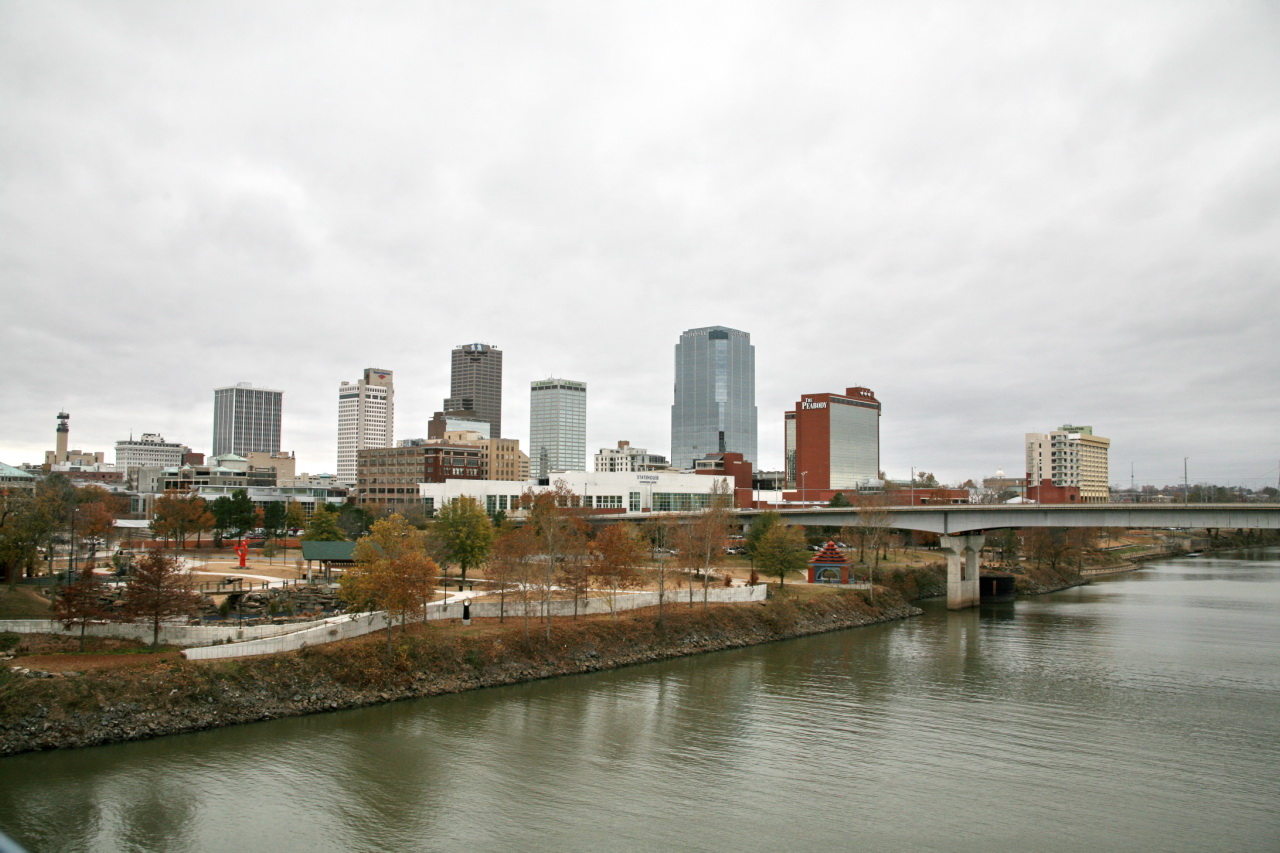
Little Rock pairs city convenience with a lower-cost backbone that can make retirement feel less fragile. Housing is often the biggest win, but savings also show up in the way a typical week is built, from farmers markets to museum afternoons that do not require advance planning or big-ticket prices. With a medical center nearby, specialist care is not an afterthought, and the Arkansas River Trail turns exercise into a free, repeatable habit; the food scene rewards simple tastes, from barbecue to catfish; quick drives toward the Ouachitas keep nature close; it is not flashy, but it is comfortable in a way fixed incomes respect.
Tucson, Arizona
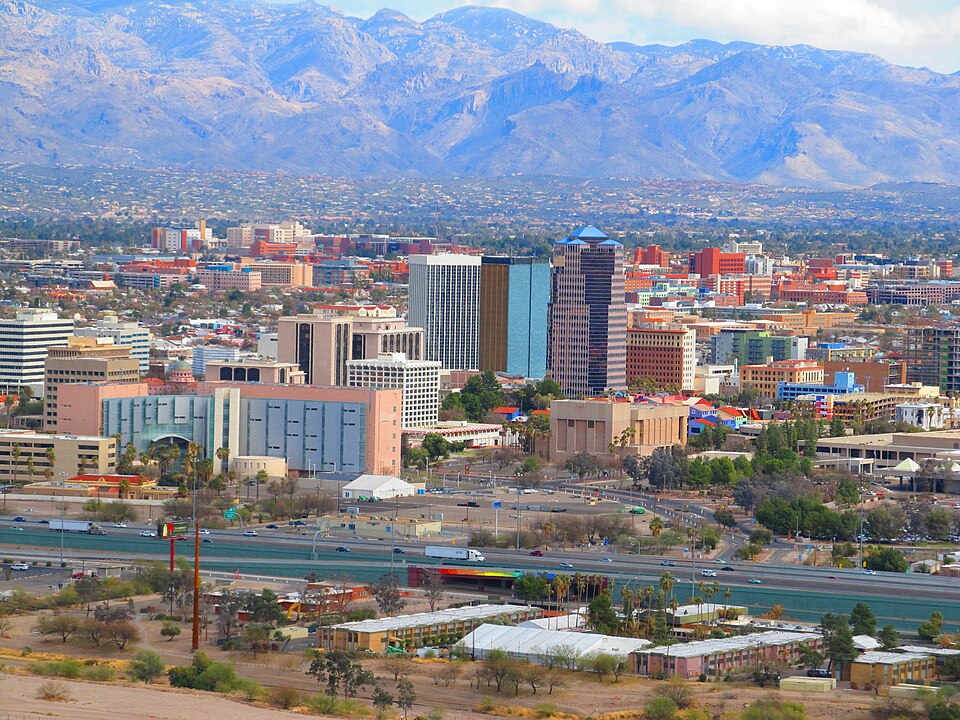
Tucson draws retirees who want winter sun without paying for a resort-branded address. Costs often stay friendlier than other desert hubs, and the lifestyle leans naturally affordable, with repeatable outings like scenic drives, the Arizona-Sonora Desert Museum, and neighborhood taco counters that do not demand a special-occasion budget. University of Arizona events add variety, and weekend farmers markets keep routines social; Saguaro National Park sits close, and Mount Lemmon makes day trips easy; summer heat can push cooling bills higher, but long shoulder seasons deliver a gentler desert life that helps costs stay predictable.
Scranton, Pennsylvania
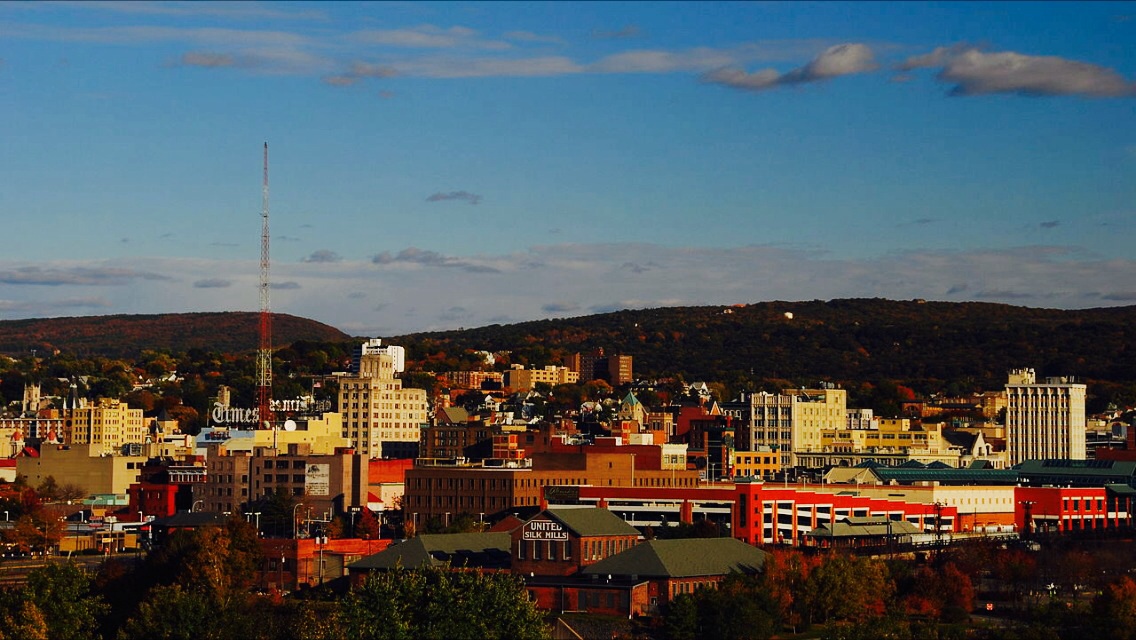
Scranton is a Northeast city where retirement budgets can still breathe. Housing often runs lower than nearby big metros, which lets retirees keep a comfortable home base without turning every purchase into a trade-off. The city’s best diversions are grounded: historic streets, small theaters, Steamtown rail heritage, and easy drives into the Poconos; cafes and neighborhood diners keep social time inexpensive; autumn festivals and fall color give the calendar a lift; winters bring heating and snow-care costs, but those expenses are predictable; with regional hospitals close by, many retirees find the overall balance workable.
Buffalo, New York

Buffalo surprises people who assume New York always means high costs. For a real city with waterfront access and a serious arts scene, housing and everyday dining can remain moderate, which is why retiree budgets often stretch further than expected. Elmwood Village, the revived lakefront, and the Buffalo AKG Art Museum keep life interesting without constant luxury pricing; the public markets and park system make weekends easy; winters require planning for heating and snow removal, yet many find the total yearly math favorable; Niagara Falls is close enough for a simple day trip, and strong hospitals support long-term peace of mind.