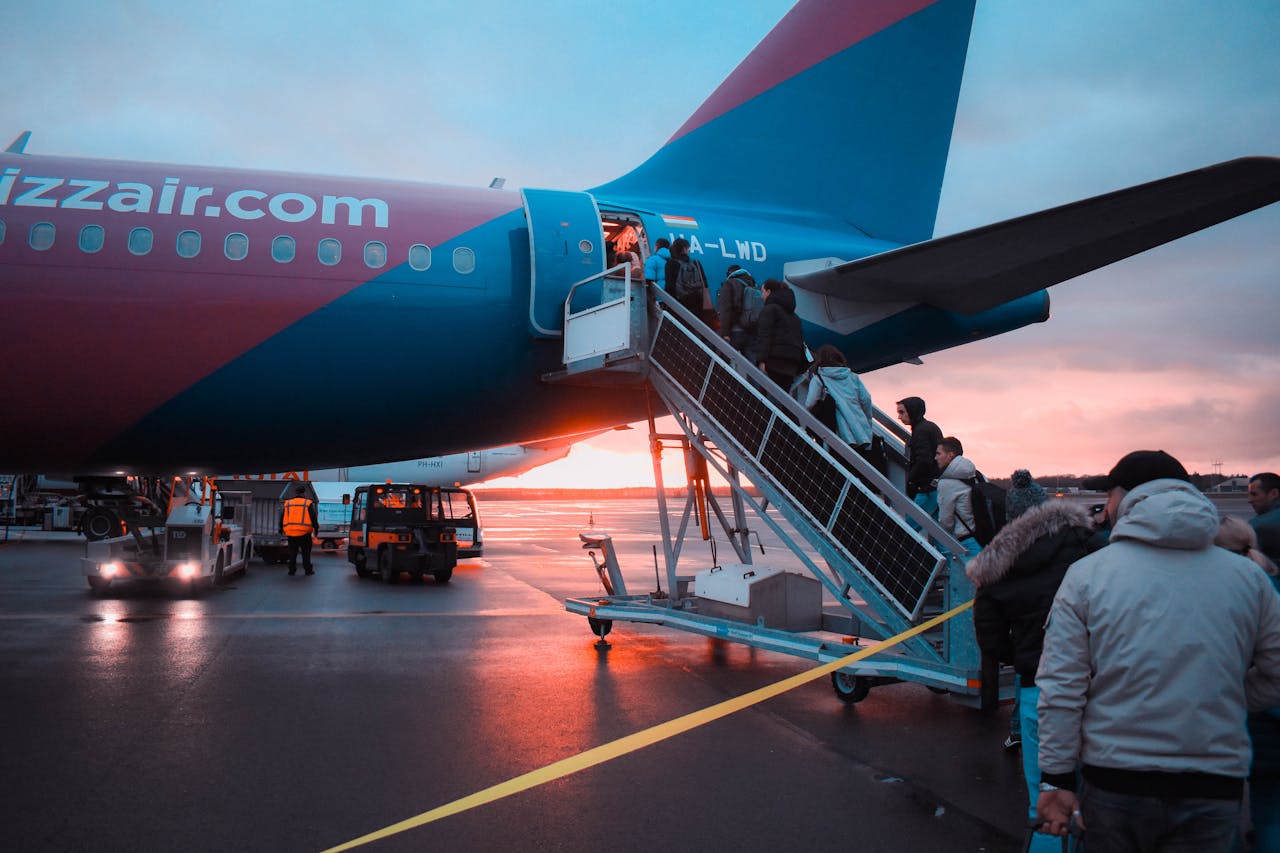
Travel etiquette used to be learned quietly by watching locals, reading signs, and taking the hint when a space felt shared. Now every cramped flight, crowded ferry, and sunset viewpoint can become a tiny courtroom, with strangers presenting evidence online. Posts travel faster than souvenirs, and context often arrives late. A habit meant as efficient can read as entitled; a quick photo can feel like a takeover. When trips run on tight connections, shared seats, and tired nerves, small choices start to matter. Peak season crowds and camera phones make the collisions louder, and the comment sections rarely show mercy. Most arguments start small, then spiral when someone insists their comfort is the default setting everywhere.
Overhead Bin Takeovers
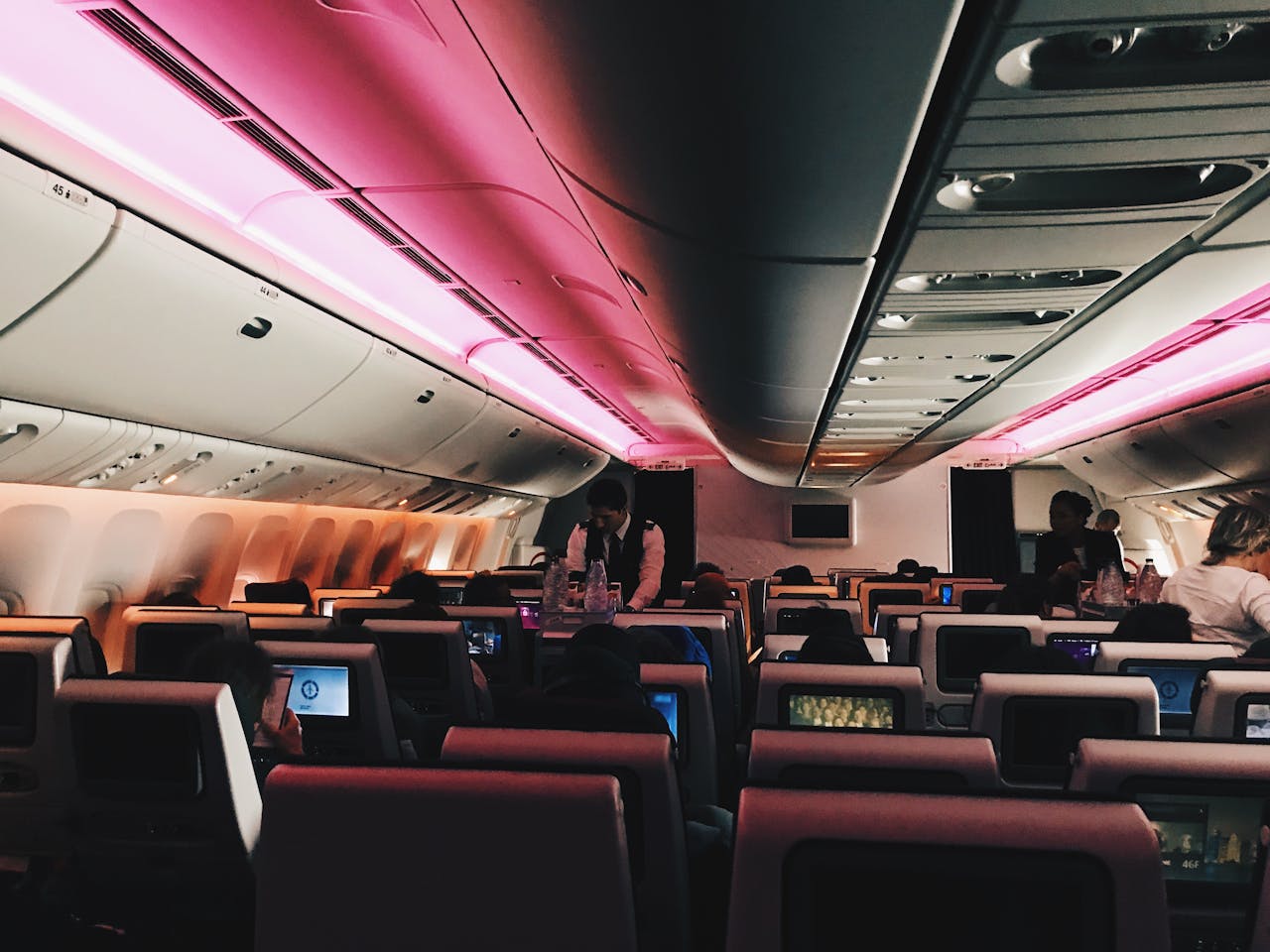
Nothing raises cabin tension faster than someone treating the overhead bin like private storage. Sliding a personal item up top, turning suitcases sideways to claim extra inches, or stuffing bags rows away forces late boarders to gate-check, then wait at baggage belts after a tight connection. Jackets and duty-free bags perched on hard cases feel like a quiet power move. Crew reminders help, but enforcement varies, so strangers end up policing each other with side-eyes. The fight online is really about fairness: one traveler’s clever packing becomes another traveler’s lost time, missed trains, and simmering resentment. All flight.
Bare Feet and Seatbacks
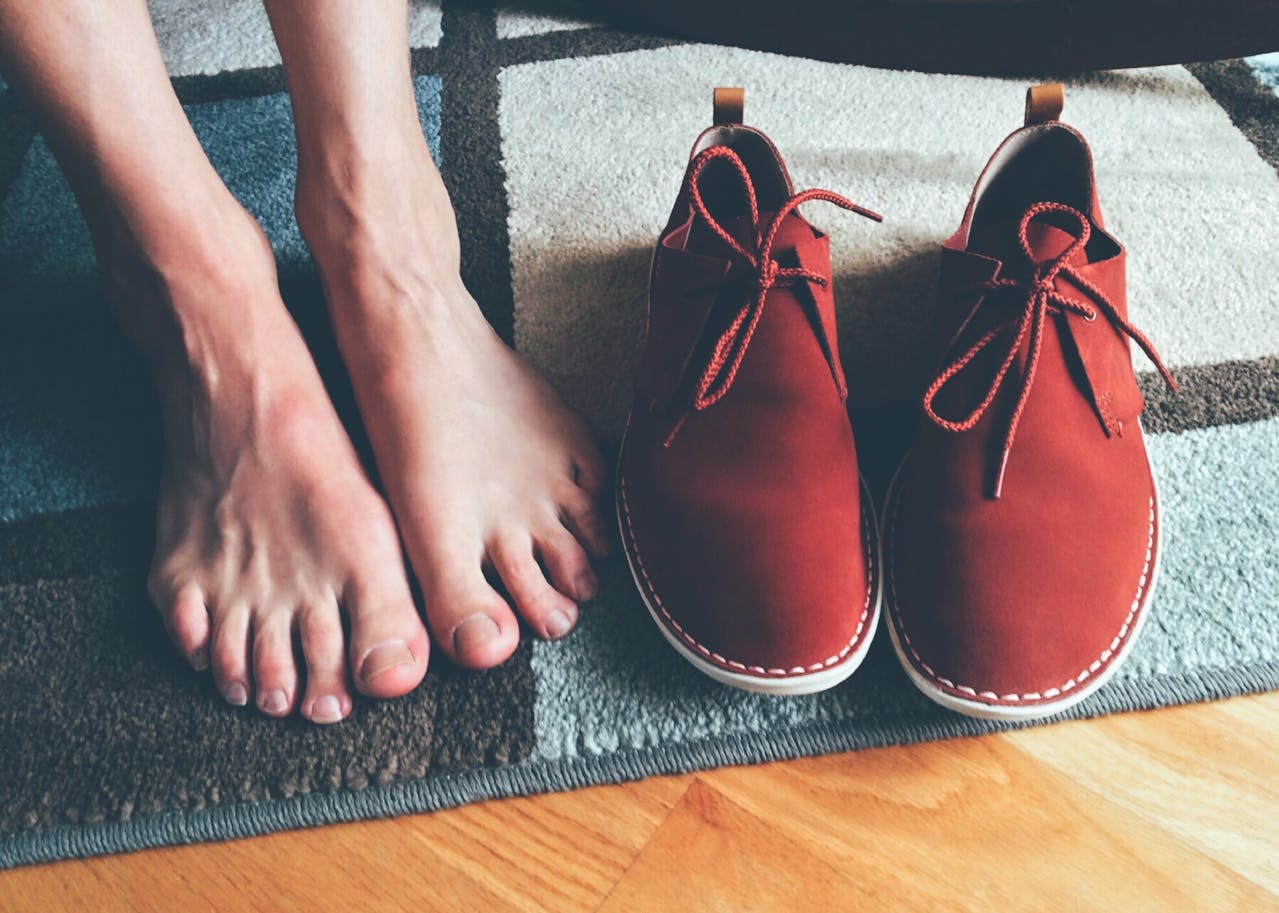
Shoes come off on long hauls, but bare feet on armrests, tray tables, or the aisle floor ignite instant disgust. Some travelers frame it as comfort after hours of swelling and cramped seats; others see it as a hygiene breach when socks touch shared surfaces. Cabins compress social distance, so one person’s coping strategy can feel like an invasion. Viral posts are never subtle: toes creeping between seats, feet propped near a stranger’s elbow, or sandals abandoned under the snack cart. It turns into a blunt argument about respect, and even clean socks look careless once they drift into someone else’s space for minutes at a time.
The Seat-Recline Standoff
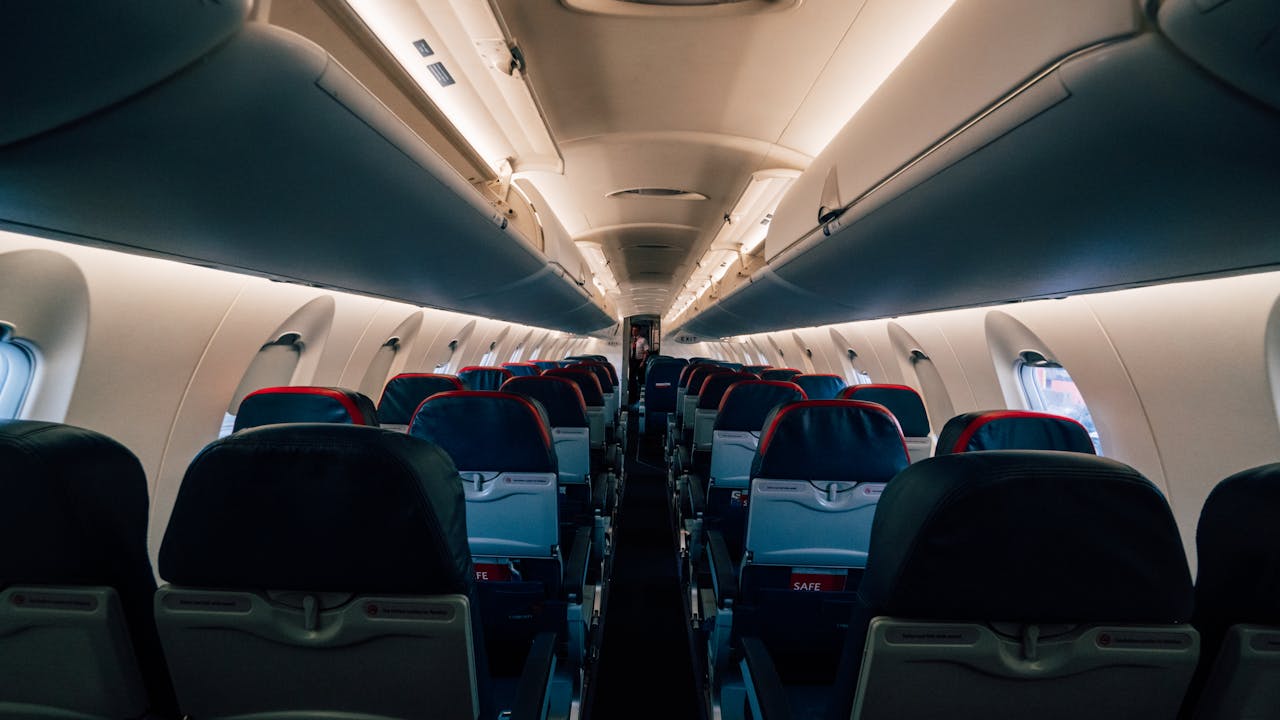
Few rituals are as reliable as the seat-recline standoff. On short flights, a sudden recline can crush a laptop hinge, spill a drink, or pin knees for hours, and the pushback reads as justified anger. Recliners counter with a plain fact: the seat was built to move, and the ticket includes that feature. Add a tall passenger, a child balancing dinner, or a tray table full of work, and the moment turns into a morality play. Many carriers request upright seats during meal service, but enforcement is uneven, so the clash keeps repeating. When legroom is scarce, every inch feels like a personal claim and tempers rise fast in silence.
Speakerphone and Public Playlists

Public audio is the quickest way to start an etiquette war in trains, buses, and hotel lobbies. A video call on speaker, a looping short-video feed, or a portable speaker at a viewpoint turns shared air into someone’s soundtrack. Defenders shrug and call it normal life; critics point out that headphones are the simplest form of civic kindness. What makes it combustible is escalation: one loud device invites another until the space feels like competing living rooms. Staff rarely want the confrontation, so fellow passengers bottle their annoyance, then unload it online later. Even quiet-car signs get ignored, making a rule a dare.
Pool Chair Hoarding at Sunrise

The sunrise towel on a pool lounger has become a symbol of vacation entitlement. A chair gets claimed at 7 a.m., then sits empty through lunch while others circle with wet towels and nowhere to land. The argument spreads beyond pools to beach umbrellas, breakfast tables, and even shuttle seats. Resort regulars argue it is the only way to secure shade; newcomers see it as hoarding a shared resource. Properties post rules about unattended items, then look the other way, which turns guests into unofficial referees of fairness. When a folded towel gets moved, the real fight is not fabric. It is about whose time counts that afternoon.
Drones Over Sacred and Scenic Spaces
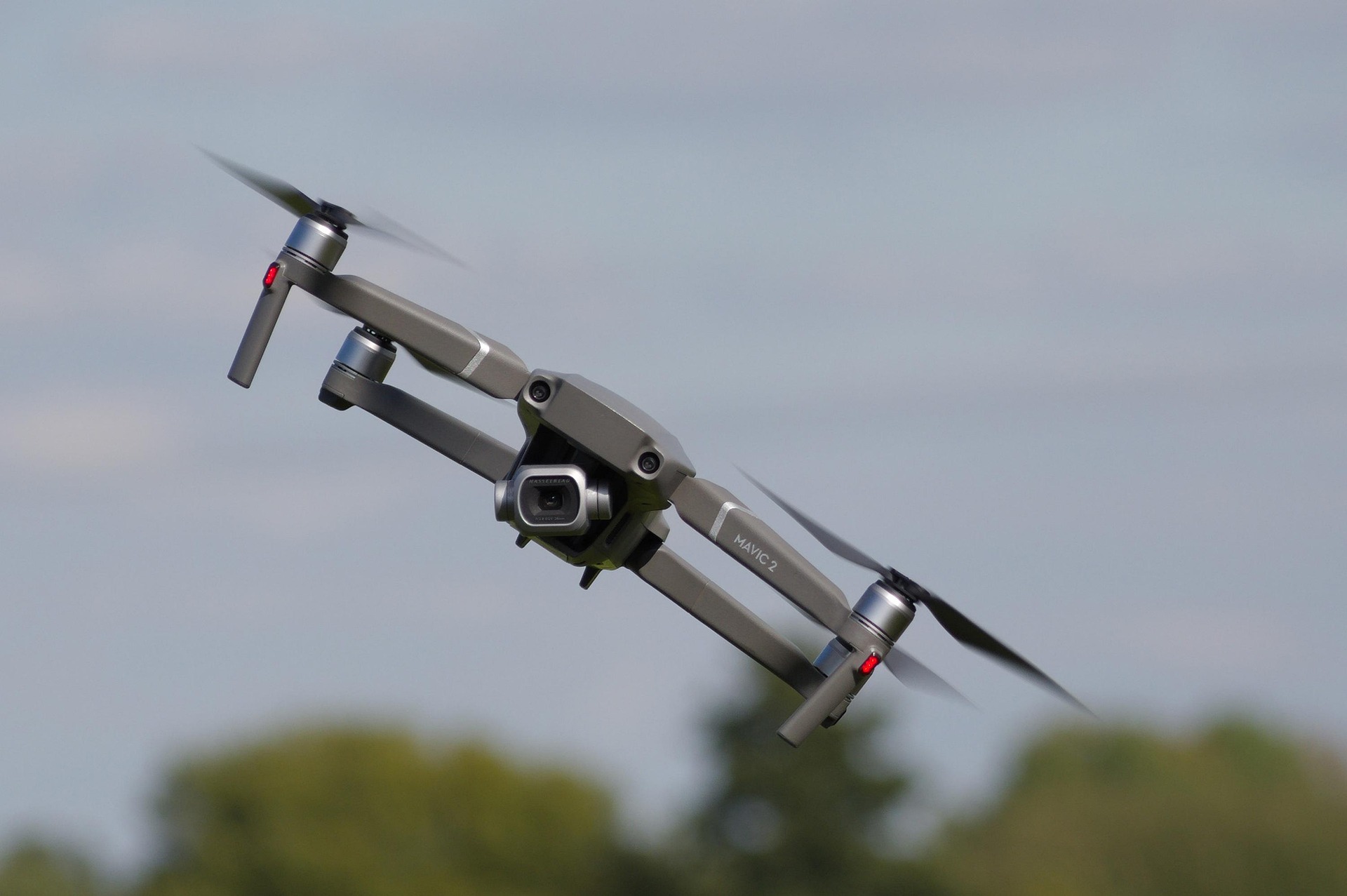
Drones promise cinematic memories, but they can wreck the mood in seconds. A buzzing flight over a cliff lookout, a quiet temple courtyard, or a wildlife beach replaces birdsong with propellers and makes privacy feel optional. Some destinations ban drones; others allow them with permits, which creates confusion and convenient ignorance. Creators defend the artistry, while bystanders talk about safety, sacredness, and the right to hear wind again. Backlash peaks when a shared wonder becomes background for a personal feed, and posted rules are treated like suggestions. Fines are real, and locals remember noise after the drone lands.
Performative Photos at Memorials

Memorials and historic sites invite reflection, yet cameras can pull moments toward performance. A smiling pose at a tragedy museum, climbing on a monument, or filming a dance trend in a cemetery can look like a refusal to feel. Some argue that recording helps them process, but backlash comes from local memory and grief. When signs ask for quiet, covered shoulders, or no flash, the rules are not about aesthetics. They are about dignity. Online, one screenshot flattens nuance into a verdict, especially when the warnings are visible in the frame. Later apologies help little. Clips spread, and the place feels used, not honored at all.
Tripod Takeovers at Iconic Photo Spots
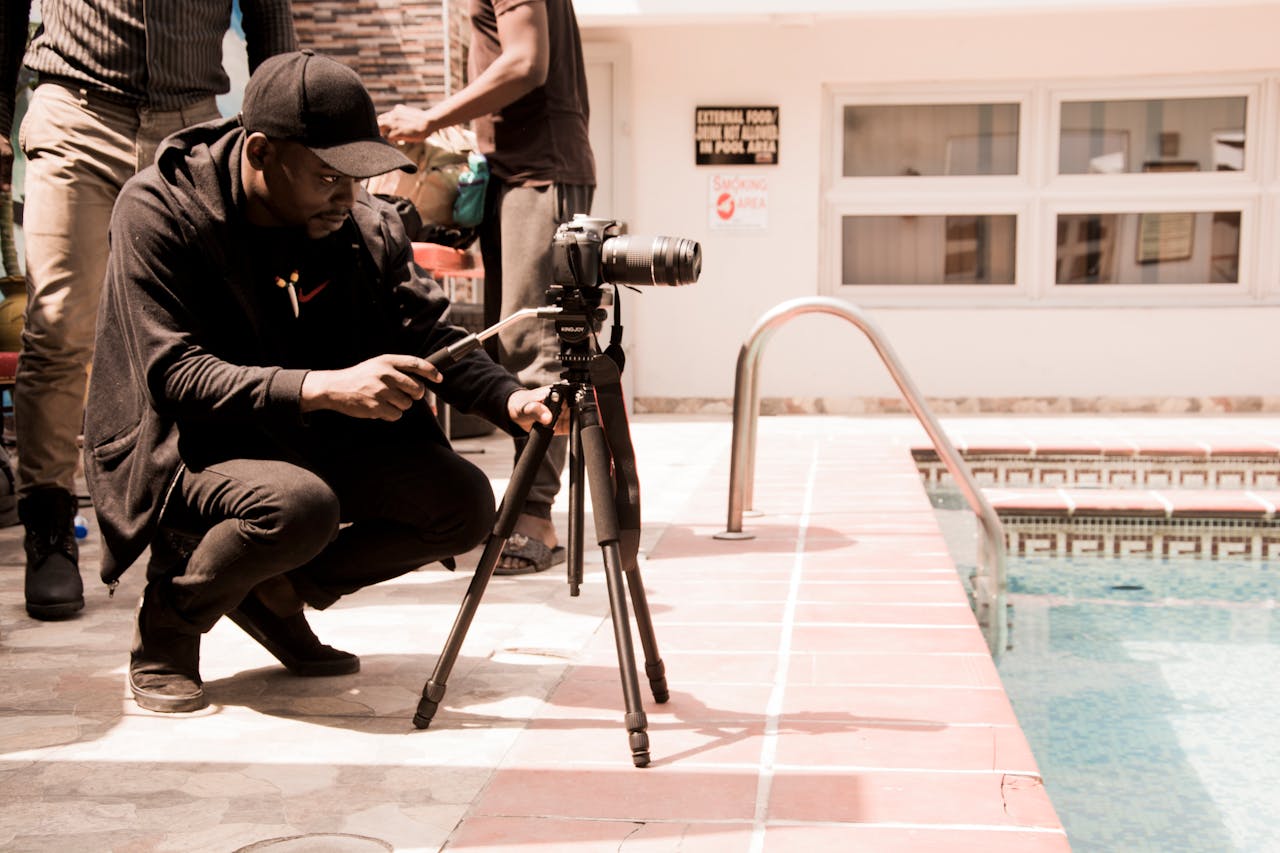
At iconic photo spots, etiquette fights break out over who gets the frame, and for how long. A tripod planted in a narrow alley, a blanket spread across steps, or a slow-motion shoot at a busy crosswalk can freeze foot traffic. Some travelers sympathize, knowing trips are rare and memories matter; others see a private production hijacking a public place. The tension spikes when props appear, assistants shoo people away, or multiple takes repeat while locals try to commute. What looks like creativity on screen can feel like control in real time, and city rules about permits suddenly make sense. Backlash rises when crowds are thick.