
Apartment living can feel like a universal language: the same elevator mirrors, the same hallway hush, the same tiny negotiations over sound, smells, and shared space. Then a lease clause lands like a plot twist. In one building, laundry has a booking board and a timer. In another, a balcony is treated like a public façade. Across cities, rules that seem picky on paper often grow out of fire codes, density, tradition, or simple neighbor peace. The surprise is not that rules exist, but how specific they get once dozens of lives stack into one address. What reads like fussiness can be a map of local values in miniature.
Quiet Hours Can Be Enforced in Germany

In many German buildings, Ruhezeiten are treated as a community promise, not a suggestion, and neighbors often speak about them like basic courtesy with teeth. Night quiet commonly runs about 10 p.m. to 6 or 7 a.m., and many places expect Sundays and public holidays to stay calm for the full day, sometimes with extra quiet windows that shift by state or house rule. That makes ordinary life feel choreographed: vacuuming, drilling, loud music, and even a hard-heeled dash across old stairs can draw a complaint, because rest, recovery, and family time are treated as shared rights behind thin walls.
Switzerland Can Put Quiet Hours in Writing

Swiss house rules can read like a guidebook for close-quarters peace, with lines that spell out when the building is expected to go quiet. Some set quiet hours from 10 p.m. to 7 a.m., and add a midday pause, often 12 noon to 2 p.m., when avoidable noise is discouraged, even if the apartment itself feels private. The details sound strict until sound travels through courtyards and shared stairwells: a washing machine spin cycle, a slammed cellar door, or a long corridor call can ripple across floors, so the rules try to stop irritation before it becomes a grudge, especially in blocks with hard surfaces.
Sweden’s Laundry Rooms Can Run on Booked Slots

In Sweden, the tvättstuga is a shared laundry room with a culture of fairness built into the schedule and the cleanup at the end, even in modern blocks. Time slots are booked on a board, lock, or app, and the booking is treated like temporary ownership of machines, dryers, and drying cabinets, so overlap is frowned upon; in many buildings, a late start can mean someone else takes the slot. Finishing is part of the deal: counters get wiped, lint gets cleared, filters get checked, and stray detergent gets rinsed away, because the next tenant is meant to walk into calm order, not a stranger’s leftovers.
Japan Can Require Trash to Be Out by a Specific Morning Time
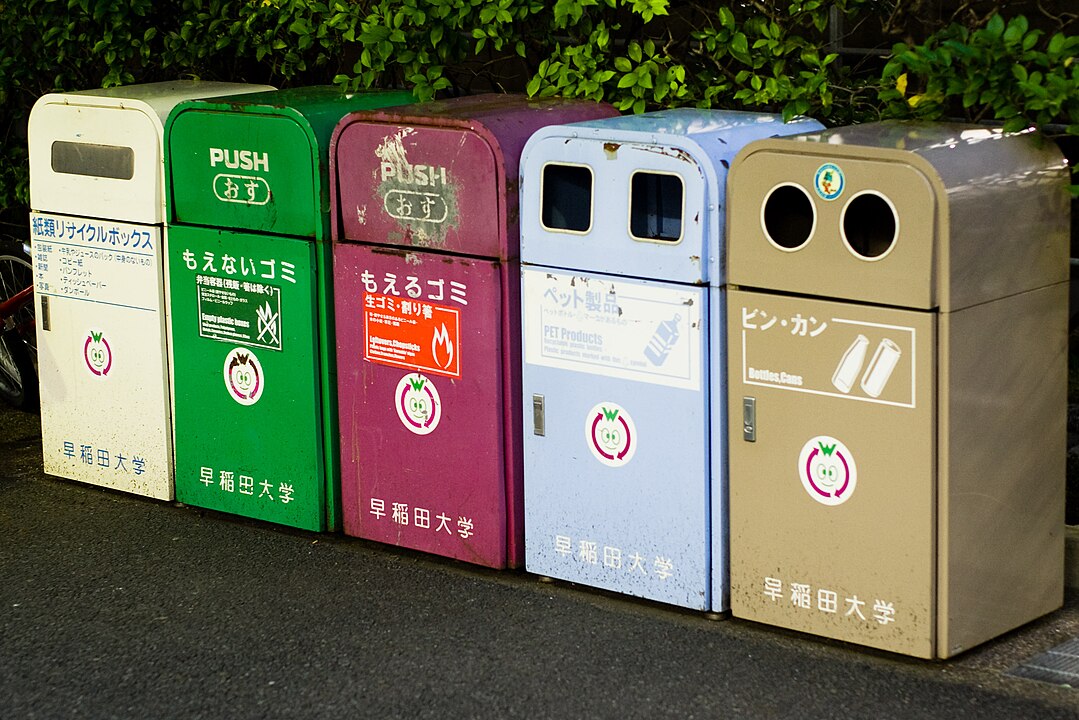
In many Japanese cities, trash is not just sorted, it is timed, and the rules are written down with the precision of a transit schedule. Municipal guides can require garbage to be placed at collection points by a strict morning cutoff, such as 8:30 a.m., and warn against setting bags out the night before, even if the street feels quiet. Some areas also mandate designated city bags, and when the wrong bag appears, it may sit untouched with a notice or warning sticker, while posted calendars and the fact of non-collection leave it visible for days until the owner fixes it, in plain view of neighbors.
Singapore Can Treat Corridors as Escape Routes

Singapore’s high-rise life comes with corridor etiquette backed by fire-safety expectations and the reality of fast evacuations. In many HDB blocks, the common corridor is an escape route first, and a convenience second, so bulky items outside the door draw scrutiny from neighbors and officials. Shoe racks can be allowed, but a clear passage is required, often 1.2 m, and even items can be flagged during inspections because clutter can snag a stroller, block a wheelchair, hide trip hazards, add combustible load, or reduce exit width when smoke and panic move fast.
South Korea Can Charge for Food Waste by Weight

In South Korea, food waste can be tracked with the precision of a utility bill, and the system is designed to change habits through tiny signals. Many apartment complexes use RFID bins that weigh what gets tossed and charge residents by kilograms, so every emptied bowl has a measurable cost attached to it, logged to a card or account. Scraps get drained, sorted, and carried downstairs with intention, because a little extra broth adds weight, a plastic mistake can cause trouble, and the building’s shared setup turns leftovers into a daily, measurable responsibility rather than an invisible chore.
Dubai Balconies May Ban Hanging Laundry

In Dubai, some towers treat balconies as part of the building’s public face, and the rules follow that logic closely, especially in communities where façades are meant to look uniform. Rules and enforcement notes have long discouraged hanging laundry on balconies or outside railings, framing it as a visual nuisance and sometimes a compliance issue rather than a personal habit. Many buildings also restrict balcony cooking, barbecuing, and visible storage, so the outdoor space becomes less of a workshop and more of a tidy lookout, with drying racks pushed below rail height and clutter kept out of sight.
Canadian Buildings Can Ban Balcony BBQs

In many Canadian apartments and condos, balcony grilling is a policy question, not a personal hobby, because one flame can involve an entire building. Fire safety guidance notes that barbecuing on balconies of apartment buildings or condo towers may be prohibited by lease terms or condominium rules, even when broader codes do not ban it outright. The logic is blunt: propane, grease flare-ups, and smoke in tight vertical spaces can trigger alarms, stain nearby units, raise insurance worries, and put people at risk, so landlords and boards often choose a simple no, with rules varying by city and tower.
Australian Strata Rules Can Restrict Balcony Smoking

In Australian strata living, smoke can be treated like noise: tolerable only until it drifts into someone else’s space and changes how the neighboring unit feels. Some strata schemes adopt by-laws that restrict or ban smoking on balconies or outdoor areas when it creates a nuisance for neighbors and interferes with enjoyment of their lots. For residents, the surprise is the reminder behind it: a balcony may be attached to one apartment, yet airflow ignores property lines, and complaints often begin with a polite note, then escalate into formal notices once smoke drift becomes a pattern over time.
Spain Can Require a Vote for Façade Air Conditioning

In Spain, altering the outside of a building can require neighbor democracy, even when the change seems practical and small. Installing an air-conditioning unit on a façade is often treated as changing a common element, so the homeowners’ community may need to approve it by a specified majority before brackets ever touch the wall. That vote is less about controlling comfort and more about protecting the building’s look, safety, and long-term maintenance, because one poorly placed unit can become everyone’s vibration, drip line, or future repair fight, especially during heat waves in crowded blocks.
French Towns Can Limit Exterior Paint Colors

In parts of France, the look of a street can be protected almost like a shared heirloom, with rules that value harmony over personal expression. Local regulations in some towns restrict the colors used for doors, shutters, and exterior paint, steering owners toward shades, sometimes from a short list kept by the town. For apartment residents, a simple refresh can require permission and patience, because the building is not only a private home, it is also a public backdrop, and uniformity is treated as part of what makes a place feel unmistakably itself, and palettes may be posted in advance locally.
NYC Co-ops Can Require Renovation Approval Packets

New York City co-ops often treat renovations as a controlled operation, not a weekend project, because sound and dust travel fast in older buildings. Many buildings require a formal alteration agreement, detailed plans, insurance certificates, and board approval before work begins, even for changes that feel routine elsewhere, like moving a sink or replacing floors. Construction hours, elevator protection, debris removal, and contractor behavior can be spelled out in writing, and some boards insist on licensed crews and sealed pathways, so the whole building does not pay for one apartment’s upgrade.
NYC Co-ops Can Police Unapproved Sublets

In some New York City co-ops, subletting without permission is treated as breaking the social contract, not just bending a lease term. House rules can require board approval for any sublet, and violations may trigger written notices, such as 30-day cure periods, plus penalties that restrict future subletting rights. It feels strict, but it reflects how co-ops work: residents are shareholders in a community, and boards police stability, security, and who lives behind the lobby door, because frequent turnover changes noise patterns, elevator traffic, and the feeling of knowing the faces in the hallway.
Italy Can Prohibit Water Dripping From Balconies

Italian condominium living often comes with rules meant to keep balconies from turning into neighbor-to-neighbor trouble, especially in older buildings with tight vertical lines, where a drip travels far in seconds. Practical guidance can prohibit throwing water from windows or balconies, and warn against watering plants in ways that drip onto the units below. The rule sounds fussy until a summer evening arrives and someone’s clean laundry, café table, or open window catches a surprise shower; then the balcony stops being charming and starts being a boundary that demands care, timing, and restraint.
England Can Require Written Consent for Pets

In England, keeping a pet can hinge on written consent, not just good intentions, particularly in flats where sound carries and hallways are shared. Tenancy agreements often require prior permission from the landlord to keep animals, and official guidance stresses that requests should be considered on their merits rather than dismissed automatically. For apartment dwellers, that can mean a calm paper trail, because landlords often want a clear request, proof of responsible care, and sometimes an extra clause on damage, cleaning, insurance, or noise expectations before a pet is approved, in writing.