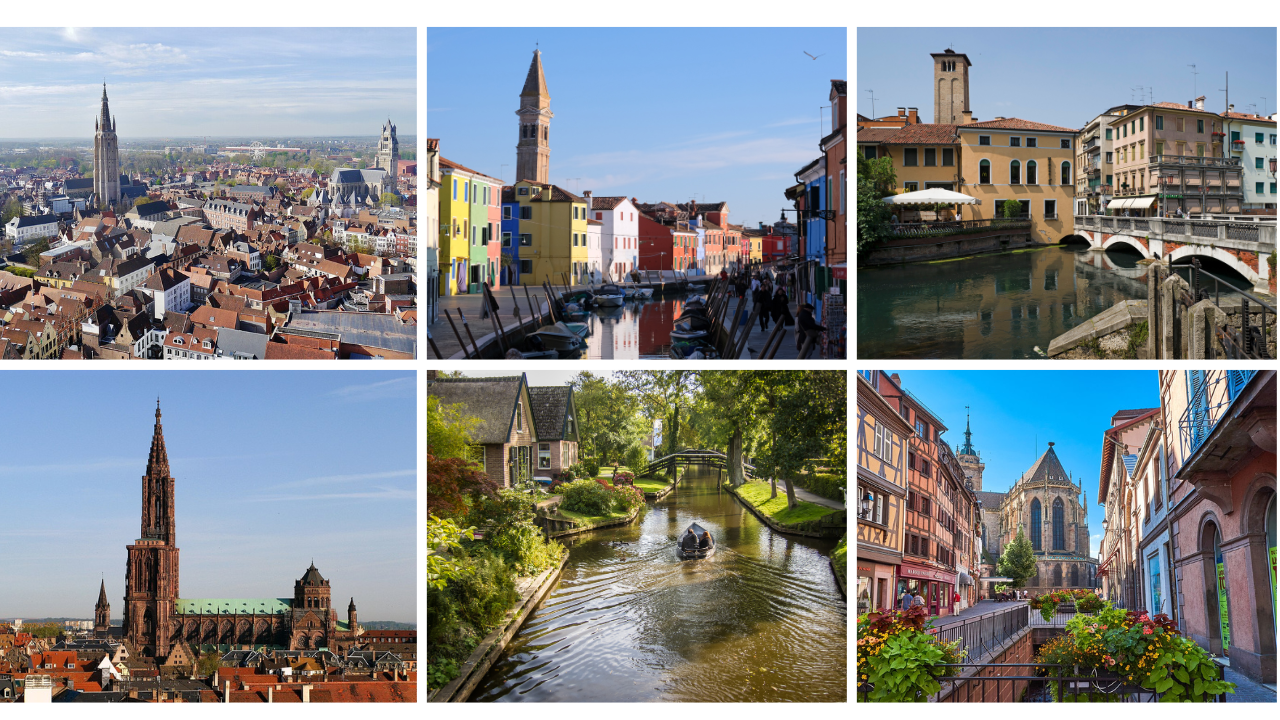
Venice still glows in the imagination, but in 2026 many travelers are chasing the feeling, not the crowds. They want water at street level, worn stone steps, and evenings that move at lagoon pace, without the pinch of peak-season pressure. Across Europe and beyond, smaller canal towns and river cities are becoming the smarter choice: places where boats are local transit, markets outnumber souvenir stands, and a bridge can belong to the moment again. Some sit near a hub; others hide behind reeds and sandbars. Meals linger, and mornings start with bells, not queues. What links them is simple: romance with room to breathe.
Chioggia, Italy
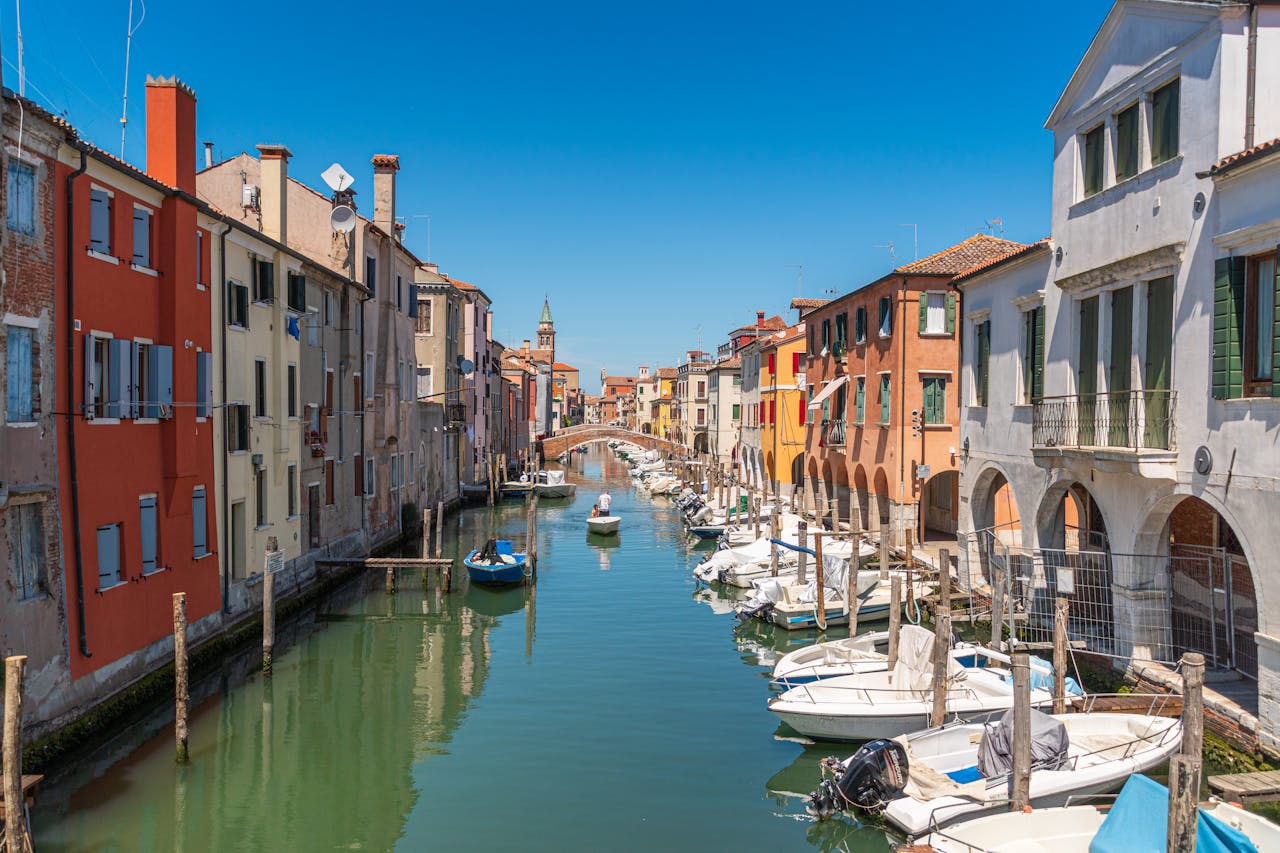
At the southern edge of the Venetian Lagoon, Chioggia delivers the same salt-air shimmer with a fishing-town pulse. Canals run between weathered facades, and the bridges feel functional, not staged, especially when the morning catch comes in and stalls fill with clams, cuttlefish, and crates of glossy produce. Instead of a grand procession of landmarks, the charm arrives in fragments: a narrow quay, a ferry wake, a church bell, and a long promenade that drifts toward the sand at Sottomarina for a calmer horizon, where sunsets tint the water and the town feels lived-in, with room to linger at dinner, even in midsummer.
Comacchio, Italy
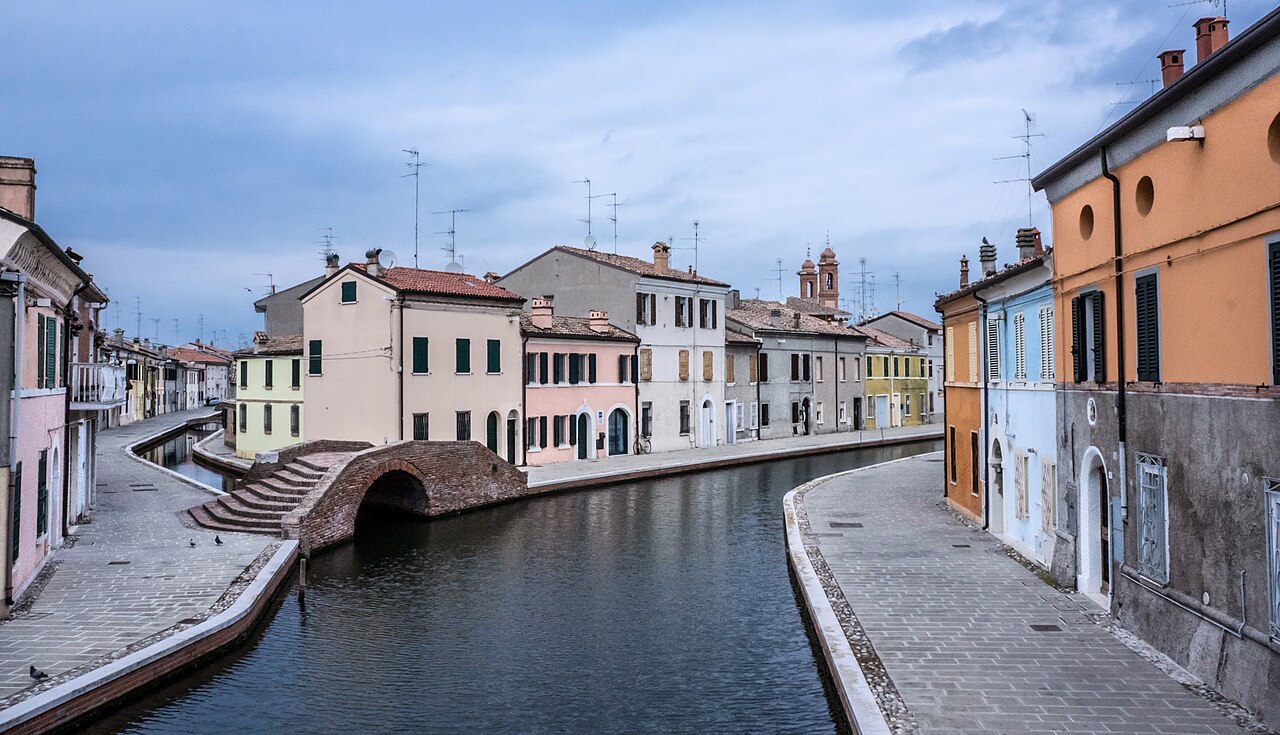
Comacchio sits in the Po Delta like a watercolor of brick bridges and still canals, with housefronts reflected in quiet green water. Small boats slide past laundry lines, and the town’s pace stays gentle, shaped by lagoon life, market mornings, and eel traditions more than tour schedules, while nearby wetlands stretch flat and wide with reed beds and long, wind-combed skies. At dusk, the canals turn mirror-dark, and the best views come from simply walking, pausing, and listening as shutters close, bicycles click over cobbles, and trattoria tables fill with locals lingering over regional wine on warm nights, past sunset.
Burano And Mazzorbo, Italy
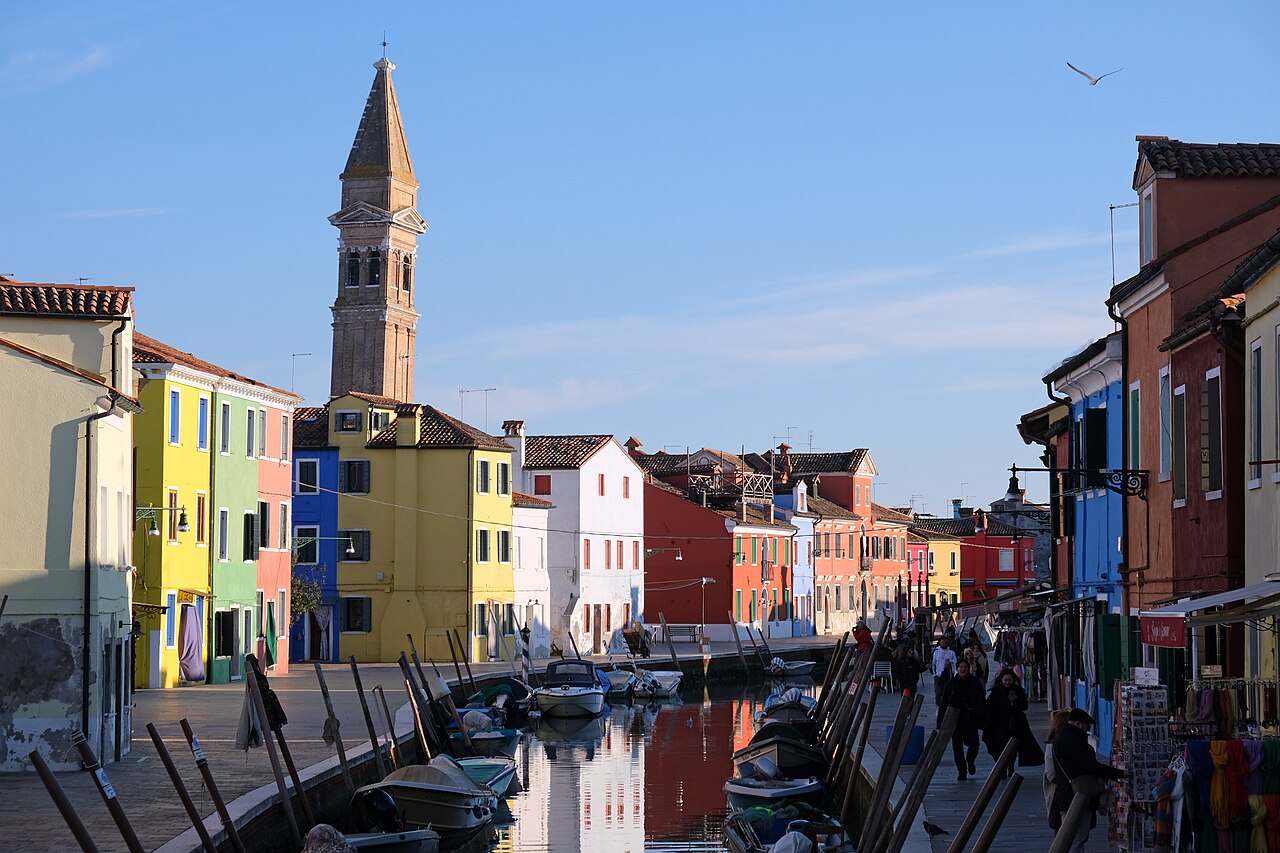
For travelers who want lagoon color without the main-island crush, Burano and neighboring Mazzorbo feel like Venice exhaling. Burano’s bright facades turn even overcast hours into a photo, but the deeper charm sits in the everyday scene: fishermen mending gear, lace shops opening slowly, and families moving between bakeries, bars, and small squares where greetings matter more than itineraries. Across the footbridge, Mazzorbo softens everything with gardens, a vineyard, and quiet lanes; after the last ferry, the water turns glassy, and the islands settle into the kind of calm Venice rarely gets to keep these days.
Treviso, Italy
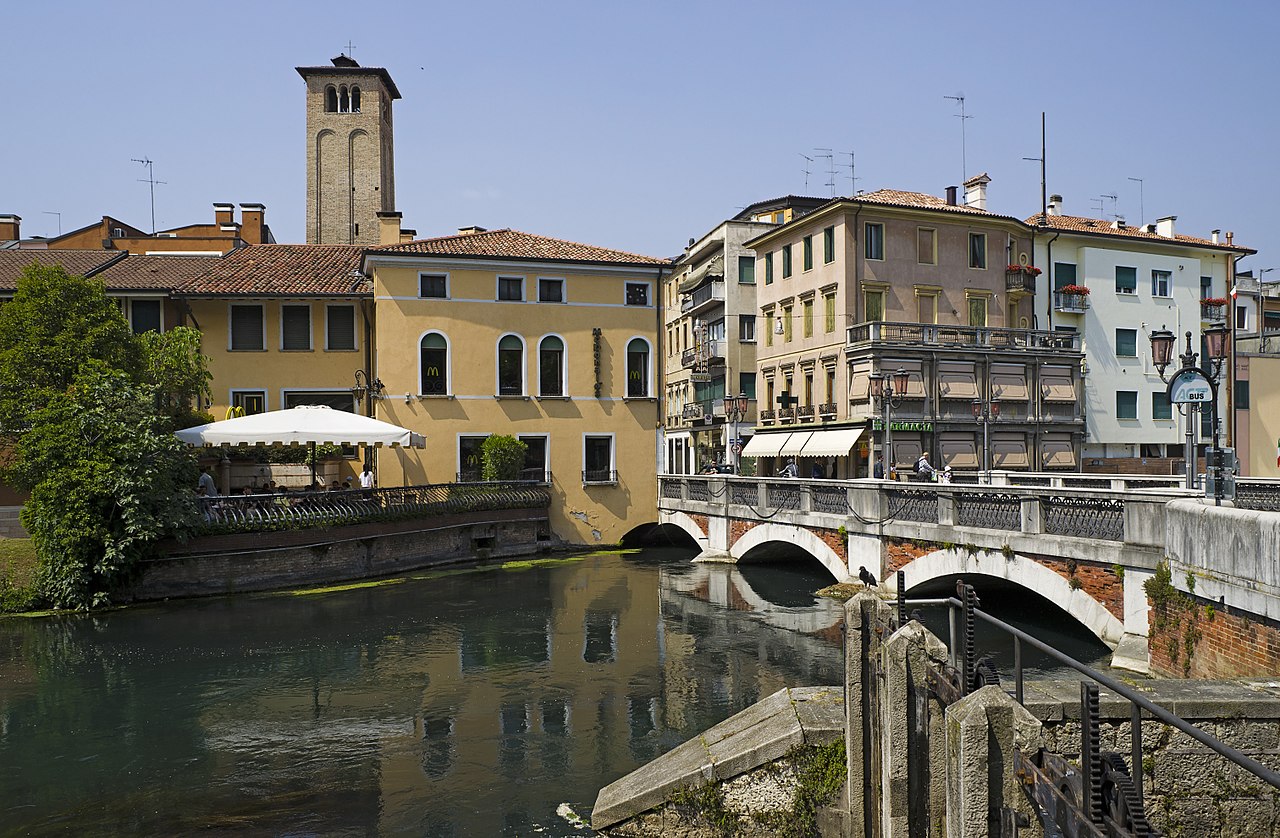
Treviso offers a Veneto answer to Venice’s waterlines, but with a weekday mood that never fully leaves, even when the train platforms fill. Clear canals curl around brick walls and under arched bridges, and the old town feels built for strolling between pastry counters, produce stalls, and shaded porticoes, with frescoed facades peeking out above shop signs and bicycles stacked at every corner. In the evening, locals drift to riverside bars for small plates and spritzes, and the reflections do the decorating, especially when winter fog softens the streetlights into a slow, golden glow that makes the water look painted.
Annecy, France
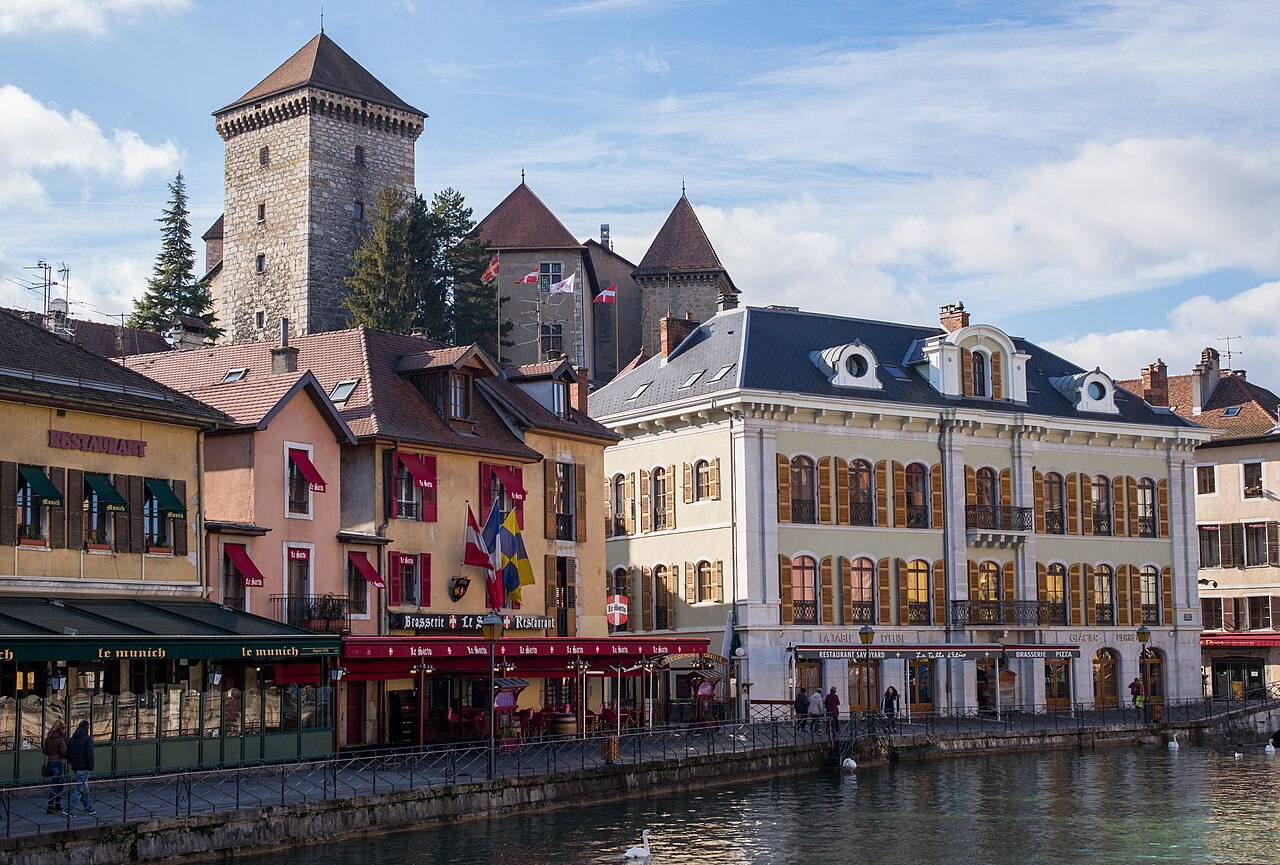
Annecy swaps lagoon haze for alpine clarity, with canals that run like ribbons from the lake through an old town of pastel houses. Water wheels, flower boxes, and stone arcades set a storybook scene, but the draw in 2026 is how livable it feels: morning swims in summer, market days under striped awnings, and crisp walks when snow dusts the mountains and café windows fog with warmth. Instead of gondolas, there are pedal boats and lake cruises, plus long lakeside paths that carry locals home; fondue and tartiflette anchor the nights, and the town’s calm confidence never depends on pretending to be anywhere else at all.
Colmar, France
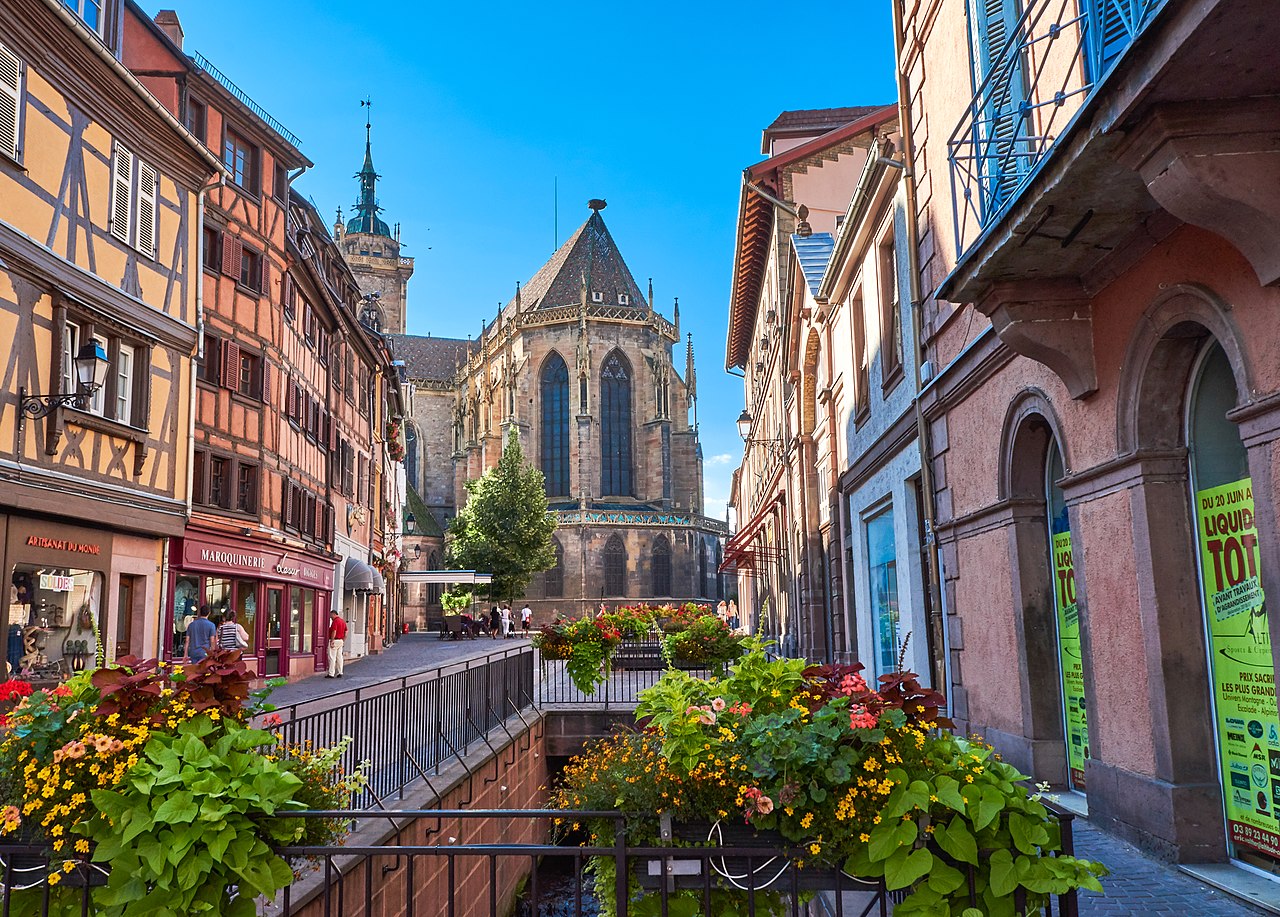
Colmar’s canals thread through half-timbered houses in a pocket of Alsace that looks hand-painted, especially when late-fall light turns the façades gold. The area called Little Venice earns its nickname without trying: narrow waterways, low bridges, and boats that glide past geraniums, shuttered windows, and café terraces where conversations spill out with the steam from mugs. Vineyards begin just beyond town, so afternoons often drift into tastings of local whites before returning to streets strung with winter lights; the romance here is domestic and cozy, carried by cobblestones, baking spices, and a river’s soft hush.
Strasbourg, France
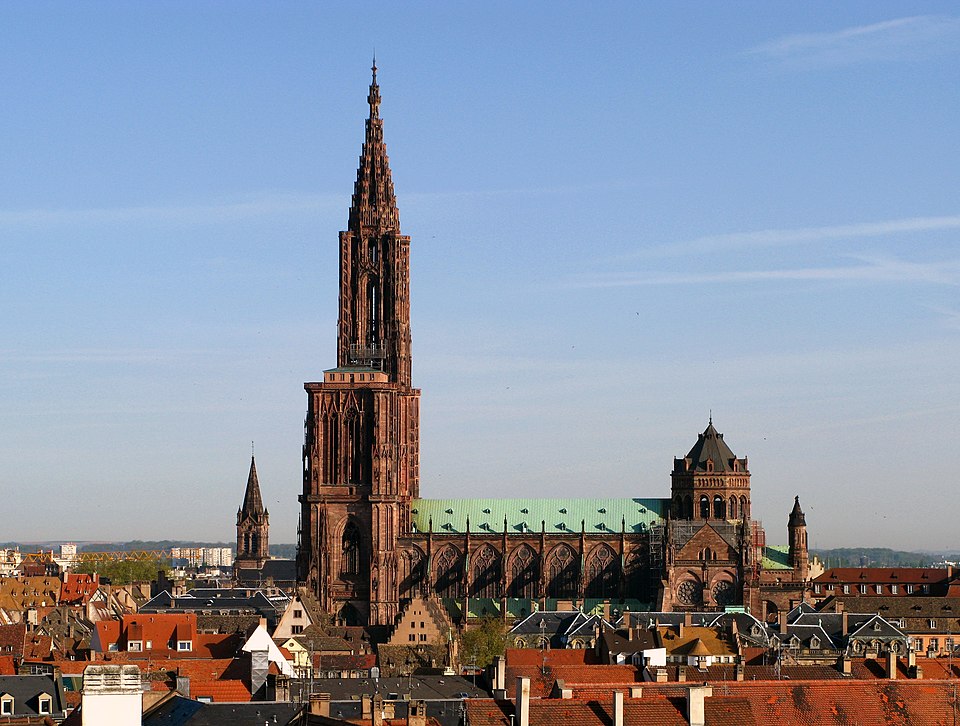
Strasbourg’s Petite France district wraps canals around timbered houses and old mills, creating Venice energy with a distinctly Alsatian accent. Boats cut clean lines through the water while tram bells ring nearby, so the city feels both historic and current, the kind of place where a cathedral visit can still end with a simple riverside picnic, followed by flammekueche and a glass of local Riesling. Because Strasbourg is a working city first, travelers in 2026 tend to find quieter corners by wandering past the postcard bends into neighborhoods full of bookshops, bakeries, bike lanes, and everyday life, all year.
Bruges, Belgium
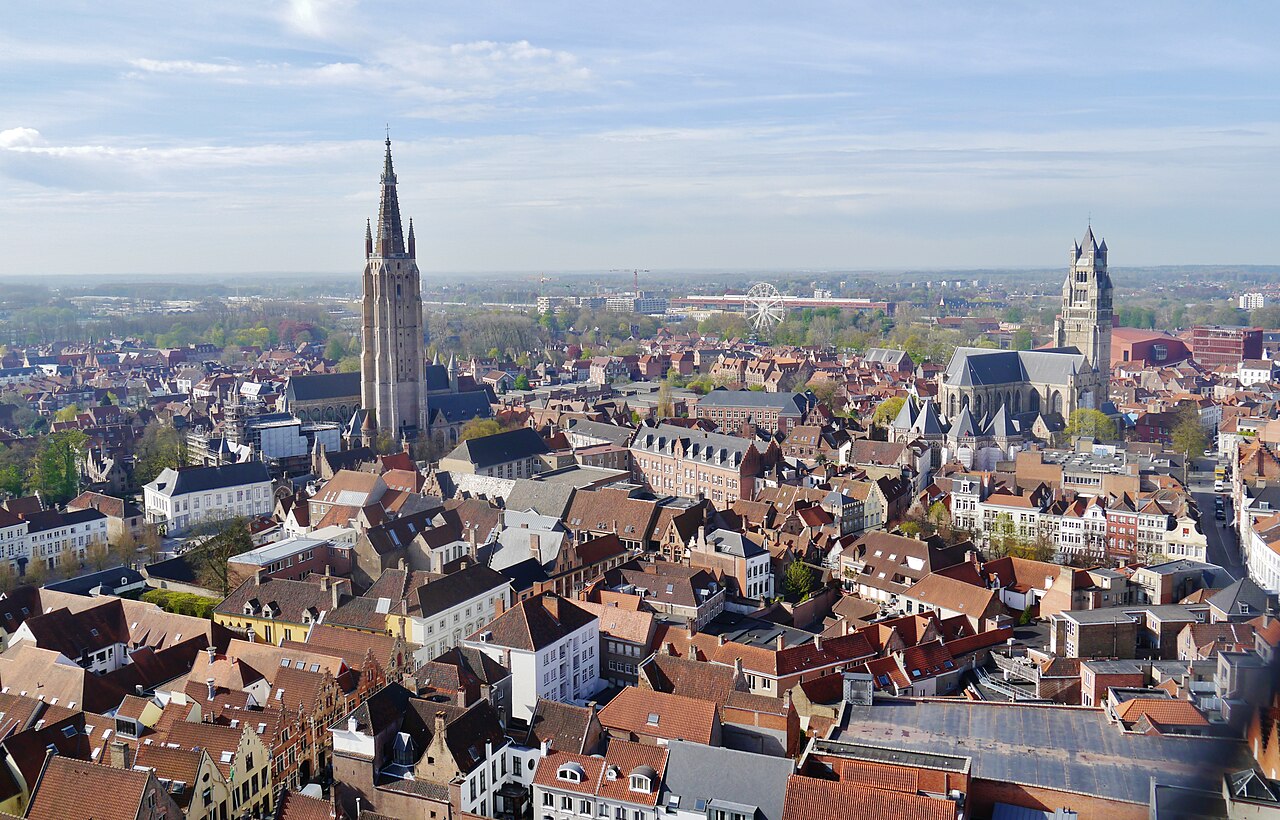
Bruges leans hard into romance, but its canal belt still rewards early mornings when the water lies flat and the city feels unclaimed. Stone bridges, swan-dotted bends, and medieval gables create that floating-city mood, yet the pleasures are grounded: hot waffles, chocolate shops, beer cafés, and quiet courtyards hidden behind heavy doors, where ivy climbs brick and footsteps turn soft. Travelers choosing Bruges over Venice in 2026 often stay overnight for the after-dark hush, then wander beyond the core to find canals without crowds, small galleries, and neighborhood bakeries that keep the fairytale feeling real.
Ghent, Belgium
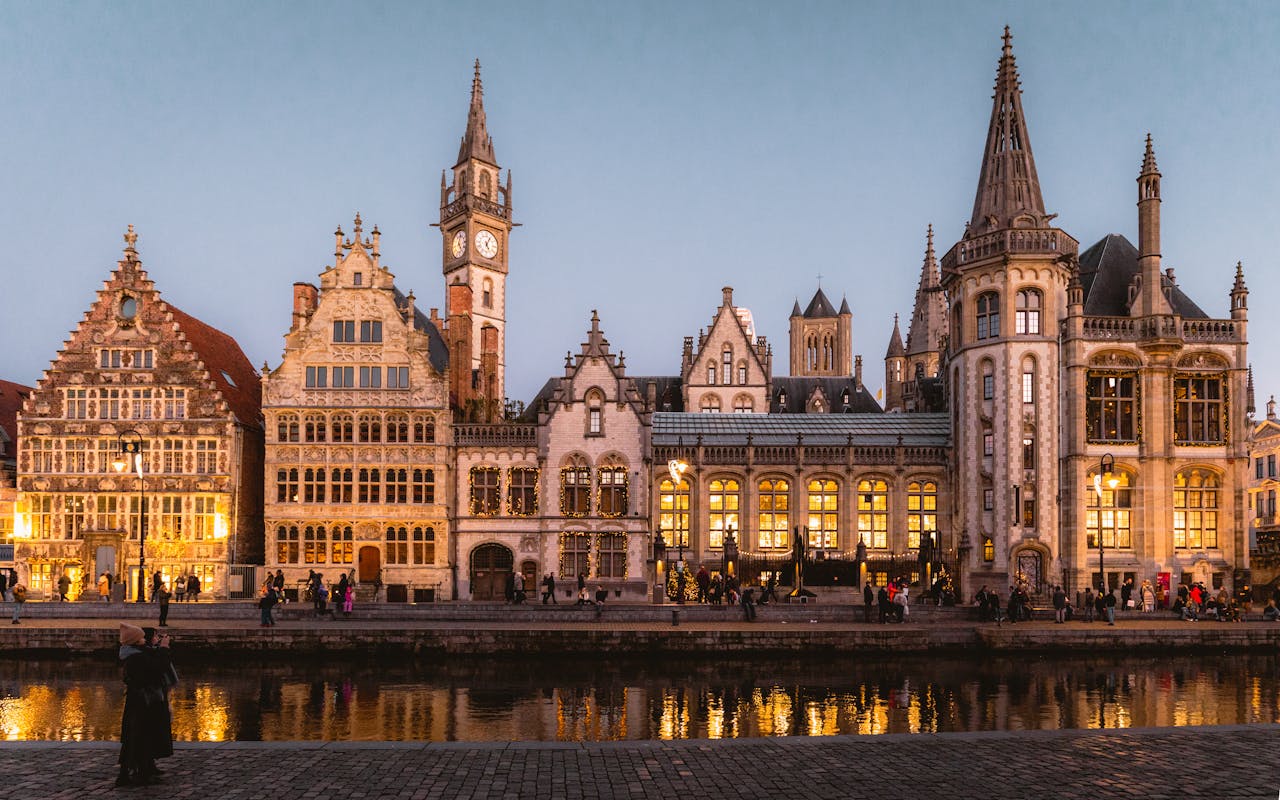
Ghent carries the canal-and-gabled-houses charm, but it reads less like a museum and more like a city with plans, energy, and a little edge. Between the Graslei and Korenlei quays, reflections stack up in the water, and bars fill with students, artists, and locals who treat the river as a living room, drifting from bookshops to design stores to cozy brasseries as church bells mark the hours. In 2026, Ghent is a favorite for travelers who want beauty without stillness: a castle in the middle of town, bike lanes everywhere, late-night fries, and a morning market that snaps the day back into focus without trying too hard.
Utrecht, Netherlands
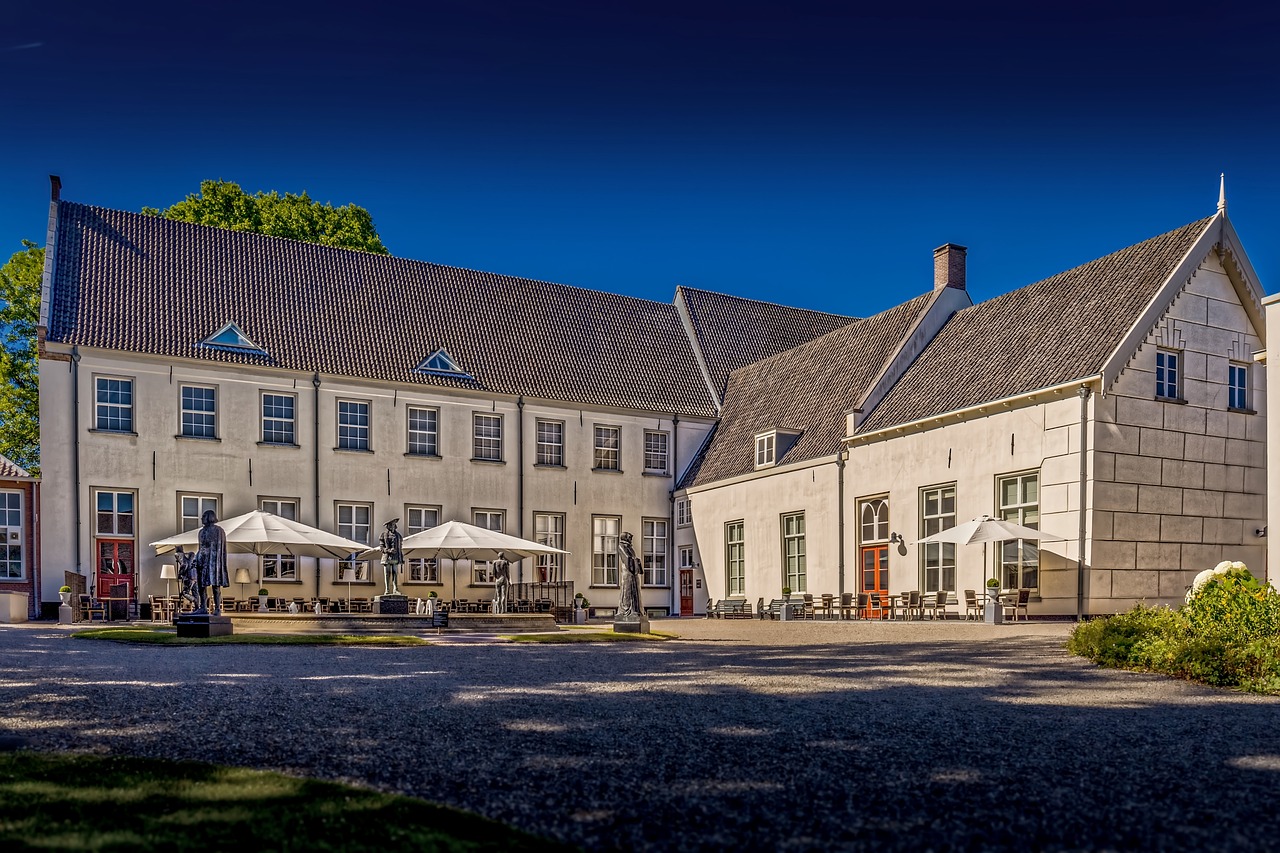
Utrecht’s canals sit below street level, lined with wharf cellars that have become cafés, studios, and small restaurants right at the water’s edge. That layered design creates an intimate feeling that Amsterdam rarely offers anymore, especially when rain taps the canal and lights blur into ripples under the bridges, and the scent of fresh stroopwafels drifts out from warm bakeries nearby. Travelers in 2026 come for the easy rhythm: a compact center, a skyline anchored by the Dom Tower, bookstores and record shops tucked into side lanes, and evenings that end on a terrace with boats gliding past at bicycle pace, quietly.
Giethoorn, Netherlands
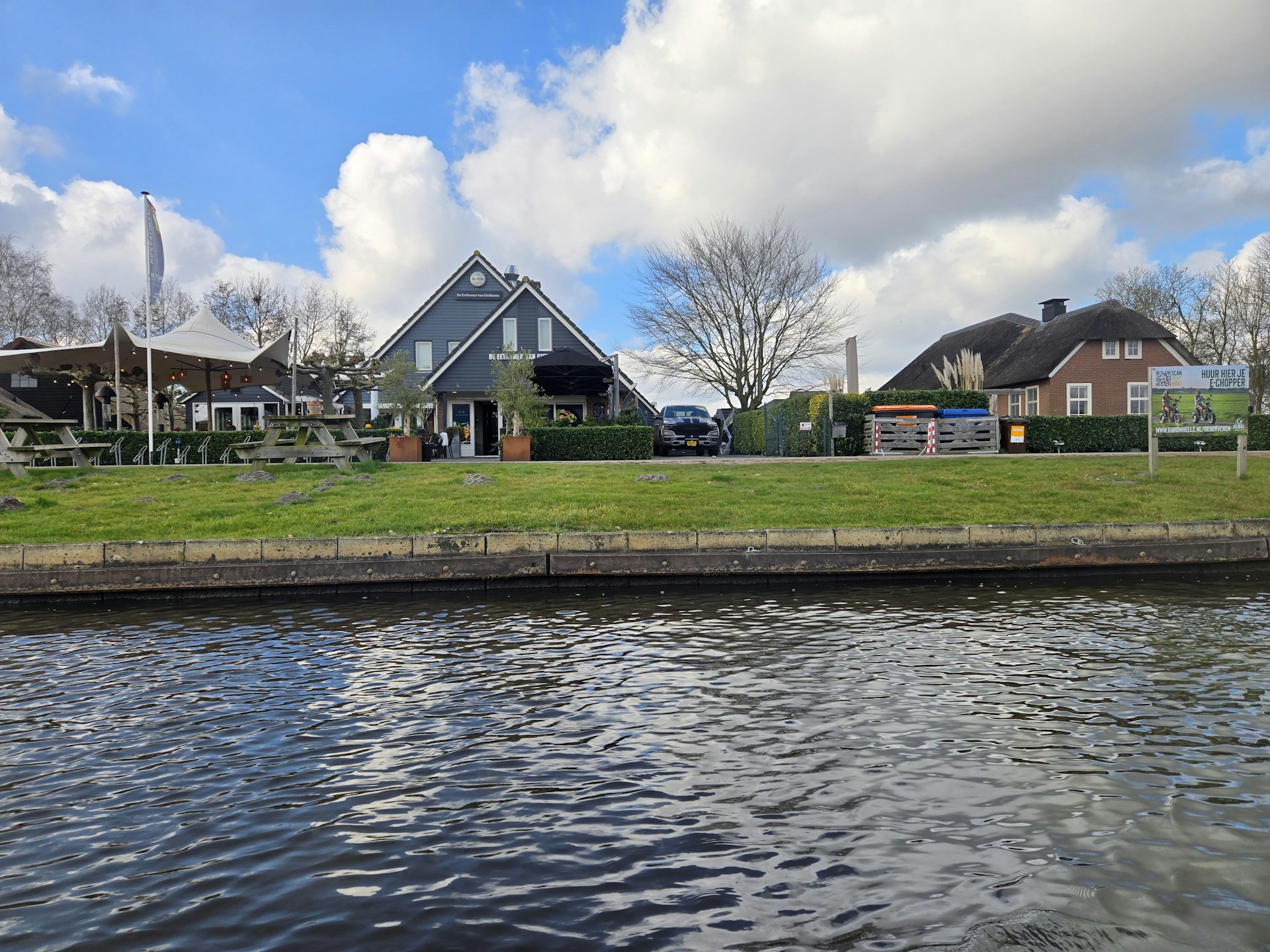
Giethoorn is a village built on water, where footpaths and little bridges replace most roads and the loudest sound is often a paddle. That simplicity is exactly why it keeps showing up as a Venice alternative: boats slide past thatched roofs, gardens spill into the canals, and the whole place feels designed for slow breathing, with ducks cruising by as if they own the lane. In 2026, travelers tend to go early or stay nearby overnight, catching the calmer hours when the reeds sway and the water clears; in winter, thin ice can turn canals into skating paths, and the village trades crowds for a hush that feels almost private.
Aveiro, Portugal
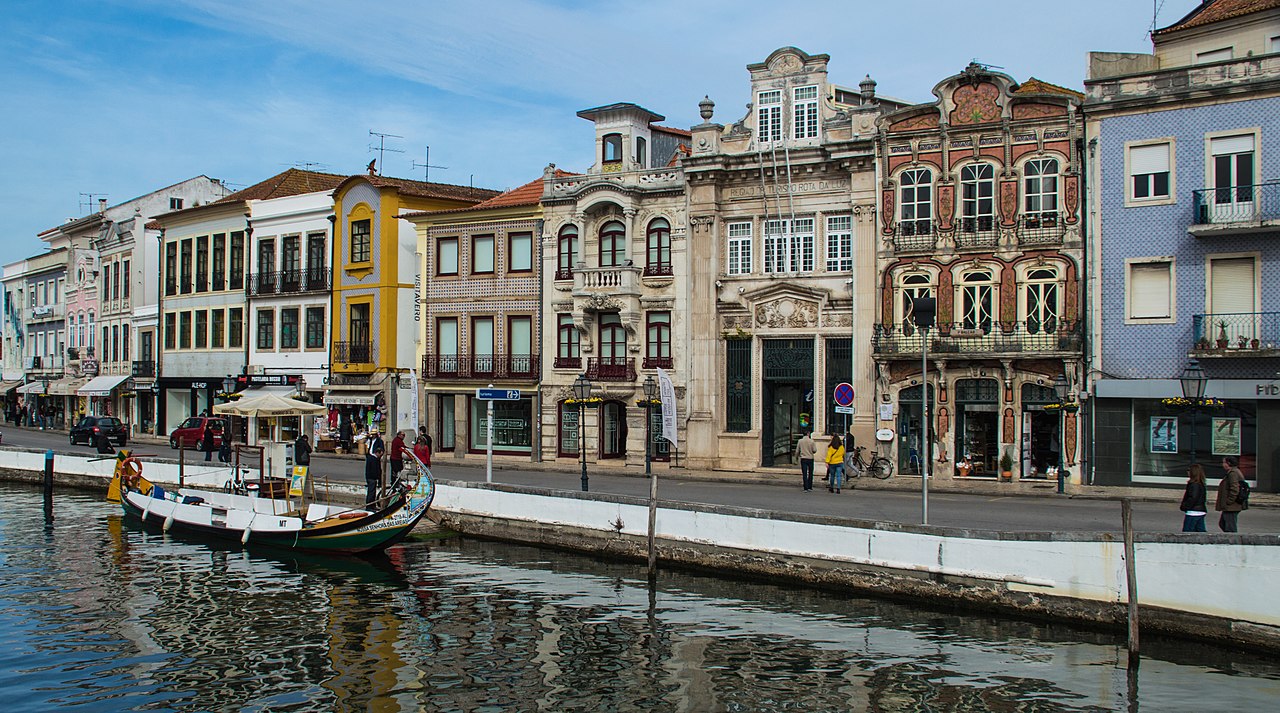
Aveiro brings a sunny Atlantic twist to the canal-city idea, with painted boats cruising past Art Nouveau details and blue-and-white tiled façades. The moliceiro boats are flashier than Venice gondolas, and the mood is lighter: seafood lunch, a salty breeze, and side streets that lead to salt pans, pastry counters piled with ovos moles, and small museums instead of endless souvenir stalls. Because Aveiro sits near both beaches and rail links, it works as a relaxed base in 2026, offering canal light in the afternoon, then striped houses at Costa Nova and ocean air by evening, all without the pressure to do it all at once.
Copenhagen, Denmark
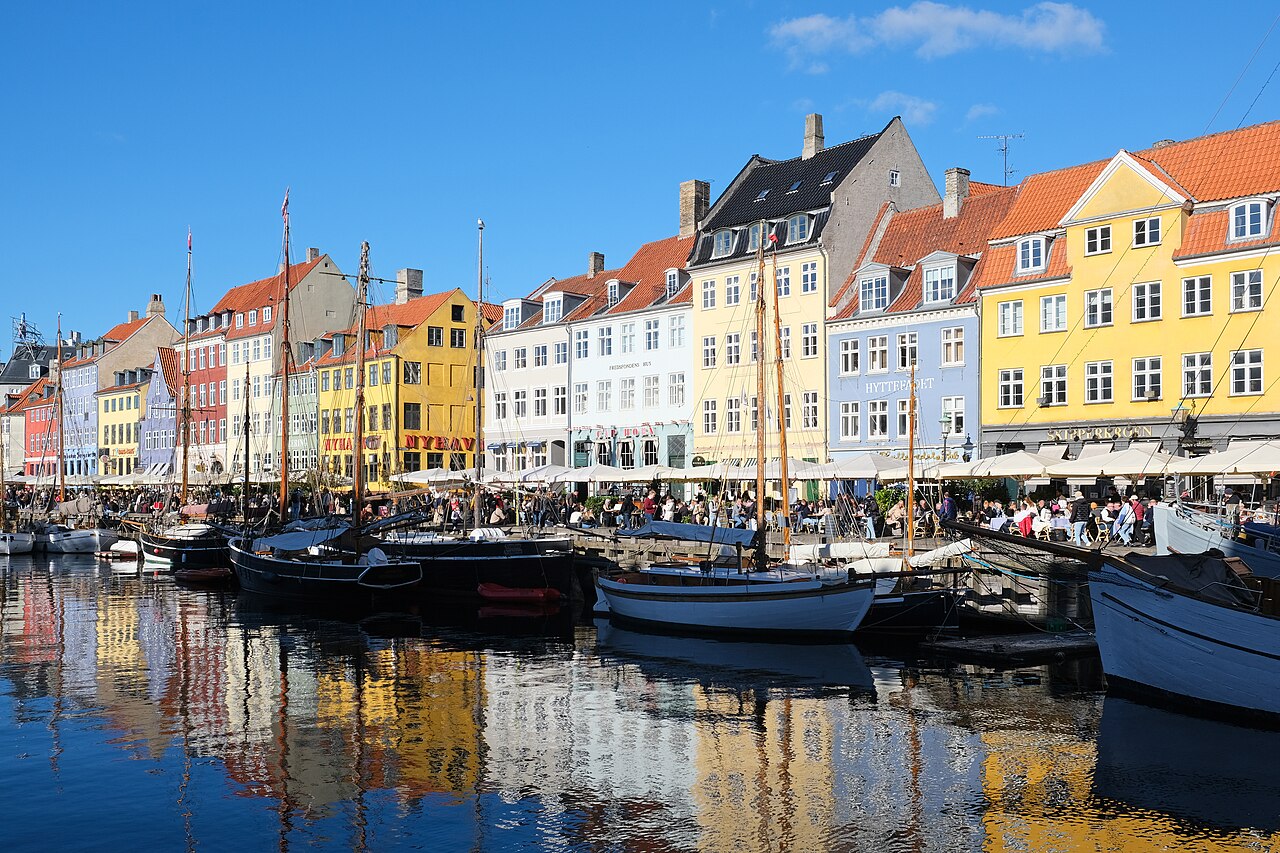
Copenhagen’s canals trade patina for clean design, but the waterborne charm is real, especially around Nyhavn and Christianshavn, where colored facades, houseboats, and low bridges keep the scene intimate. Boats move through a city that treats the harbor like public space, with cyclists crossing bridges, swimmers dropping into harbor baths, and cafés staying busy even when skies turn steel-gray. In 2026, it appeals to travelers who want waterfront romance with fewer obstacles: easy transit, excellent bakeries, smørrebrød lunches, and candlelight reflected on calm water plus blue-hour canal rides and cozy bars after dinner.
Stockholm, Sweden
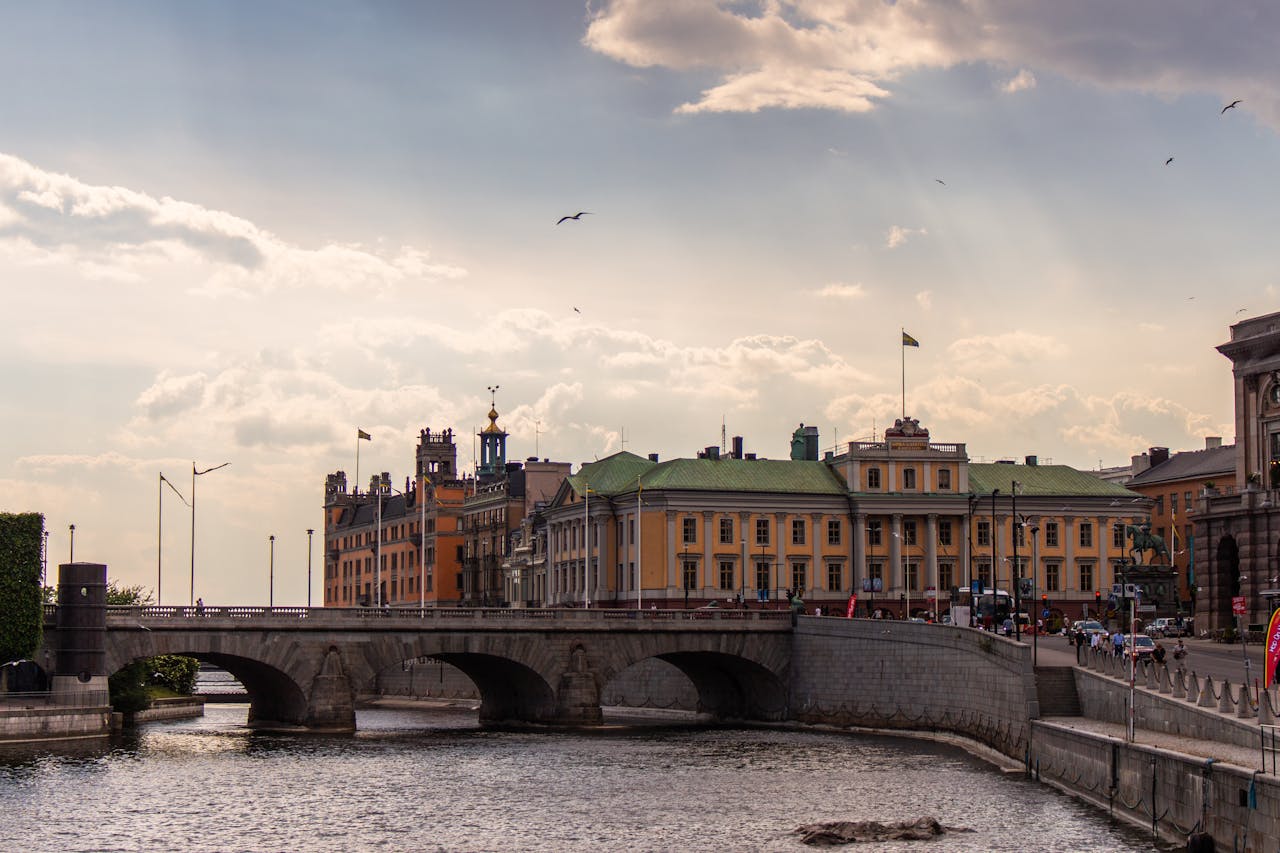
Stockholm spreads across islands, so water is never decoration; it is the way the city breathes, carrying ferries, commuters, and seabirds through the day. In Gamla Stan, narrow lanes drop toward quays where boats thread between bridges and the light off the Baltic makes even simple stone walls look luminous, especially when the sky turns pale pink at late hour and the city seems to hover. Travelers choosing Stockholm in 2026 often add an archipelago hop and a long fika break, enjoying a Venice-like sense of being surrounded by water, but with wide promenades, clean sightlines, and room for quiet between museums and meals.
Suzhou, China
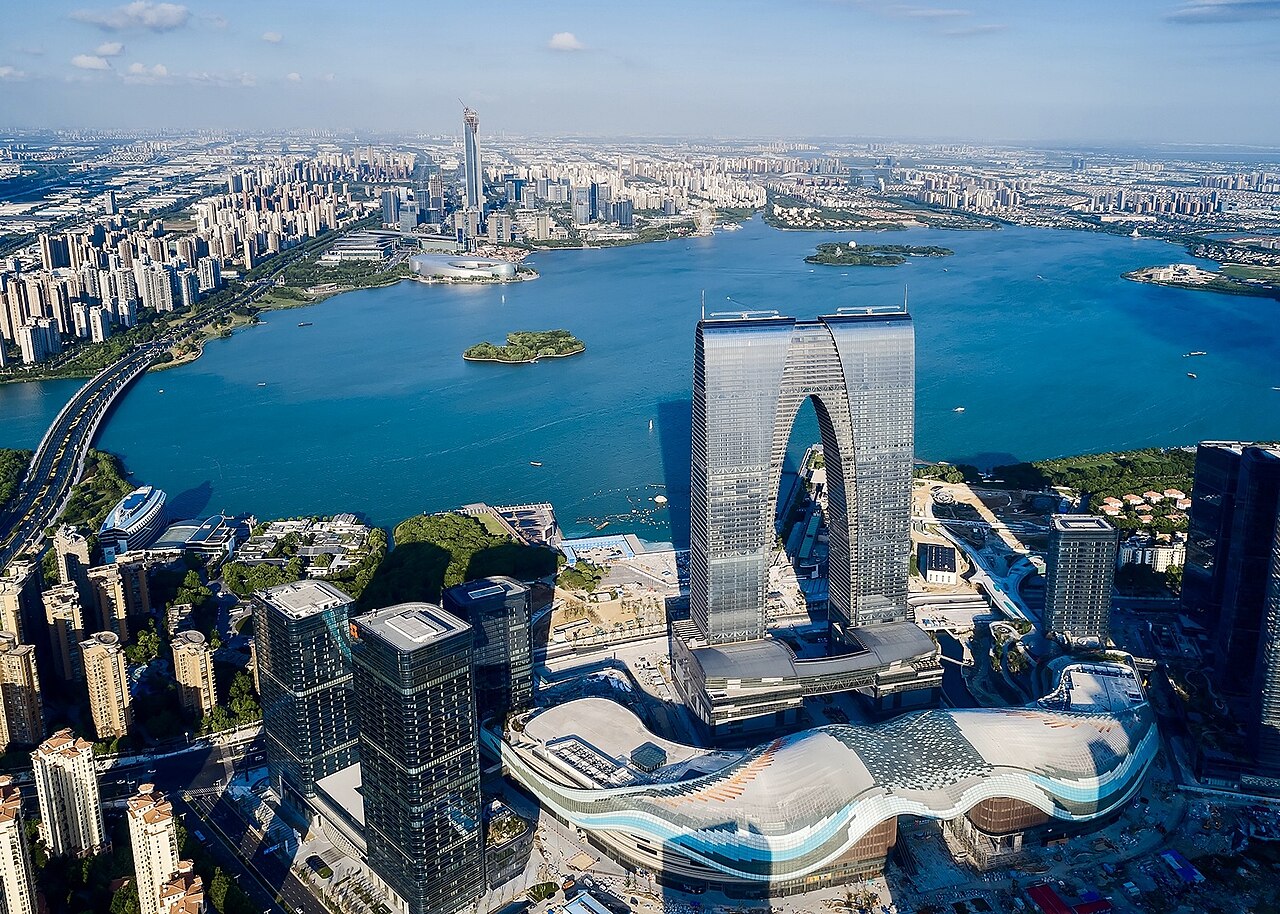
Suzhou has been called the Venice of the East for centuries, but the real draw is its blend of canals and classical gardens that slows the senses down. Stone bridges arch over narrow waterways, old lanes hide teahouses and silk shops, and willow branches skim the surface as boats drift past whitewashed walls, lanterns, and little stone steps that dip straight into the water. In 2026, travelers looking for a Venice-like mood often choose Suzhou for dawn walks near the canals, then day trips to nearby water towns, before retreating into garden courtyards where water, rock, and shadow turn quiet into an art form at dusk.