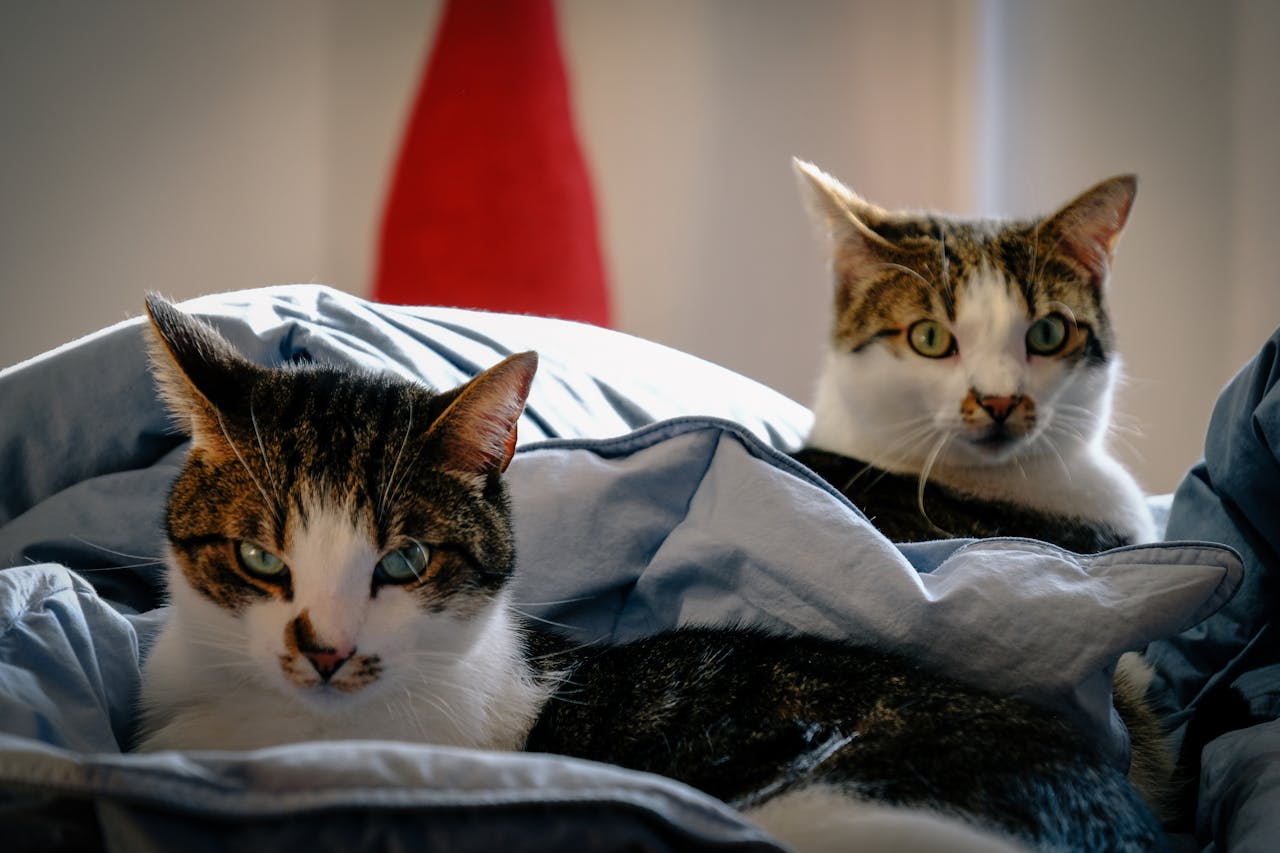
Pets rarely copy a person’s routine by accident. Sharing a home means the same sounds, light shifts, and small rituals arrive in the same order each day, and animals learn the pattern faster than most people notice. A bowl sliding on tile, a laptop lid clicking shut, a shower starting, a jacket coming off: those cues become a quiet clock. Over time, a dog’s pace, a cat’s nap windows, and even a bird’s chatter start to align with the household’s rhythm, turning ordinary moments into predictable signals of comfort, attention, and reward, even when weekdays blur and weekends shift. It looks like imitation; it is learning.
Meal Times Create A Food Clock
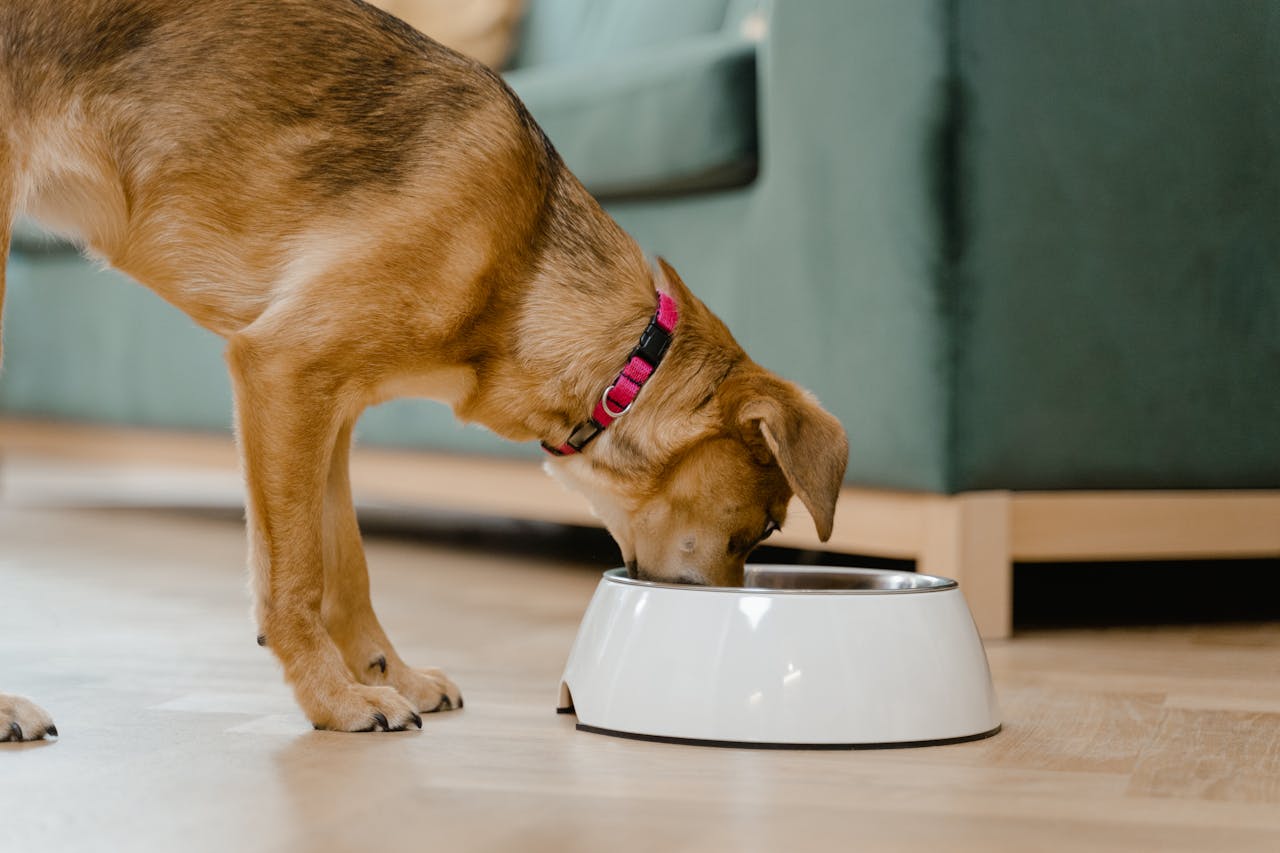
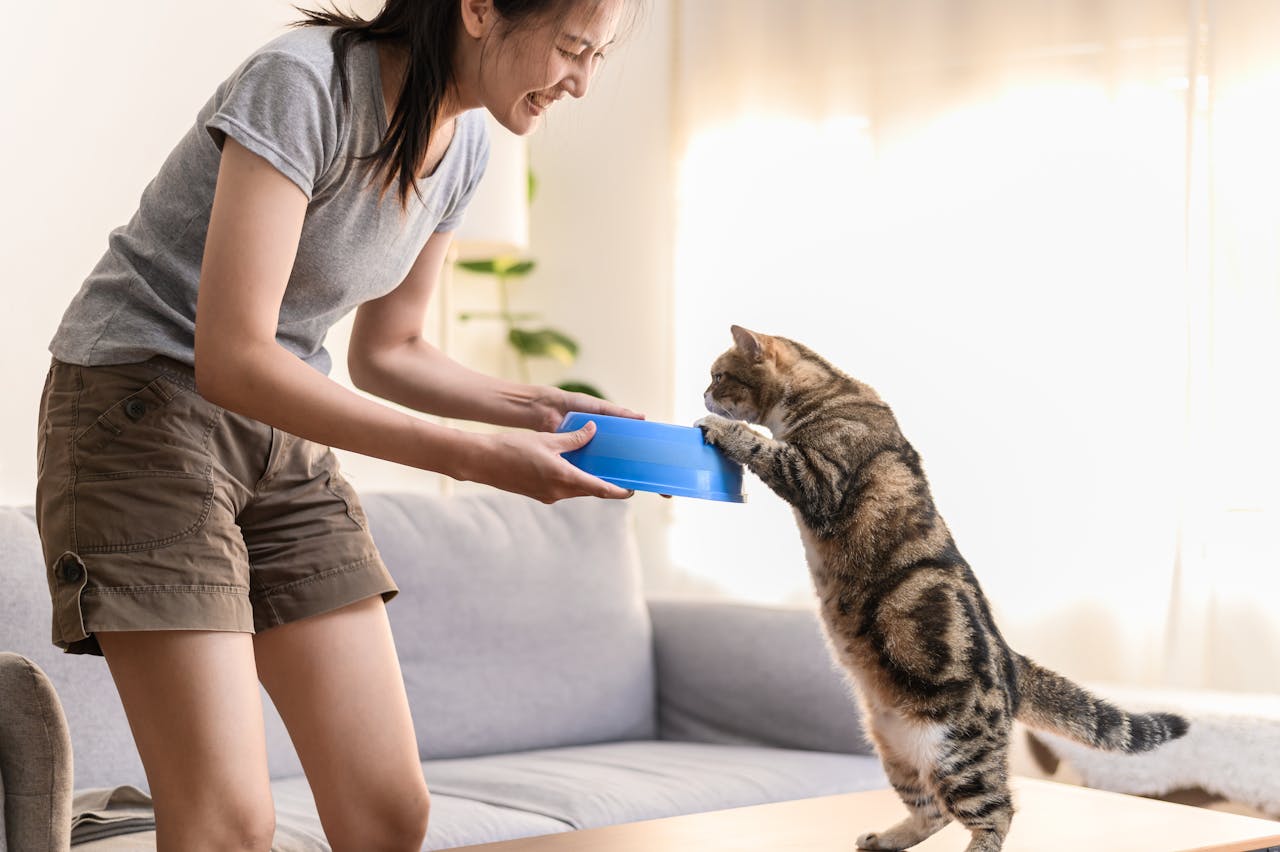
Regular feeding is one of the strongest routine anchors in a home. Even without a watch, many animals begin showing anticipatory behavior as the usual hour approaches, because the sequence of cues around meals repeats with high reliability: a pantry door, the clink of a scoop, the sound of a can tab. In cats, scheduled feeding can reduce begging overall, yet it often produces a visible ramp-up right before the bowl appears, and research describes increased anticipatory behavior near those set times. Feeding becomes a daily time cue that pulls activity into the same lane as the household calendar. No mystery, just timing.
Movement Synchronizes Like A Metronome
Dogs often match a person’s pace and direction during daily life, especially on walks, but the effect shows up indoors, too: when the household rises, the dog rises; when the house settles, the dog settles. Research on dog-human pairs describes spontaneous behavioral synchronization during off-leash walking across familiar and unfamiliar settings, suggesting that mirroring can emerge without explicit commands or deliberate reinforcement. Over weeks, the leash grab, the hallway turn, and the same corner stop become a moving schedule, and the dog begins to anticipate each beat of it. The body learns first, then the mind.
Human Emotions Become Directional Signs

In uncertain moments, many dogs look back and forth between a new thing and a familiar person, as if checking how to feel. That habit, known as social referencing, appears in experiments where an owner’s positive or negative emotional display shifts a dog’s approach, hesitation, or avoidance toward a potentially scary object or situation. In everyday life, the same mechanism strengthens routines: an easy morning voice, a cheerful jingle of keys, or a frustrated sigh becomes information. Pets start shadowing the mood that usually precedes breakfast, work, or the evening walk. Emotion sets the tempo of the house. Quietly.
Small Rewards Turn Into Habit Loops
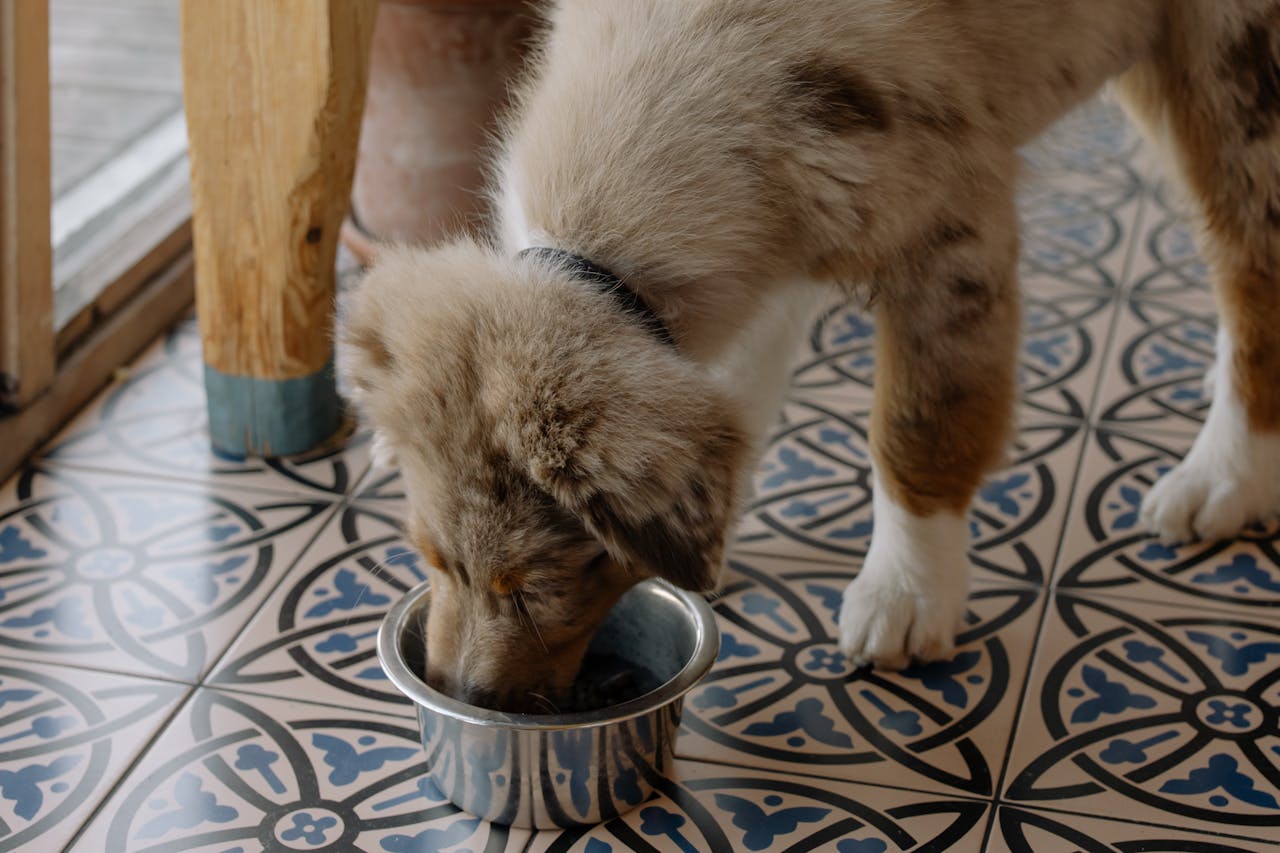
Routine-mirroring is often built from tiny payoffs that feel accidental on the human side of the relationship. A dog that settles under the desk gets a soft word during calls, a dropped crumb at lunch, then a treat when the final notification pings; a cat that appears at 9:30 p.m. gets the last warm couch spot and a few strokes before the hallway goes dark. Because those outcomes land on a predictable timetable, the pet learns not only what works, but when it works, and starts arriving early, posting up by the treat jar, the sink, or the bedroom door like an eager clock watcher. Timing becomes the trick, then it sticks.
House Sounds Act Like Start And Stop Buttons
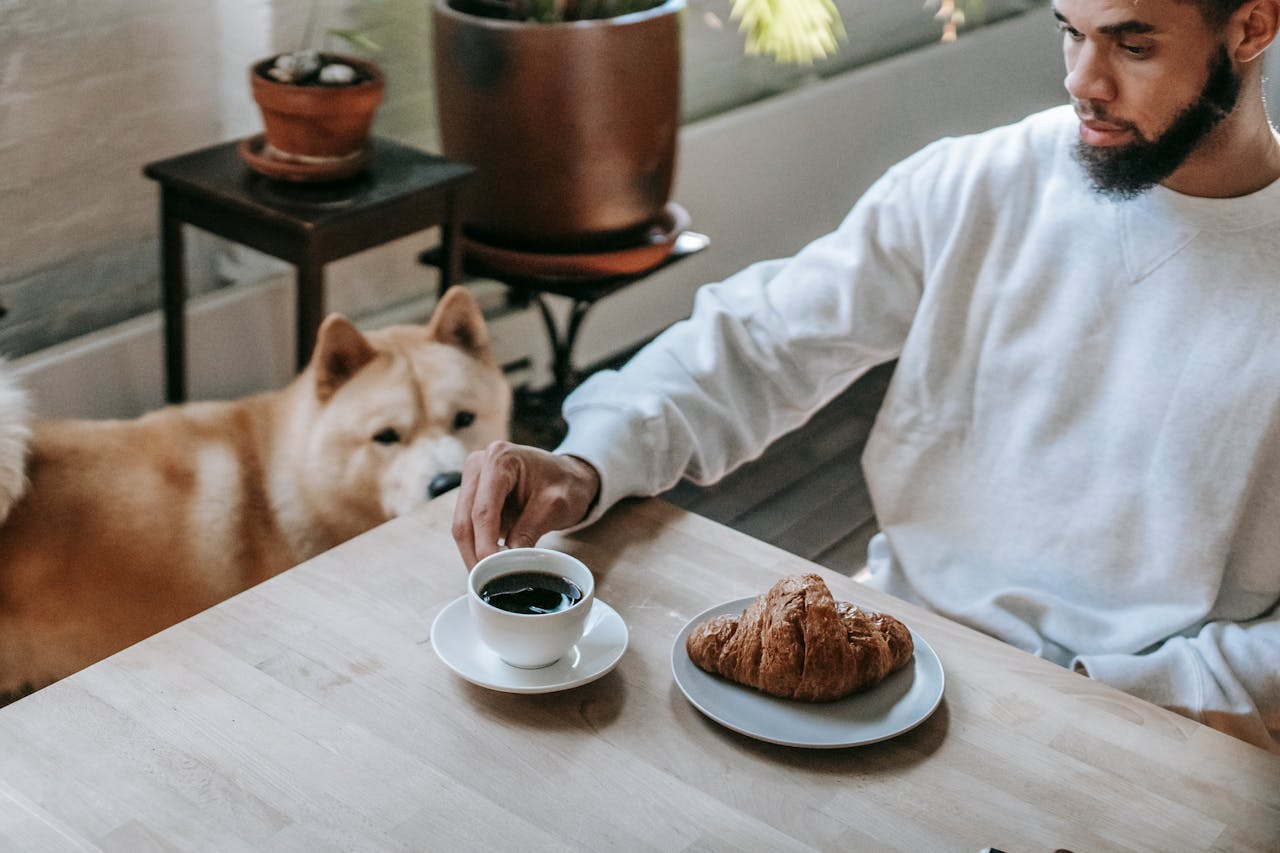
Homes are full of reliable sound cues that mark transitions more cleanly than speech. An alarm tone, a coffee grinder, the shower fan, and the rattle of keys become signals that a phase of the day has begun, and pets learn to attach behavior to each one, linking noise to outcome the way a musician links a cue to a downbeat. Because hearing travels fast and from across a room, animals often move before the human finishes the action, arriving at the doorway for the first bathroom trip, circling the sink at dinner prep, or trotting to the couch when the TV clicks on for the nightly unwind. The house teaches in beeps.
Light And Sleep Drift Toward Human Hours
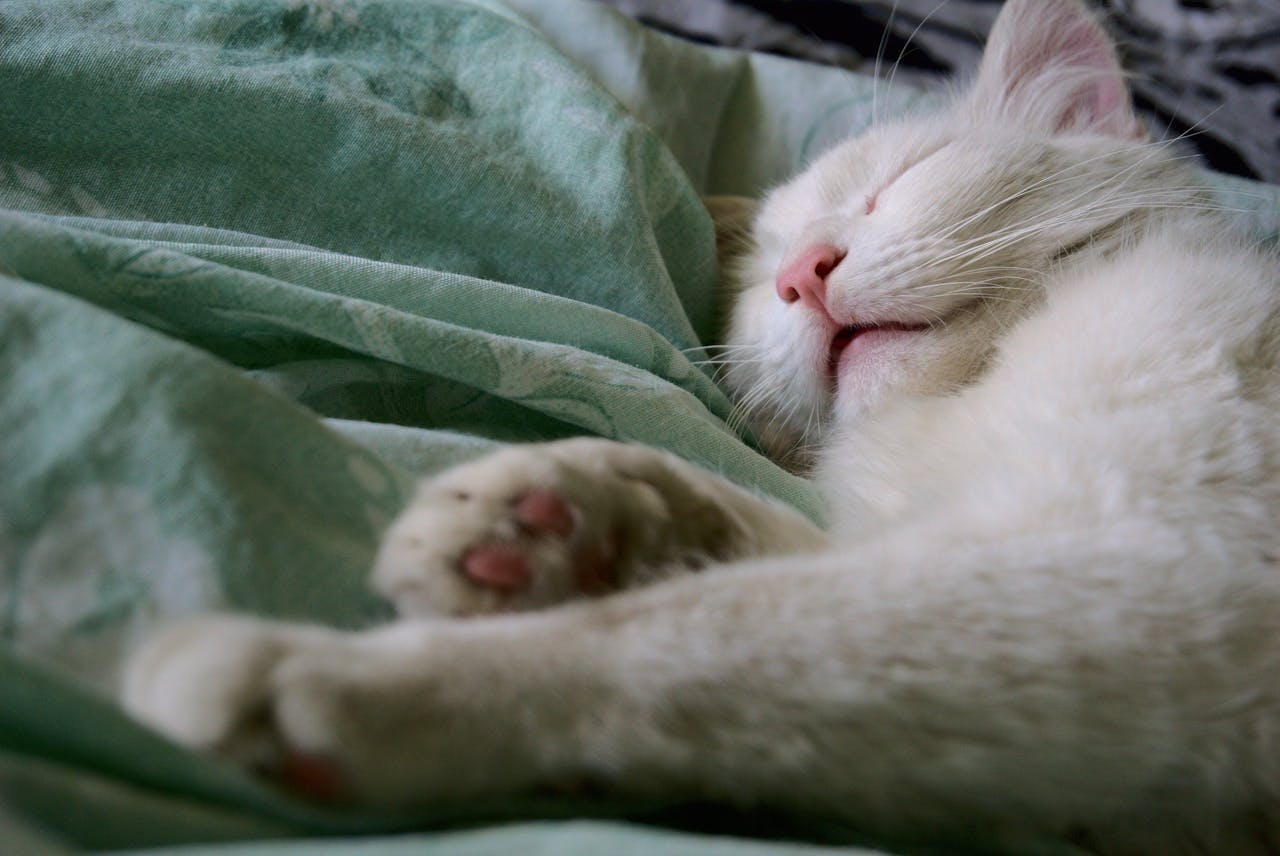
Light exposure and household activity quietly shape when pets feel ready to rest or roam. Indoor cats, for instance, show locomotor and feeding rhythms influenced by seasonal daylight, and research suggests human presence and attention can push those patterns toward daytime activity. Add routine lamp switches, curtains opening at breakfast, and a predictable bedtime, and the animal begins stacking naps to match the dark hours, saving loud play, hallway sprints, and window watching for the stretches when people are home, voices are warm, and snacks or cuddles are most likely to appear. Sleep follows the social tide.
Stress Co-Regulation Pulls Routines Together
Routine mirroring is not only about schedules; it can track emotion, too. Research on dog-owner pairs has found long-term stress hormone levels synchronized between species, suggesting some dogs mirror the stress load carried by the people they live with. When tension spikes, pets may tighten their follow behavior, nap lighter, and stay nearer during chores and commutes, pacing at the door when shoes go on and hovering when voices sharpen; when the house softens again, they sprawl out, play longer, and let the evening arrive without constant checking, because safety feels tied to predictability in a shared space.
Attention Windows Train The Calendar
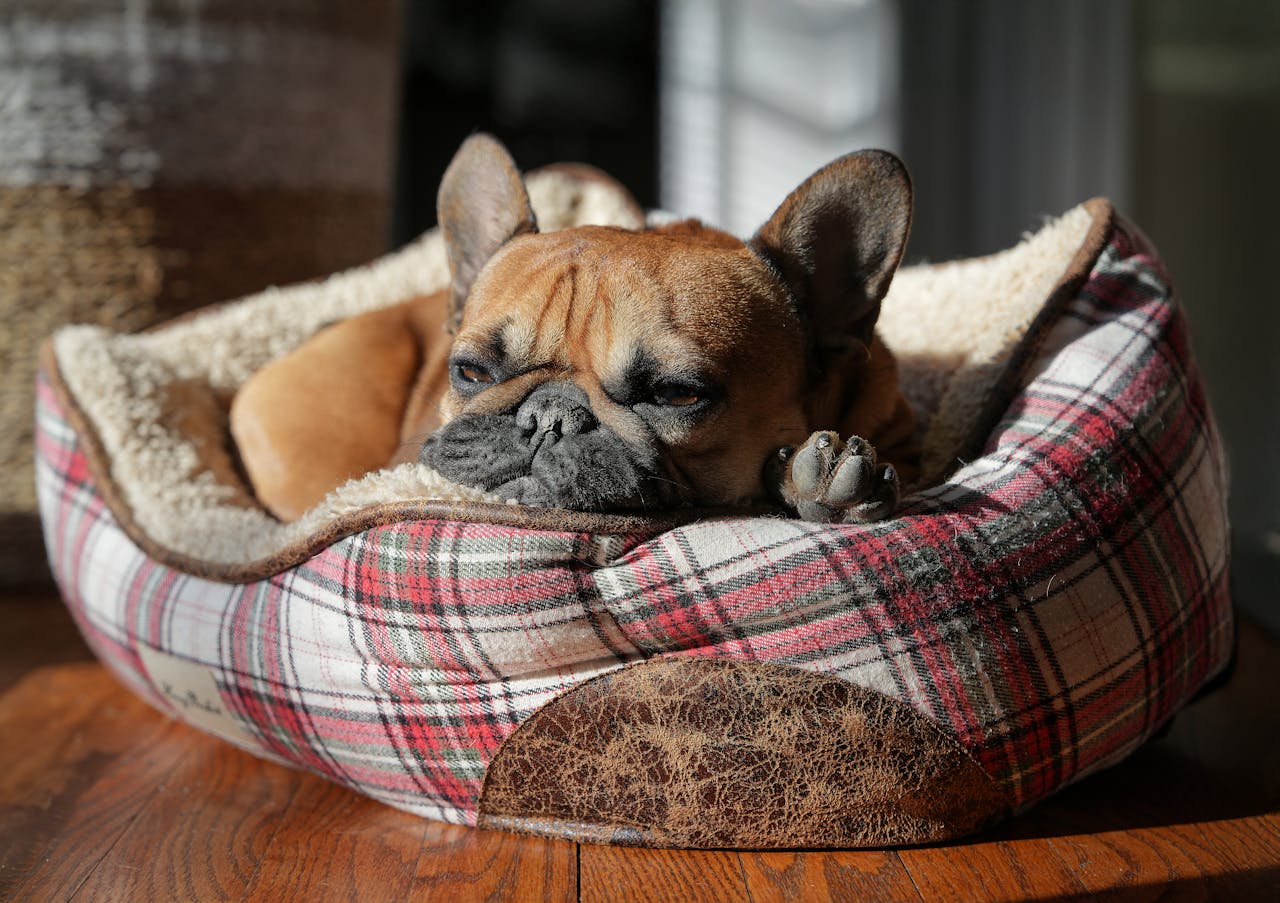
Pets notice not only where people go, but when people become reachable. If the household tends to respond to a paw at lunch but not during morning calls, the animal learns a map of attention, tracking patterns like headphones on, doors closed, or the specific chair that means focus. Over time, requests and play bids slide toward the windows that usually work, such as the post-school snack, the after-work decompression, or the quiet hour before bed, and the pet begins napping through the dead zones so energy is ready when engagement is most likely, with toys staged in familiar places like props, a learned strategy.
Scent Trails Mark Who Comes And Goes
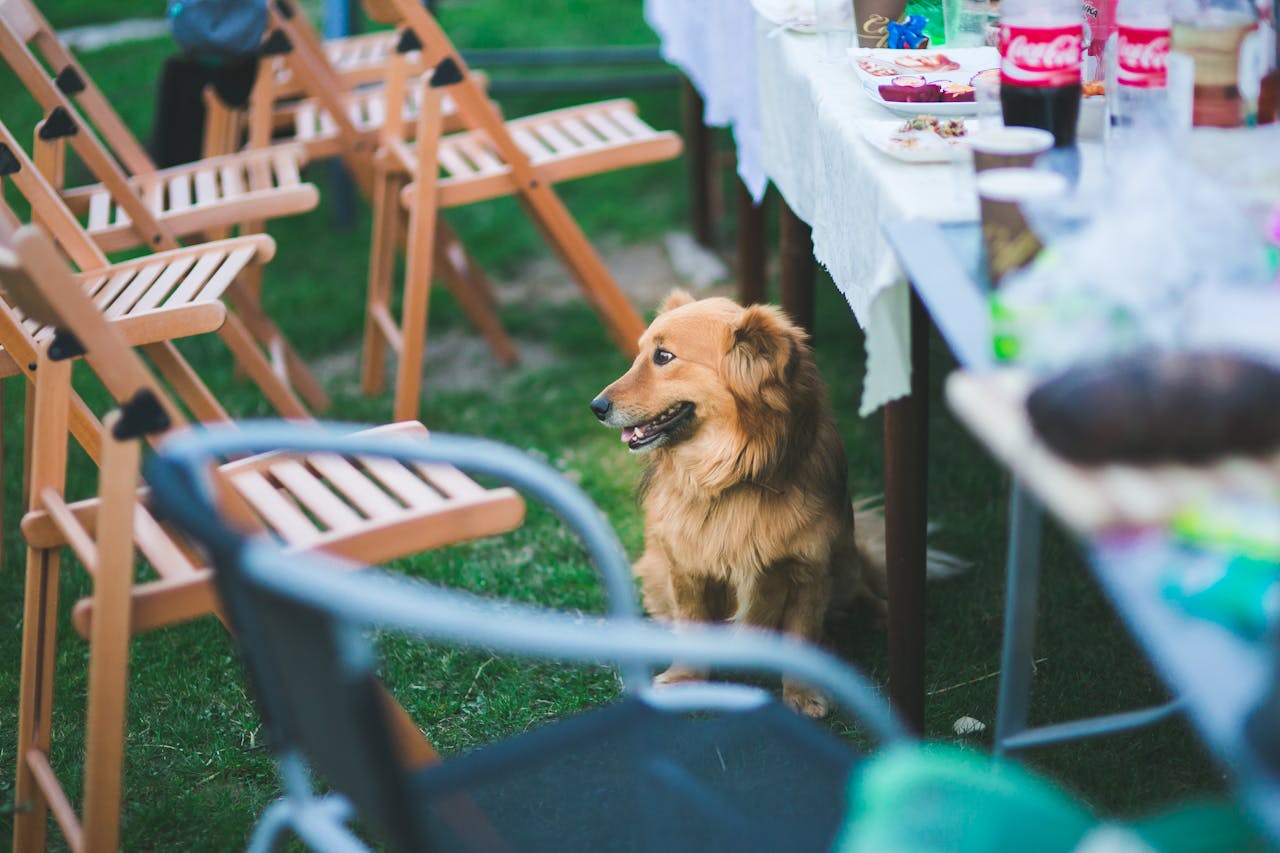
Pets live in a world where smell carries schedules. A jacket worn on the commute, a gym bag set by the door, sunscreen in the air, or the laundry basket moving room to room can signal what kind of day is unfolding before a word is spoken. Because those objects follow a consistent path, animals begin shadowing them, waiting beside shoes at 8:45 a.m., circling the suitcase on travel days, or settling into the spot where the freshest scent usually lands, checking the doorway, then the couch, then the kitchen in the same order, as if guarding the timeline and keeping the household’s story close, all of it familiar to them.
Multiple Humans Create A Composite Routine

In many homes, pets are not mirroring one person so much as averaging everyone. School drop-offs, shift work, and shared chores create repeating waves of activity, and animals learn which human predicts which event, then stitch those patterns into a blended schedule, noticing whose footsteps mean the balcony door, whose voice means dinner, and whose keys mean a late-night walk. A dog may wait for the early riser for the first outing, then shadow the evening person for play, while a cat saves affection for the quiet lap that appears after dinner, turning the household into a living timetable that runs even on chaotic days.
Observation Makes Shortcuts Out Of Repetition
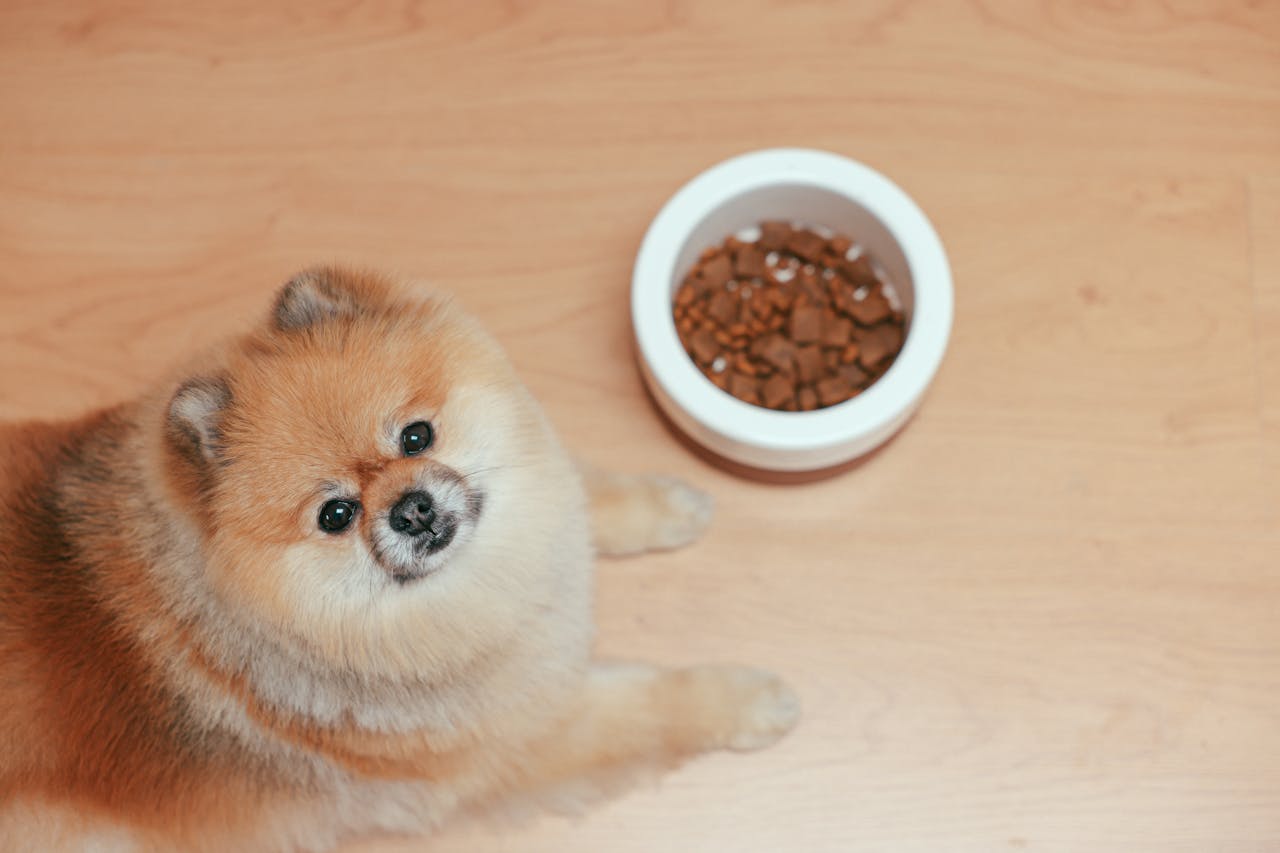
Pets do not need constant direct training to learn patterns; much of it comes from watching. Research on rare gifted word-learner dogs suggests some can acquire object labels even by overhearing human conversation, a reminder that attention alone can be instructive. Day to day, that same observational learning shows up in smaller, steadier ways: a dog waits by the leash when one specific pair of shoes appears, or a cat trots to the kitchen when chopping starts, because the body has seen the sequence a hundred times and expects the ending, so routine becomes a shortcut to certainty, and certainty feels good to them.