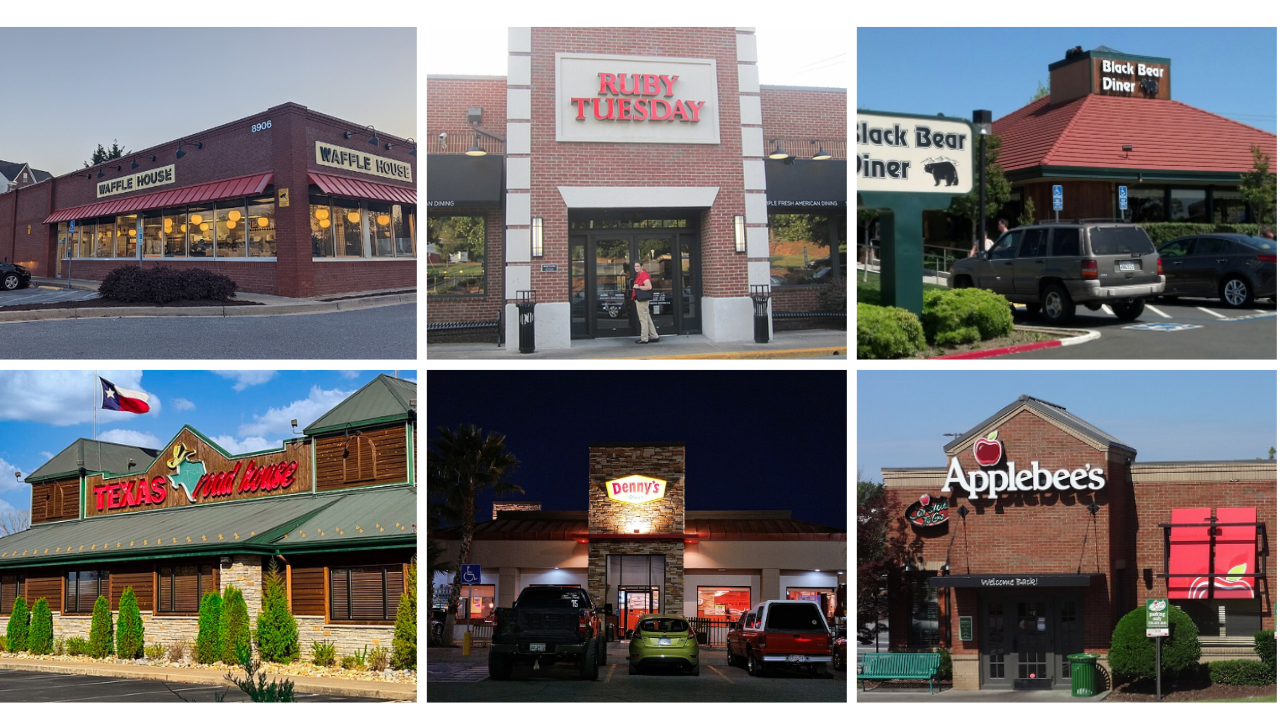
Steak carries a special emotional weight in American dining, where celebration, comfort, and value often meet on one plate. In the provided reporting, self-identified current and former workers across major chains described a recurring back-of-house pattern: frozen beef, thaw-first prep, and uneven plate results from shift to shift. The concern is not that freezing exists, but that menu language and diner expectations can drift apart. When texture, moisture, and doneness vary, trust thins, and a meal meant to feel dependable can land as oddly inconsistent. That gap is where much of the frustration begins. for many guests.
IHOP
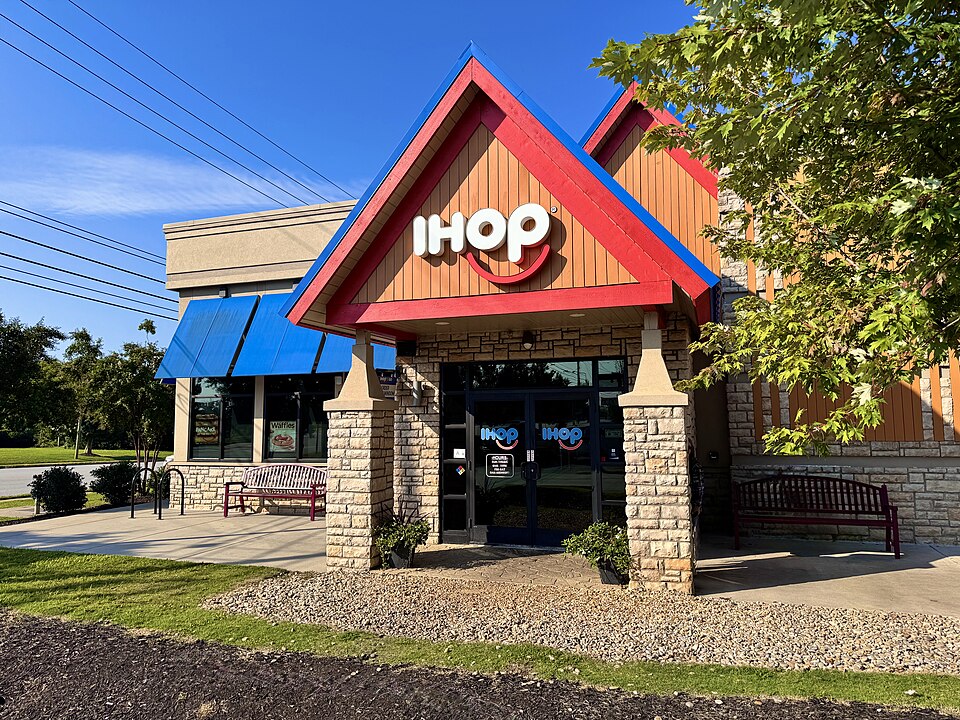
At IHOP, former staff posts in the reference text described steaks arriving in large frozen cases, then thawing in coolers before service. One self-identified ex-manager on Quora said frozen delivery applied broadly to the meat program, and linked frequent complaints to the T-bone.
That account fits the chain’s breakfast-heavy model, where steak is a side lane rather than the core engine. With lower steak volume, frozen inventory can reduce waste and simplify ordering, but diners may still notice texture swings between visits. When expectations are set by menu photos, even modest variation can feel larger at the table.
Applebee’s
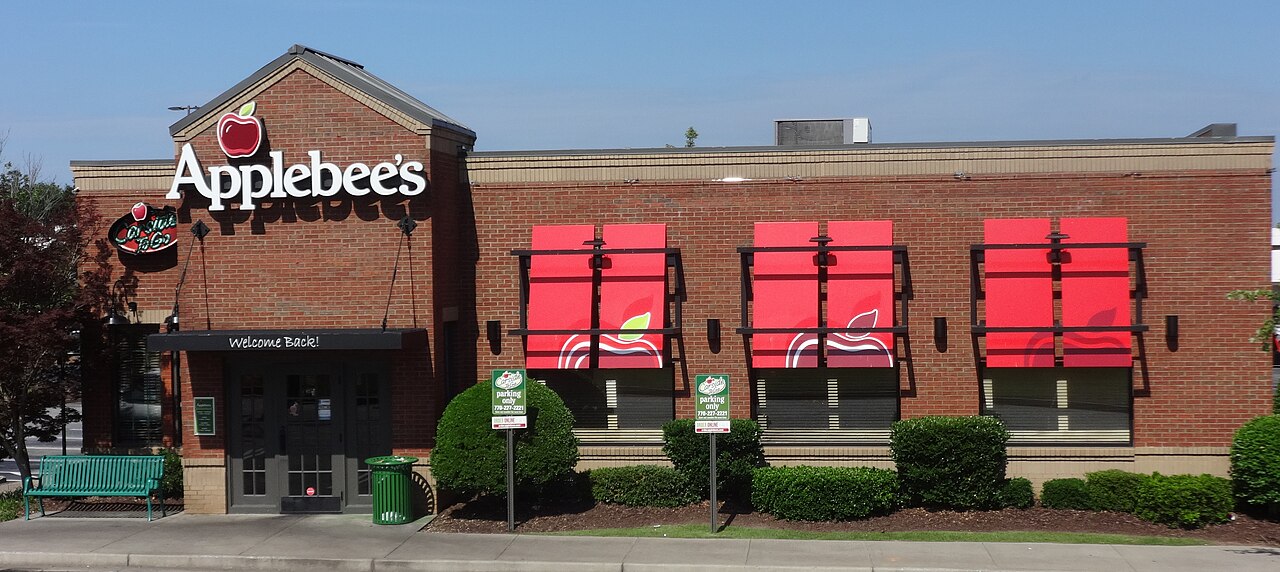
Applebee’s has marketed steaks as hand-cut and grilled to order, yet a self-identified former kitchen manager in the provided material claimed loins often arrived frozen first, then were thawed and portioned by staff. That distinction matters because hand-cut can still describe in-store labor without confirming fresh intake.
The same source text notes that never-frozen burger language appeared to fade from some Applebee’s materials by Jan. 2026, which fueled online suspicion about sourcing pressure. None of that proves every cut is frozen everywhere, but it explains why diners report uneven bite, moisture, and sear across visits.
Ruby Tuesday
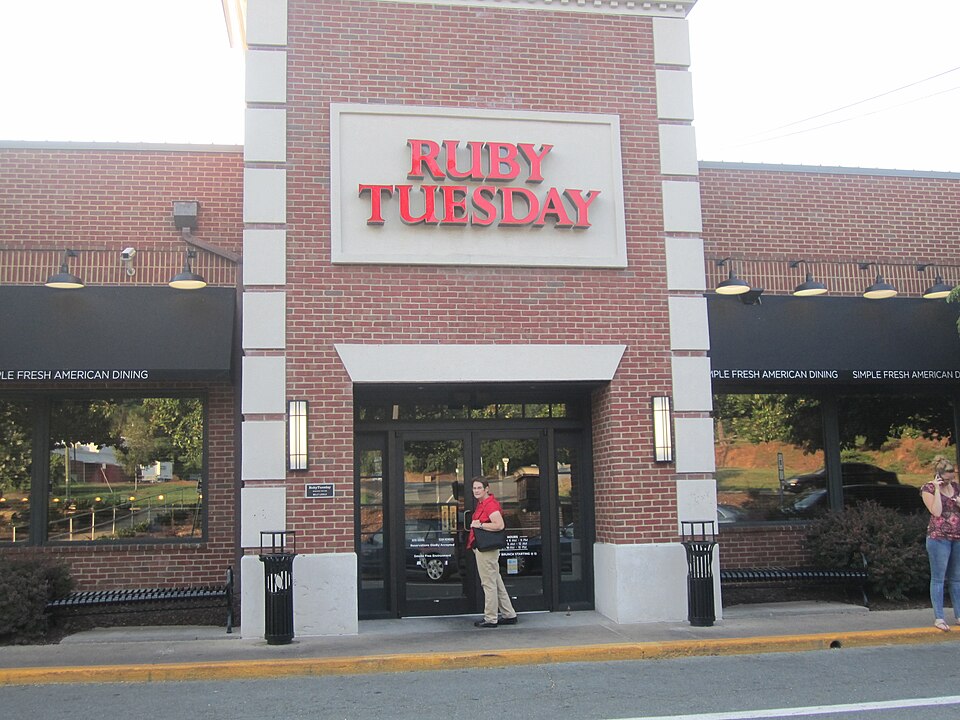
Ruby Tuesday drew scrutiny during the pandemic when rewards emails reportedly offered bulk cases of frozen sirloins for sale, exposing price math that looked far below menu steak pricing. In the same reference trail, former-worker comments on social platforms claimed frozen handling was routine and speed-prep methods shaped final texture.
Those claims remain anecdotal, but the pattern is familiar in large chains balancing labor, shelf life, and purchasing costs. When value engineering takes priority, steaks can arrive uniform in size yet less uniform on the plate, especially if thaw timing and grill execution vary by shift.
Cracker Barrel
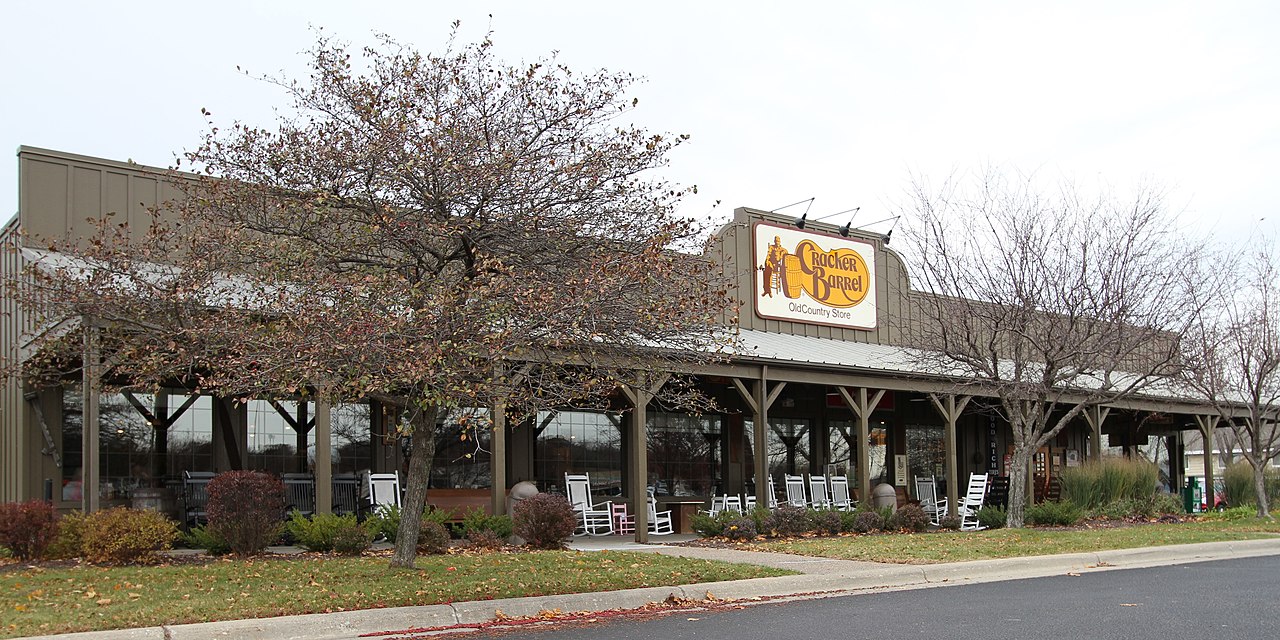
For Cracker Barrel, online comments cited in the reference text suggested frozen meat use has existed for years, with later employee complaints framing the issue as part of a broader move toward prepped, trucked-in food after leadership changes in 2023. That shift became a flashpoint because the brand’s identity was built on home-style expectations.
When a legacy comfort chain changes production rhythm, guests notice quickly. A steak plate can still look familiar, but perceived freshness and tenderness may feel different if holding times, reheating practices, or standardized prep steps replace older kitchen routines.
Waffle House
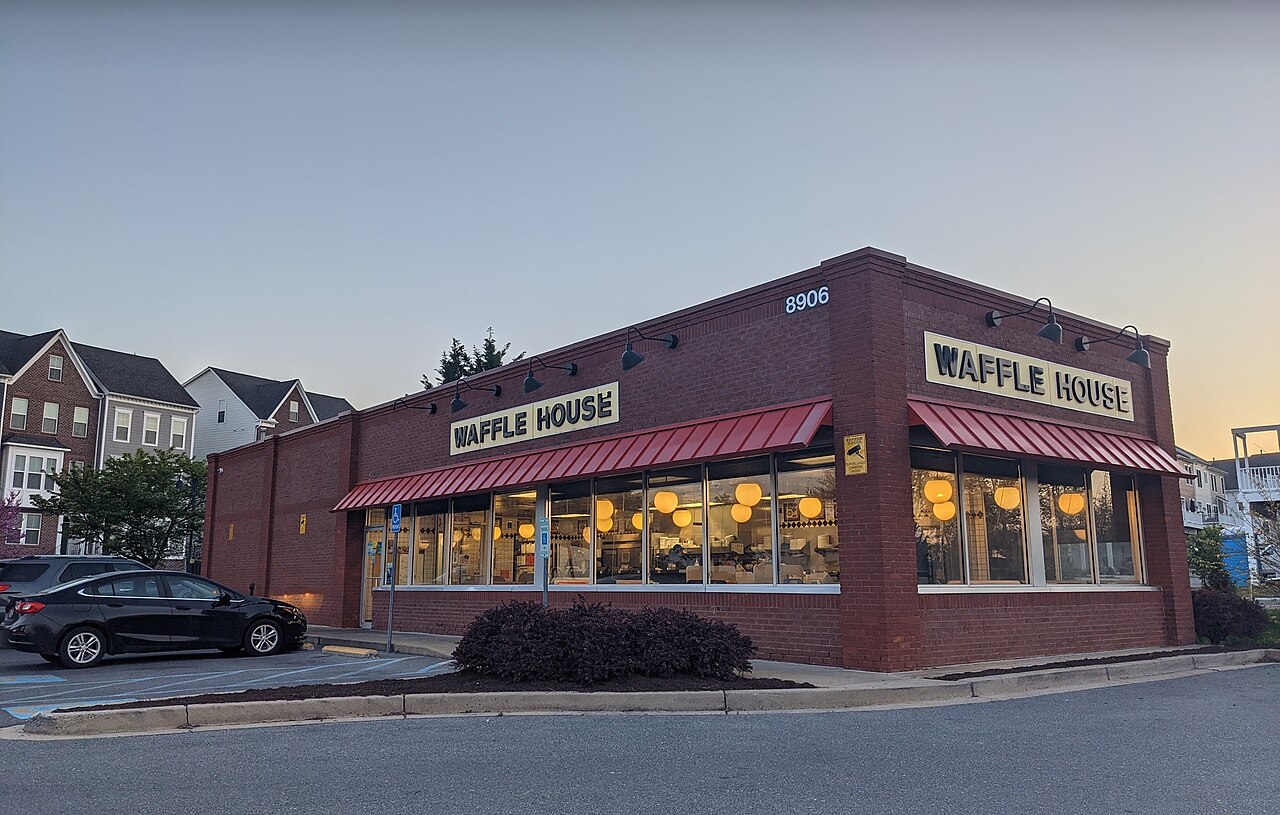
Waffle House promotes heavy steak volume and USDA Choice messaging, yet self-identified former and long-tenure employees in the provided material said steaks were managed in frozen condition for as long as possible before cooking. Given the chain’s diner format, that approach aligns with speed, storage control, and predictable purchasing.
The practical logic is clear: breakfast-led menus move eggs and hash browns faster than T-bones on most days. But practical does not always read premium to diners, and a steak that thaws unevenly can swing from surprisingly good to noticeably tight, even under the same brand name. overall.
Texas Roadhouse
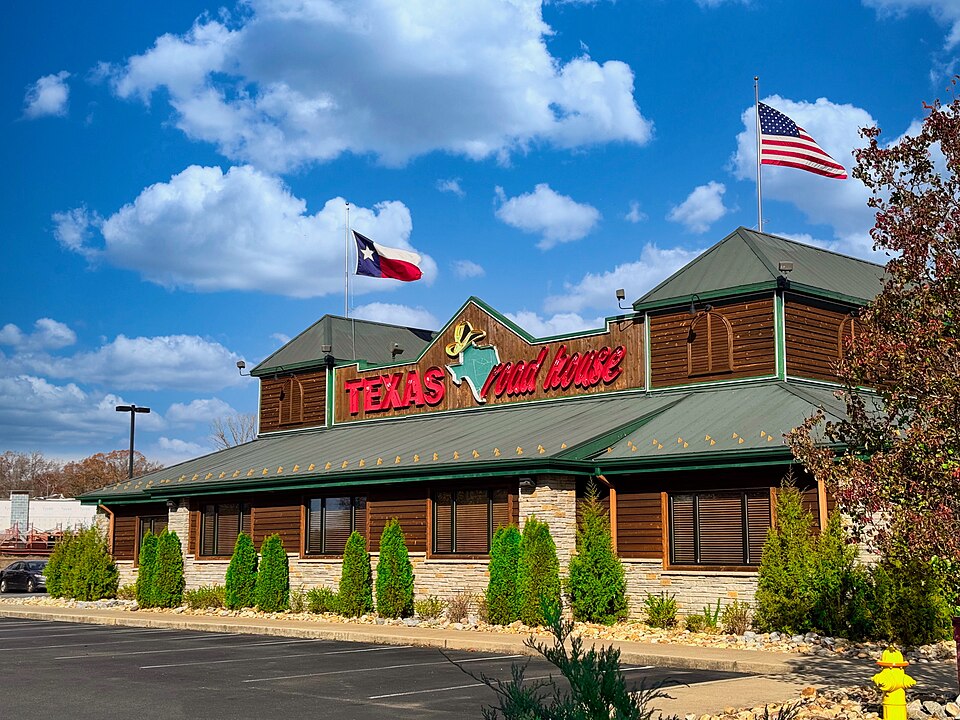
Texas Roadhouse is the outlier here because the chain emphasizes fresh, never-frozen steaks and showcases in-house cutting. Still, former-employee posts in the reference text claimed one exception: porterhouse T-bones shipped pre-cut and frozen, tied to equipment limits at some locations.
If accurate, that detail does not erase the brand’s larger fresh-beef program, but it shows how one specialty cut can follow a different supply path. For guests, the takeaway is straightforward: chain-wide promises may be mostly true while still containing specific operational exceptions. That nuance is easy to miss on a crowded dinner rush.
Denny’s
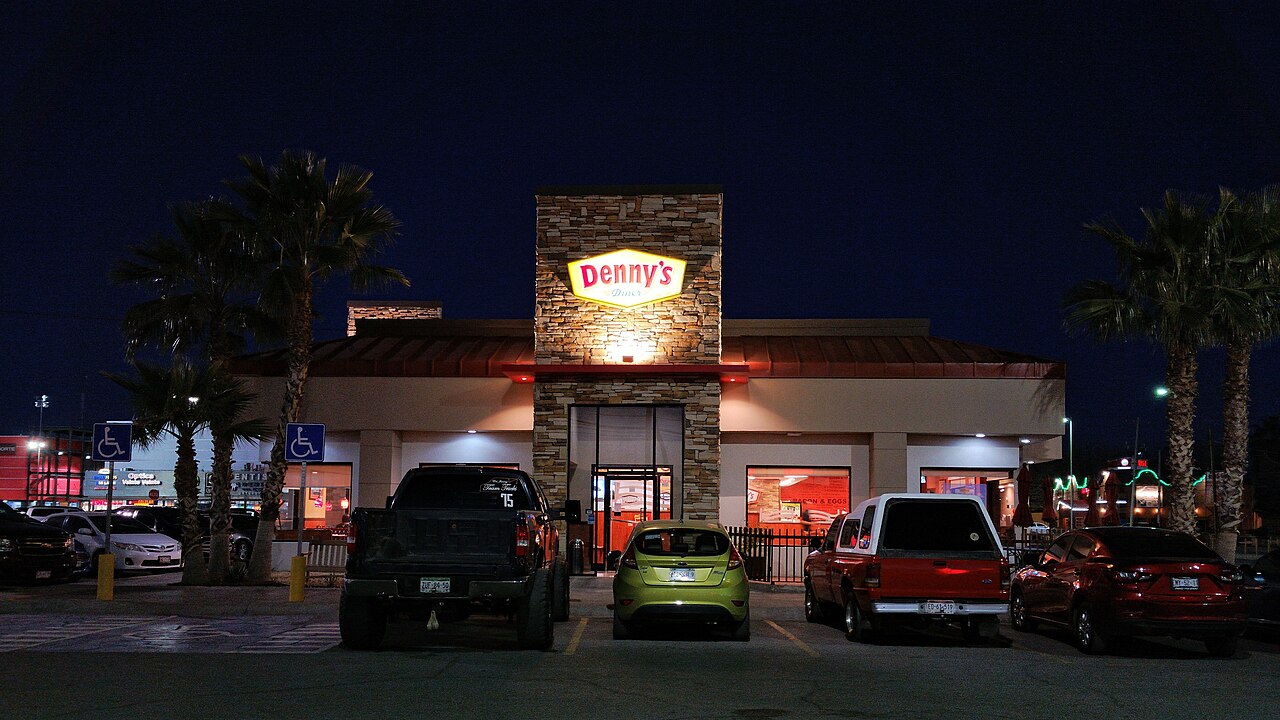
At Denny’s, former-worker accounts in the reference text described a freezer-first system across much of the menu, including steak and even some produce items. One customer review cited there also alleged a T-bone arrived still frozen at the center, the kind of miss that lingers in memory long after the meal.
For a value-focused chain with broad geographic reach, frozen inputs can stabilize cost and reduce prep complexity, especially when hiring pipelines include many first-time cooks. The tradeoff is that consistency depends heavily on thaw discipline and line execution, not simply on what appears in menu photography.
Black Bear Diner
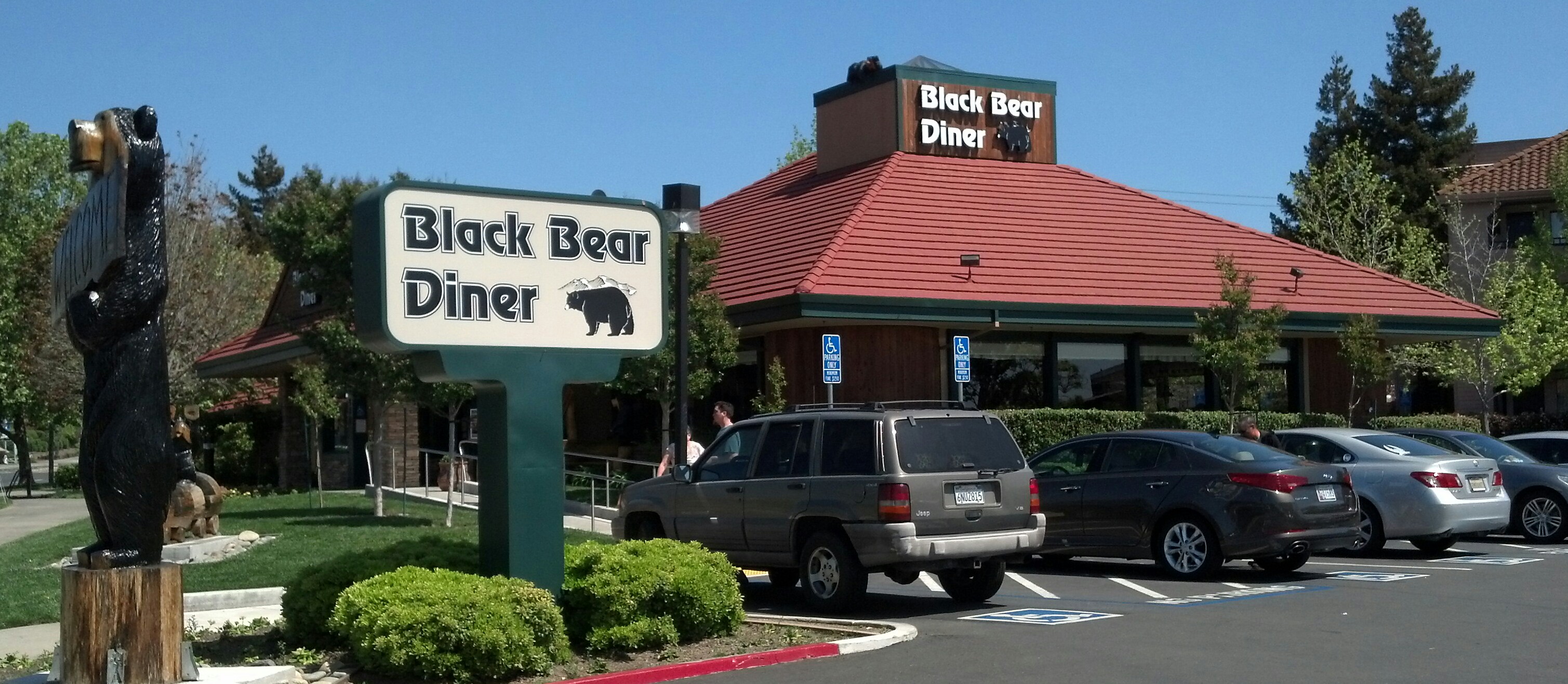
Black Bear Diner appears repeatedly in the provided reporting through former-employee and customer claims that steaks and many other items arrived frozen, prepackaged, or preprocessed. Some accounts said certain cuts were effectively precooked, limiting true doneness control despite what guests requested.
The brand cites named suppliers for at least one steak item, and supplier language around immediate post-cut freezing adds context to those diner experiences. When systems prioritize shelf life and throughput, diners may still enjoy the meal, but texture and personalization can feel less reliable from one visit to the next.