
A delivery text often arrives when attention is split, right between a meeting ping, a doorbell buzz, and a tracking number that was saved somewhere and forgotten.
Because carriers and retailers do send real updates, a fake alert only has to sound familiar, add a code, and create a small hurry toward a link.
Consumer agencies warn that these messages can route to lookalike pages asking for logins, address fixes, or tiny fees that open bigger doors. A calm check takes seconds: open the retailer order history or type the carrier domain, then search the tracking number there, not inside the text thread, even on hectic days.
Missed Delivery Address Fix
A text claims a delivery attempt failed because the address is incomplete, then adds a tracking-style code and a short deadline before return to sender. The wording often mimics a real carrier notice, down to the polite sign-off and all-caps urgency.
The link usually opens a lookalike page that asks to confirm name, address, and phone, then requests a small reprocessing fee. That tiny charge is the hook, because card entry and one-time codes can be reused. Often the sender is a random long number and the URL is shortened. A safer check is typing the carrier site or opening the retailer order page and matching the tracking history there.
Customs Duty Fee Text
A message says a parcel is stuck in customs and a small duty payment is required to clear it, framed as a processing fee with a timer and a warning about storage. The amount is often low enough to feel harmless, around holidays.
Couriers do collect duties, but scam texts push payment through a link that imitates a carrier checkout and asks for full card details or an account sign-in. The web address may be a near-miss domain with one swapped letter, and the sender stays vague about the retailer. Legit charges show up in a verified account, an invoice, or the retailer receipt tied to the tracking number, not a surprise text checkout.
Pay to Reschedule Redelivery

The text claims the driver missed the drop-off and offers a new delivery window, but only after a small redelivery charge is paid to reactivate the shipment. It may include a map pin, a route number, and a thank-you.
Real rescheduling tools live inside official carrier sites and apps, and fees for a second attempt are uncommon. Fake pages often mirror tracking, then pivot into card entry and phone verification that does not match normal workflow. Some messages also ask for a quick reply like YES to reserve a slot. A safer check is typing the carrier domain and entering the tracking number to confirm the attempt, time stamp, and options.
Warehouse Hold Appointment Link

A notice says the package is being held at a local warehouse and asks to choose an appointment window, complete with business hours, a case number, and a warning about limited storage. The tone can sound official.
The scheduling link often leads to a lookalike portal that requests a login, a phone code, or a card on file to verify pickup. That verification step is the trap. Often the text never names a real address, only “nearest depot.” Real holds can be confirmed by entering the tracking number in the carrier app or on a typed-in website, where the pickup address, hours, and ID rules match a known location and the order history.
Delivered Photo View Button
A text announces a package was delivered and includes a link to view the delivery photo, timed to arrive when orders are expected and porch anxiety is high. The message may even mention a precise minute and a doorstep location.
The link can open a page with familiar logos and a big View Photo button, then switch to a sign-in prompt or a request for a one-time code to confirm identity. Real photos, when offered, live inside the carrier tracking page or the retailer account under the correct domain. If the order history shows no delivery scan, the photo text is acting like a shortcut to nowhere, built to harvest details fast.
Update Delivery Preferences Prompt
The message says delivery preferences must be updated before the parcel can move, offering a link to redirect, hold, or add drop-off instructions under an action required line. It feels routine, and that is the point.
Preference bait works because carriers do offer those tools, but the scam link usually lands on a fake sign-in page that asks for passwords, full contact details, and sometimes a small verification charge. Legit changes happen after signing into a known carrier account through a typed-in site or official app. If the same prompt is missing from the real account dashboard, the text is performing theater, not service.
ZIP Code Correction Warning
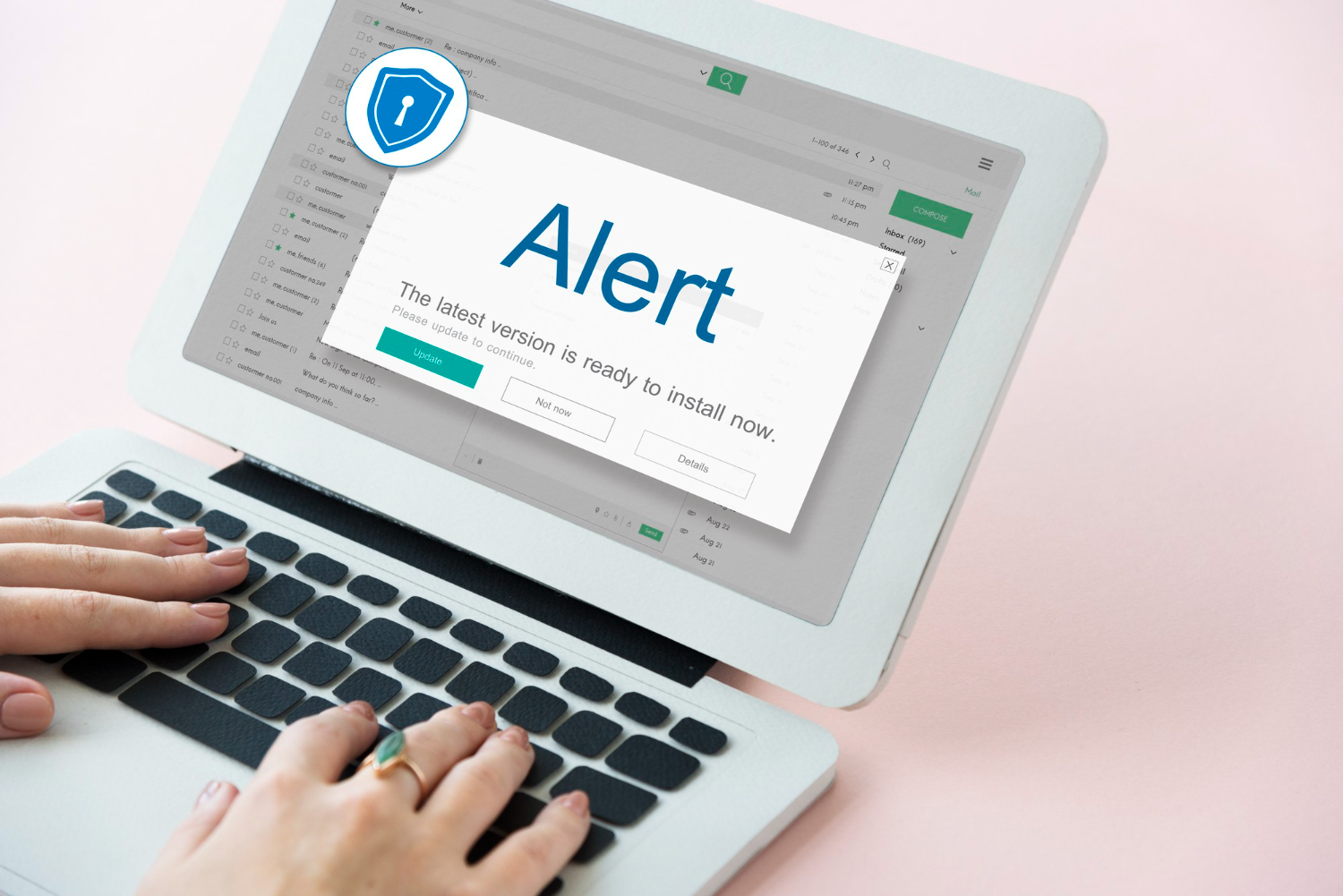
A text claims the ZIP Code does not match the street address and warns the parcel will be returned unless the ZIP is corrected immediately. It often includes an address-validation link and a tracking reference.
The pressure is the trick, because the form captures address, email, and card details under the guise of fixing a common typo. Some pages add a verification charge to make the fix feel official. The shipping address is already visible in the retailer receipt and in carrier tracking when the number is entered directly. If a correction truly exists, it will appear there, without payment fields and without a link that hides its domain.
Locker Pickup QR Code

A notice promises secure pickup and includes a QR code link to scan at a locker or show to a driver, framed as a safety step after a missed delivery. It may name a pickup window and a vague nearby location, plus an expires soon warning.
QR codes hide web addresses, so the page behind them can be a phishing form asking for logins, phone verification, or payment to unlock a code. Legit locker codes are usually stored in the retailer app or a verified carrier account, tied to an order ID, a specific locker provider, and a location that matches the receipt. If the code exists only in a text, the code is not the priority, the link is.
Electronic Signature Release Form
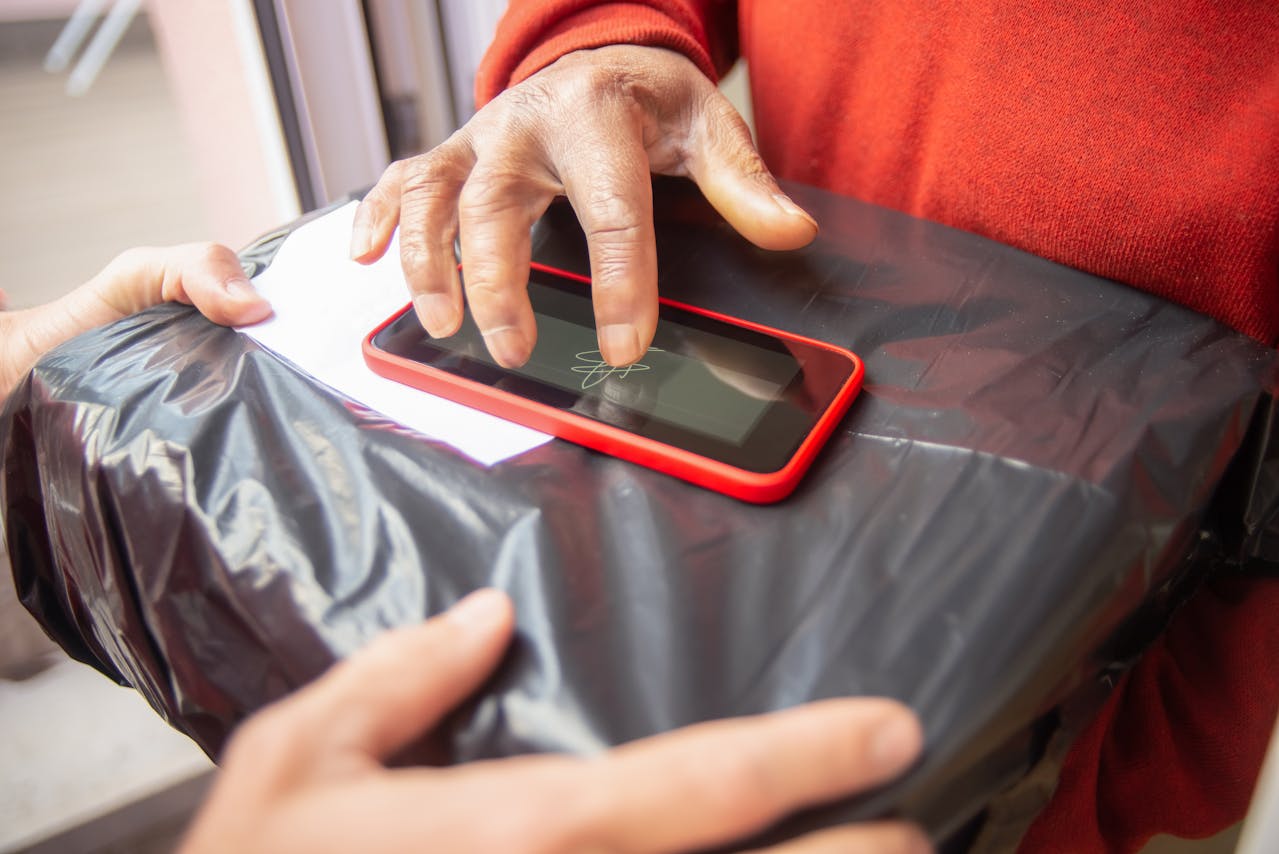
The text says a signature is required and offers an electronic release form so the driver can leave the package, often paired with a route number and a deadline before the next attempt. It frames the form as convenience.
That convenience can be a credential grab. The page may ask for passwords, personal details, or a card to verify, even though signature release should not require payment. Real options sit inside official carrier tools after an account sign-in and match the tracking history. If the link arrives from an unknown number and asks for banking details or one-time codes, it is not solving delivery, it is collecting access.
Delay Compensation Refund

A message offers compensation for a delivery delay and promises an instant refund, then asks for card details or bank information to confirm identity. It often uses cheerful language and a claim number to feel legitimate.
Refunds rarely need new financial details, yet the page asks for them anyway, sometimes alongside one-time codes that can unlock other accounts. Legit refunds run through the original payment path and appear in retailer order history, not through a new link. If compensation is real, it will be visible in the seller account or a typed-in claim portal with clear terms, time stamps, and receipts, not a surprise deposit form.
Restricted Item Verification Hold
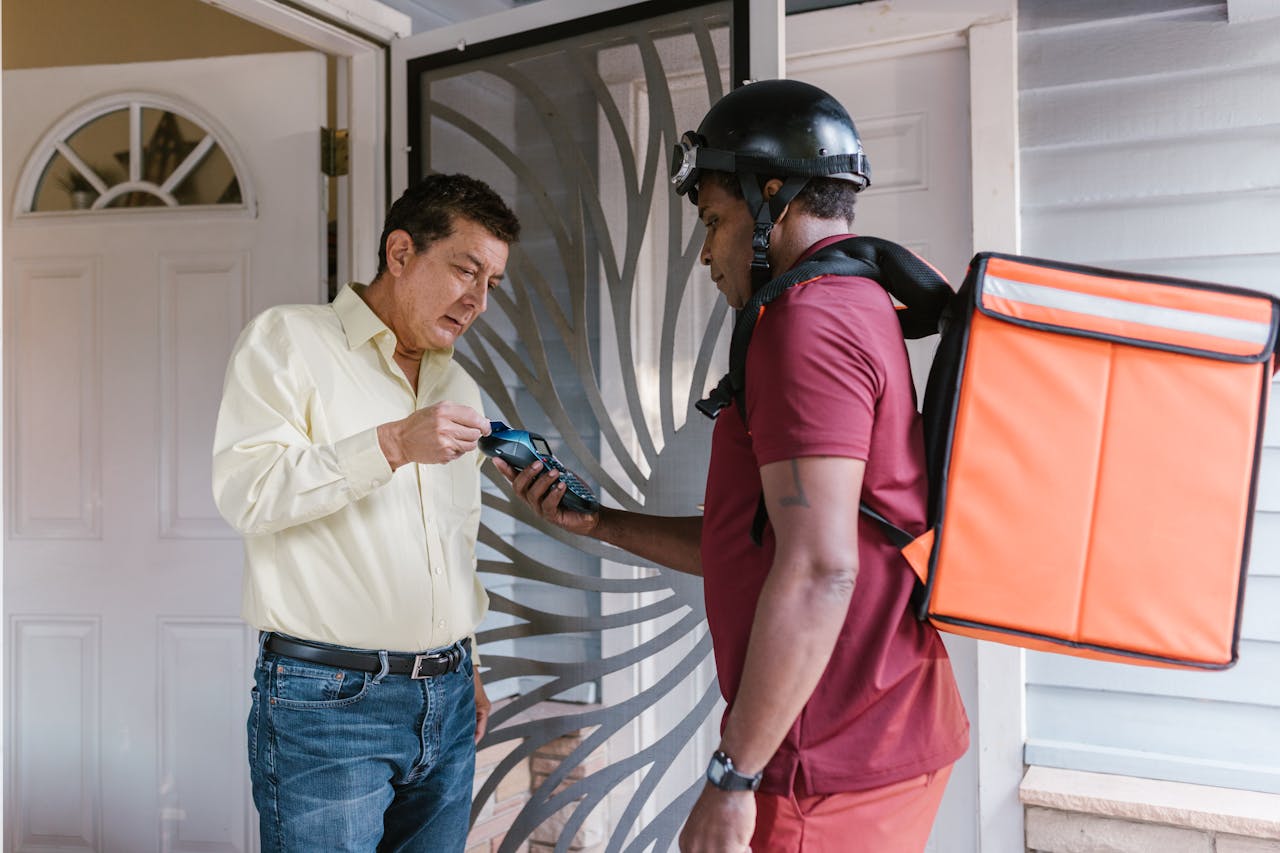
The text claims a parcel was flagged for restricted contents and demands identity verification to avoid disposal or penalties, using formal language and a case reference. The goal is to spike worry.
Fake portals then ask for documents, personal details, and sometimes a payment to clear the hold before any verified support contact appears. Real compliance questions are handled through official channels reached from known websites and published numbers, and they match a tracking record. If the only evidence is a text link and a threat, the safer move is to verify the order history, then contact the carrier through its site, not the message.
Driver Route Change Reroute Fee
A delivery update says the driver route changed due to weather or congestion and requests a location confirmation, sometimes adding a small reroute fee to keep same-day delivery. It tries to sound like standard logistics.
Status updates are normal, but paying by text to keep a package moving is not. Scam links often use shortened URLs or domains that look right until the end, and the sender may be a long number. The clean check is entering the tracking number on the carrier site, then comparing that status with the retailer order page. When those records show no fee and no exception, the text is manufacturing urgency and charging for it.
Tracking Alerts Subscription Expired

The message claims tracking alerts are paused because a notification subscription expired, then offers a low monthly fee to restore updates and delivery confirmation. It frames the charge as a minor convenience.
Major carriers do not require a paid subscription to view tracking, and that small price is designed to feel forgettable while collecting card details. Some pages also push account creation on the spot. Real tracking remains available through the retailer order screen and the carrier’s official tools without payment. If a renewal prompt arrives by SMS, the safest response is deleting it and checking the order history directly.
Missed Delivery Call-Back Link

A text says a driver tried to call but could not reach the recipient, then asks for a reply with a time window or a tap to schedule a call-back. It adds a ticket number to feel structured.
Replying confirms the number is active, and the link can lead to a fake support page that collects logins or payment details under the promise of help. Some texts also hint at a small reconnect fee. Legit carrier call-backs, when offered, are started inside the official app or website after verifying the tracking number there. If the account shows no missed-call note, the text is inventing a problem so the link can sell a solution again.