
Streaming services and their shifting rules have quietly reshaped how people connect, consume, and split costs. What often feels like harmless sharing can conflict with buried policy language, licensing contracts, or security expectations. This gallery maps out the subtle ways streaming habits drift into violation territory, showing where convenience meets terms people rarely read. It highlights how these rules materialize in daily behavior, the pressures behind enforcement, and the choices that help households stay out of trouble while keeping entertainment easy.
Sharing Outside The Household

Account sharing across different residences remains one of the most common ways subscribers drift into violations without meaning to. Services license content for one household, and when credentials travel to friends or distant relatives, systems often detect mismatched locations, device histories, or usage spikes. Providers respond with warnings, forced sign-outs, or restricted playback, especially when patterns persist. While rare, intentional multi-household sharing can escalate into account termination or civil disputes tied to contract terms. It also increases confusion when billing issues require verification across mismatched users.
Reselling Access Or Credentials
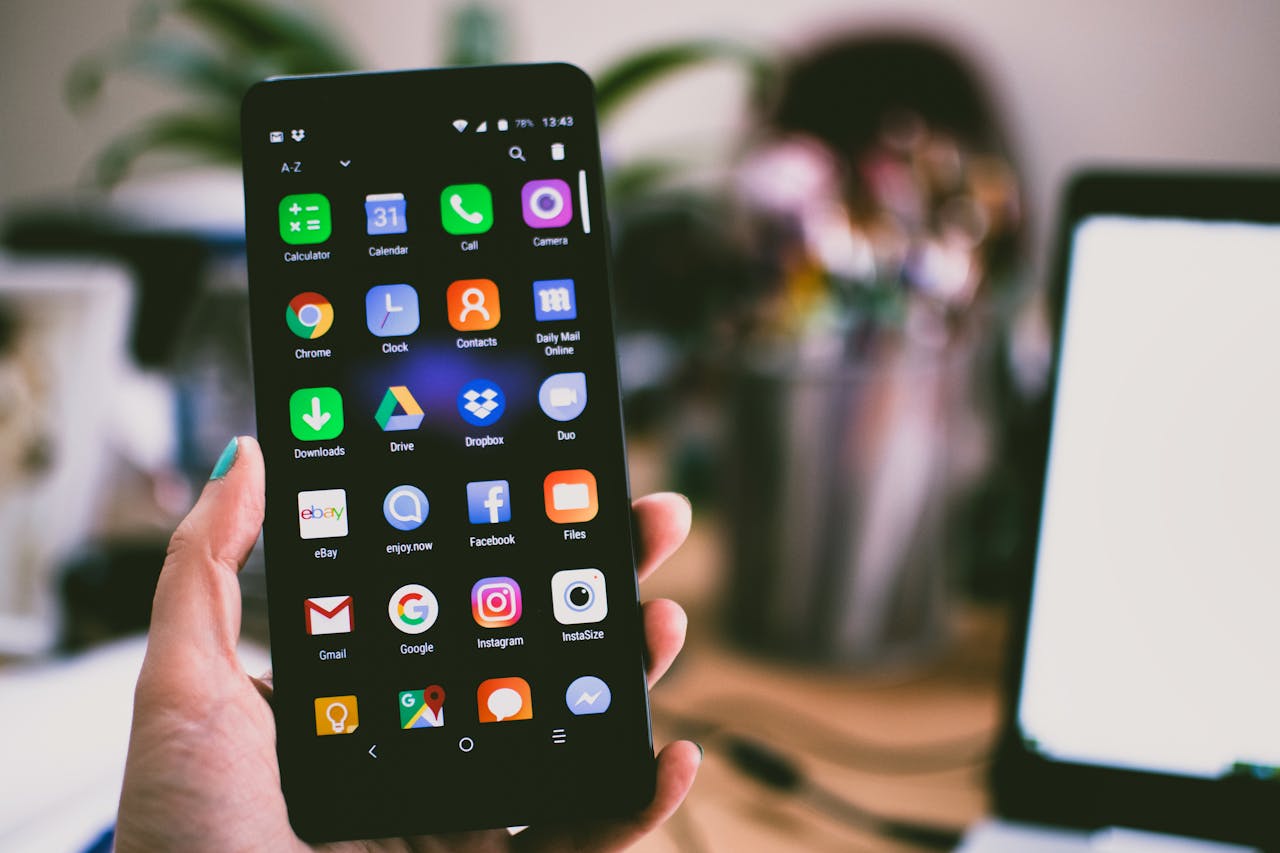
Reselling logins or shared access passes turns a personal subscription into a commercial product, which breaches nearly every major platform’s licensing rules. When people charge acquaintances or market shared logins online, providers view it as unauthorized distribution that undermines revenue models and discounts legitimate tier structures. This often triggers immediate lockouts, takedown actions, or legal notices, especially if the activity causes measurable financial impact. Some cases escalate when resellers advertise bulk access, which can blur into fraud. Even informal arrangements create headaches when disputes arise over billing, lost access, or unwanted device activity.
Using VPNs To Spoof Locations
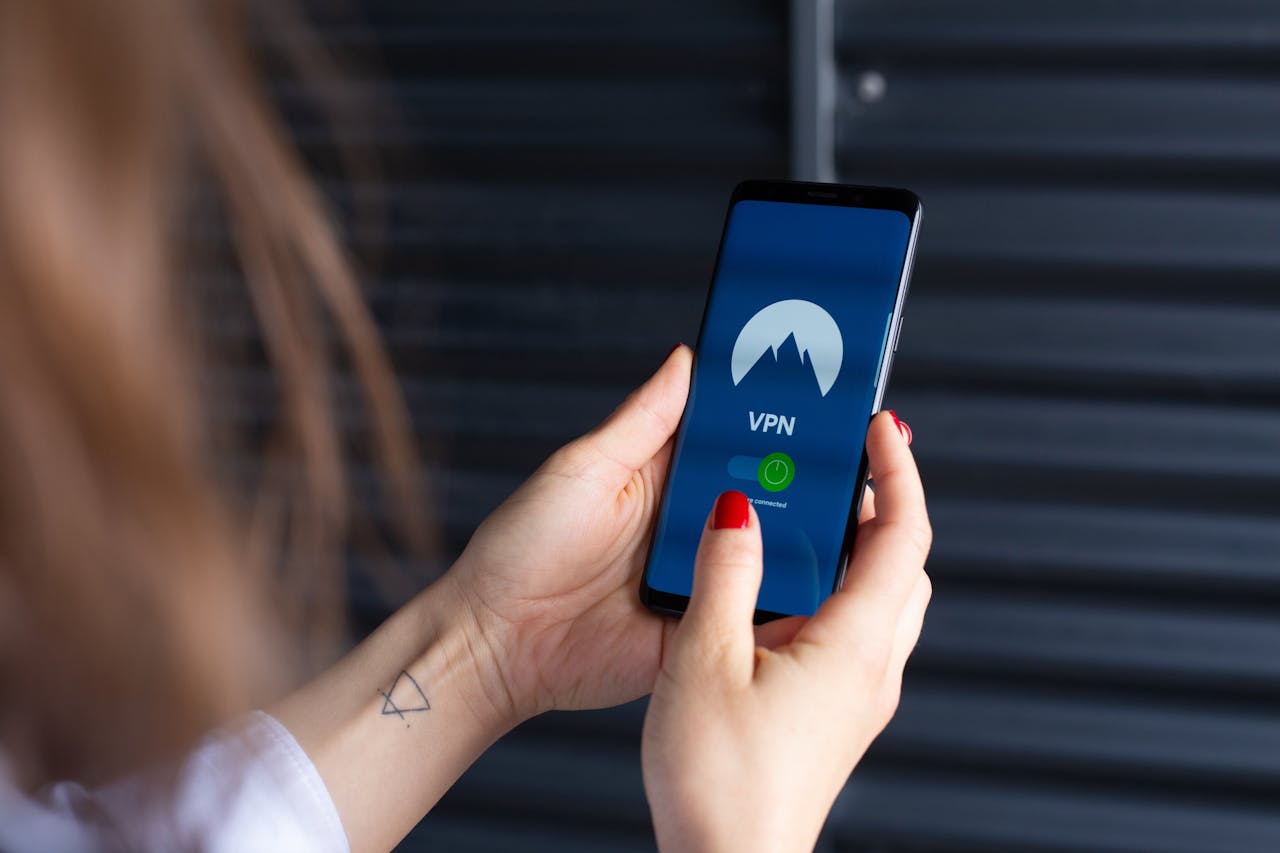
Using VPNs to mimic being in a different region touches a sensitive legal and contractual area tied to distribution rights. Many platforms license catalogs by territory, and VPN masking sidesteps those boundaries. While VPNs are legal tools, using them specifically to access unavailable libraries often violates terms and triggers detection systems that block common endpoints. Some services impose temporary suspensions or device reauthorizations when repeated circumvention appears. In rare cases, countries treat bypassing territorial controls as civil infringement. Subscribers often discover problems only when playback fails or authentication loops repeatedly force resets.
Account Takeovers And Credential Stuffing

Account takeovers usually stem from reused passwords or breach data circulating online, and platforms consider account holders responsible for basic security obligations. When attackers gain access, they often change profiles, resell logins, or use stored payment methods, turning a simple breach into a contract violation tied to unauthorized use. Providers can restore control after verification, but recovery may involve waiting through fraud checks or demonstrating identity. Some incidents lead to forced password resets across every associated device, causing temporary lockouts for legitimate households. Severe fraud involving payment misuse can be referred to law enforcement or banking investigators.
Multiple Concurrent Streams Limits

Streaming tiers often cap how many devices can play content at the same time, and exceeding that limit pushes accounts into violation territory even if everyone involved is part of an extended household. Systems track simultaneous sessions and flag patterns that look like account lending across addresses. Exceeding caps produces instant playback errors, forced logouts, or nudges toward higher-priced plans. Some families strain limits during travel or when sharing with adult children living elsewhere, triggering automated restrictions that feel abrupt and confusing. Repeated conflicts with limits can result in account review or a narrowed range of usable features.
Commercial Use And Public Performance

Streaming personal subscriptions in public spaces like cafes, gyms, or retail stores crosses into public performance territory, which is explicitly prohibited in most agreements. Personal licenses only cover private home viewing, and once a business plays content for customers, copyright rules apply. Rights holders often act when businesses stream shows as entertainment or ambient media without proper licensing. Consequences can include fines, legal notices, or demands to secure commercial rights. Many small businesses unintentionally violate these rules while trying to create atmosphere, only realizing the issue when flagged by automated detection or distributor outreach.
Circumventing Geoblocks And Licenses

Using proxy tools or borrowed accounts to unlock foreign catalogs undermines the territorial licensing that studios rely on for structured distribution. While individuals see it as a harmless workaround, studios treat geographic controls as core contractual protections. Platforms block suspicious traffic, reset location checks, and may suspend accounts tied to repeated circumvention. Some regions impose civil penalties for breaching digital access controls, turning what feels like simple curiosity into legal exposure. Conflicts arise most often when users attempt to access sports broadcasts or new releases locked to particular markets, prompting stricter enforcement and rapid logouts.
Family Plans: Rules And Misunderstandings

Family plans sound generous but often contain quiet restrictions tied to shared addresses, device registration, or verification cycles. Confusion grows when adult children move out, relatives join temporarily, or separated partners still share billing. A plan that once felt convenient becomes strained when location checks require periodic confirmation that everyone still resides together. Services may freeze profiles or trigger identity prompts if usage patterns diverge. Most disputes stem from unclear expectations rather than deliberate misuse, yet the outcomes still involve lost access, forced upgrades, or reauthentication loops that frustrate everyone involved.
Third-Party Apps And Browser Extensions

Modified apps, ad-blocking extensions, or download tools that bypass subscription features introduce both security risks and contract violations. These tools often require full access to account data, and many inject unverified code that compromises privacy while altering how platforms function. Providers monitor suspicious clients and terminate accounts tied to unauthorized software, issuing legal notices to developers who mimic paid features. Users often discover issues only after sudden logouts or unexplained device bans. Recovery may require audits of every device linked to the account, making cleanup slow and stressful.