
The checkout line has become a quiet map of generational change. Millennials are not only spending less on routine purchases, they are re-sorting what deserves a recurring bill at all. Rising costs matter, but so do health priorities, digital convenience, and a preference for flexibility over long commitments. Industries built on autopilot buying now face a tougher reality: fewer default purchases, more comparison, and weaker loyalty. What looks like simple household cutbacks is often a deeper rewrite of everyday value, and that rewrite is already reshaping revenue models. The shift is quiet, steady, and hard to reverse.
Cable TV Bundles Lose Their Automatic Place
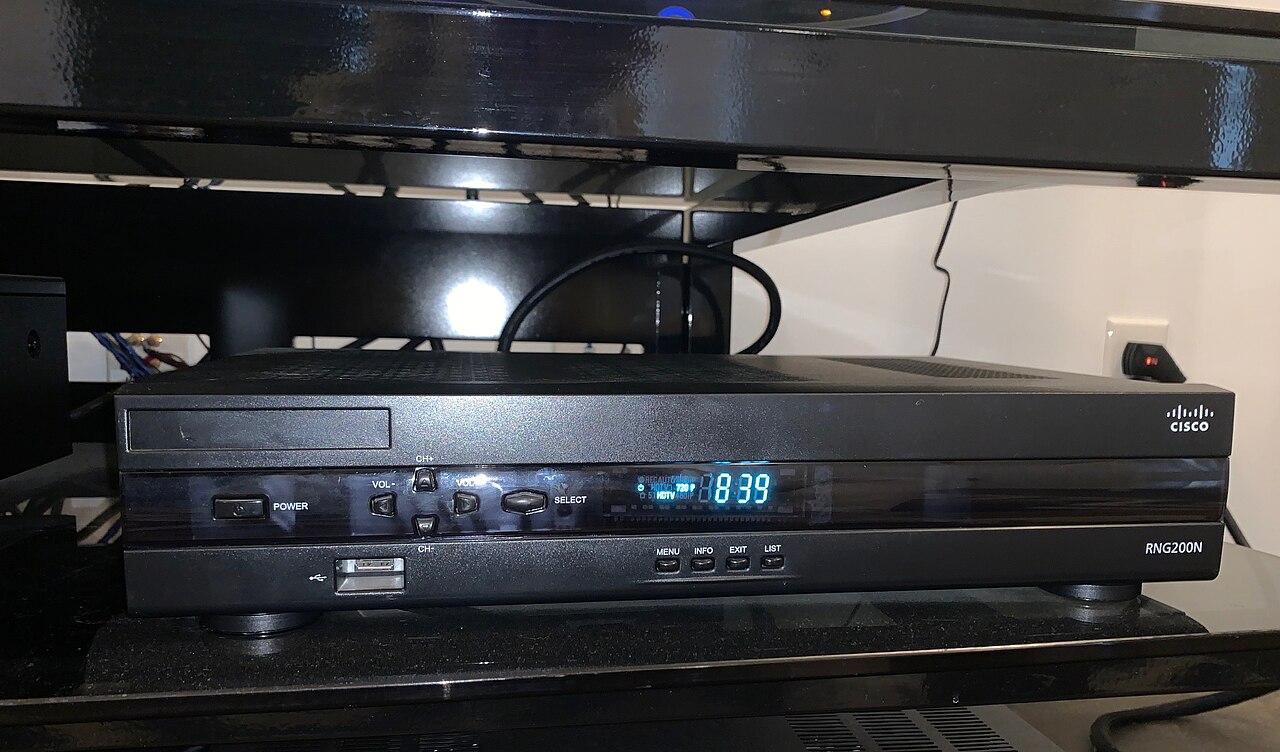
For years, the cable bill was background noise in monthly budgets. Millennials now treat it as optional, not essential, and legacy TV economics are feeling it. Nielsen reported streaming at 44.8% of U.S. TV usage in May 2025, edging past broadcast and cable combined at 44.2%. The same report notes streaming usage is up 71% since May 2021, a rapid structural swing nationwide.
Leichtman Research adds the cost: top pay-TV providers lost about five million subscribers in 2023, leaving major operators well below their 2018 base. When a generation stops defaulting to bundles, ad models, carriage fees, and channel economics all tighten.
Landlines Keep Fading Out of Millennial Households

A home phone once signaled adulthood. Now it often signals dead weight. CDC data for late 2024 found 78.0% of U.S. adults were wireless-only, with even higher rates in core millennial bands: 88.9% for ages 25-29, 88.1% for 30-34, and 88.3% for 35-44. In other words, the norm for these households is mobile-first by default, not by exception in most markets.
The old landline bundle depended on habit and inertia. Millennials brought neither. As wireless-only living became normal, traditional voice lines lost pricing power, hardware relevance, and the cross-sell advantage they once held inside broader phone-and-TV packages.
Cigarette Packs No Longer Feel Like a Default Purchase

Smoking once sat inside routine spending in every neighborhood. That routine has fractured, especially among younger adults who came of age with stricter public health messaging. CDC reporting shows cigarette smoking among U.S. adults fell from 42.4% in 1965 to 11.6% in 2022, one of the steepest long-run pullbacks in any mass consumer habit.
That decline does not only change health outcomes. It also reshapes convenience-store economics, tobacco logistics, and promotional strategy. When a major habit exits the weekly cart, the industry built on repeat volume must chase growth through very different products and channels.
Alcohol Spending Is More Selective Than It Used To Be

Millennial drinking patterns are becoming less automatic and more conditional. Gallup found overall U.S. drinking fell to 54% in 2025, down from 62% in 2023, while young adults dropped from 59% to 50% in the same window. The script is shifting from constant consumption toward deliberate occasions, shaped by health concerns and tighter budgets.
For alcohol producers and distributors, pressure shows up in forecasting and product mix. Categories built on predictable repeat purchases now face softer baseline demand and fragmented preferences. Even when spending happens, it is often less about volume and more about specific moments.
New Cars Are Getting Delayed, And Service Shops Feel It Differently
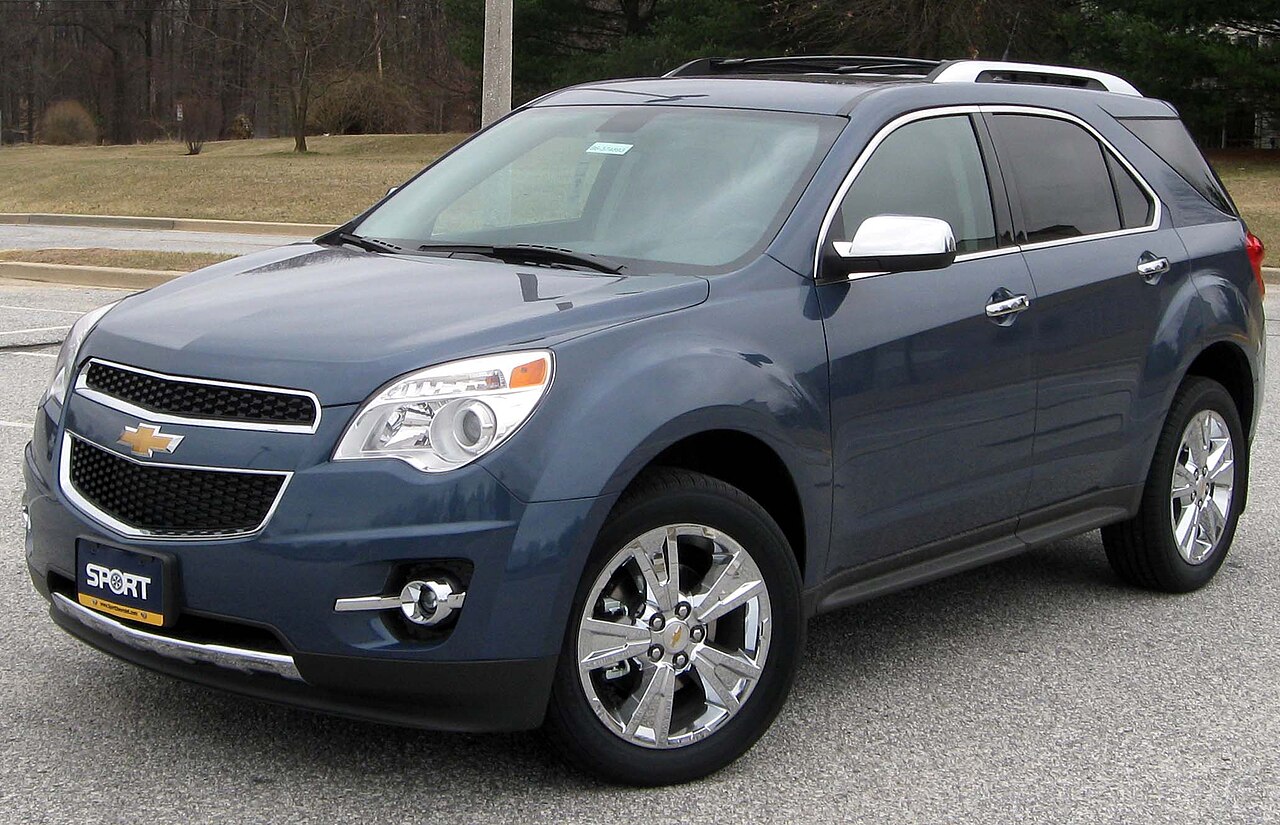
A new car once marked early middle-age progress. For many millennials, high prices and financing strain have pushed that purchase later. S&P Global Mobility says the average age of U.S. vehicles reached 12.8 years in 2025, while Kelley Blue Book put the average new-vehicle transaction price at $50,326 in Dec. 2025. The affordability gap keeps widening.
Money is shifting away from showrooms and toward maintenance, repairs, and parts. Automakers and dealers still move inventory, but the easy replacement cycle is weaker than before. When households stretch ownership timelines, businesses built to keep older cars running gain ground.
First Homes Are Arriving Later, So Move-In Spending Slows Too

The first-home milestone once triggered a wave of buying: furniture, kitchen basics, appliances, and decor purchased in quick succession. That trigger is firing later. The National Association of REALTORS reported first-time buyers at a record-low 21% in 2025, and the typical first-time buyer age rose to 40, another all-time high.
When entry into ownership slows, industries tied to move-in momentum lose a reliable demand pulse. The effect is not always dramatic in one quarter, but it compounds over time. Fewer early household formations mean fewer high-intent shopping bursts across home-focused retail categories and services.
Full-Price Fashion Is Losing Ground To Resale Habits

Millennials did not invent thrifting, but they helped normalize it as a mainstream strategy rather than a backup plan. ThredUp and GlobalData project the U.S. secondhand apparel market will reach $74 billion by 2029, with online resale expected to hit $40 billion. In that model, value and variety often beat pressure to buy new at full ticket.
For traditional apparel retail, the hit is less about one weak season and more about a changed default. If shoppers check resale first, full-price channels lose both margin and urgency. Brands can still win, but they need tighter pricing and less reliance on impulse buying at standard racks.
Print Newsstand Habits Keep Drifting Toward Digital

The daily paper was once a small, steady household purchase. Among millennials, that routine has largely moved to phones, feeds, and subscriptions that feel more flexible than print. Northwestern’s 2025 State of Local News report says nearly 40% of U.S. local newspapers have vanished since 2005, with more than 130 shutting down in the last year.
That erosion hurts more than publishers. It hits printers, carriers, local ad ecosystems, and small businesses that depended on predictable community reach. When a generation stops treating print as an everyday buy, the broader local information economy contracts and is harder to rebuild.