
Across American offices, language once carried the sound of typebars, ringing desk phones, and folders sliding into metal drawers. Short phrases moved work through paper trails, switchboards, and hand-delivered approvals. As email, team chat, and cloud documents replaced those systems, many expressions quietly left daily speech. They did not fade because they were empty. They faded because the routines beneath them changed. What remains is a verbal archive of how businesses organized time, authority, and accountability before digital speed became the norm in everyday work. Those echoes still shape how teams describe work.
Send It Through Interoffice Mail
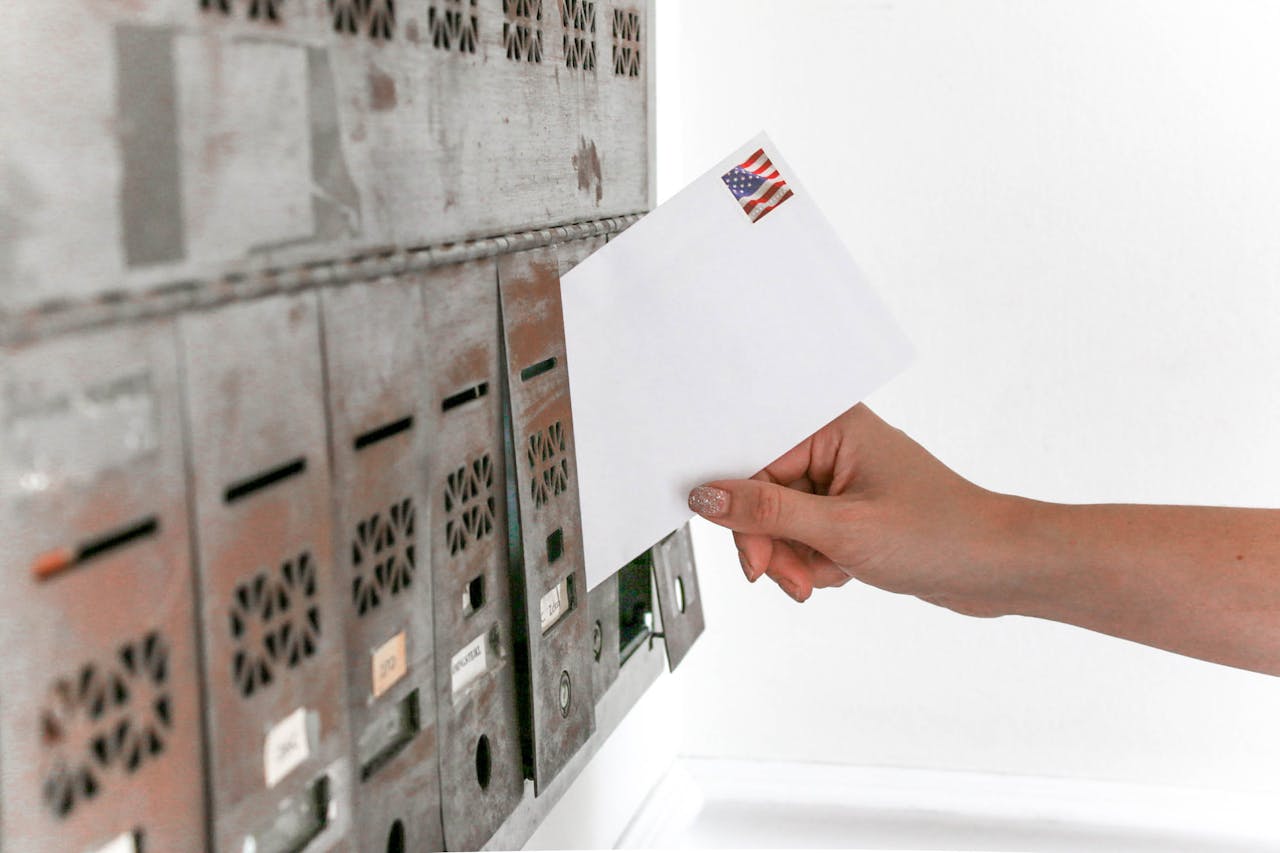
In large companies, this line once meant physical movement, not a casual suggestion. A memo was tucked into a reused envelope, marked by department, then routed through an internal mailroom before the next team could act. Even small approvals carried built-in delay because paper had to travel floor by floor.
When inboxes and shared drives took over, that instruction lost urgency. Response time collapsed, and workflow shifted from corridors to screens. The phrase now sounds old, but it still captures a culture where process, patience, and orderly handoff were treated as professional discipline. Delays taught planning.
Run It Off on the Mimeograph
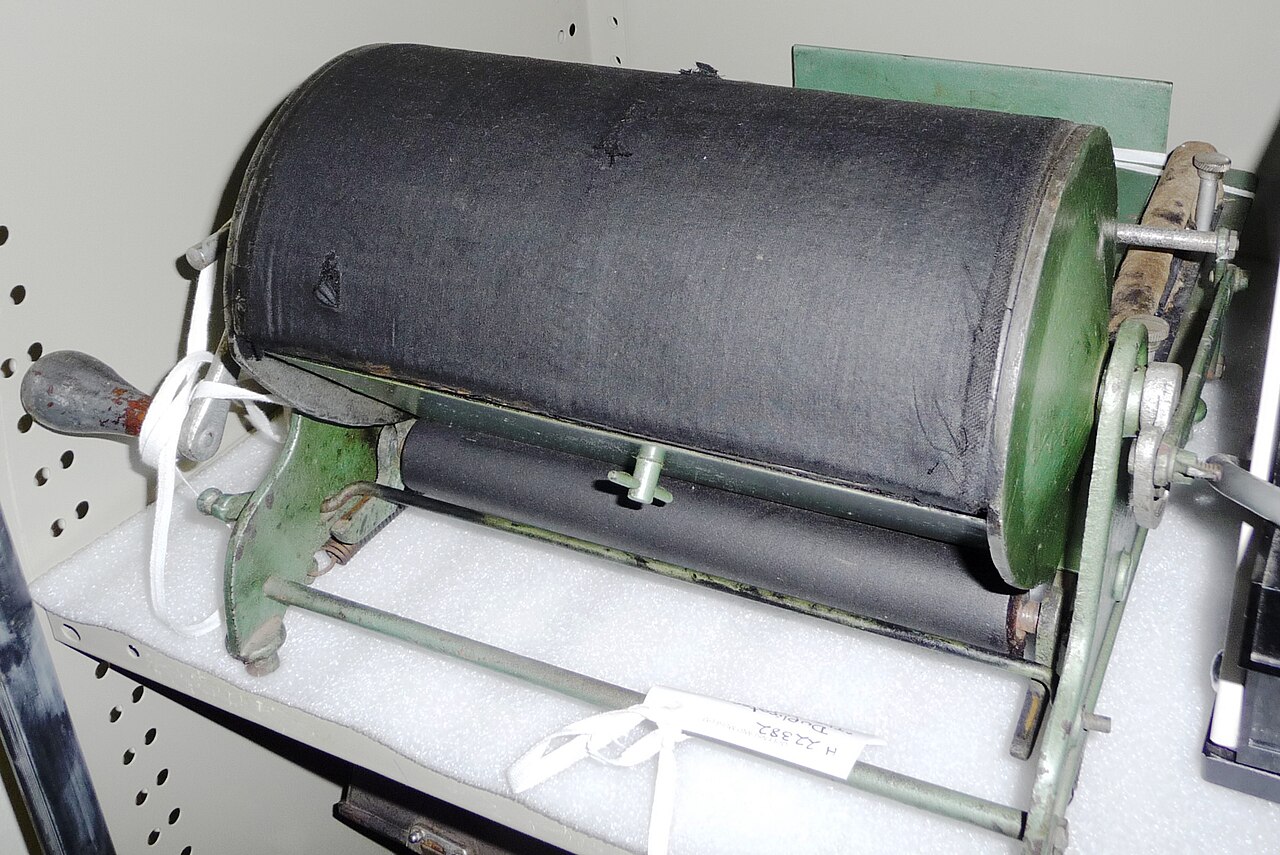
Before photocopiers became standard, many offices relied on mimeograph machines to duplicate agendas, notices, and training sheets in bulk. The method used stencils and ink, and it demanded setup time, attention, and a steady hand. Copies were useful, but the process felt physical in a way modern teams rarely see.
As printers became cheap and instant, the instruction disappeared from everyday speech. Yet older workers still remember the scent of fluid and the look of those pages. The phrase now marks a transition between manual duplication and digital speed across American workplaces. Routine copies felt like craft.
Have the Typing Pool Prepare It
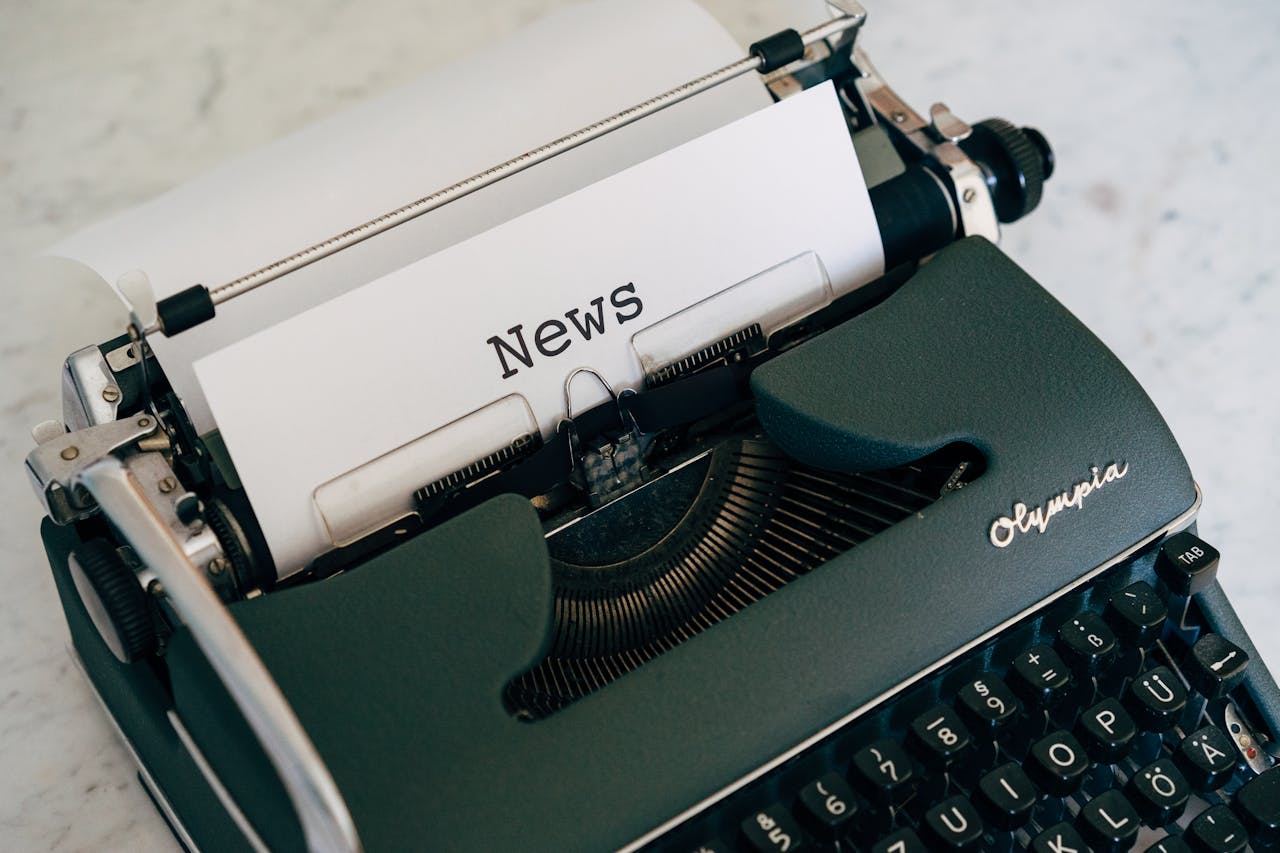
This phrase belonged to offices where writing and typing were separate jobs. Executives dictated letters, assistants took notes, and centralized typing pools produced polished drafts with proper spacing, margins, and distribution copies. It reflected structure, rank, and a fixed idea of how communication should flow.
Personal computers slowly erased that division. Managers and analysts began drafting their own documents, editing in place, and sending work directly without the same chain of intermediaries. The phrase faded with that shift, but it still captures hierarchy, labor specialization, and office discipline.
Telex the Overseas Office

For global trade teams, this instruction once signaled urgency and precision. Telex systems sent typed messages across borders, and operators used coded addresses to reach suppliers, ports, and partner branches. International coordination felt technical, costly, and controlled by trained staff.
Fax, email, and secure platforms replaced that machinery, making cross-border communication faster and available to broader teams. As tools changed, the phrase disappeared from ordinary conversation. Today it survives in logistics history and older correspondence from a period when global messaging required specialized skill.
Book a Long-Distance Call

There was a time when phone distance changed behavior inside the office. Interstate and international calls could be costly, so teams scheduled them, prepared talking points, and kept discussion focused. A serious call felt like a planned event, not a quick interruption dropped into a packed afternoon.
Mobile plans and internet calling removed most of that pressure. Price friction shrank, availability expanded, and people stopped treating long distance as a separate communication category. The phrase now sounds formal and dated, yet it captures a period when cost awareness shaped business etiquette, timing, and prep.
Put It in the File Cabinet
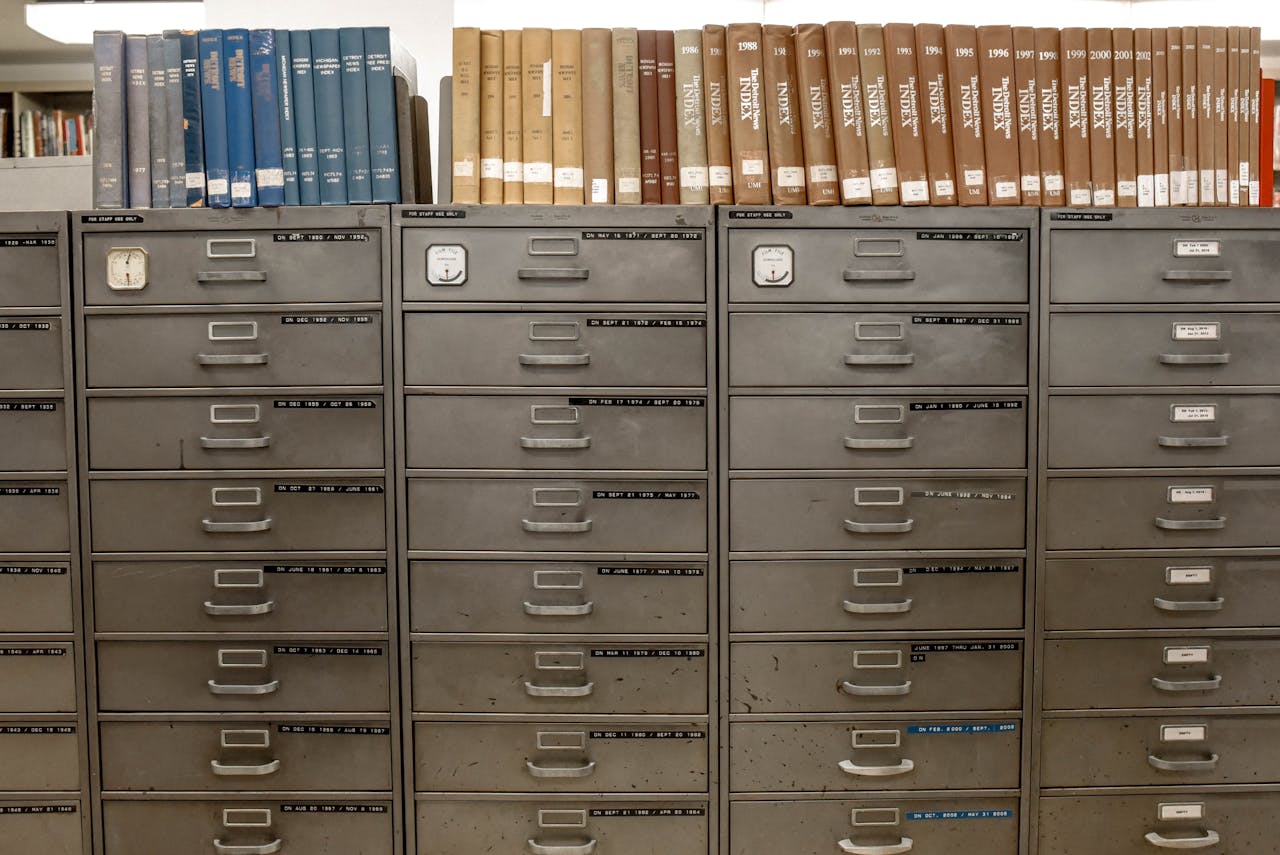
For decades, this line acted like a final checkpoint. A task was not truly complete until the signed page, invoice, or approval note was filed under the right tab in the right drawer. Retrieval depended on physical order, and teams built habits around labeling, dating, and retention.
Digital repositories replaced most cabinets, but the core instinct never disappeared. Organizations still preserve records, verify decisions, and prepare for audits, only now storage lives in searchable systems rather than steel furniture. The phrase sounds old-fashioned, yet its message still drives compliance culture and operational memory.
Punch the Clock

Punch the clock once described a literal action at a wall-mounted machine. Workers inserted a card, stamped start and end times, and created visible proof of attendance for payroll. The phrase carried weight because it linked fairness, discipline, and compensation to a routine everyone could verify.
Software tracking and flexible scheduling changed how time gets recorded, especially in workplaces mixing hourly and salaried roles. Even so, the expression remains culturally strong. It evokes a workday built around shifts, supervisors, and clear boundaries, not endless notifications and blurred digital availability.
Let Us Adjourn and Follow Up by Memo

Older meeting culture often ended with formal closure. Discussion wrapped, decisions were summarized, and a memo documented next steps so responsibilities stayed visible to everyone involved. That script created a clean transition from conversation to execution and reduced confusion about ownership.
Shared documents and team chat changed that rhythm. Notes now evolve live during meetings, edits happen in real time, and follow-up rarely waits for a separate typed memo. As workflow became continuous, the phrase faded. Still, it reflects a disciplined style that valued orderly endings as much as lively debate and clarity.
Send Me a Carbon Copy
The expression came from carbon paper, which allowed offices to create duplicate pages while typing an original document. It was practical, messy, and essential for correspondence needing multiple recipients on the first pass. Distribution was manual, so copy lists were deliberate administrative decisions.
Email preserved the abbreviation cc, but most workers no longer connect it to its physical origin. The language stayed while the material process disappeared. That makes the phrase a rare survivor, modern in appearance yet historical at its core, carrying memory from a paper office into everyday digital communication.