Some measurements refuse to die. They linger in family recipes, shipping labels, race tracks, dusty deeds, and the casual way an older relative describes distance or weight. Older systems were built for local life: arms, footsteps, baskets, chains dragged across fields, and scales tuned to a market’s habits. That practicality is also the trap. Names repeat while meanings shift, and a familiar term can hide a different length, volume, or mass depending on era and country. Standardization fixed a lot on paper, yet legacy units stayed attached to tradition, trade, and the stories people keep repeating. When someone tries to convert them, small assumptions turn into errors quickly. The confusion shows up in renovations, archives, and even simple shopping lists.
Cubit
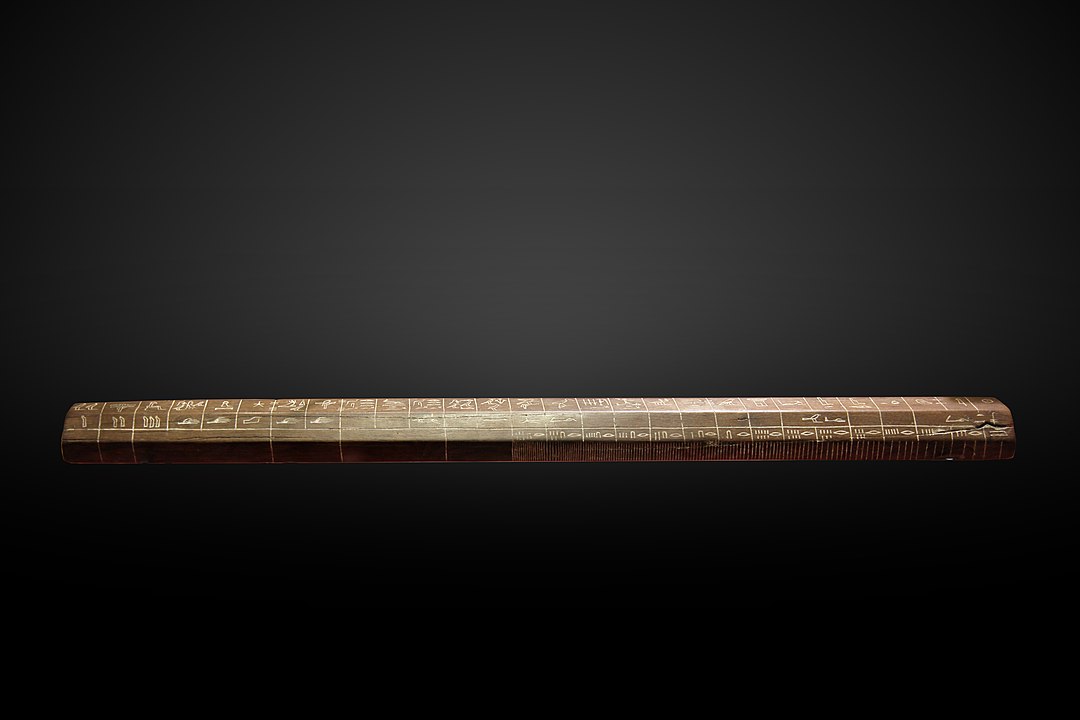
Built on the forearm, the cubit sounds simple until the paperwork starts arguing back. Ancient Egypt, the Levant, and later writers all used cubits, but their standards varied, and some cultures kept more than one official cubit for different work, like construction versus trade. Archaeologists talk about royal cubits and marked measuring rods for a reason: they show attempts to lock the body-based idea into a repeatable number. That is why a temple plan, a biblical translation, or an excavation report can be perfectly coherent and still convert into different modern lengths, depending on which cubit a reader assumes at first.
Ell
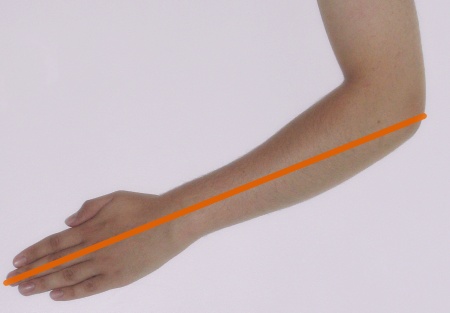
The ell began as an arm-based cloth measure, then fractured into local standards that merchants guarded like territory. An ell in one town could be noticeably different from an ell in the next, so cities mounted metal ell-sticks in public to settle arguments on the spot, even though the neighboring city might enforce a different stick and call it just as official. In modern research, that means a bolt of fabric listed as 40 ells can be accurate, paid for, and delivered correctly, yet still convert into a modern length that looks wrong unless the right city, textile type, and year are known, along with the seller’s rule exactly.
Rod, Perch, Or Pole

Land records love this measure and love giving it three names. Rod, perch, and pole often point to the same basic length, yet older deeds swap the terms mid-sentence, sprinkle in creative spelling, and sometimes echo local practice from before standards fully settled. Modern definitions set it at 16.5 feet and tie it neatly to chains, furlongs, and acres, which makes it feel reassuringly fixed. The headache appears when a boundary is rechecked for a fence, an easement, or a court filing and the old language meets modern surveying, where a small misunderstanding can shift a line far enough to change who owns what on the ground.
Chain And Link

Gunter’s chain turned surveying into portable math: 66 feet per chain, 100 links per chain, and neat ties to acres and miles that kept field notes consistent. It paired naturally with compass bearings, so plats, rail alignments, and public land descriptions still show up as chains and links, even when modern maps display feet or meters and few people recognize the format. A line that runs 12 chains to a corner or 25 links along a road can be exact to the inch, yet it forces a conversion step that invites small errors, and those errors can snowball into real money when boundaries, easements, or titles are checked years later.
Furlong

The furlong carries farming history in its bones, rooted in the length of a plowed furrow, then later standardized into tidy fractions of a mile. In modern terms it is 220 yards, and eight furlongs make a mile, but that clean math gets forgotten because the word lives mostly in racing and rural speech. It sounds like folklore even when a track official is using it with strict precision, which creates mistakes in conversation and in print: it feels familiar enough to nod along, unusual enough to trigger a bad conversion, and stubborn enough to keep showing up wherever older maps and sporting traditions still set the pace today.
League
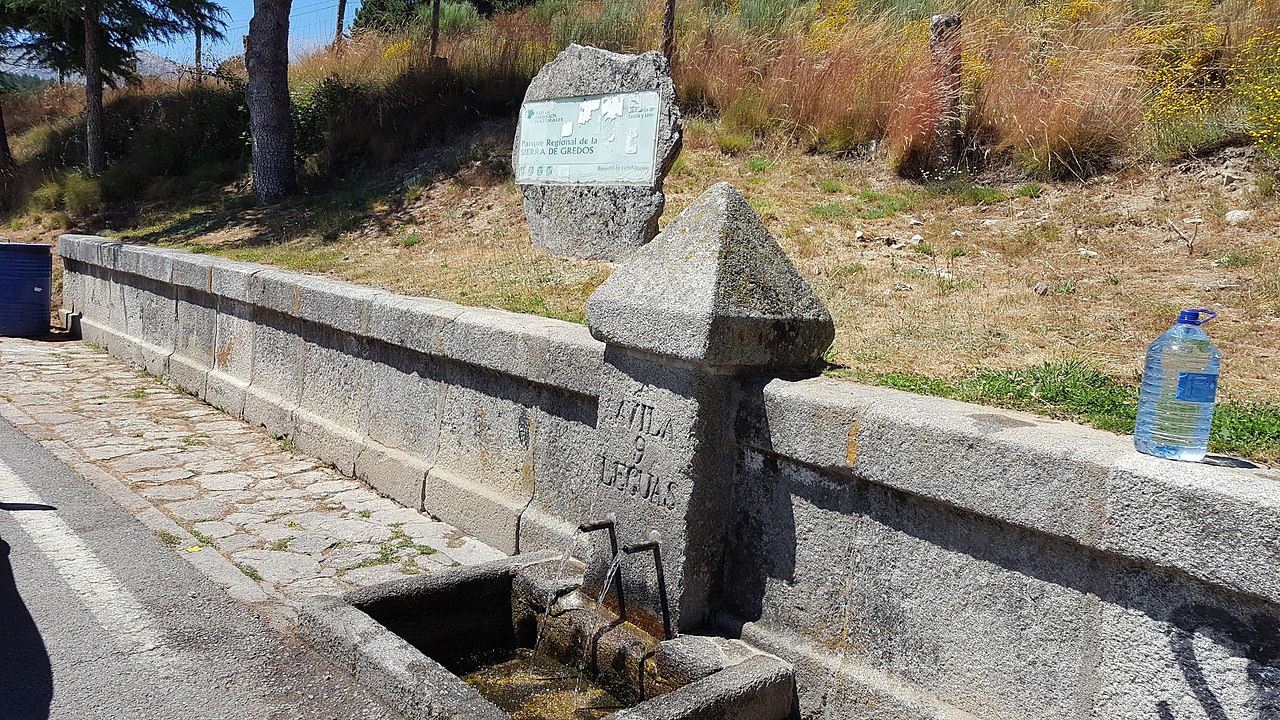
League is the unit that sounds solid and behaves slippery, because different countries and centuries treated it as different distances and still used the same confident word in print. Sometimes it lands near 3 miles on land, but older French and Spanish standards vary, maritime leagues drift, and many writers never specify which league they mean. That is why travel journals, coastal rules, and even treaties can read cleanly while staying fuzzy on a map, leaving historians to triangulate meaning from context, terrain, and pacing, like whether a league in rough country equals an hour of walking or a steady stretch of sailing.
Fathom
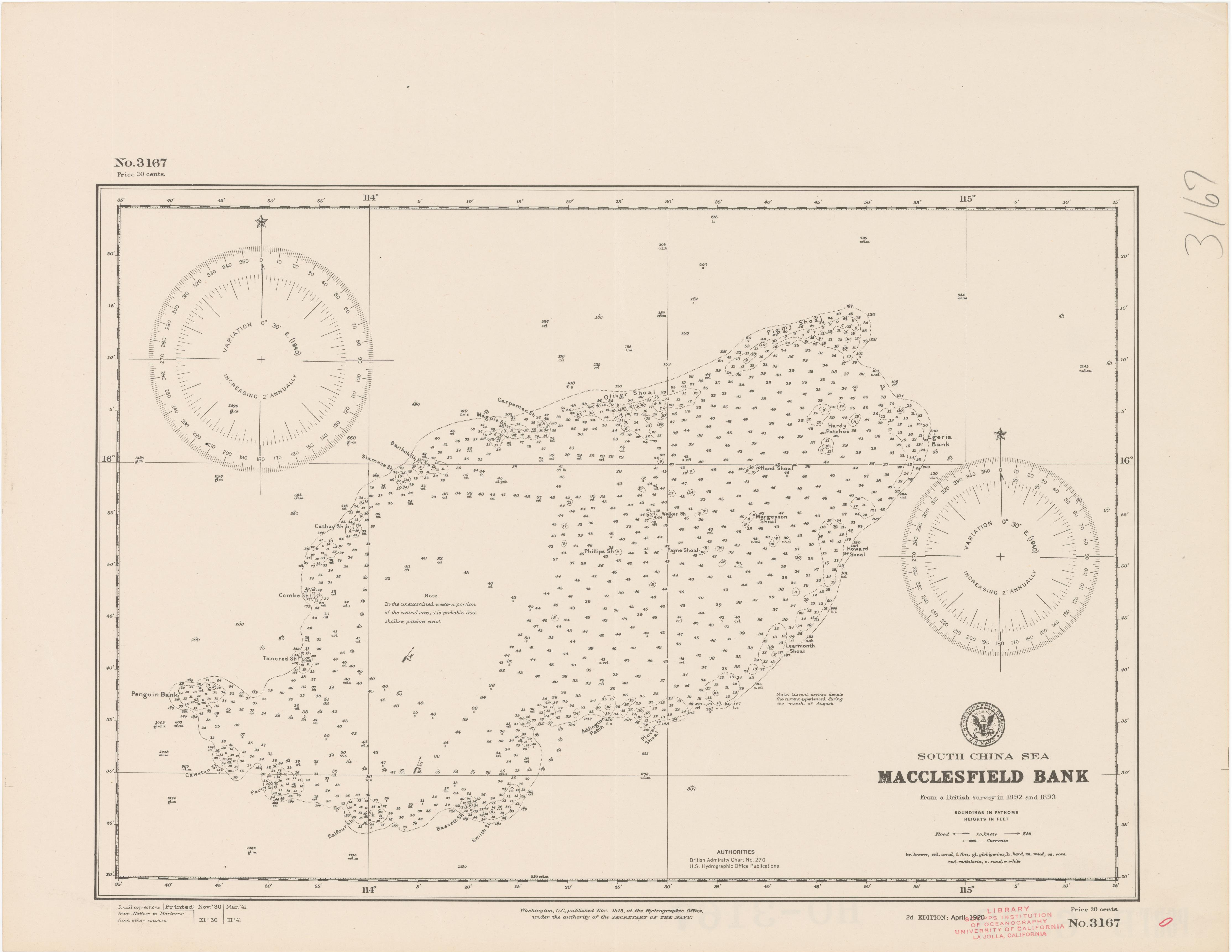
A fathom is standardized at 6 feet, but it began as an outstretched-arm measure, which is why the word still feels like body language rather than math. In ship logs and nautical charts it stays practical for soundings, yet it turns slippery in modern reading because many people picture meters first and miss how fast a crew could turn a call of 4 fathoms into caution, speed changes, or an anchoring choice. Add famous lines like full fathom five, and the unit becomes poetry in the public imagination, even though it remains an exact number that can decide whether a channel is safe or an old chart is being read correctly today.
Stone

Stone makes weight sound conversational, which is exactly why it confuses people outside the culture that uses it daily. In the UK and Ireland, one stone is fixed at 14 pounds, and body weight is often said in stones plus pounds, a format that feels natural in speech and awkward in spreadsheets or medical charts. History adds extra noise because earlier trade used different regional stones for different goods, so older sources can disagree without anyone lying, and the unit keeps tripping conversions in travel, records, and analytics whenever someone assumes it behaves like the pound-first systems used elsewhere by default.
Troy Weight

Troy weight teaches a brutal lesson: familiar words can run on unfamiliar rules. Precious metals are priced in troy ounces, and that ounce is heavier than the everyday avoirdupois ounce used for most groceries and shipping, so the same word ounce can point to two different masses. Then comes the real trap: a troy pound is 12 troy ounces, not 16, and the mismatch can fool tired eyes during quick comparisons between bullion, coins, and jewelry specs. It survives because metals markets prize continuity and trust, yet it keeps surprising newcomers and seasoned buyers whenever units get mixed in one invoice, listing, or appraisal.
Apothecaries’ Weights
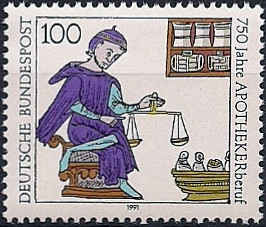
Apothecaries’ weights once kept medicine consistent through grains, scruples, drams, and ounces, with symbols that trained eyes could read at a glance. Today the vocabulary collides with kitchen language, so a dram looks like a cooking measure, and an ounce feels interchangeable, even though the system’s ladder is built on small steps and dense shorthand. Complication piles on because apothecaries’ practice sits close to troy-style thinking historically, and old labels mix abbreviations that vary by region and decade, so interpreting a dose becomes part translation and part detective work, where guessing is a bad idea at all.
Bushel And Peck

Bushels and pecks feel friendly because they belong to farm talk, but they hide two problems: competing legal definitions and messy real-world containers. A peck is a quarter of a bushel, which sounds clean, yet the U.S. and imperial bushel are not the same volume, and older markets often used baskets that were close enough for trading, not identical enough for careful accounting. That is why diaries, yield reports, and produce contracts can shift when translated into liters, quarts, or cubic inches, especially when a writer meant a generous heap of apples or grain rather than a leveled, measured fill from a standardized container.
Gallon

Gallon is the classic border-crossing headache. The U.S. gallon is 231 cubic inches, while the imperial gallon is 4.54609 liters, so the name stays the same as the amount changes by roughly a fifth. That gap is big enough to skew fuel economy, recipe scaling, and shipping costs, yet small enough to slip past checking, especially when a chart, a jug, and a website were made in different countries. History adds extra static through older wine, ale, and dry measures that once carried their own definitions, so a single word on a label, ledger, or family recipe can demand a short history lesson before it becomes a trustworthy number.