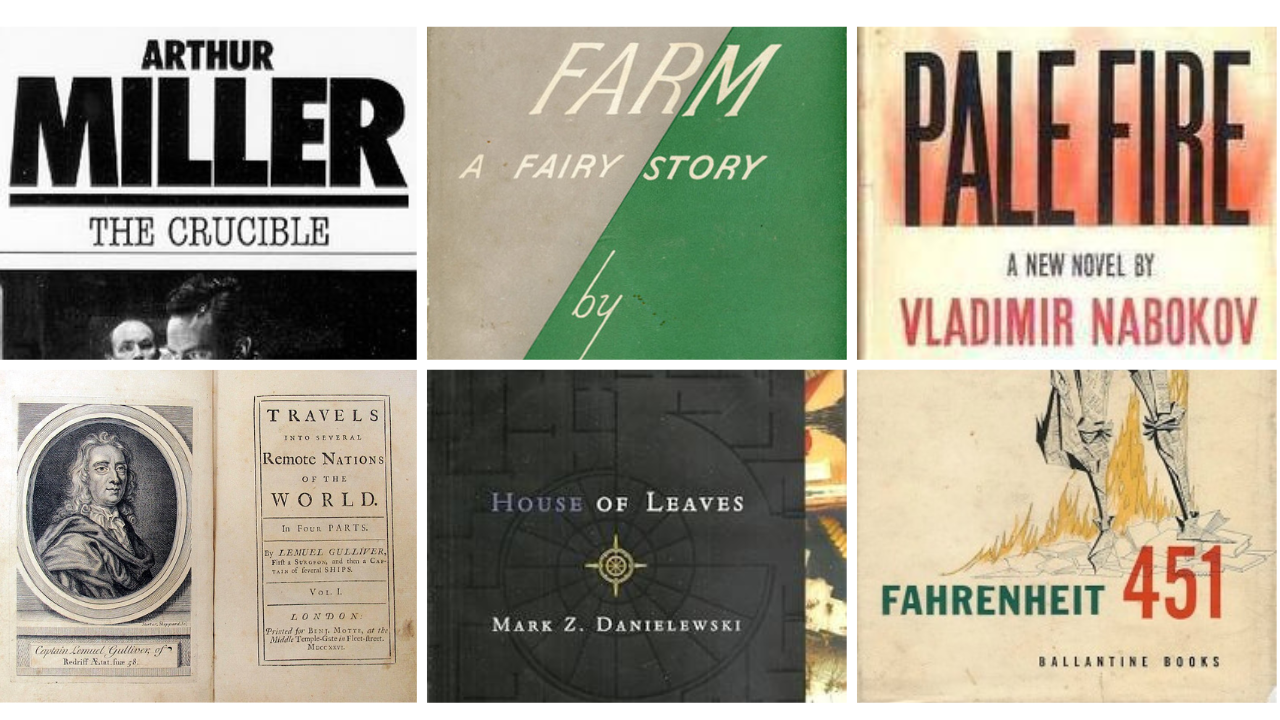
Some books hide their sharpest truths in plain sight. Writers have long tucked ciphers, double narratives, and masked satire into stories that seem straightforward, sometimes to amuse insiders, sometimes to slip past censors, and sometimes to make meaning feel earned. A hidden layer changes the act of reading: the page becomes a room with a false wall, and the careful eye starts noticing repeats, gaps, and oddly placed details. These secret messages are not party tricks. They are craft choices that turn plots into puzzles with stakes, where discovery feels personal, not mechanical. And once seen, they are hard to forget.
A Stolen Narrative in “Pale Fire”
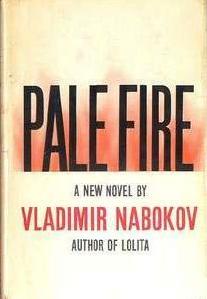
It arrives as a 999-line poem wrapped in scholarly commentary, yet the real plot leaks through the foreword, footnotes, cross-references, and index, where Kinbote hijacks what he claims to explain. Each aside looks petty until a second narrative clicks into place, built from vanity, paranoia, and a need to be central inside someone else’s art, even if facts get bent and motives get varnished. Nabokov’s hidden message is structural: control the apparatus of interpretation and control the story. The theft feels courteous, almost helpful, which is exactly how it succeeds while the poem is quietly pushed to the side.
A Mythic Scaffold in “Ulysses”
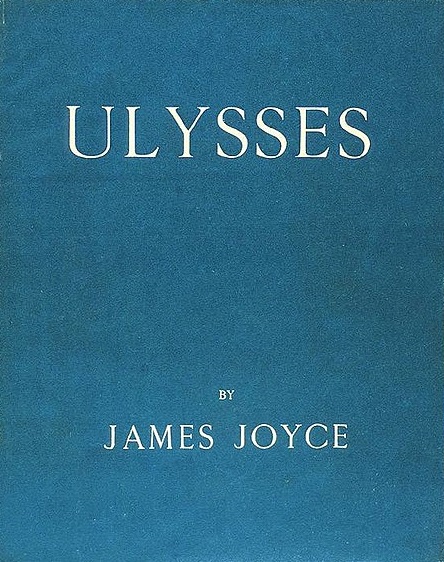
Joyce follows one ordinary day in Dublin, but a hidden framework hums underneath: episodes align with Homeric parallels, hinted at through schemata rather than shouted in chapter labels. That scaffold turns errands, pubs, advertisements, and small humiliations into an epic without announcing itself, so ancient gravity hangs over modern trivia and a walk across town carries the weight of a voyage. The secret message is defiant and generous. The everyday already contains myth, and ordinary people become heroic when detail is taken seriously, when attention refuses to blink, not when gods step in, and not when anyone asks permission.
A Haunted Layout in “House of Leaves”
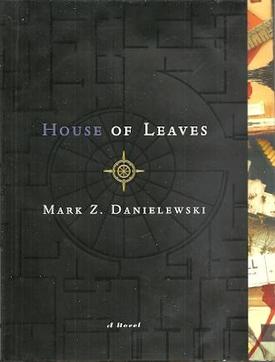
Danielewski builds fear out of form. Typefaces separate narrators, footnotes multiply like corridors, and the layout breaks its own rules until reading starts to mimic wandering in a house that will not stay still. Blank gaps, boxed fragments, and spiraling lines make the page feel like evidence rather than a neutral surface, as if the book is measuring rooms, filing reports, and quietly lying about the results. The hidden message is bodily: when space becomes unreliable, story becomes unreliable, too. Meaning slides sideways, paranoia feels reasonable, and certainty turns into another locked door, and the margins look suspicious.
A Revolution Disguised as a Fable in “Animal Farm”
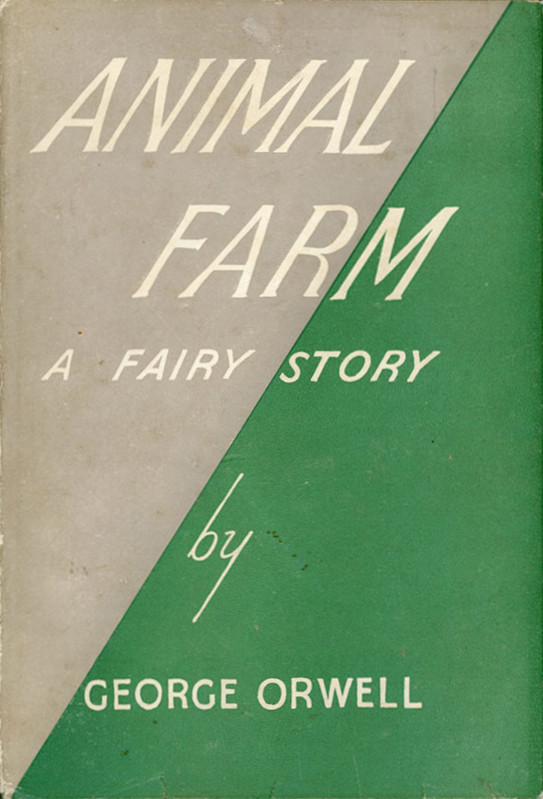
On the surface it is a barnyard fable, but Orwell built a precise political allegory where slogans, rules, and even small gestures carry a second meaning that sharpens with every chapter. The disguise matters because it lets criticism travel farther than a direct attack would, slipping past readers who think they are only watching pigs argue about rations and medals. The secret message arrives through tiny revisions: commandments shortened, history rewritten, language bent until the animals cannot name what has been stolen, even while they cheer and repeat the new phrases like prayers, because repetition beats memory.
A Witch Trial That Isn’t Only About Witches in “The Crucible”
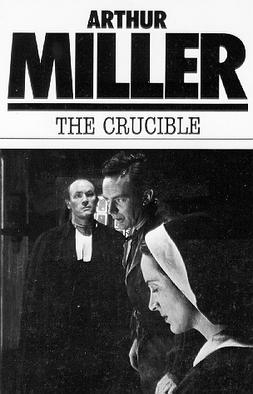
Miller stages 1692 Salem with courtroom heat, yet the play points at a recurring pattern: fear that turns accusation into a career and doubt into a liability, even for friends. By setting it in buckles and prayer, he shows how public panic works without handing the audience one simple villain to boo and forget, because the machine is made of incentives and self-preservation. The hidden message lives in procedure. Questions become traps, silence becomes proof, and moral certainty becomes a weapon that keeps swinging after the verdict, long after innocence stops mattering, and survival starts sounding like virtue.
A Travelogue That Smuggles Satire in “Gulliver’s Travels”
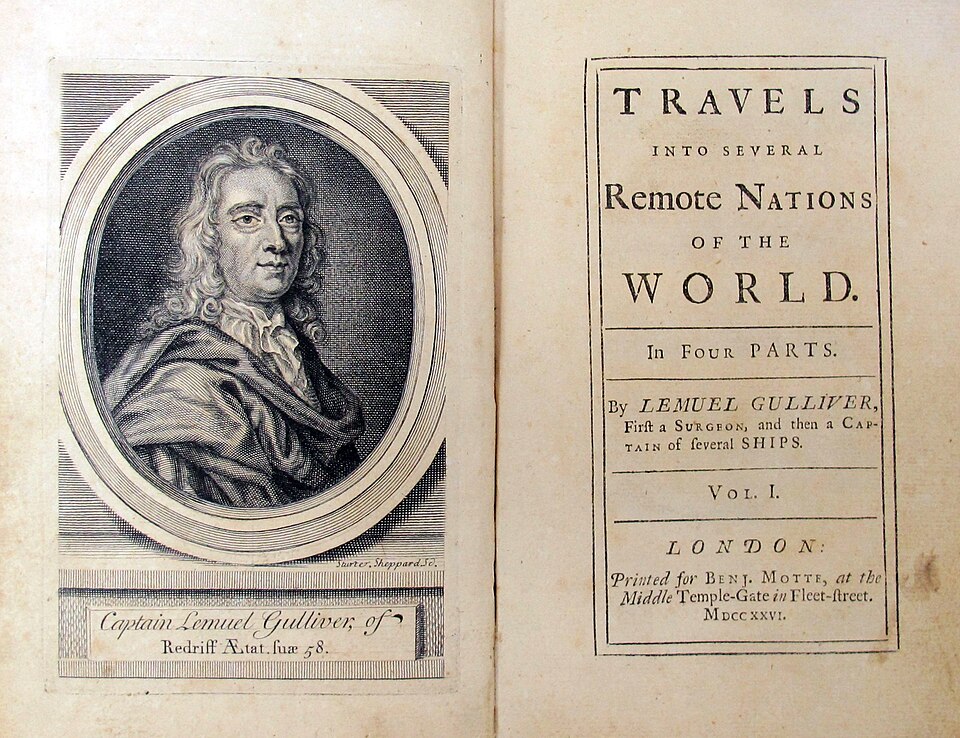
Swift pretends to write a travel narrative, but the voyages are traps designed to expose human habits by exaggerating them until they look ridiculous and then familiar, like a joke that suddenly stings. The deadpan voice is part of the concealment: insults pass as calm observations, and laughter becomes cover for critique that would sound too sharp if stated outright, especially in polite company. The secret message is carried by scale. Shrink people to reveal vanity, enlarge them to reveal filth, and the body becomes a mirror for politics, pride, and cruelty that society keeps excusing, especially when power calls it tradition.
A Language Designed to Shrink the Mind in “Nineteen Eighty-Four”
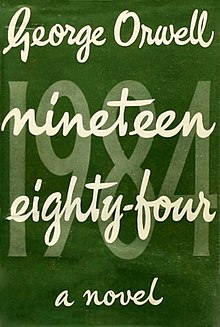
The Party’s most efficient weapon is linguistic. Newspeak trims vocabulary so thought has fewer places to stand, and what cannot be said becomes harder to imagine, let alone defend, even in private. Orwell hides the warning inside clipped prefixes and office-speak that sounds practical, almost boring, as if tyranny were simple administration and common sense, stamped and filed. The secret message is brutal in its calmness: erase nuance and reality narrows. As words vanish, memory thins, dissent becomes unsayable, and slogans fill the gap, sounding true because nothing else fits, and the mind forgets it ever had options.
A Slang That Softens the Blow in “A Clockwork Orange”
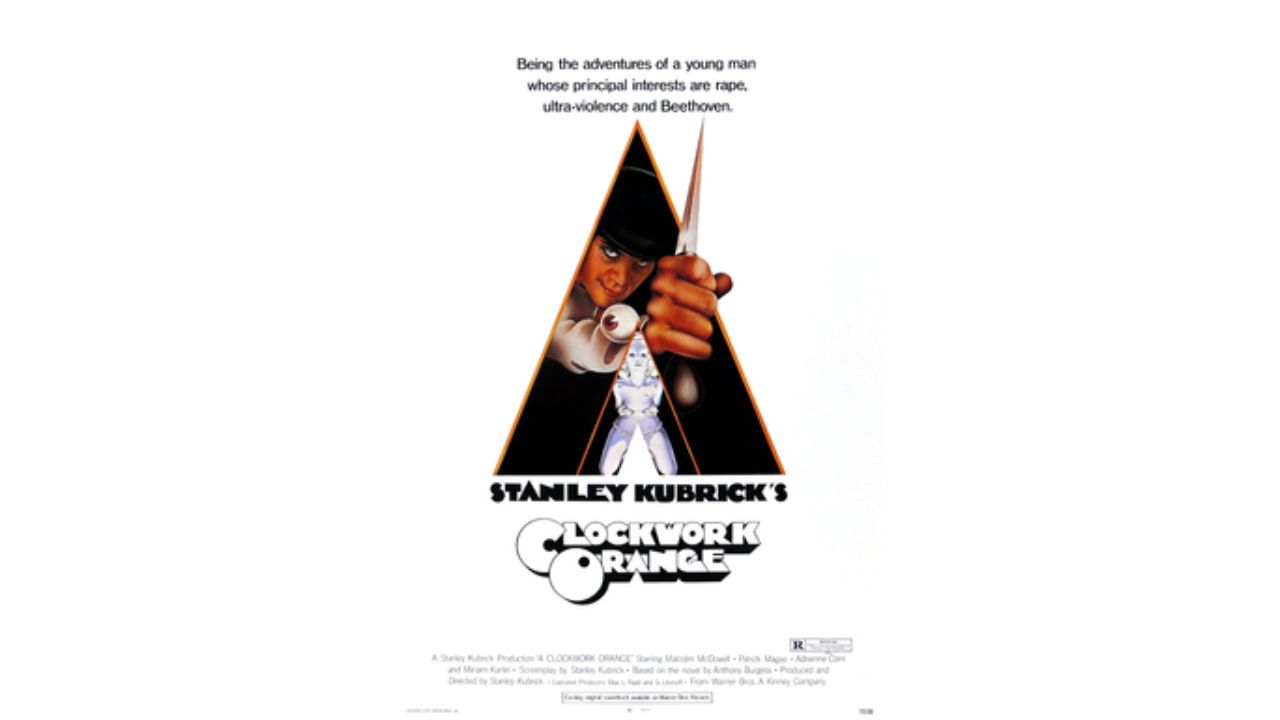
Burgess lets brutality arrive through Nadsat, a teen slang laced with Russian roots, so the narration can sound playful even when the scene turns vicious and the moral alarms should be blaring. That veil delays comprehension, forcing the mind to decode meaning before it can react, and turning the reader into a participant in the book’s experiment about conditioning, complicity, and taste. The hidden message sits inside the word-mix: language can anesthetize cruelty. A culture that trains speech can also train what feels normal, what feels funny, and what feels inevitable, until conscience arrives late and embarrassed.
A Book Burning That Starts Before the Match in “Fahrenheit 451”
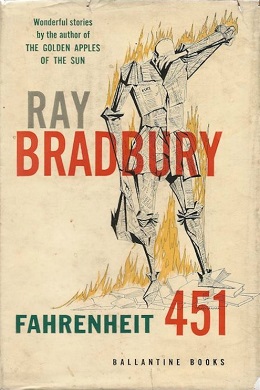
Bradbury’s firemen torch books, but the deeper warning is about a culture that volunteers for its own silence, trading attention for comfort, speed, and easy answers that feel warm and empty. Censorship is only half the mechanism. The other half is distraction, noise loud enough to make absence feel like relief and depth feel like a threat, until curiosity seems like bad manners. The hidden message reads like a note left in ash: when entertainment becomes a full-time job, the mind stops rehearsing doubt, and the future becomes easy to manage for anyone who prefers quiet minds and fast nights with no questions attached.
A Cipher Trail in “The Gold-Bug”
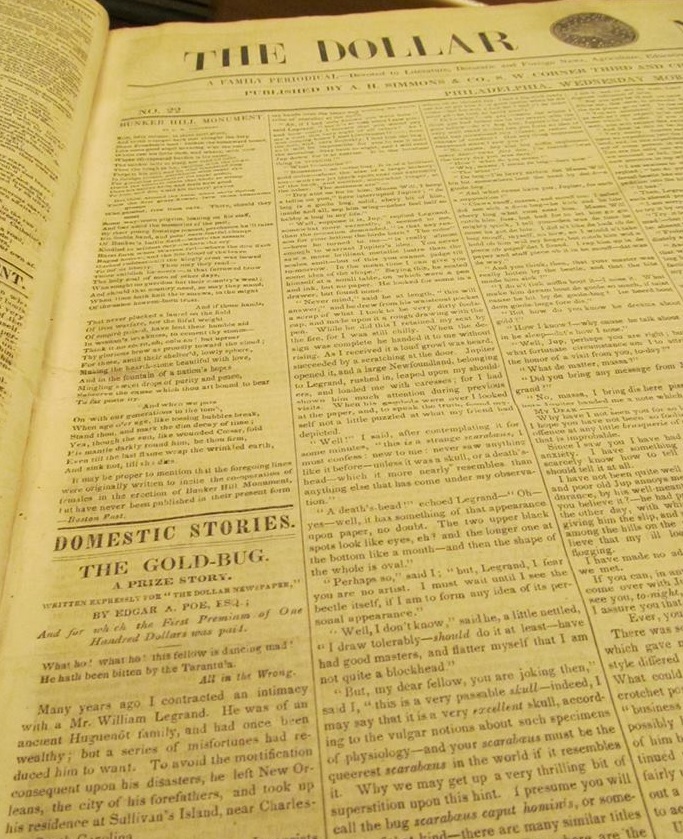
Poe sets a treasure hunt on Sullivan’s Island, but the real engine is a substitution cipher that must be cracked with frequency, pattern, and patience, not hunches or charm. The secret writing forces a shift from superstition to method: repeated symbols start behaving like repeated sounds, and language rebuilds itself through counting, testing, revising, and checking each theory against the text. Under the fun sits a sharper point about proof. The story rewards the reader who treats every odd mark as data, refuses shortcuts, and accepts that progress often looks like a wrong turn followed by a cleaner second attempt.