Travel etiquette is rarely about being perfect. It is about noticing that a destination is someone else’s home, with routines, space limits, and quiet rules that keep ordinary days running smoothly. Most friction comes from small acts that feel harmless inside a vacation bubble, but land as loud or careless on a normal Tuesday. Good manners protect workers, ease crowd pressure, and keep shared streets and trains calmer. A few adjustments can turn a tourist moment into something locals tolerate, and sometimes even appreciate.
Blocking Sidewalks, Doorways, And Escalators

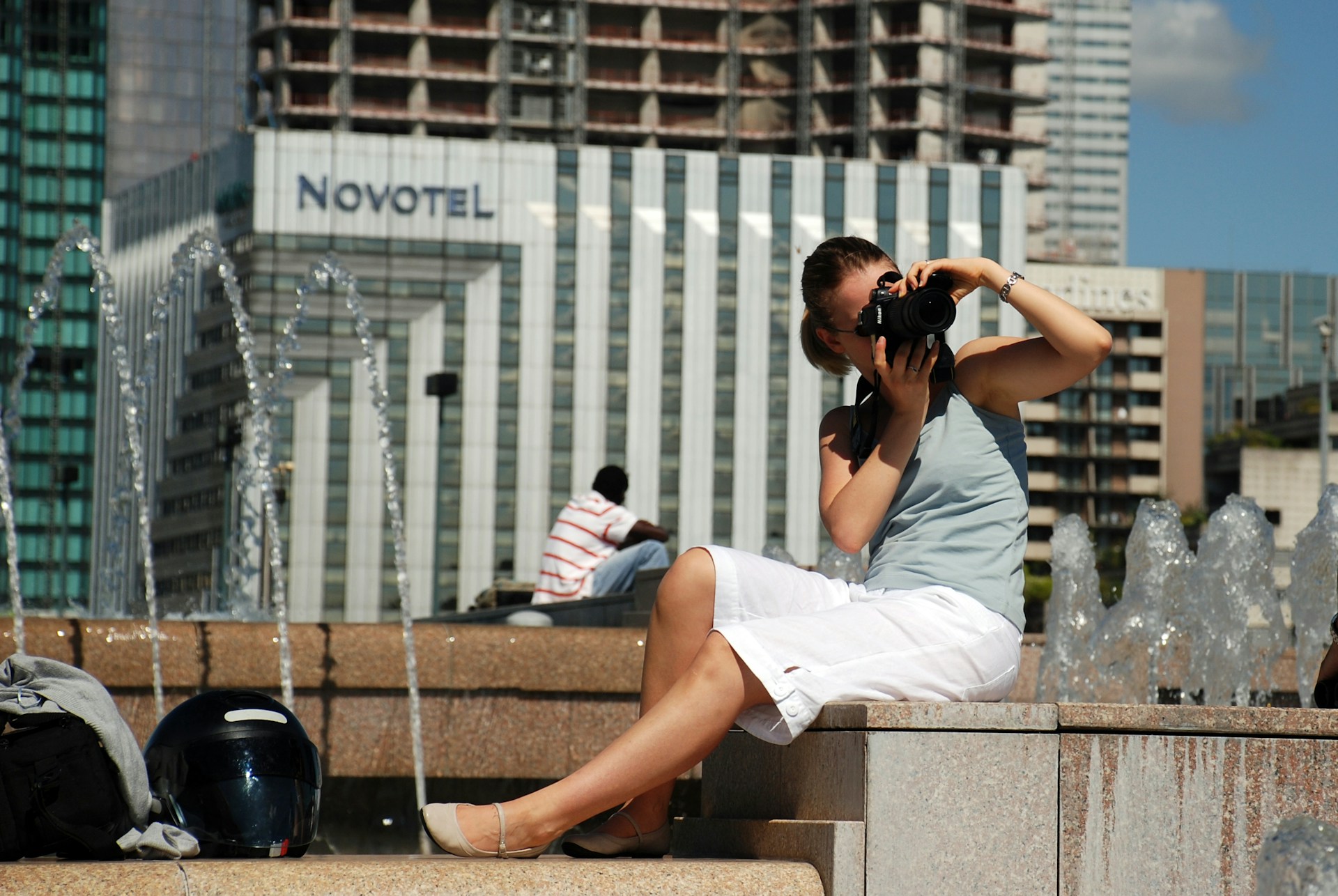
Stopping mid-sidewalk for a group check-in, freezing at an escalator landing, or parking suitcases in a doorway forces everyone else to reroute. Locals feel it because the disruption is physical and immediate, especially near transit stops, schools, and shop entrances where space is already tight. The irritation grows when the pause turns into a photo setup, complete with repositioning and screen reviews, while the line behind compresses. The clean fix is stepping fully aside, keeping one clear lane, and treating entrances like moving water that should not be dammed. It helps to watch for bikes, strollers, and delivery carts.
Talking Too Loud In Quiet Places

Loud voices on trains, in small cafés, or on residential streets late at night can land as disregard, even when the mood is cheerful. In many cities people share thin walls, compact transit cars, and close tables, so volume is part of basic courtesy. Locals hear a raised conversation as someone claiming the room, and workers can feel trapped in that noise for an entire shift. The easy adjustment is lowering voices, keeping calls short, and letting headphones carry music and videos. Quiet hours feel real in places that wake early for work and school. Even a small drop in volume changes the whole car or patio.
Ignoring The Local Line System

Queue habits differ, but cutting to the front, hovering at the counter, or acting confused about whose turn it is creates instant tension. In many places lines are a quiet agreement that keeps mornings moving, whether it is a bakery rush, ferry boarding, or a single ticket window. Friction rises when someone blocks the front while deciding, filming, or debating change. A quick scan for a numbered system, a clear end of line, and a little space between people prevents awkward stares and sharp comments. When unsure, asking one person, politely, settles it fast. Many locals expect the next person to be ready when the counter opens.
Treating Service Workers Like Props

Snapping fingers, whistling, or calling staff with a loud hey can sour a room in seconds. It signals hierarchy, not urgency, and it ignores how many moving parts workers juggle, timing, allergies, language gaps, and a full section of tables. Complaining about local rules to the person taking orders adds another layer, as if one server wrote the policy. Locals notice, and so do other guests. A calm tone, clear questions, and patience with the pace usually bring better help, and the whole space stays lighter. Saying hello first, and using a brief gesture instead of noise, keeps the interaction respectful and efficient.
Disrespecting Sacred Places And Memorials

Ignoring dress rules at temples, churches, mosques, or memorial sites often reads as disregard, not individuality. Many spaces ask for covered shoulders, longer hems, or removed shoes because the site is active and meaningful, not decorative. Trouble deepens when visitors argue with attendants, speak loudly, or pose for playful photos near altars and names. Even when signs are posted, some treat them as optional and act offended when turned away. Carrying a light scarf, dressing with a little margin, and watching how locals move through the space keeps the moment dignified and calm. It prevents delays for everyone waiting at the entrance.
Haggling Like It Is A Sport Everywhere

Bargaining can be normal in some markets, but pushing it everywhere, or treating it like a sport, irritates fast. Locals know where prices are flexible and where they are fixed, and they can tell when someone is chasing a win instead of a fair deal. The mood turns when a visitor argues over tiny amounts, blocks the stall while filming, or walks away theatrically to force a chase. Asking what is fair, accepting no gracefully, and paying with respect keeps commerce human and quick, and it protects the line behind from turning tense. In many places, repeat customers matter more than a single dramatic discount.
Photographing People Without Consent
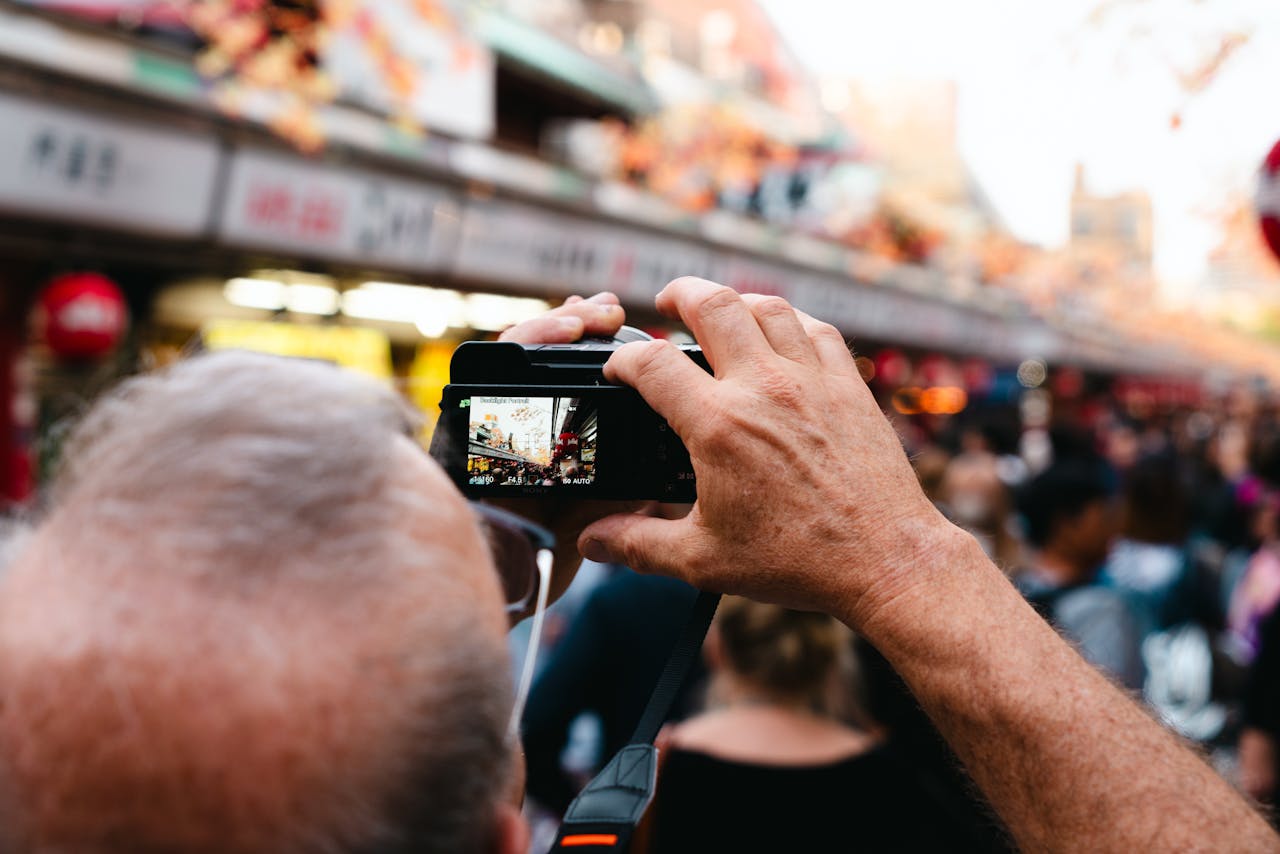
Treating daily life like free content, especially by photographing people up close without consent, can feel intrusive. Vendors, worshippers, and children are not scenery, and locals bristle when a camera appears in a face with no greeting. It gets worse when images are posted with precise locations and joke captions, as if privacy is a souvenir. Flash in museums and quiet interiors can disrupt others trying to focus or mourn. A better habit is asking first, accepting no, and taking wider street scenes when consent is unclear. When portraits are welcome, offering a small tip or purchase can be a fair exchange.
Leaving Trash Behind In Public

Leaving litter, setting cups on stone ledges, or dropping cigarette butts in gutters hits a nerve because residents live with the cleanup every day. In historic areas residue stains old surfaces, and in nature spots wind carries plastic into water and brush. Locals notice when someone leaves trash beside an overflowing bin and walks away, as if proximity counts as disposal. A pocket bag, a quick scan for a bin, and basic care with recycling rules keep parks, beaches, and plazas from feeling used up after peak season crowds. Taking take-out wrappers back to the hotel is a small effort with a big signal.
Acting Careless In Shared Buildings

Treating an apartment building like a private resort is a fast way to annoy neighbors. Rolling suitcases at 1 a.m., buzzing random units to get let in, letting doors slam, or holding loud balcony drinks changes the tone for an entire floor. The same goes for piling bags in entryways, smoking where it is banned, or leaving trash in hallway bins. Residents feel it as lost peace in their own home. Quiet hours, correct key handling, and respect for lobbies, elevators, and trash rooms make short stays far less disruptive, and far easier to host. Soft wheels and a quick whisper in stairwells go a long way.
Complaining By Comparing Everything To Home

Constant comparisons to back home drain warmth from conversations. Locals are not auditioning for approval, and hearing that coffee, transit, or service is not like home often sounds like a complaint dressed as small talk. It can sting more when the comment lands on prices or neighborhoods, as if surprise is the point. Casual stereotypes flatten real places into clichés. Curiosity travels better than judgment: asking how things work, what has changed, or what locals enjoy keeps exchanges open, and it leaves dignity intact on both sides. One sincere question can turn a tense moment into an easy recommendation.
Skipping Basic Greetings And Politeness

Walking into a shop without a greeting, or launching into fast English, can read as entitlement even when no offense is meant. In many cultures a simple hello, please, and thank you sets the tone, and skipping it feels like skipping the person. Locals rarely expect fluency, but they notice effort, especially in smaller towns where one worker handles everything from restocking to ringing up sales. Learning a few phrases, speaking slower, and pointing at a menu with a friendly pause smooths the exchange, and it often brings better help than perfect pronunciation ever could. Numbers for prices and a polite goodbye matter more than grammar.
Getting Tipping And Payment Norms Wrong

Assuming tipping works the same everywhere creates awkward moments. In some places service is included, elsewhere it is expected, and in others cash left on the table can be refused or misunderstood. Locals get annoyed when visitors debate it loudly, refuse a normal charge, or tip as a performance. Payment rituals matter too, like whether a server brings the card reader, whether splitting is common, or whether cash is preferred for small cafés. A quick check of local norms, and a quiet, straightforward tip when appropriate, keeps the exchange clean and respectful. Carrying small notes or coins helps avoid long pauses at the register.