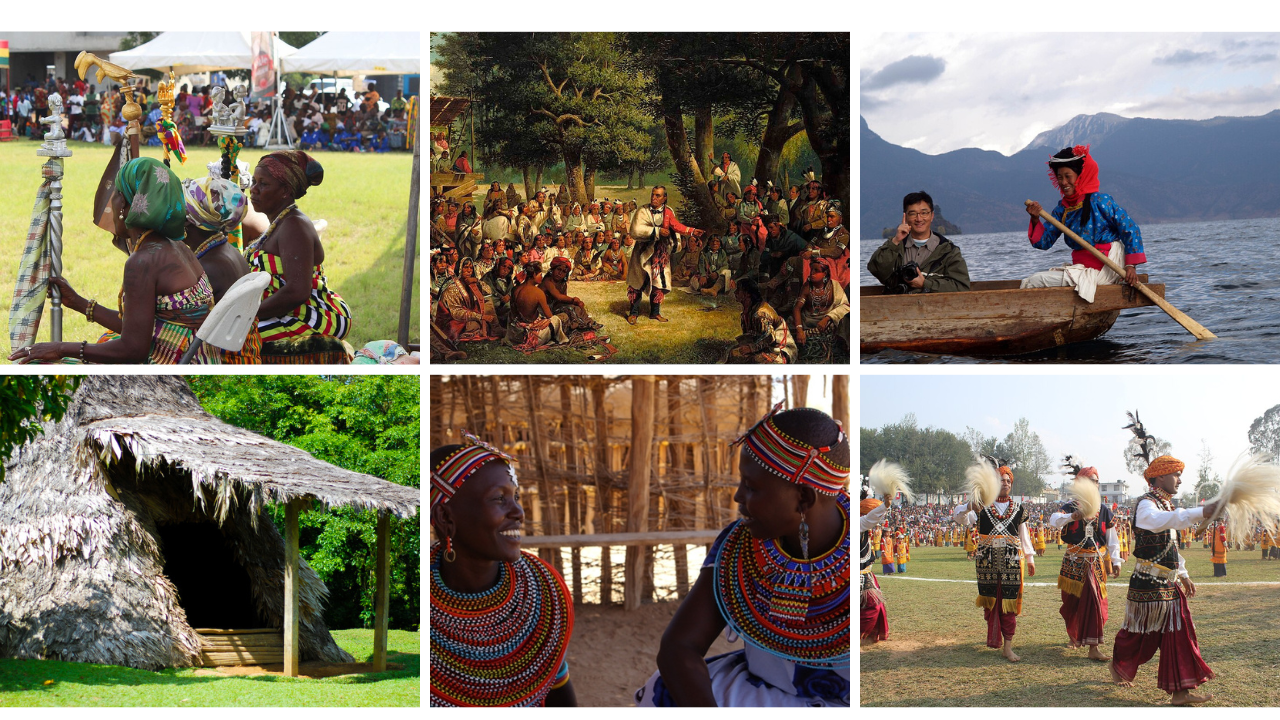
10 Women-Led Societies That Surprised Historians

Wikimedia Commons
Women-led societies history show that power and inheritance can flow through women while communities stay humane. More just

For a long time, many historians treated powerful women as exceptions instead of foundations. Closer work in villages, courts, and archives told a different story. Across continents, researchers kept encountering communities where land, lineage, and public authority run through women’s hands. Some are ancient systems still adapting to modern law; others are recent experiments born from crisis and courage. Taken together, they unsettle simple ideas about patriarchy and show how family, faith, and power can be organised around mothers and daughters.

Minangkabau, Indonesia

Minangkabau, Indonesia
Harry Sulistio, CC BY-SA 4.0/Wikimedia Commona

In the hills of West Sumatra, Minangkabau families trace descent and land through women. Ancestral rice fields and long wooden houses belong to a mother’s clan, while men are expected to travel for trade or religious study. Husbands are often visitors in their wives’ homes, not anchors of property. Islamic learning sits alongside customary law, so female landowners quietly stabilise both family welfare and village politics, even as debates over modern inheritance law reshape that landscape.

Mosuo Around Lugu Lake, China

Mosuo Around Lugu Lake, China
Himangframe, Own work, CC BY-SA 4.0/Wikimedia Commons

Around Lugu Lake, Mosuo households are organised around a senior woman, not a married couple. Daughters stay in their maternal home for life, children belong to the mother’s clan, and maternal uncles raise them. Romantic partners often have night visits known as walking marriages, returning to their own family houses by morning. Because property, caregiving, and daily authority sit with women, early outsiders struggled to fit Mosuo life into standard family models built around fathers and formal weddings.

Khasi Hills Of Meghalaya, India

Khasi Hills Of Meghalaya
Tymphew, Own work, CC BY-SA 4.0/Wikimedia Commons

Among the Khasi in Meghalaya, the youngest daughter inherits the ancestral house and most family property. Children take the mother’s clan name, and husbands usually move into or live near their wives’ households. That structure gives daughters strong security in old age and keeps ancestral land from fragmenting. At the same time, debates over men’s roles and modern legal reforms show a society still negotiating how matrilineal descent and contemporary expectations of gender and work can fit together.

Nair Tharavads In Kerala, India
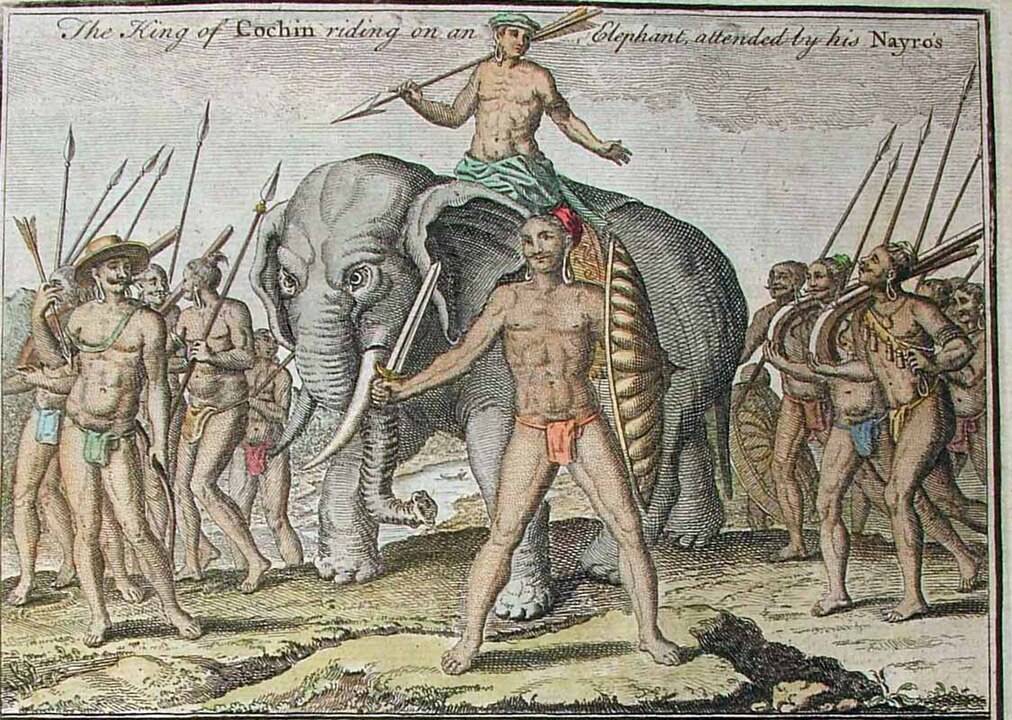
Nair Tharavads In Kerala, India
Jan Huyghen van Linschoten, 16th century Painting by Dutch traveler Jan Huyghen van Linschoten. Image URL Webpage with full details, Public Domain/Wikimedia Commons

Historical Nair tharavads in Kerala were sprawling joint families descended from a founding ancestress. Membership followed the maternal line, children belonged to their mother’s home, and property was divided among women when a house split. A senior maternal uncle, not a husband, often controlled common assets and major decisions. Men visited wives at night and returned to their own tharavads by day. Modern reforms and urban life weakened this system, but its logic still shapes memory and disputes around land and marriage.

Haudenosaunee Clan Mothers, North America
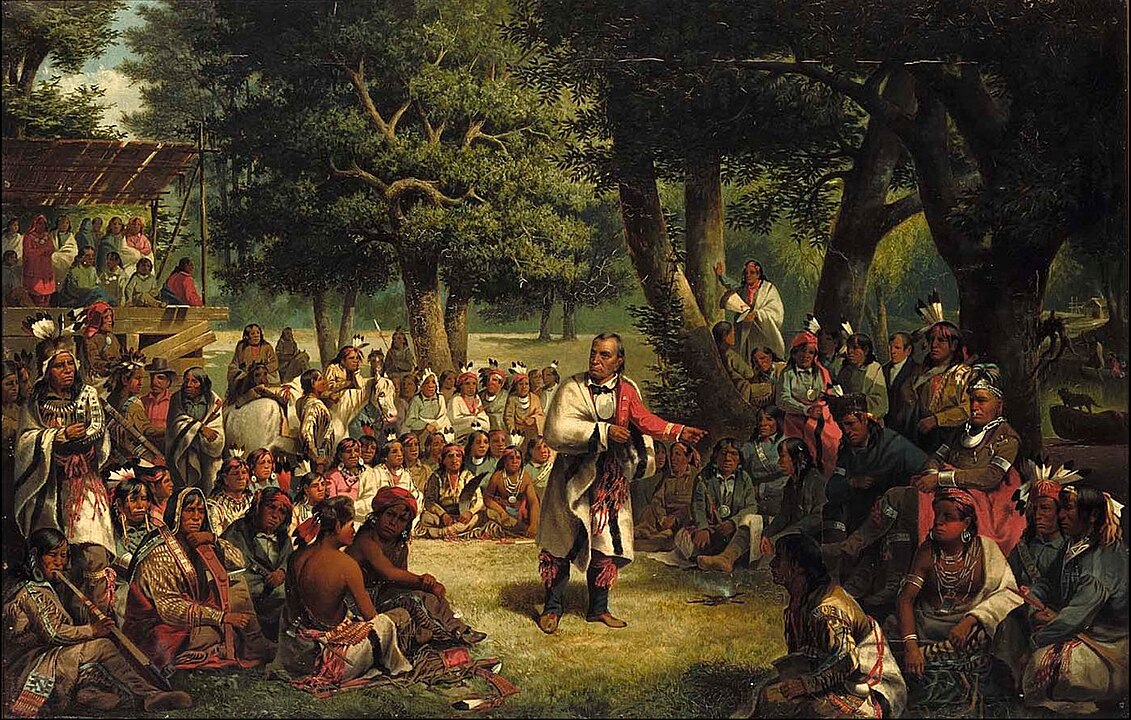
Haudenosaunee Clan Mothers, North America
John Mix Stanley, Public Domain/Wikimedia Commons

Within the Haudenosaunee Confederacy, clan mothers hold authority that startled early European observers. Clans are traced through women, and clan mothers select the male chiefs who sit in council, advise them, and can remove them if they fail the people. They also help decide questions of war and peace and safeguard longhouse property. Their power, grounded in consensus and responsibility, later influenced suffragists who looked to Haudenosaunee governance as proof that women could hold formal political authority without social collapse.

Akan Queen Mothers In Ghana
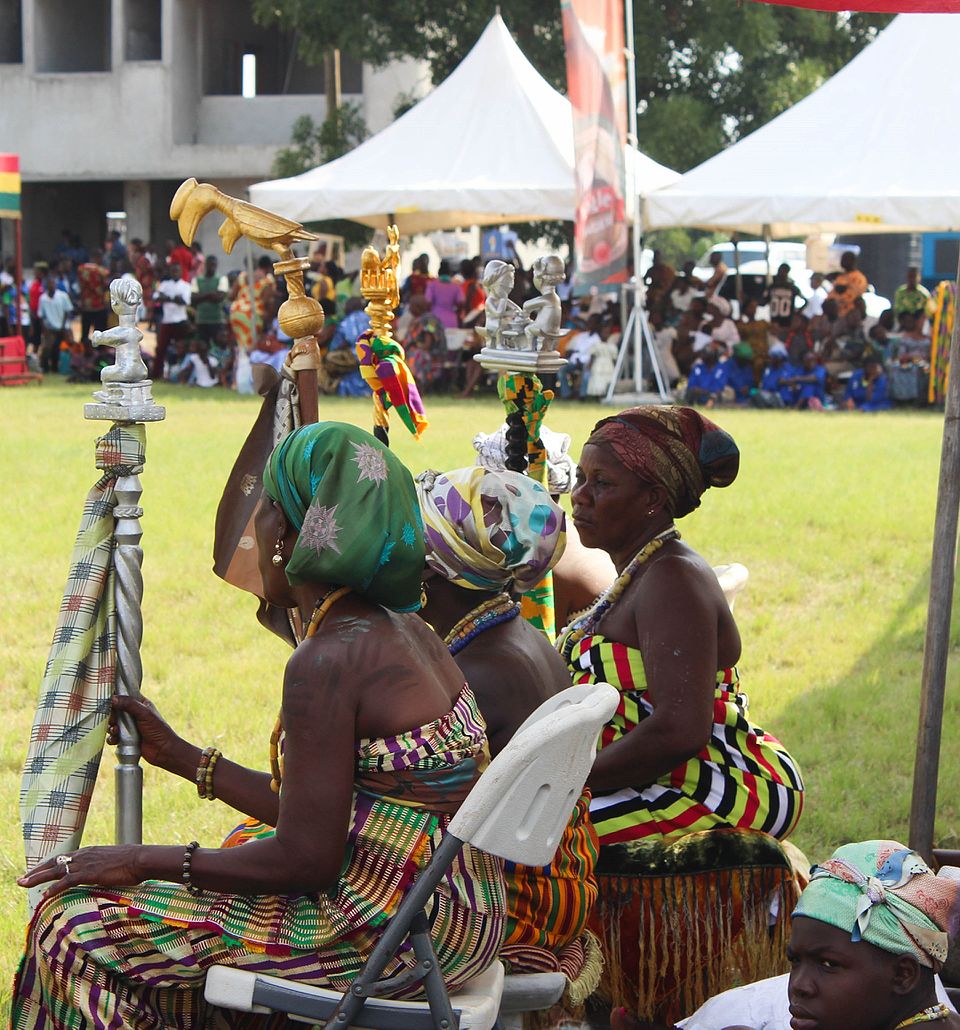
Akan Queen Mothers In Ghana
Ahiaticourage, Own work, CC BY-SA 4.0/Wikimedia Commons

In many Akan states, the queen mother is a co-ruler rather than a ceremonial figure. She keeps royal genealogies, helps choose the chief from the matrilineage, and can press for his removal if he abuses power. Her council hears disputes, especially those involving families, markets, and young people. Recent work has highlighted how queen mothers shape local governance, public health campaigns, and conflict resolution, even when colonial archives downplayed them in favor of kings and male chiefs.

Tuareg Communities Of The Sahara
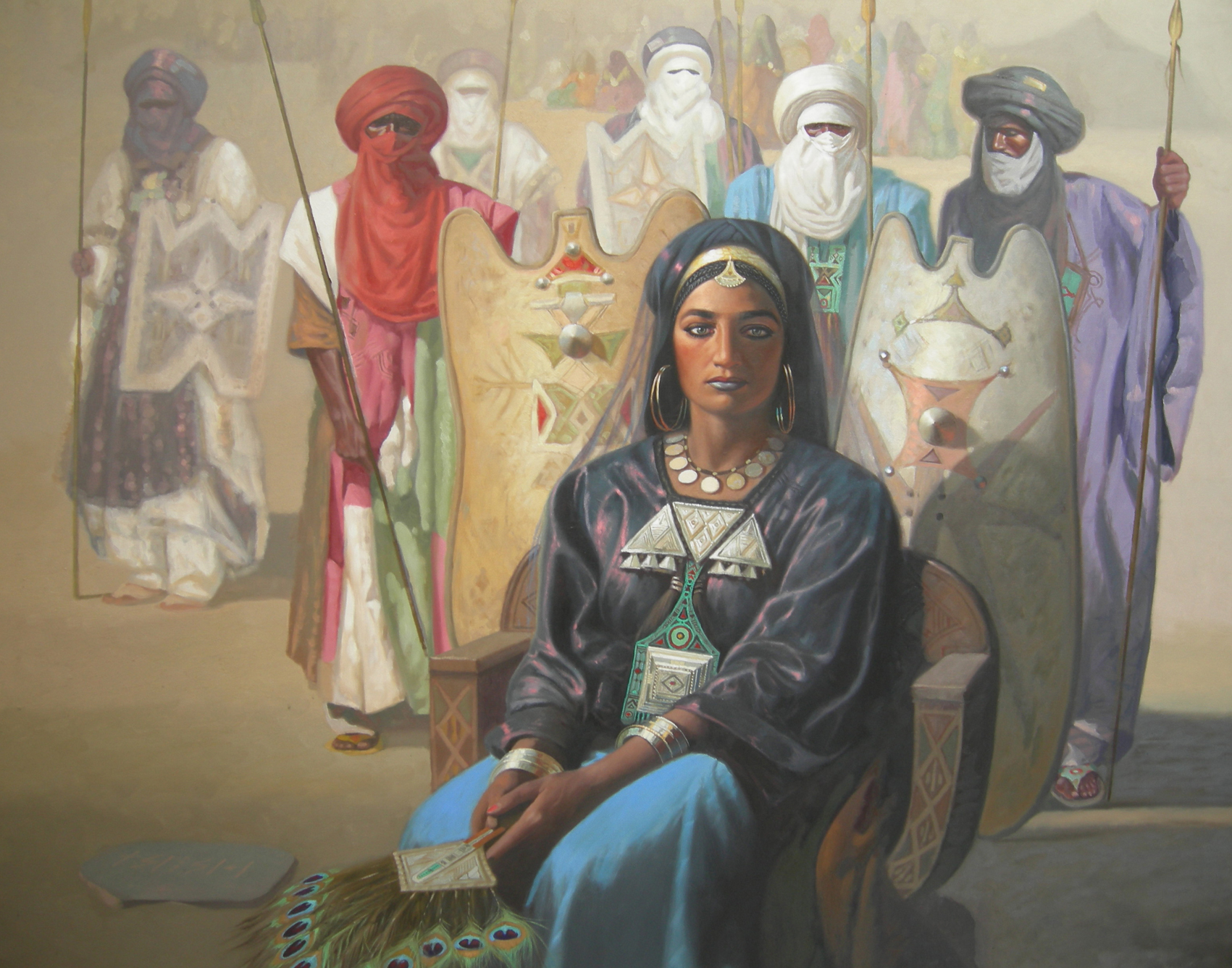
Tuareg Communities Of The Sahara
Hocine Ziani, Public Domain/Wikimedia Commons

Among many Tuareg groups in the Sahara, descent and key forms of property follow the female line. Women often own tents, rights to camp sites, and herds that sustain desert life. Men veil their faces in public, while women move unveiled, compose praise poems, and teach the Tifinagh script. When marriages end, wives frequently keep the family assets and sometimes initiate separation. This blend of matrilineal inheritance and visible female autonomy challenged outsiders expecting strictly patriarchal desert societies.

Bribri Peoples Of Talamanca

Bribri Peoples Of Talamanca
Everjean, CC BY 2.0/Wikimedia Commons

For Bribri communities in the forests of Costa Rica and Panama, clans are matrilineal and women hold unique ritual and land rights. Only women can inherit family land, and only women may prepare the sacred cacao drink central to ceremonies. Children belong to the mother’s clan, which shapes social roles and obligations. That structure gives daughters a strong link to territory and tradition, tying everyday farming to spiritual work and conservation in ways that modern environmentalists have started to recognise.

Nagovisi Villages In Bougainville
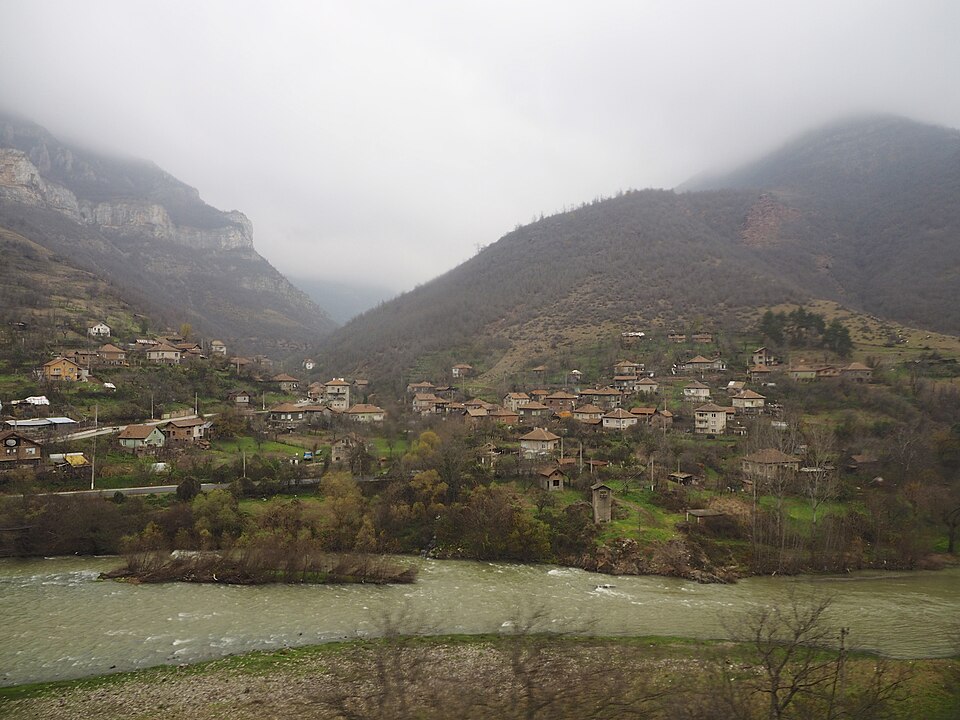
Bulgarian Villages: Kukeri Chasing Off Misfortune
Clay Gilliland, CC BY-SA 2.0 / Wikimedia Commons

In Nagovisi communities on Bougainville, women are central to landholding and dispute settlement. Descent is traced through the mother, and women manage lineage land, pigs, and compensation payments after conflict. Anthropologists describe them as key voices in negotiations over cash crops and mining, especially when projects would disturb ancestral ground. Rather than fitting a simple image of passive matriliny, Nagovisi life shows women actively steering how outside money and local obligations meet in gardens, meetings, and clan councils.

Umoja Women’s Village, Kenya

Umoja Women’s Village, Kenya
Jean Crousillac (Manta Productions), CC BY-SA 4.0/Wikimedia Commons

Umoja in Samburu County began in 1990 as a refuge for women escaping violence and forced marriage. Men may visit as guests, but only women and children live there, run the school, and manage tourism and beadwork cooperatives. Over time, the village has pressed local officials for land rights and inspired similar initiatives nearby. Historians and activists now treat Umoja as a living example of women building safety, income, and political voice by quite literally founding a new place to stand.

1 Shares:
You May Also Like
Read More

12 Misunderstood Nursery Rhymes With Dark Origins

# 12 Misunderstood Nursery Rhymes With Dark Origins Nursery rhymes sound like comfort: steady beats, familiar cadences, the promise that childhood stays gentle. Many, though, were shaped by crowded streets, strict churches, and loud political moments where jokes and warnings lived side by side. Over time, darker readings clung to certain lines, sometimes supported by scholarship, sometimes inflated by modern mythmaking. That mix is the point. A tiny chant can hold fear of disease, punishment, collapse, or greed, then slip it past the ear on melody alone. These verses survive because they are catchy, but also because they let a culture process hard truths in miniature, repeatable form. Even when an origin tale is shaky, the unease shows what people feared and could not say plainly. ## Ring a Ring o' Roses Often taught as a simple circle game, this rhyme is still tied to plague lore: roses as rashes, posies as protection, a cough, and everyone falling at the end. Folklorists challenge that story, pointing out that the famous wording appears relatively late in print, and earlier versions vary wildly, sometimes without any sneezing or collapse at all. What lingers is less a confirmed medical code and more a cultural reflex, the urge to pin disaster to a tune so fear feels explainable, communal, and safely held at arm’s length, even when the archive won’t confirm it. It is a rhyme that lets dread hide in plain sight. Still. ## London Bridge Is Falling Down The chorus sounds like gleeful demolition, but the real London Bridge spent centuries cracking, burning, crowding with shops, and getting rebuilt in costly cycles. That long repair history makes the rhyme feel like a city talking to itself, repeating the same problem because the river, the traffic, and the politics never stop pushing back. Legends about Viking attacks or buried sacrifices float around, yet proof is thin, and the uncertainty matters: the song teaches that icons fail, budgets run dry, and even daily life gets shaped by slow collapse and rebuild. The cheeriness feels like whistling past the scaffolding. ## Humpty Dumpty Before he became an egg in picture books, Humpty Dumpty worked as a riddle about something that breaks beyond repair, no matter how official the rescue looks. The line about all the king’s horses and men carries a blunt message about limits: authority can assemble a crowd, but it cannot rewind a fall, erase damage, or restore what snapped. Stories linking Humpty to a Civil War cannon persist, though evidence is disputed, and that uncertainty fits the point. The rhyme returns to the same ledge, where pride, balance, and chance meet, then fails in public. That finality is what makes the riddle sting. Even the helpers feel helpless. ## Three Blind Mice The melody skips along, yet the plot is a chase with a cruel ending, which is why this rhyme never fully feels innocent, even when sung with hand motions. A musical version appears in early 1600s print, long before children’s collections softened its edges, and later writers tried to map it onto persecution under Mary I, a claim that remains unproven. Even without a single verified event, the unease holds: the targets are helpless, the pursuit is relentless, and the refrain repeats like footsteps that refuse to stop, turning a nursery into a small courtroom where mercy never arrives. The tune keeps running. No mercy shows. ## Baa, Baa, Black Sheep Its neat counting feels like play, but the rhyme is built around extraction: valuable wool measured out, then handed upward to people who did not shear it. One common theory links the lines to historic wool taxes and who took their share, while modern claims about other systems of exploitation circulate without strong documentation in early sources. What the verse reliably captures is a social mood, the sense that the best of something leaves the worker’s hands first, and that obedience can be trained with a cheerful, automatic reply that sounds like agreement, not resignation. The arithmetic is cute, but the arrangement is not. ## Mary, Mary, Quite Contrary This garden rhyme thrives on suspicion. Mary is often tied to Mary I or Mary, Queen of Scots, and the imagery gets treated as coded commentary, from church symbols to violence. The problem is evidence: versions shift across time, and no single interpretation locks in as fact, which is exactly why the rhyme stays fertile ground for rumor, politics, and projection. Its darkness is how easily a sweet scene becomes an accusation. A few bright objects, a tidy bed, and a sing-song tone can smuggle judgment where plain speech once carried risk. The garden stays pretty, and the subtext bites. It survives because the question never closes. ## Jack and Jill On the surface it is a quick trip for water, but the fall feels symbolic, especially with a crown involved and a pair tumbling together, then trying to patch the damage. Some readings treat it as satire about rulers, political missteps, or shifting measures and taxes, yet none can be proved cleanly, and the rhyme predates many tidy explanations pinned to it. Still, it endures because it is honest about gravity, literal and social. Climbing can be ordinary ambition. The drop can be sudden, public, and impossible to talk away afterward, which is why the simple scene keeps getting reread. It is comedy on the surface, caution underneath ## Oranges and Lemons It begins as a bright roll call of London church bells, then tightens into debt and deadlines, ending in the later-added moment when someone gets caught by the chopper. Editors note that many grim interpretations do not match the earliest printed texts, but the rhyme’s geography still points toward courts and punishments that once sat close to markets and church doors. The darkness is the tonal slide. A city sings, time keeps ringing, and play turns into reckoning with just a few extra words stitched on, then carried forward as if they were always there, like a threat hidden inside a map. The bells feel bright until the trap snaps. ## Goosey Goosey Gander The verse walks through a house like a search, and its ending turns domestic space into a stage for punishment, with religion used as the trigger. Folklore often links the old man in the closet to eras of conflict, imagining hidden priests or forbidden worship, though the historical fit is debated and the text evolved across editions. That evolution is telling. Later versions sharpen the violence and make obedience the point, as if the rhyme learned to threaten more directly. Sung lightly, it still carries the chill of coercion, where privacy offers no protection at all. The closet stops being a hiding place and becomes a verdict. ## Rock-a-bye Baby As a lullaby, it offers calm, yet its central image is a cradle perched in a treetop, where wind and wood decide whether rest becomes a fall. The rhyme appears in 18th-century print, and some early editions even tack on a moral about pride and ambition, turning the baby’s danger into a warning about climbing too high. No origin story is settled, but the anxiety is clear. Comfort is temporary. Safety depends on forces that do not care about bedtime, and the song rocks that fear into rhythm so it can be endured, then hummed again the next night. It soothes by naming the fear, then rocking through it. The danger never leaves the frame. ## Little Jack Horner He looks like a harmless kid with a Christmas treat, but the rhyme has long served as shorthand for self-congratulation and sly opportunism, delivered with a grin. A popular tradition claims it mocked a Tudor-era Thomas Horner tied to monastery property deals, though historians debate the link and the evidence is messy. Even without that biography, the posture lands. Jack pulls the prize from the center, declares himself good, and expects applause. The darkness is moral: luck becomes virtue, and taking becomes bragging, which is a lesson that ages well for the wrong reasons. One small plum becomes a whole worldview. ## Sing a Song of Sixpence The opening is pure nonsense fantasy, then the rhyme swerves into money, labor, and sudden cruelty, as if a curtain drops mid-song and no one stops singing. Commentators argue over whether it hides court satire or is simply a stitched-together jumble, but the counting house and the poor maid keep the scene grounded in class and vulnerability. Its bite comes from contrast. Wealth stays indoors. Work happens outside. And the cost of being small arrives without warning, delivered on a bright tune that keeps smiling as it repeats, so the sting lands only after the last note. It is sugar on top of a hard little story. The unsettling part is not that every rhyme hides one provable secret. It is that these songs travel because they are flexible, ready to carry whatever a community fears, mocks, or cannot say outright. A tune can be comfort and warning at once, letting history slip through a child-sized doorway. When the meaning stays blurry, the feeling still lands, and the melody keeps the past humming under the present. **Excerpt (130 characters):** Sweet melodies, sharp shadows: plague lore, power games, and greed echo in rhymes that shaped childhood, then refused to fade yet.