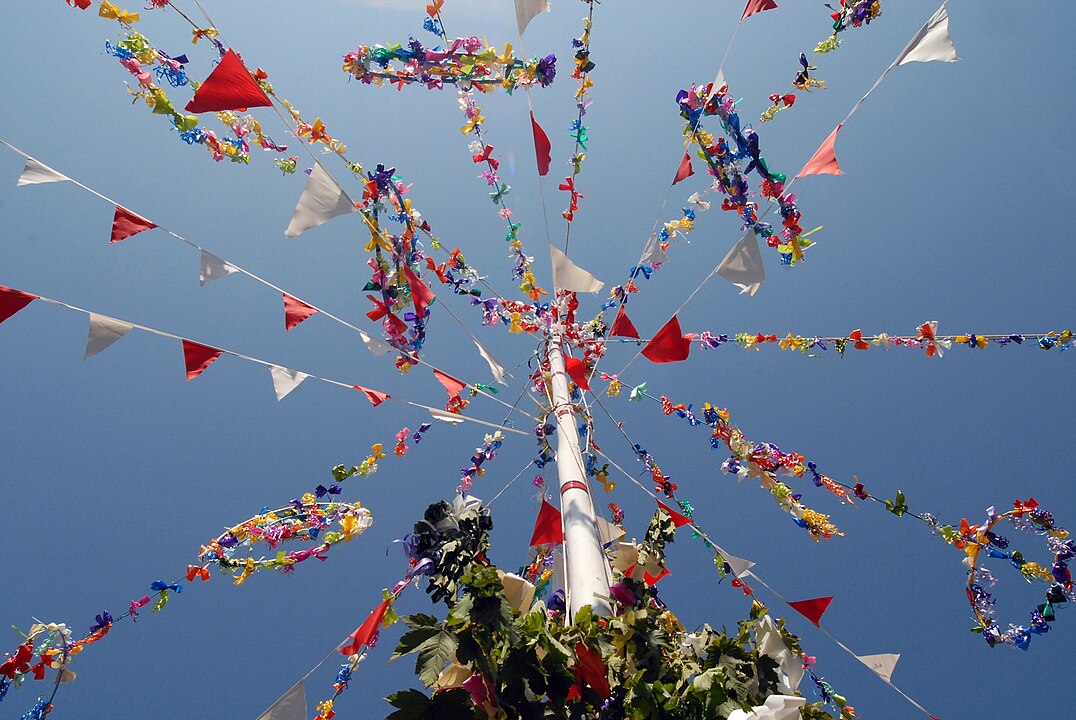
May Day has a way of surviving in the corners of modern life. Even when calendars fill with newer holidays, small towns still keep spring rituals that feel older than the streets they move through. Some are loud, with drums and dancing that takes over a whole center. Others are quiet, marked by a flower, a branch of green, or a song at dawn. What makes these traditions last is not nostalgia. It is the practical joy of gathering, resetting the season together, and letting a community feel like a community again.
Padstow, England (’Obby ’Oss)
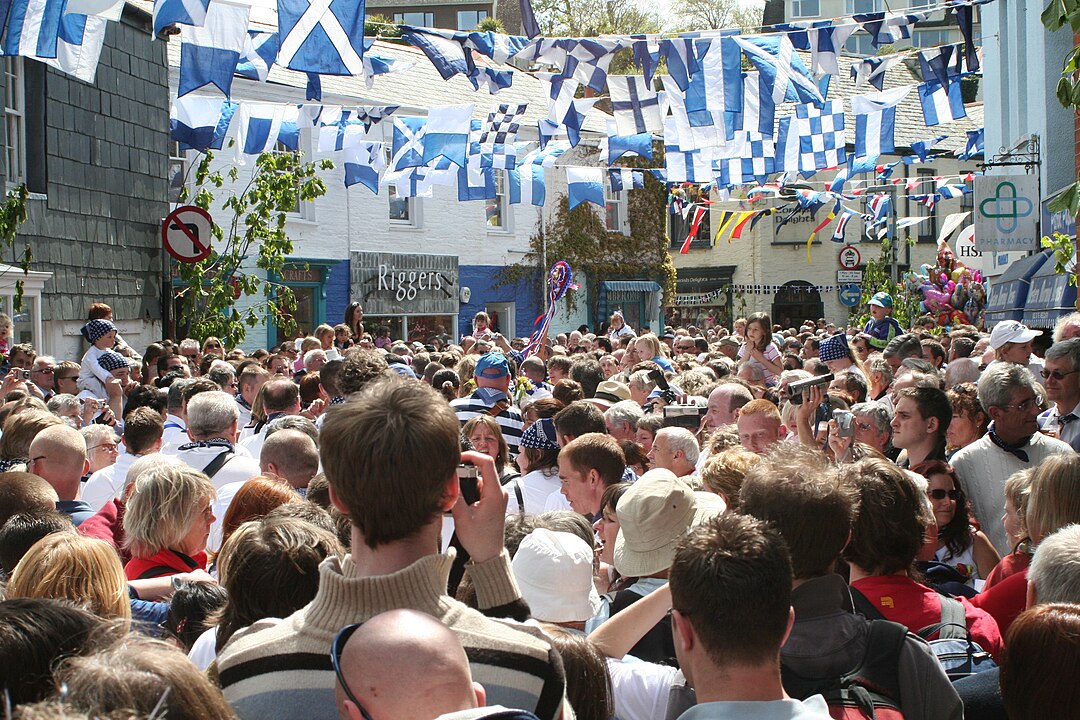
Padstow’s May Day belongs to two rival hobby-horse processions that turn the town into a moving folk ritual. Greenery covers doorways, drums set the pace, and the ’Oss swirls through narrow lanes with a playful snap of its skirted frame. The crowd learns the rules by walking, yielding, and singing along, because the event is stitched into ordinary streets, not a closed stage. It runs from morning through evening, and even small errands become part of the choreography as locals guide visitors with quick advice, steady rhythm, and an unspoken understanding that the town moves as one on this day.
Helston, England (Flora Day)
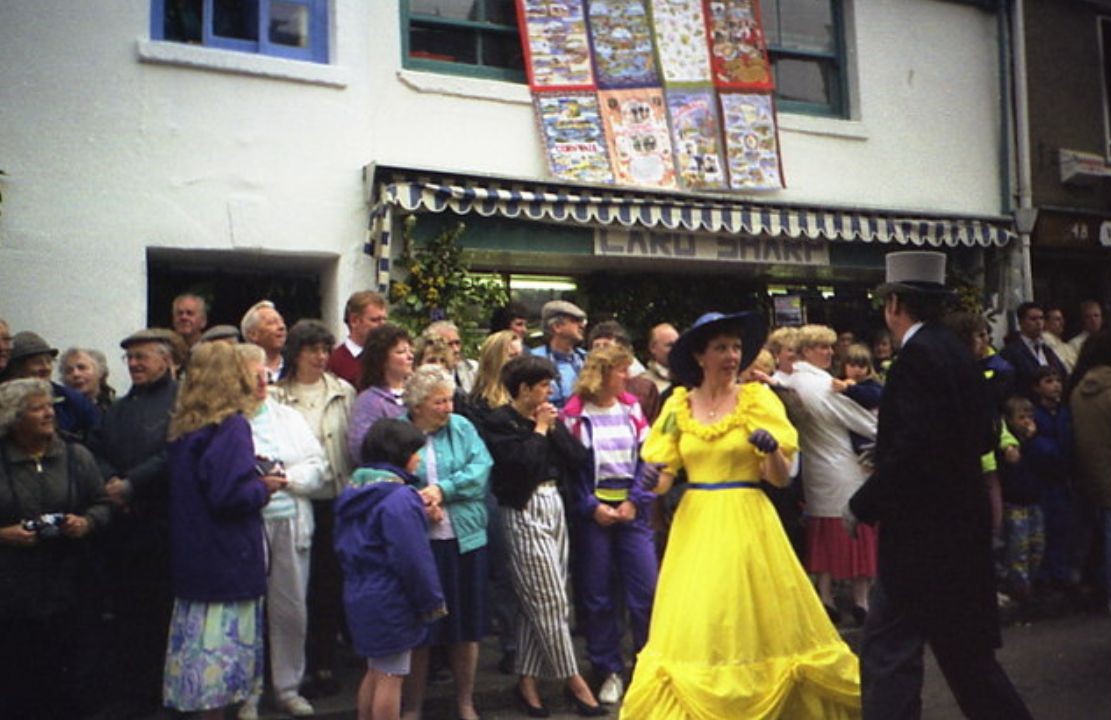
Helston’s Flora Day feels like spring conducted by a town band, with processional dances that pass through streets, shops, and even private homes dressed with greenery. The day follows an order, and that structure is part of the charm: different dances, different groups, and a dress code that makes the town look formally ready for the season. Music spills indoors as doors open, and dancers move through living rooms as if the whole place were one long hall. It lasts because the custom is shared, not consumed, and families return to the same route year after year to watch the town repeat itself.
Hastings, England (Jack In The Green)
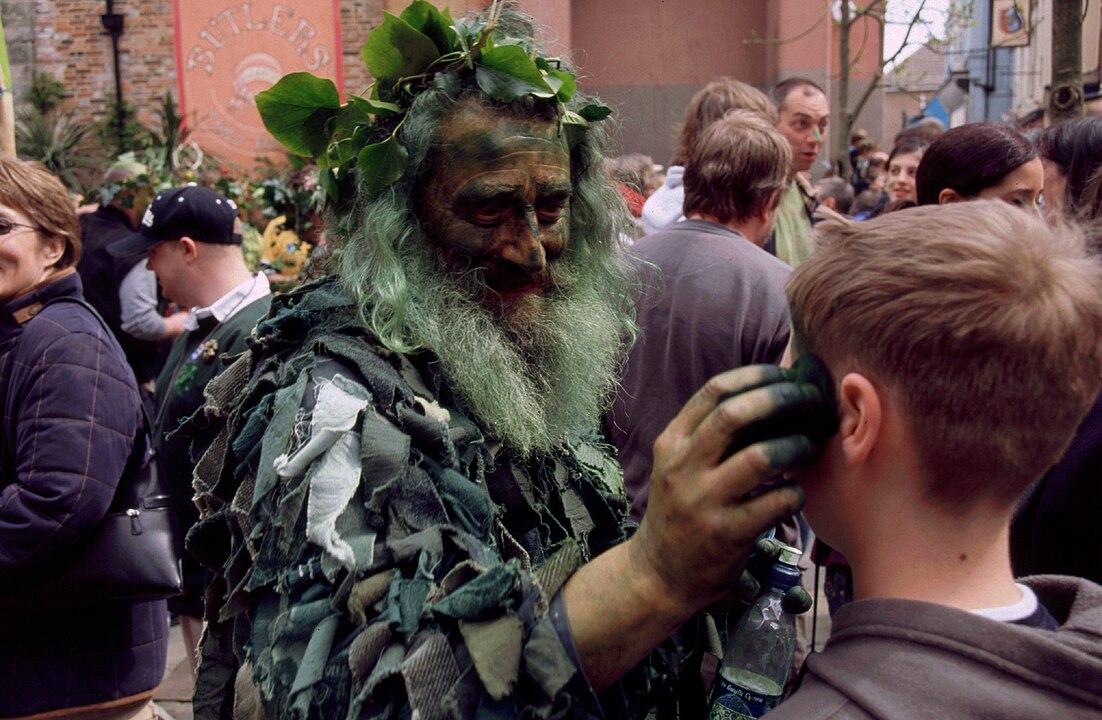
In Hastings, a towering figure wrapped in leaves and flowers is carried through the old town, with drums, fiddles, and Morris dancers pulling the crowd along. Jack is escorted by attendants dressed in green, and the procession gathers momentum street by street until the whole day feels like a rolling welcome to summer. It endures because locals treat it as a signature, not a product: pubs host music, families line the route, and visitors follow the sound to the final gathering without needing tickets or instructions. Between the big moments, small street scenes keep it warm and human.
Oxford, England (May Morning)
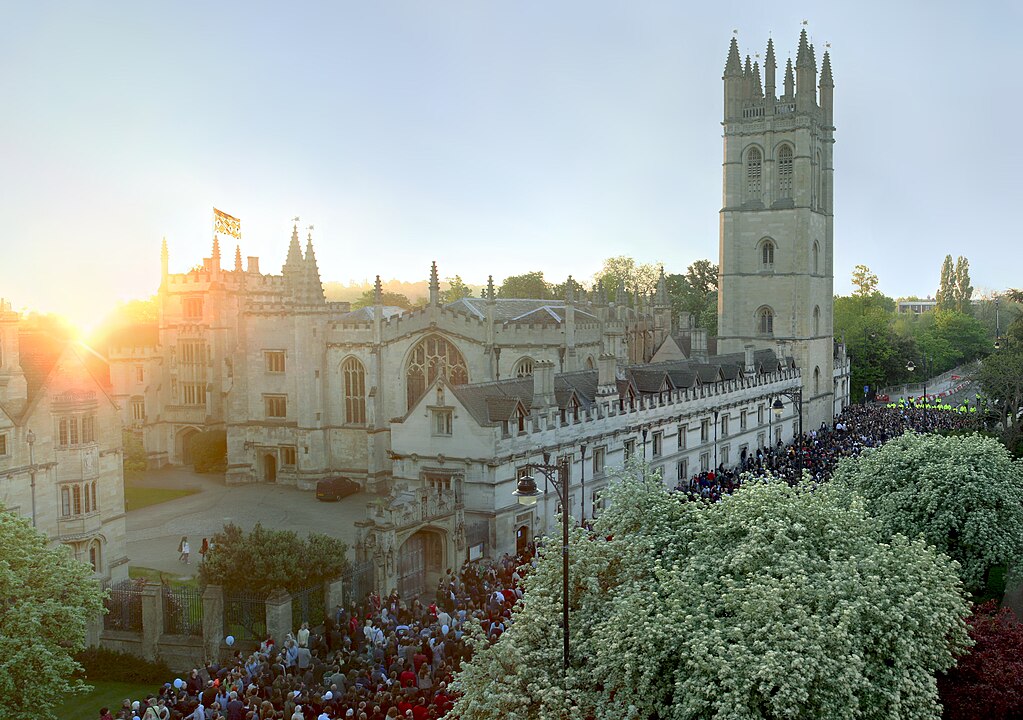
Oxford’s May Morning begins at dawn with choral singing from Magdalen College Tower, and the timing is the point. People gather in the cold early air, and the city feels strangely quiet until the first notes arrive, turning a familiar street into a shared pause. When the singing ends, the calm breaks into breakfast lines, dancing, and friendly disorder that stretches into late morning. The tradition survives because it is simple and open: showing up is enough, and the ritual still feels meaningful even in bad weather. It marks the season with precision, like spring starting on cue.
Knutsford, England (May Queen)
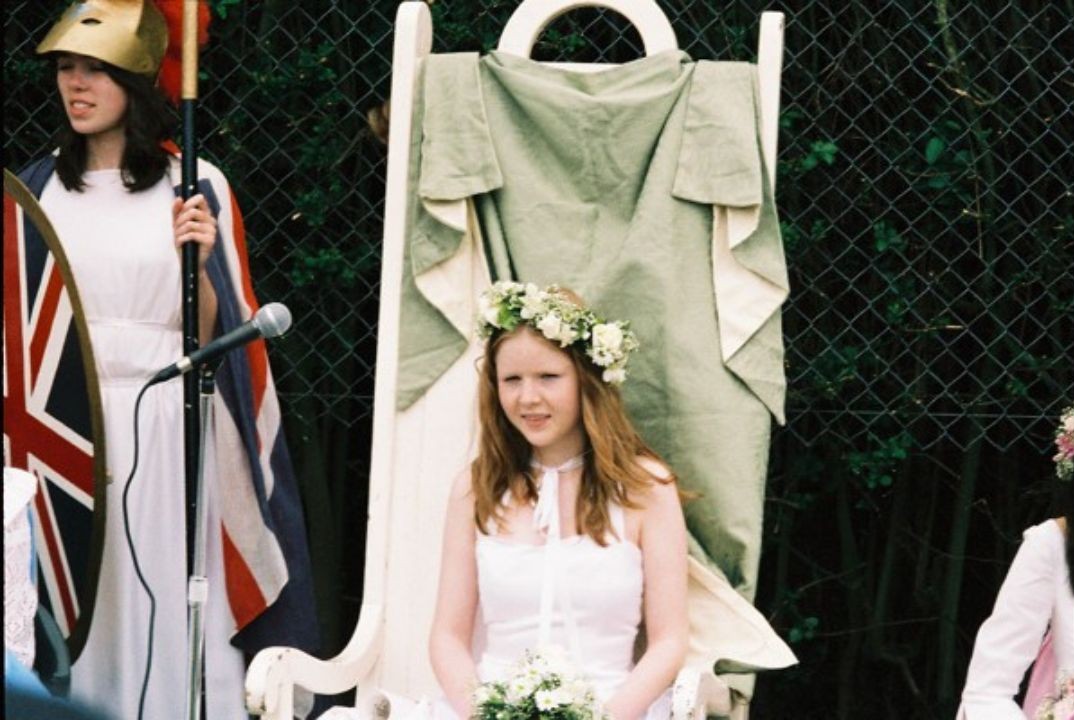
Knutsford keeps a May Queen tradition that feels like a small-town ceremony with deep roots, complete with processions, dancing, and careful pageantry. Children rehearse for weeks, costumes appear, and the route becomes an annual pathway that families recognize by heart. The May Queen and her attendants sit at the center of a story the town chooses to repeat, with pride that is quiet but steady. It persists because it belongs to locals first, not visitors, so it keeps the tone personal and familiar. Even as crowds grow, the day still feels like neighbors honoring neighbors, not a performance staged for strangers.
Rochester, England (Sweeps Festival)
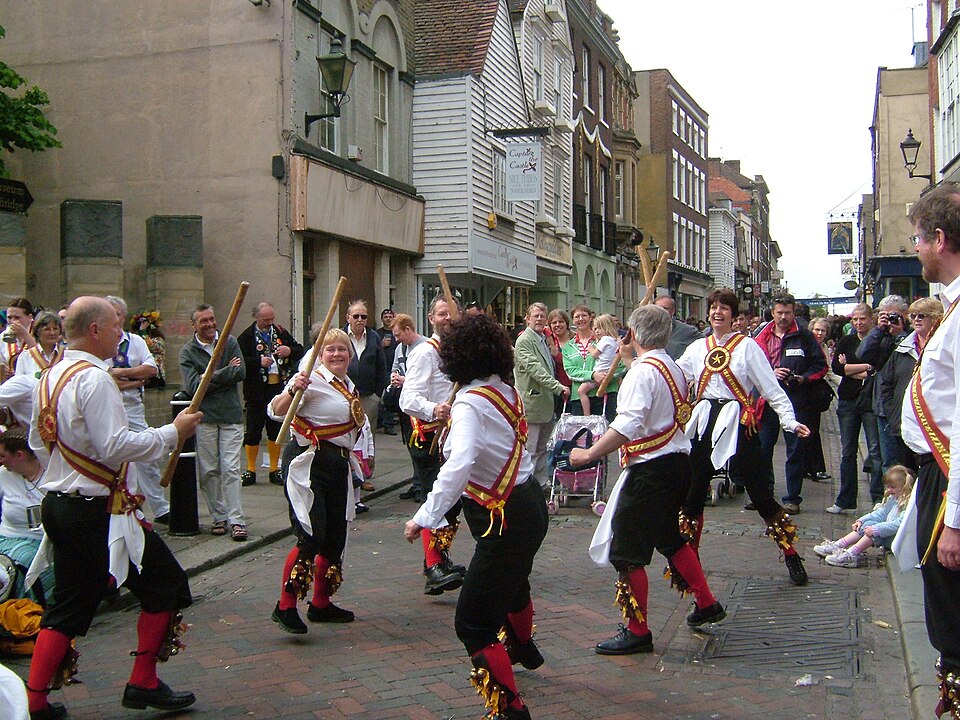
Rochester’s early May weekend is shaped by the Sweeps Festival, a lively revival tied to old chimney-sweep gatherings and now powered by street dance and music. Morris sides arrive from across the country, bells and sticks echo through the historic center, and the town becomes a public stage where the next rhythm is always around the corner. It works because it is flexible: visitors drift between pubs and squares, catching different groups without needing a plan, while locals keep the atmosphere friendly and informal. The result feels like a town-wide handshake with spring, with enough variety to stay fresh each year.
Paris, France (Lily Of The Valley)

In France, May 1 carries a quiet practice that still feels strangely powerful: giving lily of the valley as a wish for good luck. In Paris, small bouquets appear near metro stops and street corners, often wrapped in plain paper, and the flower becomes a soft signal that spring has arrived. It lasts because it asks for almost nothing, yet it changes the tone of the day, turning routine commutes into small exchanges. People buy a sprig, hand it over, and keep walking, but the gesture lingers. The city stays busy, yet the little white bells create brief moments of warmth and attention.
Assisi, Italy (Calendimaggio)
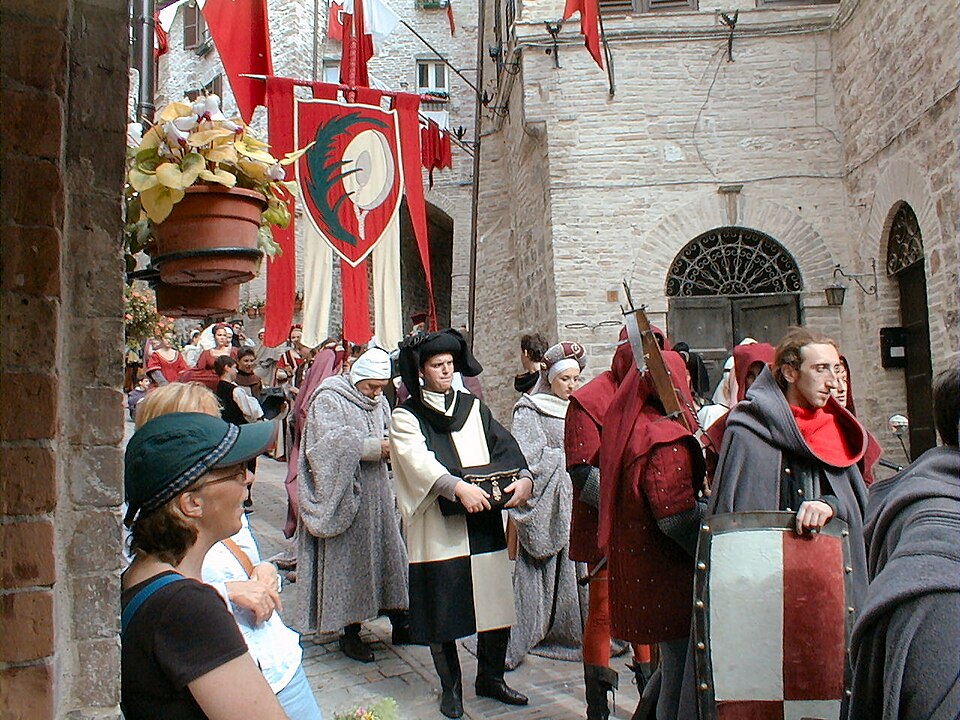
Assisi welcomes May with Calendimaggio, where medieval songs, flags, and neighborhood pride turn the hill town into a friendly rivalry. Two parts of the town stage parades and performances that make stone streets feel like a living set, but the energy comes from locals who treat it as identity, not entertainment. Drums and choral voices fill the evenings, and daily life reorganizes around rehearsals and processions, so even a casual walk becomes part of the scene. Visitors notice how the event changes the town’s posture, with shopfronts, balconies, and alleyways joining the spectacle without needing any modern gloss.
Helsinki, Finland (Vappu)
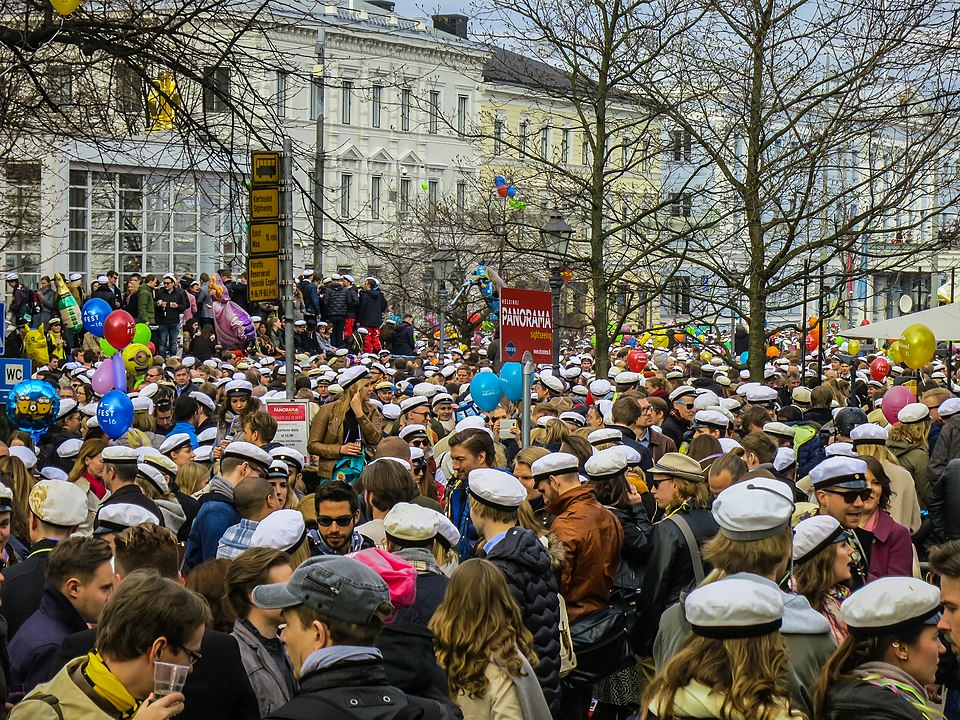
In Helsinki, Vappu blends student tradition with public celebration, marked by white caps, speeches, and outdoor picnics that happen even when the weather refuses to cooperate. The city stays awake late, then wakes to parks full of blankets, balloons, and sparkling drinks, with families and students sharing the same lawns. It remains strong because it is participatory: the best seats are patches of grass, homemade snacks matter, and the mood is shared rather than curated. The city feels briefly united by humor and stubborn joy, as if spring is something to claim together, not just notice. The cold air hardly slows it down.
Uppsala, Sweden (Valborg)
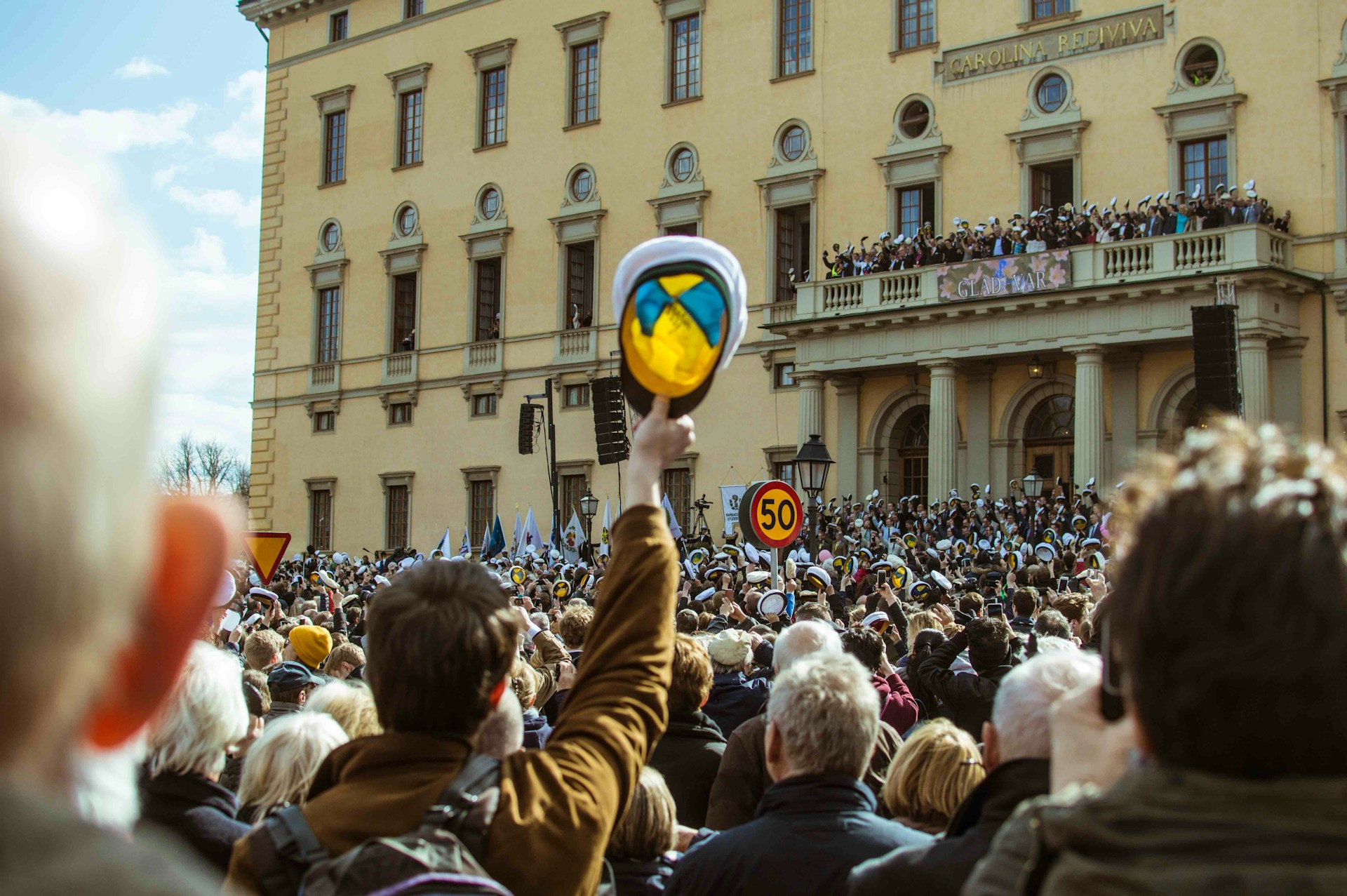
Uppsala’s Valborg carries the end of April into May with bonfires, choir songs, and student traditions that still feel tied to the season’s shift. The city swells with energy at night, then eases into May 1 with calmer gatherings and long walks by the river, as if the celebration needs both fire and recovery. It lasts because it is communal and low-friction: parks, riverbanks, and courtyards do the work of a venue, and people bring their own warmth. After a long winter, the ritual feels like a collective exhale, replacing gray days with light, voices, and the simple relief of being outside again.
Harz Mountains, Germany (Walpurgis Night)
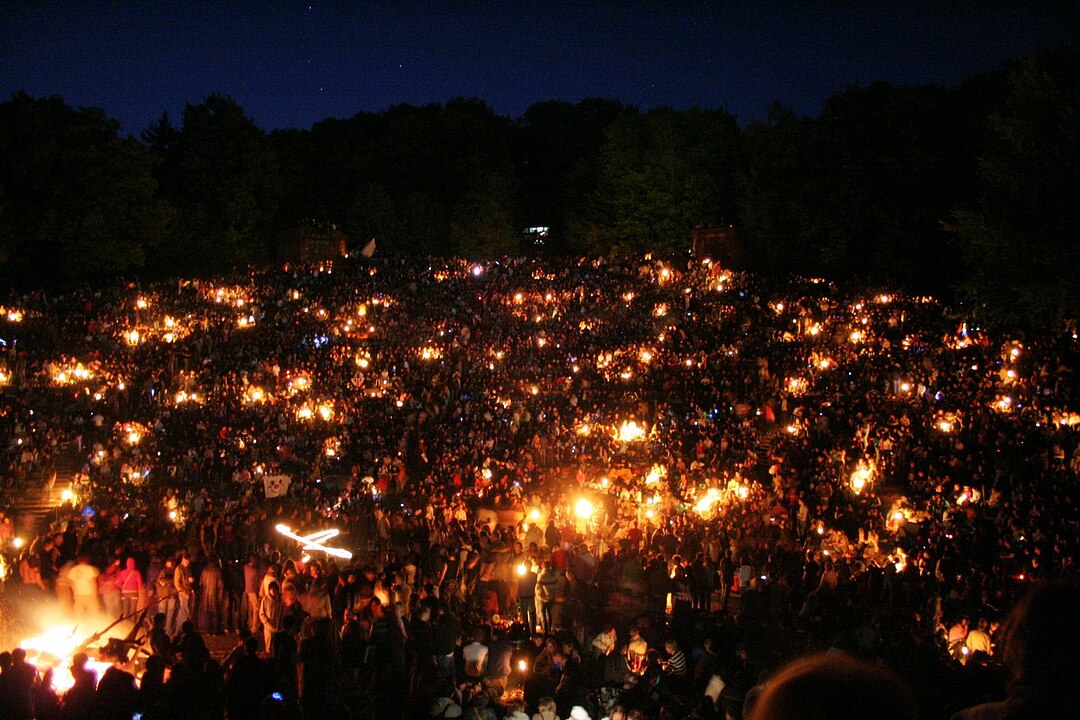
In Germany’s Harz Mountains, Walpurgis Night marks the turn into May with costumed parades, bonfires, and late-night town events that blend folklore with local playfulness. The mood is more theatrical than serious, built on handmade outfits, music, and street gatherings that invite people to join without needing special knowledge. It persists because small towns keep ownership of it, reshaping old legends into a community night with markets and performances that feel regional, not manufactured. Visitors see something lived-in, where locals know the best corners to watch, the best stalls to visit, and the best time to arrive before the streets fill.
Romania (Armindeni)
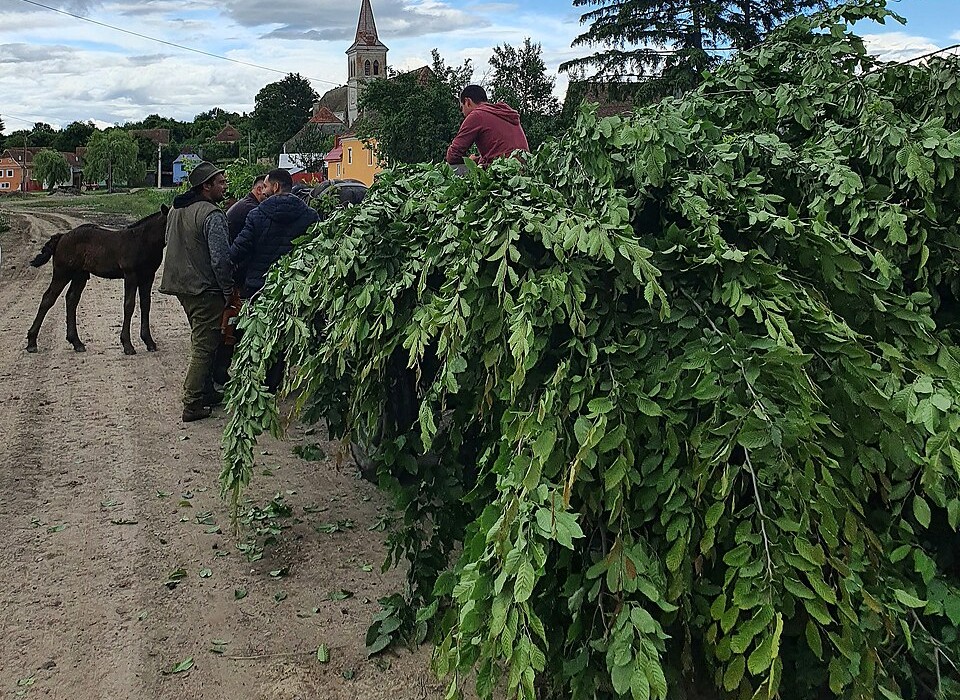
In parts of Romania, Armindeni marks May 1 with fresh green branches placed on gates or homes as a sign of renewal and care for the growing season. The act is simple, yet it carries a rural logic about luck, protection, and the hope of healthy crops later in the year, so greenery becomes a visible promise. The day can include shared food and drink, not as spectacle, but as a social reset that welcomes summer’s approach. It surprises outsiders because it is quiet and local, practiced without fanfare in communities where tradition survives by fitting neatly into everyday life, like a small habit that still matters.