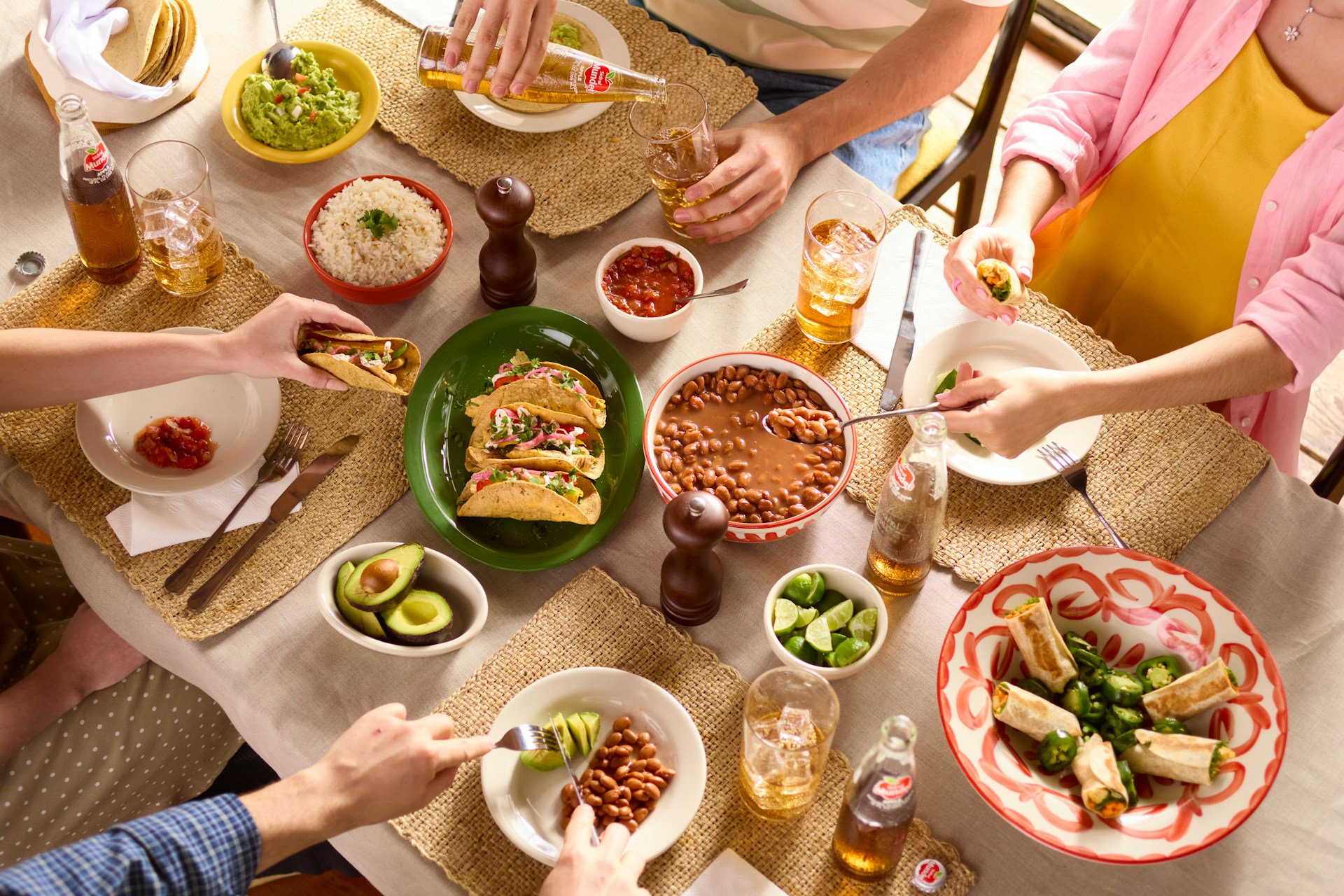
Dining etiquette is rarely about perfection. It is about signaling care in a shared space, where food is only half the story and attention does the rest. Across cultures, small choices carry meaning: where utensils rest, who begins first, how shared dishes are approached, and what yes and no sound like at a generous table. These customs can feel invisible until a traveler meets them, and then they suddenly make sense. A meal runs smoother when the local rhythm is understood and respected.
Chopsticks Upright In Japan Signals A Ritual
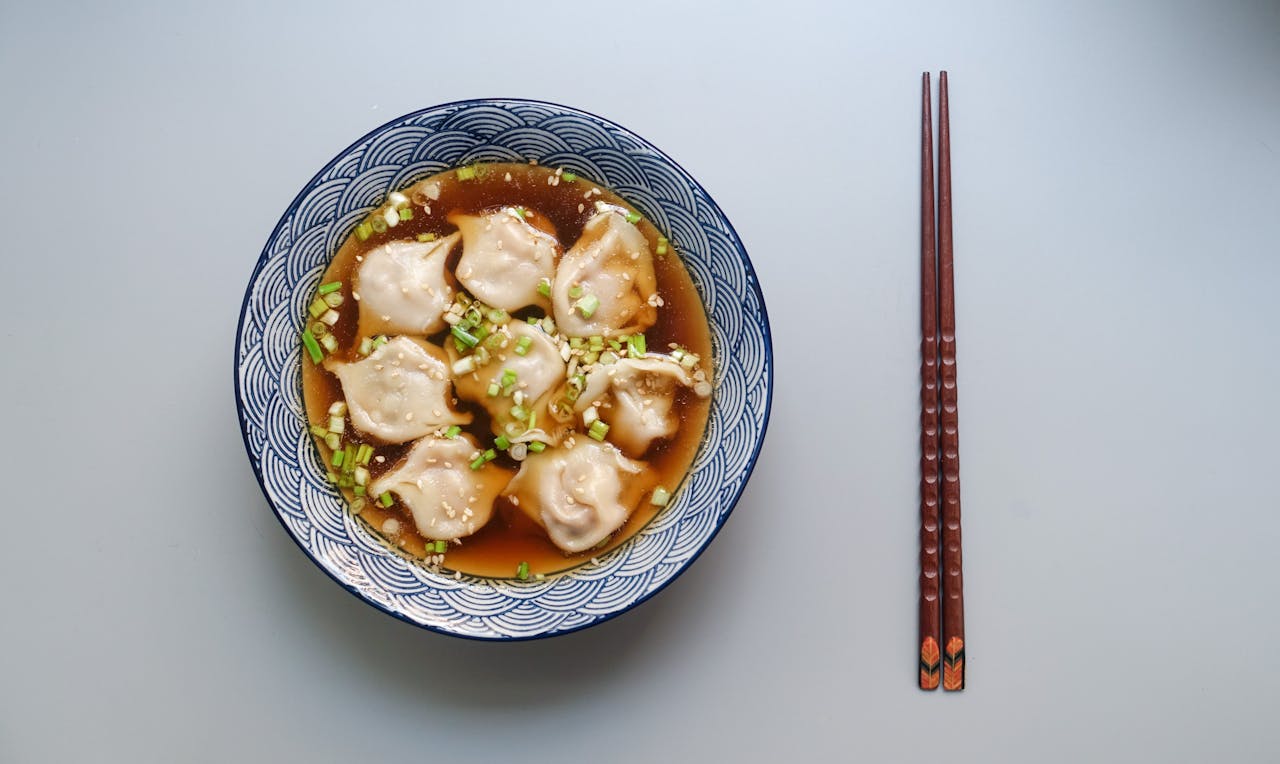
In Japan, leaving chopsticks standing upright in a bowl of rice is avoided because it echoes a funeral offering, so it can feel jarring at an everyday table. When pausing, chopsticks belong on a hashioki rest, or laid neatly across a bowl or plate, which keeps the setting calm and clearly signals a temporary break. Sharing follows the same care: food is moved with serving chopsticks or placed onto a small plate first, rather than passed chopstick to chopstick. If chopsticks must rest, setting them straight and tidy is the quiet signal that the meal is still being honored.
Thailand Uses A Spoon To Eat, A Fork To Guide
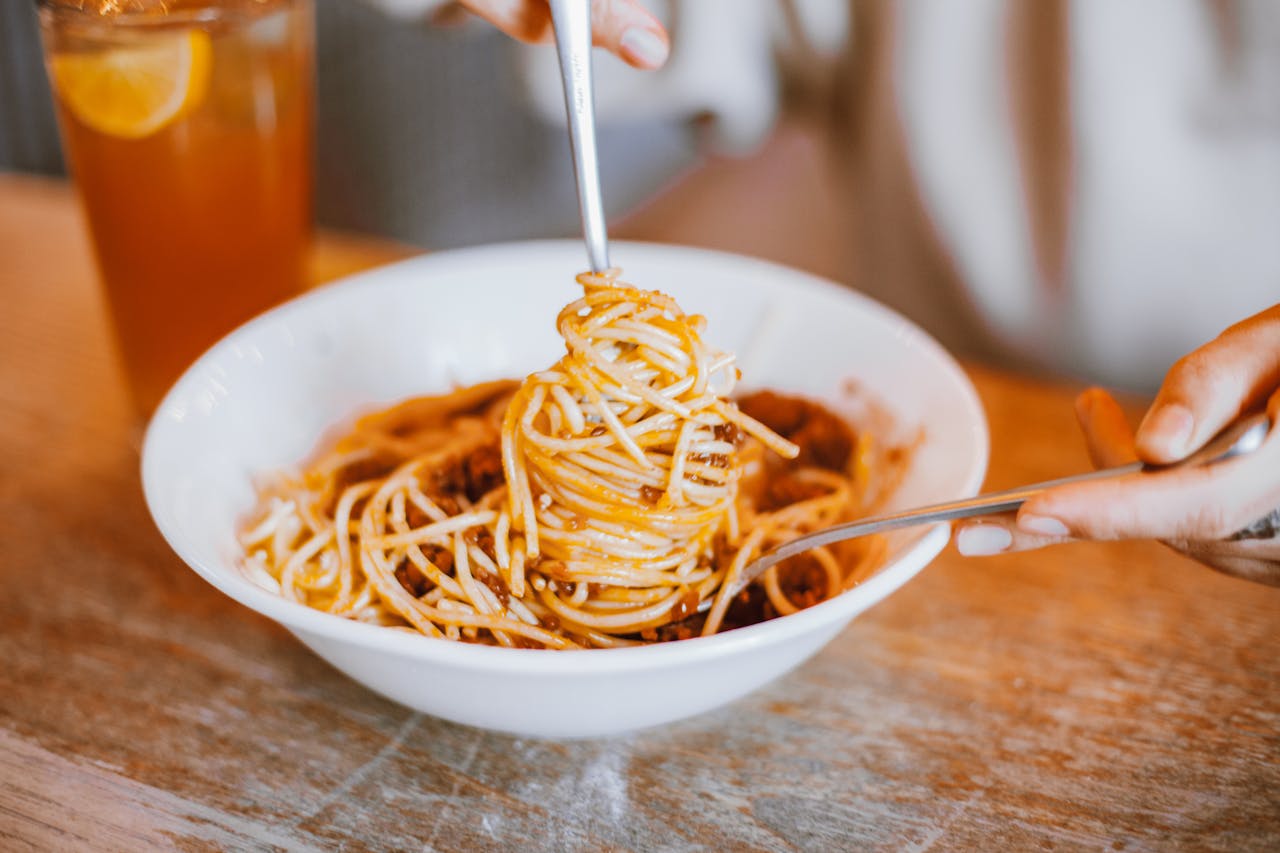
In Thailand, the spoon does the eating and the fork does the guiding, used to push rice and toppings onto the spoon instead of lifting food to the mouth. Many meals arrive family-style, so diners take small portions and use communal spoons when available, keeping shared plates neat and fair for everyone at the table. The rhythm is practical: a few bites, a bit of conversation, then another scoop, which helps spicy, sour, and sweet flavors land without anyone crowding the center dishes. When a plate is shared, taking a little, then returning for more later keeps the table balanced and friendly.
Upright Chopsticks In China Echo Offerings
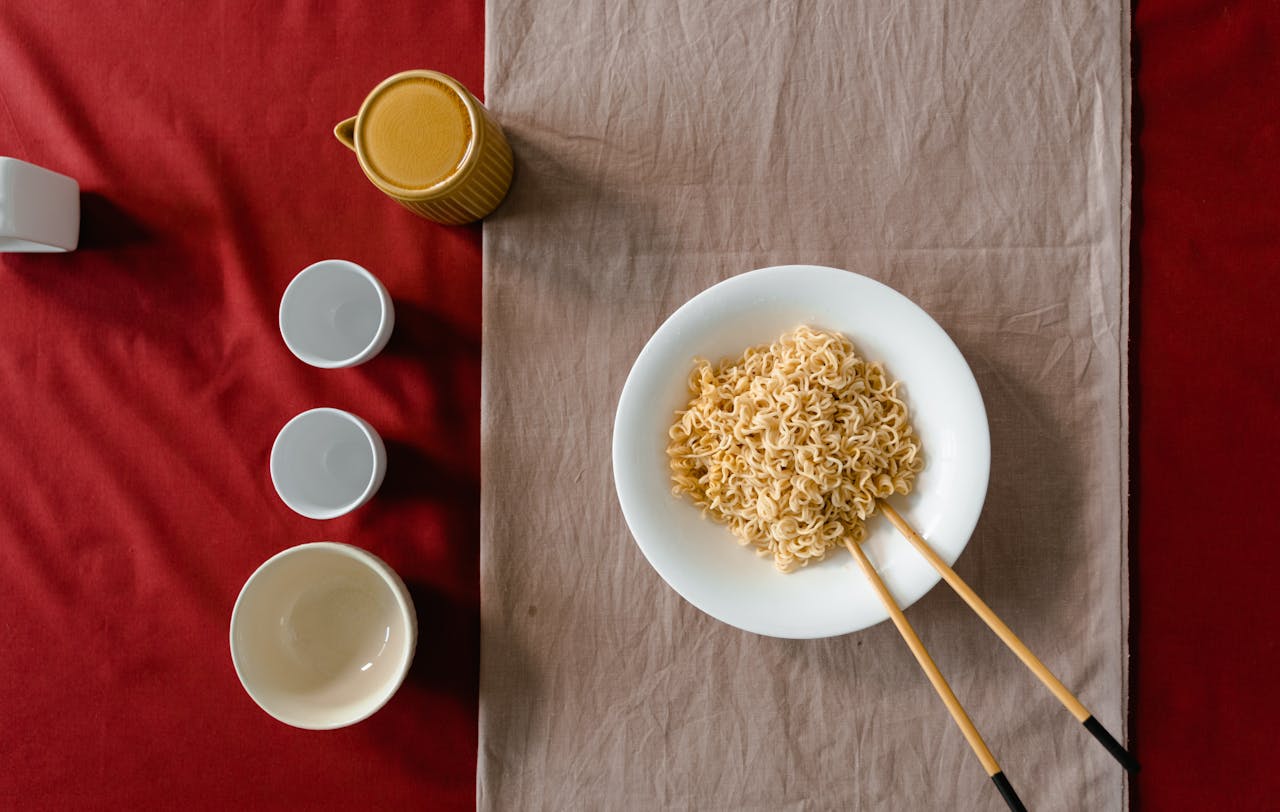
In many Chinese dining settings, planting chopsticks upright in a rice bowl is avoided because it resembles incense placed for offerings, and that association can shift the mood in the wrong direction. Chopsticks are usually laid parallel on a rest or across the bowl, and pointing them at people while talking is also discouraged because it feels sharp. At shared tables, serving chopsticks or spoons are used when provided, which keeps group dining clean and considerate as dishes circulate. Small restraint is valued, especially when elders or guests are present.
South Korea Waits For Elders To Begin
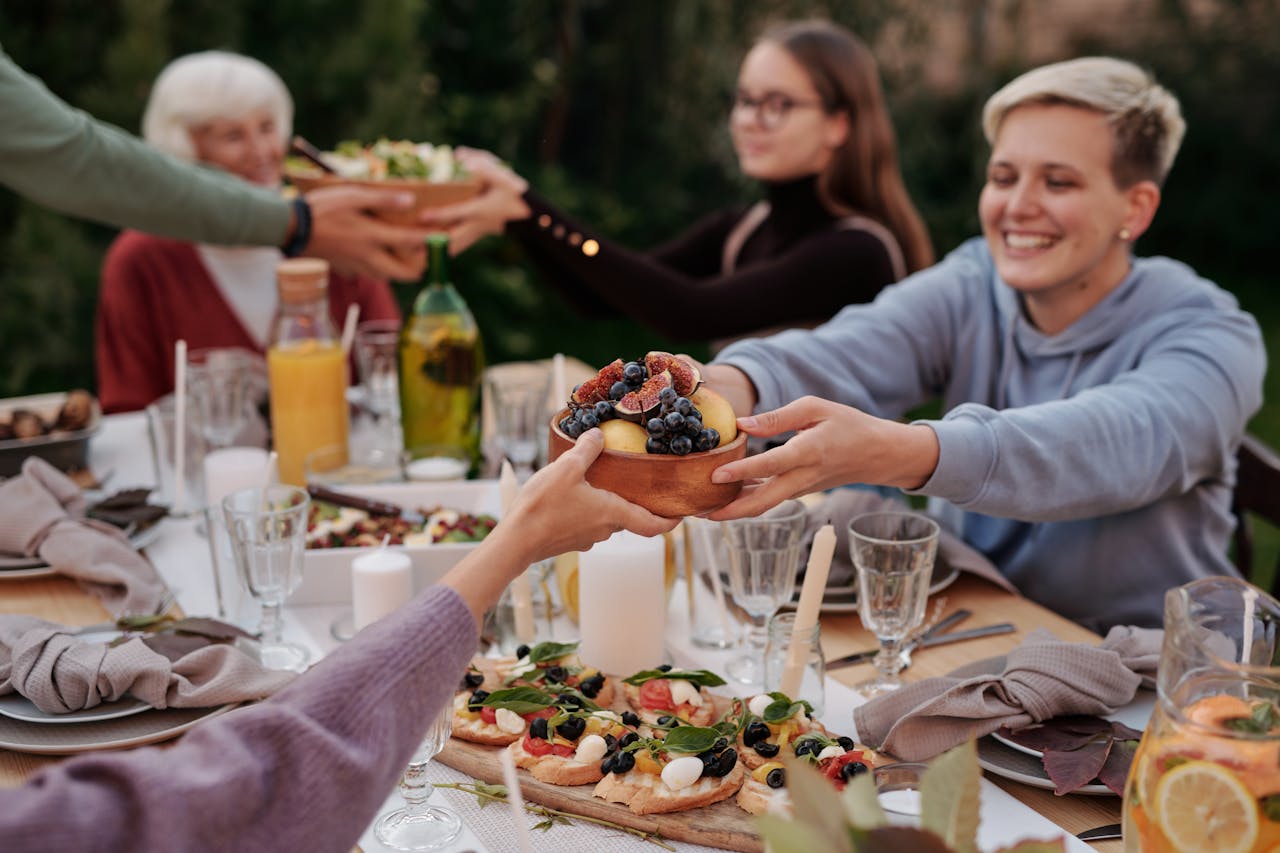
In South Korea, the meal often starts with seniority, so diners commonly wait for the eldest person to lift a spoon or chopsticks before taking the first bite. It reads as quiet respect, and it sets a steady pace, especially at family tables where food is tied to care, memory, and gratitude. Because banchan side dishes are shared, modest portions matter, and the best pieces are often left for elders or guests, creating a table that feels thoughtful even in lively rooms. Even in modern cafés, that instinct shows up as letting others settle before digging in.
France Keeps Hands Visible And Bread Off The Plate
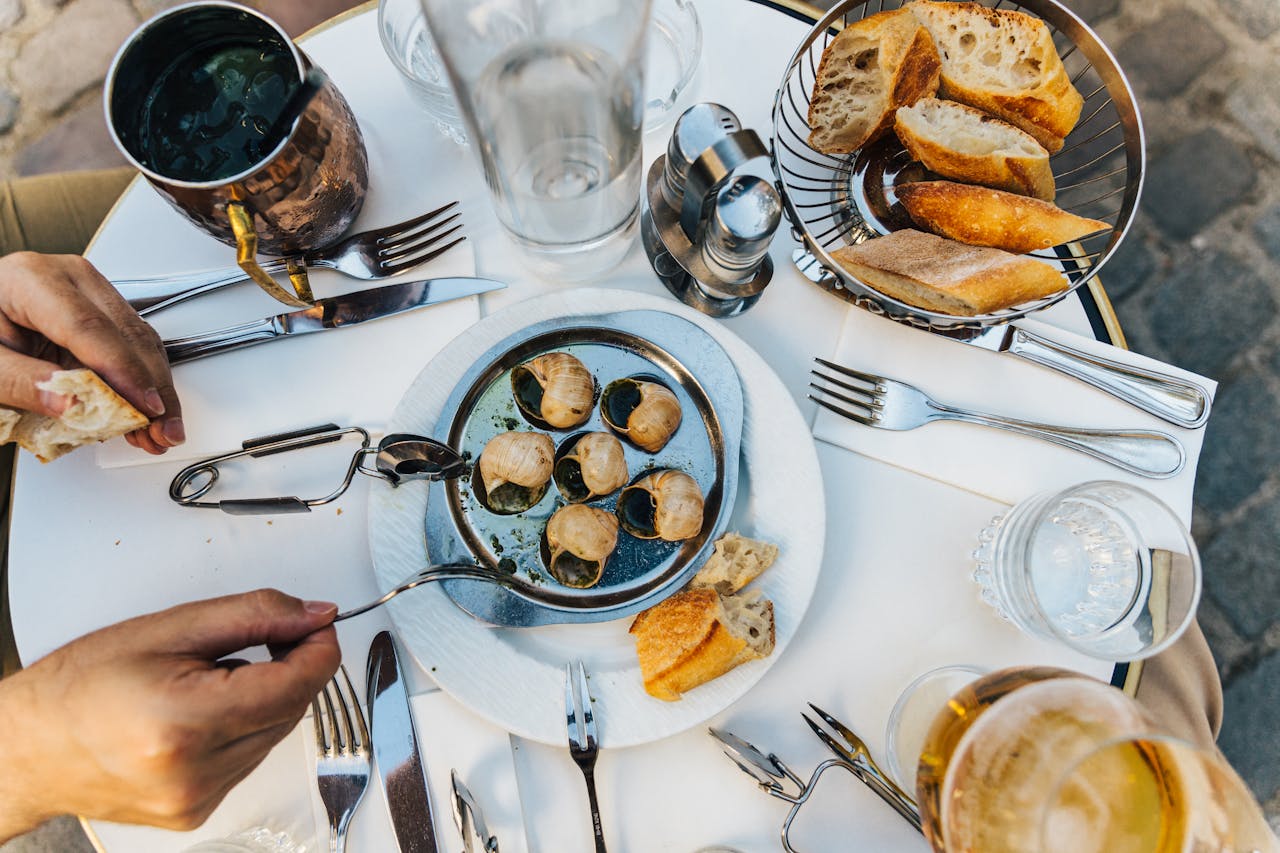
In France, classic table manners keep hands visible, with wrists resting lightly on the table rather than disappearing into a lap, signaling attention to both meal and company. Bread is often placed on the tablecloth beside the plate, not on the plate itself, and it accompanies bites without turning into a constant tool. The wider expectation is restraint: quiet cutlery, measured pacing, and conversation that does not compete with chewing, so the meal feels polished while still relaxed. It is a style of comfort that stays composed, so the meal feels attentive without feeling stiff.
Italy Treats Cappuccino As A Morning Drink

In much of Italy, cappuccino is treated as a morning coffee, so ordering one after lunch can seem slightly out of step with local rhythm, even though cafés will still serve it without fuss. Many Italians switch to espresso after meals, keeping milk-heavy drinks for breakfast hours alongside pastries, then moving through the day with shorter, sharper coffee breaks. It is less a rule than a shared habit, and following it helps cafés feel like neighborhood routines instead of staged moments. A simple espresso after lunch matches the pace, then life moves on without lingering heaviness.
India Often Reserves The Right Hand For Food
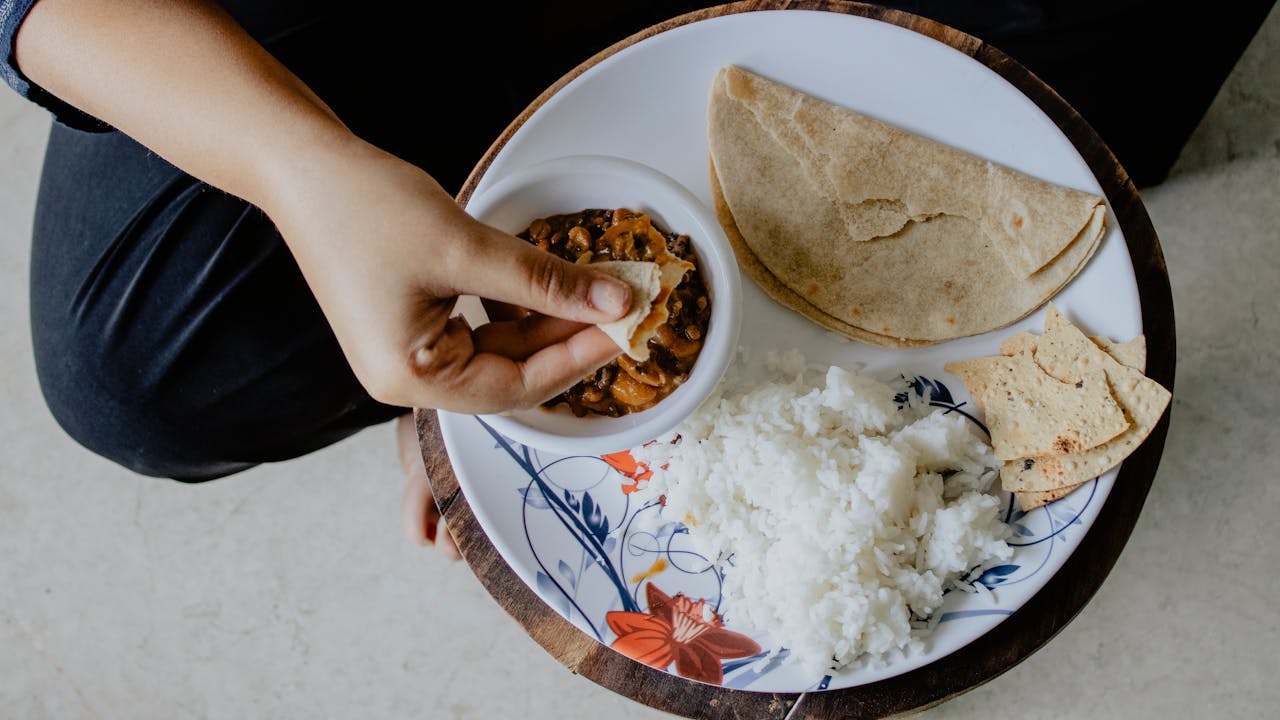
Across many parts of India, the right hand is traditionally used for eating and for passing bread or sweets, while the left hand is kept for non-food tasks, a courtesy tied to cleanliness and respect. It shows up most clearly in homes, temples, and street-food moments where hands are part of the meal, but the same awareness can apply to shared snacks and festival treats too. When serving from a common dish, many hosts appreciate using the right hand or a spoon, then washing before returning to the table. Serving elders and guests first keeps the mood warm, and matching the host’s rhythm is usually all that is needed.
Ethiopia Shares From One Platter And Offers Gursha

In Ethiopia, meals often center on injera shared from a single platter, and a host may offer gursha by placing a bite for a guest as a sign of affection and welcome. It can feel intimate, but the point is kindness, not pressure, and the gesture is often used with family, close friends, or during celebrations. Dining stays communal: people tear injera, scoop stews, and keep their area tidy so others can reach comfortably. Eating from the shared tray is about belonging, so calm pacing and clean hands matter.
Middle Eastern Hospitality Includes Repeated Offers

In many Middle Eastern homes, hospitality arrives through repeated offers of tea, coffee, and food, and a firm refusal can sound like refusing care rather than declining a snack. Accepting a small portion, praising the flavor, and moving at a calm pace often matters more than appetite, because the host is reading comfort, respect, and ease. Refills may come quickly, especially with Arabic coffee or mint tea, so a polite pause and a clear compliment can signal appreciation without inviting endless rounds. When it is time to stop, gentle cues help, such as covering the cup, slowing sips, or offering warm thanks as the cup is set down.
Mexico Often Starts Eating After Everyone Is Served
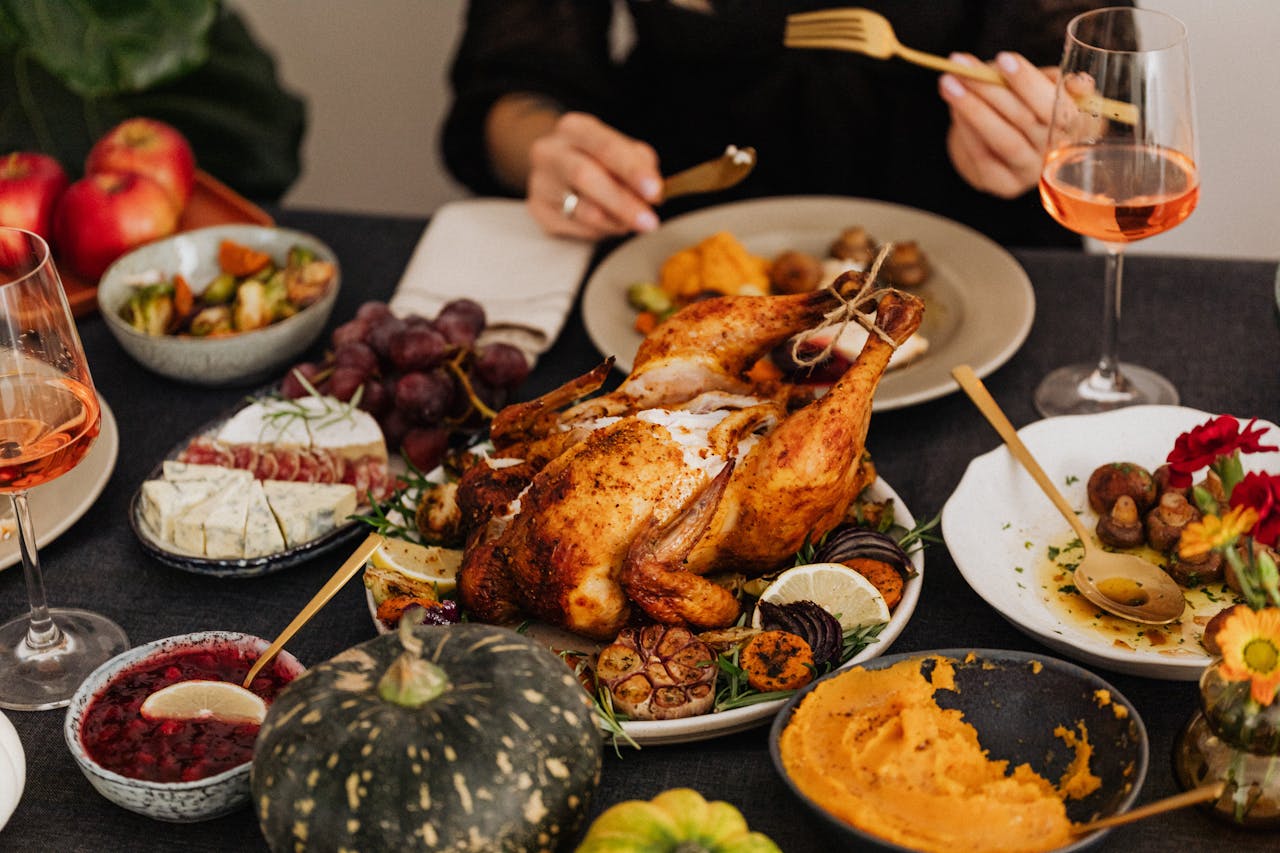
In many Mexican households, people wait until everyone has been served before starting, especially when guests or elders are present and the table is still being set. The meal is meant to hold conversation as well as food, so rushing can feel like skipping the care that makes the gathering matter, whether it is a weekday comida or a long weekend meal. Compliments to the cook are expected and sincere, and seconds are offered as warmth rather than obligation, so a gentle no can be paired with praise. That extra beat of waiting keeps the table unified, and it makes the cook’s effort feel noticed.