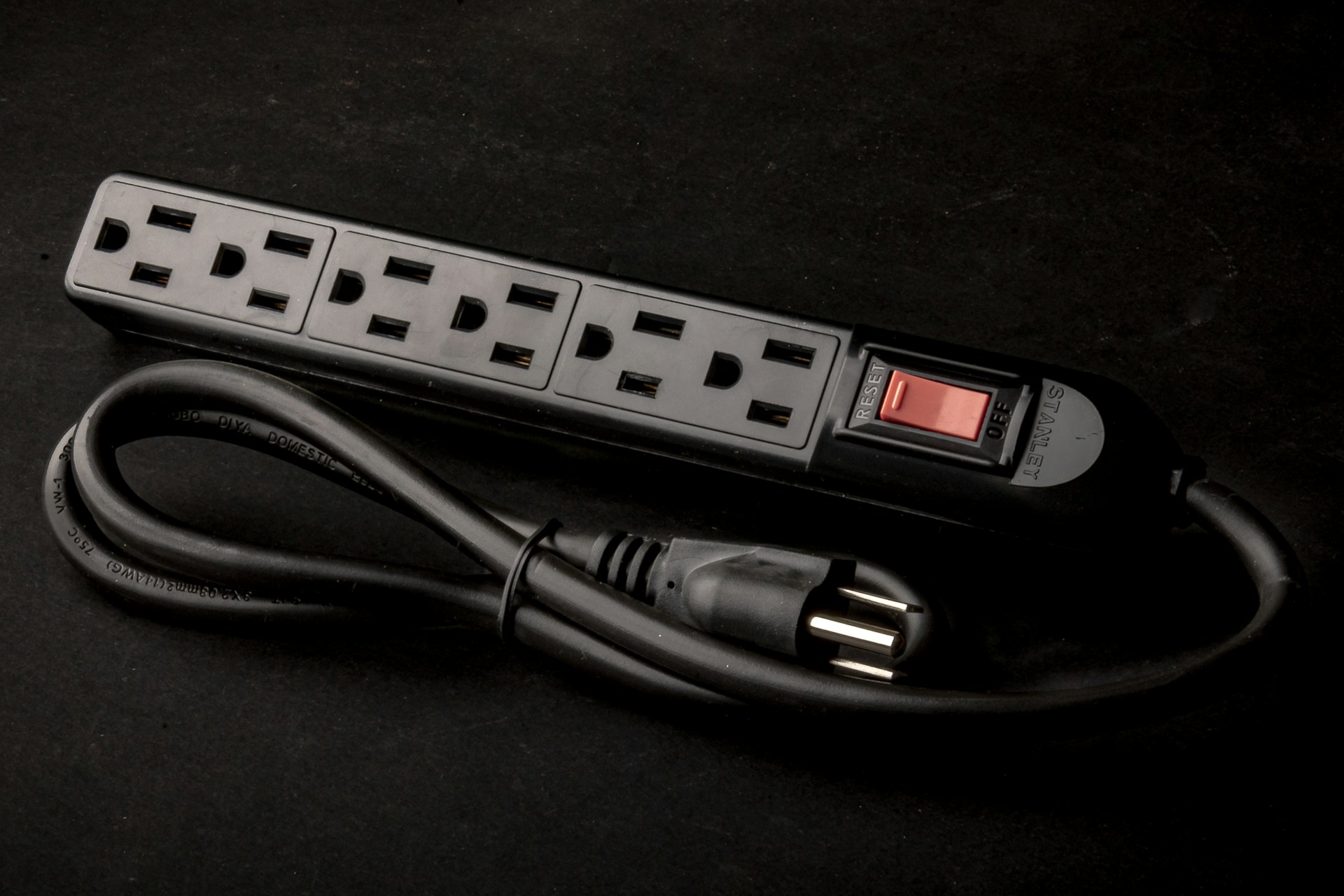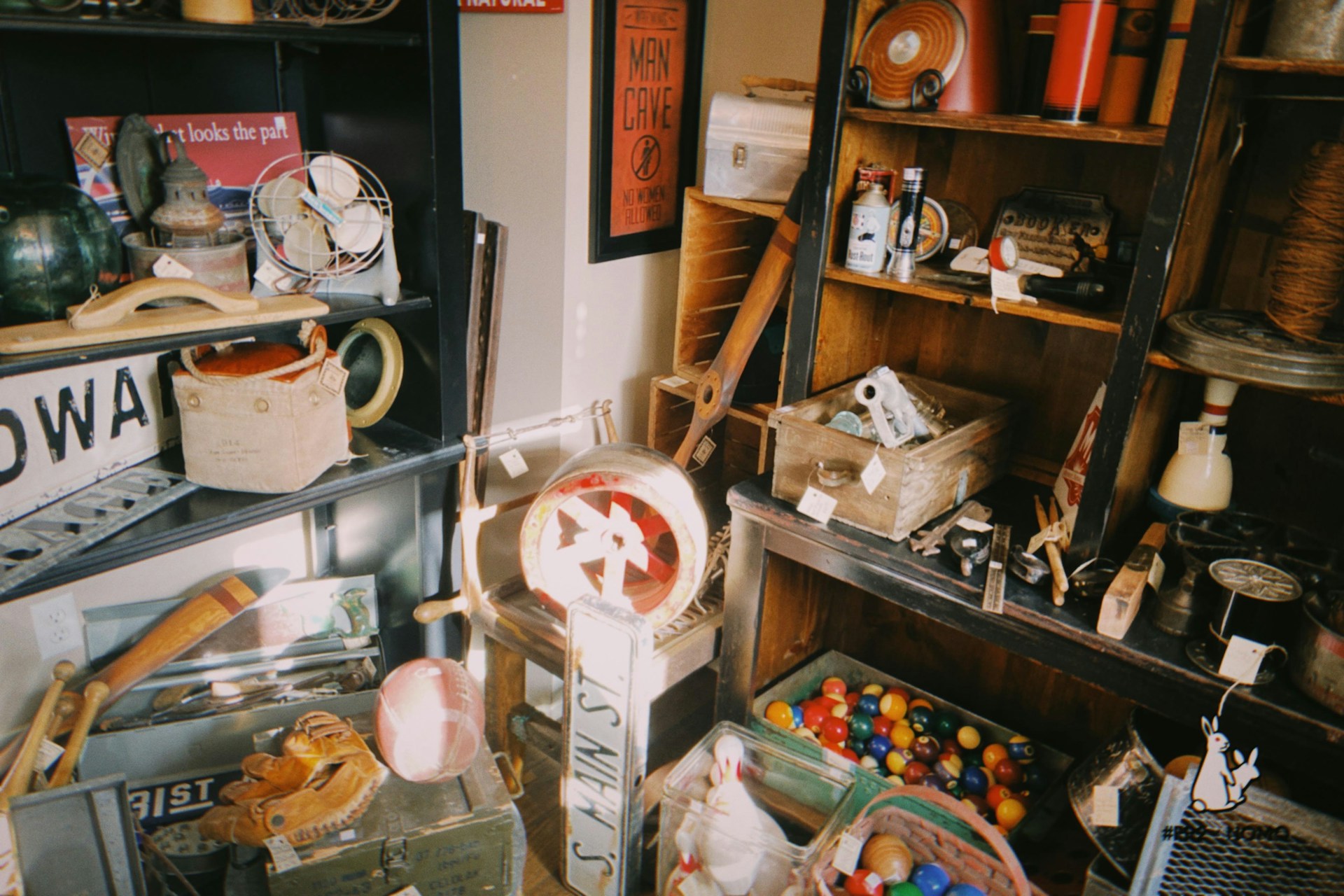
A garage feels like extra square footage, but its air behaves closer to the outdoors. Temperature swings pull humidity inside, and a cool slab can turn that moisture into condensation under boxes and bins, even when surfaces look dry.
Organizers see rust and pests show up when storage traps dampness, blocks airflow, or hides the floor line. Metal corrodes quietly, paper softens, and insects settle into dark seams. The smartest setups keep items raised, sealed, and easy to scan, so small problems get noticed early and stay small through every season. A few inches of lift and a tighter lid often change the whole story. That is the quiet win.
Cardboard Boxes on Bare Concrete

Cardboard looks orderly, but it wicks moisture from concrete and humid air. Bottom panels soften first, tape lets go, and labels blur, so a stable stack quietly turns spongy. A small leak or a muggy week can start the slide, and the dampest box is usually the one nobody sees.
That fiber presses against metal and transfers moisture by contact. Rust shows up as orange specks on sockets, blades, and fasteners that were stored clean, then spreads as dust clings to oil. Soft paper also shelters silverfish and roaches, and mice can shred it for nesting. Cleanup becomes a full restack, not a quick wipe, because moisture has already traveled.
Floor-Level Piles That Never Move

Floor-level piles feel efficient, yet a slab stays cooler than the air and invites condensation. Moisture gathers under bins, suitcases, and buckets, even when the top feels dry. Dust then turns into a damp paste that clings to rubber feet and cardboard edges.
That hidden film rusts the underside of tool chests, jack stands, and grill parts, and it keeps mildew odors trapped in straps and fabrics. Low stacks also block sweeping and hide small leaks until stains appear. Ants and mice use the dark gap as a runway along walls, and clutter makes early signs easy to miss. A simple lift and a clear floor line restore airflow and fast checks.
Loose-Lid Plastic Totes
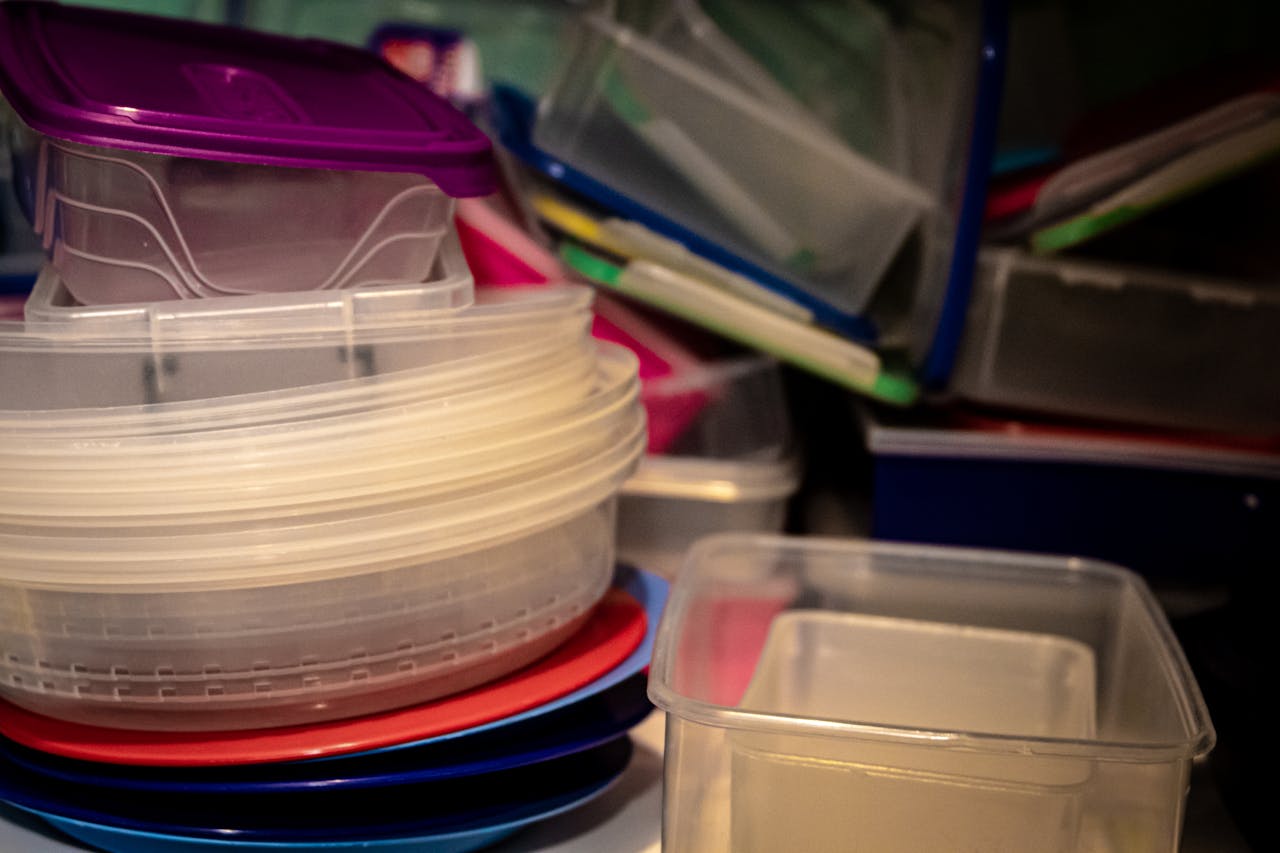
Cheap plastic totes promise protection, but lids that bow or snap loosely let humid air cycle in and out. Each temperature swing can create condensation on the inside walls, leaving beads that slide down to the bottom. The bin looks closed, so the dampness repeats unnoticed.
Metal inside can rust in uneven patterns, with clean spots where contact never happened and speckling where droplets fell. Rim gaps also admit ants and pantry moths, and the interior sits undisturbed for weeks. Once debris builds in corners, even clean items come out dusty and stale. A gasketed lid slows air exchange and keeps humidity steadier. Year-round.
Fabric Bags and Soft Bins

Soft storage, from canvas cubes to old duffels, absorbs humidity and holds dust like upholstery. It traps fuel and grass odors, then shares that musty smell with gloves and towels. Seams and folds collect grit that is hard to shake out once it settles.
Those dark pockets make cover for spiders, silverfish, and roaches, and mice can tear fibers for nesting. When damp fabric rests against metal, moisture transfers and leaves orange prints on tool handles and clamps. Soft bins also collapse and hide what is happening at the bottom, so early warning signs stay out of sight. Washing often leaves the material slow to dry in garage air.
Pet Food and Seed in Original Bags

Pet food and birdseed in original bags leak scent and shed crumbs that drift into corners. Thin paper also drinks in humidity, so the bag softens and tears during simple handling. The area may look clean, yet a dusty trail can persist along the baseboard.
Ants follow that trail quickly, pantry moths thrive in undisturbed bags, and mice can chew through in a single night. Spilled kernels settle into cracks where they turn stale and feed more activity. Fine seed dust also coats nearby brackets and mower parts, helping moisture cling and rust start. A hard, sealed container ends the scent signal and keeps cleanup simple for weeks.
Road Salt and Fertilizer on Open Shelves
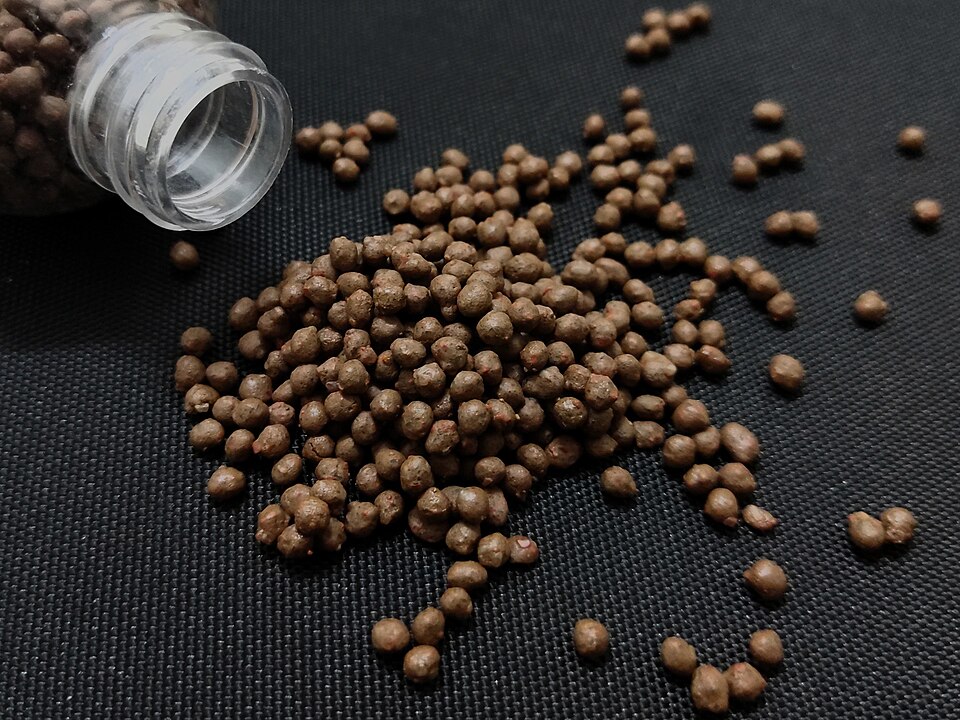
Road salt, fertilizer, and some pool chemicals pull water from the air, so an opened bag can dampen a whole shelf. Granules spill into seams and stay active, especially during humid months when the garage feels sticky. That shelf becomes a small wet zone even without a leak.
Nearby metal takes the hit first: paint can rims pit, pliers spot, and mower blades dull as moisture lingers. Packaging adds another problem because mice like paper and thin plastic for nesting. Once a corner is chewed, the mix spreads wider and keeps attracting traffic. Sealing chemicals inside tight bins and separating them from tools cuts both corrosion and pests.
Shelving Pushed Tight to Exterior Walls
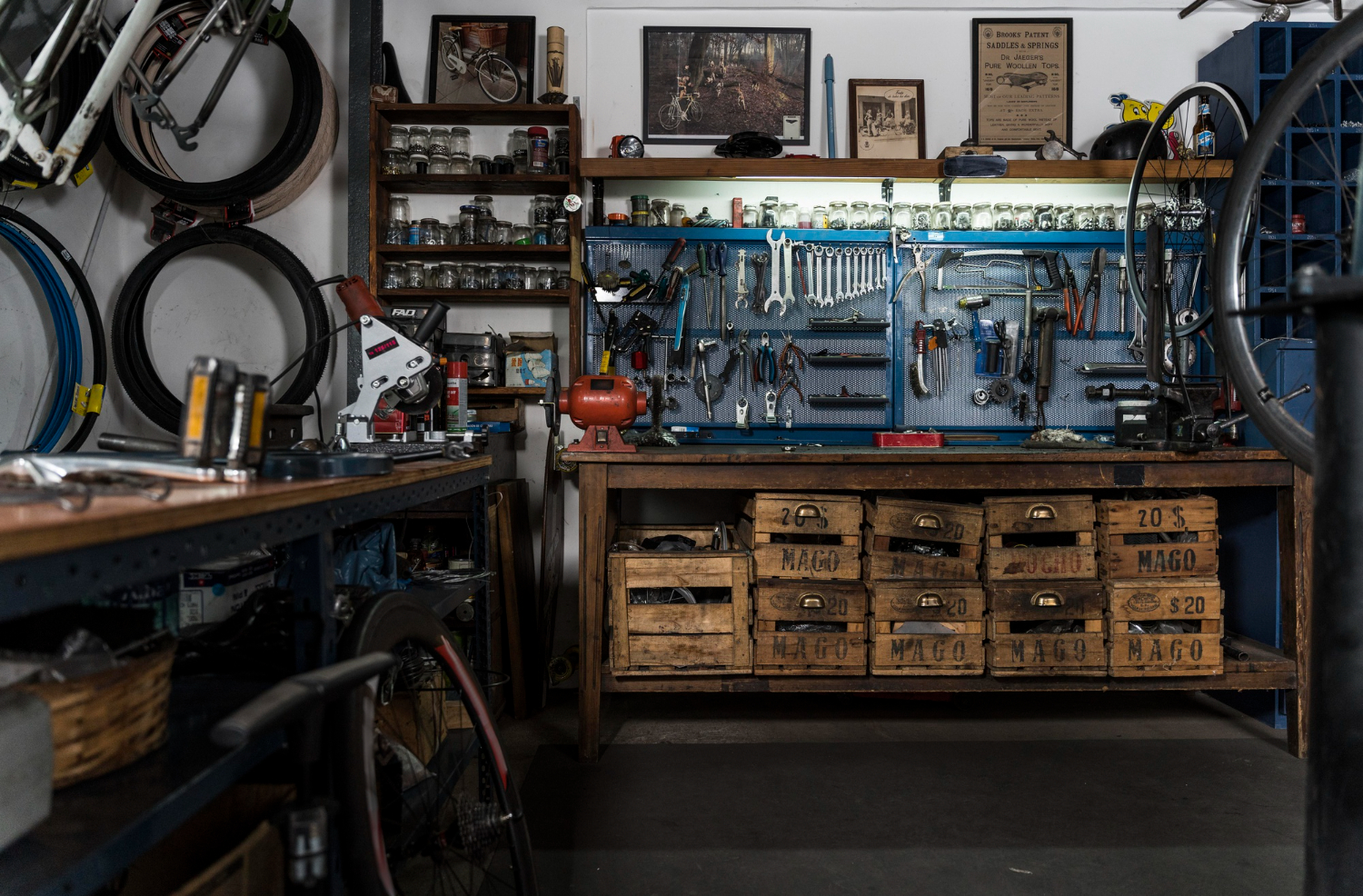
Pushing shelving tight to exterior walls saves inches, but it blocks airflow where condensation forms. The hidden strip stays cooler, gathers damp dust, and holds moisture long after the rest of the garage dries. Hooks and metal hangers corrode back there because evaporation has nowhere to go.
That narrow lane also becomes a travel path for ants and mice, since light and foot traffic rarely reach it. When a shelf finally shifts, chewed corners and orange-speckled fasteners can appear together, along with stale odor in fabric. Leaving a small gap behind shelving keeps air moving and makes checks possible without a teardown.
Damp Gear Sealed in Closed Containers
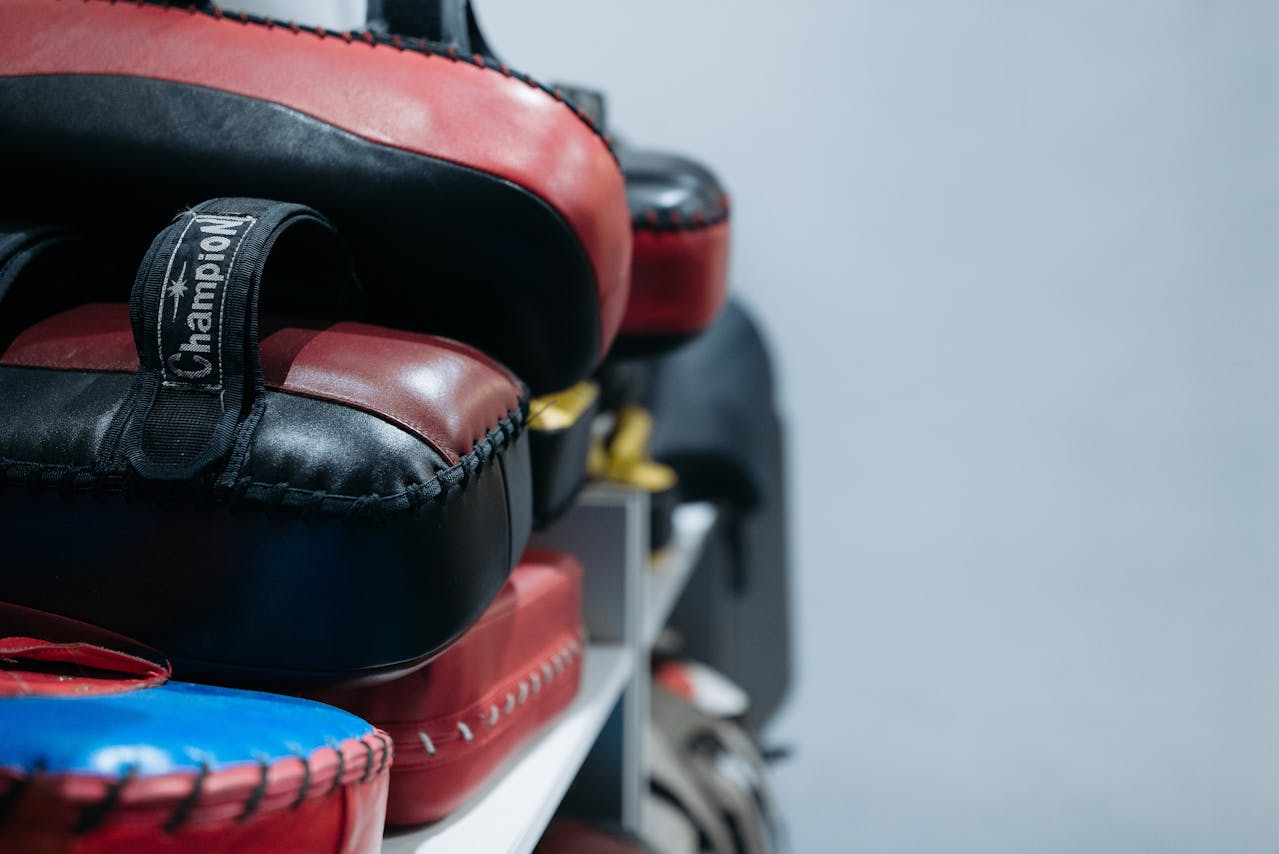
Sealing damp gear inside a closed bin traps humidity like a small greenhouse. A wet tarp, tent, or sports pads can raise moisture inside the container for days, and condensation beads on the lid and walls. The outside stays tidy, so the damp cycle keeps repeating unnoticed.
Mildew odors settle into straps and foam, and rust can form as powder on buckles, chains, and ladder hinges stored nearby. Warm, moist fabric also attracts silverfish and encourages small insects to linger. When bins are stacked, the worst container ends up buried for weeks. Air-drying gear fully before sealing it is a simple habit that protects everything around it.