Food names hide biographies in plain sight. A menu can read like a quiet hall of fame, where singers, royals, inventors, and athletes keep showing up long after their headlines fade. Sometimes the naming is a clean tribute. Sometimes it is a story that got smoother with retelling because a famous name helps a dish travel. Either way, the result is sticky in the best way: people forget the person, keep the order, and pass it along. These foods prove that fame can become flavor and that history often survives best when it is served.
Pizza Margherita
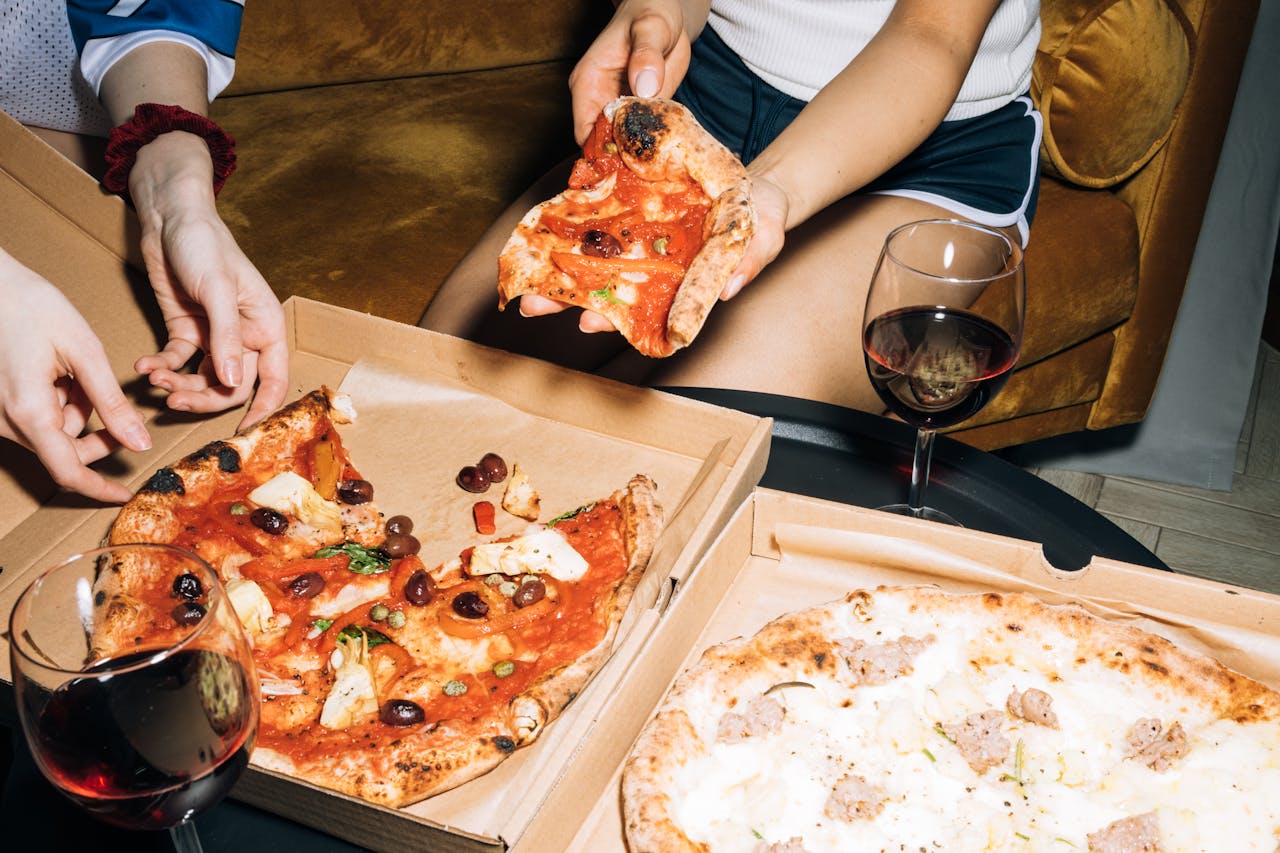
Pizza Margherita carries a royal wink, linked to Queen Margherita of Savoy and the colors of Italy: red tomato, white mozzarella, and green basil. The story is often placed in 1889 Naples, when a pizzaiolo prepared a patriotic pie for the visiting queen, and the name traveled faster than the recipe itself. Even with debate around the tale’s neatness, the outcome is clear: that trio became a global default, and a monarch’s first name still sits on menus everywhere. It is also a lesson in branding before branding had a name. A simple topping set got a story, and the story helped it stick for generations.
Beef Wellington
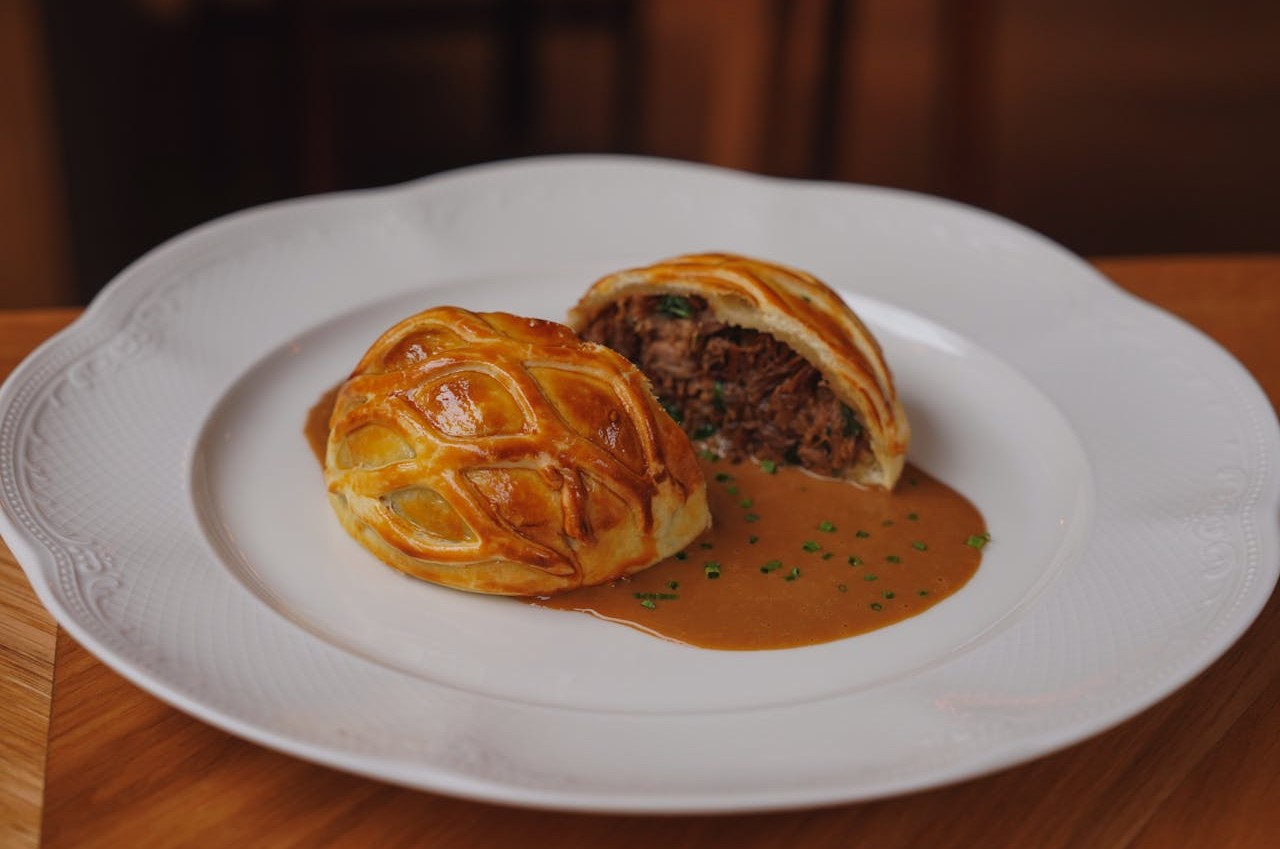
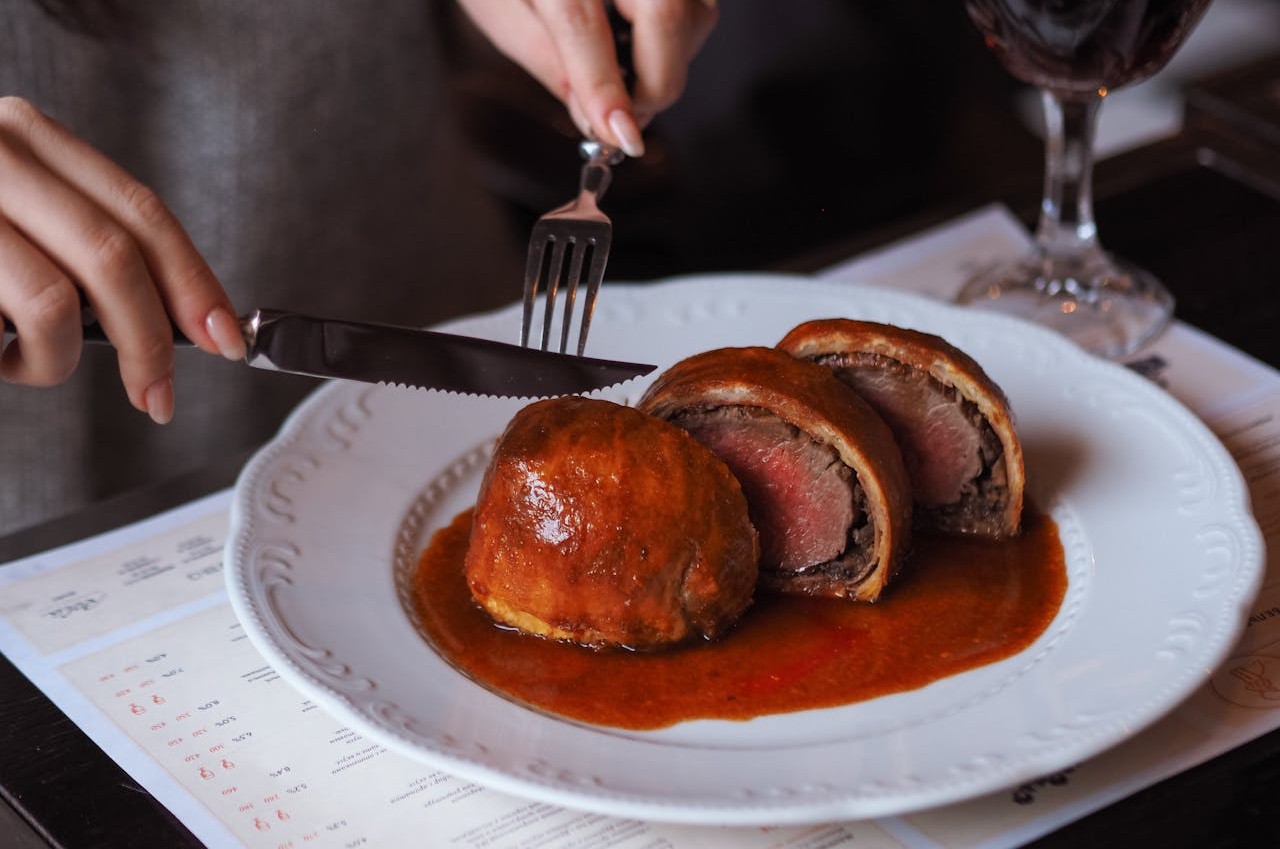
Beef Wellington is often tied to Arthur Wellesley, the first Duke of Wellington, though the dish’s exact origin remains cloudy. What matters is the idea: beef tenderloin wrapped in pâté and pastry, baked into a dramatic package that slices cleanly at the table. It reads like formal food from an era that valued structure, ceremony, and quiet skill, and the name helped it travel because it sounded instantly memorable. Even now, ordering it feels like choosing an occasion, not just dinner, because the dish arrives with pageantry built in. The title turns a roast into a performance, and that sense of occasion is a big part of its staying power.
The Sandwich
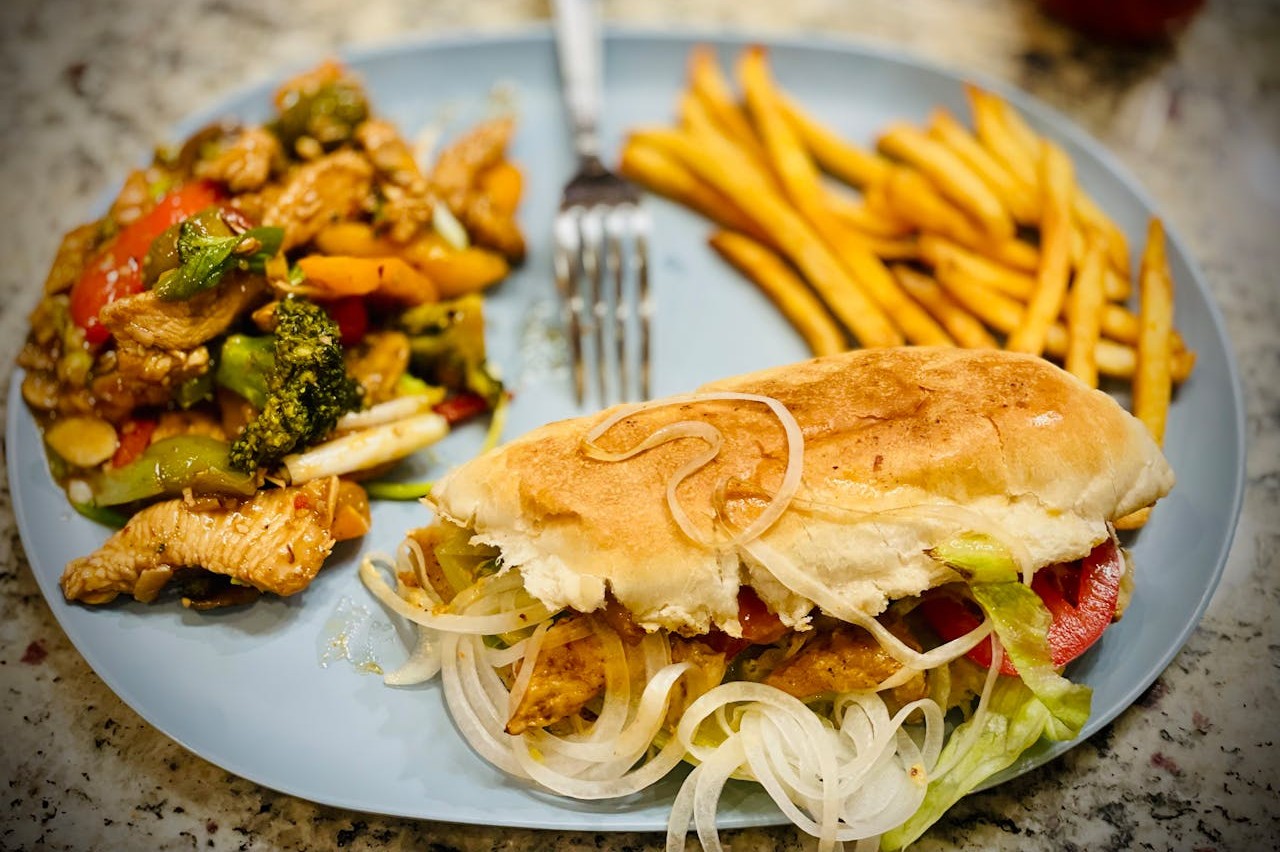
The sandwich is culinary shorthand for John Montagu, the 4th Earl of Sandwich, said to prefer meat tucked between bread so eating would not interrupt cards or paperwork. Whether the story is perfectly accurate or not, the logic is unbeatable: portable, tidy, and easy to share. A title became a noun, and a small habit turned into a worldwide format that absorbs every cuisine it touches, from tea-time cucumber rounds to street kebabs. The earl’s name now lives less in history books than in lunch orders, showing how convenience outlasts fame. The structure is so useful that the name became permanent, even as fillings changed by continent and generation.
Beef Stroganoff
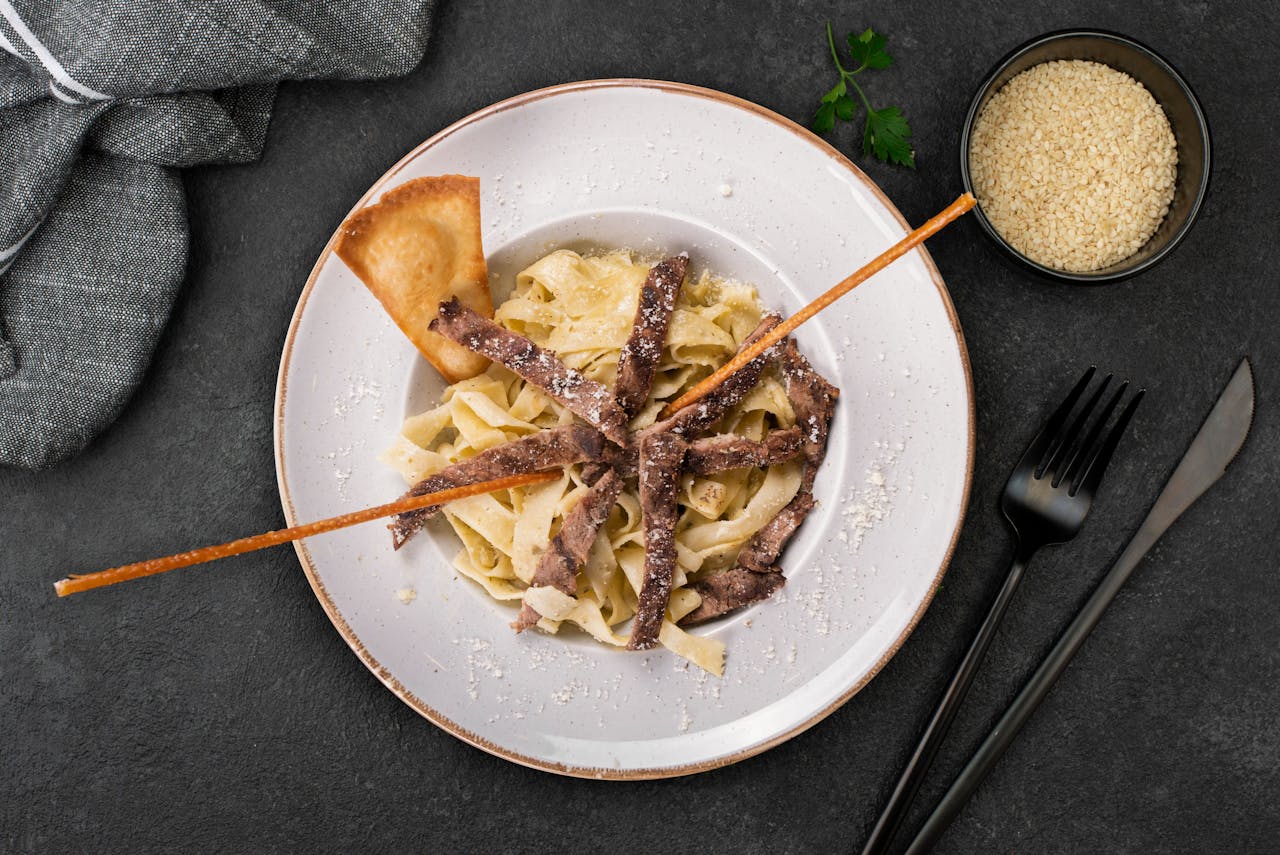
Beef Stroganoff wears the name of Russia’s Stroganov family, wealthy patrons whose kitchens shaped elite dining in imperial-era circles. The dish’s core is practical luxury: sautéed beef in a creamy sauce, often with onions and mushrooms, built to feel rich while still serving quickly. Recipes shifted as they spread, especially as émigré communities carried them across Europe and North America, but the surname stayed fixed. It signals comfort with polish, the kind of meal that fits both home tables and restaurant menus. Few diners think about the family behind it, yet their name still arrives steaming over noodles, quietly preserved in sauce and routine. The fame is subtle, but the dish keeps it alive.
Peach Melba
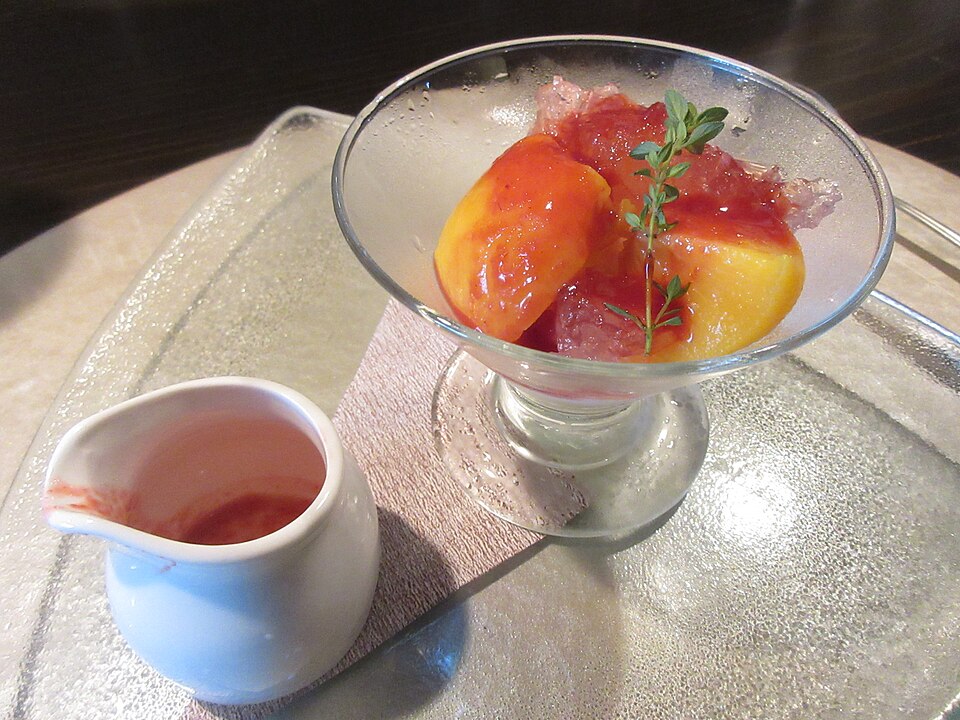
Peach Melba was created by chef Auguste Escoffier in honor of Nellie Melba, the Australian opera star whose performances captivated Europe. The dessert pairs poached peaches with vanilla ice cream and bright raspberry sauce, a balance of perfume, chill, and tartness that feels theatrical without feeling heavy. It also travels well as an idea, because any kitchen can reproduce the contrast even if plating changes. Naming it after a singer gave it glamour, like a performance translated into fruit. Long after the curtain fell on her era, Melba’s stage name still appears in dessert cases, keeping a piece of opera history edible. It is one of those dishes that sounds like a compliment and tastes like it, too.
Pavlova
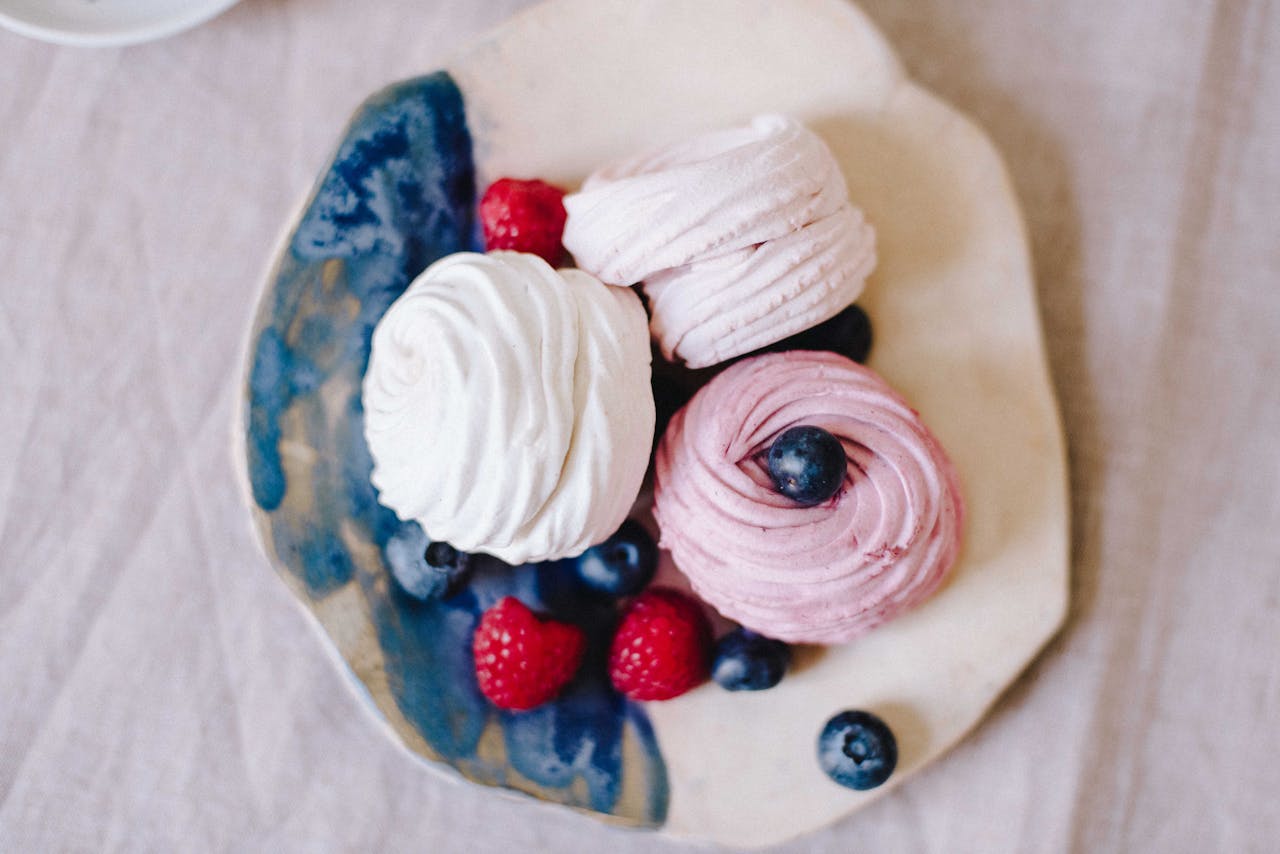
Pavlova, the crisp meringue shell with a soft center topped with cream and fruit, is named for Anna Pavlova, the Russian ballerina who toured widely in the early 20th century. Australia and New Zealand both claim its origin, and that friendly rivalry has become part of the dessert’s identity. Either way, the name fits: the sweet is light, dramatic, and built for contrast, like a costume that crackles before melting. Served at celebrations, it turns pantry basics into something that feels like an event. The ballerina’s surname now lands on tables far from any theater, carried by berries, kiwi, and warm weather gatherings. It is proof that a touring star can leave a legacy in sugar as easily as in applause.
Eggs Benedict
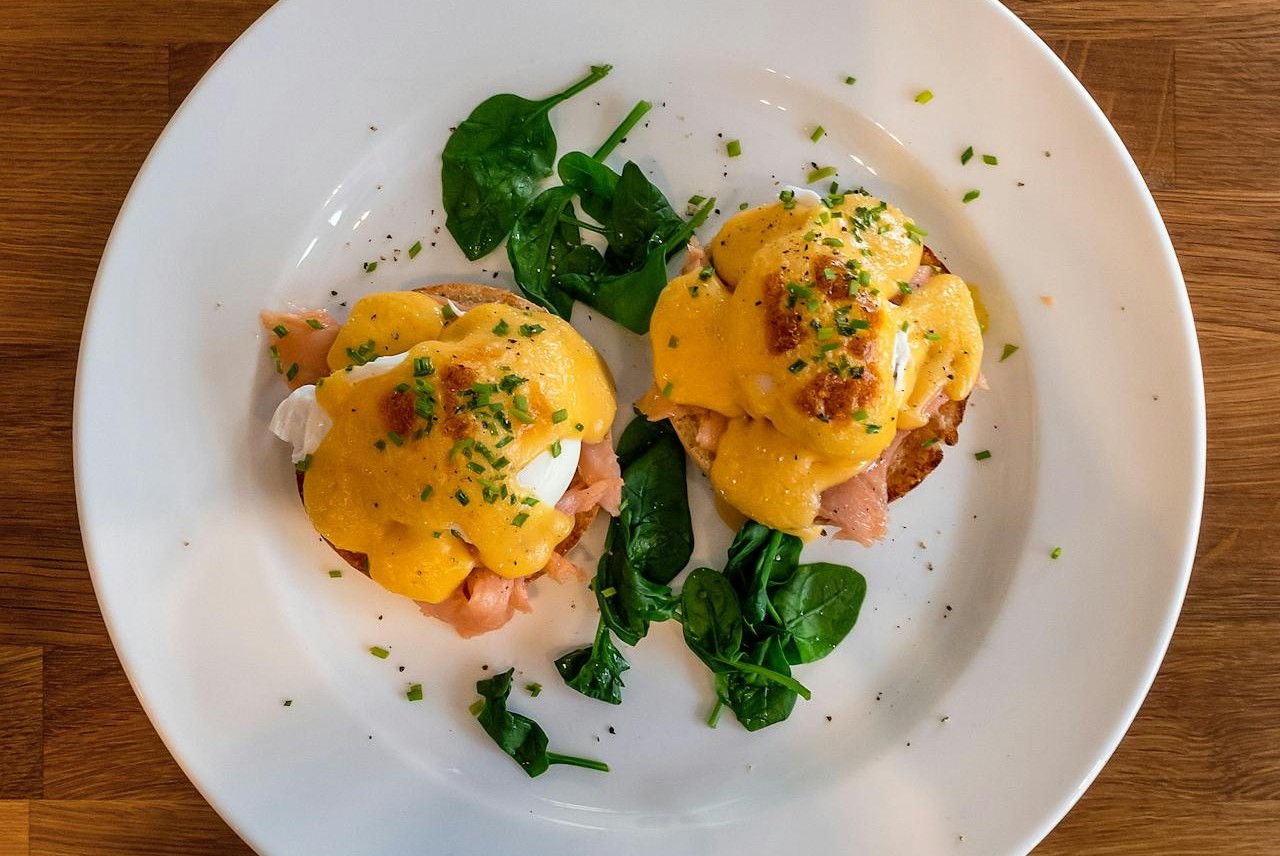
Eggs Benedict is wrapped in origin myths, but one popular story credits a hungry Wall Street regular named Lemuel Benedict, who supposedly ordered a specific hangover cure at a New York hotel in the 1890s. Poached eggs, Canadian bacon, and hollandaise on an English muffin have the kind of logic restaurants love: repeatable, comforting, and luxurious enough to justify brunch. Even if another Benedict deserves credit, the name keeps the surname alive in the most casual way, called out over busy weekend kitchens. It also shows how one clever combination can become a permanent template. Once a dish balances rich sauce with salt, acid, and soft bread, it stops being a special order and starts being a standard.
Caesar Salad
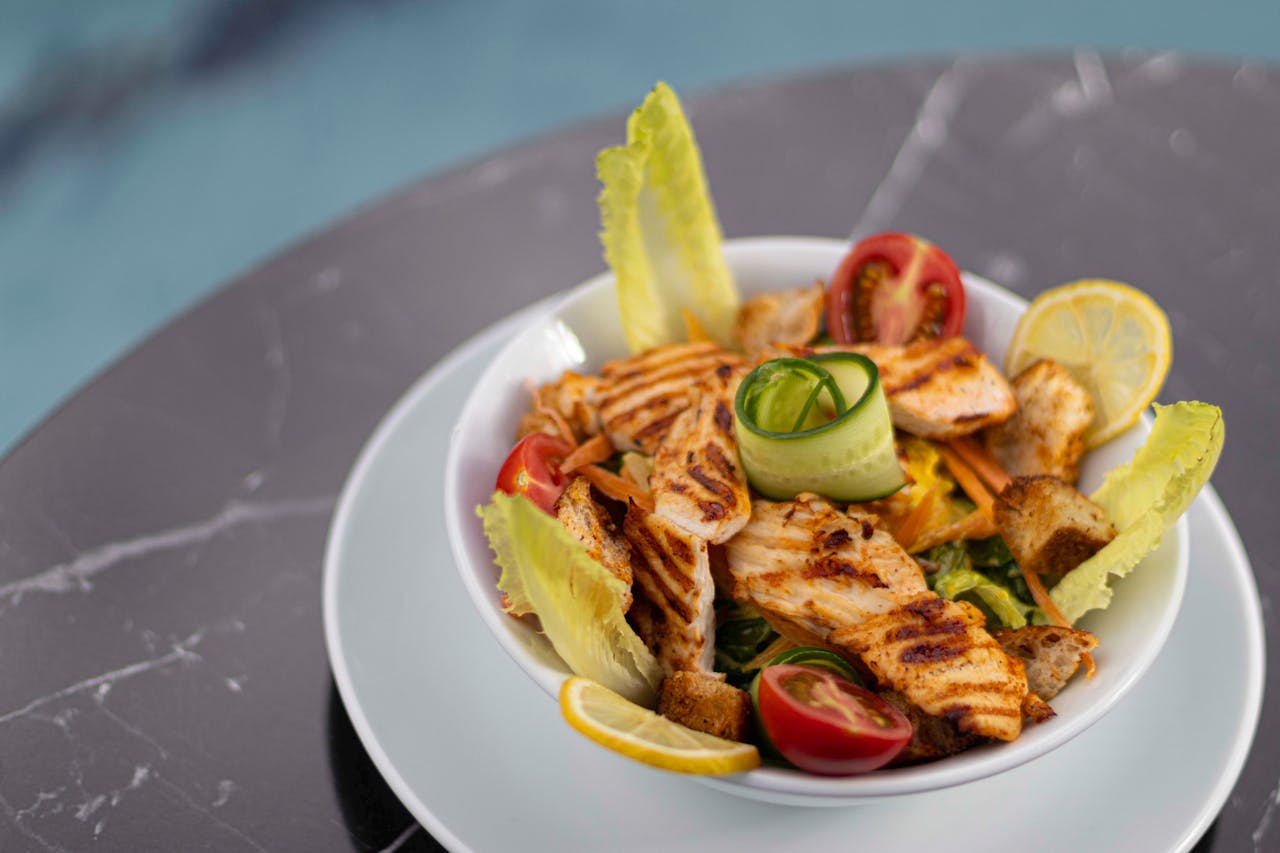
Caesar salad is named for Caesar Cardini, an Italian-born restaurateur who served it in the 1920s at his place in Tijuana, where travelers came for lively nights out. The classic style is more than romaine and dressing; it is an assembled balance of garlic, lemon, egg, and crunchy croutons, sometimes mixed with a little showmanship. The name stuck because it sounded bold and grand, even though it honored a working chef, not an ancient ruler. Today it appears everywhere from diners to steakhouses, because it hits a reliable note: crisp greens, sharp dressing, and satisfying bite. A restaurant improvisation became a global default, and the creator’s first name became a permanent label.
Nachos
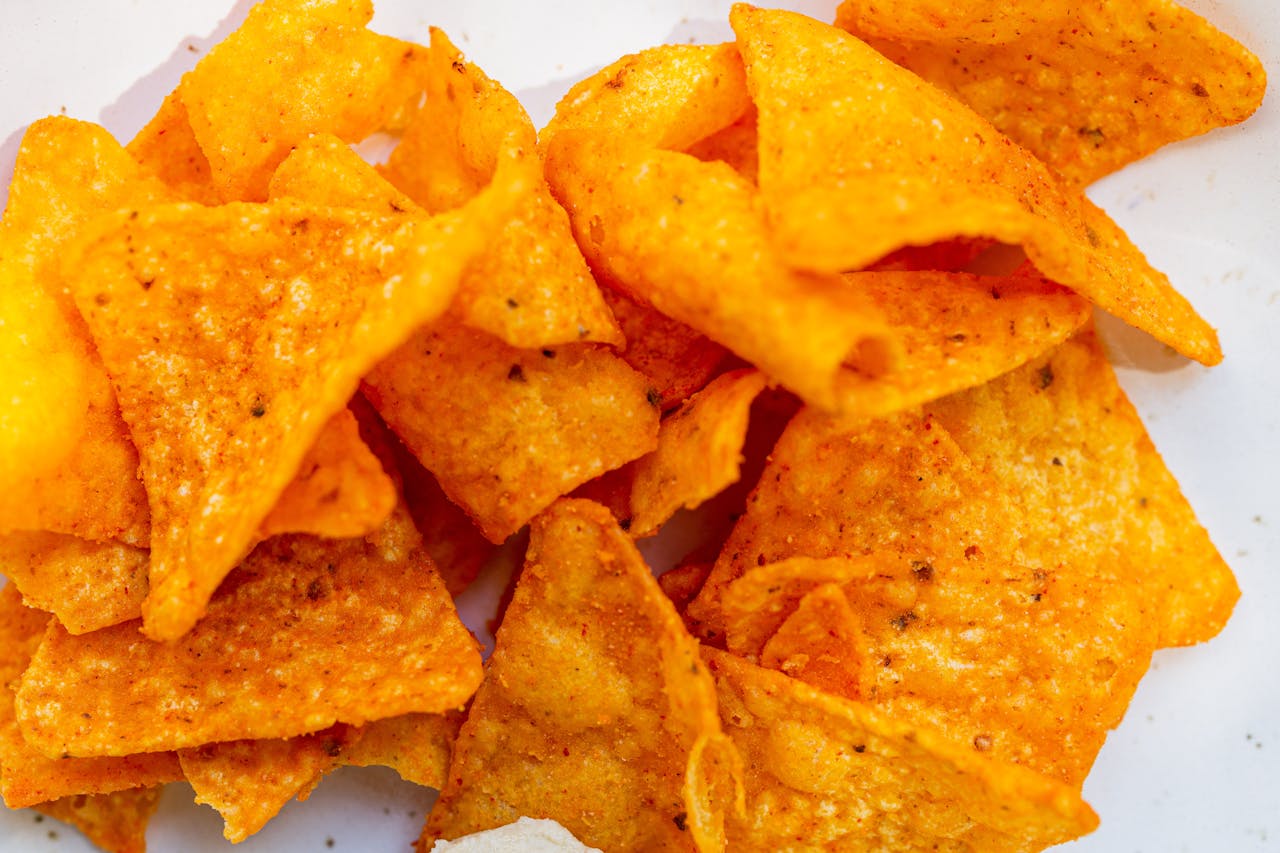
Nachos are linked to Ignacio Anaya, a maître d’ in Piedras Negras, Mexico, who reportedly assembled a quick snack for unexpected guests: fried tortilla chips, melted cheese, and sliced jalapeños. The dish spread because it was pure problem-solving, built from what was on hand and designed to share without fuss. Calling them Nachos, a nickname for Ignacio, gave the snack a friendly human stamp, as if the inventor was still nearby. Variations now sprawl into full meals, but the original idea stays simple: heat, salt, and crunch made communal. It is one of the rare foods where the casual name and the casual format match perfectly. The story also explains the appeal. The best bar foods are usually solutions, not inventions, and this one carries its maker’s nickname forever.
Shirley Temple
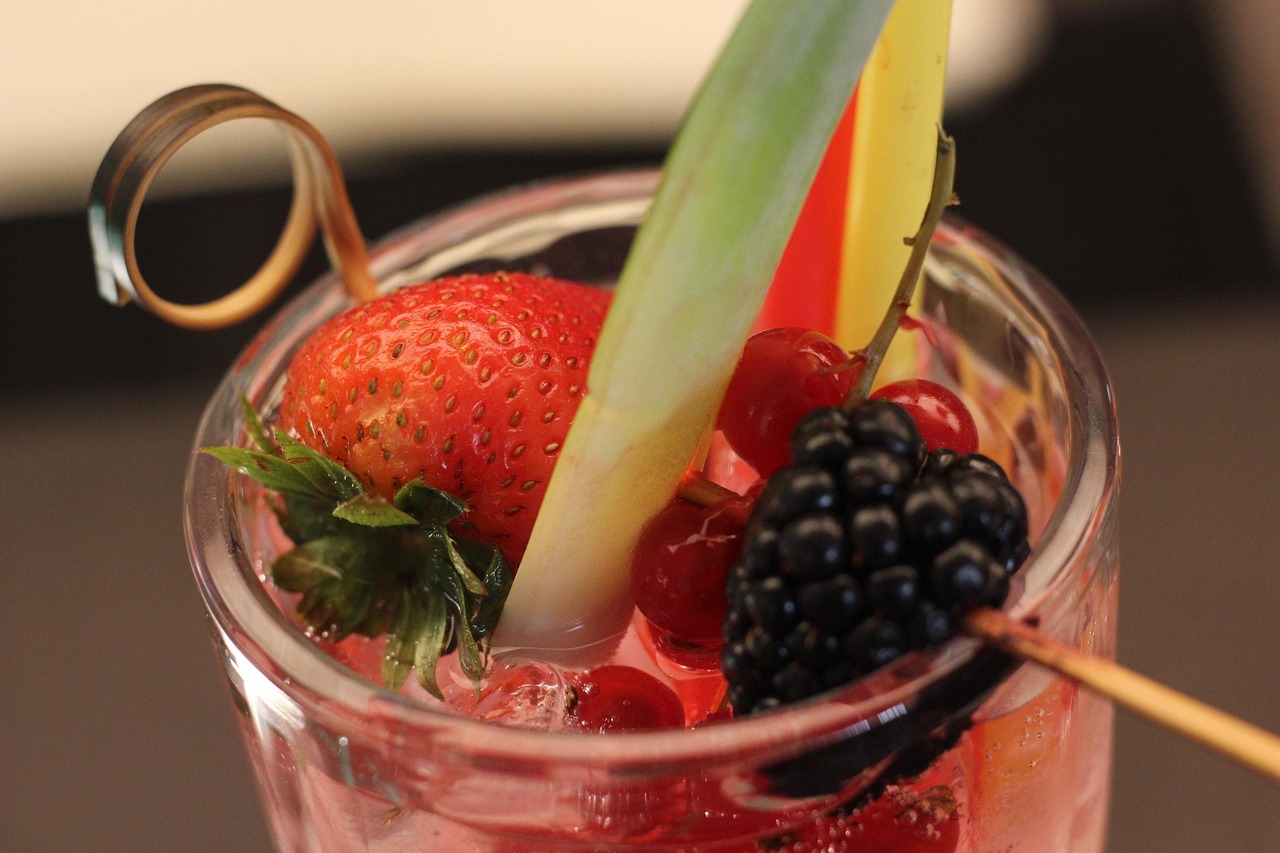
The Shirley Temple, a bright mix of ginger ale or lemon-lime soda with grenadine and a cherry, borrowed its name from the child star who became an emblem of old Hollywood charm. The drink’s exact inventor is contested, but its role is clear: a mocktail that let kids participate in restaurant ritual without alcohol. The name did half the work, promising sweetness, sparkle, and a little celebrity glow in a glass. Decades later, it still appears on menus as a polite celebration option for families. It also endures because it feels ceremonial, not complicated, and the cherry finish makes it memorable. A famous face became a flavor cue, and the cue still works whenever a table wants a festive drink without the buzz.
The Arnold Palmer
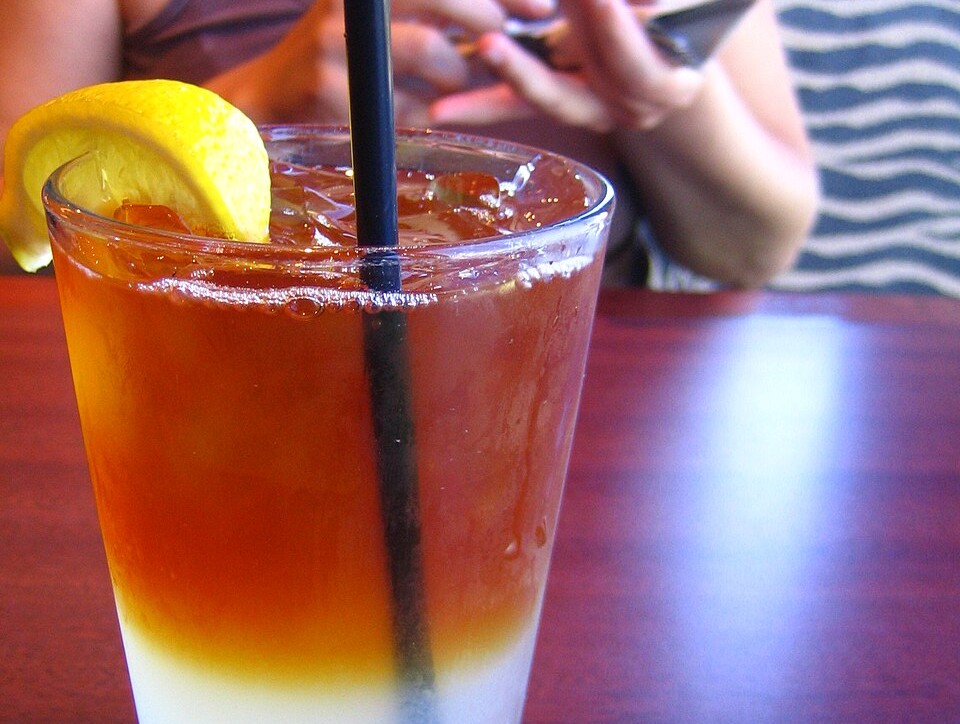
The Arnold Palmer is simply iced tea mixed with lemonade, but the name turned a common blend into a fixed order. It honors the legendary golfer associated with the combo, and the story fits his image: straightforward, refreshing, and quietly confident. In clubhouses and corner delis alike, the drink sells balance, sweetness cut by tannin, citrus smoothing the edge, and ice doing the rest. The name also carries an American summer mood: patios, hot afternoons, and condensation on plastic cups. It is a rare case where the celebrity reference is gentle, not loud, yet it still makes the drink feel like its own category. When a drink becomes a name, it stops being a mix and becomes a ritual, ordered the same way across towns and generations.
Graham Crackers
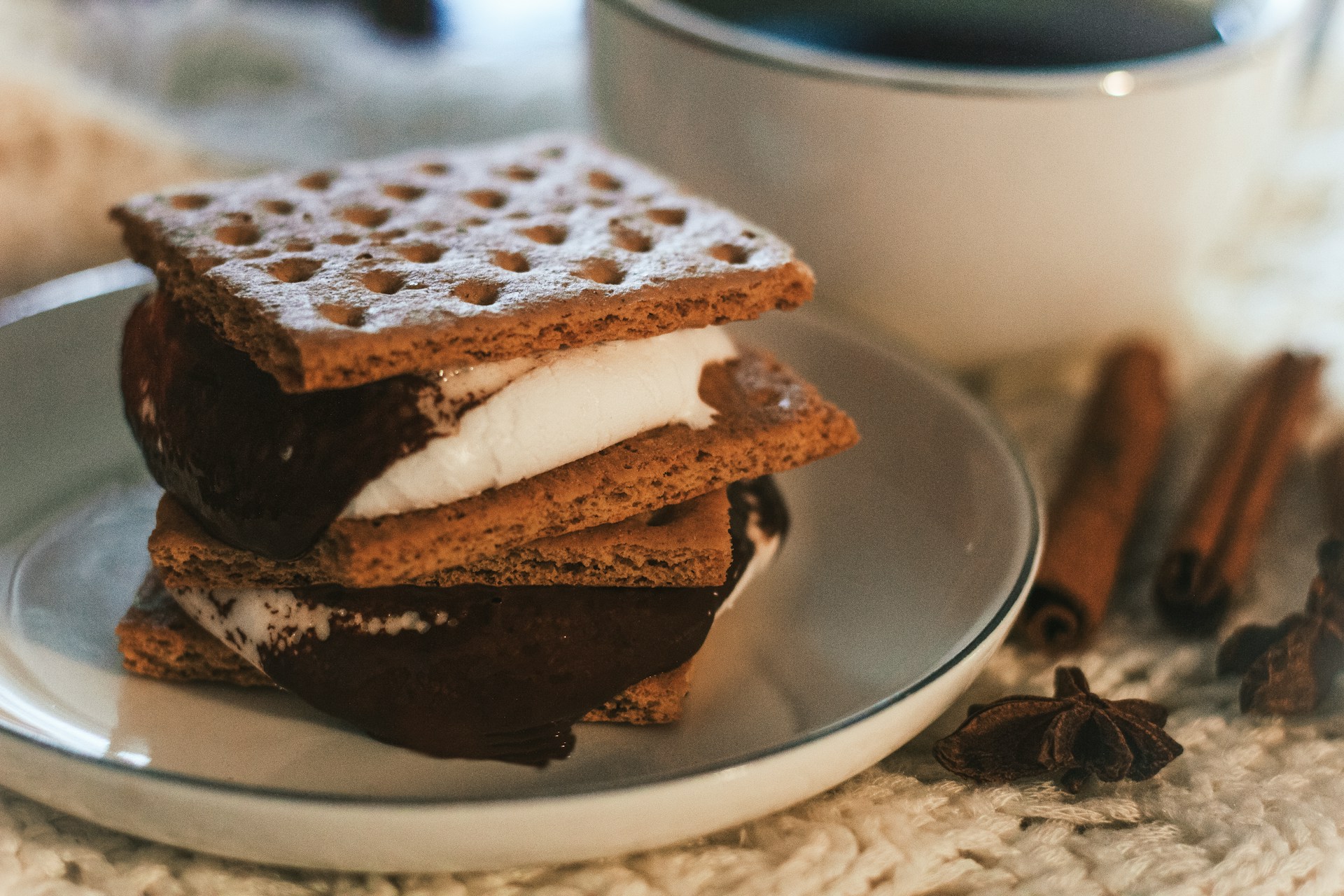
Graham crackers carry the name of Sylvester Graham, a 19th-century American reformer who pushed whole grains and plain eating as a path to discipline. His original ideas leaned toward restraint, yet the modern cracker became sweeter over time, especially once it found a second life in s’mores and pie crusts. That twist is part of the charm: a strict advocate’s surname now shows up beside marshmallows and chocolate at campfires. Still, the grainy snap hints at the original intent, and the name is a fossil of a moment when food carried moral lessons along with flavor. It also shows how culture edits history. The person may have wanted restraint, but the public kept the name and rewrote the purpose into comfort and fun.