A great bookstore used to be a small promise: paper scent, soft floors, and time that moved slower. Regulars lingered, staff knew the shelves, and the best corners stayed slightly dim, as if protecting secrets.
Now a single reel can turn a tucked-away aisle into a pilgrimage. Lines form, cameras rise, and the hush gets replaced by crowd noise. Browsing becomes traffic and the same display table turns into a photo stop. The joy of discovery still exists, but the mood shifts when quiet has to compete for attention, and every pause feels observed. Some shops adapt with rules and tickets; others simply absorb the surge and hope for calmer hours.
Shakespeare and Company, Paris
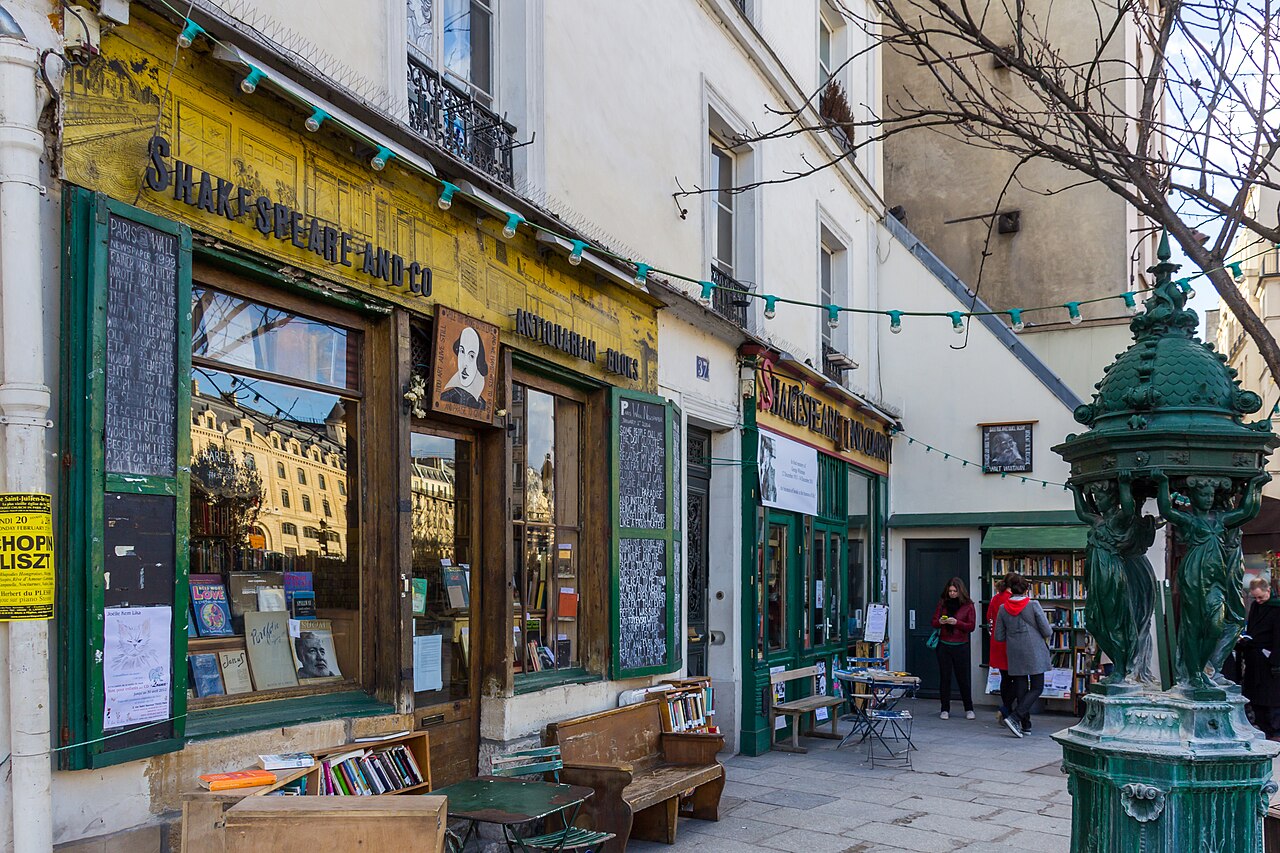
Across the Seine from Notre-Dame, “Shakespeare and Company” still feels like a lived-in labyrinth, with tight stairways, handwritten notes, and shelves that reward unhurried wandering. Its legend is literary, tied to generations of writers and late-night readings.
Viral fame changes the tempo. A line at the door, phones held high, and voices bouncing off close walls can turn browsing into a careful shuffle. Staff sometimes has to manage flow instead of recommending the next great novel. The quiet returns in brief gaps, when a reader can pause, breathe, and follow a spine title without interruption. Then it feels like Paris again for moments.
Livraria Lello, Porto
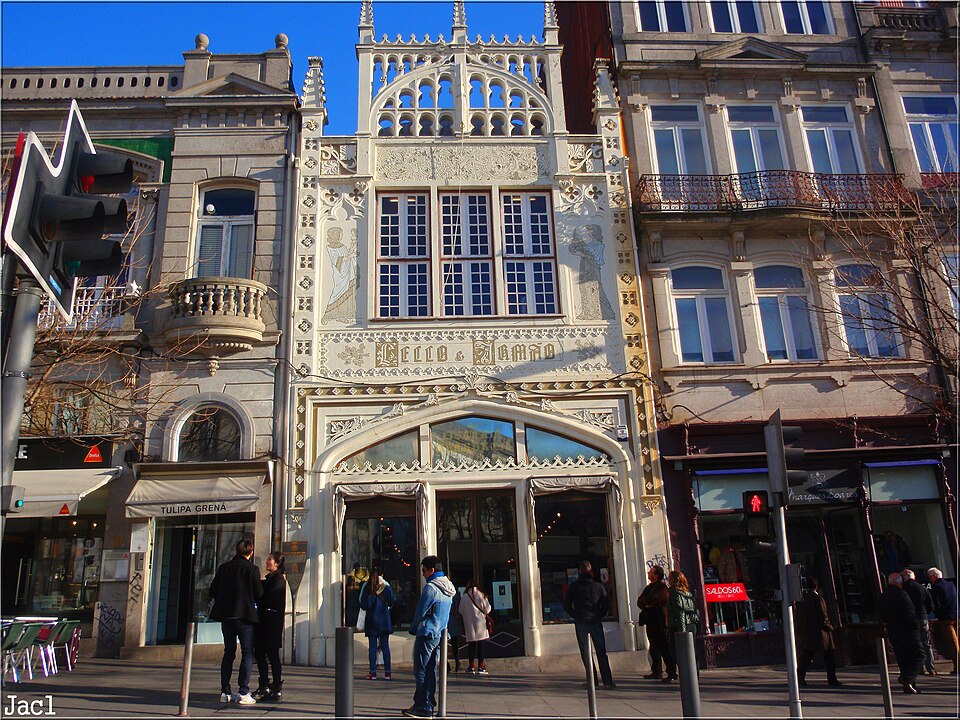
Porto’s “Livraria Lello” looks like a cathedral built for books, with carved wood, stained glass, and a staircase that seems designed for awe, not hurry. The architecture is the hook, and most visitors step inside expecting hush and wonder.
That beauty pulls crowds, and timed entry helps, but the room can feel staged on busy days. People cluster on the stairs, pause in aisles, and turn browsing into a photo circuit. Staff often directs traffic more than conversations about authors. The shop feels most alive, so, when the flow loosens, attention shifts back to spines, blurbs, and the quiet work of choosing a book for its words, not the scene.
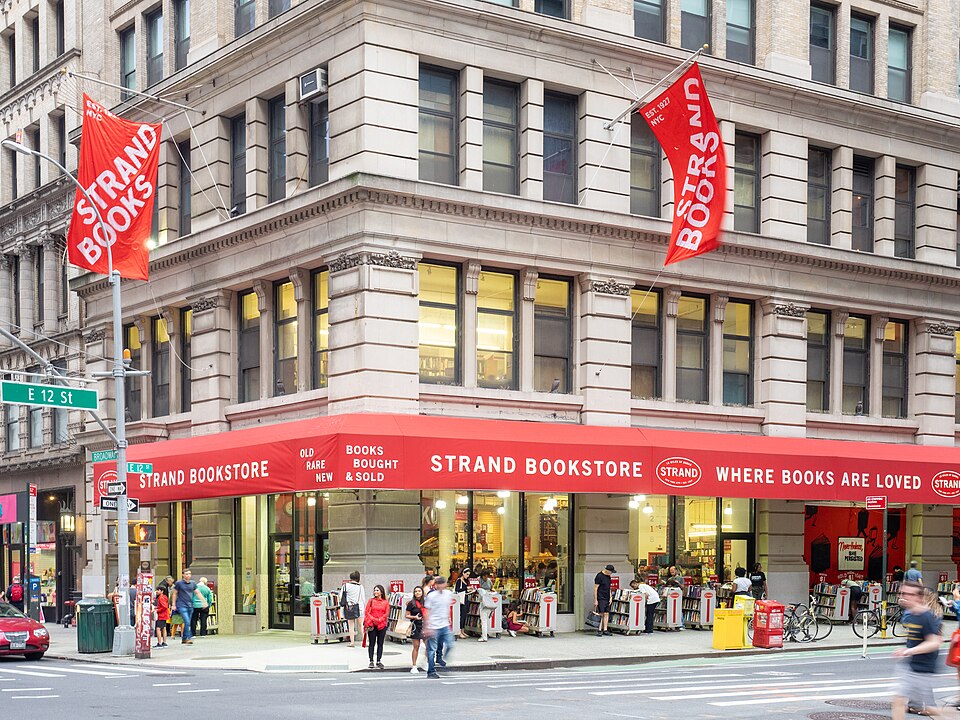
The Strand, New York City
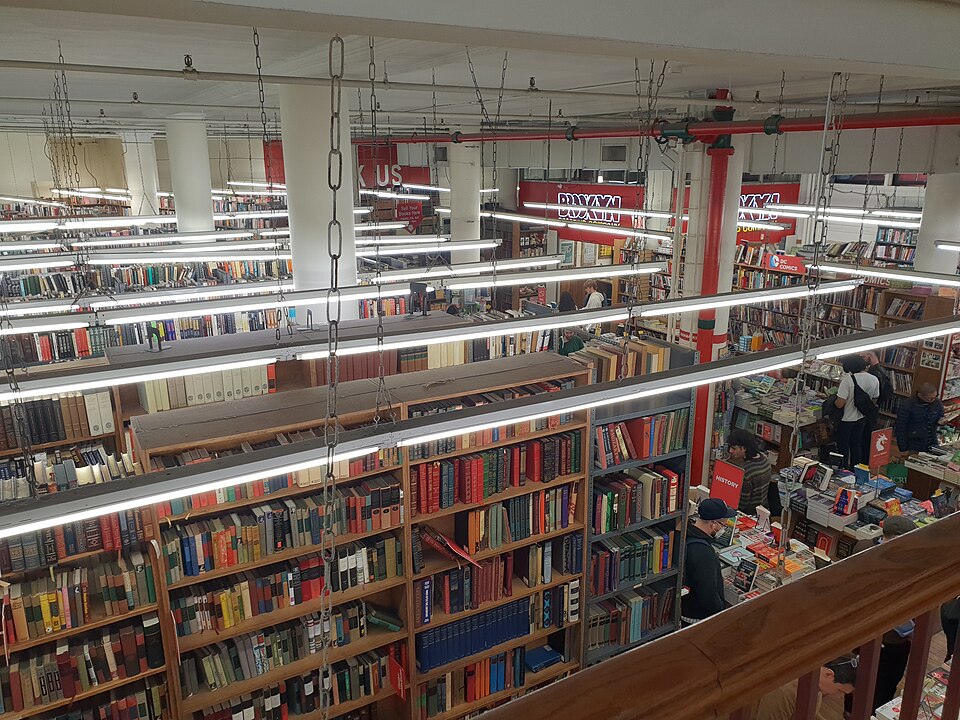
New York’s “The Strand” is a landmark for used books, with sidewalk carts, towering stacks, and the small rush of spotting a forgotten title at the right moment. The selection feels endless, and the store’s cluttered charm invites slow, curious drift.
Viral attention shifts the mood. On busy days, aisles tighten into a crawl, and photo pauses turn browsing into stop-and-go traffic. Staff focus on keeping pathways open as much as making recommendations. The thrill still lives in the back shelves, but it is quieter, and easier to miss, under the steady roar of a crowd. When the rush fades the place resets and one paperback feels private again.
Powell’s City of Books, Portland
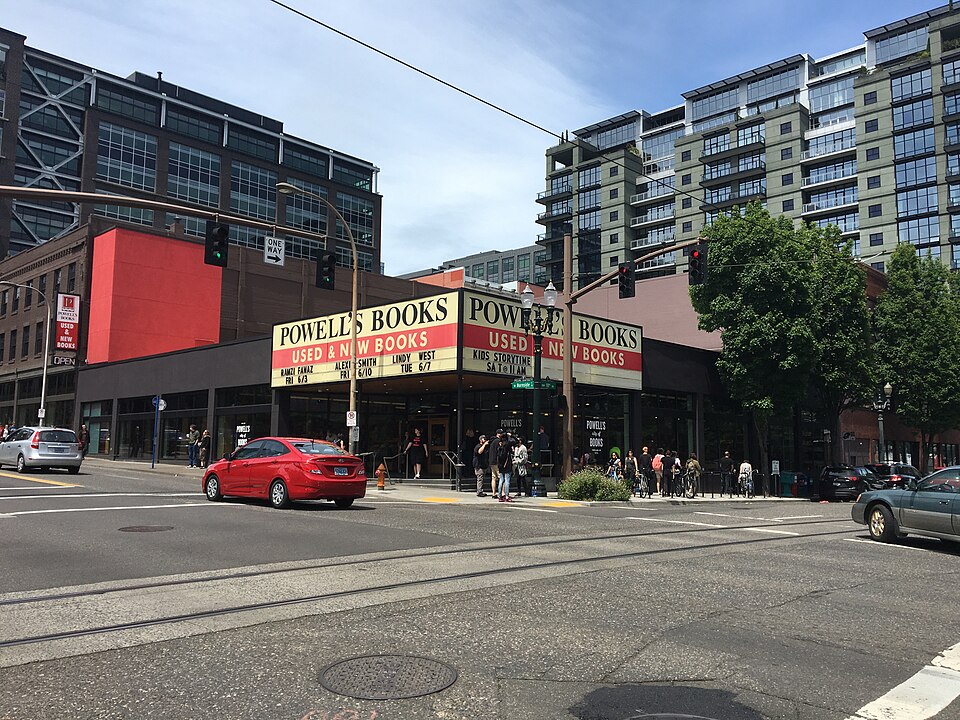
Portland’s “Powell’s City of Books” feels like a district built from rooms and color-coded shelves, where getting lost is part of the pleasure. New and used copies sit side by side, and the hunt can move from rare finds to releases in minutes.
Viral spikes push sudden surges into corridors that already run busy. Maps become meeting points, endcaps become photo stops, and the calm, library-like pace can vanish into bottlenecks. Staff notes guide choices, but the aisles feel thinner when everyone pauses at once. When crowds spread out again, the building resets into its best self: a place where curiosity leads, and silence has room to breathe.
El Ateneo Grand Splendid, Buenos Aires
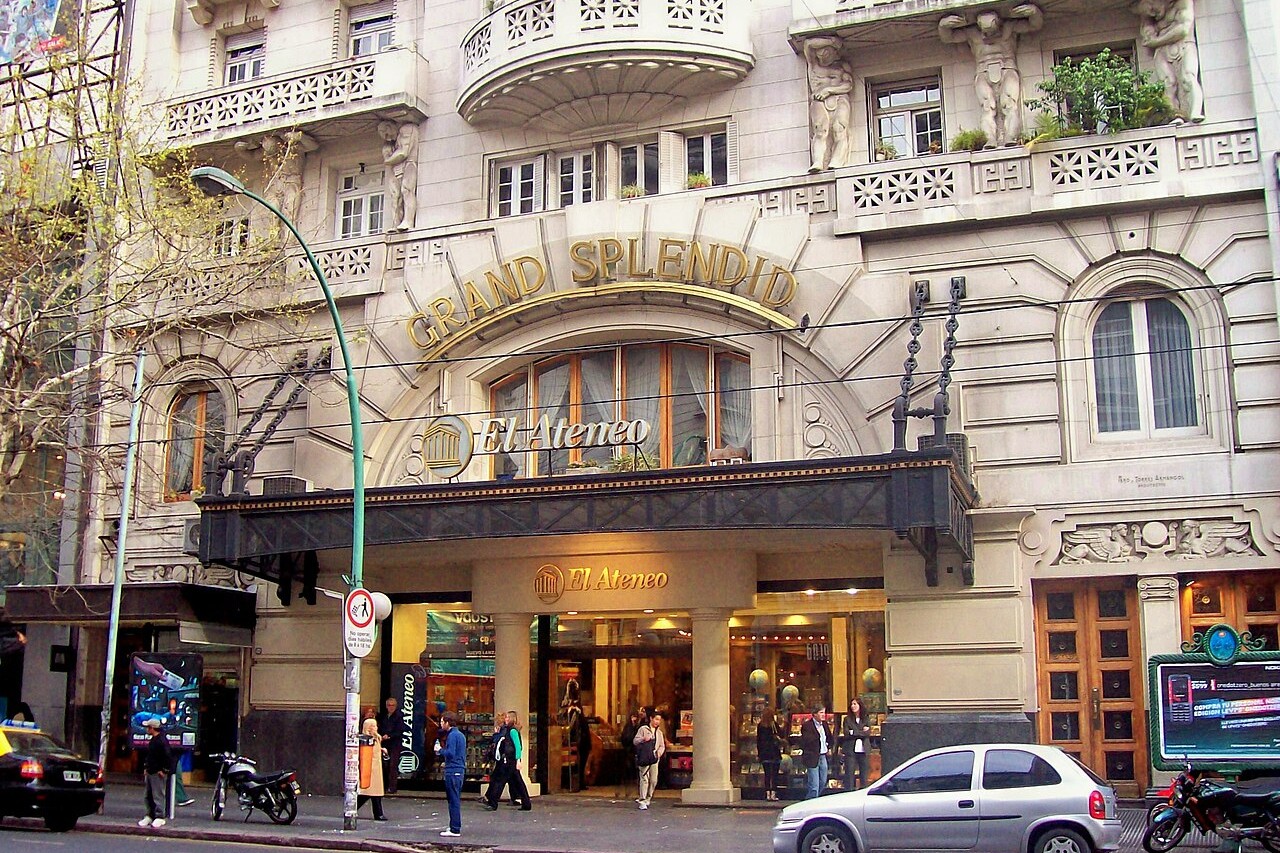
Buenos Aires’ “El Ateneo Grand Splendid” is a former theater turned bookstore, where balconies frame rows of titles like seats reserved for a quieter kind of show. The old stage still anchors the room, now used for coffee and lingering.
That grandeur draws tour traffic, and sound carries in the high space. Groups linger for photos, guides narrate, and browsing can feel like trying to focus in a busy lobby. Staff works to keep pathways clear, but pauses ripple outward in every aisle. The calm returns in off-hours, when the theater past recedes, and the books take center stage again, with pages turning under a softer hush. At last for a while.
City Lights, San Francisco
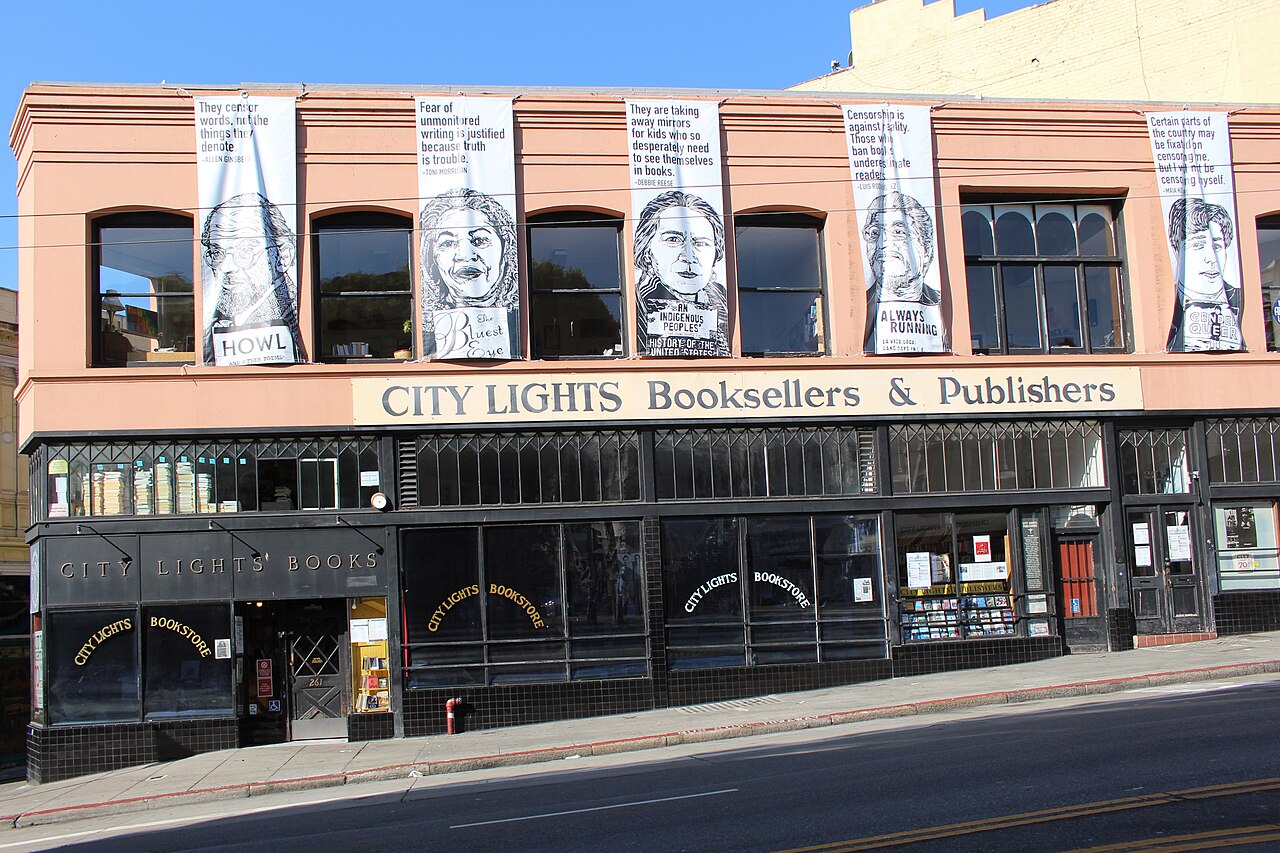
San Francisco’s “City Lights” in North Beach, still carries Beat-era energy, with poetry, politics, and small-press voices stacked in tight rooms that reward careful browsing. It is also a publisher, so the shelves feel connected to a wider argument.
Viral attention packs the narrow floors. Phones hover at the stairs, people stop to film shelves, and the hum of talk can drown out the quieter act of reading a back cover. Staff sometimes becomes a traffic guide, offering reminders about space. The spirit holds in small rituals: a thoughtful staff pick, a flyer for a reading, and a customer leaving with a book meant to be opened, not displayed.
Daunt Books, London
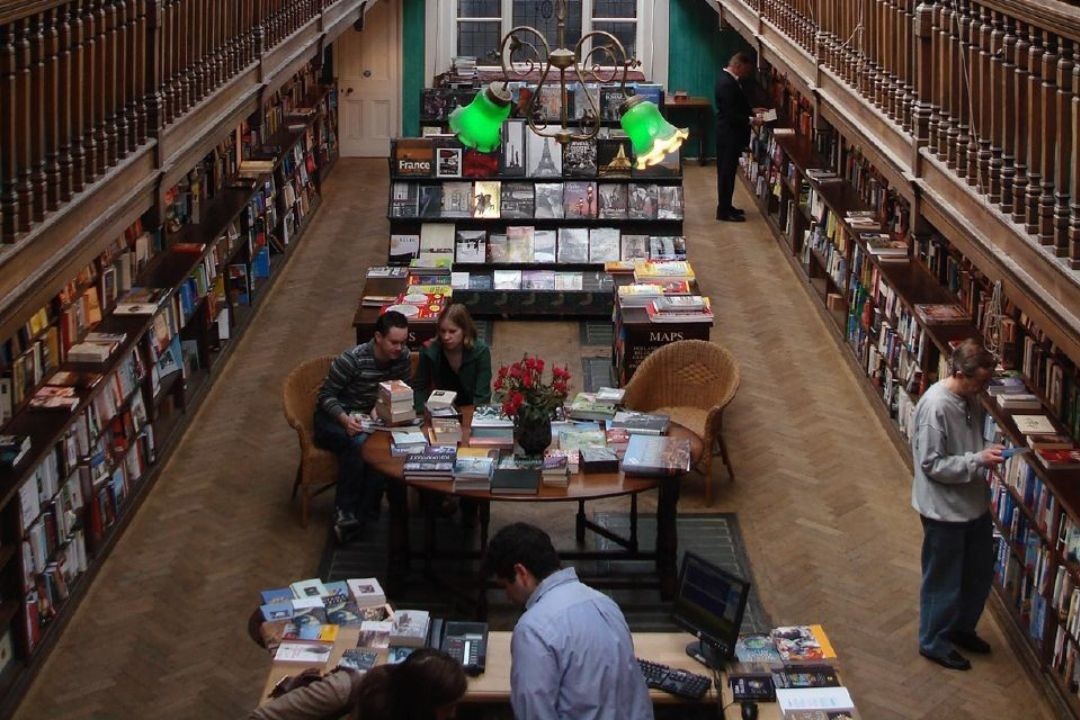
London’s “Daunt Books” in Marylebone is a long, lantern-lit gallery of oak shelves, where travel sections are arranged by country and the light makes paper look warm. Small tables carry staff notes, and the room feels designed for unhurried attention rather than impulse.
Viral photos turn its symmetry into a magnet. People stop in the center aisle for the shot, and one pause can ripple into a bottleneck. Conversations rise, bags bump shelves, and browsing becomes gridlock. The calm returns when foot traffic thins and the store becomes what it does best: matching readers with a place, one thoughtful spine at a time, in a voice that stays low.
The Last Bookstore, Los Angeles
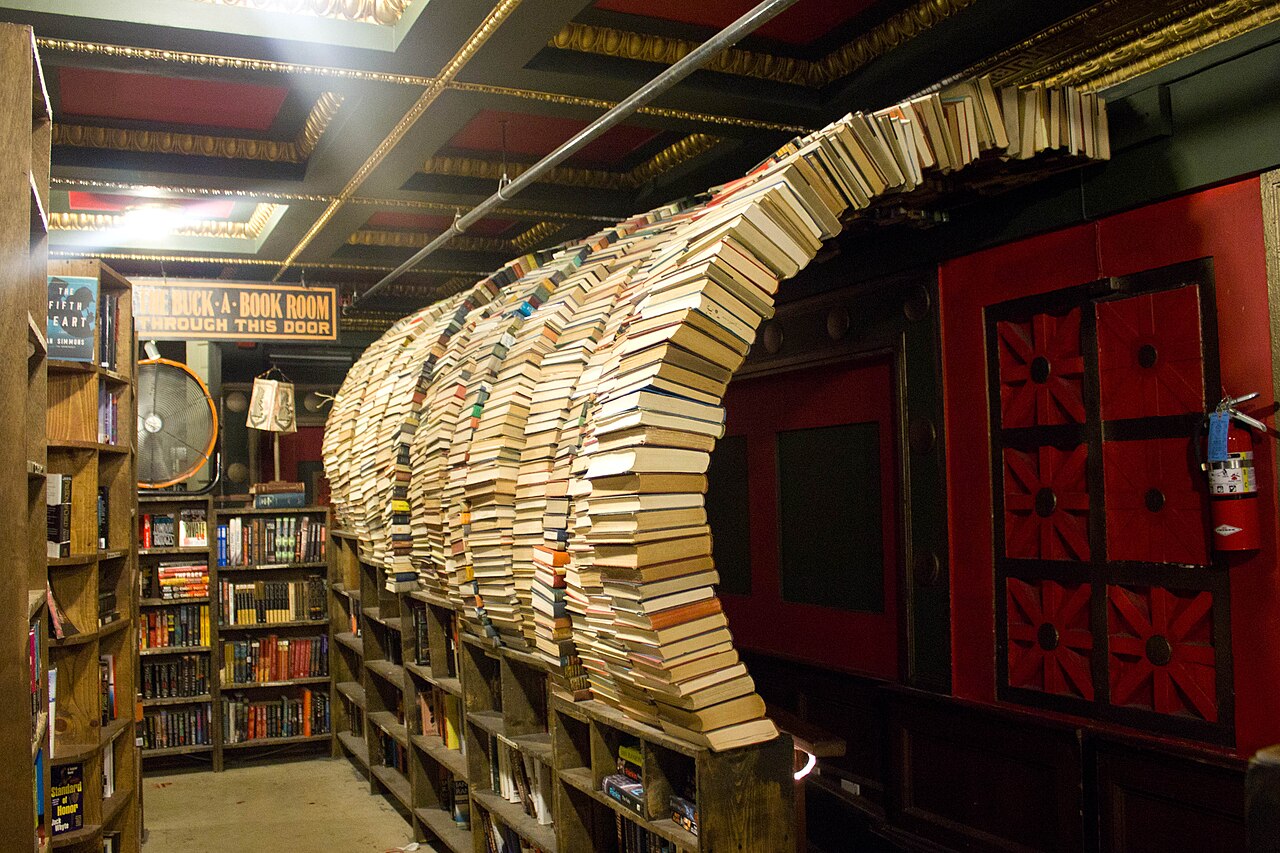
Downtown L.A.’s “The Last Bookstore” blends used-book sprawl with art installations, including its famous book tunnel and sculptures built from discarded pages. A mezzanine and vendor corners give the place a market feel.
When clips go viral, the balance tips toward the spectacle. Lines form for the tunnel, aisles clog near the photo spots, and the room turns into a slow-moving queue with books as background. Staff has to steer traffic and protect stacks from constant brushing. The quieter reward shows up deeper in the shelves, where older paperbacks still wait for patient hands, and the act of choosing becomes private again for longer now.
Libreria Acqua Alta, Venice
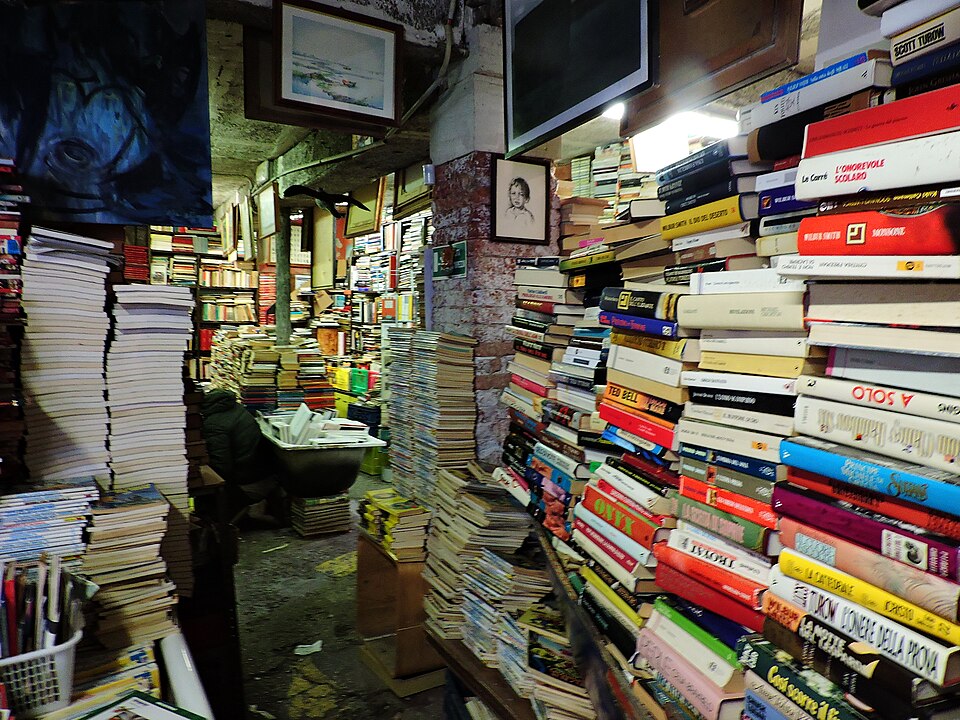
Venice’s “Libreria Acqua Alta” stacks books in bathtubs and boats a practical nod to flooding that makes the shop feel like a playful maze. Cats nap on piles, and the rooms look improvised, as if built mid-story.
Viral fame packs the narrow passages. Visitors queue for the courtyard stairway made from old volumes, then funnel back inside, brushing shelves and talking over the small space. Browsing becomes a squeeze, and staff attention shifts to keeping piles stable, not only helping someone find a title. The charm shows up in calmer minutes, when stacks get rescued and the shop feels less like a stop and more like a working, lived-in place.
Boekhandel Dominicanen, Maastricht
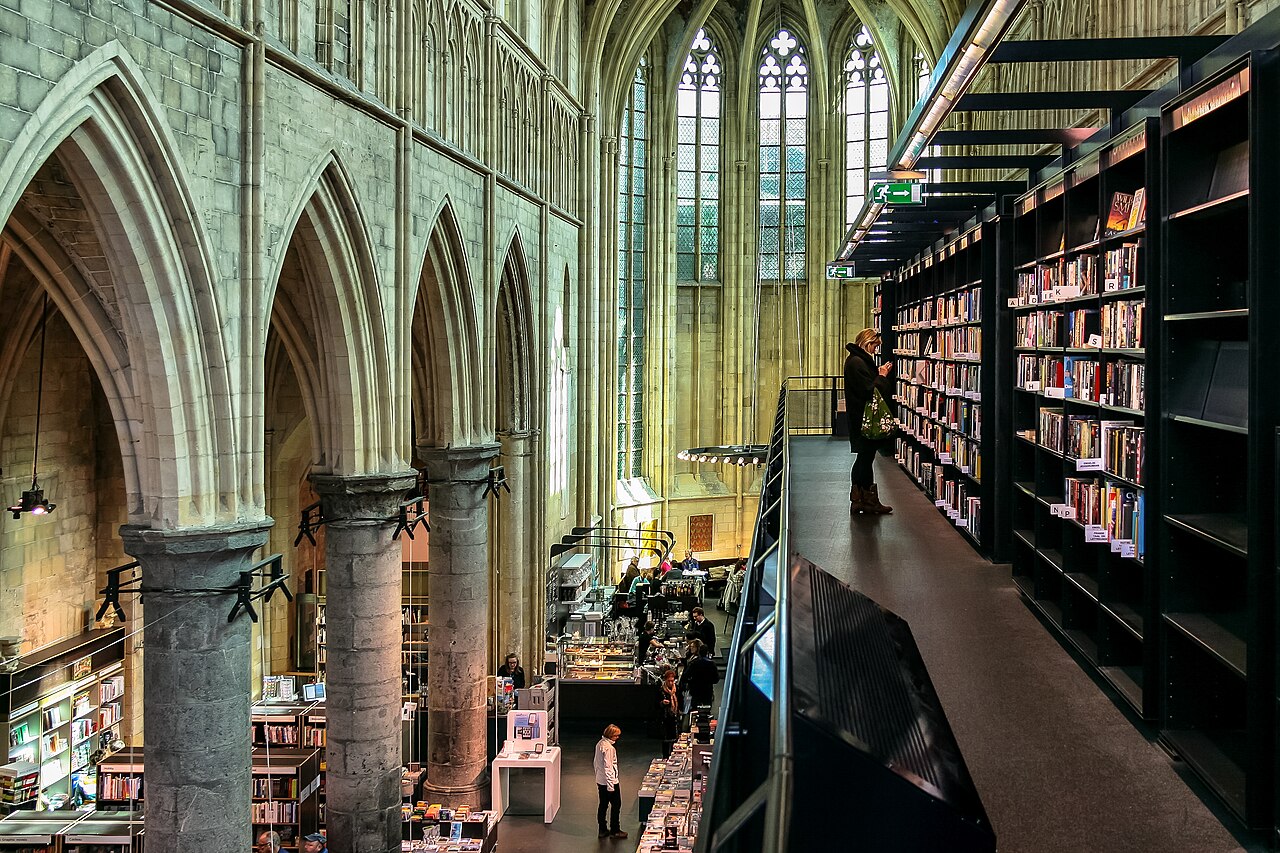
Maastricht’s “Boekhandel Dominicanen” sits inside a former church, with vaulted ceilings and soft light that makes browsing feel almost reverent. Books line the nave, and a café sits where an altar once stood, mixing coffee with stone.
Viral clips turn that hush into an echo chamber. Groups cluster under arches, voices carry, and the space becomes a backdrop for photos instead of attention. People stop in the aisle to frame the ceiling and the flow breaks behind them. Staff can only do so much in a room built for sound. The mood recovers when the crowd thins and readers can stand still, look up once, then look back down at a page in silence.
Atlantis Books, Santorini
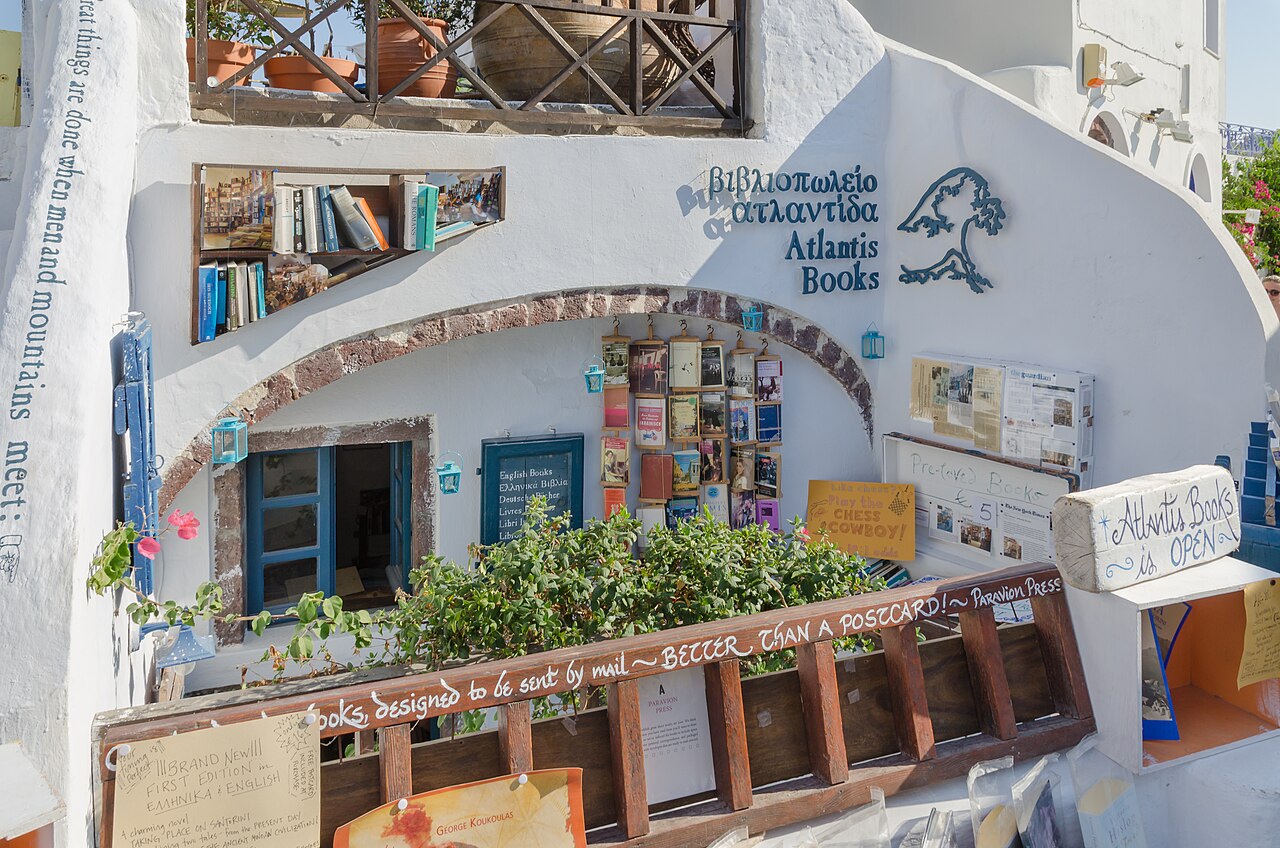
Santorini’s “Atlantis Books” feels like a cliffside hideout, with handpainted signs, narrow shelves, and sunbleached steps that smell faintly of salt and paper. Posters, postcards, and quotes add to the sense that the place was made by people who live with books, not around them.
Going viral turns that intimacy into a squeeze. Visitors arrive for the same doorway shot, pause to stage photos, and fill the tiny rooms with heat and chatter. Browsing becomes waiting, and the narrow aisles lose their gentleness. The spell returns near dusk, when crowds thin and the focus shifts back to notebooks paperbacks, and the simple act of reading in peace.
Tsutaya Books, Daikanyama
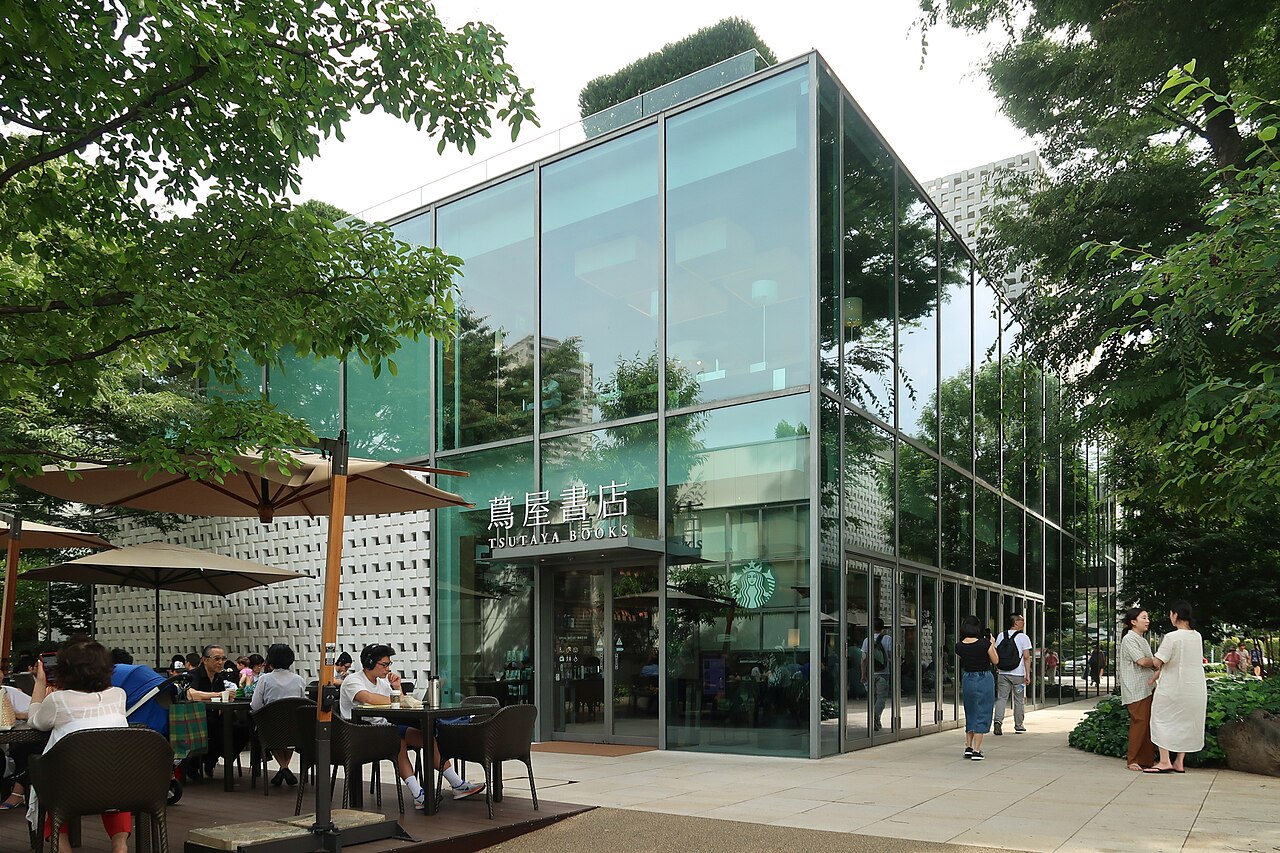
Tokyo’s Daikanyama “Tsutaya Books” sells taste as much as books, pairing design titles, music, and café seating in a space that feels carefully composed. Displays are crisp, lighting is soft, and the curation reads like a magazine in 3D.
Viral posts can crack that calm. Visitors hover for photos along clean sightlines, pause at the same tables, and turn browsing into a slow loop. The room starts to feel like a set, and small sounds add up. Staff time shifts from recommending to guiding flow, which dulls the point of the place. It shines again when the crowd loosens and the room returns to quiet attention and good selection, sans performance.