Some places handle visitors well, and others hit a point where even polite tourism becomes daily friction. In 2026, planners, park managers, and resident groups are urging restraint in destinations where crowds land too fast, housing gets squeezed, and fragile streets or ecosystems take the hit. The message is not that travel is unwelcome. It is that timing, volume, and behavior matter, and a few famous hotspots need breathing room to recover, enforce rules, and keep local life from turning into background scenery.
Venice, Italy
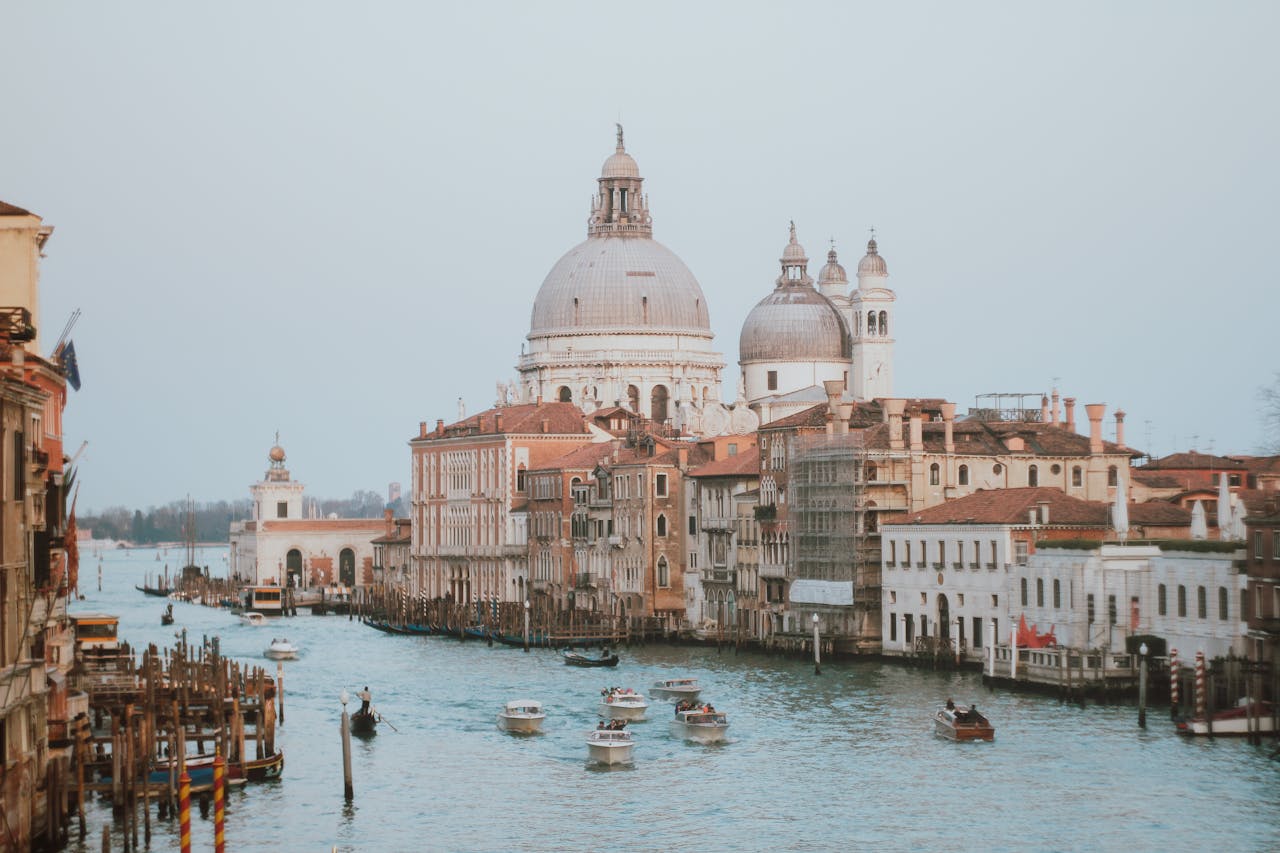
Venice keeps repeating the same message in different policies: the historic center cannot function as an unlimited day-trip drop zone. When thousands arrive at once, bridges bottleneck, vaporetti overload, and basics like groceries, school routes, and medical visits become a navigation exercise for residents. A breather in 2026 would give enforcement, maintenance, and local housing a chance to catch up, and it would steer travel toward quieter hours, longer stays, and off-peak neighborhoods, so Venice reads as a lived city of bakeries, workshops, and quiet canals rather than a timed obstacle course.
Barcelona, Spain
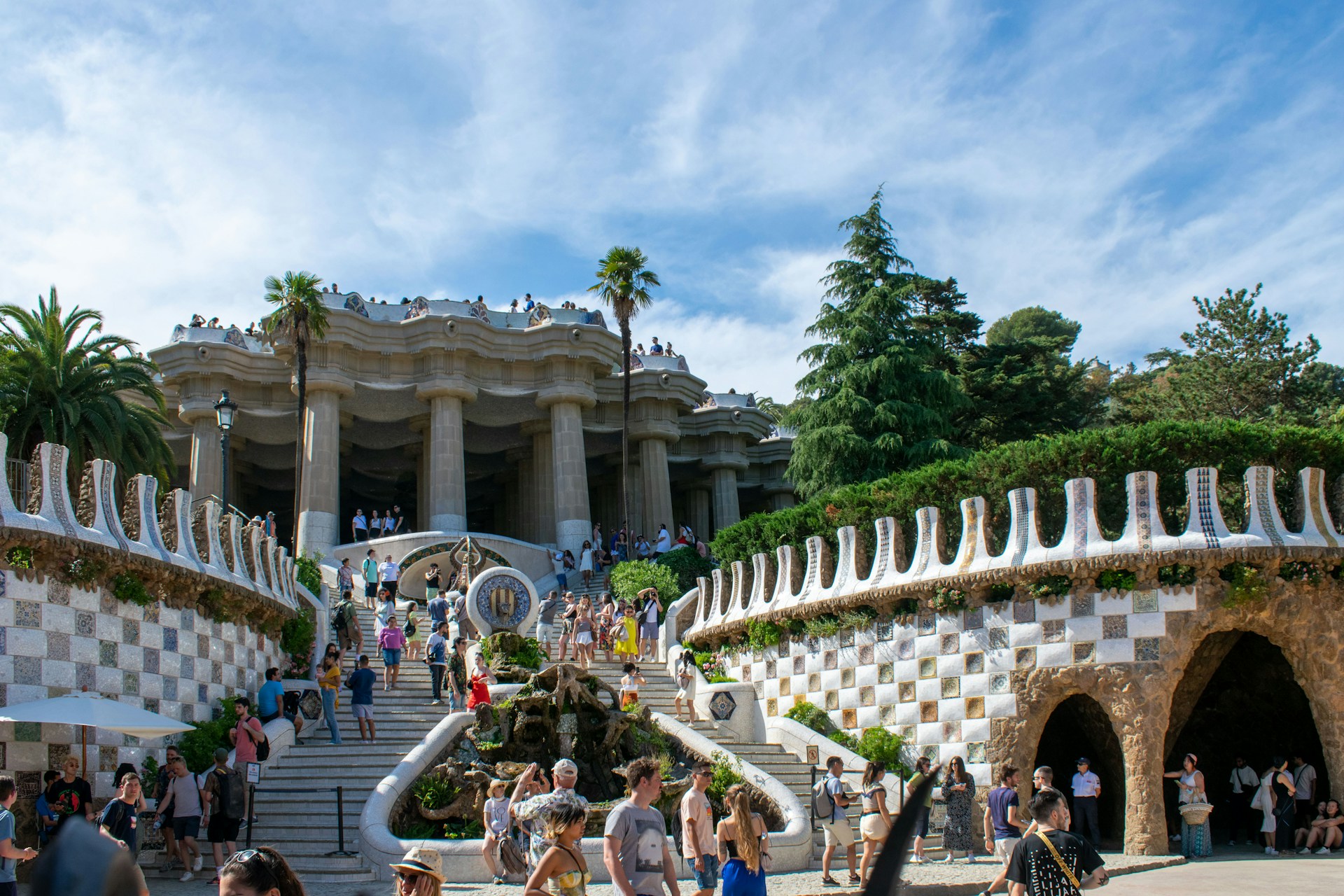
Barcelona’s tourism pressure shows up less at monuments than in rent notices, school enrollments, and the churn of neighborhoods that lose long-term neighbors. Housing advocates and city planners link the strain to short-stay inventory, constant event demand, and streets that get optimized for quick consumption instead of daily errands, especially in dense central districts. A calmer 2026 would give enforcement time to work, keep local shops and services in place again, and make room for visitors who stay longer, move slower, and treat the city as a home for a week, not a backdrop for an afternoon.
Amsterdam, Netherlands
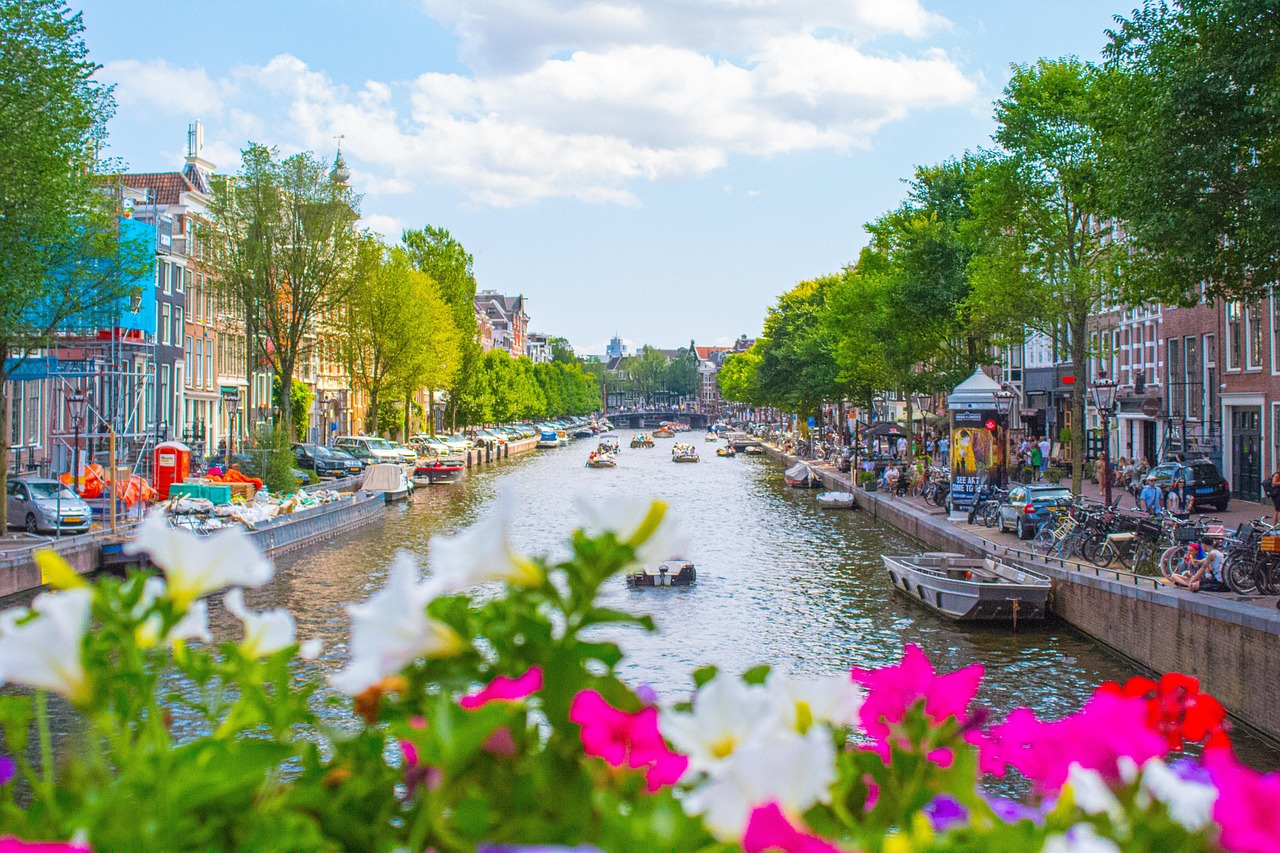
Amsterdam has been unusually blunt that fewer visitors can be a goal, not a failure, because canals, bridges, and narrow sidewalks cannot expand to match demand. When cruise days stack with weekend crowds, the center turns into a corridor of queues, and residents lose the basics: easy cycling, quiet nights, and shops that serve ordinary life instead of souvenirs. A breather in 2026 would help the city enforce limits, protect housing, and keep the best version of Amsterdam intact, where museums, cafés, and canals feel spacious enough for conversation rather than constant crowd management most days.
Santorini, Greece
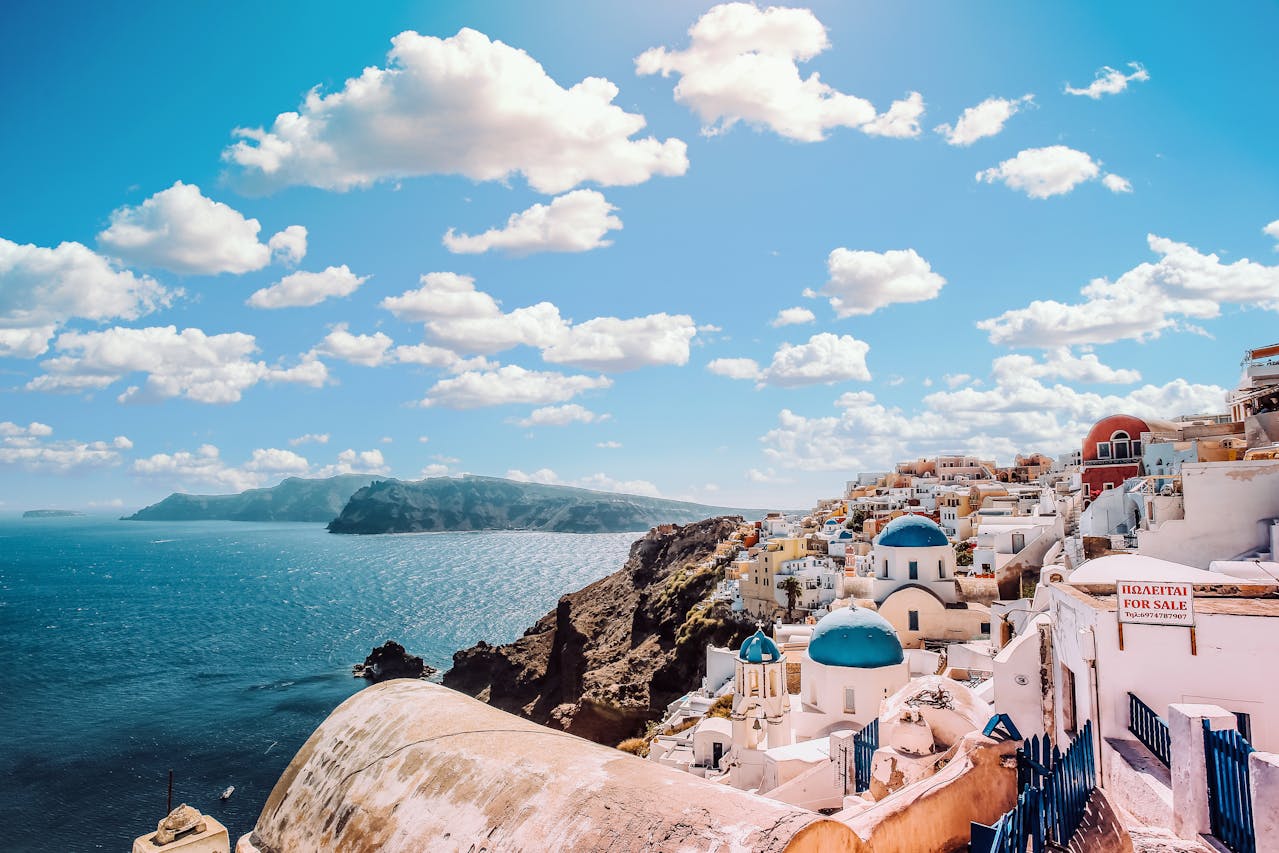
Santorini’s strain is simple geometry: steep lanes, tender lines, and cliffside roads that cannot expand without changing the island itself. On cruise-heavy days, thousands funnel into Oia and Fira at the same hours, so cable-car queues lengthen, buses crawl, and even a bakery stop becomes a timed challenge for residents and workers. A lighter 2026 would ease pressure on water, waste, and transport, while giving local systems time to work as intended, with arrivals spread out and more stays anchored in smaller villages, so the caldera feels quiet again at sunrise and late evening instead of like a crowd-control exercise.
Dubrovnik, Croatia
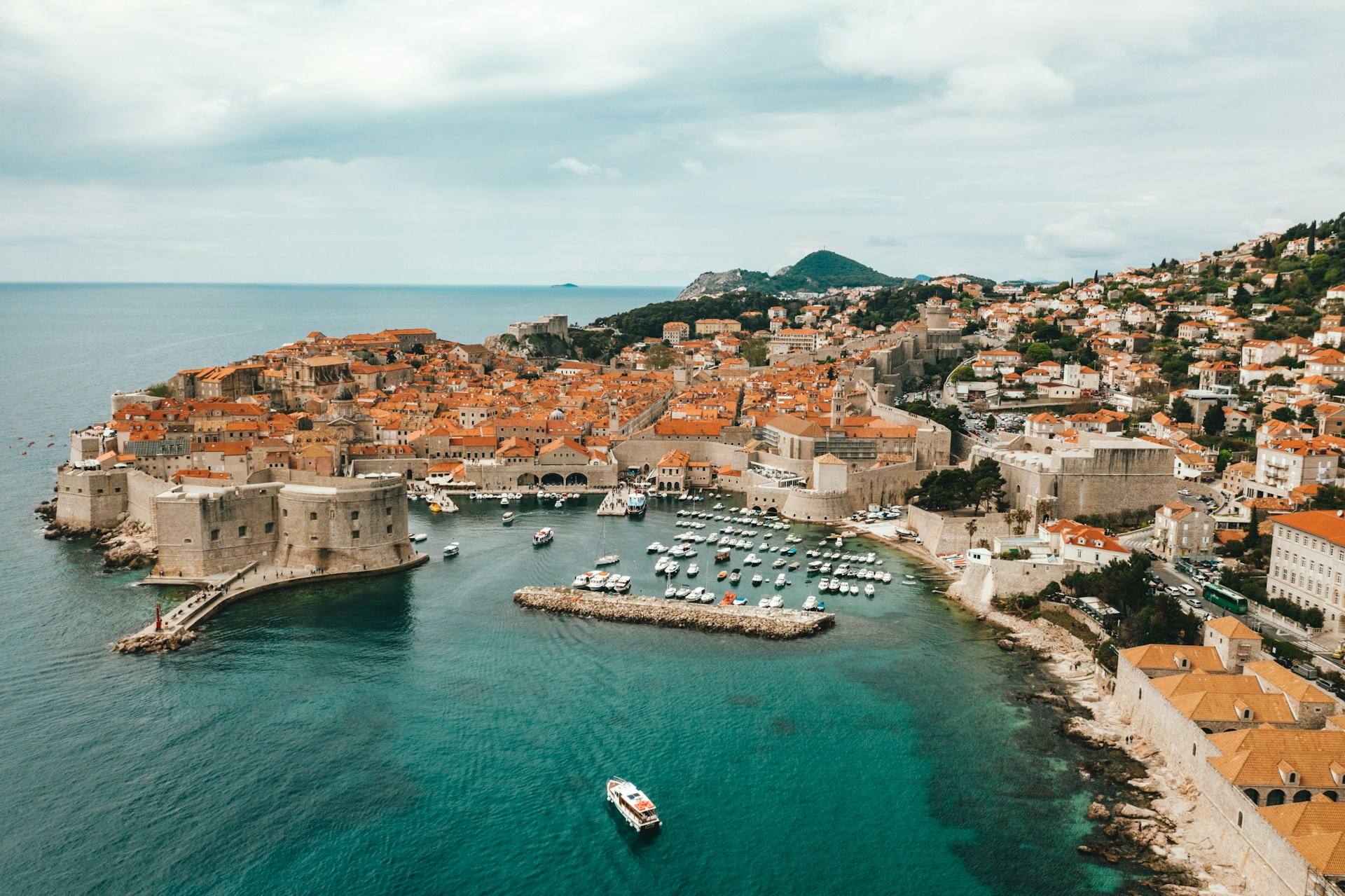
Dubrovnik’s Old Town was built for foot traffic measured in neighbors, not modern surges tied to cruise timetables and day-trip buses. When arrivals stack, gates funnel people into the same lanes, heat builds between stone walls, and locals find ordinary tasks, like getting to work or buying groceries, competing with guided groups and photo stops. A break in 2026 would let preservation work catch up, reduce pressure on surrounding neighborhoods, and restore quieter mornings when the city feels like a living community with schools, markets, and doorstep conversations again, not a timed circuit.
Canary Islands, Spain
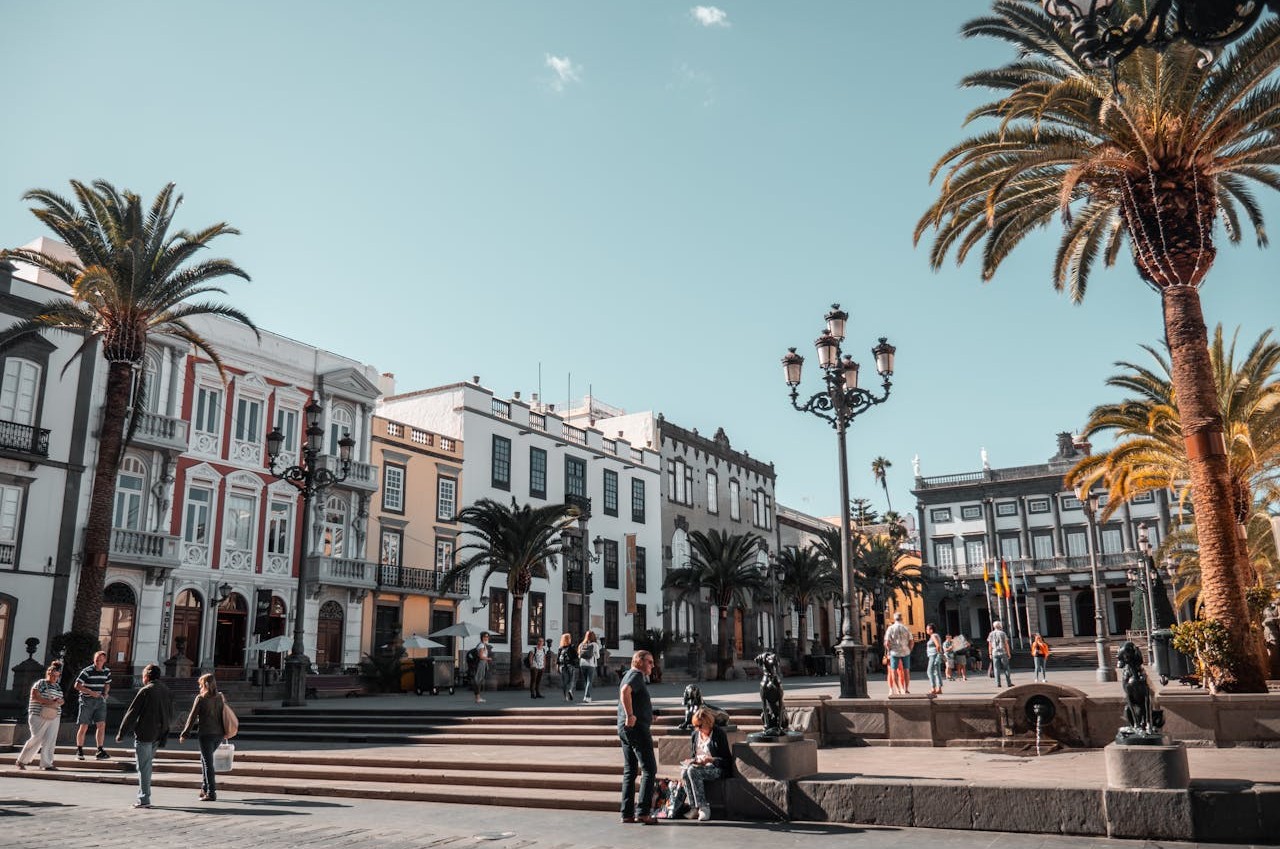
The Canary Islands show how tourism stress hits hardest where land and water are finite and the peak season never truly ends. Resident groups and policy analysts point to crowded roads, strained waste systems, and housing pressure that pushes workers farther from coastal jobs, especially on the busiest islands where services already run tight. A breather in 2026 would give planners time to rebuild basics, from water security to transit and affordable housing, and it would shift the conversation from constant growth to long-term livability, so visitors meet islands that feel cared for, not overrun.
Machu Picchu, Peru
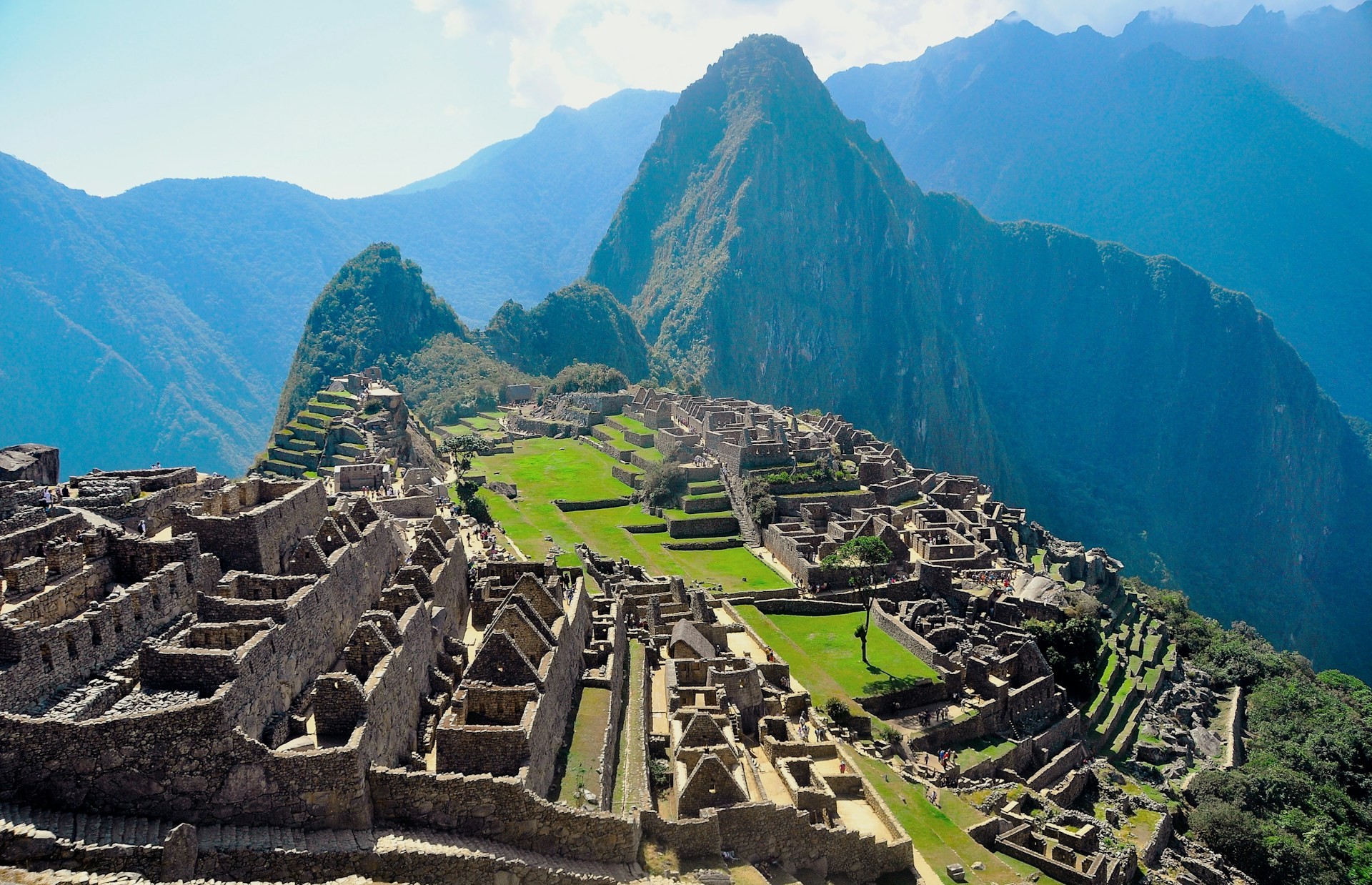
Machu Picchu is a place where management matters as much as awe, because trails, stairs, and stonework cannot absorb unlimited peaks without visible wear. Timed entry and circuit routes help, yet pressure still lands in the wider corridor, with transport surges, crowded platforms, and sudden price spikes that can distort life in Cusco and Aguas Calientes. A calmer 2026 would support conservation crews and guide standards, reduce the rush mentality that turns a sacred landscape into a checklist, and make visits feel quieter and more respectful, with time to absorb the setting instead of racing the clock.
Bali, Indonesia
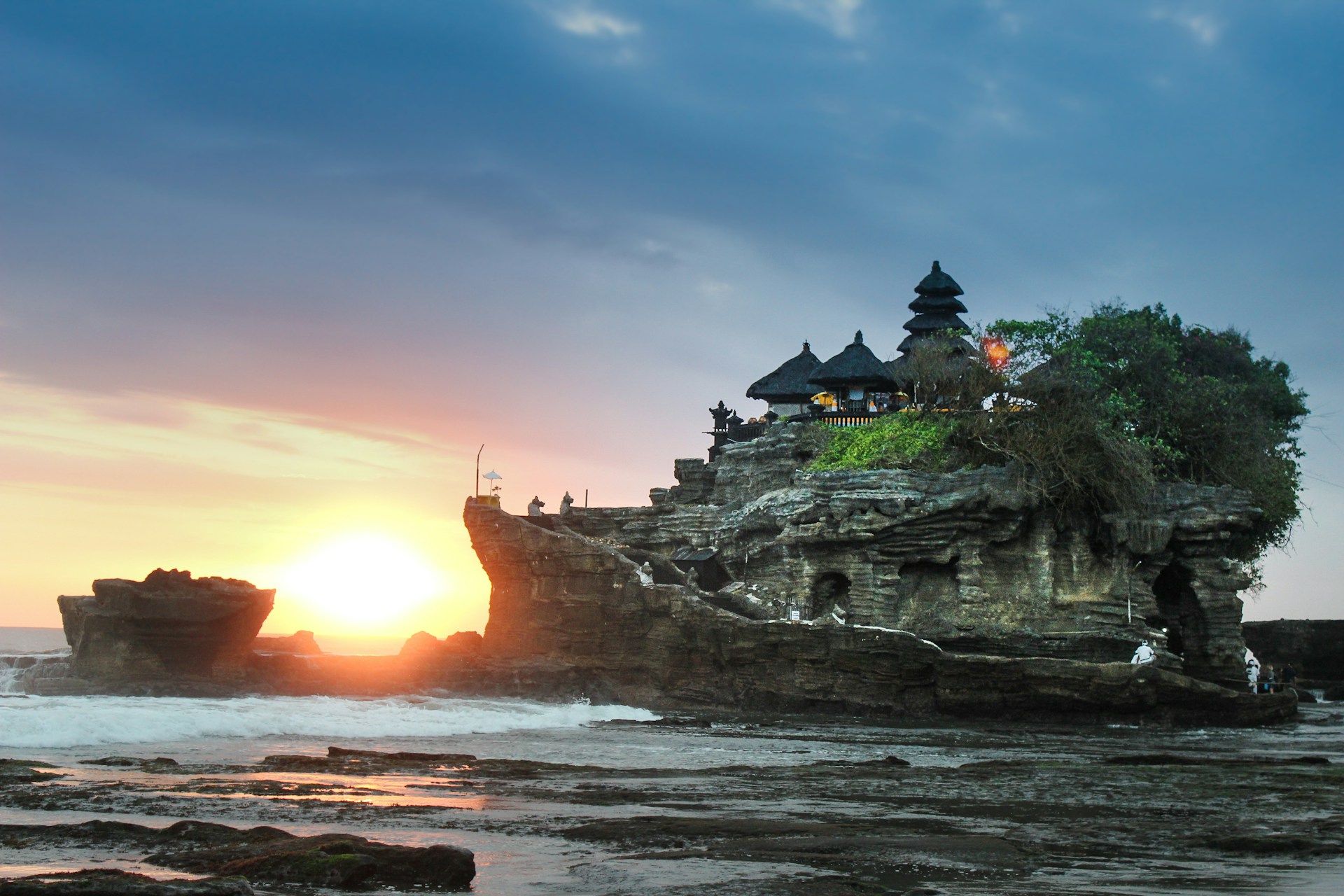
Bali’s visitor load concentrates in a few districts, and the impacts show up in traffic gridlock, water stress, and waste that piles up faster than systems can handle. Local leaders and community groups have called for stronger rules and better behavior, yet enforcement is hardest when arrivals keep rising and short-stay demand rewards speed over care. A lighter 2026 would give communities time to improve sanitation and transport, protect sacred sites from crowding, and restore the island’s slower rhythm, where daily offerings, surf mornings, and rice-field walks feel grounded instead of compressed into constant congestion.
Kyoto, Japan
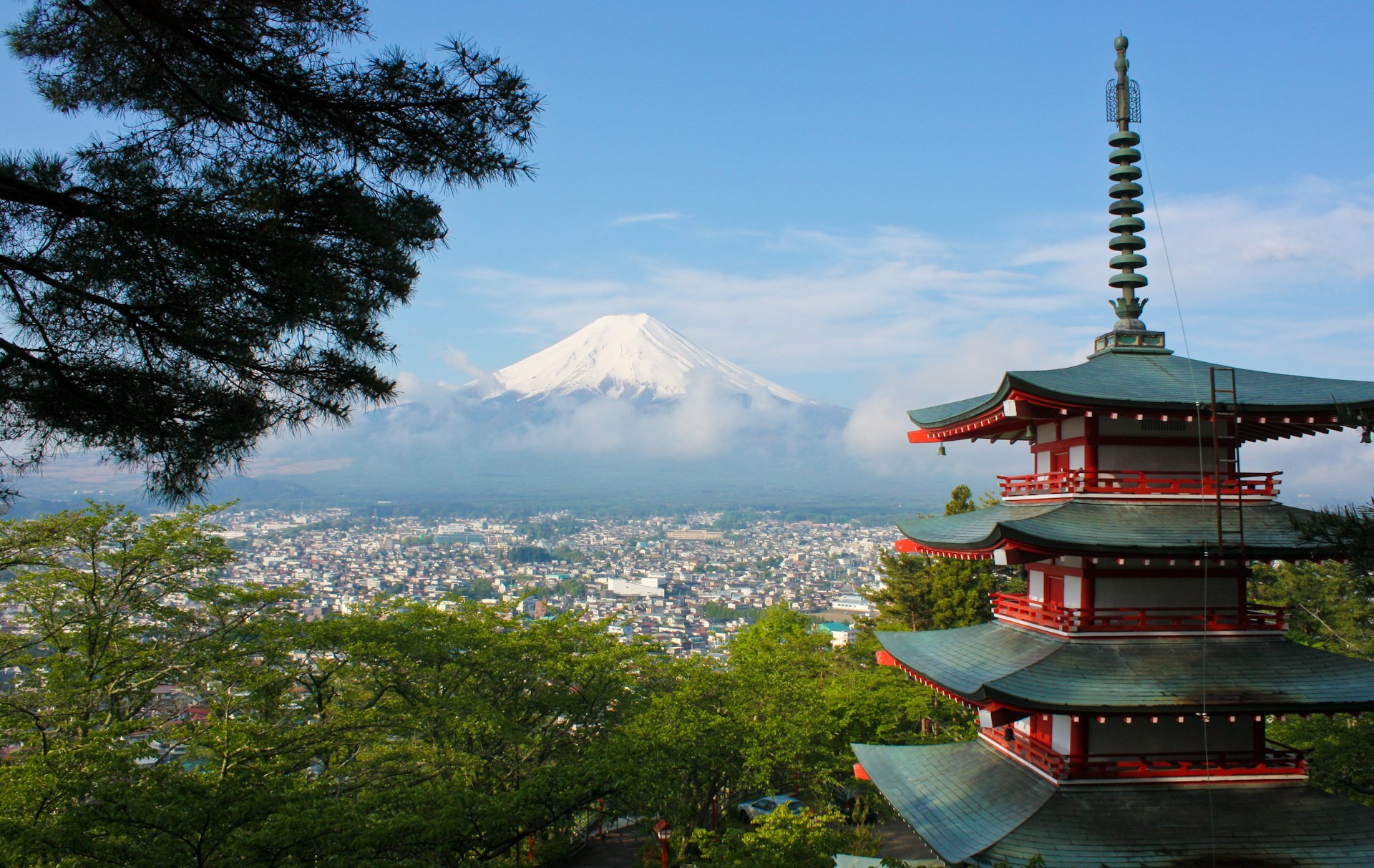
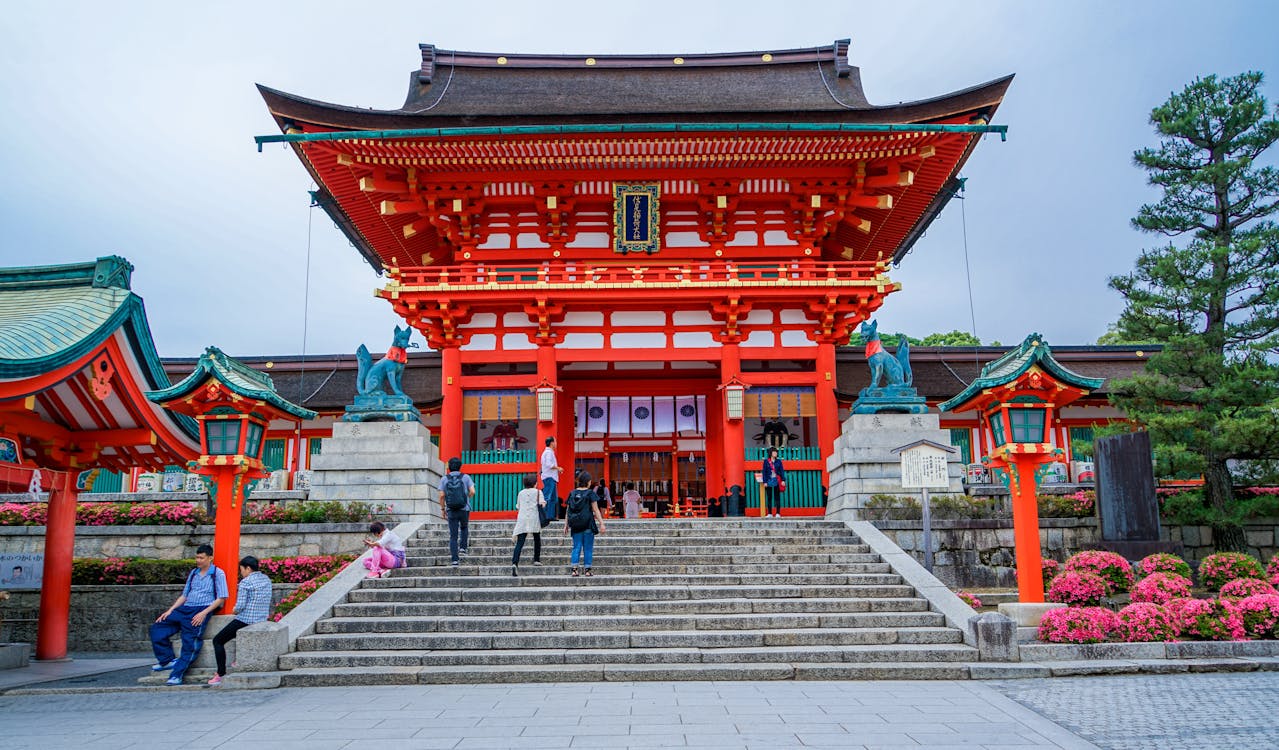
Kyoto’s challenge is not a shortage of beauty, but the way crowds funnel into a handful of iconic lanes and shrines at the same hours. Residents and local officials have pushed for better dispersal and quieter conduct, because packed buses, narrow sidewalks, and photo bottlenecks can turn ordinary daily commutes into endurance and make small courtyards feel unusable. A break in 2026 would create space for respectful pacing, support neighborhood life, and make craft, food, and seasonal walks the focus again, so Kyoto feels like a working city of artisans and students, not a single loop of hotspots.
Banff and Lake Louise, Canada
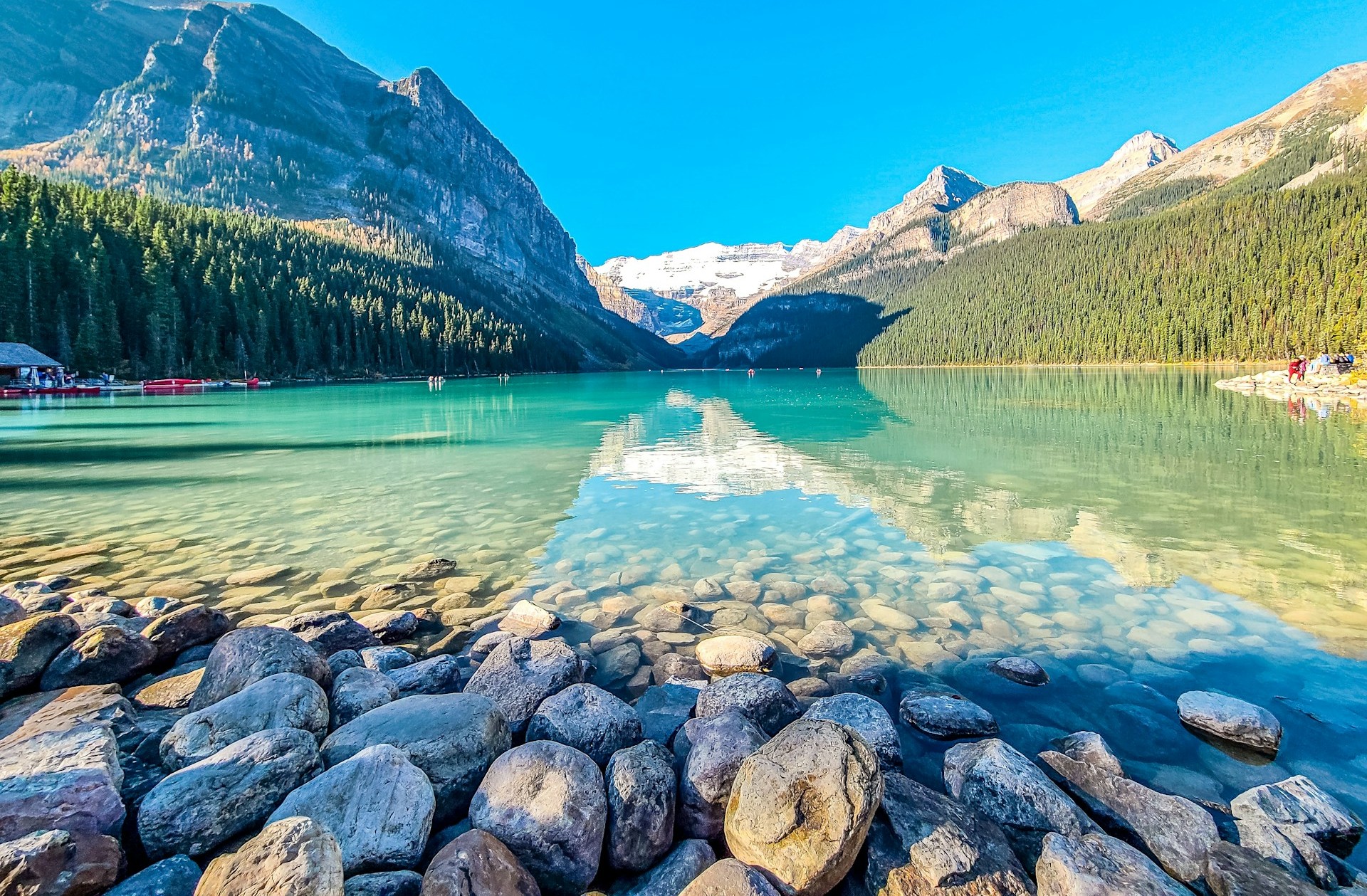
Banff and Lake Louise look endless, yet access is not, which is why roads, parking, and lakeshore trails hit capacity quickly in peak months. Park staff and local communities worry about trail wear, wildlife disturbance, and housing pressure in gateway towns where workers compete with short-stay demand, while crowded days also strain shuttles and emergency response. A quieter 2026 would support restoration, give wildlife more space, and make planning systems feel like a safety tool instead of a daily battle, so the Rockies read as spacious again at sunrise, with room for silence, clear views, and slow walks.
Cinque Terre, Italy
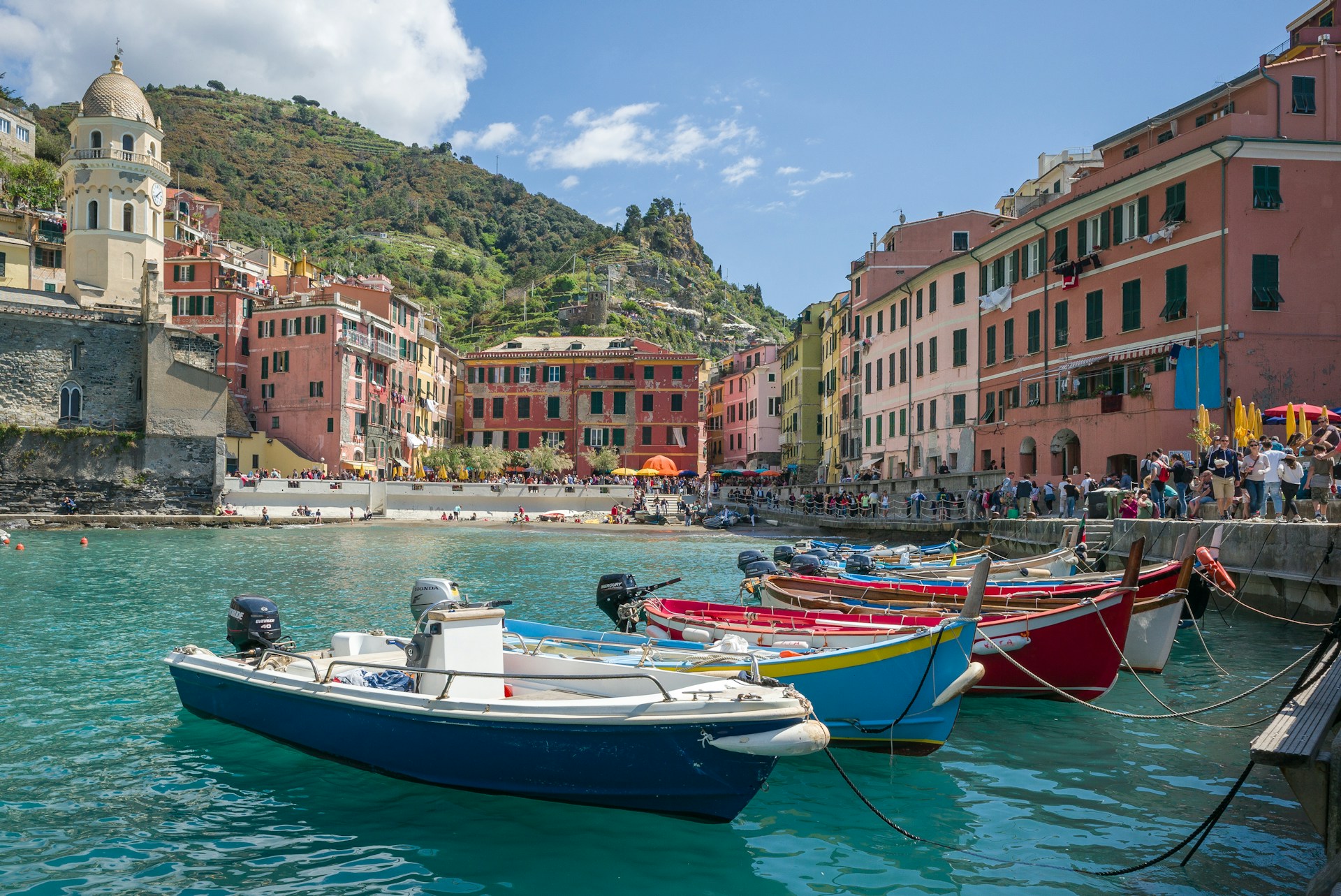
Cinque Terre’s charm is also its constraint: five small villages stitched together by steep paths, tight platforms, and limited space for crowds to disperse. On busy days, trains arrive full, trails stack up, and the lanes feel like moving queues, while residents deal with noise, higher prices, and basic services stretched thin by day-tripper peaks. A break in 2026 would reduce strain on footpaths and rail operations, protect fragile slopes from erosion, and encourage slower visits that stay overnight, so mornings feel like village life again, with fishermen, cafés, and quiet sea air leading the day.
Hallstatt, Austria
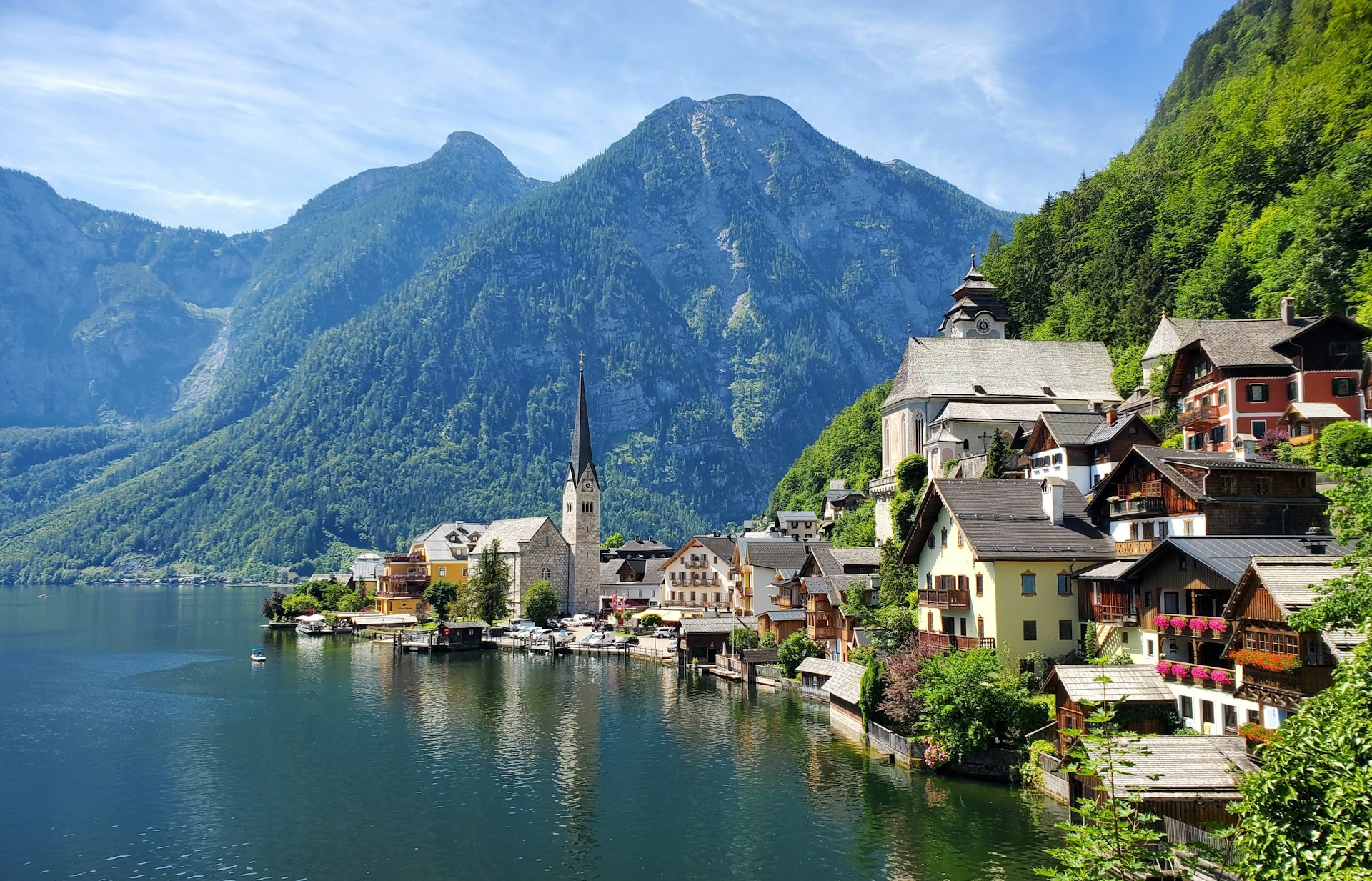
Hallstatt is a tiny lakeside village carrying global attention, and the mismatch shows up in bus waves, crowded photo corners, and daily life squeezed into narrow hours. Short visits can overwhelm parking, public toilets, and the few streets that hold schools, grocery runs, and local routines, leaving residents to time errands around tour schedules and traffic controls. A breather in 2026 would help the village reclaim ordinary rhythm, improve visitor management without constant crisis mode, and reward travel that stays longer, spends locally, and treats the lake and mountains as a place to inhabit quietly, not a quick stop.