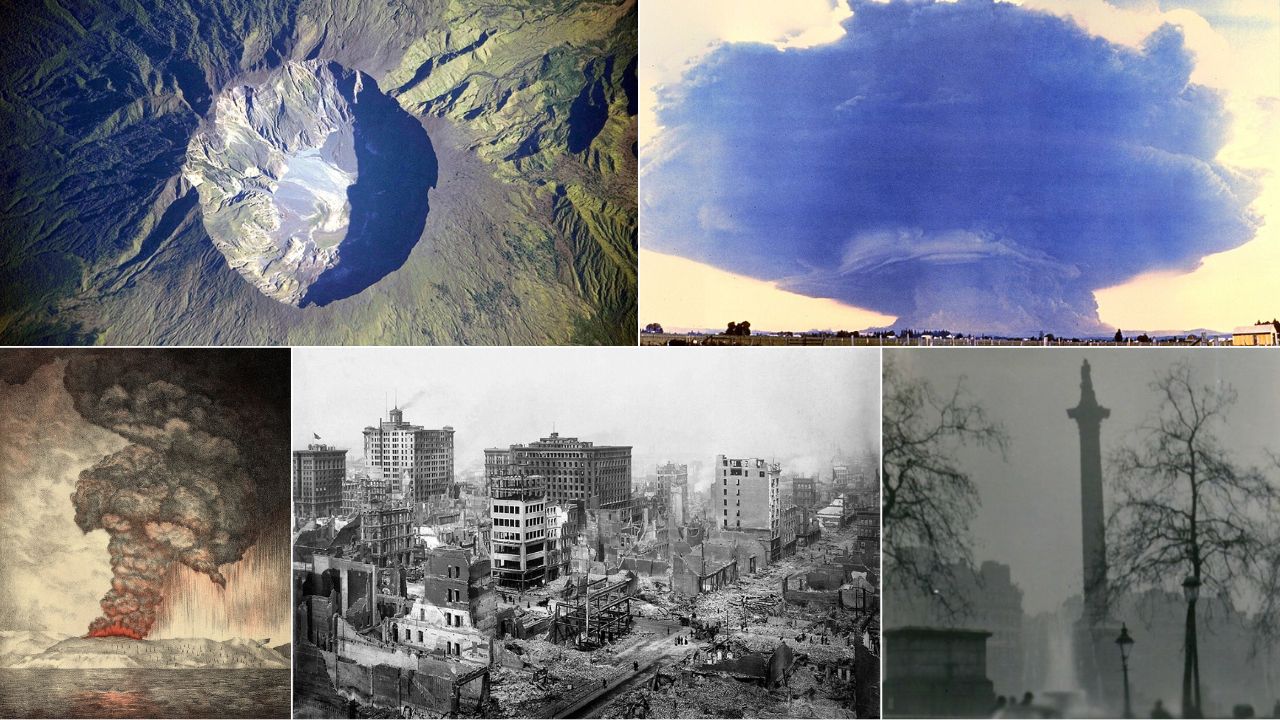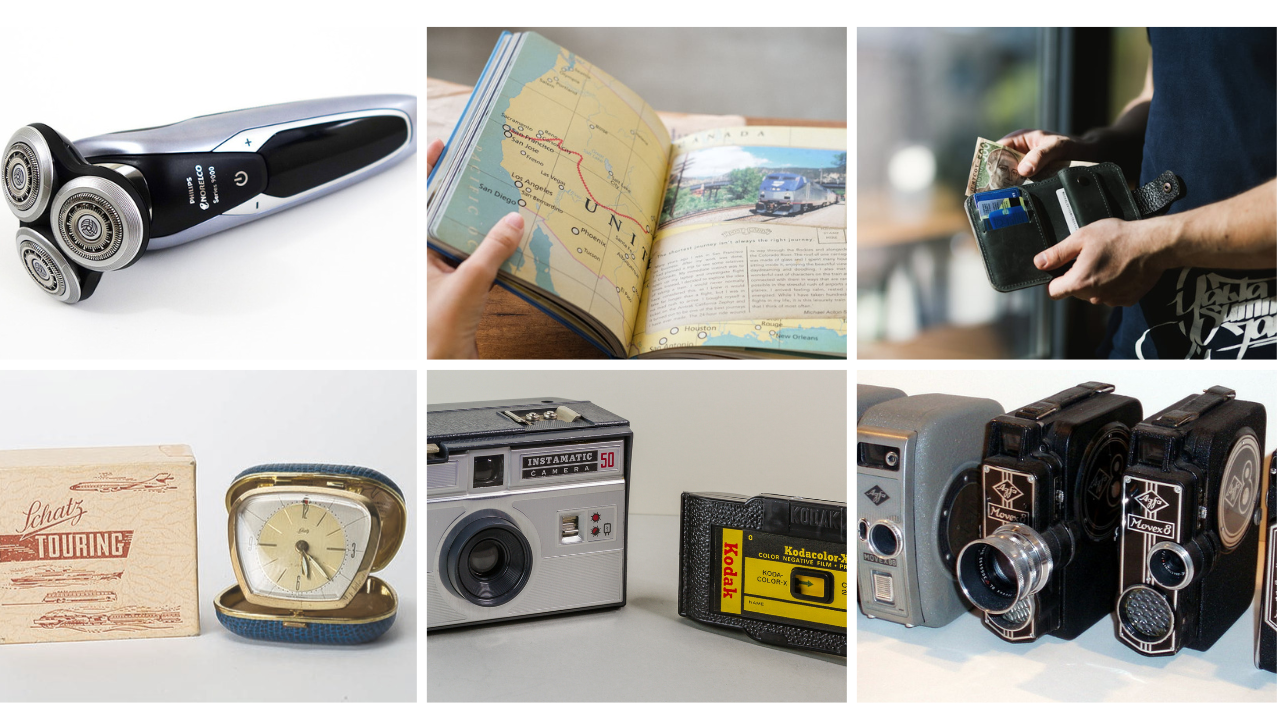
Long before boarding passes lived inside phones and directions arrived by satellite, travel had a slower, more deliberate toolkit. Families packed objects that demanded attention: paper maps, wound clocks, careful cameras, and small cases meant to keep documents and coins in order.
Those tools did more than solve problems on the road. They taught patience, observation, and a practical discipline that modern travel still needs. In many ways, what vanished was not just old hardware, but the habits it encouraged before the trip had even begun, often around the kitchen table days before departure for the whole family.
Foldout Road Maps
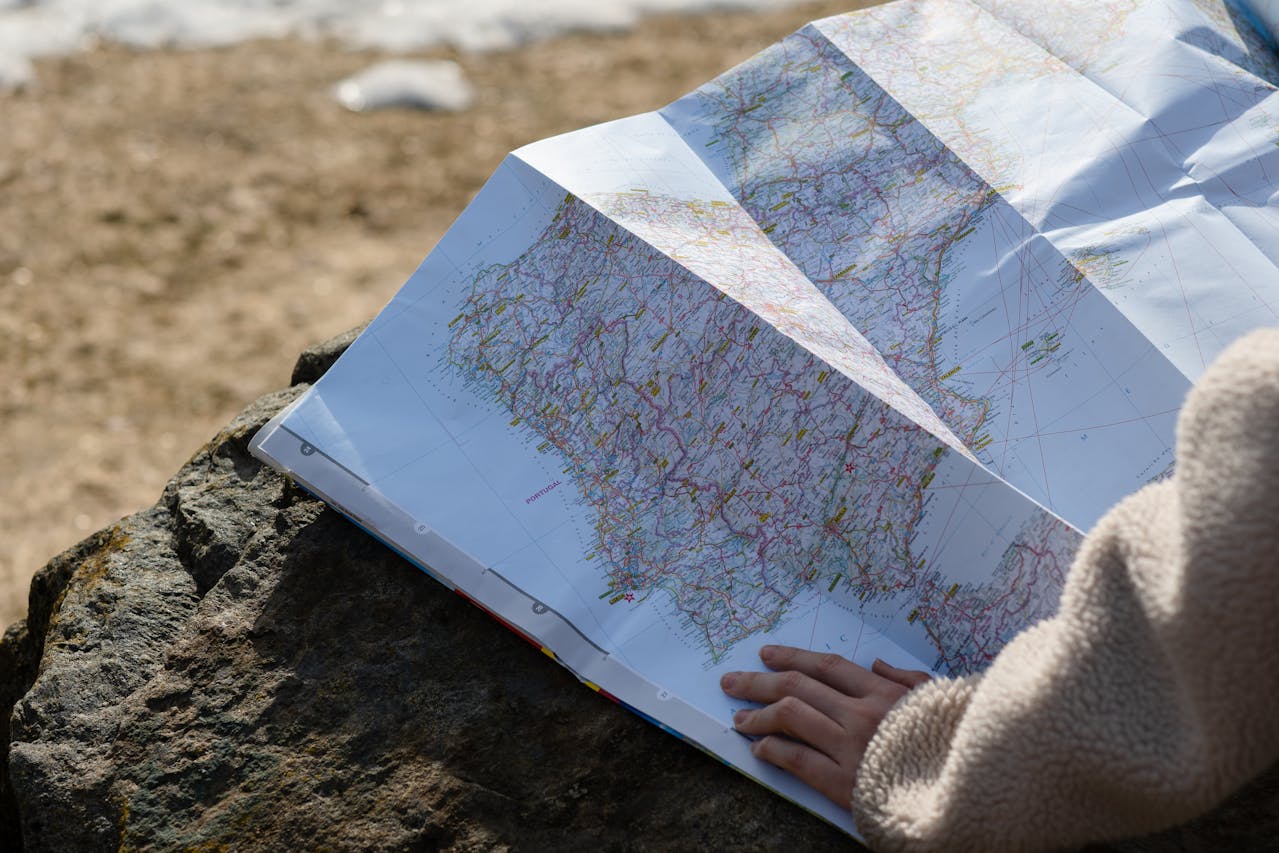
Before dashboard screens took over, the foldout road map was the real travel interface. In the 1960s, gas stations handed them out, families spread them across hoods and motel beds, and one wrong refold could turn a calm route into a paper wrestling match.
That old ritual is still missed because it forced travelers to understand distance, rivers, county lines, and backup roads. The modern misuse survives in a new form: many people follow navigation blindly, without learning the shape of the trip, which is exactly how a small detour becomes a very large mistake once signal drops or a road quietly closes for repairs.
AAA TripTik Route Books
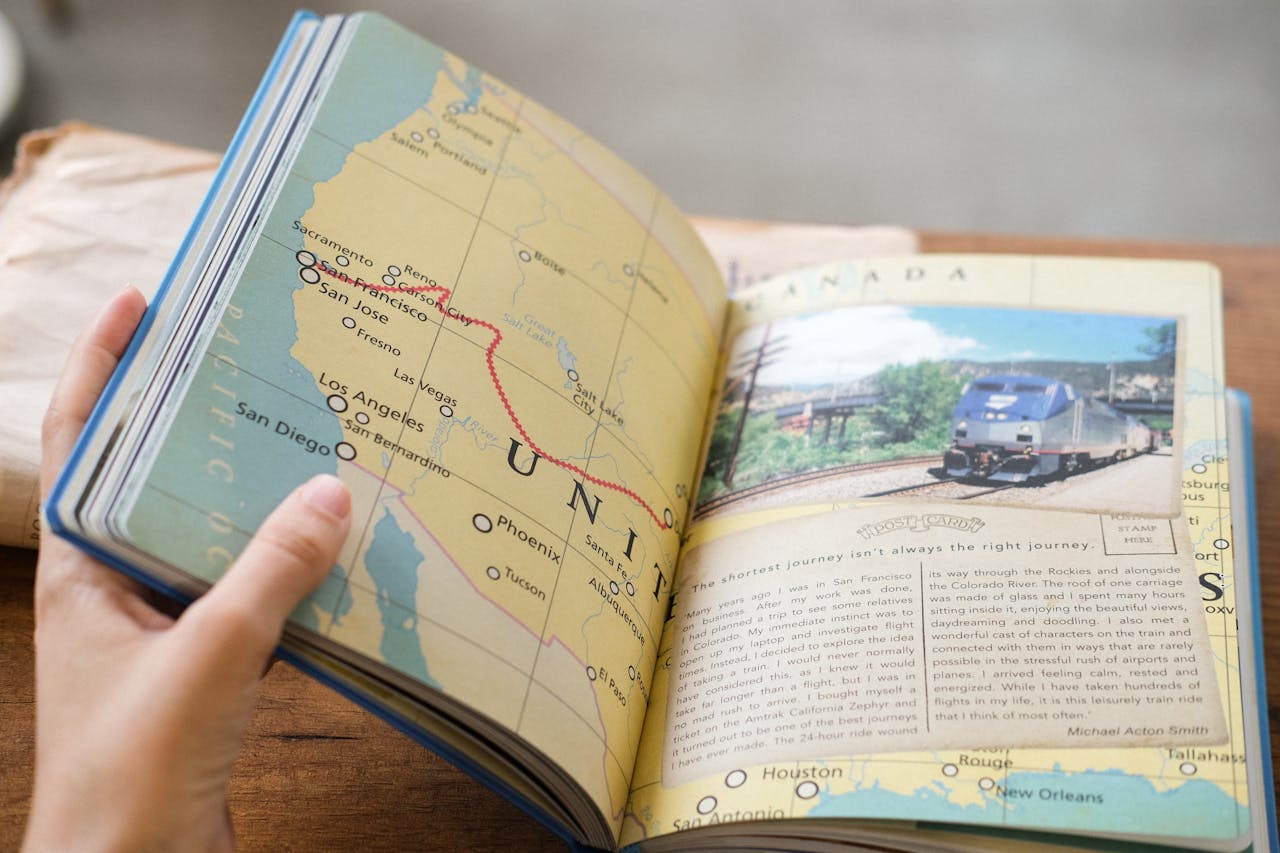
Long before apps recalculated in seconds, AAA TripTik books gave road trips a customized spine. These spiral route guides marked highways, fuel stops, attractions, and service points, and by the 1960s they had become a familiar companion for American families heading out for summer drives across several states.
What made them memorable was not just the route, but the discipline of planning around paper. That habit is still mishandled today, because many travelers build no real framework at all, assuming the next turn, the next charger, and the next open motel will somehow sort themselves out when conditions change without warning.
Wind-Up Travel Alarm Clocks
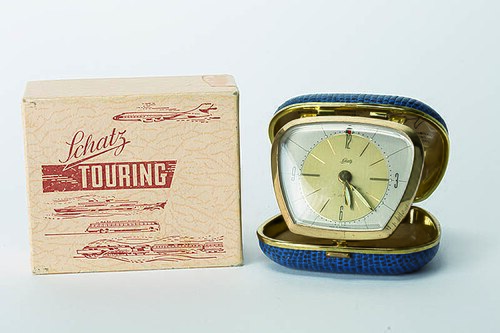
A small folding alarm clock once earned permanent space in a suitcase. In the 1960s, when wake-up calls depended on hotel staff and schedules were less forgiving than memory, these clocks helped travelers catch trains, early flights, and tour departures with a reassuring mechanical certainty that did not depend on wall sockets.
They are still easy to miss because they represented self-reliance in a compact form. The misuse lives on in phone alarms that stay buried under pillows, die on low batteries, or vanish into silent settings, turning modern convenience into the same old panic just before sunrise in unfamiliar rooms.
Kodak Instamatic Cameras
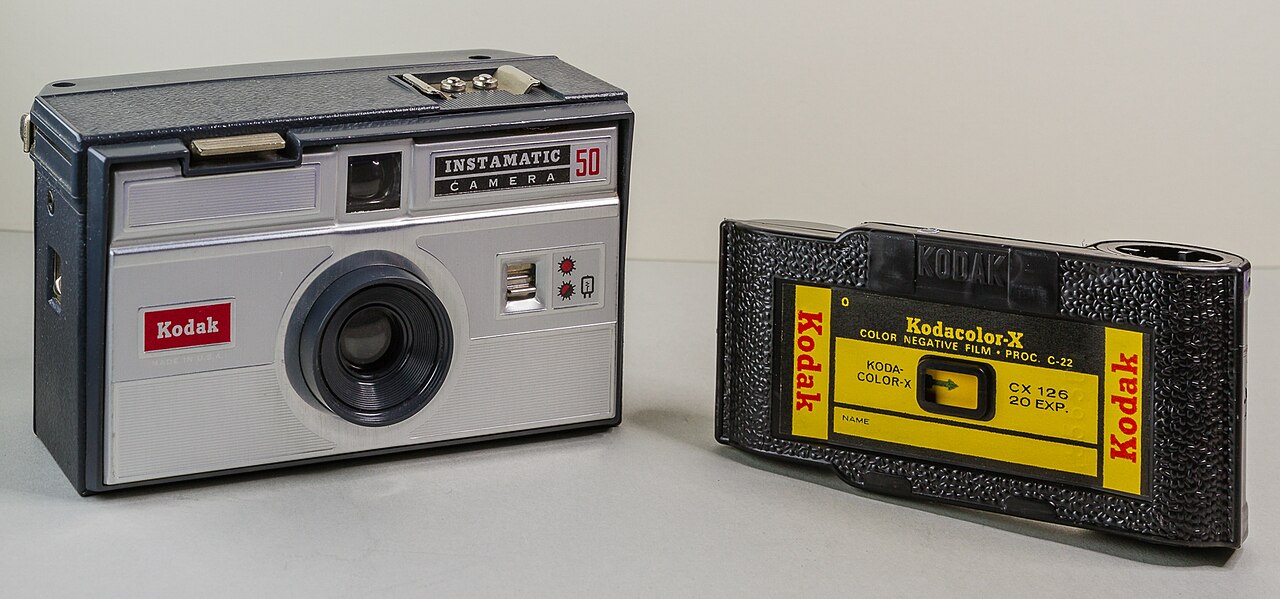
When Kodak introduced the Instamatic in 1963, travel photography changed fast. Cartridge film made loading simpler for everyday users, the cameras were small enough for glove compartments and handbags, and vacation pictures became less of a technical performance and more of a family habit carried from roadside stops to national parks.
What people miss is the restraint these cameras imposed. Each shot cost money, so travelers paused, framed, and waited for the right moment. The misuse now sits at the opposite extreme, with hundreds of rushed phone images taken from the same angle, then forgotten before the trip is even over.
8mm Movie Cameras
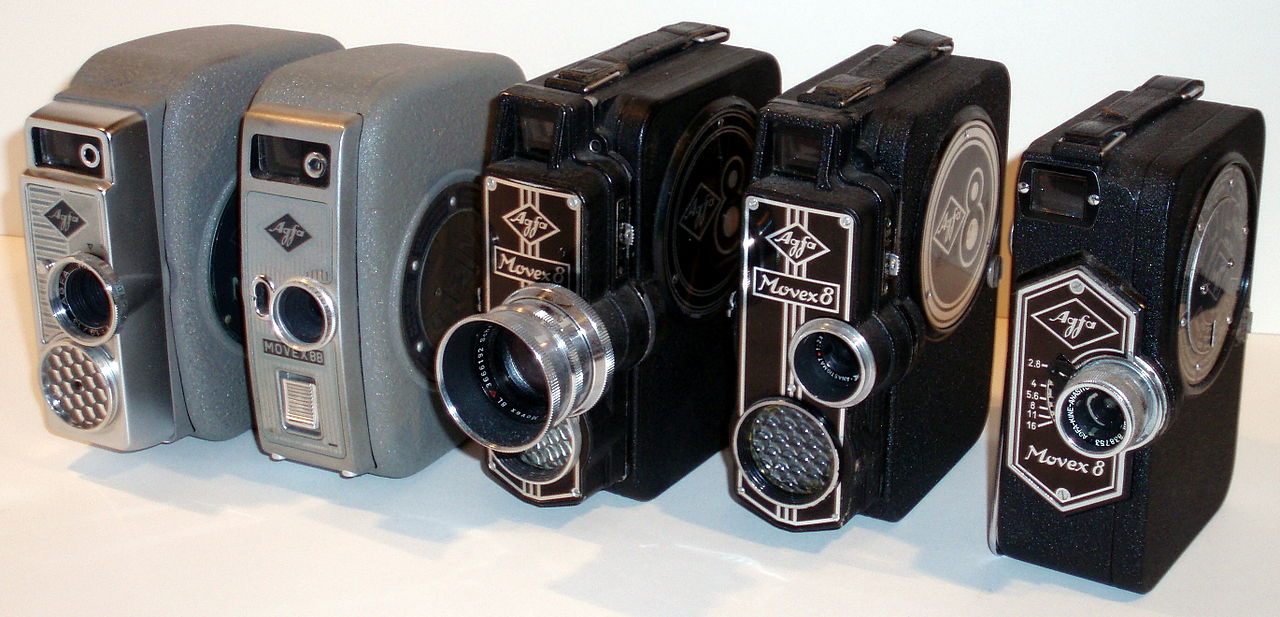
By the 1960s, 8mm home movie cameras had become a prized travel companion for families who wanted motion, not just snapshots. They appeared at beaches, roadside overlooks, and station platforms, recording waving children, passing scenery, and awkward hotel arrivals in a grainy format that still feels strangely alive decades later.
They are missed because they made filming intentional. Reel length was limited, batteries and film mattered, and someone had to decide what was truly worth preserving. The modern misuse is endless video without judgment, where everything gets recorded and almost nothing gets meaning afterward.
Portable Transistor Radios
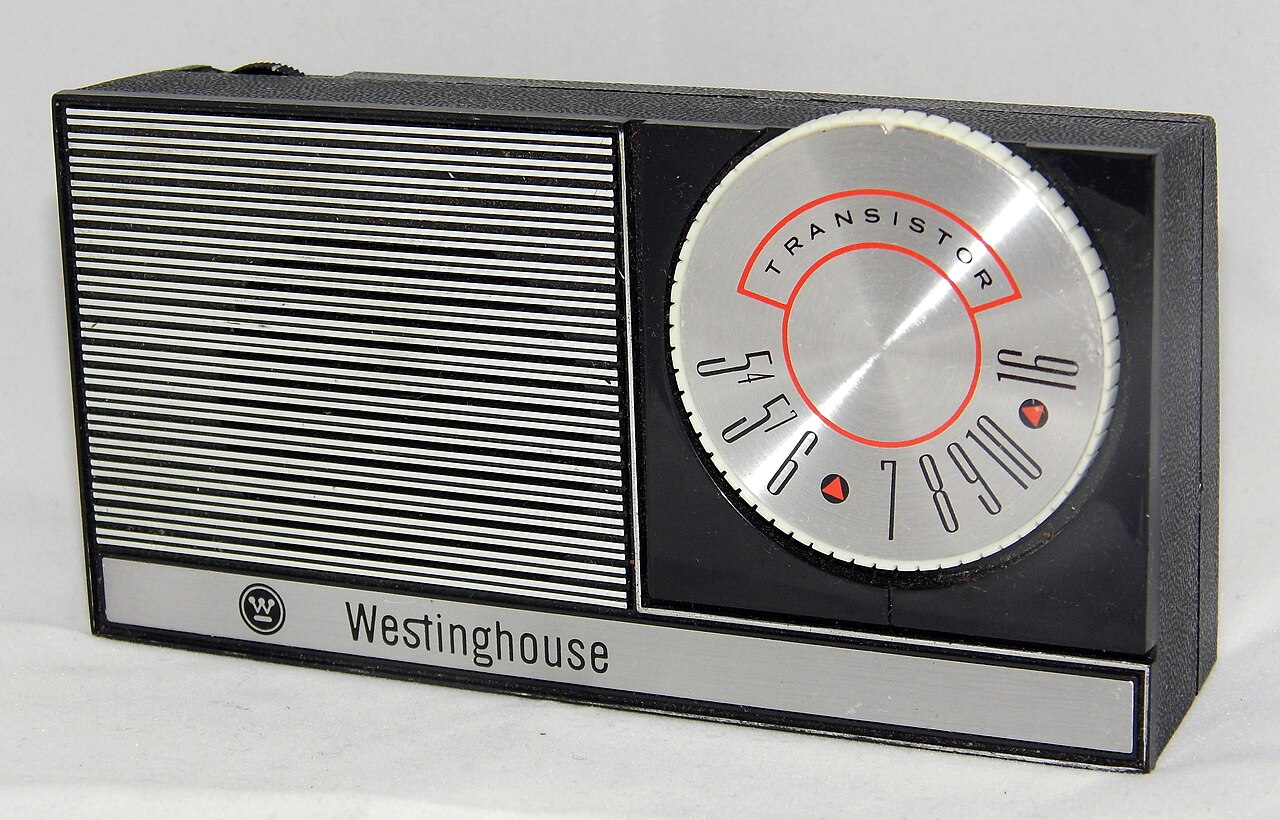
The transistor radio was one of the 1960s travel miracles: light, battery-powered, and easy to carry from car seat to campsite. It kept travelers close to weather reports, ball games, local music, and news bulletins at a time when being away from home usually meant losing contact with the wider world.
Its appeal was never just entertainment. It gave the road a soundtrack and offered useful local information without demanding total attention. That balance is still mishandled today, when phones crowd out the landscape, stream endlessly, and turn every quiet stretch of travel into background noise instead of atmosphere.
Printed Airline and Rail Timetables
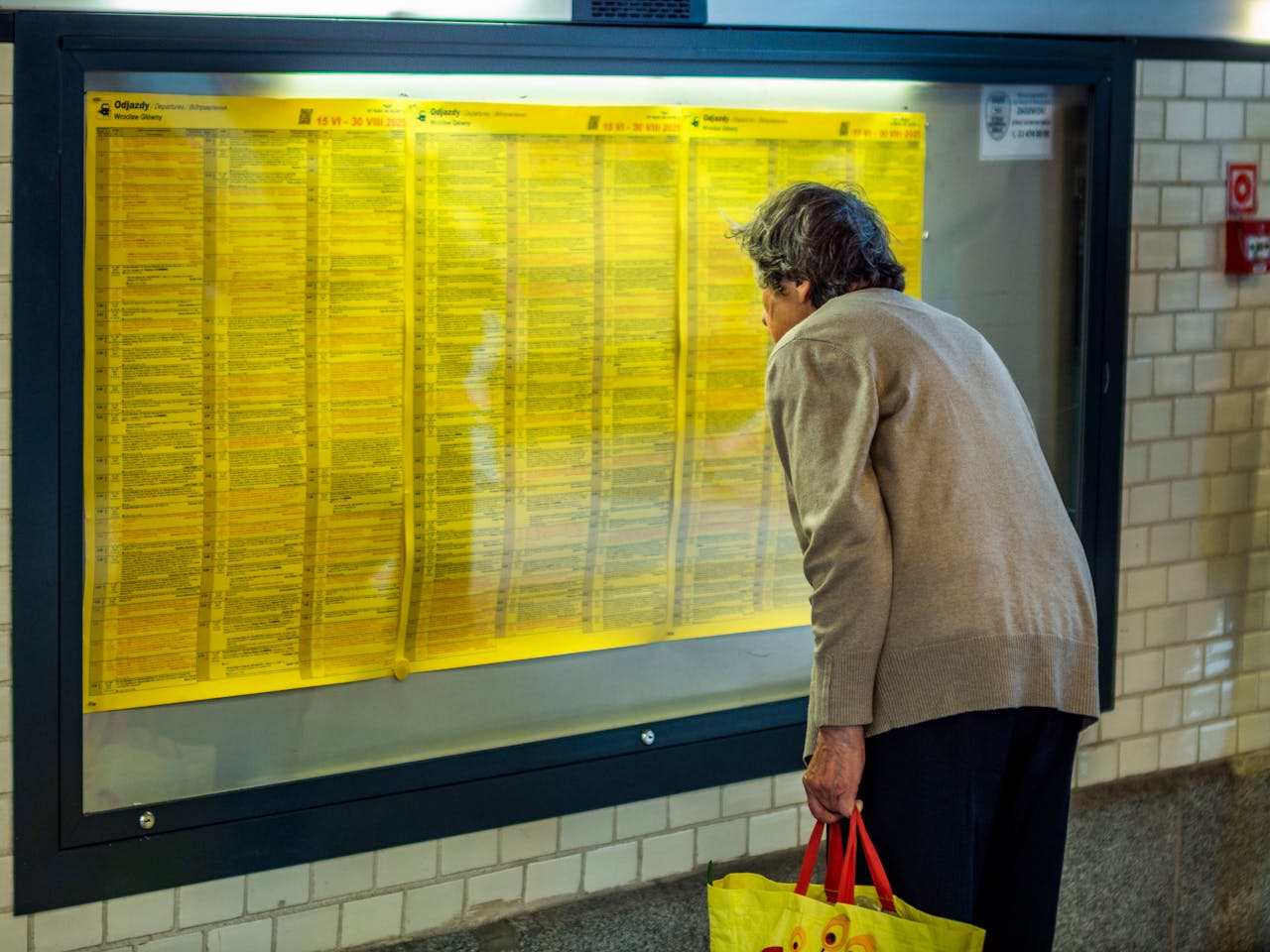
Before live updates filled every screen, travelers relied on printed airline and rail timetables to understand the day ahead. In the 1960s, these booklets and folded schedules helped people compare departure times, study connections, and make sense of a journey without standing helplessly at a counter in a crowded terminal.
They are easy to romanticize, but their real value was clarity. A timetable made travelers read the structure of movement itself: what left, what arrived, and how delays could ripple through a plan. The modern misuse is assuming schedules are stable enough to ignore until the very last minute of travel.
Traveler’s Check Wallets
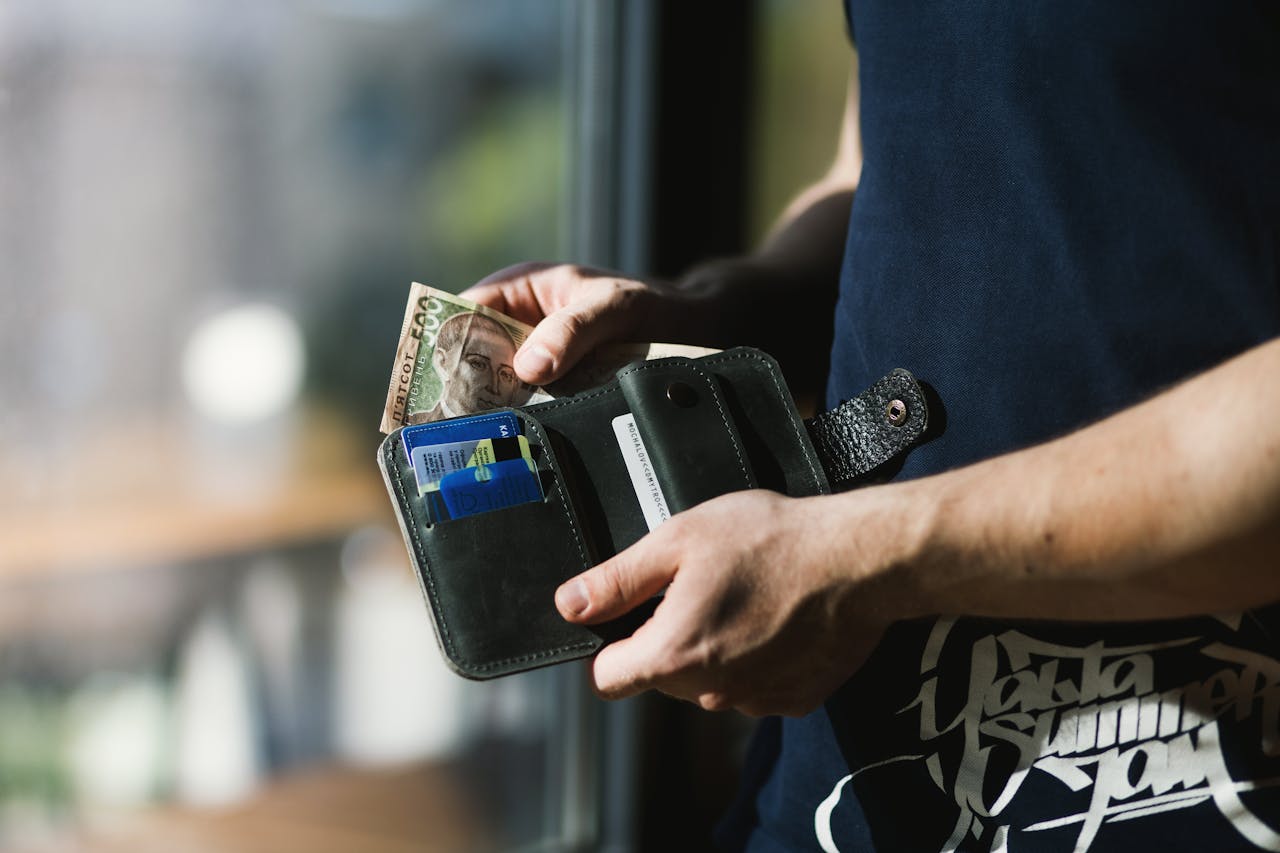
Traveler’s checks were a standard safety tool for mid-century travel, and by the 1960s many people carried them in dedicated wallets or document cases. They offered a safer alternative to carrying thick stacks of cash, especially on longer trips where theft, loss, and uneven banking access were real concerns in unfamiliar places.
What lingers is the mindset behind them: money had to be organized, separated, and monitored. That part is still widely misused. Too many travelers now scatter payment cards, IDs, and receipts across pockets and bags, then spend the first hour after a delay trying to reconstruct basic order.
Compact Travel Irons
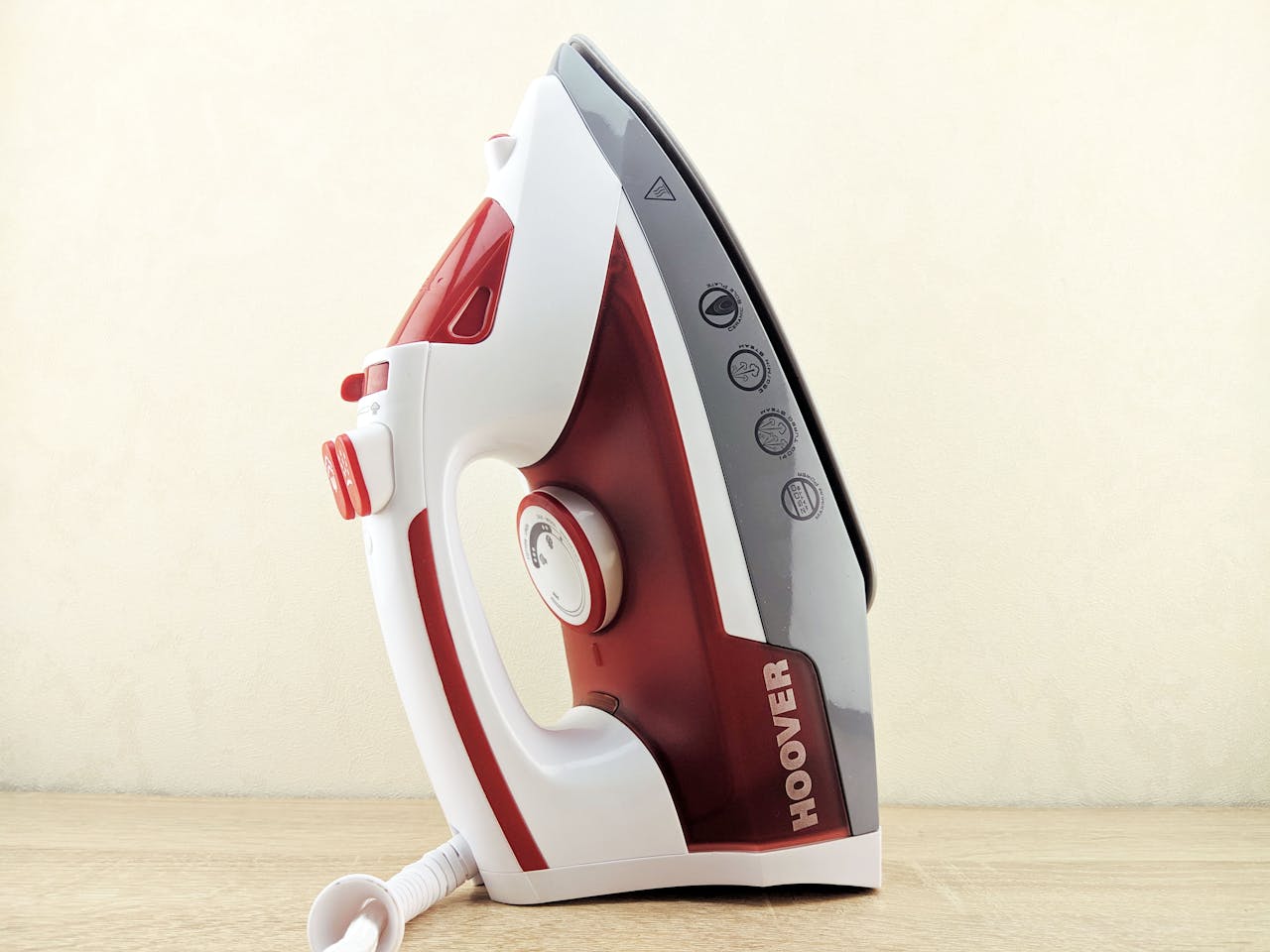
The compact travel iron belonged to an era when arriving rumpled felt almost disrespectful. In the 1960s, business travelers and vacationers alike packed small irons to smooth shirts, dresses, and lightweight suits before dinners, meetings, or formal photographs taken far from home.
It is still missed because it represented a quiet kind of readiness. People cared how clothing looked after a long train ride or car journey. The misuse has not disappeared, only changed shape: many travelers now overpack wrinkled outfits, forget fabric needs entirely, and assume hotel heat or steam will rescue everything in minutes somehow.
Portable Electric Shavers
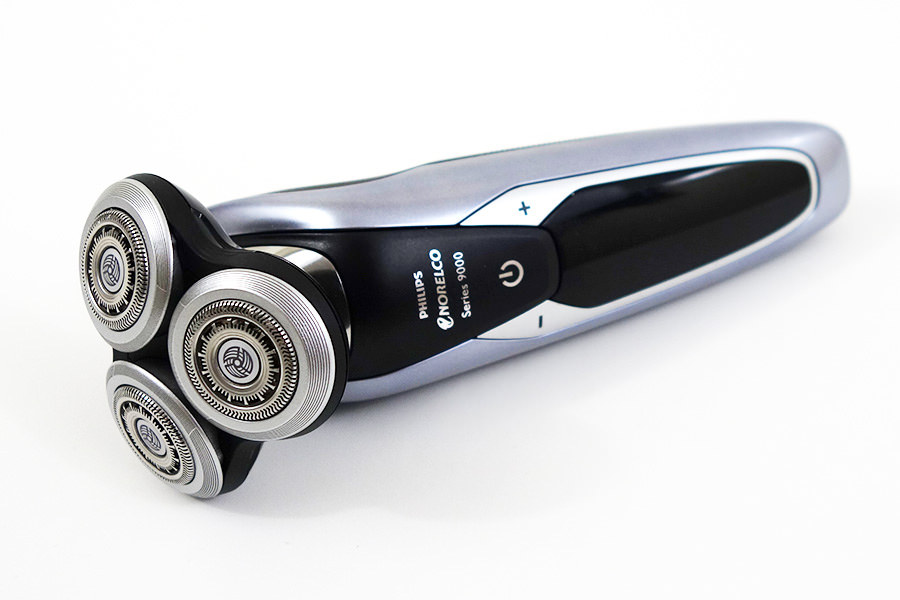
The portable electric shaver became a familiar symbol of streamlined travel during the 1960s. Packed into hard cases and plugged into hotel outlets, it promised a quick return to order after overnight trains, long drives, or overnight flights, especially for travelers trying to look polished on arrival in unfamiliar cities.
It is easy to dismiss as a small luxury, but it solved a real road problem: routine falling apart. The modern misuse is broader than grooming. Many travelers now skip the tiny maintenance habits that keep a trip comfortable, then wonder why fatigue, clutter, and delay start to show on every face by day three