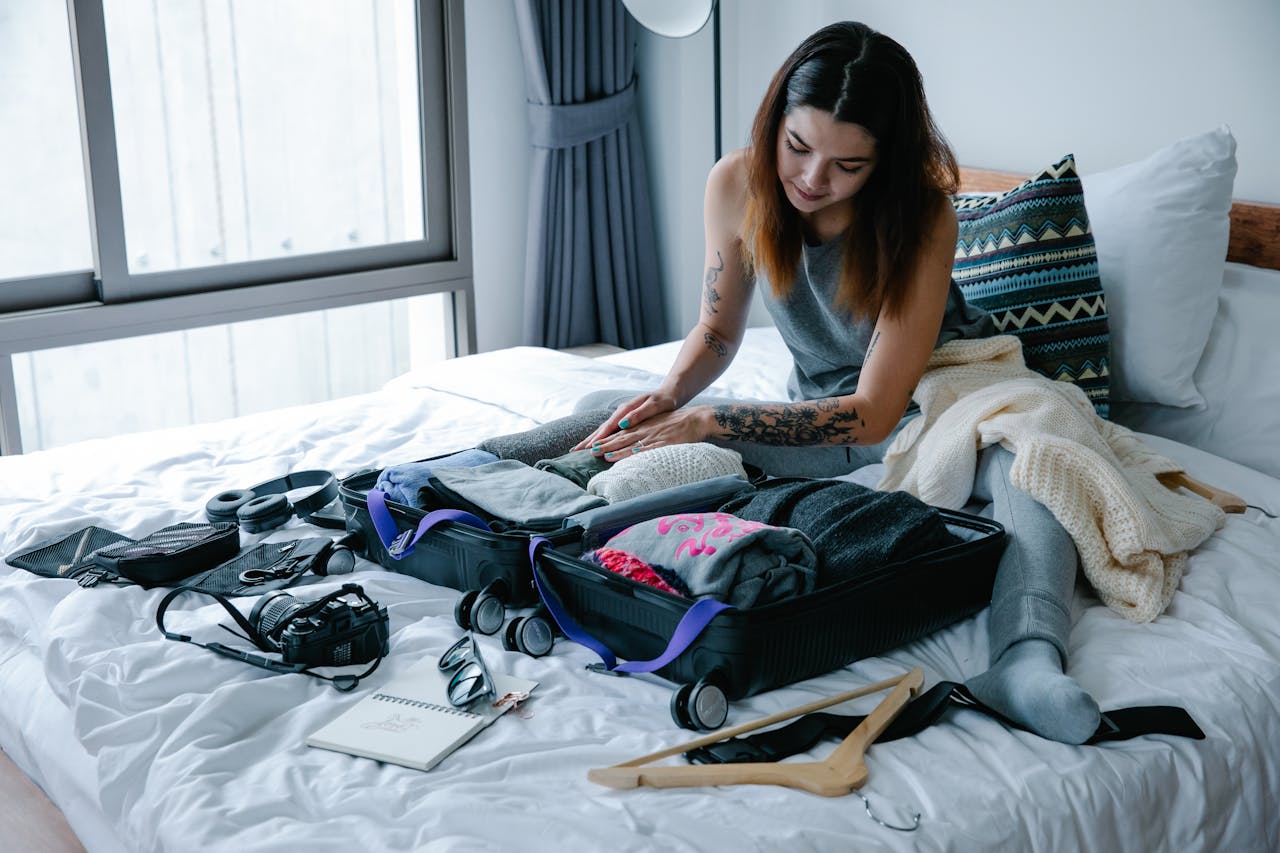
Flight attendants pack for real life: early alarms, tight turnarounds, and delays that erase plans. They do not pack more, they pack smarter, with fixed homes for essentials and a routine that holds up on little sleep. The goal stays practical: clear security quickly, arrive with clean clothes, and avoid last-minute buys in terminals. Most tricks are boring on purpose, pouches, repeatable outfits, and a reset order that never changes. Used together, they keep bags lighter, hotel unpacking minimal, and mornings calm, even when the gate switches twice and the coffee is cold. Nothing fancy, just a system that works.
Build A Two-Pouch System
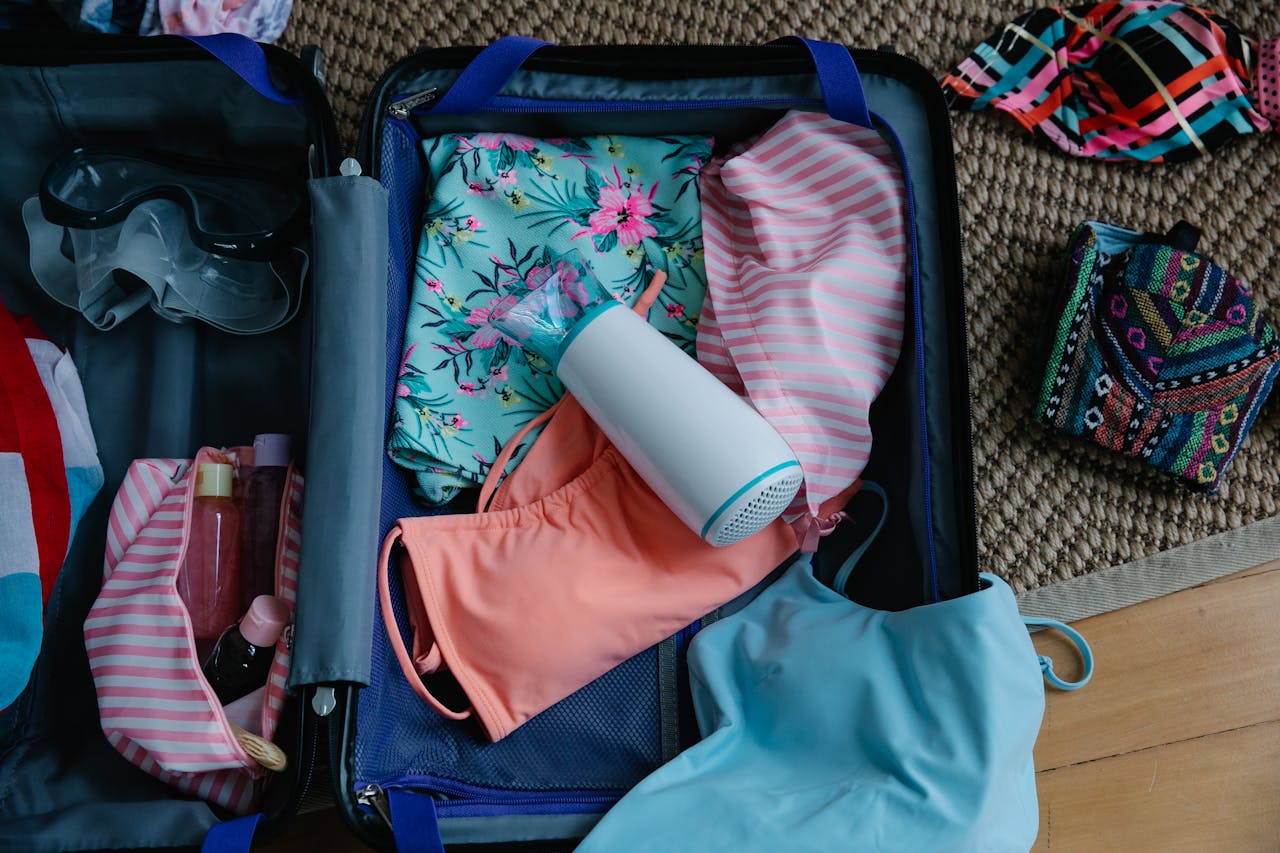
Crew bags rarely get dumped onto a hotel bed because time is always tight. Many flight attendants run a two-pouch setup: a flight kit and a hotel kit, each with a fixed inventory that never gets borrowed for home use. Flight kit: pen, lip balm, mints, earbuds, stain wipe, and a snack that survives delays, plus a tiny hand cream and blister patch. Hotel kit: chargers, adapter, sleep mask, and small toiletries, often prefilled in travel sizes. With fixed homes, resets take minutes, security is smoother, and late check-ins stay calm because the same pouches move trip to trip without a full unpack at 1:00 a.m.
Pack A Full Outfit In The Personal Item
Overhead space can vanish, and gate-checks happen fast, so crews plan for the bag that stays close. A compact outfit in the personal item, top, underwear, socks, and a light layer, covers spills, surprise overnights, and that first morning after a late arrival when laundry is not happening. Many add a toothbrush, a mini deodorant, and a single-use stain wipe in the same bundle, so the reset feels automatic. That one backup outfit turns a messy delay into a normal day and prevents overpriced emergency buys, even if the main suitcase is routed late or sent to baggage claim, or ends up in a different city for a night.
Roll Soft Items, Then Frame The Edges
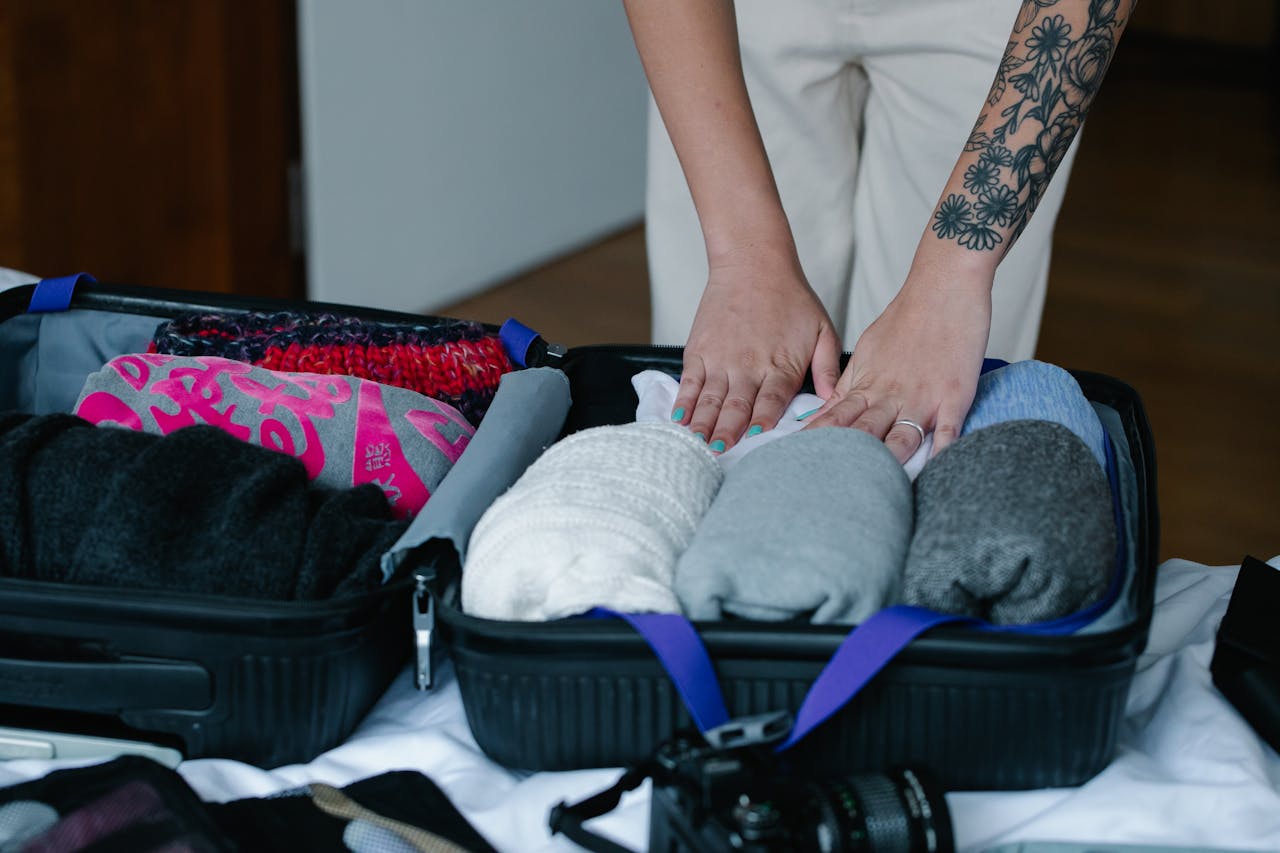
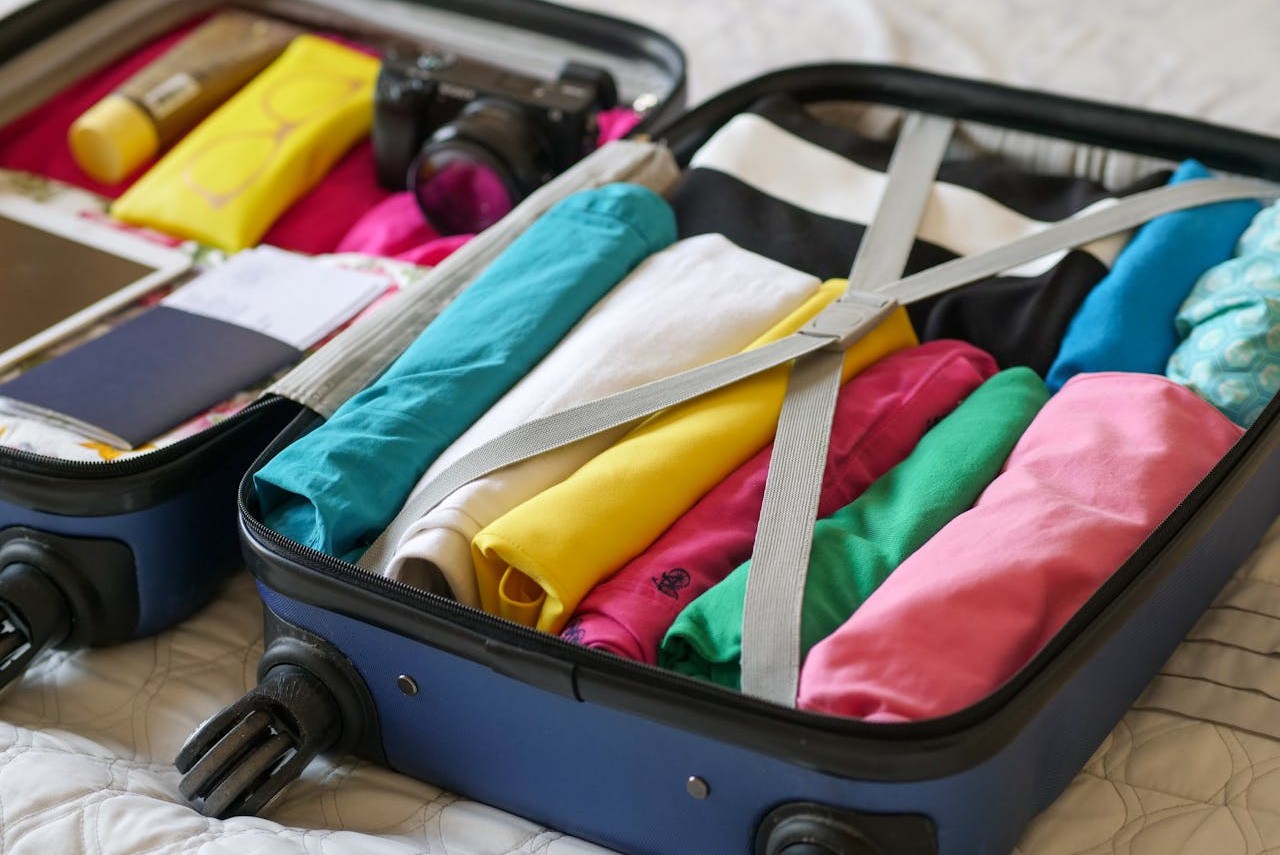
Rolling saves space, but a pure roll collapses once someone digs for one item mid-trip. A common crew method is to roll soft pieces like tees, sleepwear, and workout gear, then frame the suitcase edges with longer items such as pants, a dress, or a cardigan laid flat. The frame locks the rolls in place and creates a stable surface for cubes, toiletries, and a book, while shoes sit at the corners so weight stays predictable. At checkout, the bag repacks fast, closes smoothly, and wrinkles stay limited because nothing gets crushed in a last-minute shove while a lobby line waits and checkout time is close.
Double-Bag Liquids And Pack Them Upright
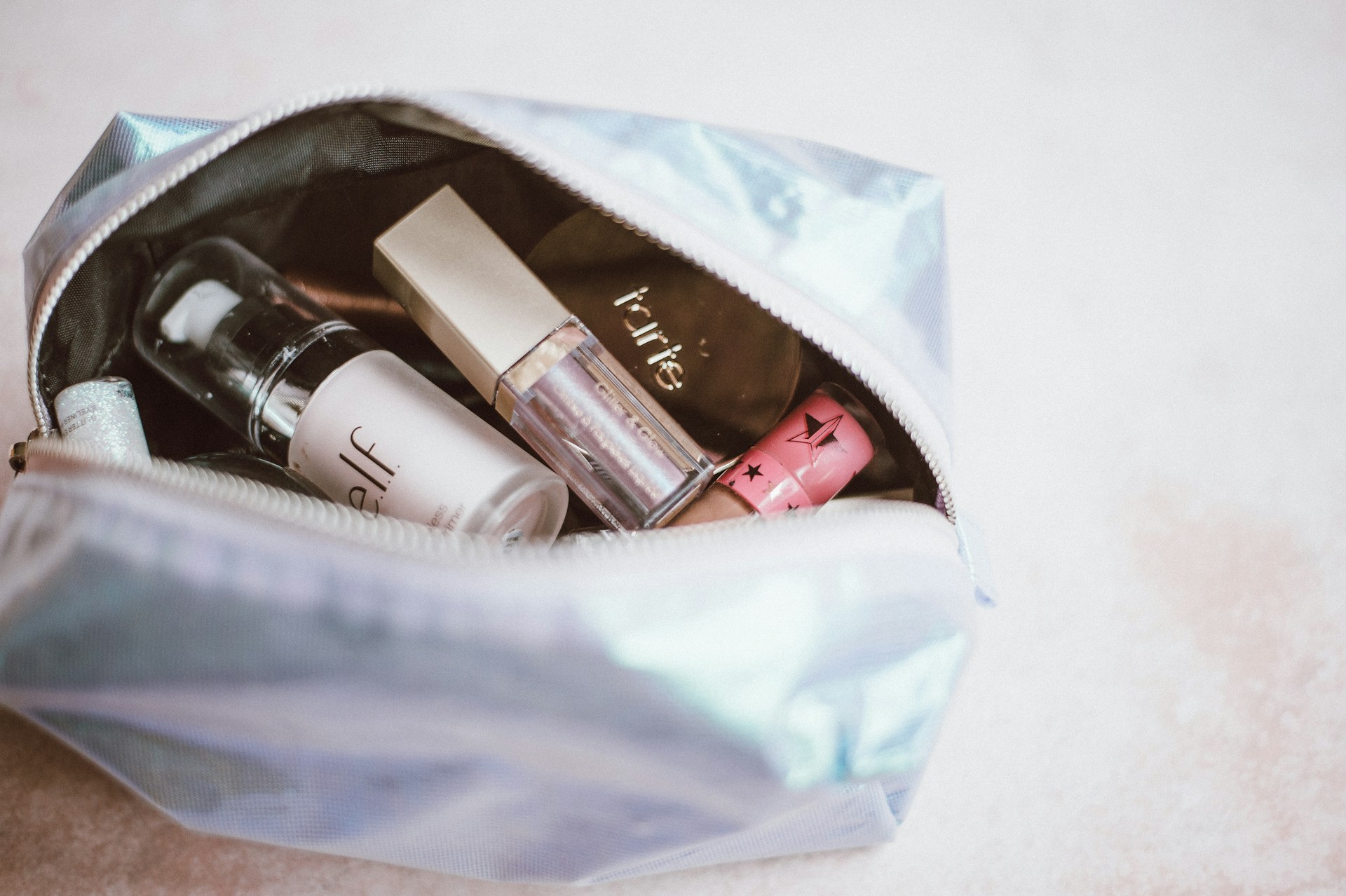
Liquids fail at the worst time, especially after pressure changes, jostled carts, and constant zipper pulls. Flight attendants often treat every bottle as if it will leak, so liquids go into a tight zip pouch, then into a second bag as backup, with anything oily separated and caps taped if needed. Items ride upright near the top for fast screening and quick sink setup, and many swap in solids when possible, shampoo bars, balm sticks, and detergent sheets. If something spills, the mess stays contained, clothes stay wearable, and the fix is wipe-and-go instead of a suitcase-wide cleanup when pickup time is minutes away.
Use Shoes As Storage, Not Dead Weight
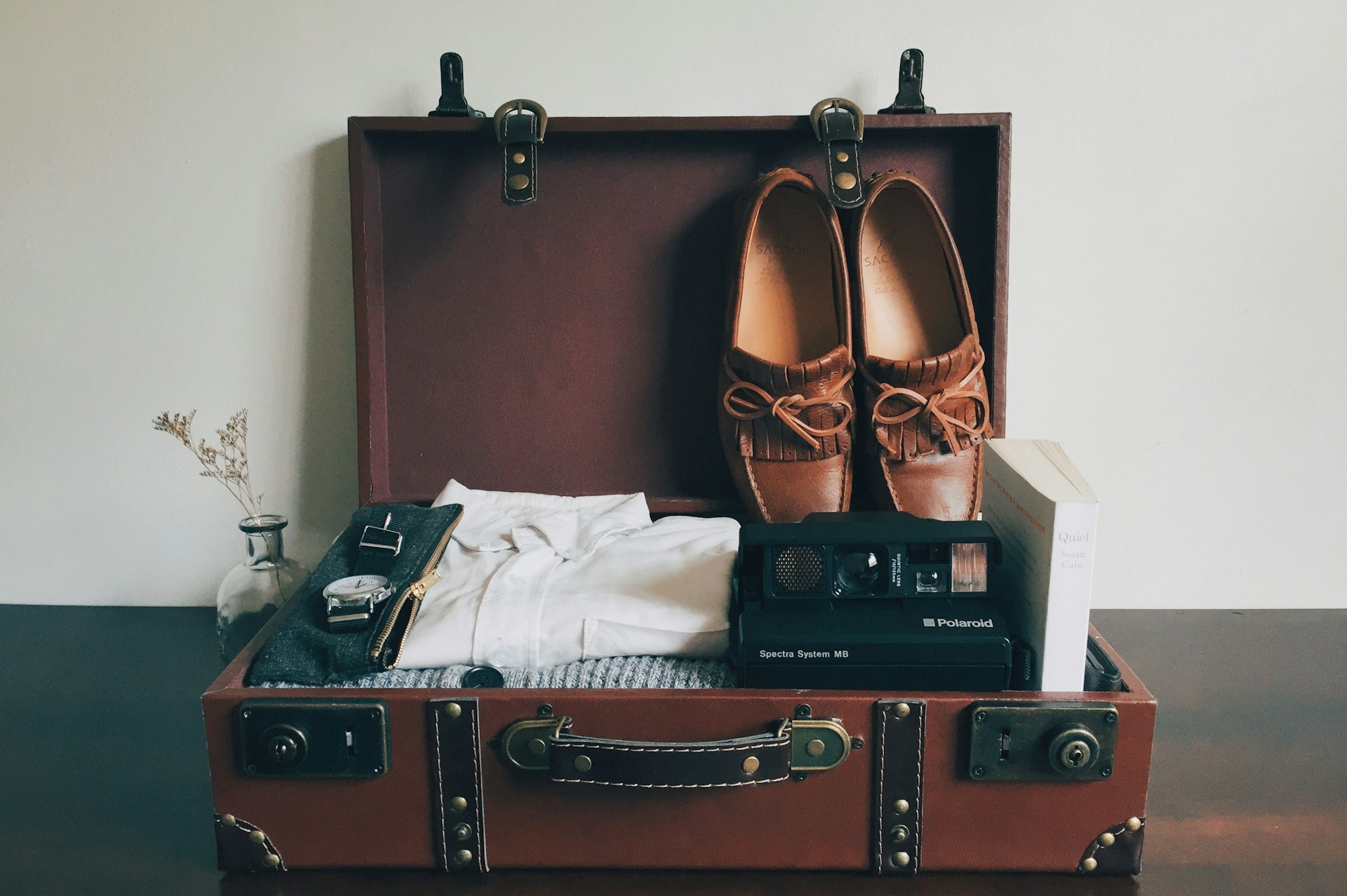
Shoes take space, so crews make them earn it instead of treating them as dead weight, and they usually cap it at two pairs that cover most situations. Socks, belts, rolled tights, a spare cable, or a small jewelry pouch can be tucked inside each pair, then the shoes go into thin bags so street dust never touches shirts. This reduces wasted space and cuts the number of loose items that disappear into corners during repacking. It also makes it easier to separate worn pairs from clean pairs, because each shoe bag becomes a clear divider, and the suitcase stays tidy even after several hotel floors.
Carry One Neutral Layer That Works Everywhere

Cabins run cold, hotel lobbies run colder, and weather flips fast, so many flight attendants rely on one neutral layer that works almost anywhere. A wrinkle-resistant cardigan or overshirt bridges plane to hotel to dinner, and it can double as a pillow, scarf, or modest cover during long waits. Choosing one dependable layer also simplifies outfits, because everything else can rotate around it without clashing. With that single piece doing multiple jobs, the suitcase stays smaller, comfort stays steady, and the trip is less dependent on whatever the thermostat decides during a long day of travel.
Pre-Group Outfits In Packing Cubes
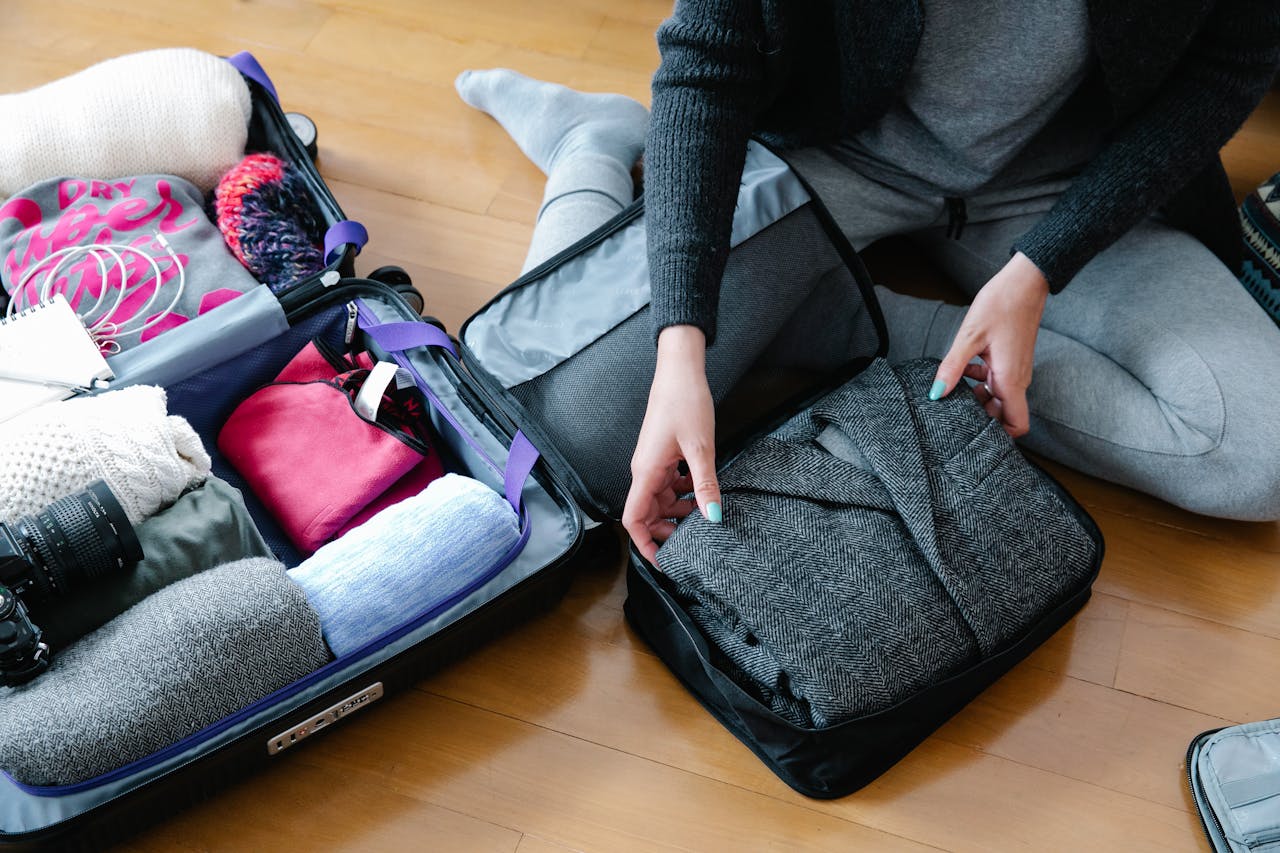
Packing cubes are less about squeezing and more about decision control, which matters when schedules shift and sleep is short. Crews group outfits by day or purpose, work, sleep, gym, often color-coded, so only one cube comes out in a hotel room while the suitcase stays mostly closed and the floor stays clear. Clean clothes stay clean, and repacking is faster because each cube returns to the same spot, in the same orientation. Empty spots also reveal what is missing before checkout, because it is easier to notice a gap in a cube than a shirt lost somewhere in the lining behind toiletries and cords.
Keep Documents Flat In One Folder
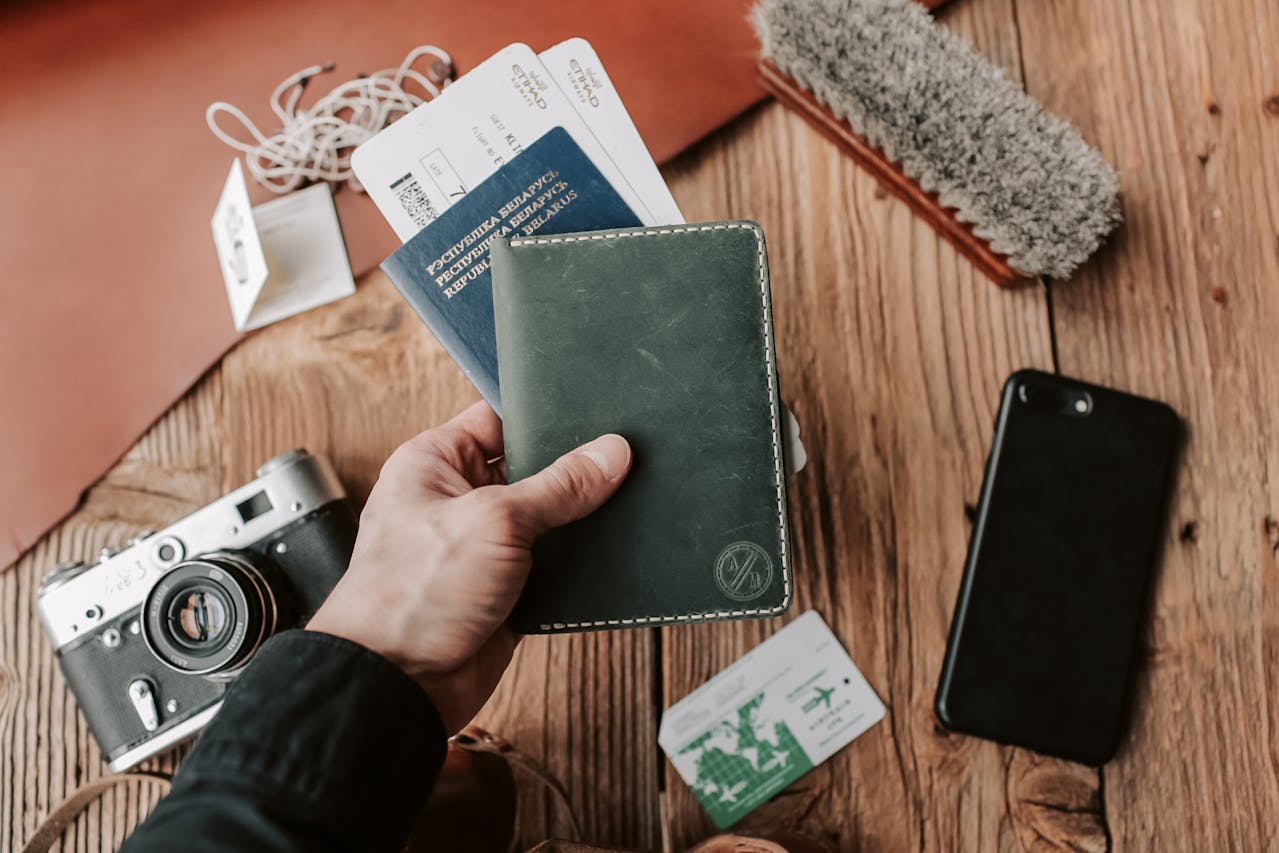
Paper disappears when it is folded and scattered, so flight attendants give documents a rigid home. A slim folder holds passport, boarding passes, hotel details, receipts, and a spare copy of an ID, plus a pen and a small envelope for loose currency or SIM pins. It slides into the same pocket every trip, which means less digging at counters, calmer checkpoints, and fewer frantic searches when boarding starts. Even on fully digital routes, the folder protects passports from bending, keeps bag tags from vanishing, and turns a messy pocket into one clean grab that works in any line, even at 5:30 a.m.
Pack A Tiny Laundry And Stain Kit
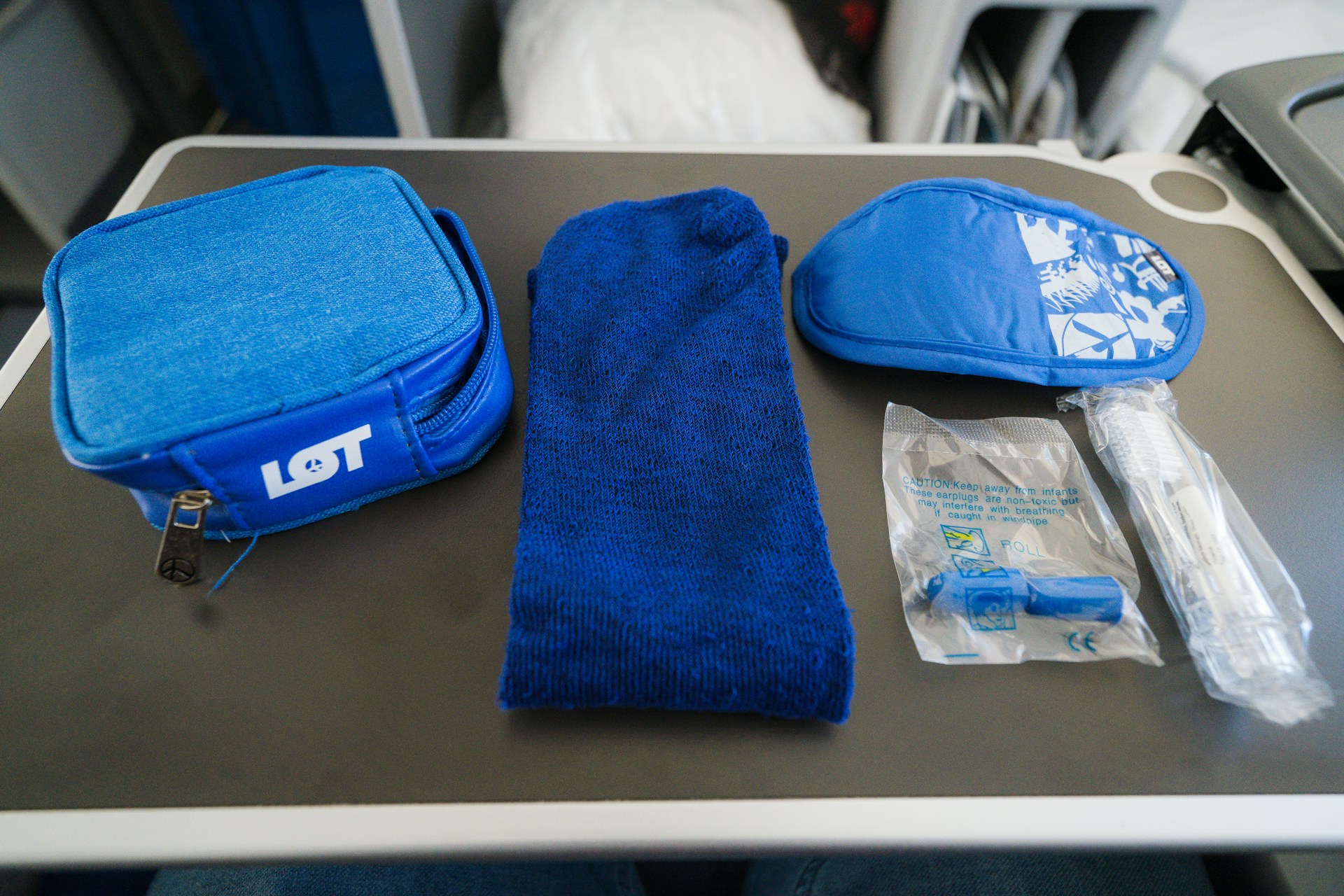
Crew schedules do not leave room for shopping runs, so a tiny laundry kit keeps clothes rotation realistic. A mesh bag separates worn items, detergent sheets or a small soap bar handle sink washes, and a couple of clips turn a hanger into a drying rack that works in any bathroom. A stain wipe and small fabric spray rescue pieces between wears, and a travel-size brush helps with lint and collar marks. This allows a smaller wardrobe, saves a favorite shirt after a spill, and makes short layovers feel manageable because one clean item can be created overnight, packed dry by morning, and worn again without fuss.
Use One Cable Pouch And Never Break The Rule
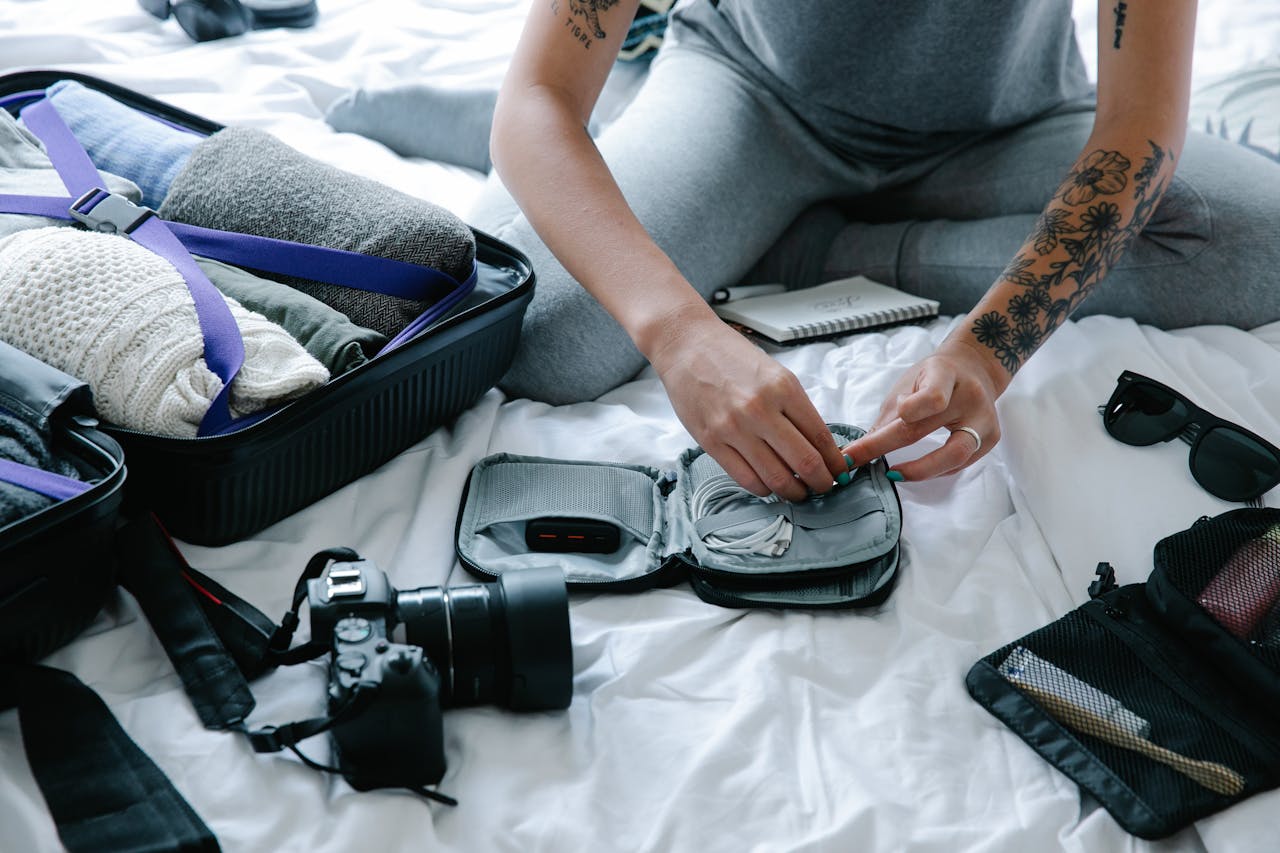
Chargers go missing when they get spread across drawers and outlets, so crews keep every charging item in one pouch and never break that rule. A wall plug, power bank, short cable, long cable, and any adapter live together, and the pouch moves from bag to outlet and back again without being unpacked onto nightstands. That single home prevents forgotten cords behind beds, keeps security screening tidy, and speeds up hotel exits. It also controls clutter over time, because new cords only enter the pouch if they replace something, which keeps bags lighter and avoids the slow buildup of random cables that do nothing.
Keep A Small Sleep Comfort Kit On Top

Sleep decides the next day, so flight attendants protect it with a small kit that is always easy to reach. A sleep mask, earplugs, lip balm, hand cream, and small eye drops handle bright hallways, dry air, and rooms that swing from hot to cold, while a thin scarf adds warmth and works as a soft headrest. Keeping the kit on top means it is available during delays, red-eyes, and late check-ins without opening the whole bag, even while seated at the gate. Better rest shows up as steadier mood, clearer focus, and fewer impulse buys made just to cope with fatigue, which is the real packing win on a long trip.
Repack In The Same Order Every Time
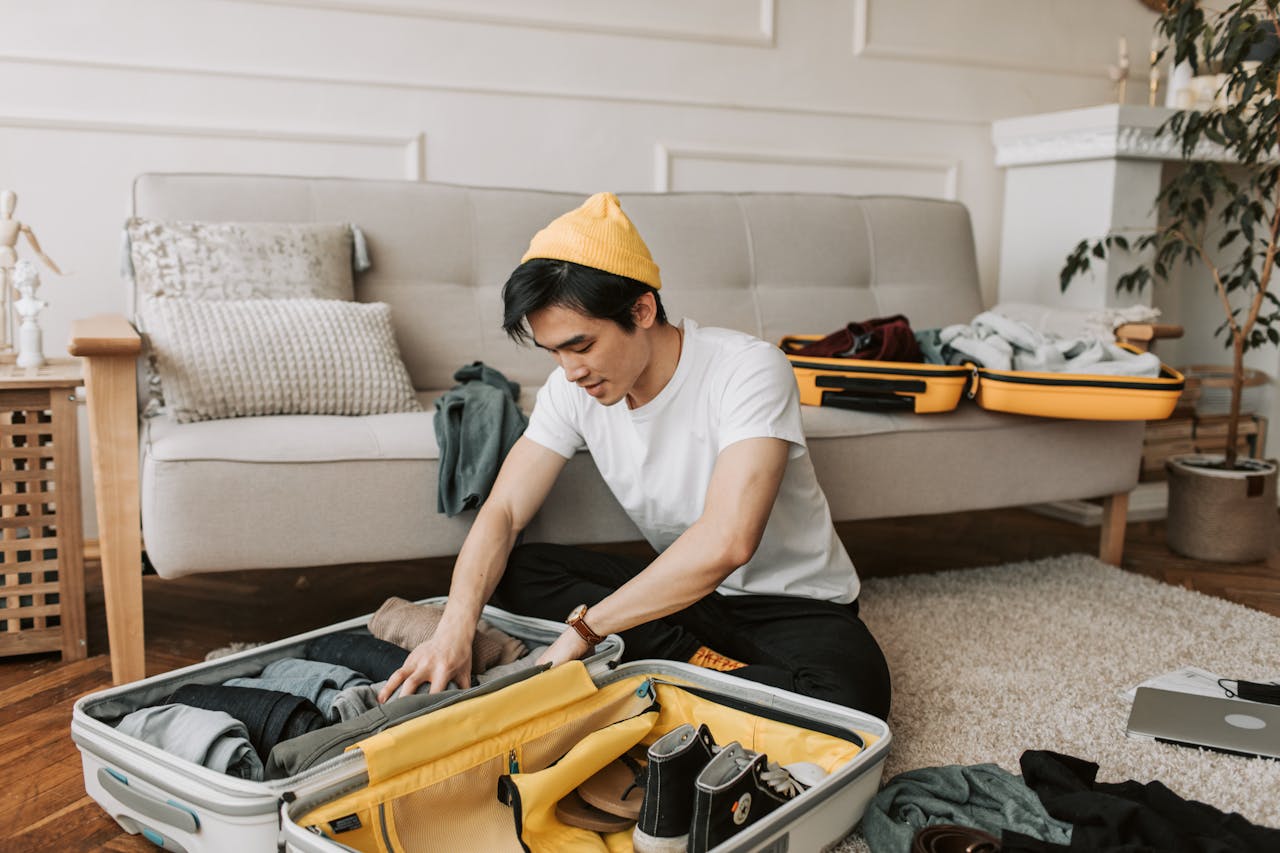
Fast packing is rarely fast hands, it is repetition that removes decisions. Many crew members repack in the same sequence every time: shoes first, cubes next, toiletries last, then the flight kit into the same outer pocket, followed by the folder and sunglasses. Before leaving, they scan outlets, drawers, the closet, and the bathroom counter in the same pattern, including behind curtains and under the bed edge. This routine catches missing items early, keeps the bag closing smoothly, and makes mornings calmer because the hands already know what comes next, even when the mind is still waking up.
Leave A Built-In Buffer For The Return
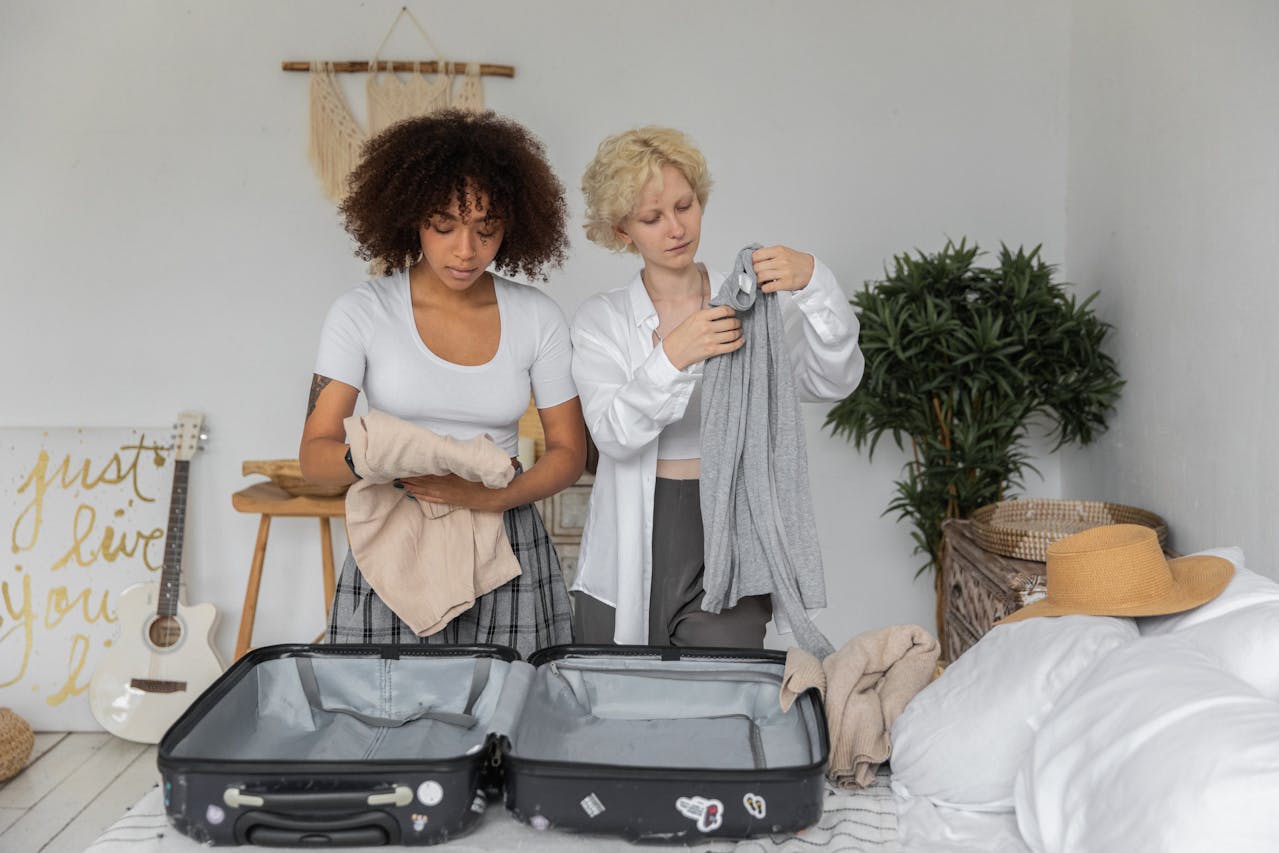
Balanced packing includes space for reality: paperwork, snacks, a damp umbrella, or a sweater and receipt stack that have to fit later. Crews often keep one cube partly empty or reserve one pocket as a catch-all, so the bag never needs to be forced shut on the last morning. That buffer prevents the end-of-trip scramble, keeps souvenirs away from clean clothes and electronics, and makes security calmer because nothing is stuffed in loose layers. It also makes unpacking easier at home, since extras are already separated and ready to sort, not scattered through every compartment after a long travel day.