Some travelers arrive abroad carrying more than luggage. They bring the assumption that home habits travel well, even when streets, shrines, cafés, trains, and neighborhoods run on a different social rhythm. The mistake is rarely cruelty. More often, it is speed, entitlement, or inattention. Yet in places already strained by crowding, those small lapses land harder than visitors realize. What wears locals down is not curiosity, but the repeated feeling of being treated like scenery, staff, or background noise in their own daily lives. Good manners abroad are not extras. They are proof that a guest knows he or she is one.
Assuming English Should Carry The Whole Trip

One of the quickest ways travelers sour an interaction is by acting irritated when a waiter, shopkeeper, driver, or station clerk does not speak fluent English. Tourism guidance in France and Japan notes that even a few basic local phrases are appreciated, not because grammar matters, but because effort does. A greeting, thanks, or apology can reset the tone quickly.
What locals often resent is not imperfect language, but the expectation that they should adapt instantly while the visitor makes none. The person asking for help is still the guest, and a little humility usually opens more doors than impatience ever will.
Talking Like Every Street Is Their Living Room

Americans are often noticed abroad less for what they say than for how loudly they say it. Japan’s official travel guidance urges quieter conversations on trains and buses, silent phones, and letting passengers exit before boarding. In many countries, public space is shared more quietly than it is in the United States, especially on transit, in older neighborhoods, and near historic cores each day.
Locals can tolerate accents, confusion, and wrong turns. What drains patience is the sense that someone has turned a carriage, café terrace, or narrow lane into a private stage, with everyone else forced to absorb the noise.
Treating Sacred Places Like Content Backdrops
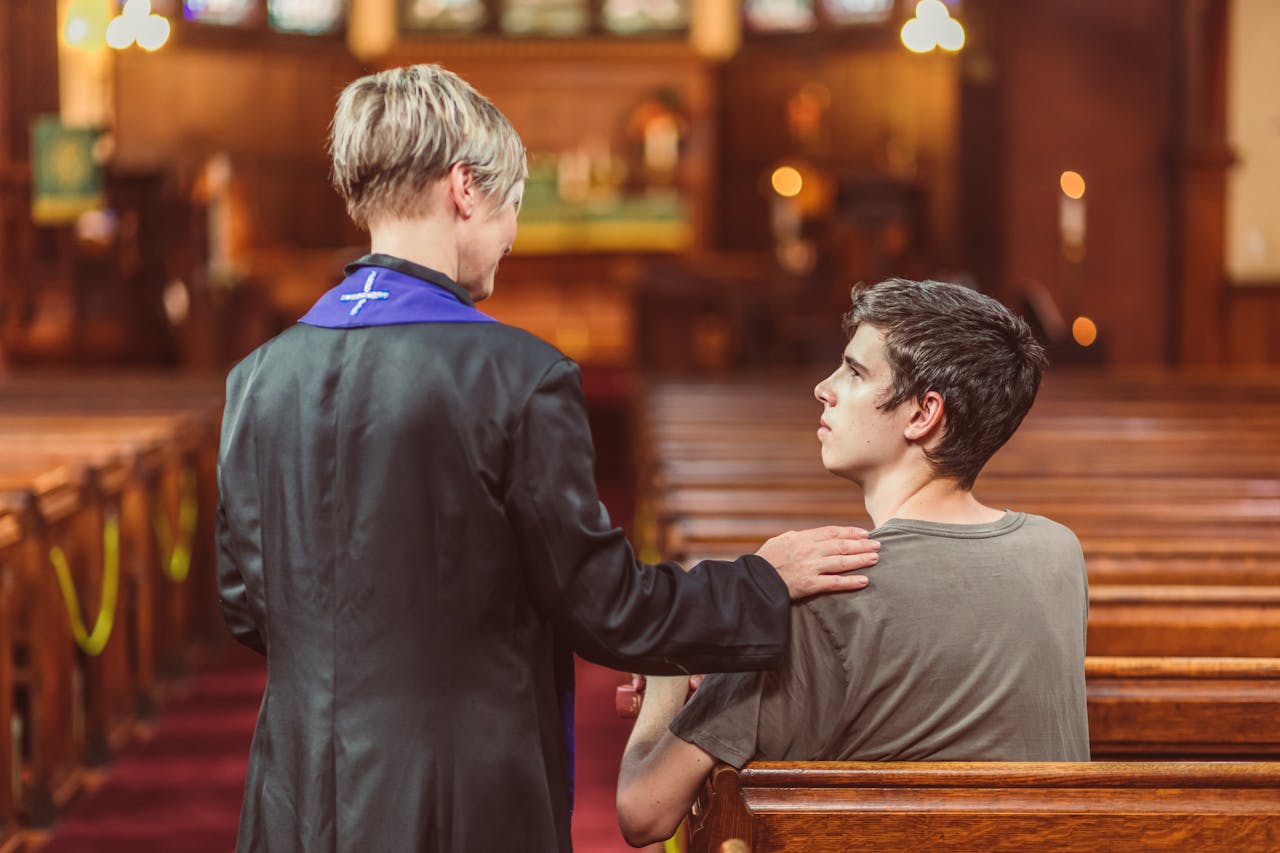
Too many visitors enter temples, churches, shrines, and marae as if they were dramatic sets built for vacation photos. Official guidance in Japan and New Zealand stresses basics that should not need repeating: stay quiet, remove shoes where required, follow signs, and ask before taking photos in sensitive spaces. Sacred places are still working places of prayer, mourning, ritual, and memory.
Locals usually do not mind respectful visitors. What offends is the traveler who barges in half-dressed, keeps talking, ignores rules, or frames a perfect shot while worshippers are trying to do something far more important than be seen.
Forcing American Tipping Rules Onto Everyone

Many Americans are so used to calculating a tip that they treat it like universal law. It is not. Japan’s tourism guidance says tipping is generally not customary and may cause confusion, while France notes that service is often already included and extra tipping is usually modest. A habit that signals generosity at home can feel awkward, pushy, or uninformed elsewhere.
Locals notice when travelers insist on exporting the rules of their own economy without reading the room. Respect abroad sometimes means paying exactly what is owed, offering thanks, and leaving the exchange there without turning it into a performance.
Photographing People Without Reading The Room
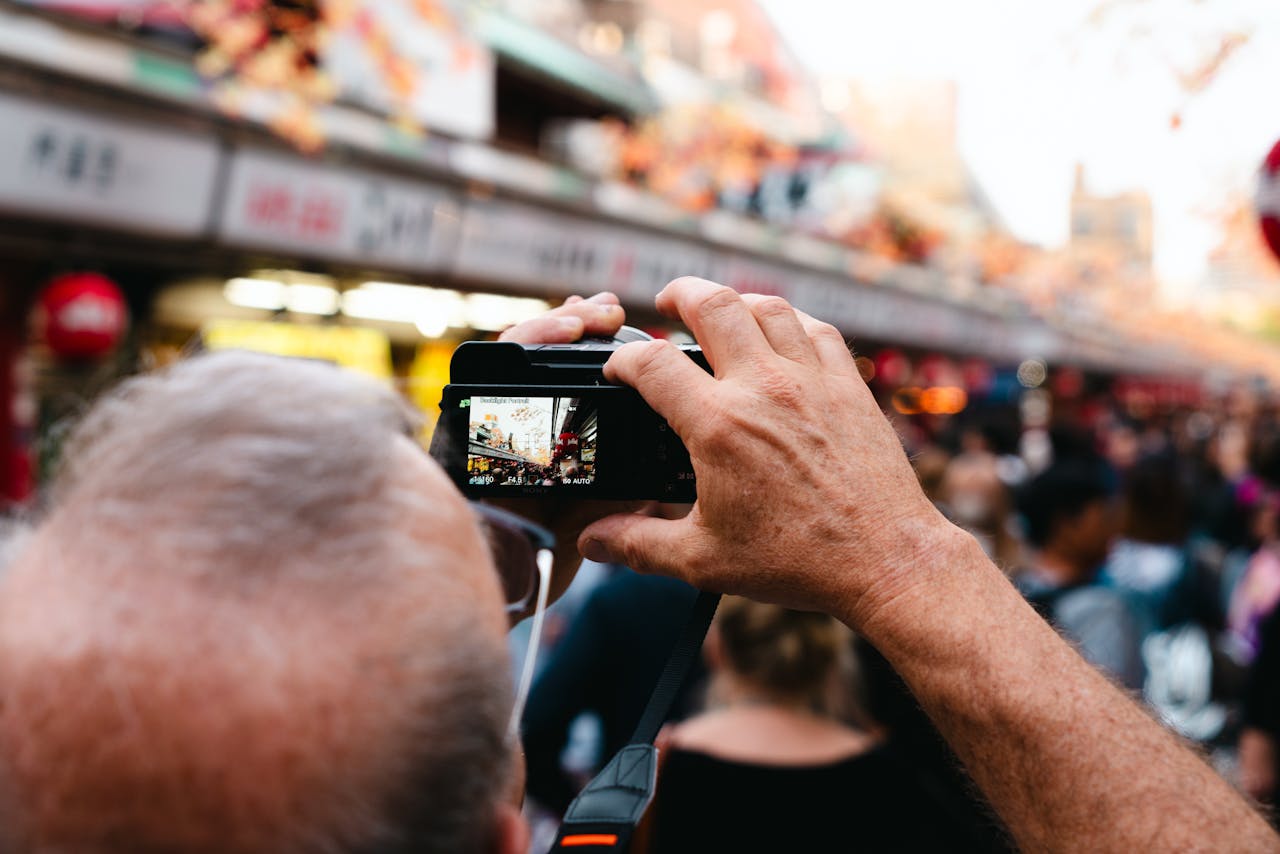
The phone comes out, the shutter goes off, and a stranger on a train, a shopkeeper at work, or a child in traditional clothing suddenly becomes somebody else’s souvenir. Japan’s photography guidance says permission should be asked before photographing individuals, even in public, and warns travelers to respect private property and posted restrictions. Courtesy matters long before the image gets uploaded.
Locals know the difference between admiration and extraction. What feels magical to a visitor can feel invasive to the person being captured, especially when the camera arrives before eye contact, consent, or regard.
Blocking Doorways, Sidewalks, And Entire Streets
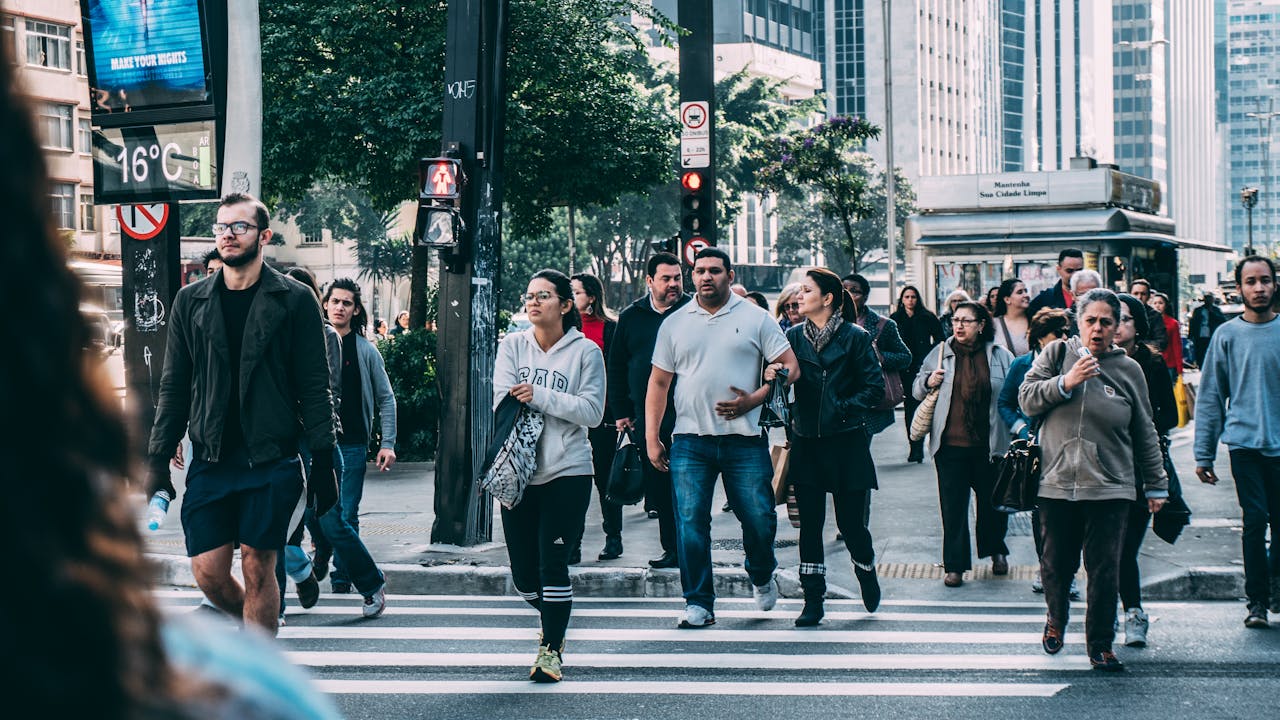
In crowded destinations, one halted body can create a ripple of irritation. A family stopping at the top of stairs, a group spreading across a narrow lane, or travelers freezing in a station doorway to check maps can jam daily life in seconds. Japan’s travel guidance tells riders to line up, allow others to disembark, and stay aware of how shared space works at all times.
Residents are not moving through those places for leisure. They are commuting, shopping, getting children home, or simply trying to pass. What annoys them most is not slowness itself, but the failure to notice that other people exist and are already in motion.
Dragging Oversized Luggage Through Local Life
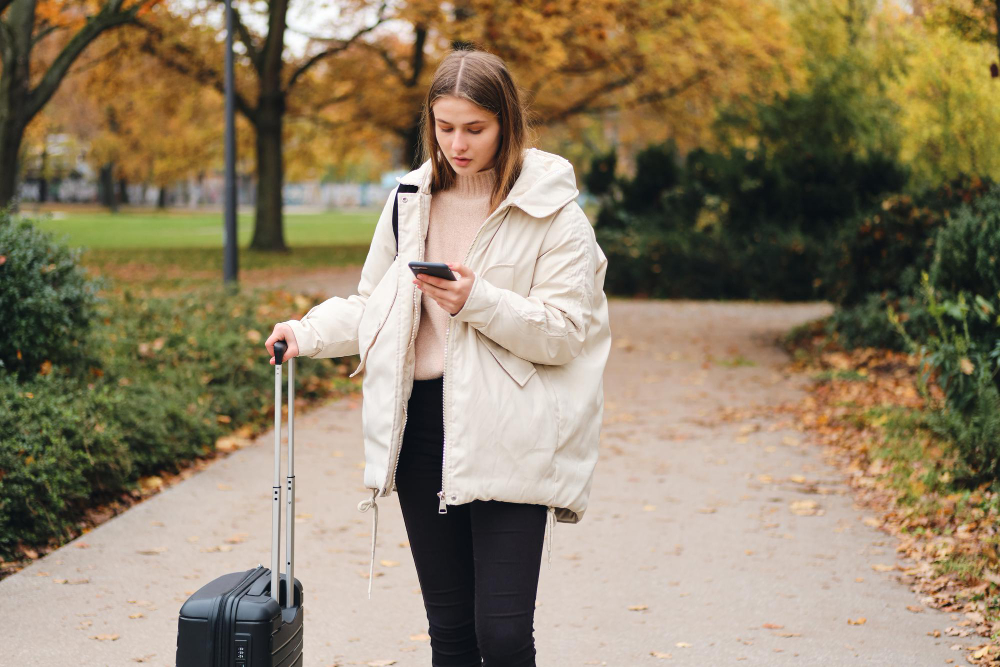
A huge suitcase does more than signal overpacking. On packed trains, buses, stairways, and old streets, it becomes a rolling obstacle. Japan’s official travel advice recommends luggage forwarding, storage, and hands-free travel because large bags create inconvenience on crowded public transport. That reflects a broader truth across older cities: infrastructure was not built around giant cases.
Locals feel the strain when visitors block aisles, bang wheels over stone steps, and occupy space meant for many bodies, not one vacation. Good manners can be as practical as packing lighter and moving through a place without reshaping it.
Ignoring Local Rules On Nature And Private Property

The most exhausting tourists are often the ones who decide rules are for other people. They climb barriers for a better view, feed wildlife for a cute reaction, step into restricted areas, or wander onto private land because the photo looks worth it. Tourism New Zealand and Japan’s travel guidance both tell visitors to give wildlife space, respect private property, and follow posted rules.
Locals see the cost clearly: damaged habitats, stressed animals, blocked roads, trampled fields, and neighborhoods treated like open-air sets. A place stops feeling welcoming when guests behave as if beauty automatically grants them access.