Before screens became the default meeting place, citizens band radio offered a rough, human network almost anyone could join. Voices spilled from truck cabs, station wagons, and kitchen base stations, trading warnings, directions, jokes, and local gossip in real time. During the 1970s boom, CB slang and pop culture made the airwaves feel like a shared neighborhood, not a niche hobby. Handles acted as early usernames, channels behaved like public rooms, and etiquette kept conversations readable when signals piled up. Range was limited, privacy was imperfect, and the audio quality could be brutal. Still, the medium rewarded clarity, kindness, and quick thinking. Information moved person to person, shaped by trust, timing, and who was listening at that exact mile marker.
Open Channels Worked Like Public Forums
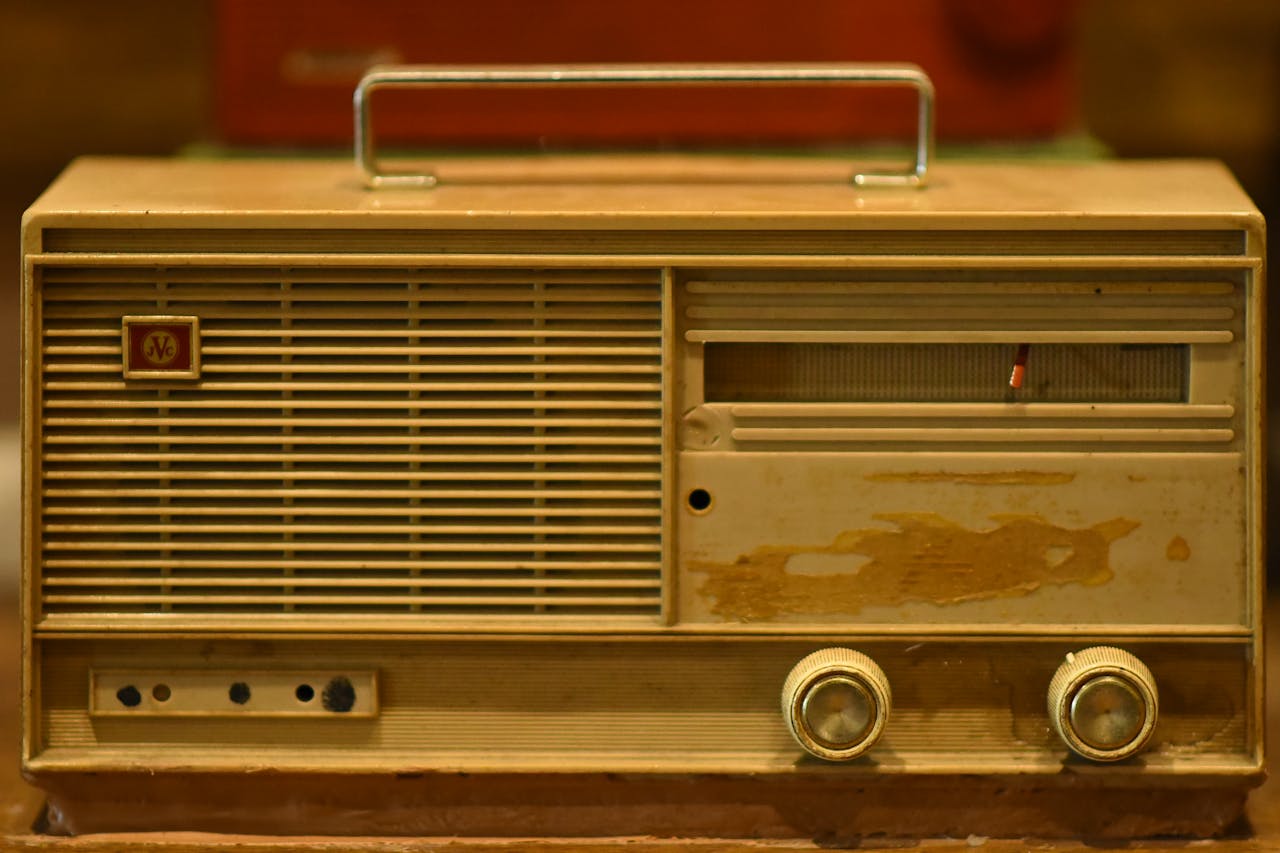
CB channels worked like open forums, closer to a town square than a private call. Anyone tuned to the same frequency could listen, jump in, or hang back until a pause appeared. Advice about weather, diner exits, breakdowns, and detours mixed with small talk, and the thread stayed audible to everyone in range. Because the audience was shared, the best operators learned to be concise and useful, and regulars recognized voices and habits over time. On crowded nights, timing mattered as much as content, and a good point landed fast, then moved on. It felt social without invitations, and it proved a rule that fits online: earn the room.
Handles Created Usernames Before Usernames

CB culture pushed nicknames, known as handles, that let operators be memorable without giving up a legal name. During the 1970s craze, many people skipped the callsign mindset and leaned into identities that sounded confident, funny, or mysterious. Trust formed through consistency, not paperwork, and a handle made reinvention easy on a bad day. A familiar name meant reliable road intel, decent manners, or a knack for calming a tense channel, while sloppy talkers got tuned out. The result looked like early online life: personality first, credibility earned in public, and friendships that sometimes moved off-air to diners and truck stops.
Crowdsourced Road Intel Traveled Fast

Long before live maps, CB operators swapped alerts about wrecks, roadwork, sudden fog, and speed traps with the urgency of breaking news. In the 1973 oil crisis era, drivers used CB to locate stations with fuel, coordinate convoys, and share enforcement sightings tied to the 55 mph limit. The value came from proximity. Reports were spoken by people who had just rounded the same bend, so details were practical, not abstract. When a claim was wrong, another voice corrected it fast, and the update replaced the rumor on the spot. It was a live, local feed in plain language, and it kept moving until the signal faded behind the next hill.
Slang Spread Like Viral Content
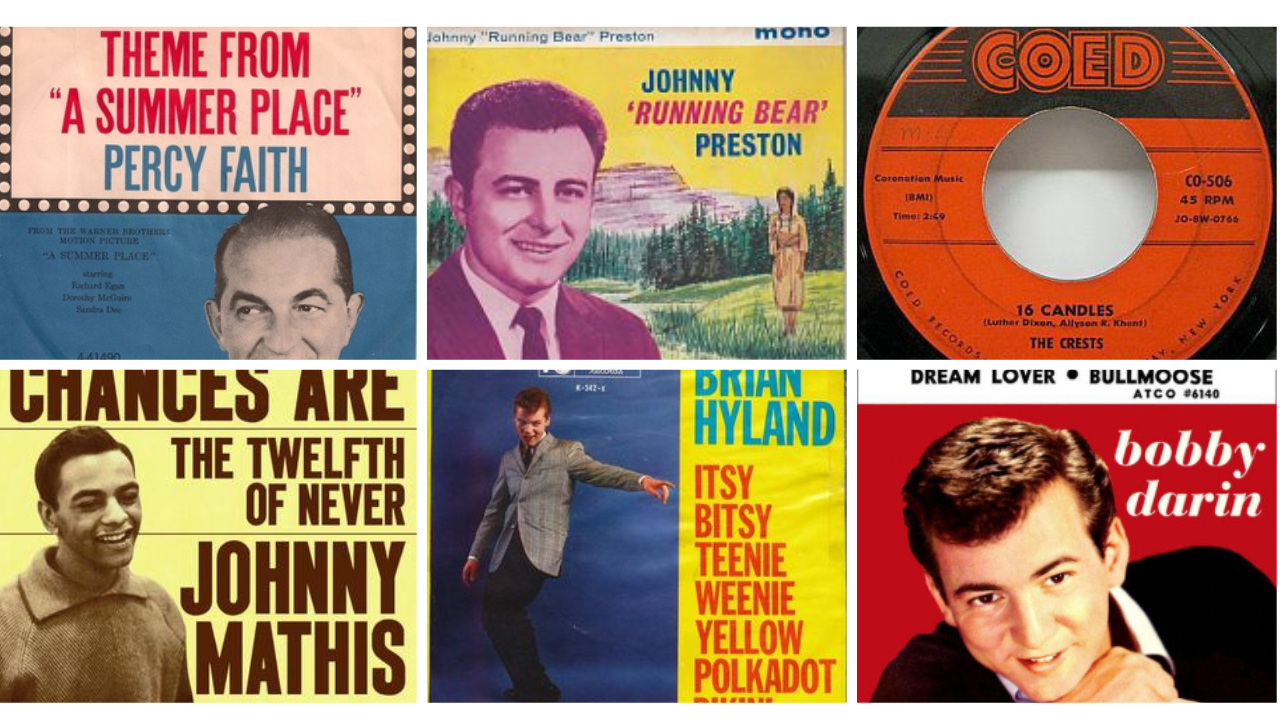
CB didn’t just carry messages; it minted language that spread through repetition. Codes like 10-4, the quick call of breaker, and the rhythm of handles traveled because everyone heard them used in real situations. By the mid-1970s, CB talk had leaked into pop culture, boosted by songs such as C.W. McCall’s “Convoy,” which turned channel chatter into a storyline. Learning the slang was a passport, and a newcomer who caught the cadence sounded like they belonged. Different regions riffed on the same terms, twisting them into local humor, and a sharp line could echo across multiple channels before the hour was over. Then it stuck.
Communities Moderated Themselves

Every busy channel had noise makers, braggarts, and deliberate interrupters, and CB built social defenses that later felt familiar online. Regular operators corrected bad information, called out rude behavior, and sometimes used the strongest tool of all: silence. Because the band was local, reputations stuck, and a person who jammed conversations could be remembered for weeks. Etiquette mattered in small ways. Waiting a beat, keeping transmissions short, and saying stand by helped multiple conversations share limited space. It was moderation by peers, enforced with humor, patience, because the same voices showed up again.
Channel 9 Felt Like A Public Help Desk
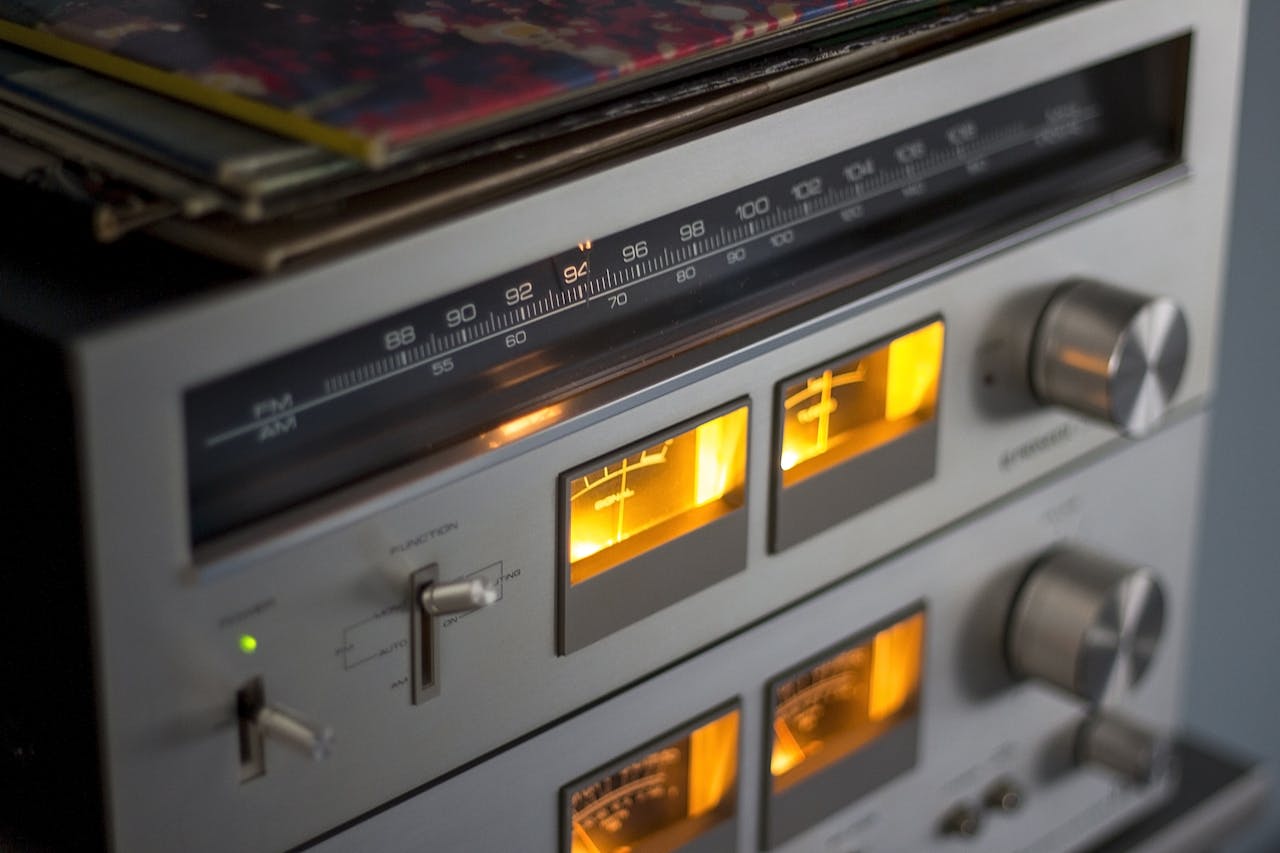
CB even had a built-in help desk. In the United States, Channel 9 was designated for emergency use, and many communities treated it as a place to monitor trouble and relay assistance. That expectation nudged the whole culture toward usefulness. A stranded driver could call for a tow recommendation, a lost traveler could ask for directions, and someone nearby might answer with calm, specific guidance. Even when the request was minor, the response carried a civic tone: keep it clear, keep it true, and make room for the next call. In bad weather or late hours, the idea that someone might be listening offered real comfort. Out there.
Channel 19 Worked Like A Trending Feed
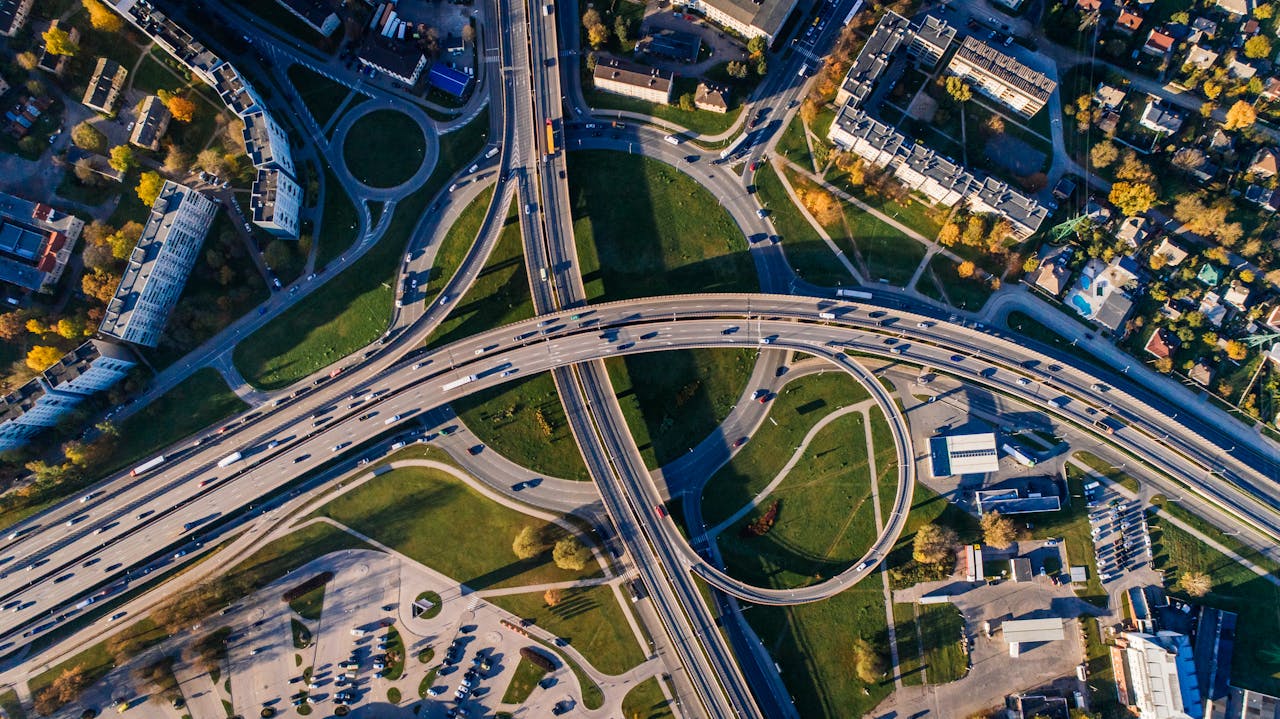
Certain channels became gathering places, the way online spaces form around a shared purpose. Channel 19 emerged as the highway hangout across much of the United States, widely known as the truckers’ channel, where rolling updates and banter rarely stopped. Drop in, and the priorities appeared fast: a backup near the next interchange, a wreck blocking the right lane, or the diner with strong coffee at Exit 12. The tone could flip from jokes to urgency in a second, then back again. It was a moving community that refreshed with every mile, and it made geography feel smaller because news traveled ahead of the headlights. All night.
Standard Channels Made It A Mass Network
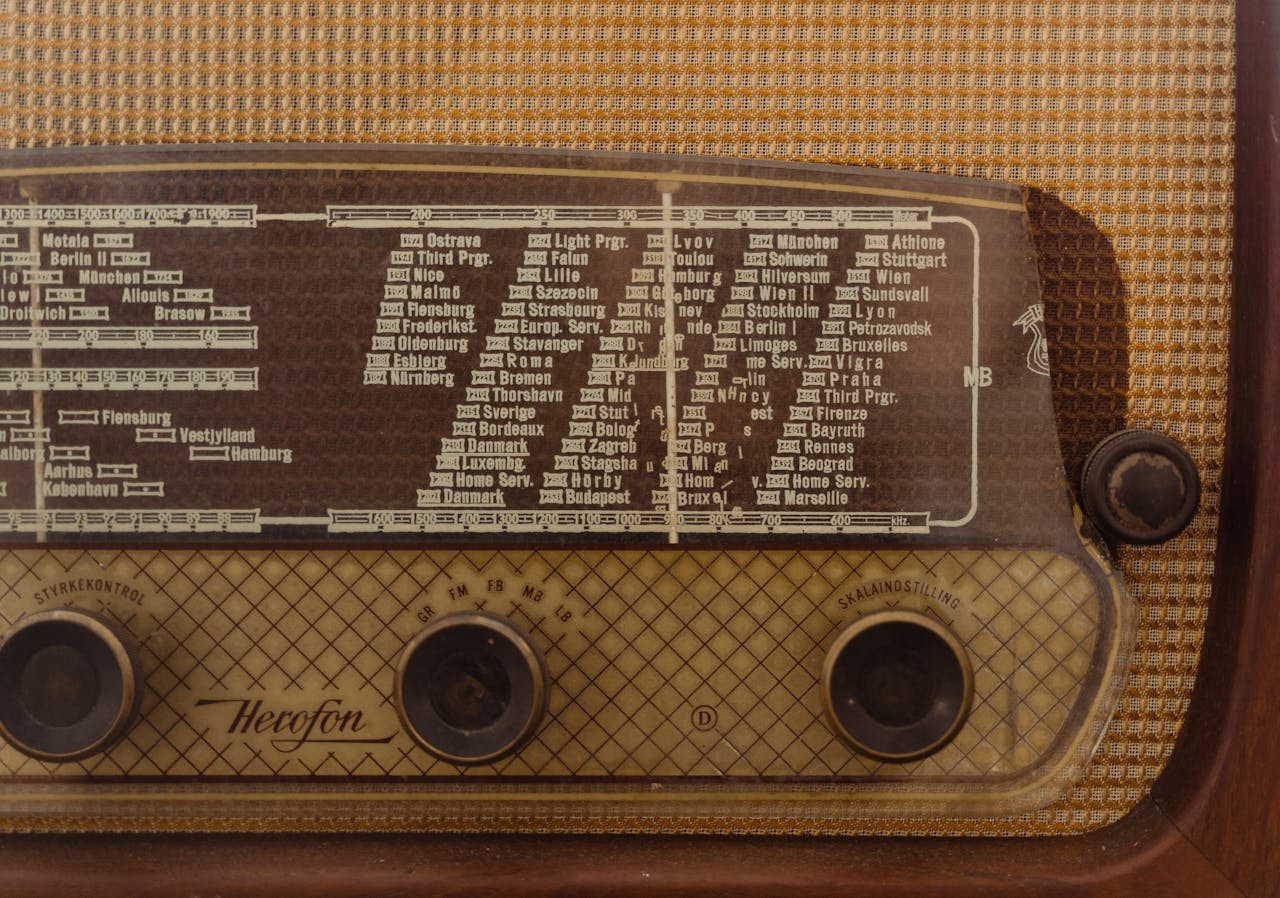
CB scaled because the system was standardized and affordable, so participation mattered more than fancy equipment. In the United States, the service expanded from 23 channels to 40 in 1977, giving crowded conversations more room without changing the ritual of tuning, listening, and keying up. Power limits kept most operators on similar footing, which reduced the gear arms race and kept the playing field friendly. A simple mobile unit or base station could plug a household into the chatter within minutes. Shared standards let strangers coordinate fast, and the network effect followed: people showed up and stayed together. Daily.
Lurking Was Part Of The Culture

CB rewarded listening. Many operators spent long stretches monitoring a channel, learning the local voices, and waiting for a moment when speaking would help rather than clutter the air. That habit created an audience that shaped how stories were told and how advice was framed, because every transmission assumed unknown ears. Scanning across frequencies felt like browsing conversations: one channel full of jokes, another focused on weather, another near-silent except for the occasional urgent call. The ear learned to separate useful detail from bravado, and the dial became a living index of what mattered in that small radius.
Side Channels Served As Private Messages
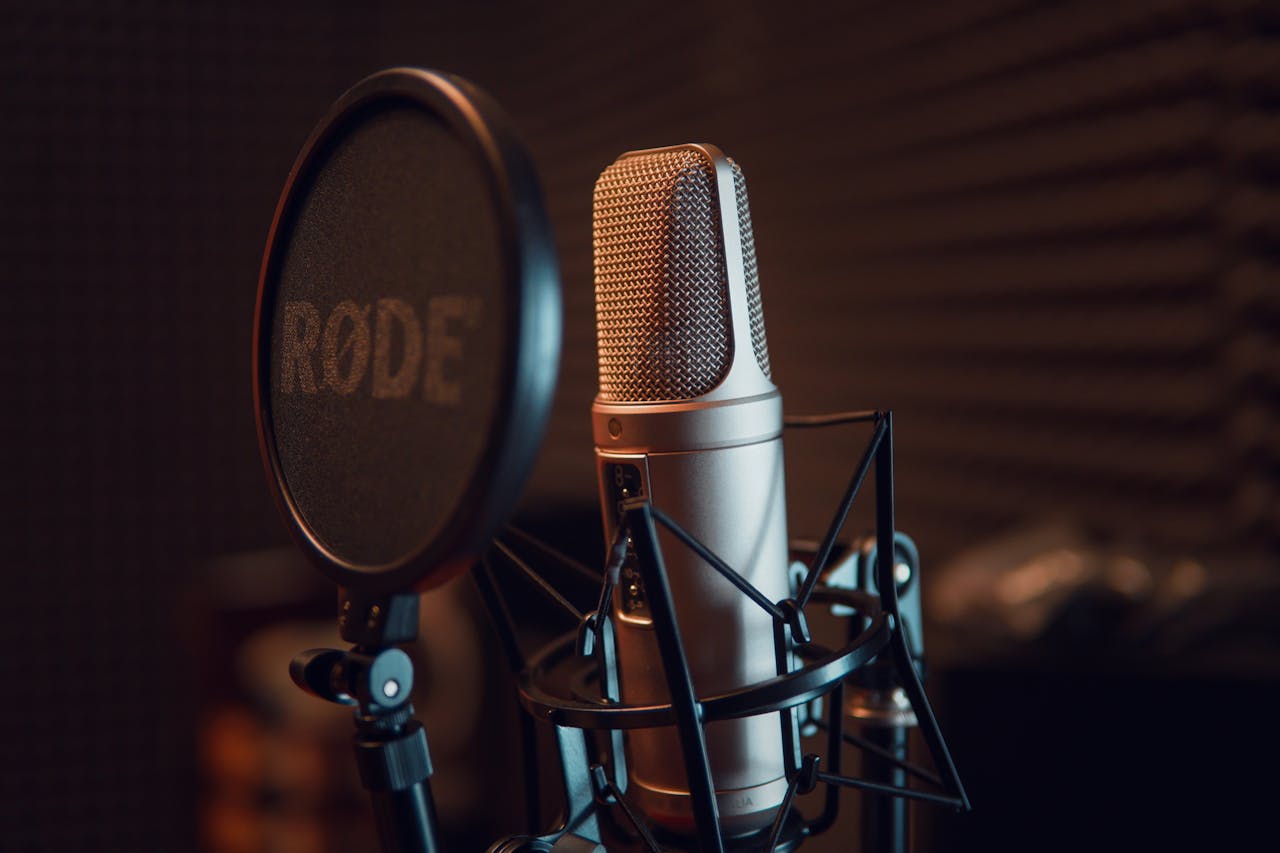
When a conversation needed breathing room, CB had its own version of private messages. Operators would meet on a busy channel, trade a channel number, then slide to a quieter frequency where fewer people were listening and fewer transmissions collided. Even the negotiation was a social ritual: a channel number, a confirmation, then a switch. Privacy was never guaranteed, since anyone could tune in, but the shift changed the tone. Longer stories became possible, coordination got easier, and the talk felt more personal because it wasn’t competing with 10 other voices. It mirrored the move from public threads to side chats, built on trust and timing.
Skip Opened Accidental Long-Distance Connections

Every so often, the band surprised people with distance. On 27 MHz, atmospheric conditions could carry CB signals far beyond normal range, and a voice from another state or another country might suddenly break through. Those moments felt like stumbling into a faraway chat room: exciting, messy, and brief. Operators traded quick signal reports, swapped handles, and tried to fit meaning into the window before it closed. The contact was rarely practical, but it was unforgettable because it proved the network had hidden depth. Afterward, the story traveled locally as proof that the air could deliver magic when the sky cooperated.