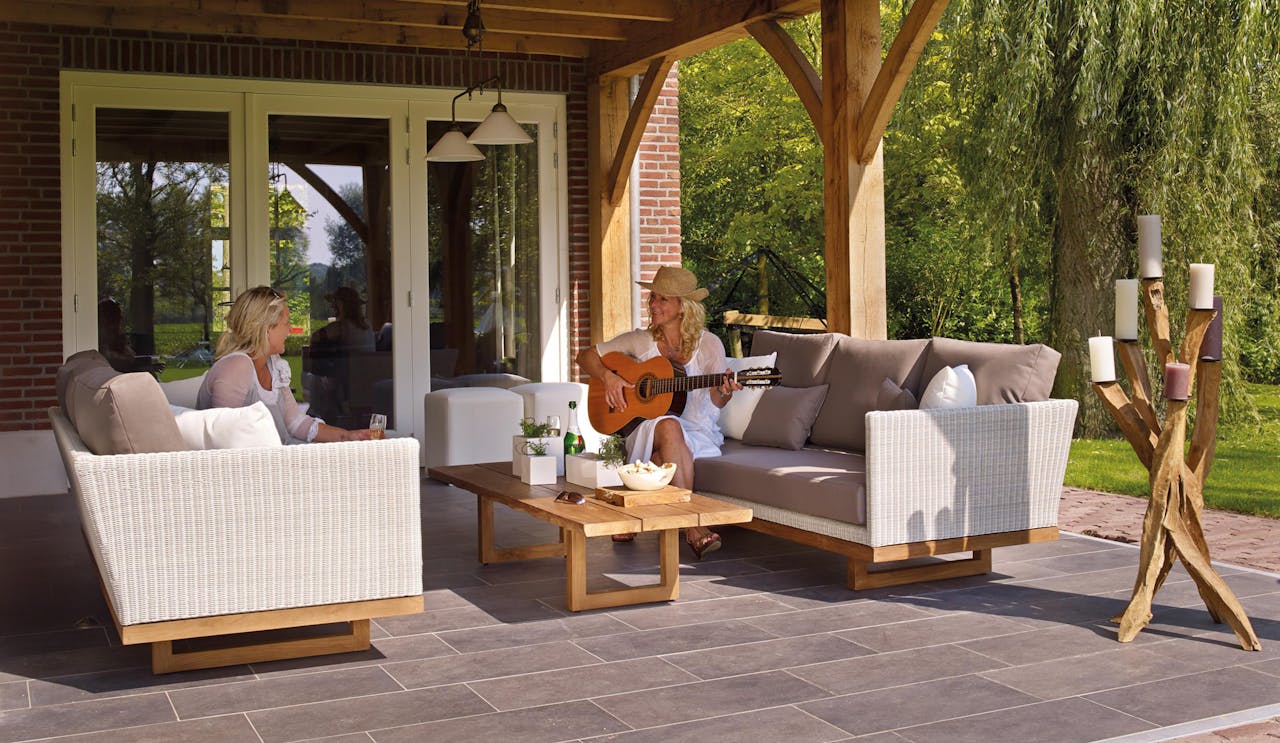
For generations, the American front porch served as a small public living room, where evening air carried gossip, greetings, and the soft rhythm of rocking chairs. After World War II, the country’s daily patterns shifted. Cars remade streets, new housing pushed life outward, and modern comforts pulled families indoors until outdoor time returned with different rules. The backyard patio offered privacy, easy access to the kitchen, and space for grills, play, and planned gatherings. In many places, the change reshaped community itself, trading sidewalk chatter for fence-line quiet and turning open-air leisure into something designed. What moved was not just furniture but the social center of the home. Even the sounds changed, from screen doors to backyard laughter.
Air Conditioning Made Summer Indoors Easier

Front porches once worked as everyday climate control, catching cross-breezes when late afternoons turned humid and still, with shade and a fan doing the rest. As air conditioning spread after World War II, the house stayed comfortable with screens closed and curtains drawn, and porch sitting lost its practical urgency. Outdoor time relocated to the backyard, where a patio beside a kitchen door made it easy to carry dinner out, supervise play, and step back into cool air without turning the evening into a public performance for everyone walking or driving past, leaving the porch as a quick hello spot at most. Especially in suburbia.
Television Pulled the Evening Crowd Inside
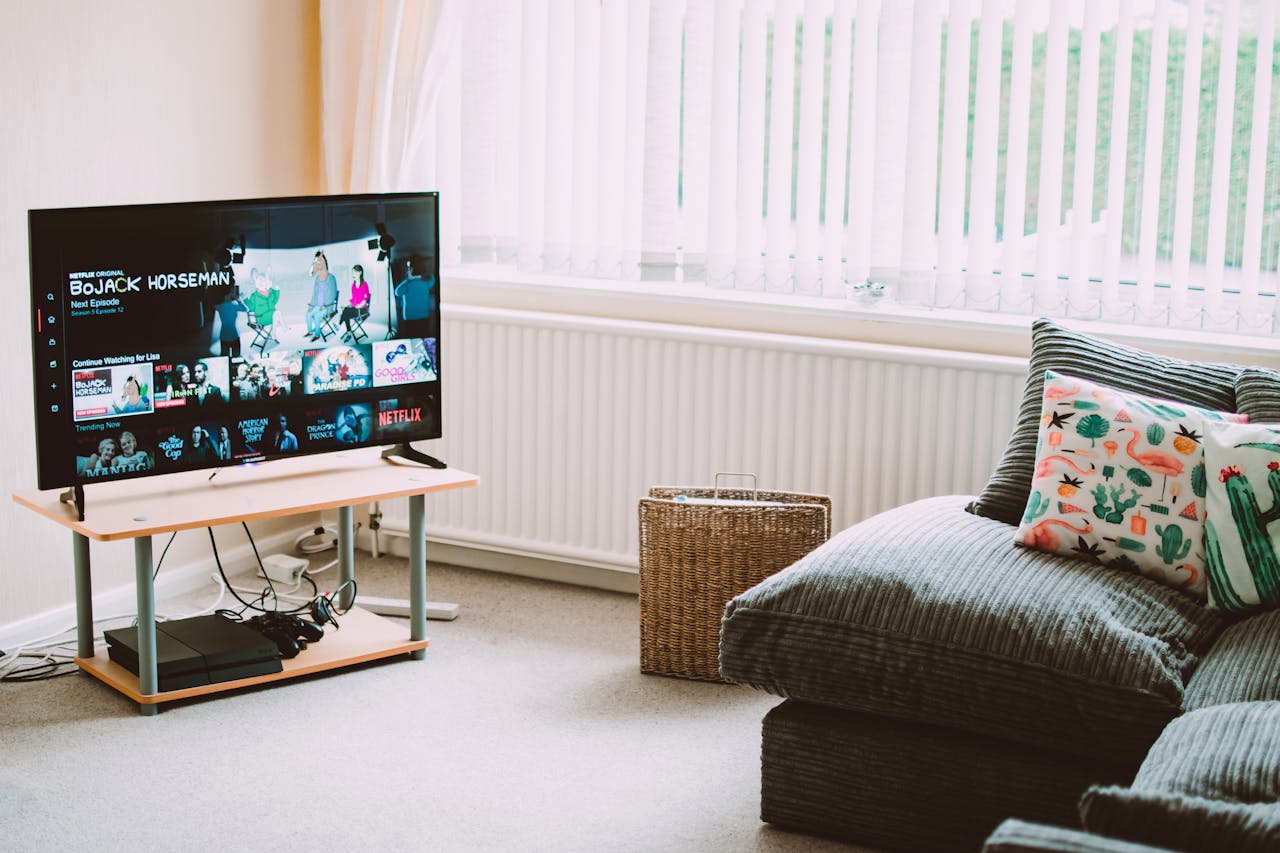
The porch ran on unplanned conversation, a nightly habit built from warm air, slow time, and whoever happened to pass. When television became the household hearth, evenings tightened around fixed start times, volume knobs, and favorite shows, and porch lingering shrank to quick breaks between episodes. A backyard patio matched that shift, offering room for grilling, card tables, and halftime talk while the living room’s glow stayed within reach, so outdoor life felt planned rather than accidental, and the front steps became mostly for arrivals, departures, and packages. Fewer neighbors drifted over on impulse after dark anyway.
Cars And Traffic Changed The Front Yard Mood

As car ownership became routine, many streets grew louder, brighter, and faster, and the front yard started to feel exposed. Headlights swept across windows, engines idled at curbs, and on-street parking brought a steady stream of strangers close to the railings, changing porch sitting from restful to watchful. The backyard offered a buffer, and a patio turned outdoor time away from the sidewalk and toward fences, shrubs, and quieter air where conversation could stretch, dinner could linger, and kids could play without being framed by traffic and passing eyes. In many suburbs, that turn of the chair changed the whole mood fast.
Suburban Ranch Homes Recentered Life In Backyards
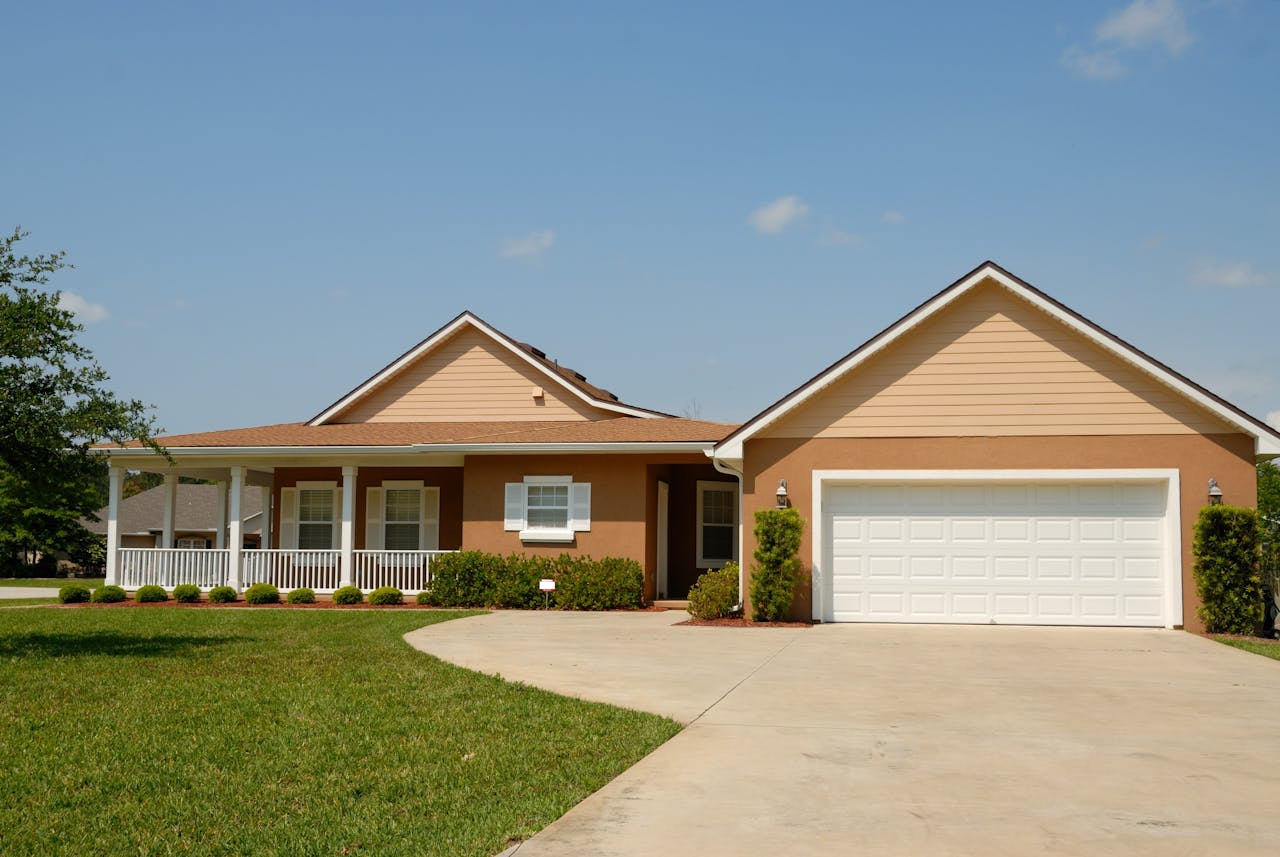
Postwar ranch houses and split-levels often reduced the porch to a token stoop, putting the visual emphasis on garages, carports, and long façades. Inside, daily life faced the backyard, where open plans and sliding glass doors framed grass, grills, and evening light like a private view off the kitchen and den. A simple concrete slab became a patio with little effort, and once that outdoor platform existed, gatherings followed it: weeknight dinners outside, birthday tables under shade, and long conversations turned away from the street and into the yard’s quieter corners. Developers copied the template block after block for decades.
Privacy Became A New Kind Of Luxury
Front porches make life visible, and for generations that visibility felt neighborly, even reassuring, like a shared watch over the block. As schedules tightened and expectations around privacy grew, many households wanted more control over when company arrived, how long it stayed, and what parts of home life were open to comment. Backyards require intention, so a patio behind a fence or hedge let people host on their own terms, with a gate that stayed latched, music that carried only as far as the trees, and small rituals like string lights and a fire bowl that turned social time into something chosen, not volunteered at dusk.
Grills Turned Cooking Into A Backyard Ritual
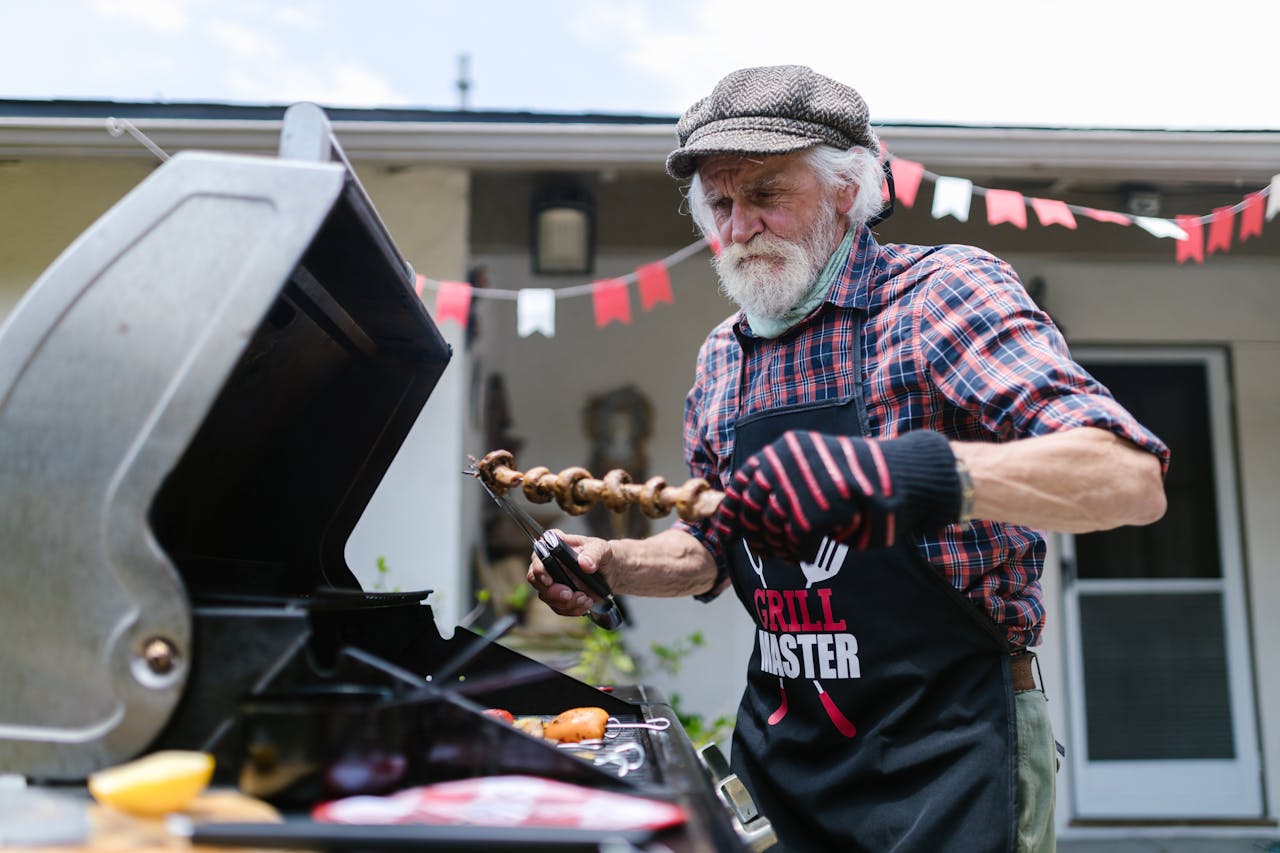
Outdoor cooking helped make patios feel necessary. A grill needs a stable surface, room for prep, and enough distance that smoke does not drift into curtains and carpet. The backyard solved the logistics, and the patio became the command center, close to the kitchen but open to the air, where the cook could talk, flip food, and still hear kids playing. As charcoal gave way to gas and accessories multiplied, patios grew into staging areas for trays, tongs, and side dishes, and the porch became secondary, mostly a place for quick hellos while the real hosting happened near the cooler and the table. Even cool nights stayed social.
Outdoor Furniture And Shade Made Patios Comfortable
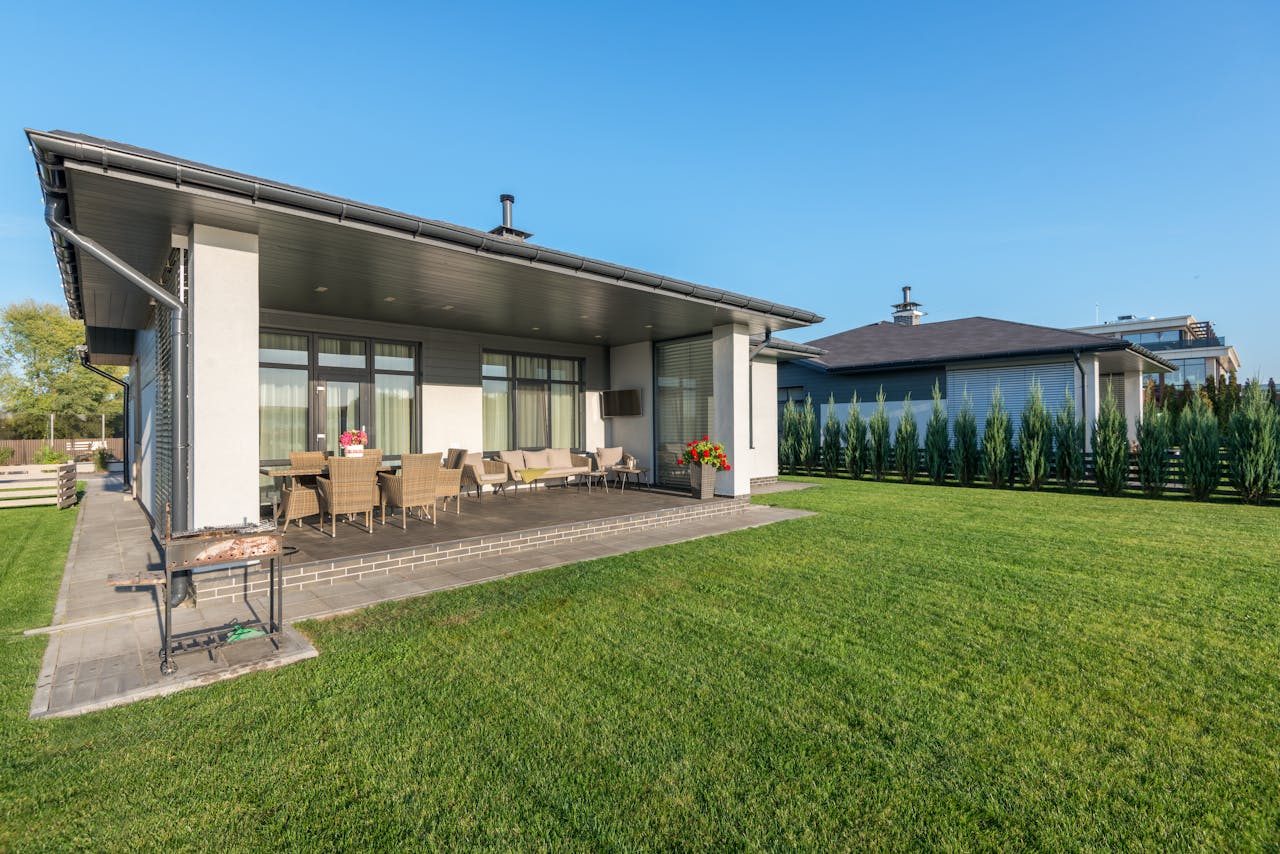
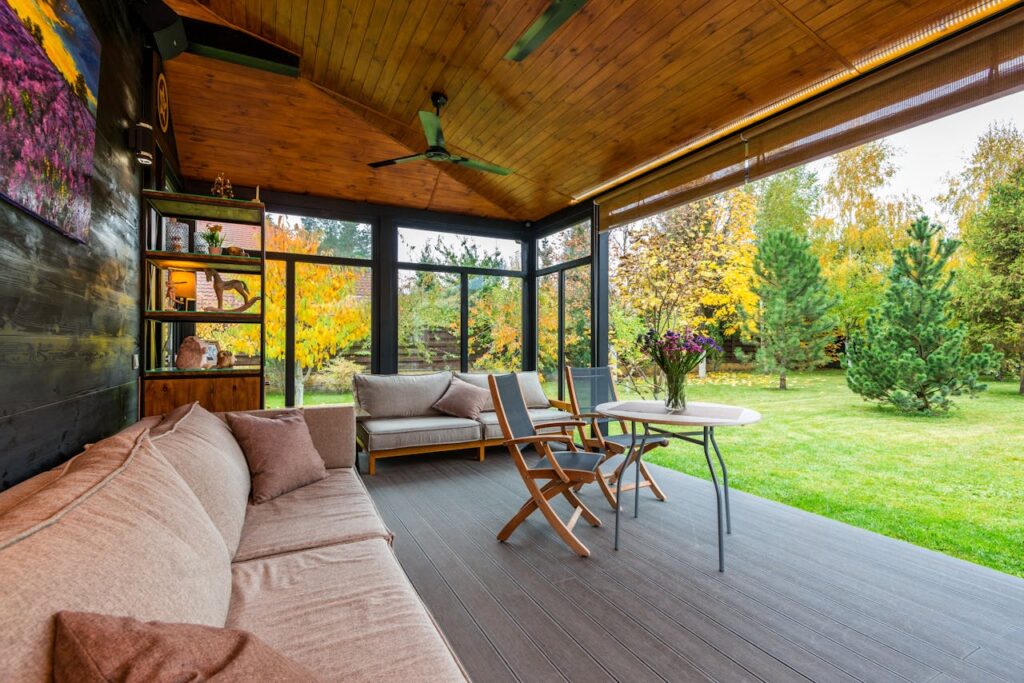
Once manufacturers treated the outdoors like a real room, patios stopped feeling temporary. Webbed chairs and umbrella tables gave way to weatherproof cushions, storage benches, and dining sets that made lingering feel normal. Shade followed in layers, from awnings to pergolas, turning glaring afternoons into usable hours and giving people a reason to stay outside longer than a few minutes. Patios also solved the small annoyances that push everyone indoors, like muddy grass, uneven ground, and nowhere to set a drink, so outdoor life started borrowing indoor habits, from rugs to lamps and, later, patio heaters for cool nights.
Pools And Play Shifted Leisure Behind The House
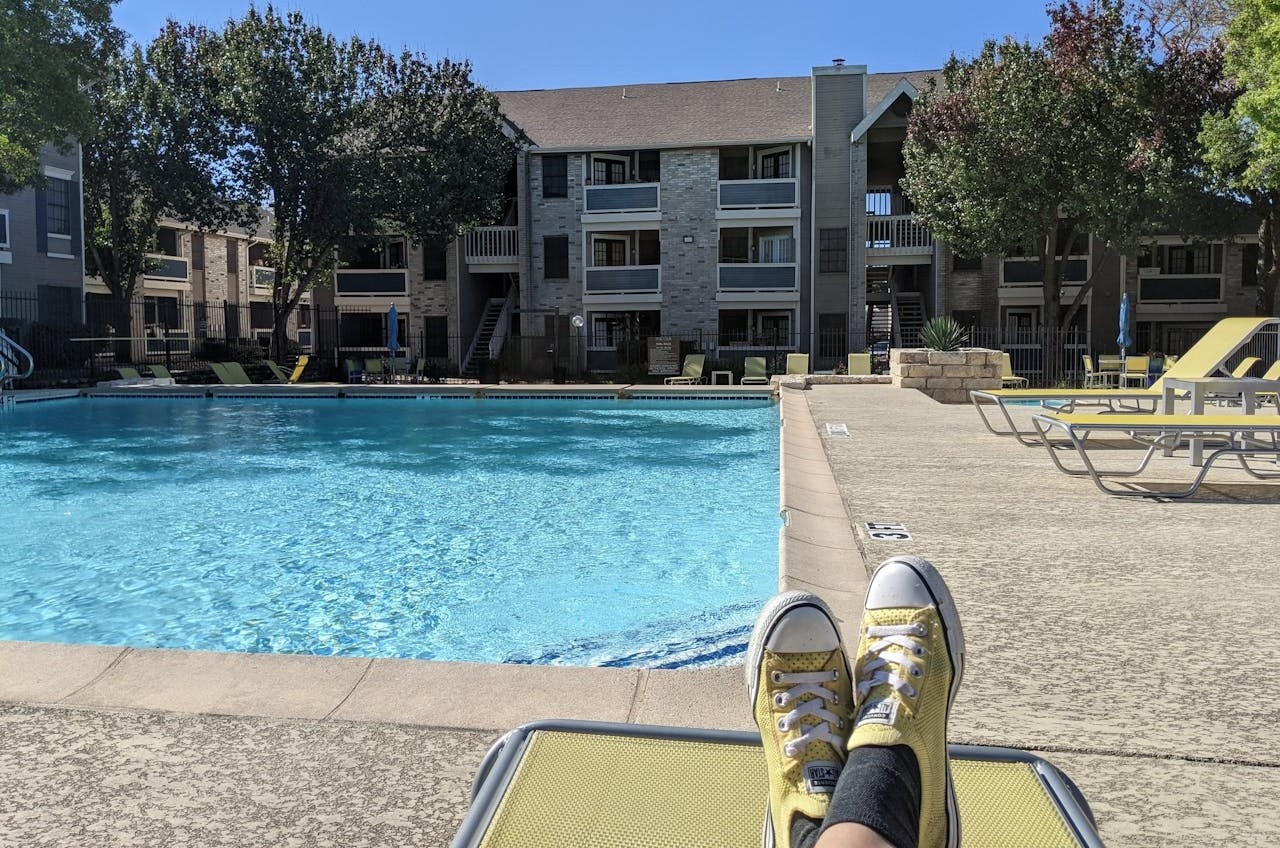
As yards became places for leisure instead of work, play moved behind the house, too. Swing sets, sprinklers, and above-ground pools made the backyard the obvious zone for kids, and patios became the adult perch for towels, snacks, and supervision. Parents preferred the safety and privacy, while children loved having territory that felt theirs, not shared with passing traffic. The porch could not compete with cannonballs, chalk games, and fireflies after sunset, and the patio offered a dry base for sunscreen, birthday cake, and the steady loop of summer noise that felt welcome when it stayed behind the fence until bedtime.
Real Estate And Media Sold The Backyard Dream
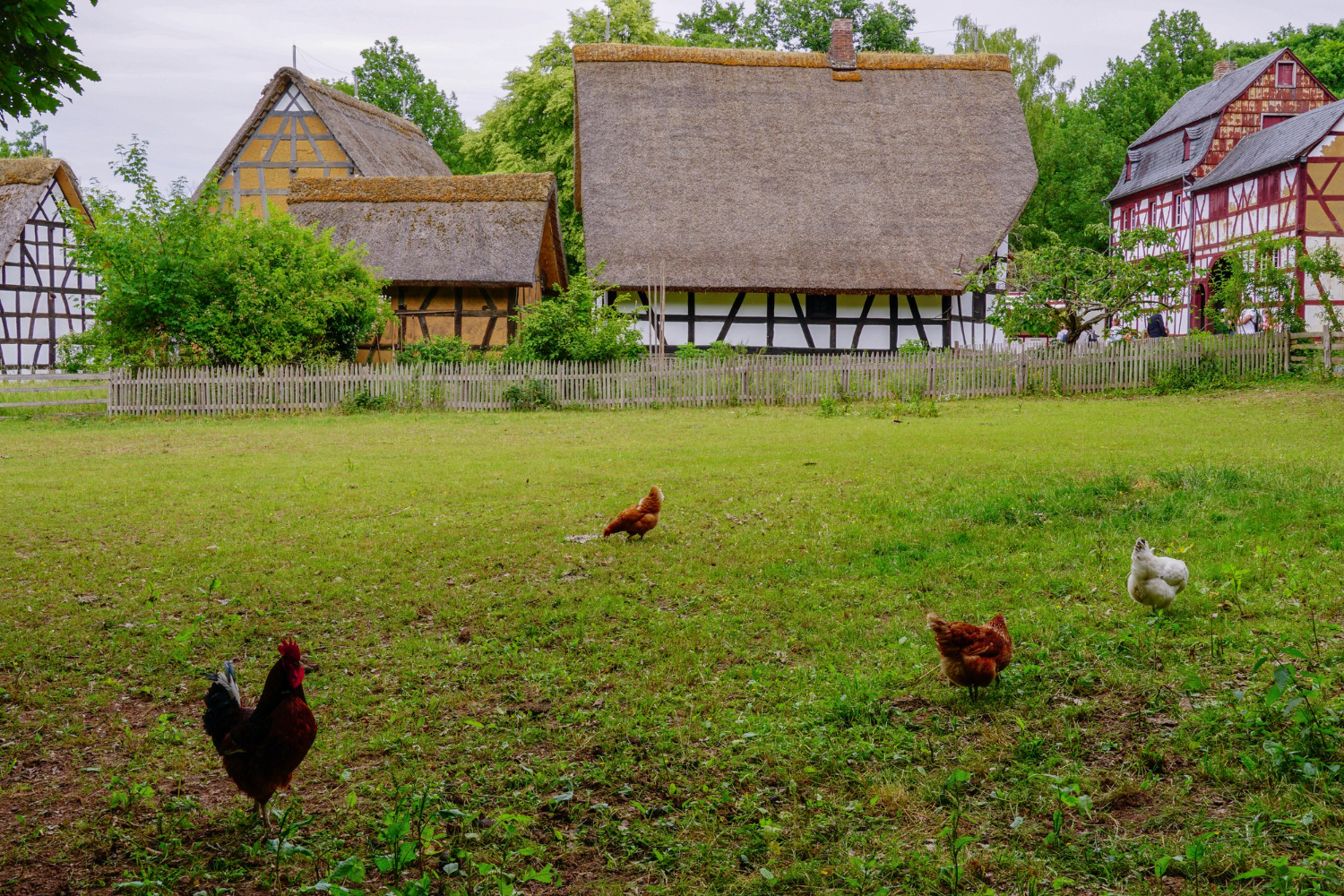
Developers, magazines, and later home-improvement television sold the patio as an upgrade, not just a slab behind the house. The language shifted to outdoor rooms, entertaining zones, and indoor-outdoor flow, and staged photos taught buyers to expect pavers, dining sets, and lighting that made the backyard look like a second living room. Real estate listings began treating fire pits, pergolas, and grills as lifestyle proof, so patios became the default image of domestic ease in car-first neighborhoods, with privacy as the selling point, while porches read as charming extras instead of the main stage in many newer subdivisions.