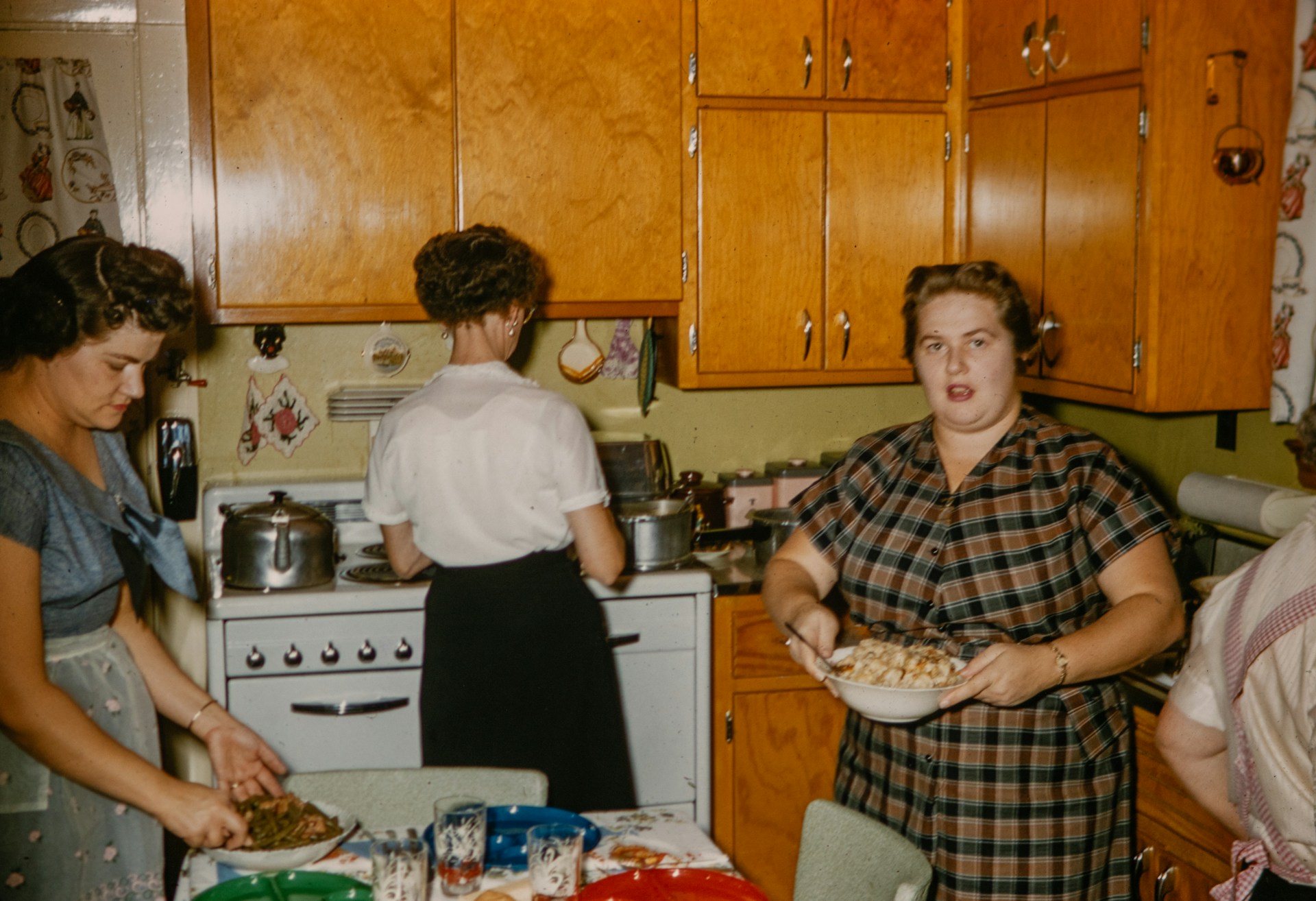
In many 1950s American homes, cooking was treated like a daily performance, timed to the minute and judged by unspoken rules. Magazine recipes and home economics lessons promised that the right roast, the right casserole, and the right smile could keep a household running smoothly. What sounded like order often meant pressure: meals had to look effortless, taste familiar, and signal respectability, even on a tight budget and a tired body. New convenience foods arrived, yet expectations rarely eased; the goal was still to serve dinner on time, entertain politely, and never let anxiety show at the table. Night after night.
Dinner Had To Hit The Table On Time
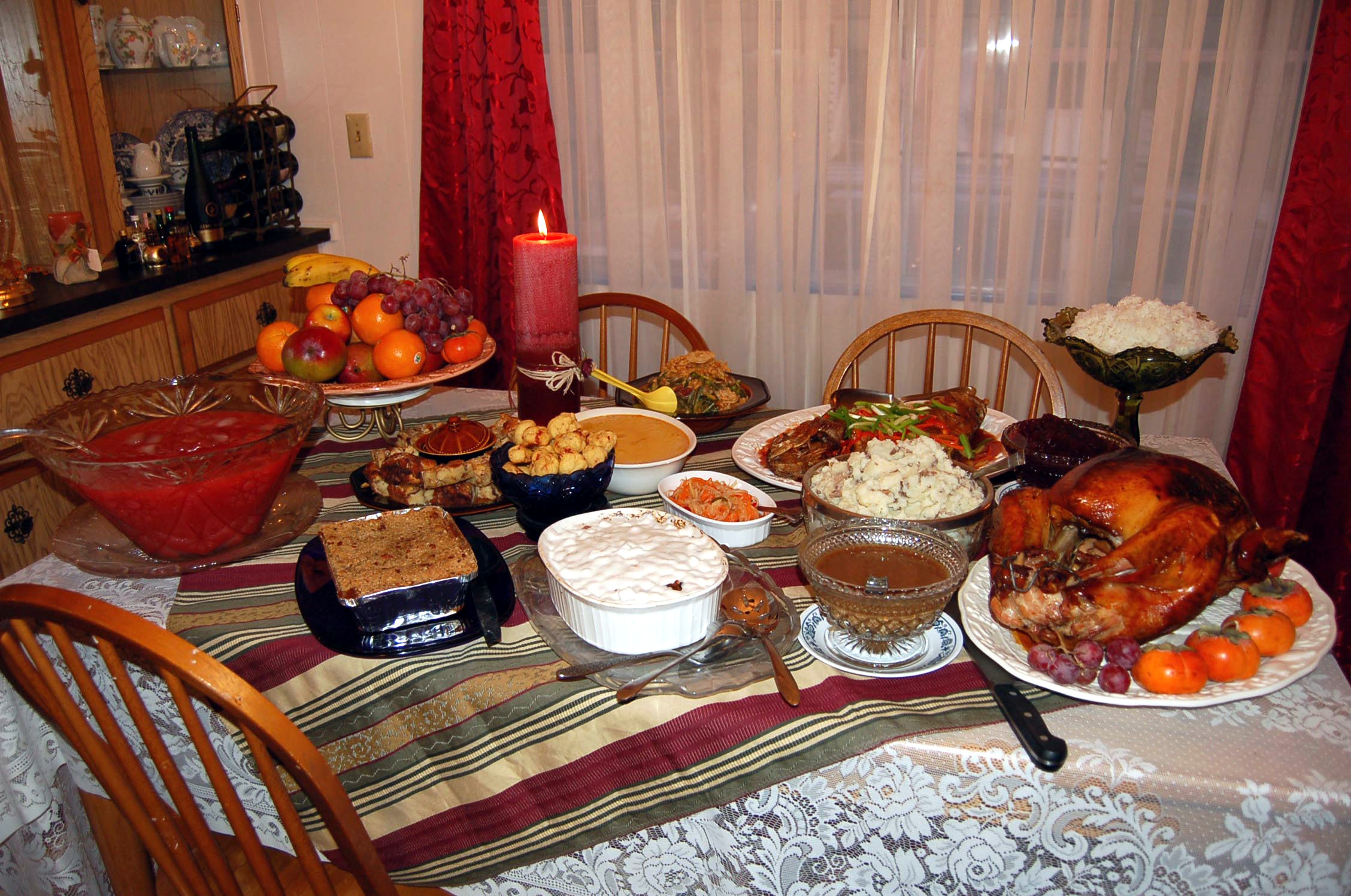
Dinner was expected at a set hour, with the main dish ready and the kitchen cleared before anyone asked. Advice columns treated punctuality as proof of competence, especially when a husband came home hungry and tired. A simmering pot was supposed to feel comforting, not frantic.
That pressure shaped everything: sauces were started early, vegetables were timed, and a backup casserole sat warming in case something split or burned. Even conversation could be managed so the meal looked effortless, as if the day had been arranged around a single entrance cue. Now it reads less like romance and more like a rulebook every night.
The Husband Was Served First, Always
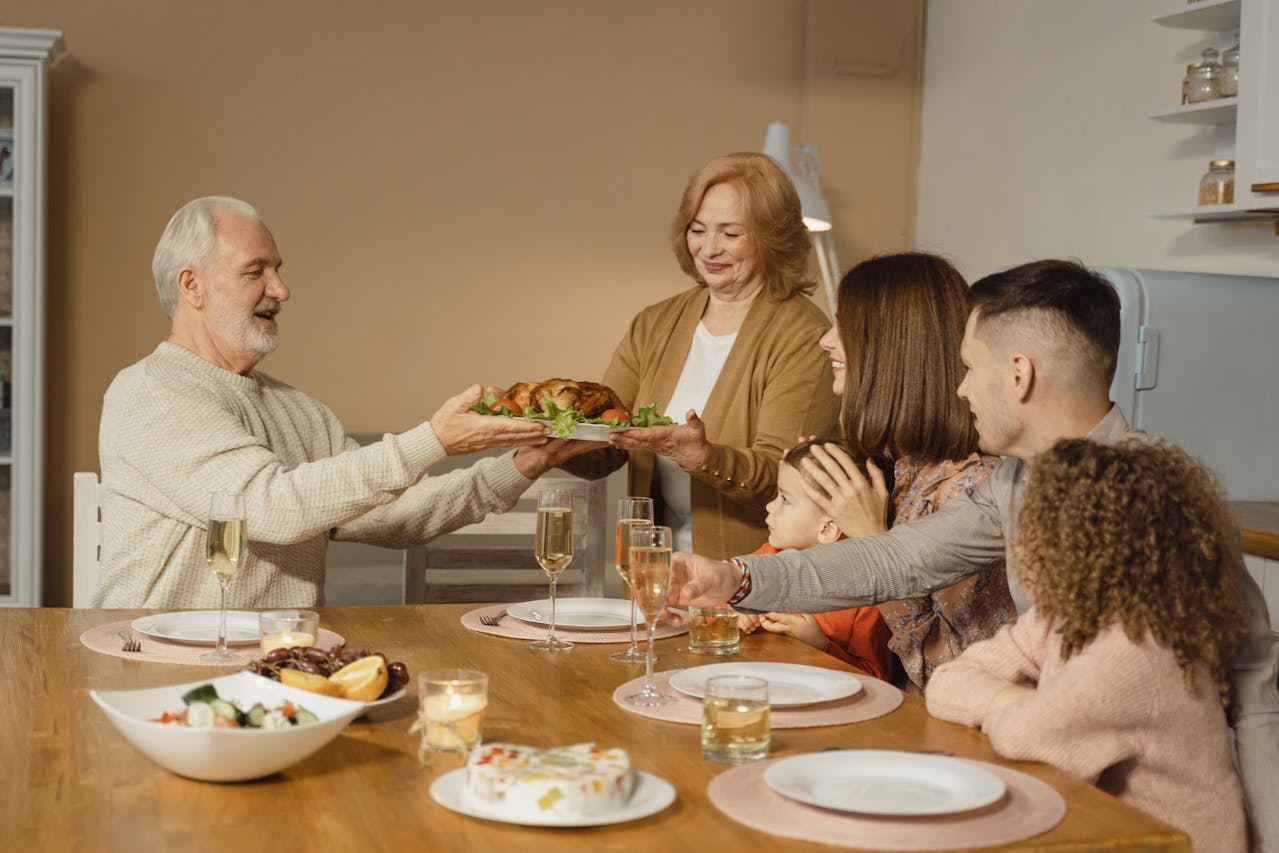
Serving order was loaded with meaning. In many households, the husband and guests were served first, while the cook ate after plates were passed and approval had been registered. If the meat needed carving, the work continued at the table.
It turned nourishment into hierarchy: gravy was offered like a ceremony, rolls were buttered on request, and coffee refills happened before a cup looked empty. The person who cooked the meal was expected to hover, anticipate, and stay pleasant, not relax. Seen now, the rule reads less like good manners and more like a quiet reminder of who mattered most in that dining room at night.
Spicy Or Unfamiliar Food Was Discouraged
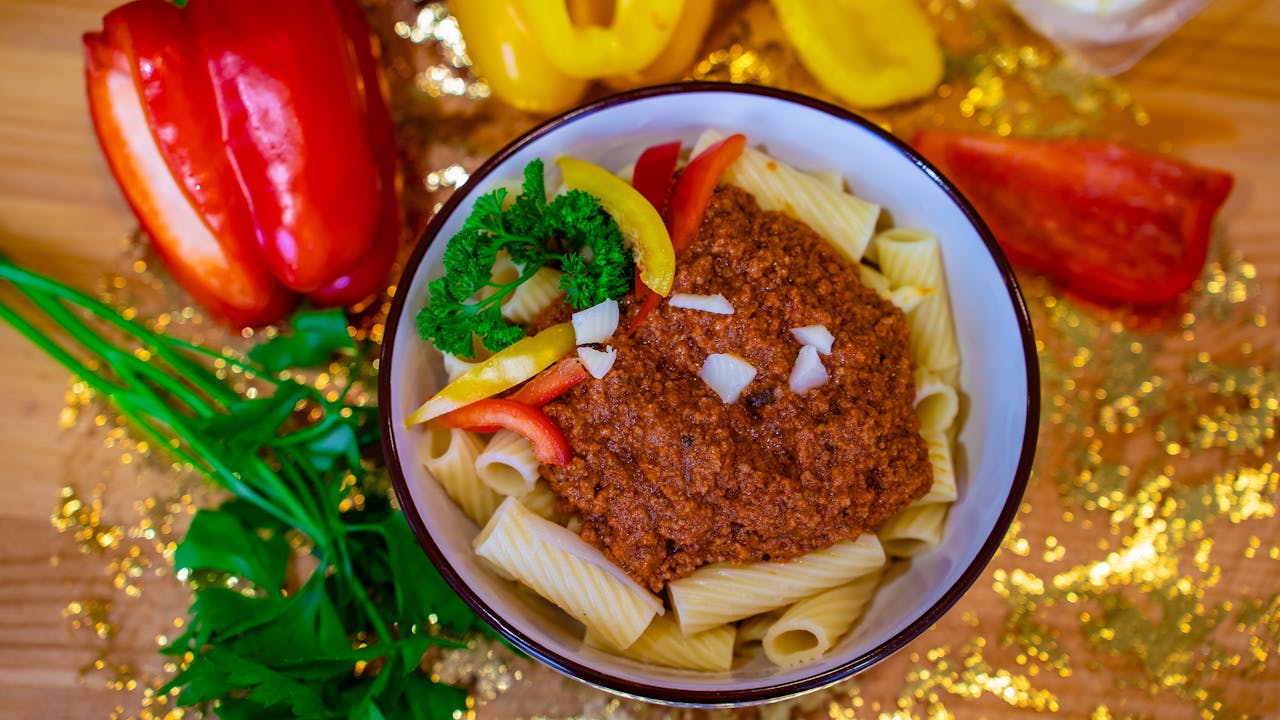
Strong flavors were often treated as suspicious, especially garlic, hot peppers, and anything branded as foreign. Respectable cooking leaned on mild seasoning, creamy sauces, and familiar starches that pleased the widest audience. Even the smell of dinner was expected to stay gentle.
That caution could flatten a whole pantry into salt, pepper, and maybe paprika for color. Immigrant cuisines thrived in many cities, but plenty of suburban kitchens were urged to keep things safe and bland, as if adventurous food might embarrass the family. Meals became a kind of social camouflage, built to avoid comments rather than spark delight.
Leftovers Had To Be Disguised As New
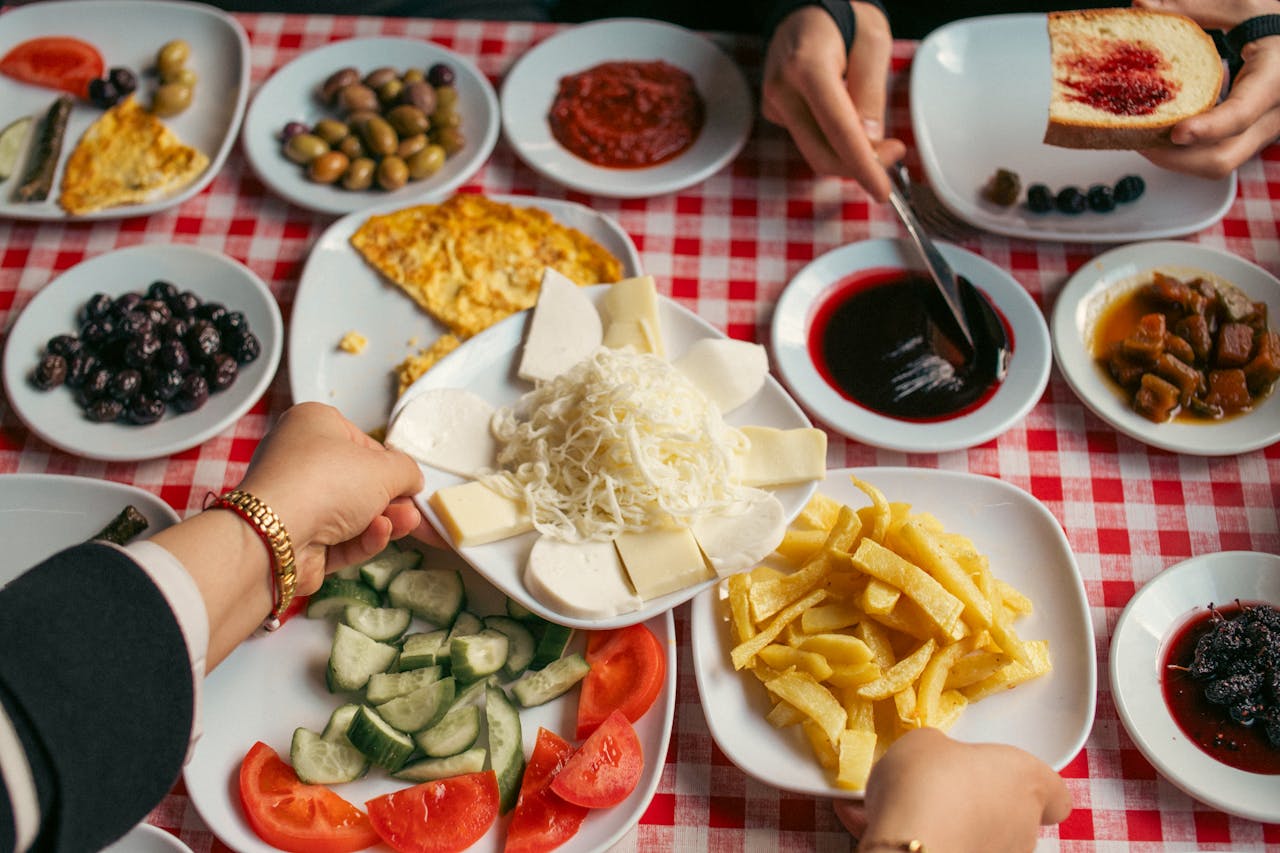
Leftovers were not just tolerated; they were a test of ingenuity. A roast on Sunday was expected to reappear as hash, sandwiches, or a casserole that looked like a brand-new meal, with nothing going to waste. Bones became broth, and drippings became gravy.
No one was supposed to admit it was yesterday’s dinner. Clever repackaging mattered as much as flavor, and thrift was framed as a woman’s responsibility, not a shared household strategy. White sauce, crumbs, and melted cheese could hide almost anything. The pressure to transform scraps into something admirable could feel endless at the table, especially with guests.
A Showy Molded Salad Was Practically Mandatory

Gelatin salads and molded dishes were marketed as modern, impressive, and faintly glamorous. A tidy ring mold on a doily could signal that a hostess understood the era’s idea of elegance. Clear aspic and bright fruit were presented like kitchen jewelry.
The strange part is how much labor went into something that was mostly spectacle: chilled layers, suspended vegetables, and mayonnaise-based toppings arranged like decoration. Cookbooks treated the unmolding moment as the big reveal, with garnishes set just so. What once read as sophisticated now reads like a dare, powered by gelatin and social pressure in one wobble.
Shortcuts Were Fine, As Long As No One Knew
Convenience foods promised relief, but they came with a catch: they still had to look homemade. Boxed mixes, canned soups, and packaged ingredients were folded into casseroles, dips, and desserts that wore a wholesome disguise. A can could save time, but pride was still on the line.
Marketing sold speed, while social pressure demanded polish. A woman could use shortcuts, but not appear to rely on them, especially in front of guests. Cream soup became a quiet binder, chips became a crunchy topping, and cake mix was dressed up with extra eggs or frosting. The absurd part was the secrecy, not the convenience on busy nights.
Dessert Was Expected Like A Daily Ritual
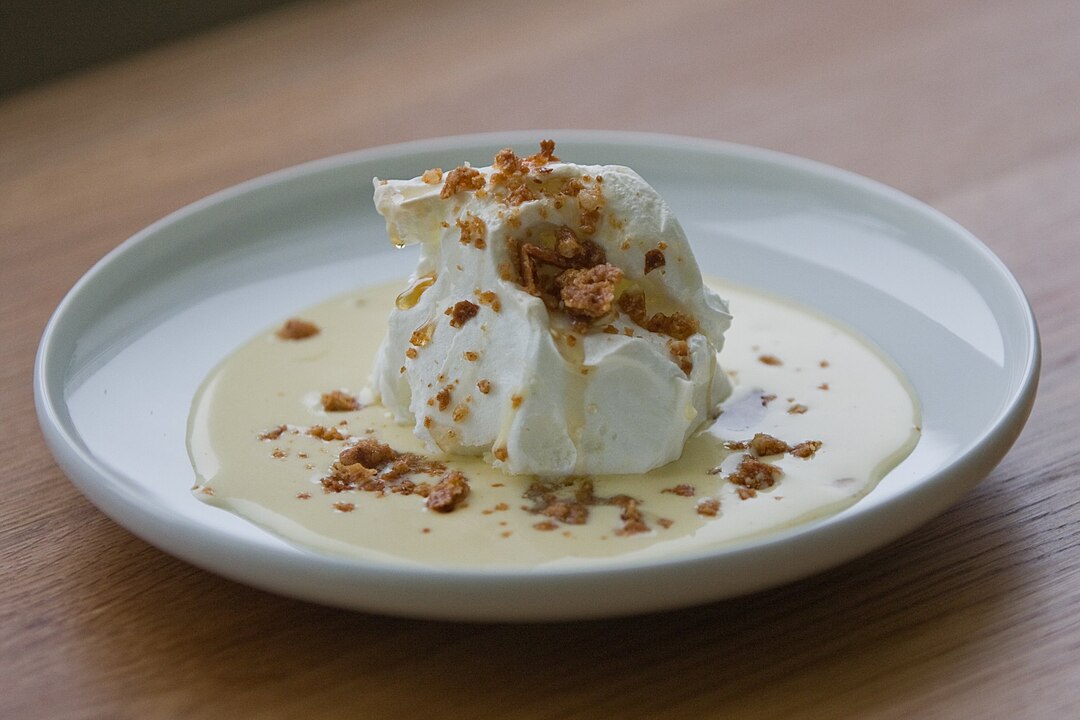
Dessert was treated as the emotional full stop of dinner, and many families expected something sweet on the table often. Pie, cake, or pudding signaled comfort, stability, and care, even when the meal itself was simple. A cookie tin on the counter hinted that the home was under control.
When time and money were tight, that expectation could turn into a nightly assignment. Gelatin, canned fruit, and quick custards became stand-ins, but they still had to look intentional. A boxed mix might be acceptable, yet it was expected to appear with pride, not apology. The lesson was clear: dinner was not finished until sugar arrived.
The Kitchen Had To Look Untouched After Cooking
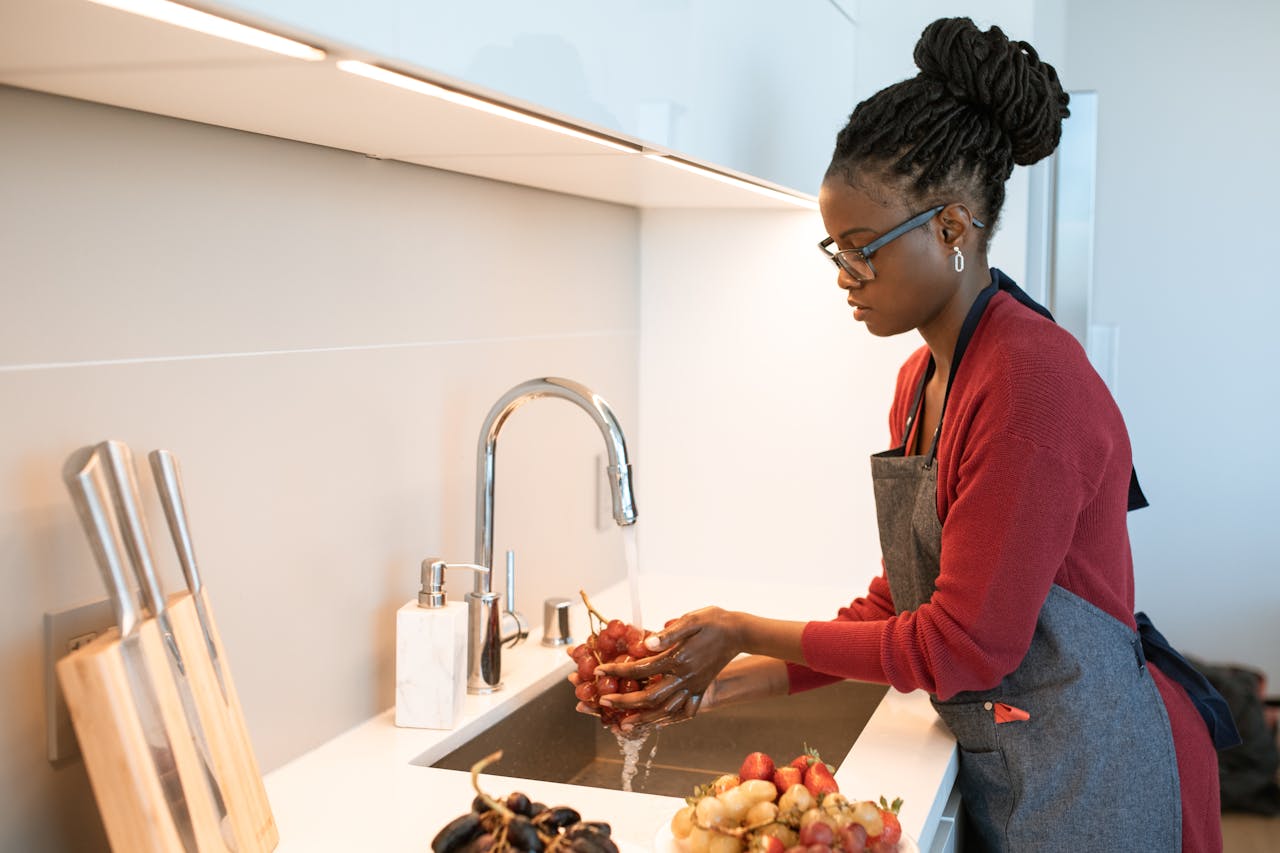
A clean kitchen was not just about hygiene; it was about image. Counters were meant to be cleared, dishes washed, and evidence of effort erased before the family saw the aftermath. Shiny appliances and a swept floor were part of the promise.
The message was that real competence leaves no trace. That can look charming in a magazine photo, but in real life it meant cleaning while cooking, then cleaning again after serving. Flour on the apron, stacked pans, or a sink full of plates suggested disorder. Even rest could wait until everything looked reset. The meal ended, but the work did not quietly, out of sight. Every evening.
Kids Were Expected To Eat Without Opinions
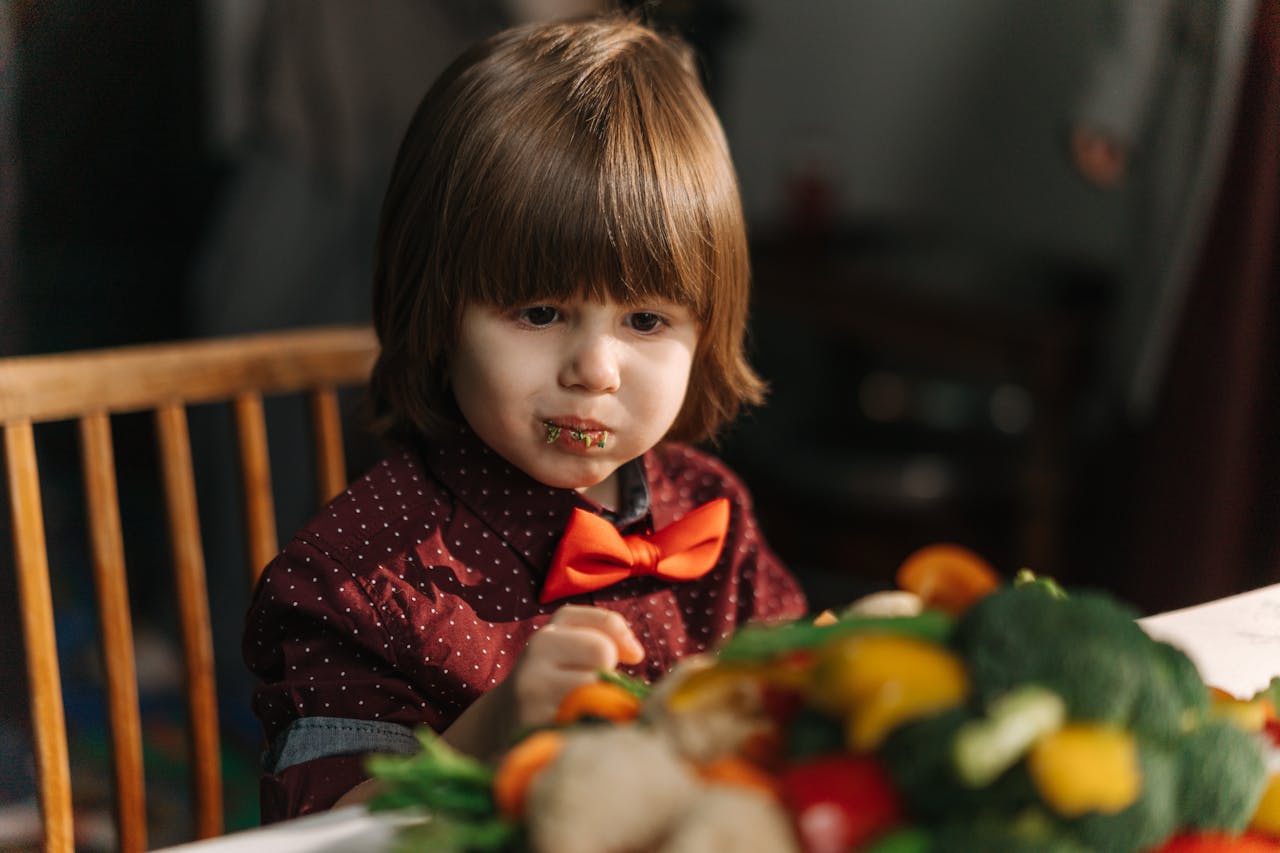
Children were often expected to eat what was served without complaint, and mothers were blamed when a child resisted. Food became a proxy for discipline, manners, and the family’s public image. The clean-plate expectation made dinner feel like a test.
That belief pushed adults toward bland, uniform meals that reduced conflict at the table. It also ignored realities like taste, texture, and sensory sensitivities that make eating complicated. Snacks could be restricted so hunger would do the persuading. Modern thinking tends to separate feeding from moral judgment, but 1950s rules often fused the two night after night.
Every Meal Needed Proper Table Manners And Presentation
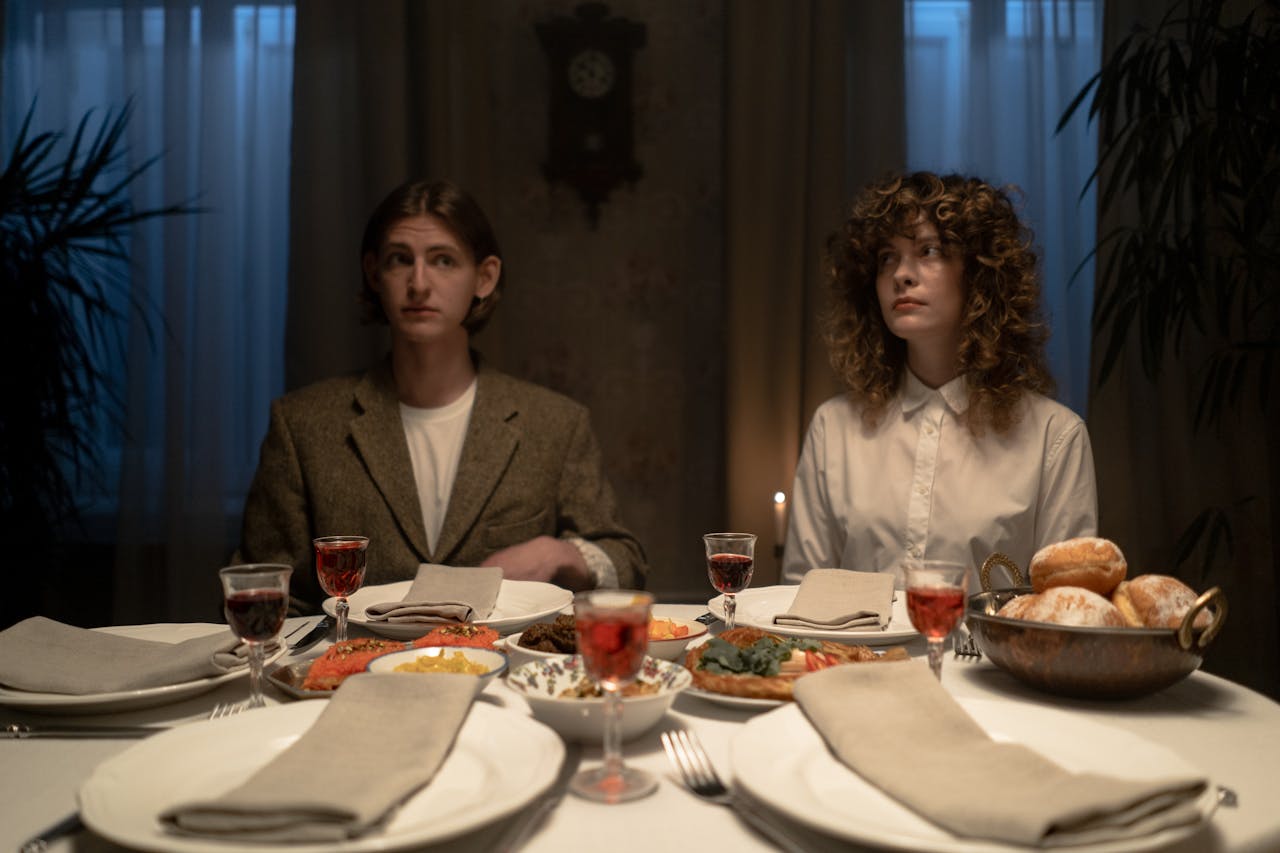
Table service carried its own choreography: napkins placed neatly, plates warmed when possible, and courses arriving in a calm sequence. Even casual dinners were supposed to feel composed, not improvised. Pots and pans were ideally kept off the table.
The cook managed timing, presentation, and conversation like a host on stage. Serving bowls, carved meat, and even a small centerpiece signaled that the home had standards. One mistake, a cold side dish or a crowded plate, could be read as poor training, not simple fatigue. It was a lot of symbolism for a Tuesday night meal, followed by a sink full of dishes. After work.
Money Stress Had To Stay Out Of The Menu

Stretching the budget was framed as a kitchen skill, not an economic reality. Recipes leaned on casseroles, extender ingredients, and pantry staples to make meals feel abundant and hearty. Meat was stretched with noodles, rice, or breadcrumbs, and coupons were treated like strategy.
The unspoken rule was to hide the strain. Nobody was supposed to hear about prices, shortages, or tradeoffs, even when the grocery bill dictated every decision. Guests were offered generous portions, while the cook quietly made the math work. That silence kept households looking prosperous, but it also kept women holding the stress alone.
Recipes Were Followed Like Instruction Manuals
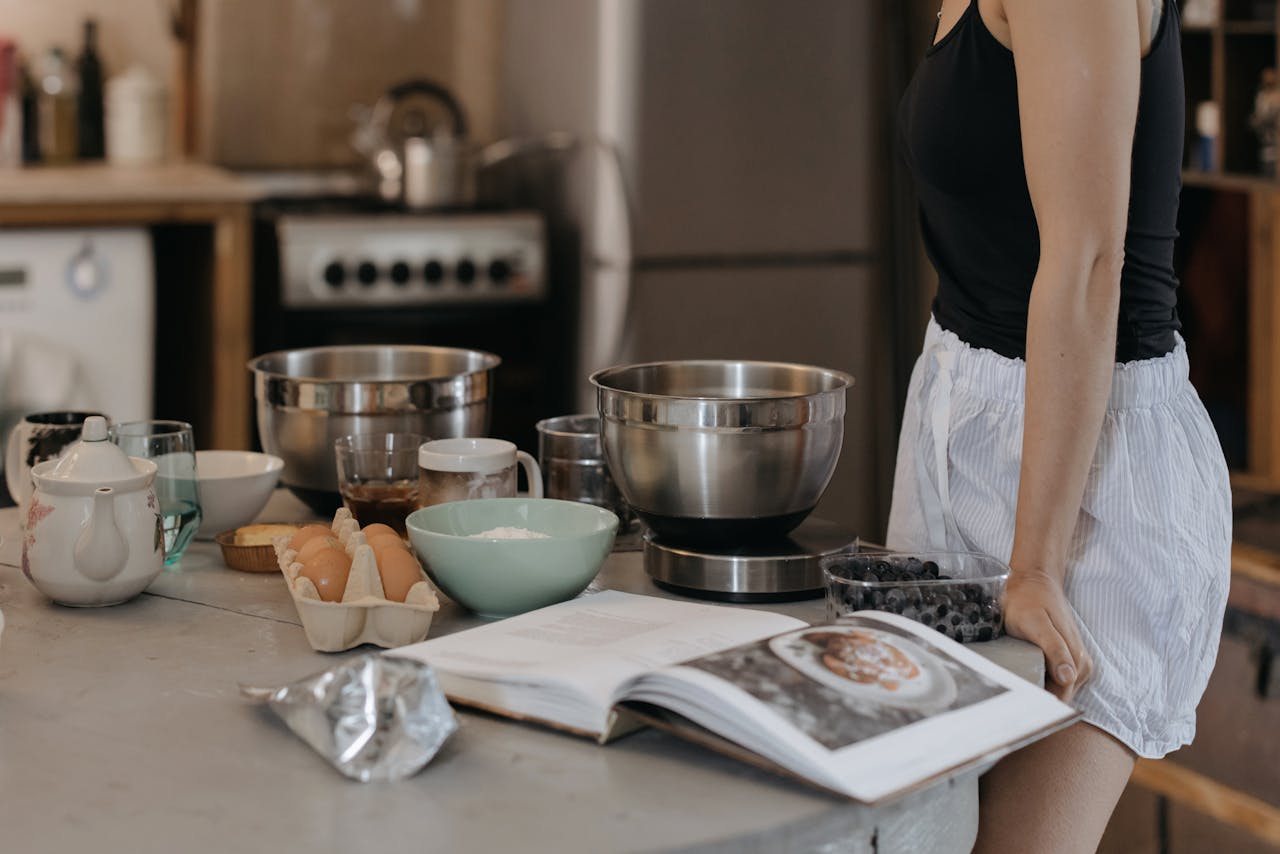
Following a recipe precisely was treated as virtue in an era that prized standardized measurements. Home economics classes reinforced exact steps, correct methods, and the idea that success comes from obedience. Level teaspoons and timed ovens became a kind of moral language.
Improvisation could be framed as risky or sloppy, even when it was the smartest way to use what was on hand. Notes in margins were allowed, but only after the official version was mastered. Substitutions could be judged as carelessness rather than creativity. The irony is that many beloved family dishes were born from adapting, not complying, sometimes.
She Was Expected To Look Cheerful While Doing It All
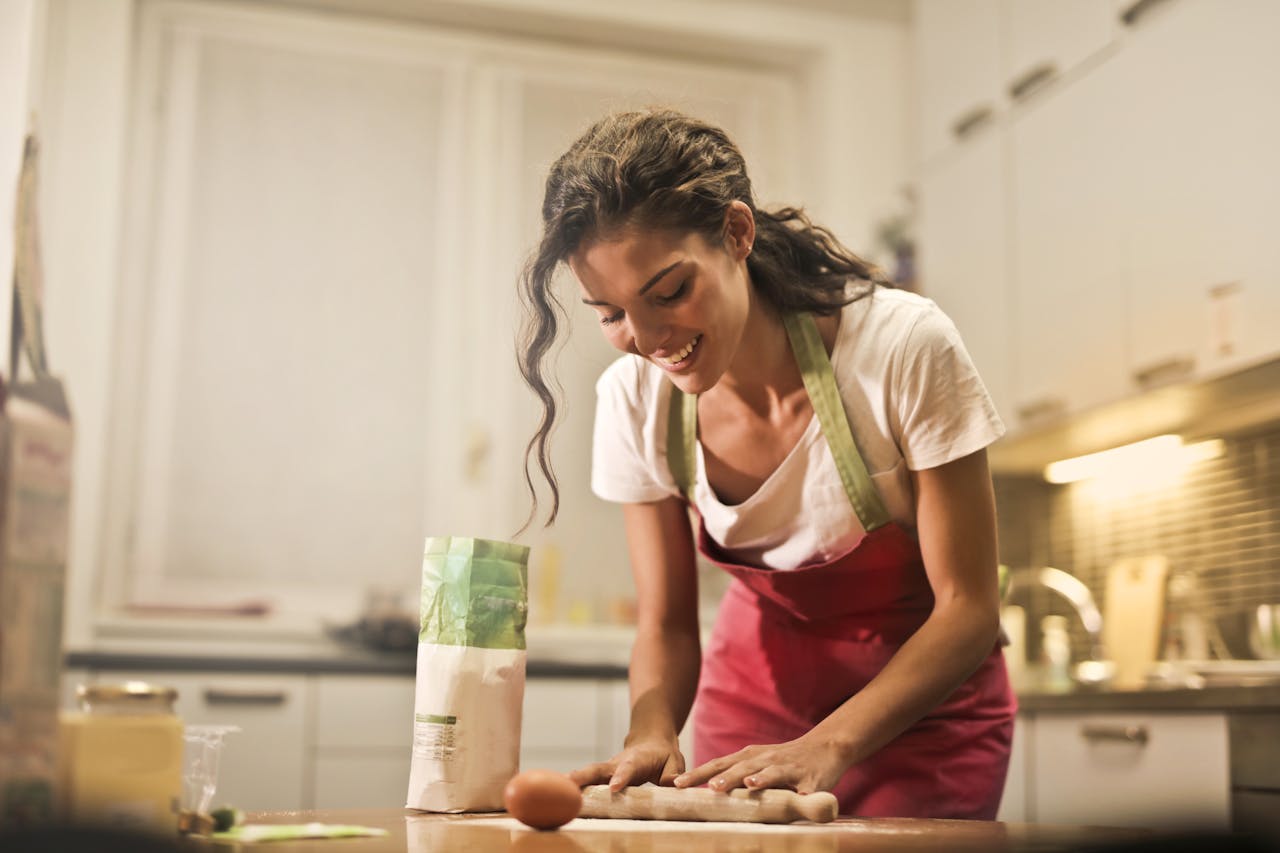
Even the cook’s appearance could be policed. Advertisements and TV images suggested tidy hair, a clean dress, and a pleasant mood while chopping, frying, and washing up. Aprons were meant to look cute, not protective.
It turned labor into performance, as if fatigue was a character flaw instead of a normal response to nonstop work. A burned roast was bad, but looking stressed could be treated as worse. Smells, sweat, and frustration were supposed to vanish before anyone noticed. The absurd part is not caring about cleanliness; it is the demand that a woman look unbothered while running the whole show from morning to night.