The 1950s treated travel as a ritual. Tickets were physical, routes were planned on paper, and small courtesies made long days feel orderly instead of frantic. Families leaned on road clubs, hotel desks, and station staff to smooth the rough edges, while travelers carried backup information in notebooks and folders that did not need a signal. Even when plans changed, the trip stayed legible, with fewer loose ends and fewer surprises turning into emergencies. Many of those habits faded as travel became faster and more app-dependent, but the underlying logic still works. The result was more time for scenery, conversation, and unplanned stops.
Carry A Ticket Jacket Travel Folder

Air travelers in the 1950s kept boarding coupons, baggage stubs, hotel addresses, and timetables inside a ticket jacket, so nothing floated loose in a pocket. That paper bundle reduced stress at counters and gates because every proof lived in one place, ready to show without digging. A modern revival is one slim folder for IDs, printed confirmations, lounge receipts, luggage photos, and emergency contacts, plus a pen and a blank note card for writing down a rebooked flight, a taxi plate, or a room number when the phone battery is dying. The folder stays in the same bag pocket, always. For sanity.
Request A TripTik-Style Route Plan
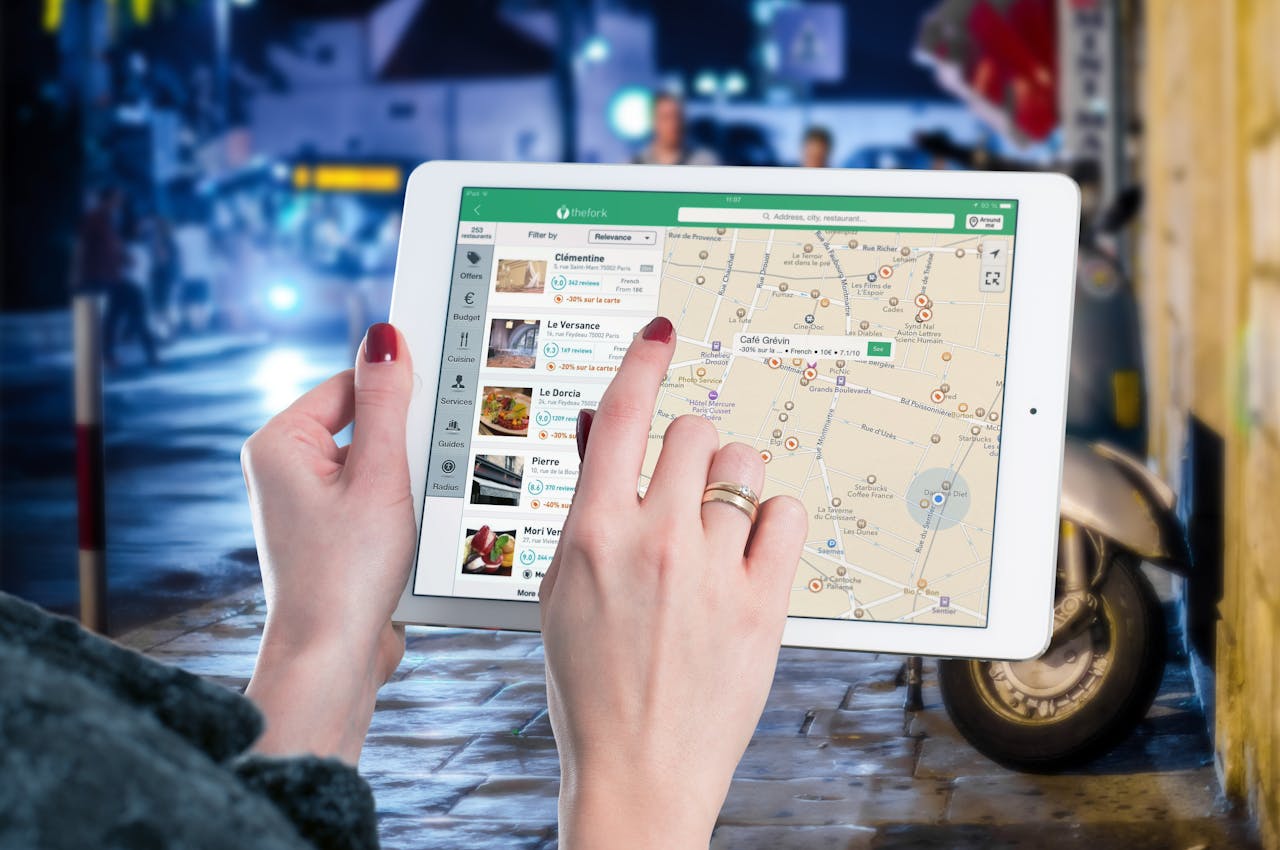
Road trips felt calmer when the route lived on paper, and AAA TripTiks broke long drives into page-by-page turns, mile notes, and sensible stop ideas. It kept detours from becoming arguments because the next decision stayed visible, not buried in a weak signal. The modern version is a printed booklet with key exits, fuel stops, scenic alternates, motel addresses, and backup roads, plus notes for rest areas, charging points, and a fallback town if weather closes a pass, so any passenger can navigate when the driver is tired. A quick glance replaces endless rerouting loops. It keeps the trip steady offline.
Split Money Like It Matters

Midcentury travelers did not bet everything on one wallet, dividing cash and leaning on replaceable travelers cheques to avoid a total wipeout after a loss. The updated habit is splitting funds across two cards stored separately, carrying a small envelope of local cash for transit and tips, and keeping a paper list of card numbers and bank phone lines in the travel folder. Add one low-limit card for questionable ATMs, keep the main card for hotels, and stash a spare in luggage, so one hiccup stays small and the day stays intact if a phone dies, a wallet is misplaced, or a bank flags a charge mid-ride.
Use Loud, Simple Luggage Markers
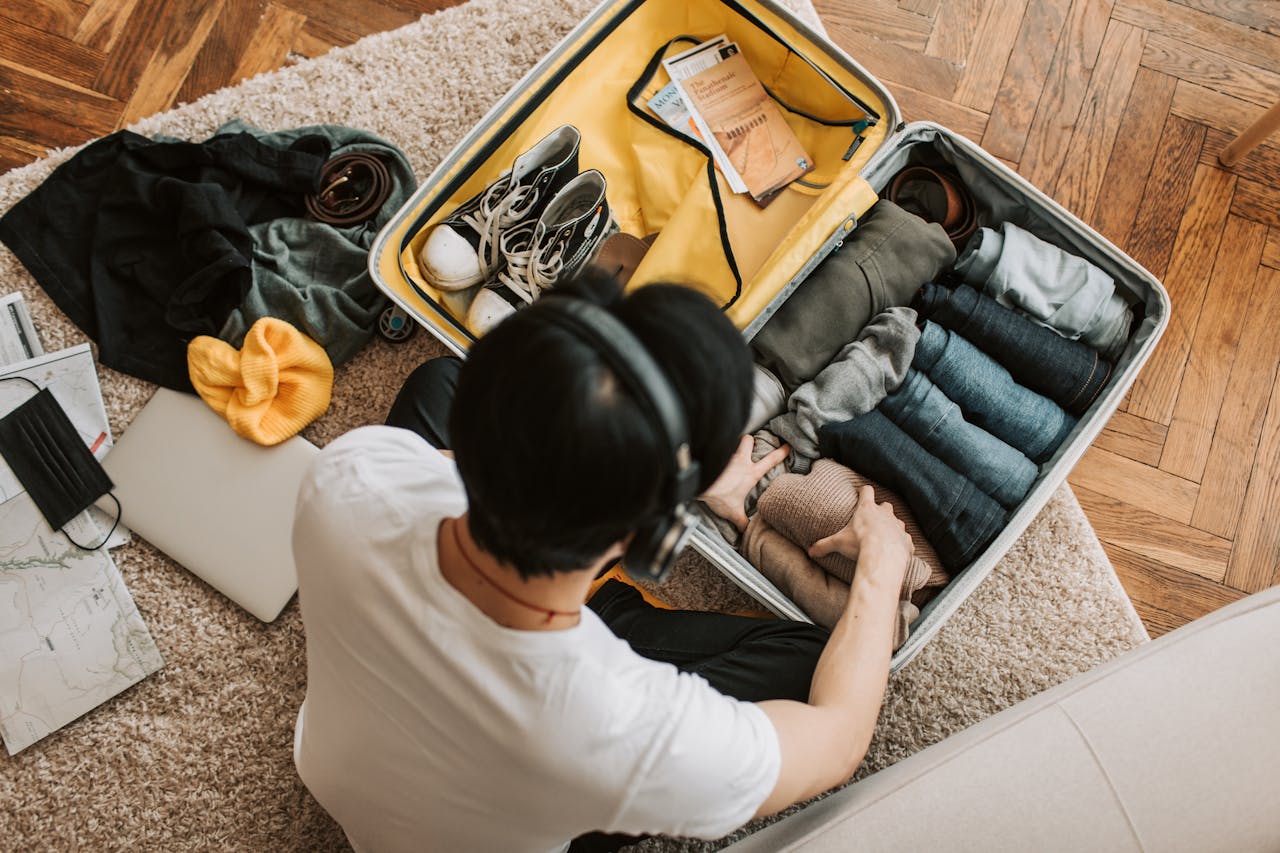
Suitcases in the 1950s were easier to spot because bold tags and hotel stickers made them stand out in a sea of similar cases. That visual clarity prevented swaps and saved minutes when staff had to move bags fast. The modern fix is plain: a high-contrast tag with a phone number and email, a matching card inside the bag, one unmistakable marker like a bright ribbon or handle wrap, and two photos taken before departure that show brand, scuffs, and zipper pulls, so a desk agent can match it quickly while the carousel keeps turning. Add an inside tag with a backup number not a home address, and keep the marker consistent across the set.
Send A Postcard As A Location Receipt
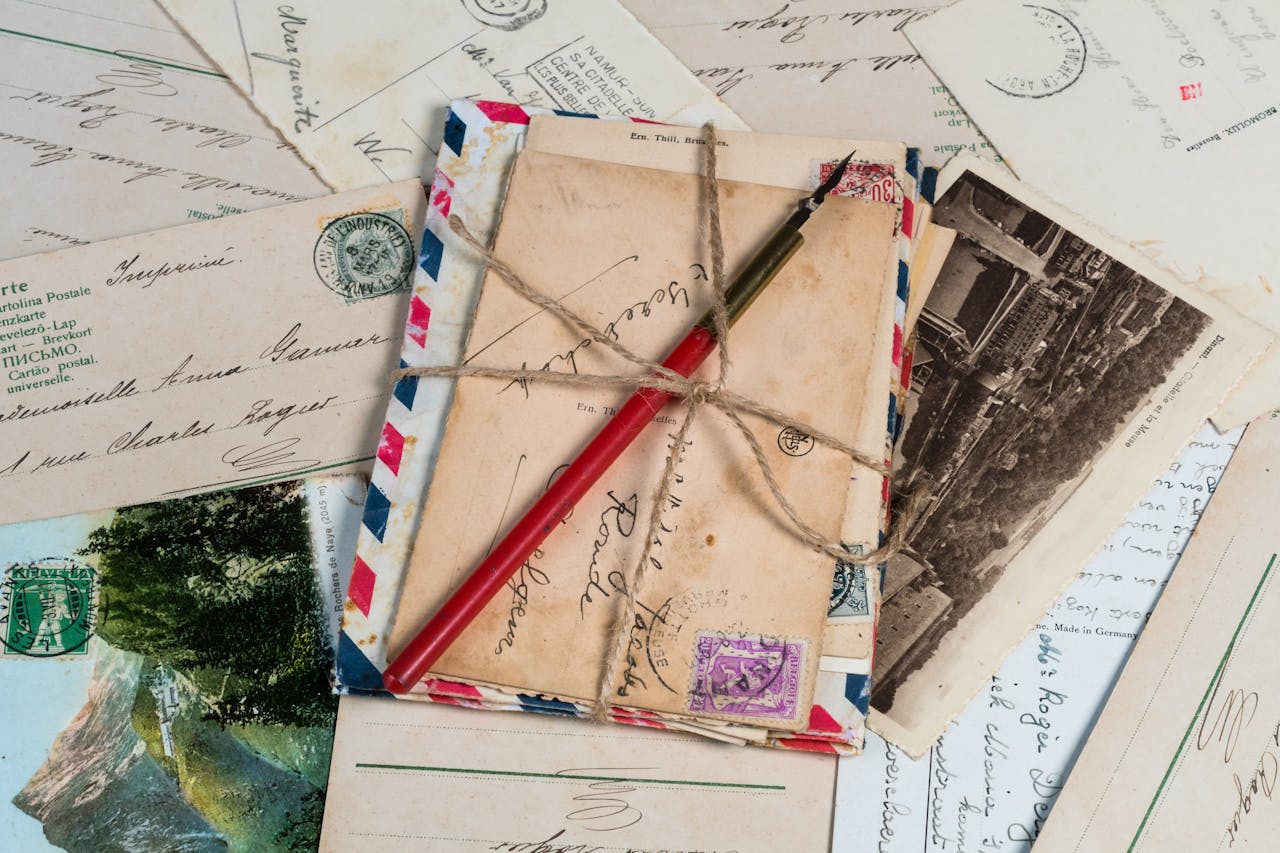
Postcards in the 1950s were more than souvenirs. A short note proved arrival, preserved an address, and stamped a date into the trip’s timeline with almost no effort. Reviving it is practical: one card per stop, written with the hotel name, city, check-in time, and a contact number, creates a paper trail that survives lost phones, broken apps, and vanishing inboxes, and it captures tiny details like a street smell, a café name, or the train that got them there. If mailing feels slow, the card can stay unmailed in the folder, still working as a memory cue and a backup record when plans shift without demanding any screen time at all.
Pack From A Written List, Not A Mood
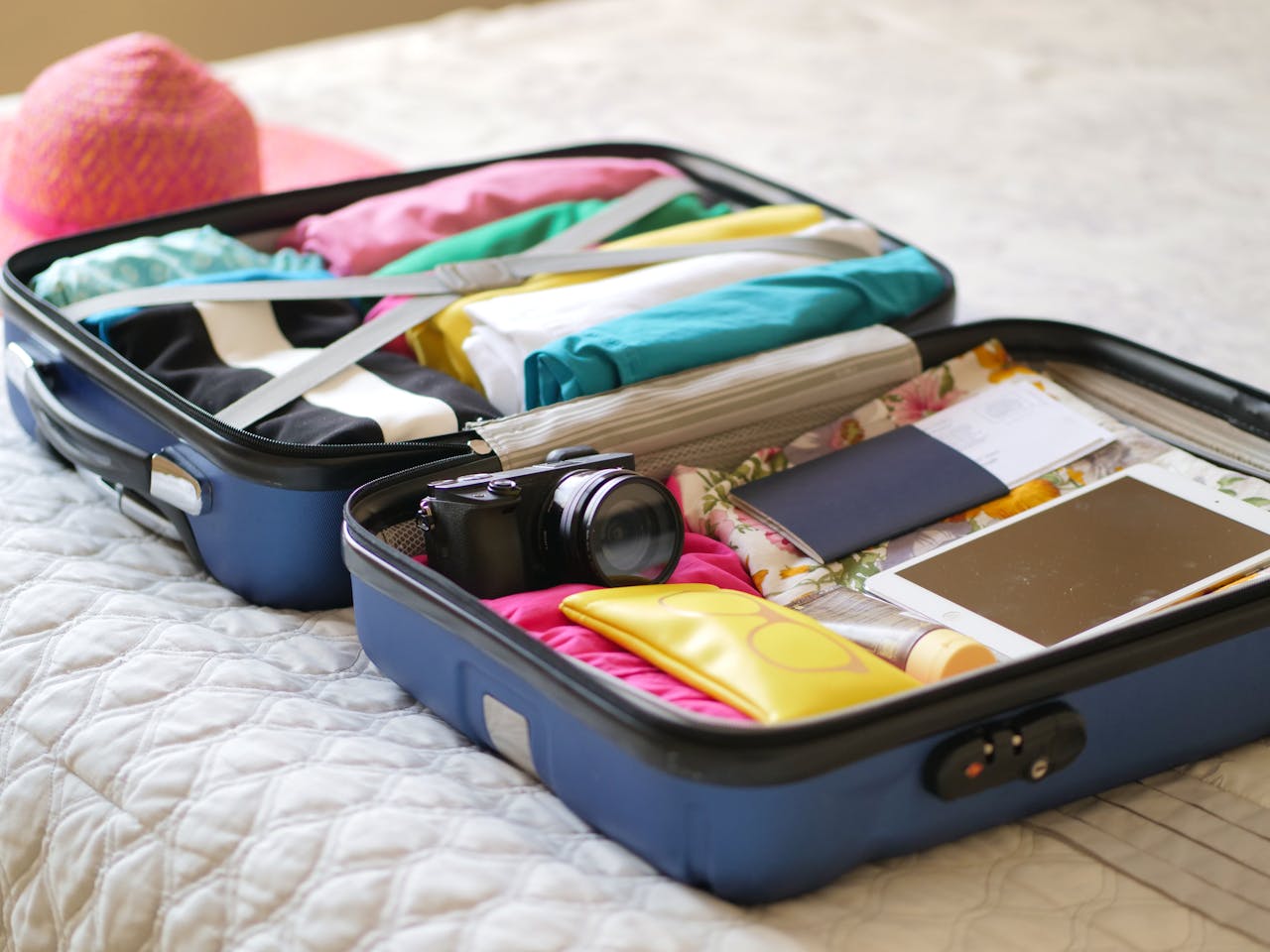
Before packing became a last-minute scramble, many 1950s travelers relied on a written list that matched the trip’s setting, so every item had a job. The list cut overpacking and doubled as a checkout sweep for drawers, shower ledges, and wall outlets. The bring-back version is a reusable checklist built around a small capsule wardrobe, weather layers, one dressy option, and a laundry plan, plus essentials like safety pins, bandages, blister patches, and spare chargers, with a final line for documents and medications, so shopping stays focused on true gaps instead of impulse buys and repacking at checkout takes minutes, not stress.
Hand Off Heavy Bags Early

Stations and grand hotels in the 1950s assumed travelers should not wrestle trunks through crowds. Bags were checked early or handled by porters, leaving only a light carry bag for the day and a calmer walk to the platform. The modern move is using official bag drop, curbside check-in, a bell desk, or staffed storage, then carrying only documents, medicine, chargers, and one change of clothes. That handoff turns delays into waiting instead of hauling and keeps shoulders fresh for the part of travel that matters. The carry bag is packed for 24 hours if the suitcase disappears: toothbrush, underwear, and a clean tee included. Always.
Carry A Pocket Address Book

In the 1950s, key details lived on paper: hotel names, phone numbers, and the next stop’s address, written down before the journey moved on. That habit turned reroutes into a nuisance instead of a disaster because nothing depended on a battery bar or a working login. A pocket notebook can hold lodging info, check-in times, transit lines, a hand-sketched map from the station, and critical numbers for banks or help desks, plus allergies and medication names. Add a short list of must-reach people, reservation codes, and the address written in the local script, so a cab driver or clerk can help even when translation apps fail. Quickly.
Anchor Each Day With One Booking
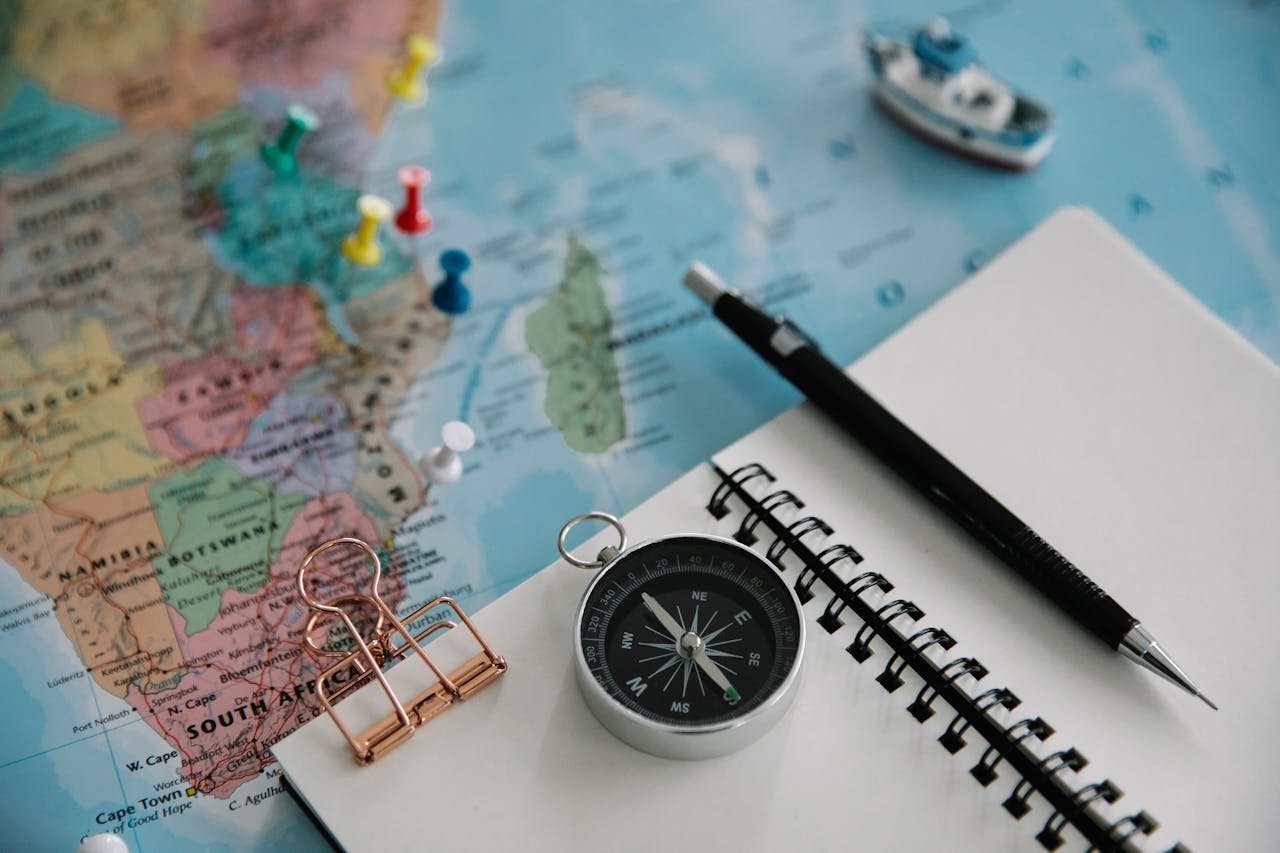
Travel days ran smoother in the 1950s when one fixed point shaped the schedule, like a dining reservation, a tour desk appointment, or a timed museum entry. That anchor reduced decision fatigue because there was always a clear next step, even when delays stole time. Bringing it back means booking one thing per day, then leaving the rest loose, so wandering stays possible without chaos. Choose anchors that naturally reset the day, like a late lunch near the main sight, a sunset boat, or a short guided walk that teaches the layout, then let everything else flow around it, with a simple cutoff time that prevents rushing across town.
Arrive Early And Treat Waiting As Useful

Midcentury airports and stations expected early arrivals, and the extra time worked like insurance against traffic, long lines, and sudden schedule changes. Waiting was not wasted; it was a buffer that kept small problems from becoming emergencies. Reviving that approach means adding deliberate margin, then using it well: eat before boarding, refill water, charge devices, double-check documents, and write the next step on paper. Use the spare minutes to confirm platform numbers, locate restrooms, and set a meeting spot, so the trip starts with composure and stays that way when announcements get messy even on crowded holiday weekends