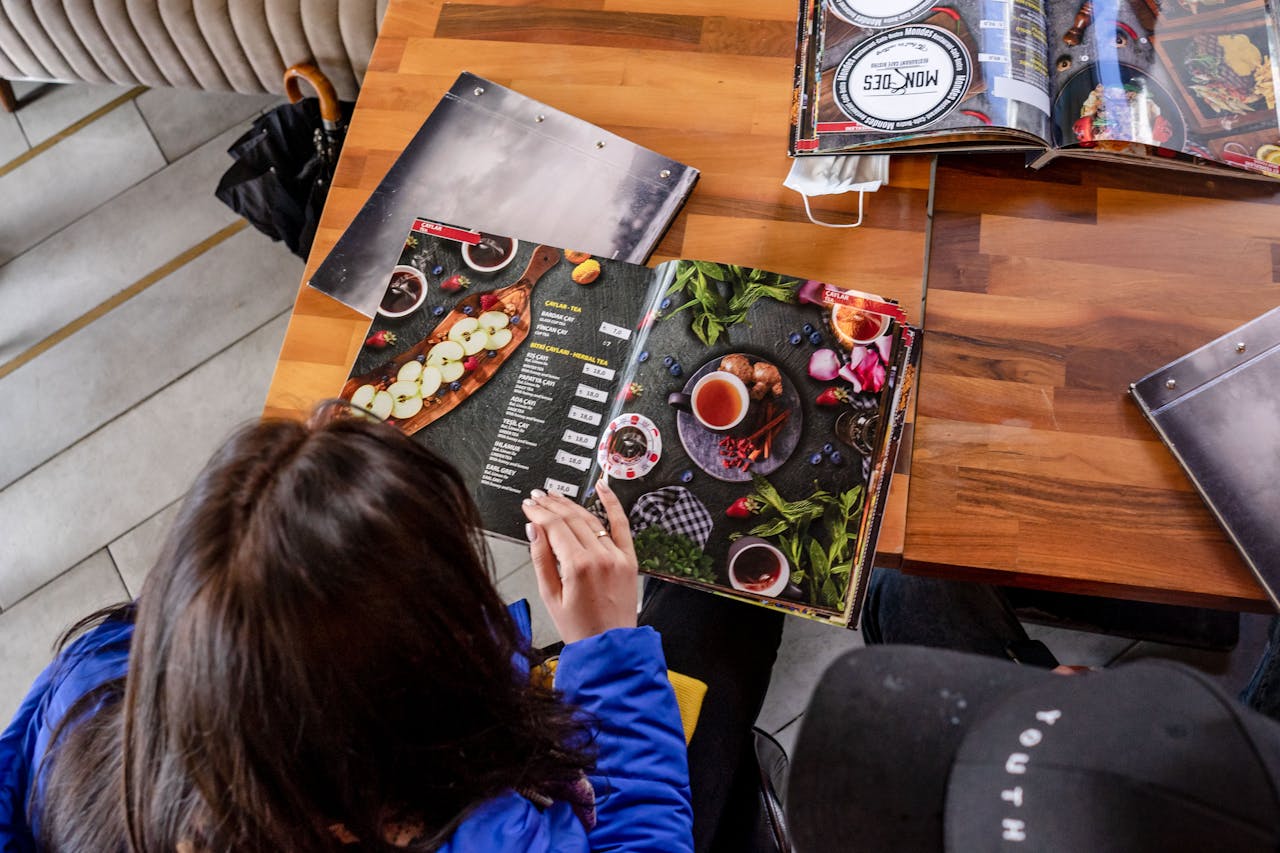
Menus can read like poetry, but they are also sales tools, and a few polished words can steer expectations fast. Some phrases are real culinary terms. Others are flexible labels that change meaning from one kitchen to the next, depending on prep, suppliers, and the kind of night it is. That gap is where disappointment begins: a diner imagines one plate, and something else arrives. Learning the common menu code keeps ordering calm, and it helps diners ask the right follow-ups without feeling fussy.
Chef’s Choice
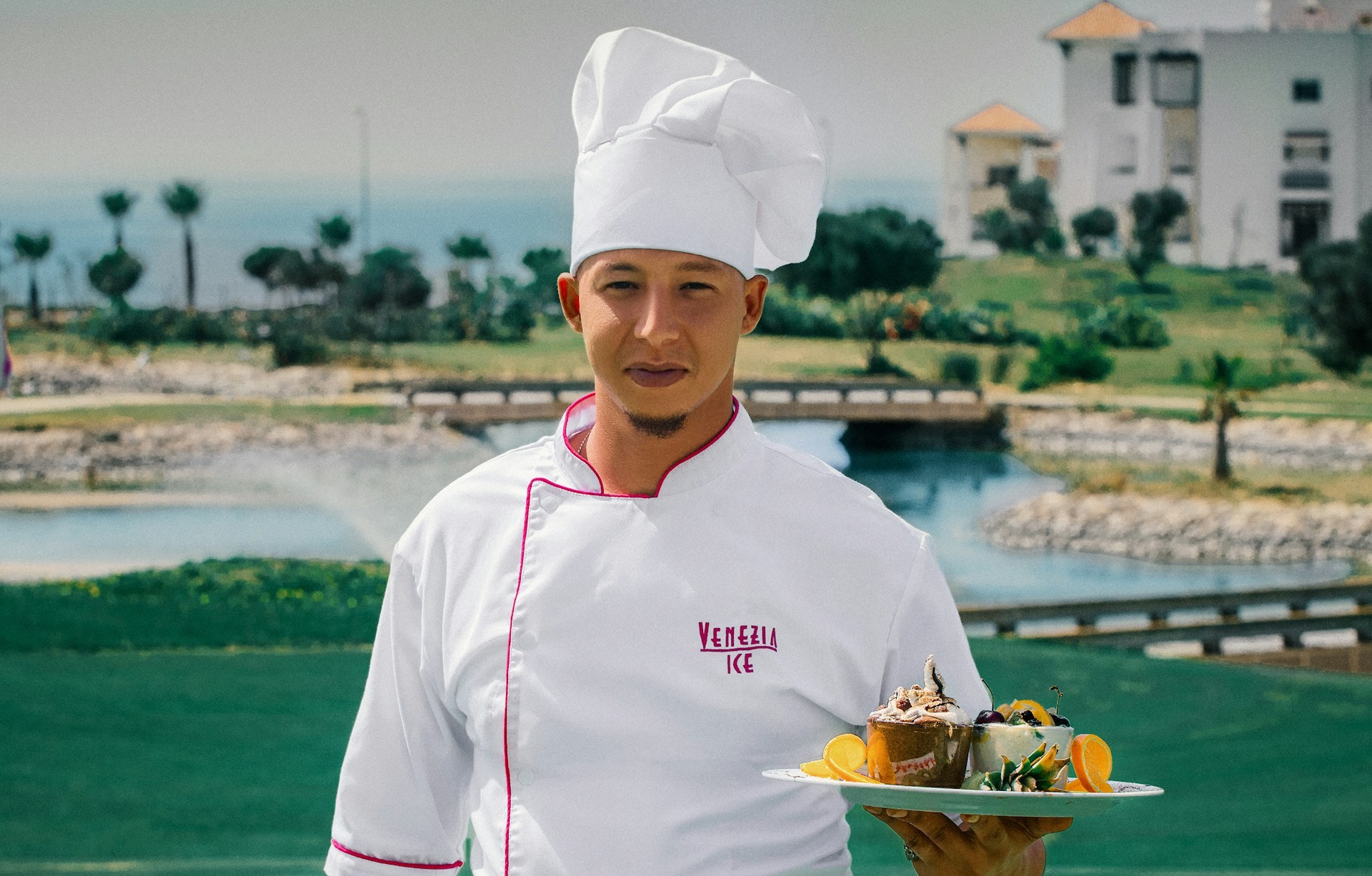
On the page, Chef’s choice sounds like a personal favor, but it often means the kitchen wants freedom to use what is prepped, abundant, or at its best that day. On a slow service it can be a thoughtful off-menu plate a cook is proud of; on a packed service it may be the fastest path to a complete ticket. The smart translation is simple: it is a surprise within boundaries. Staff should name the main protein, how it will be cooked, the dominant flavors, the spice level, and what sides are included, so the reveal stays pleasant, fair-priced, and predictable. Allergies and dislikes should be checked before the order is locked.
Market Price

Market price sounds like freshness, yet it usually means the cost changes too often to print, or the restaurant prefers not to show a number that could slow orders on a busy night. For lobster, oysters, and seasonal fish, the swing can be real, but the phrase can also hide a surprisingly high total until the check arrives. The clear alternative is upfront pricing: staff should state the exact cost before the order is confirmed, specify whether it is per piece or per pound, and mention any add-ons or required sides. That keeps the choice confident, not awkward. It matters most when the dish is meant to share and portions vary.
Artisanal

Artisanal suggests small-batch care, but it is not a protected term, so it can describe everything from a local bakery loaf to a par-baked roll finished in an oven. The word often signals a rustic vibe and a higher price, not a specific method, and it gets attached to bread, cheese, chocolate, charcuterie, even sauces. The useful signal is detail: a named producer, a region, a fermentation time, or a technique such as hand-rolled pasta or stone-milled flour. When a menu explains the why and the flavor, the label stops being decoration and starts being information. If those specifics are missing, it is safer to read it as branding.
House-Made

House-made can be a real upgrade, but it does not always mean from scratch from the first ingredient. A dressing might start with a base, get adjusted in-house, and still earn the label, while a true scratch version might be emulsified, seasoned, and rested on site for cleaner flavor. The phrase is most trustworthy when it comes with a verb: baked daily, fermented here, ground in-house, or smoked on site. Those clues set expectations about texture and freshness, and they explain the price without forcing diners to guess how much work actually happened in the kitchen. A server should be able to say what was made that day and what was sourced.
Fresh

Fresh sounds like a guarantee, but it can mean never frozen, made today, or simply not canned, depending on the ingredient and the restaurant. Some kitchens use it for items delivered daily; others use it for anything that is not shelf-stable, which makes the word less helpful when two dishes look similar on paper. Better menus describe handling and timing: cut daily, shucked to order, made to order, stored on ice, or delivered this morning. Those specifics predict texture, brightness, and aroma far more reliably than a comforting adjective. The same is true for fresh pasta or fresh juice, where timing matters more than the word.
Hand-Cut
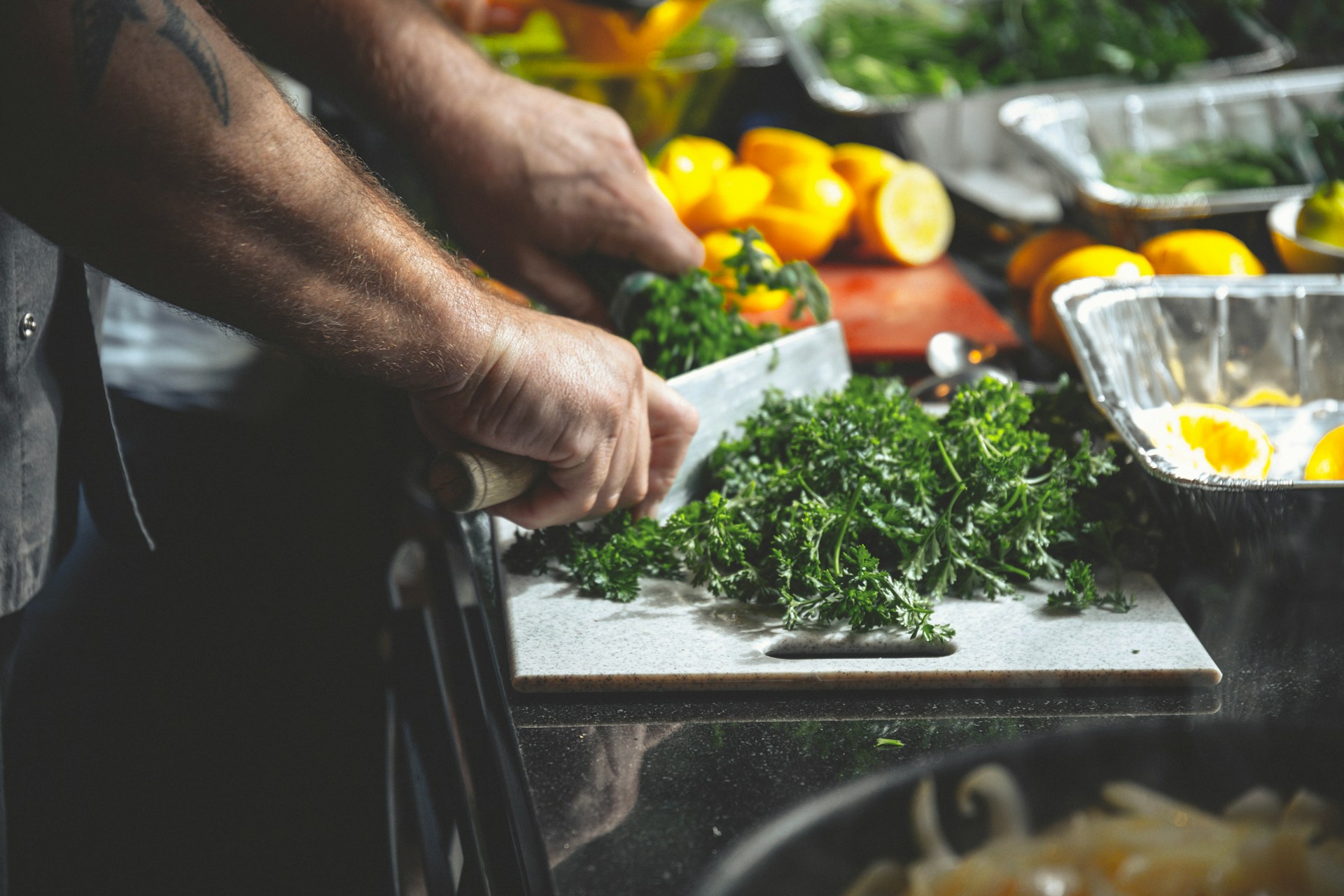
Hand-cut suggests care, but it mostly describes shape, not sourcing, and it can appear on fries, vegetables, and even meat without telling much about quality. Fries can be hand-cut from great potatoes or from a bargain sack, and a hand-cut salad can still be dull if the dressing is flat. What helps is context: potato variety, thickness, the oil used, and whether the batch is cooked to order. For steak, the cut name, aging, and doneness guidance matter more than whether a knife touched it. Good menus trade romance for details that predict crispness and tenderness. Even a simple note like double-fried or shoestring sets expectations.
Signature
Signature makes a dish sound legendary, but it often means the restaurant wants it to feel essential, not that it has been refined for years. Sometimes it is a true house classic; other times it is the item that sells best, photographs well, and carries a strong margin. The translation is to look for proof: a named sauce, a specific spice blend, a technique that takes time, or a story staff can explain without hesitating. When the kitchen can describe what makes it theirs and how it should taste, signature starts to mean something more than a headline. Consistency is the tell, especially when regulars order it every visit.
Seasonal
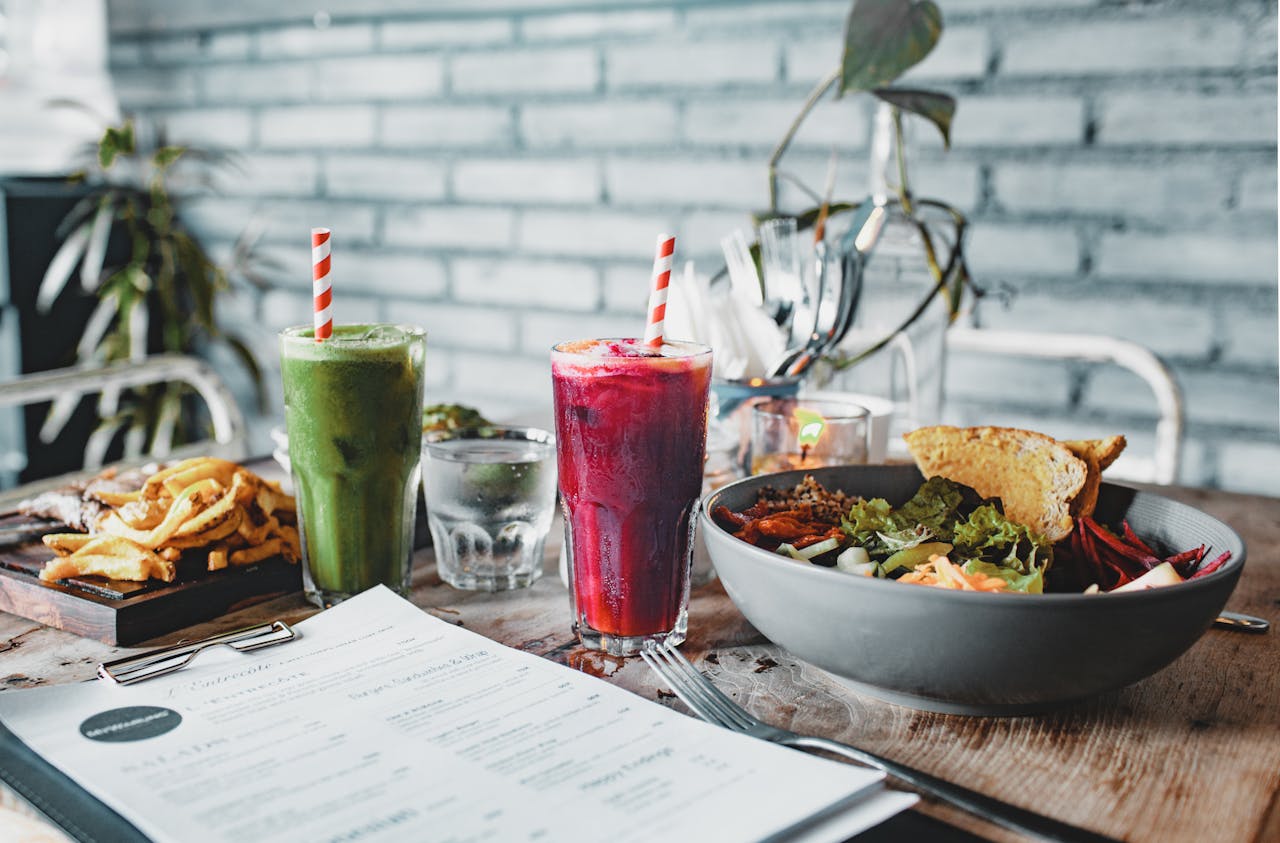
Seasonal can mean peak produce, but it can also mean a rotating garnish on the same base dish, used to signal change without rewriting the menu every week. Since supply shifts fast, the word becomes a flexible promise that covers everything from true harvest cooking to minor tweaks, like swapping herbs or changing a puree. The helpful version names the anchor ingredient, such as persimmons, winter citrus, ramps, or local mushrooms, and explains the preparation. When the season shows up in the main flavor, not just on top, the term earns its place. Staff should also mention what may change if that ingredient is unavailable that day.
Deconstructed
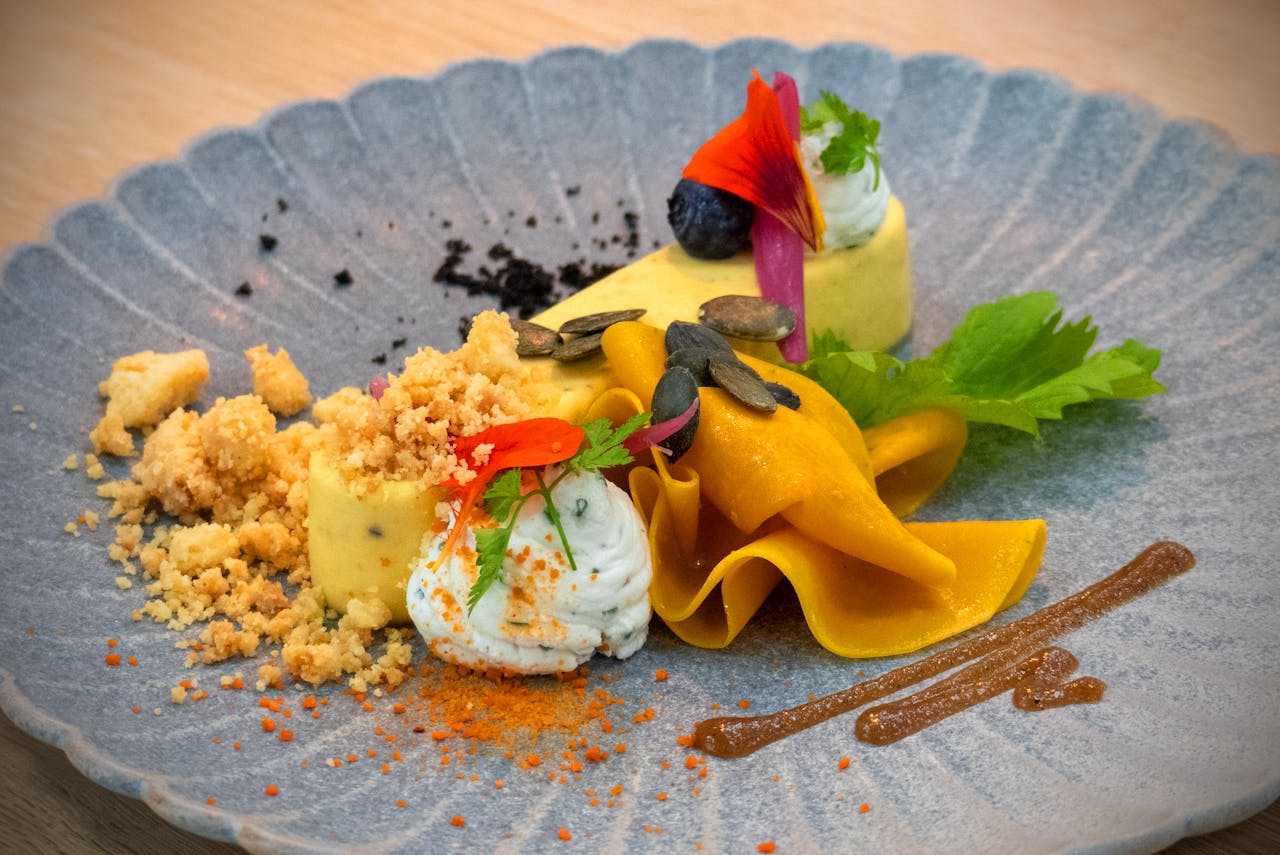
Deconstructed sounds modern, but it usually means the dish arrives as separate parts instead of one assembled bite. That can be thoughtful, keeping textures crisp and temperatures distinct, or it can feel like the table is doing the final mixing while a hot component cools. The translation is to ask what is separated and why: dressing on the side, a sauce served apart, or a crunchy element kept dry until the last second. When the format protects contrast, it works. When it is just scatter plating, the same ingredients would often taste better built together. A quick note from the server helps, especially if it is meant to share.
Farm-To-Table
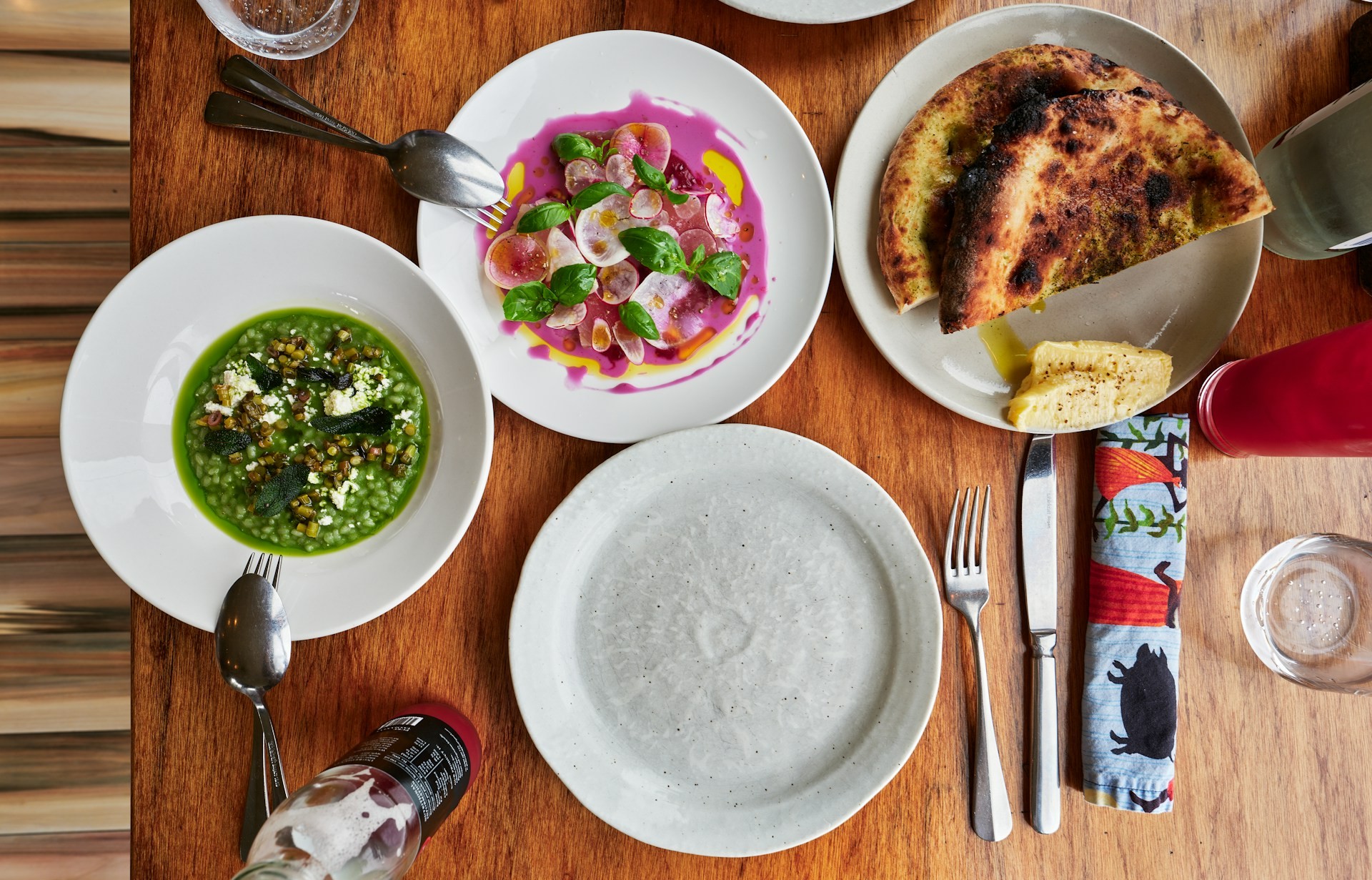
Farm-to-table suggests a direct path from field to plate, but in practice it covers a wide range, from close partnerships to standard distribution. One restaurant may buy daily from named farms; another may order through a broad supplier and still use the phrase because it sounds wholesome. The reliable signal is transparency: farm names, regions, a weekly producer board, and dishes that truly change with harvest. When staff can point to what is local right now and what is not, the slogan becomes a promise diners can picture, not just a mood. It also helps when menus admit limits, like citrus in winter or seafood sourced far away.
Drizzle
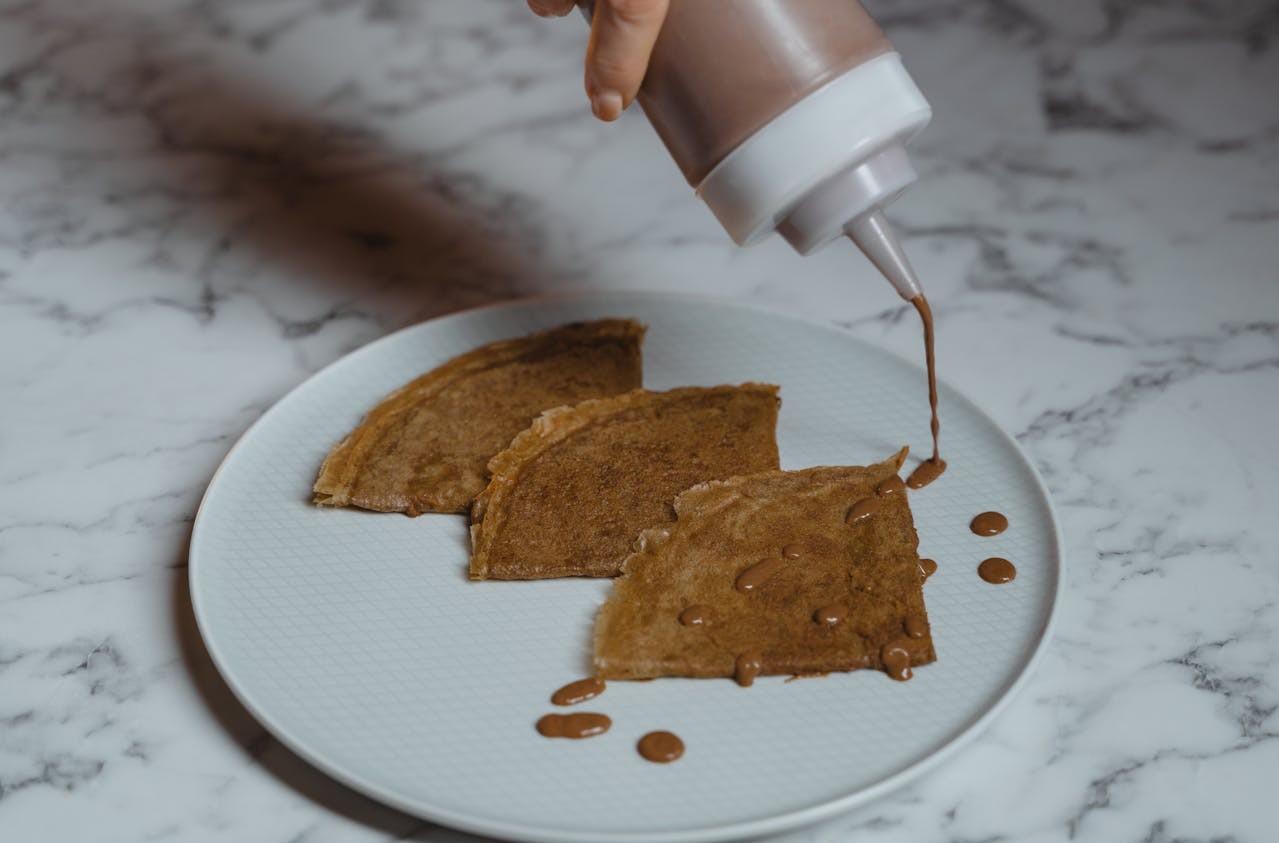
A drizzle sounds delicate, but it often means a finishing sauce added for shine, sweetness, or a photo-friendly pattern, and the amount can vary from subtle to overwhelming. Sometimes it lifts a dish with acid or heat; sometimes it pushes everything toward one note, especially on salads, flatbreads, and desserts where sugar can take over. The better translation is to look for a named sauce and its vibe: chile honey, tahini, lemon oil, or balsamic reduction, plus a quick note on sweetness or spice. That tells diners whether the finish will brighten the plate or dominate it. If unsure, it can be served on the side.