
A home cook can follow a recipe perfectly and still feel betrayed by the result. Often the culprit is not talent, but folklore passed down like kitchen law: a trick shared at holidays, a rule repeated on TV, a shortcut that sounds scientific because someone once said it with confidence. Chefs learn fast that food is physics, timing, and taste, not superstition. When myths run the show, ingredients get blamed, confidence drops, and good meals feel harder than they need to be. The good news is that most fixes are simple and calming: steady heat, smarter seasoning, and patience at the right moment.
Searing Locks In Juices

The story says a ripping sear seals steak like a vault, trapping every drop inside. Reality is tastier and simpler: searing builds a browned crust through Maillard reactions, while juiciness depends on stopping at the right internal temperature and avoiding a dry, overcooked center. Chefs dry the surface, preheat the pan until it shimmers, and sear for flavor, then finish gently if the cut is thick, use a thermometer when needed, rest five to 10 minutes for carryover heat to settle, and slice against the grain so the meat tastes lush and the board stays mostly dry, with juices reabsorbed instead of wasted in one clean cut.
Salting Early Dries Meat Out
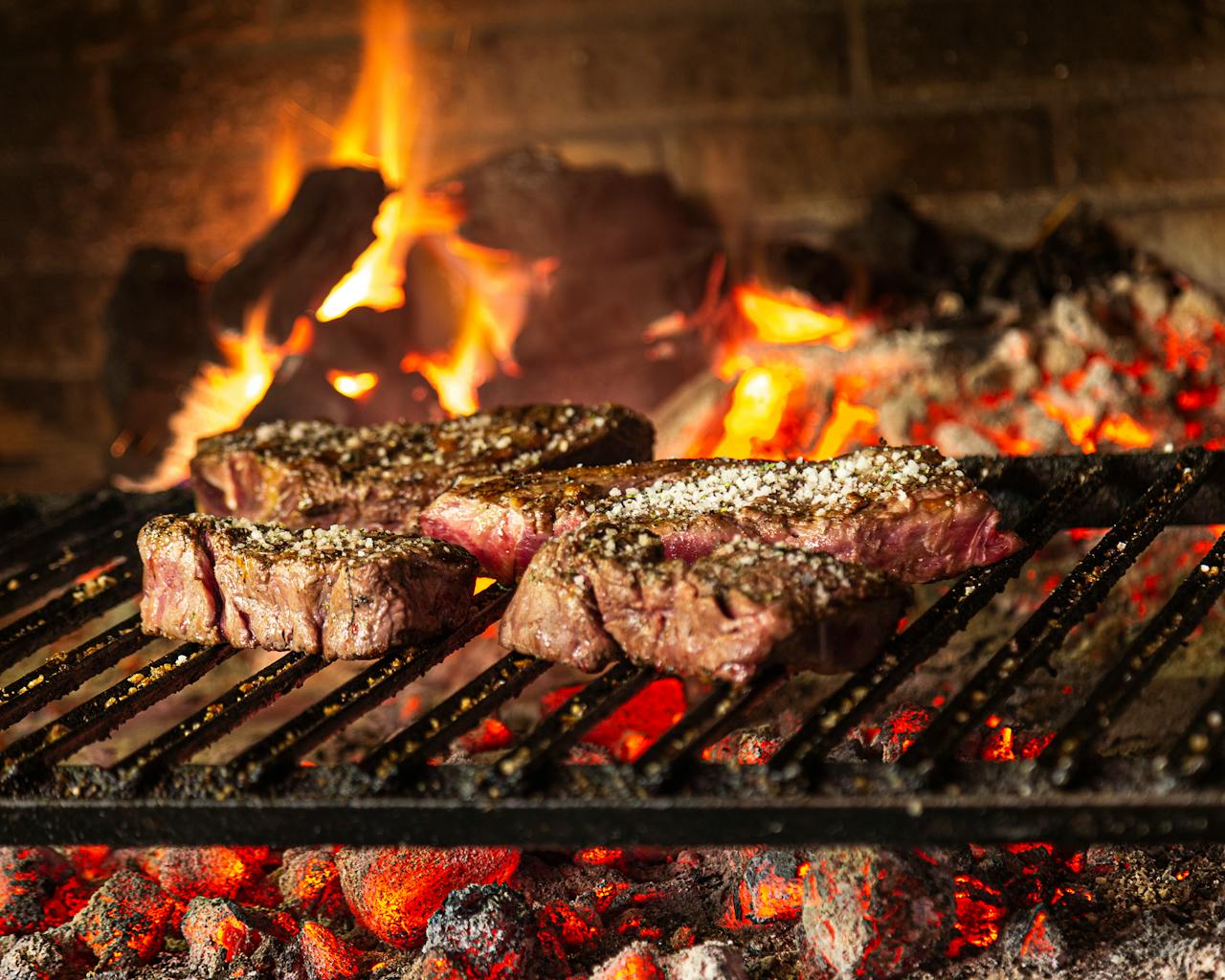
Early salting looks scary because moisture beads up fast, and it feels like the meat is being drained before cooking even starts. Given time, that salty liquid dissolves proteins, then gets pulled back in, seasoning deeper and helping the meat hold onto moisture as it heats, which can mean a tender bite instead of a tough, gray chew. Chefs use this as a quiet advantage: a dry brine on a rack in the fridge, often overnight for poultry, dries the skin for real crackle, improves browning, and seasons past the surface, so each slice tastes balanced from edge to center rather than bland, patchy, or salty only on the first chew.
Oil In Pasta Water Prevents Sticking
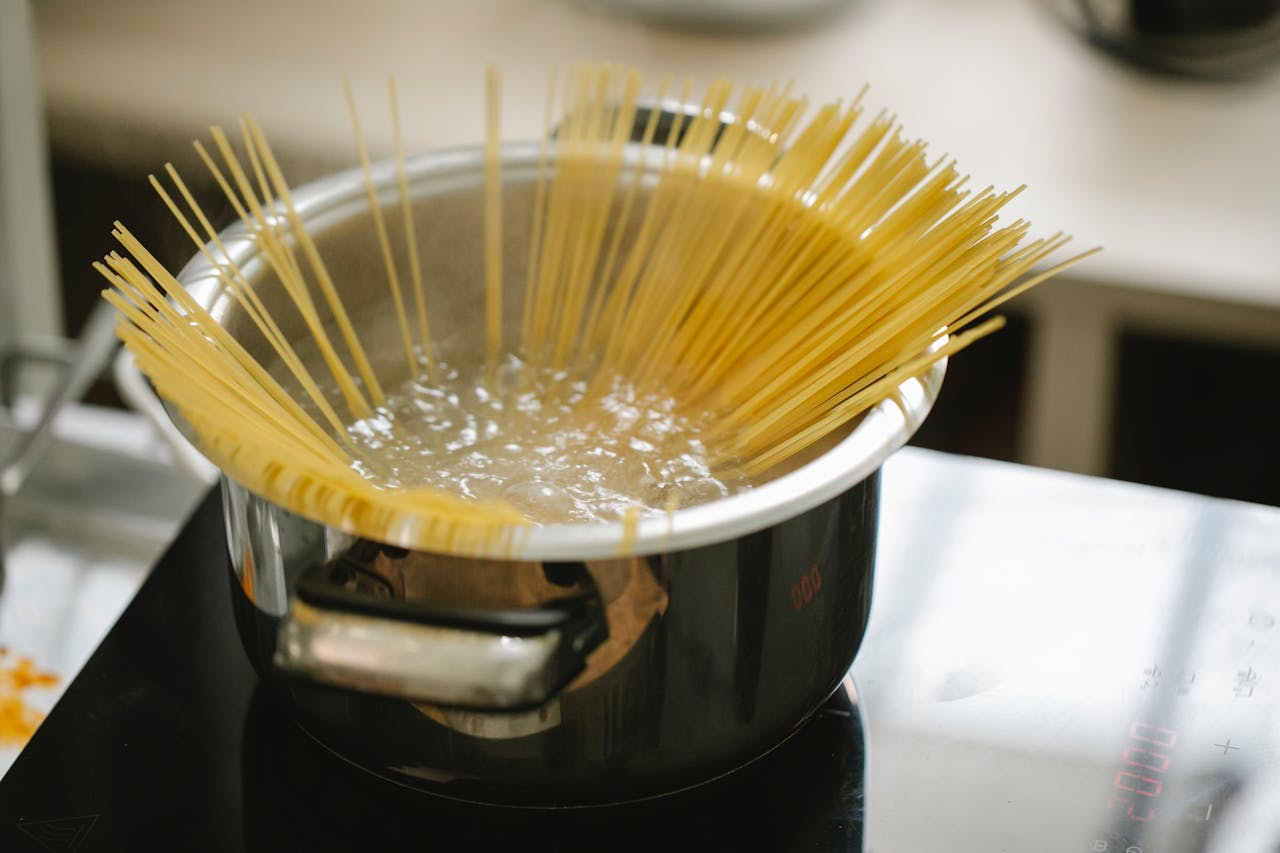
A slick of oil in boiling pasta water feels like smart insurance, but it mostly floats on top, perfumes the pot, and never coats the noodles in any useful way. Sticking usually comes from timing: not stirring in the first minute when starch blooms, using too little water so the boil turns starchy, or letting pasta sit in a colander until it cools and turns tacky. Chefs skip the oil because it can make sauce slide off later and dull that clingy finish; they stir early, reserve starchy water, and finish pasta in the sauce pan until the noodles drink in flavor and the bowl looks glossy, tight, and restaurant level at the end.
Rinsing Pasta Is Always Right

Rinsing hot pasta under cold water seems tidy, as if extra starch is always a flaw that needs to be scrubbed away. In most warm dishes, that starch is the glue that thickens sauce and helps it cling, which is why many kitchens treat pasta water like an ingredient, not waste, especially in simple butter, cheese, or tomato sauces. Chefs rinse only when the goal is to stop cooking fast or keep noodles loose for a cold salad; otherwise they drain at true al dente, move straight to the pan, and toss with a splash of pasta water until the coating turns silky, clings to every curve, and the flavors feel knitted together without extra fuss.
Flip Steak Only Once
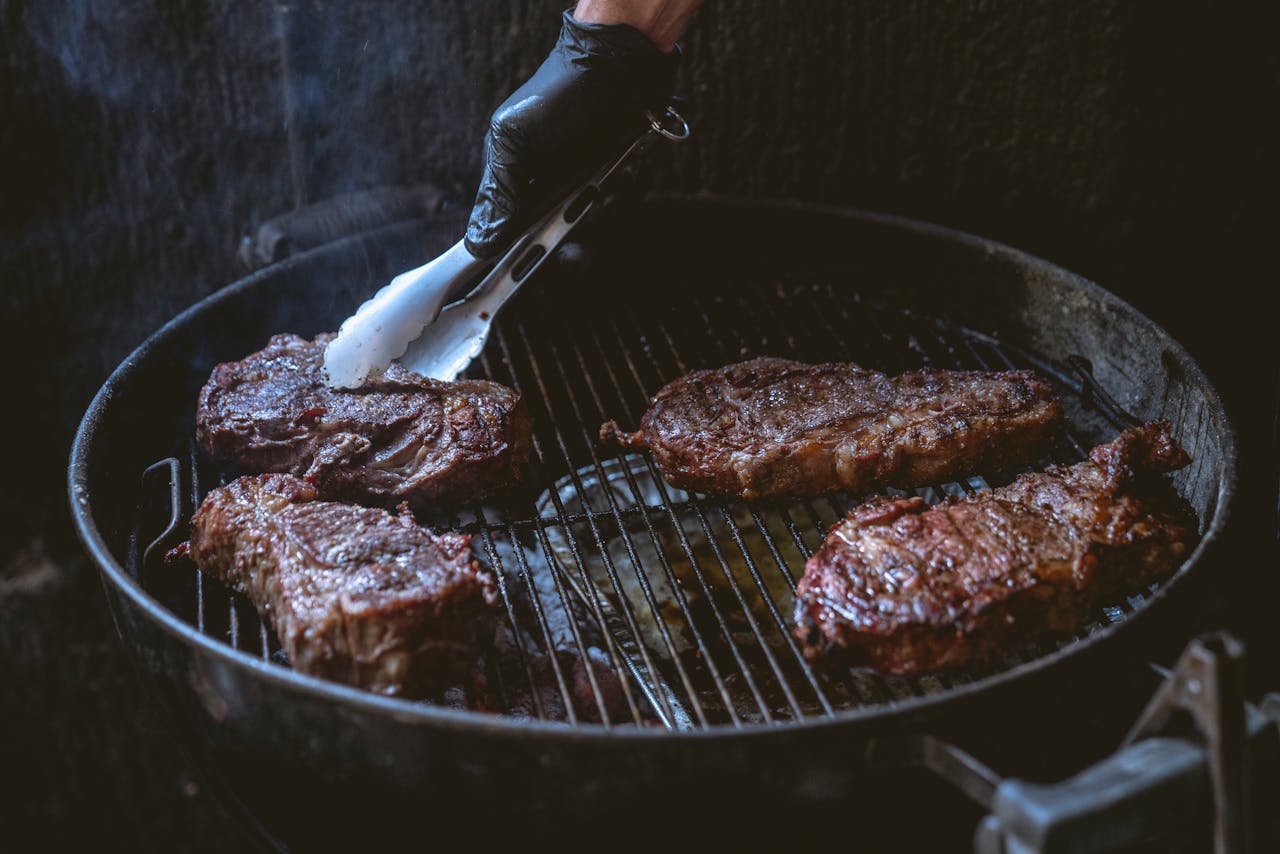
The one flip rule gets taught like a rite of passage, as if a second turn will ruin the crust and drain the juices. In practice, more frequent flipping can cook more evenly, reducing the thick gray band that forms when one side takes all the heat for too long, especially on a grill with hot and cool spots. Chefs watch color and temperature, turning as needed and basting with butter and aromatics, which keeps the surface from scorching, tames flare ups, and helps fat render slowly at the edge, leading to a crisp exterior, a more even pink center, and a cleaner rest so slices stay tender and bright, with less guesswork at the table.
Meat Must Be Room Temperature Before Cooking
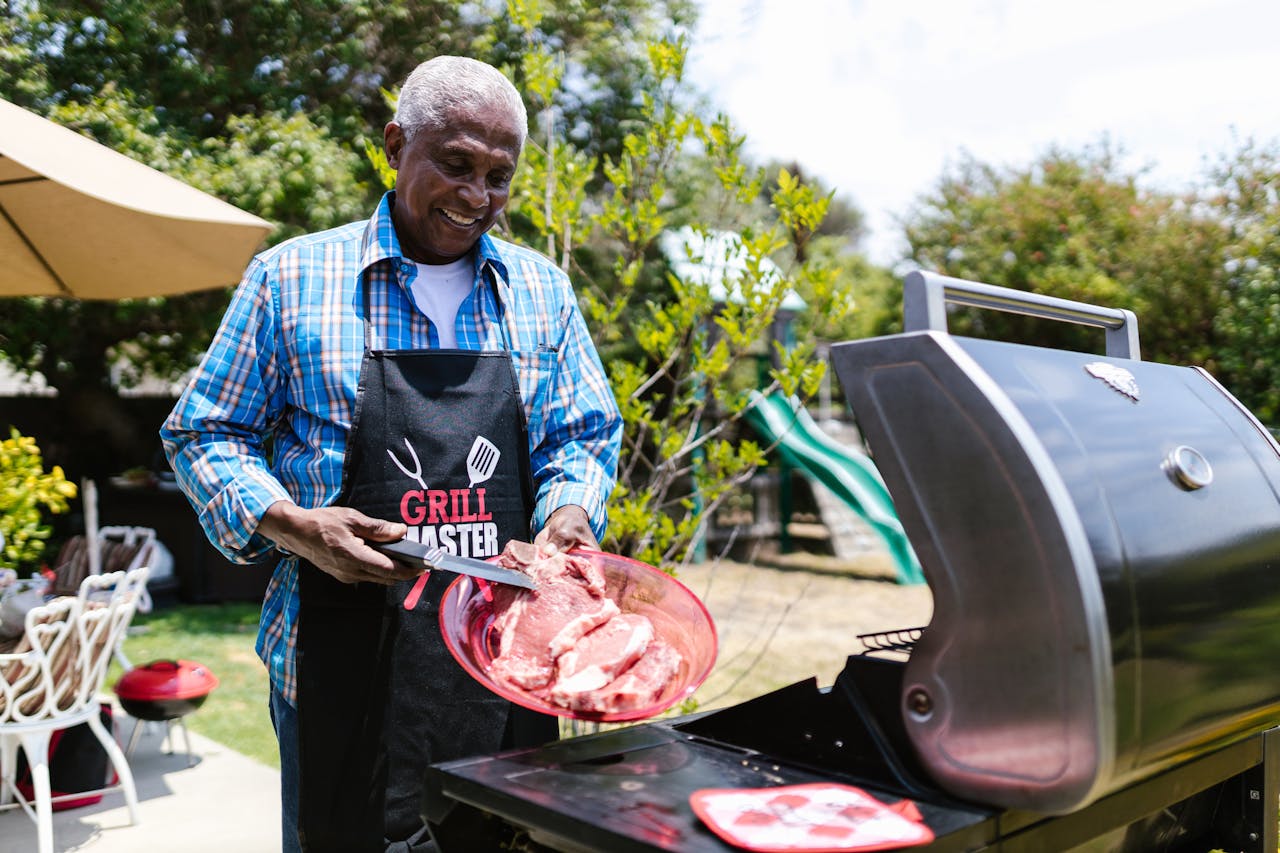
Letting meat sit out until it is room temperature sounds logical, promising even cooking and better browning. For most cuts, the center barely warms in a reasonable time, while the surface spends longer in the risky middle zone that careful cooks try to avoid, especially in warm kitchens. Chefs get the real benefits another way: pat the meat dry, season ahead, and let it sit uncovered in the fridge if time allows, then fully preheat the pan or grill and use a thermometer; for thick steaks and roasts, a hard sear plus a gentler finish beats counter time, and a short rest does the final leveling without gambling on the clock.
Mushrooms Should Never Be Washed
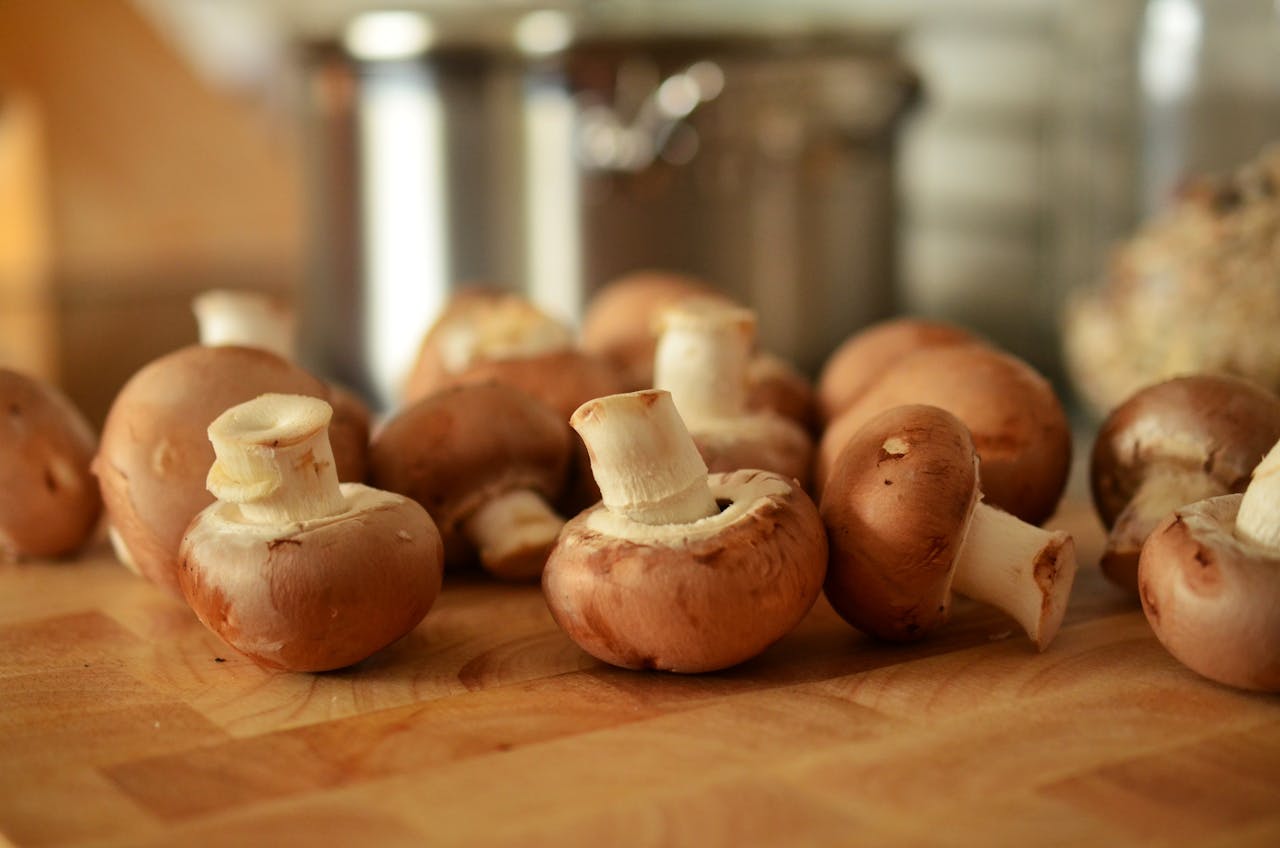
Mushrooms get treated like sponges, so many cooks avoid water and wipe each cap as if it were fragile, one speck of grit at a time. Most mushrooms can handle a quick rinse right before cooking because they do not gulp water in seconds, and any surface moisture burns off fast in a hot pan, leaving the flesh intact. Chefs focus on what actually controls texture: cooking in batches with space for evaporation, using a wide skillet, waiting to salt until browning starts, and letting the edges crisp, because clean mushrooms and good pan spacing deliver that nutty, meaty flavor instead of pale steaminess, even on busy weeknights.
Fresh Is Always Better Than Frozen
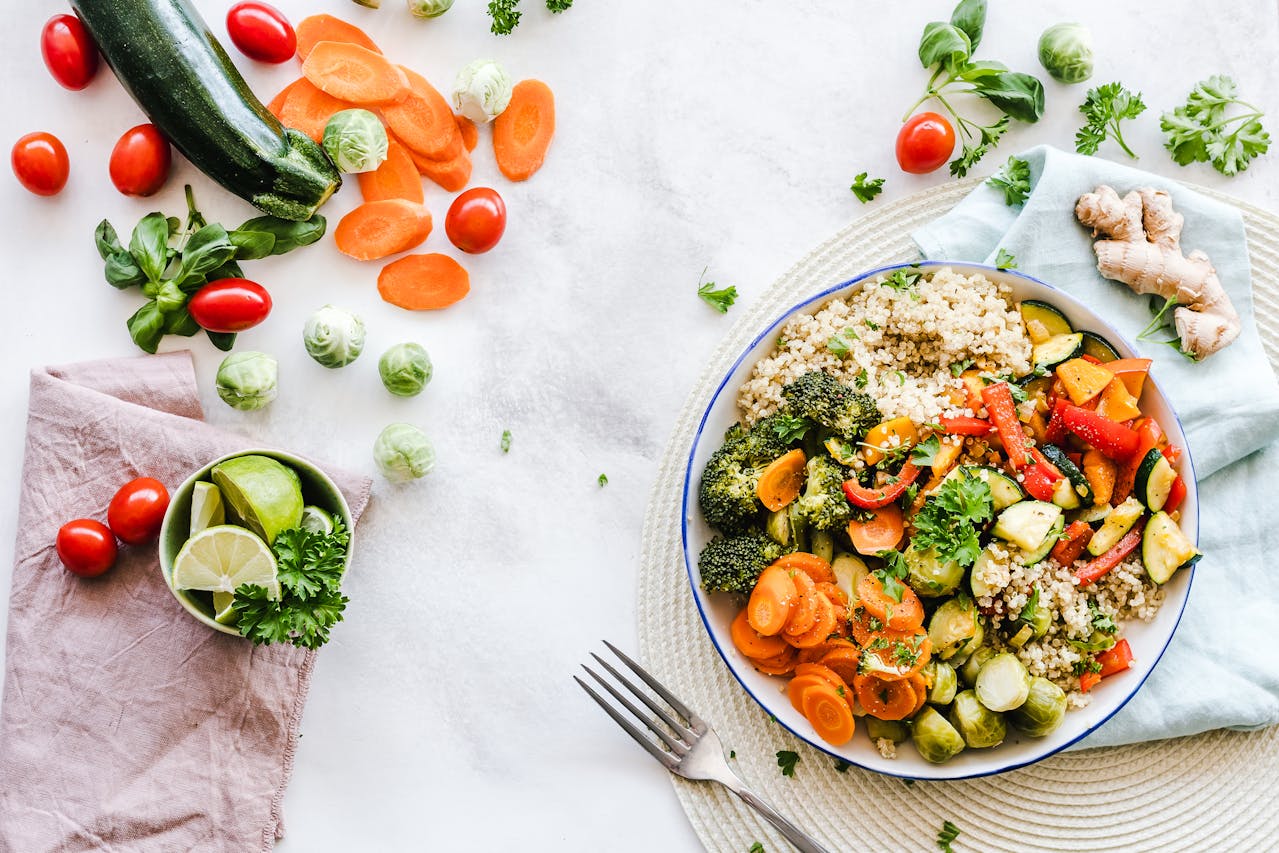
Fresh produce has romance, but it is not a guarantee of quality, especially in winter or far from farms. Many vegetables are picked, shipped, and displayed for days, losing snap and sweetness long before they hit a cutting board, while the price keeps climbing. Frozen peas, spinach, corn, and berries are often processed at peak ripeness and flash frozen quickly, so flavor stays vivid and dependable; chefs keep them for speed and consistency, avoid thawing so water does not pool, cook hard and fast, and finish with butter, citrus, chile, or herbs so the result tastes bright and sweet, not watery, even in Jan., on busy weeknights.
Baking Soda And Baking Powder Are The Same
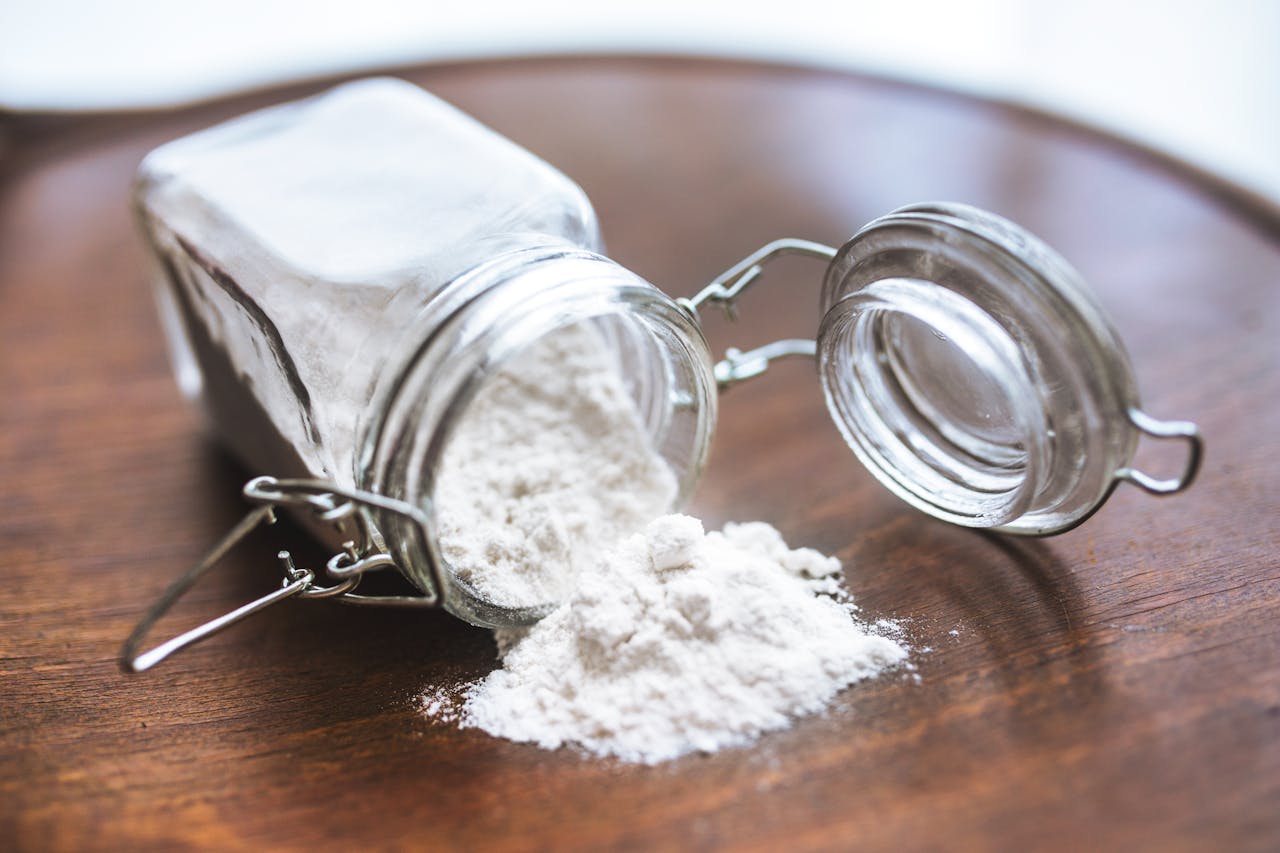
Because both live in small cans and both make batter rise, baking soda and baking powder get swapped like twins. They behave differently: baking soda is a base that needs an acid for lift, think buttermilk, lemon, yogurt, vinegar, or natural cocoa, while baking powder carries its own acids and usually rises once when wet and again with heat, shaping the crumb. Chefs treat leavening like chemistry, not vibes, because the right choice keeps pancakes airy, cookies chewy, and cakes tender, while the wrong swap can leave a metallic tang, flat centers, or a crumb so dry it feels dusty, no matter how pretty the frosting looks on the plate.