Tourist photos are meant to hold a memory, yet the most common moves can make a place feel like a set. Locals see the same poses repeated at the same corners, often with someone stopping foot traffic or treating public space like a private studio. Better photos usually come from smaller choices: stepping aside, reading the light, and letting the street keep its rhythm. These swaps keep the mood friendly, respect the setting, and still deliver images that feel personal, not copied.
Tripod In The Middle Of A Busy Walkway
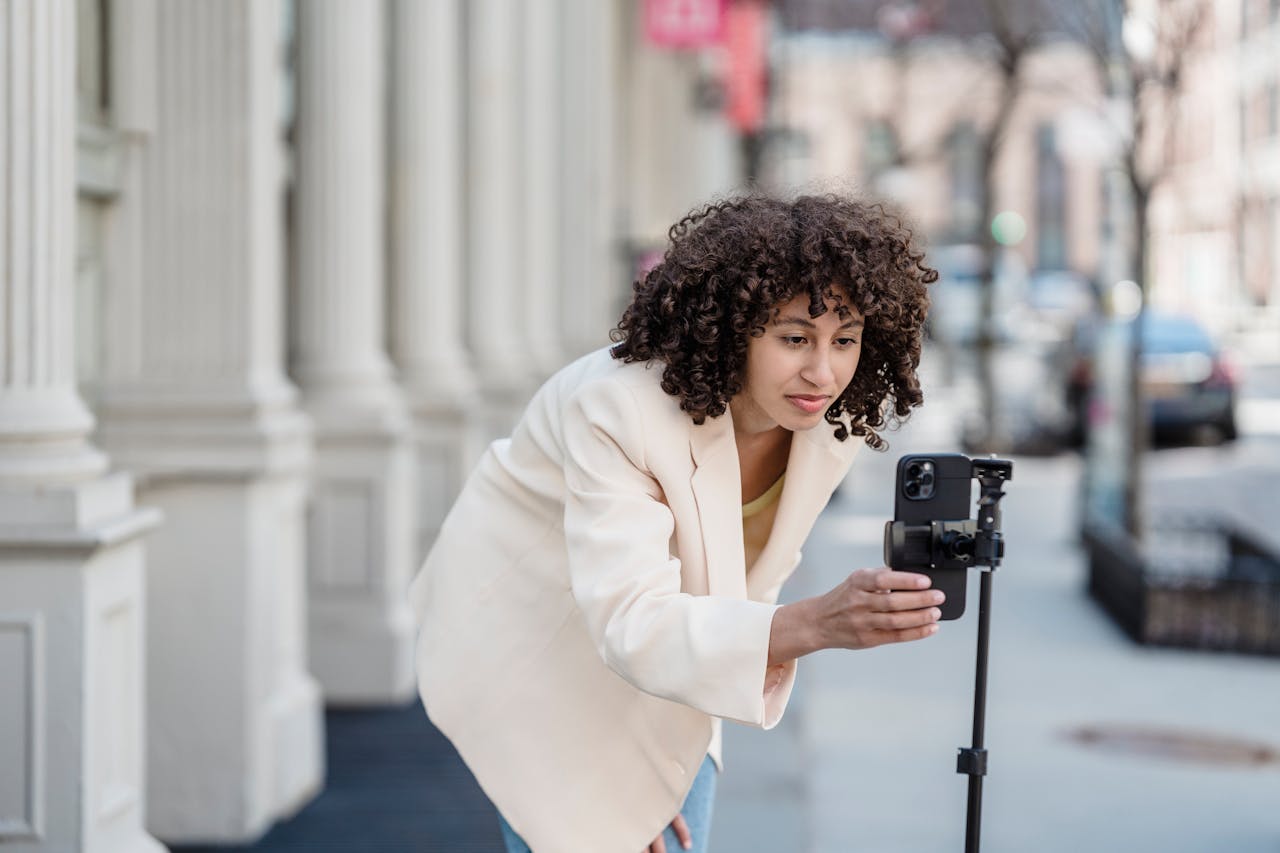
Planting a tripod in the center of a bridge, stair landing, or narrow sidewalk turns a shared route into a slow shuffle, especially when it takes several resets to match the smile, the skyline, and the timer beep. Locals do not mind photos; they mind the idea that everyone else should wait while directions get called out, bags get rearranged, and the same frame is reviewed in a high-traffic pinch point. A better alternative is a quick handheld burst from the edge, or a short timer set in a wide corner with the tripod tucked to a wall, so pedestrians keep moving and the scene still feels natural.
Climbing Onto Monuments And Railings
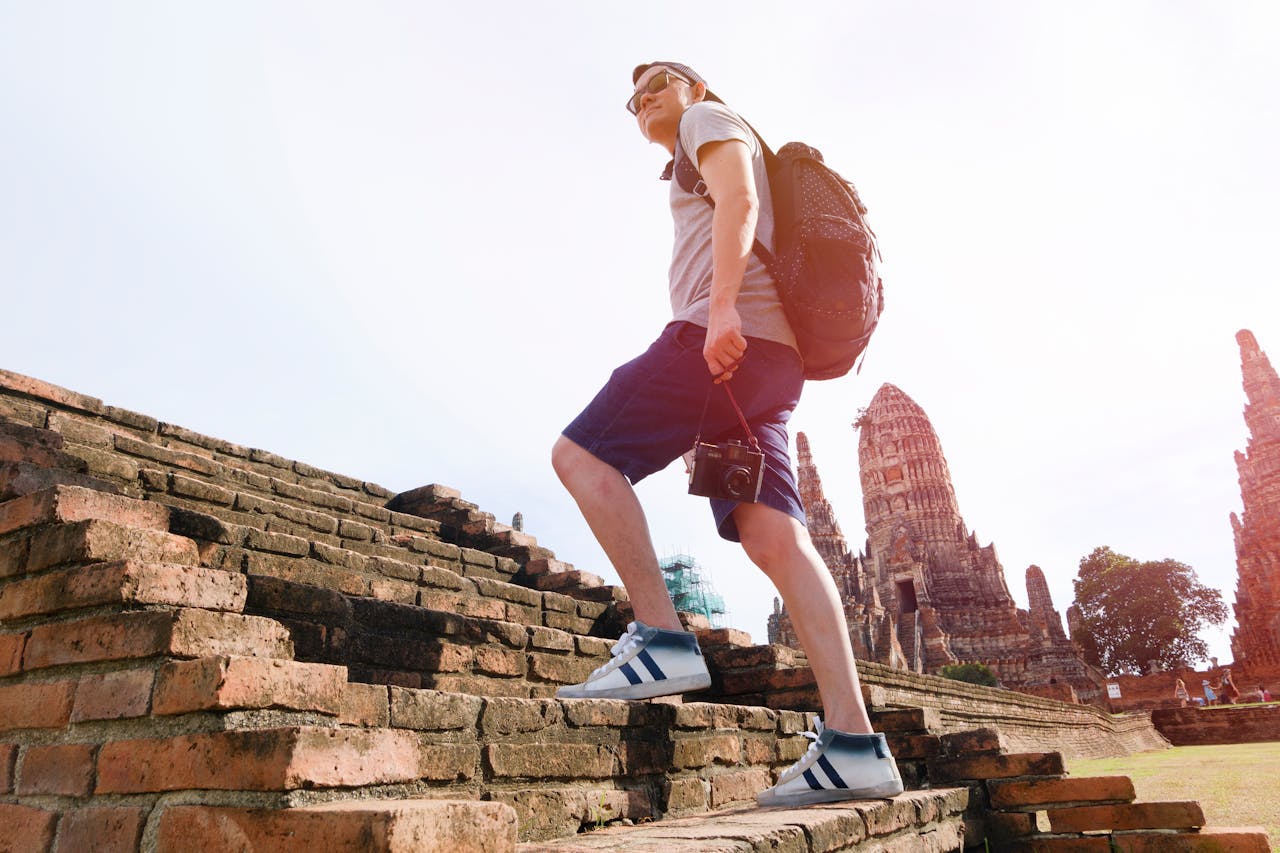
Climbing onto statues, railings, or historic markers may look playful online, but it grinds down surfaces, attracts copycat poses, and turns staff into constant rule enforcers instead of hosts and guides. It also breaks the mood in spaces built for quiet, like memorial steps, plazas, and older cemeteries, where people come to pause, remember, or simply pass through without becoming an audience. A better alternative is a grounded portrait that uses the landmark as context: step back, frame with an arch, doorway, or trees, and let scale, texture, and side light deliver the drama while everyone stays on the path.
The Forced Perspective Hold
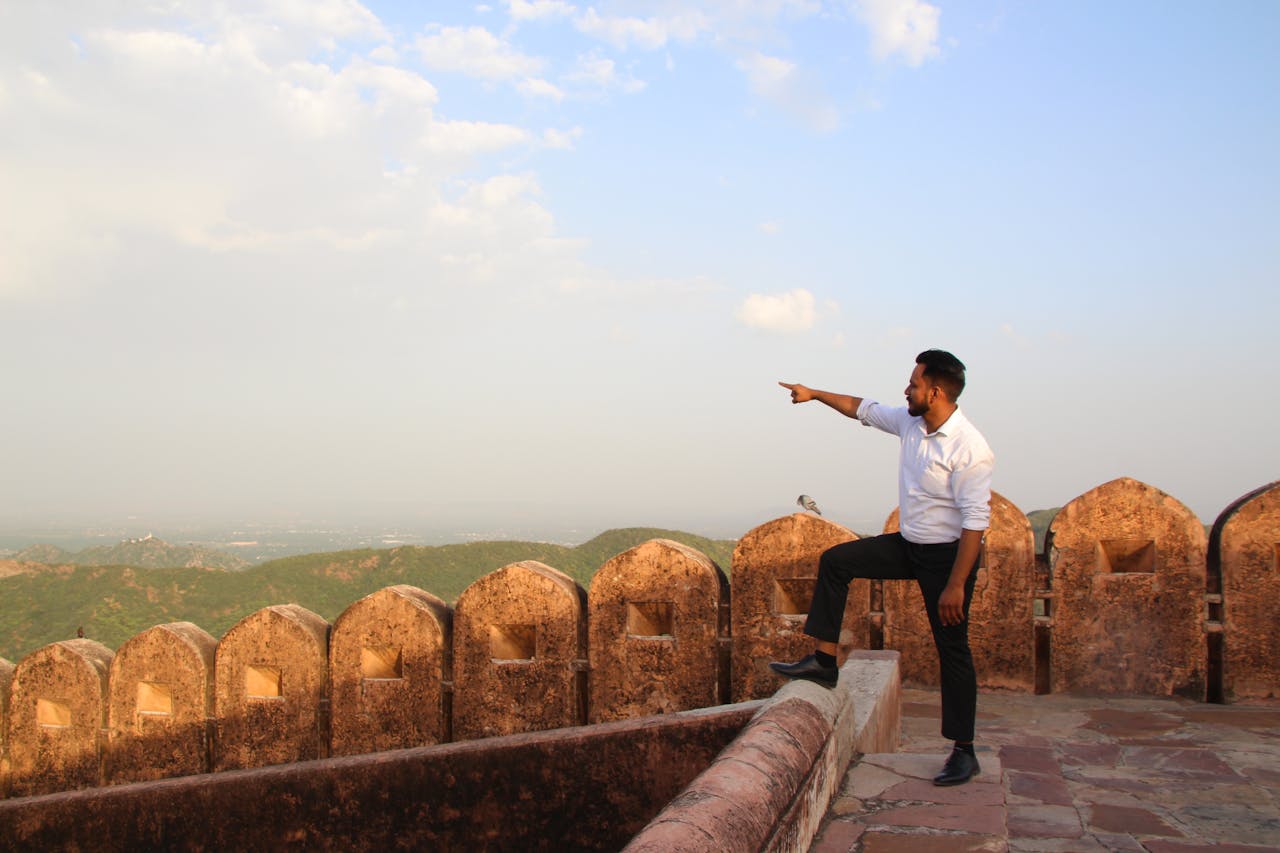
The pinched-fingers trick of holding a tower, balancing a dome, or pretending to sip a waterfall rarely surprises locals, because it repeats the same gag at the same viewpoint from morning to dusk. It also turns scenic platforms into mini studios while friends coach angles, elbows hover in midair, and the line behind them stalls for the final alignment. A better alternative is to place the landmark inside real street life, using reflections, doorways, café tables, passing bikes, or street signs, then timing one clean moment of motion so the photo feels tied to that neighborhood and that exact hour.
Jump Shots That Block The Frame
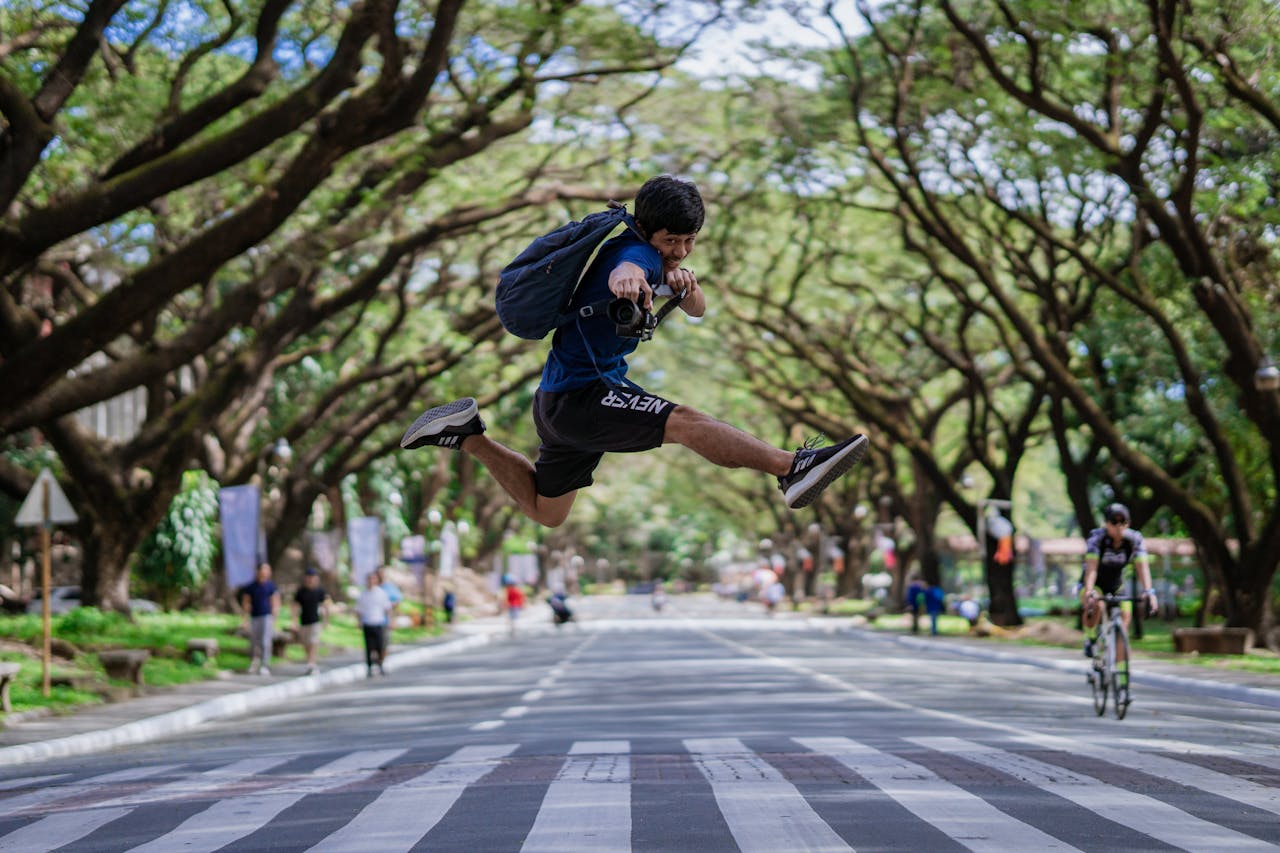
Jump shots can be joyful, but at busy overlooks they often become a string of takeoffs in the exact center, with everyone else pausing for the landing, the review, and the retake while the view sits unused behind them. The final image usually reads as the same silhouette against the same sky, while the real scene, the texture of the place, and other visitors get pushed out of frame. A better alternative is movement that keeps the lookout open, like a mid-stride walking shot, a quick turn at the railing, or a candid laugh caught in burst mode as wind lifts a scarf and the background stays wide and clear.
Lying Down For The Symmetry Shot
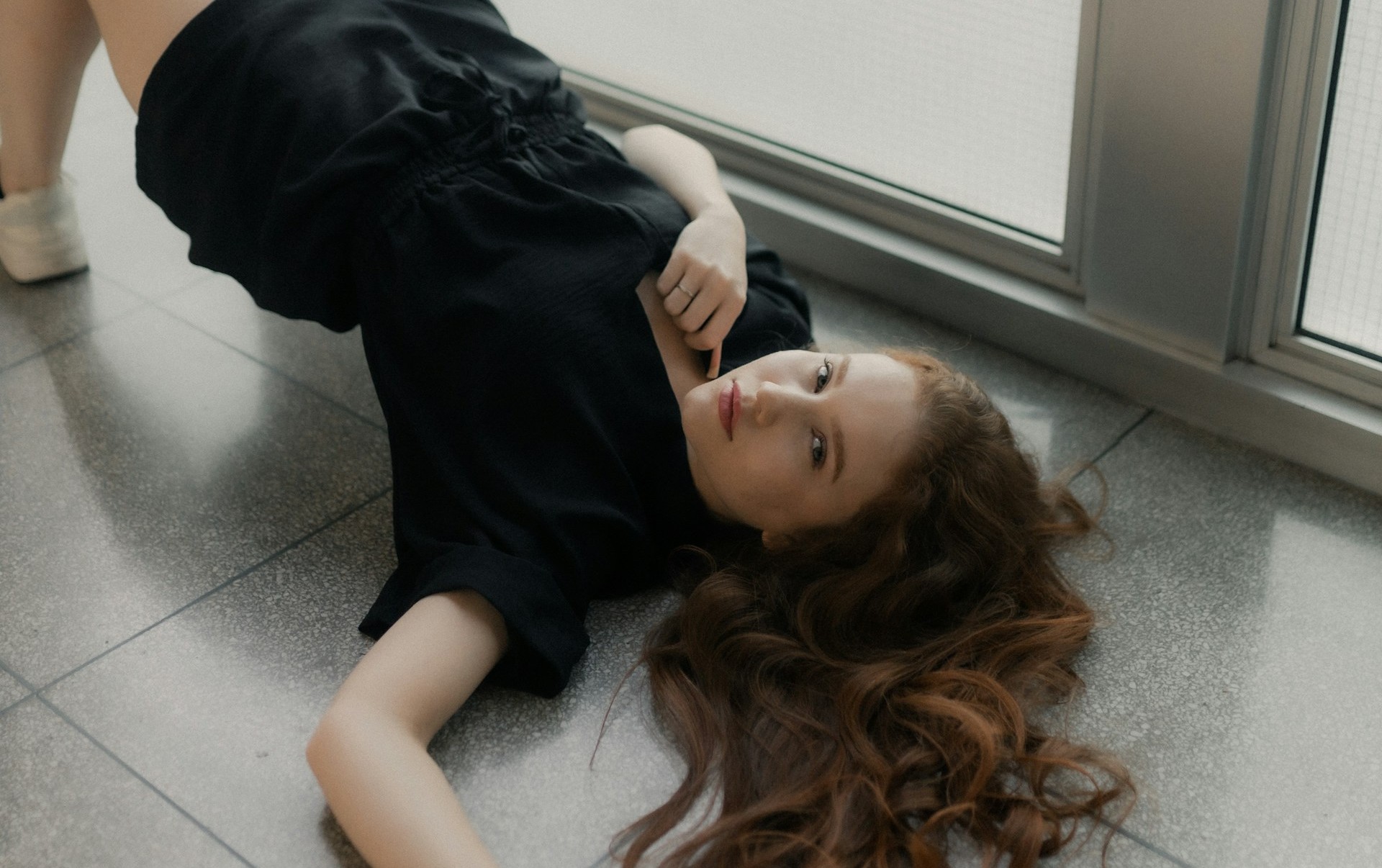
Lying down in a station, plaza, or museum corridor to chase symmetry turns the floor into an obstacle, especially where commuters, rolling bags, and strollers move with purpose and nobody expects to step around a photo setup. It pulls attention away from the architecture and toward the pose, which is why locals get impatient when a public path becomes a photo mat in a tight passage. A better alternative is to find clean lines from standing height, a bench, or a doorway, center carefully, use reflections or leading lines, and crop later for perfect geometry without interrupting the flow for anyone.
Intrusive Close-Ups Of Strangers
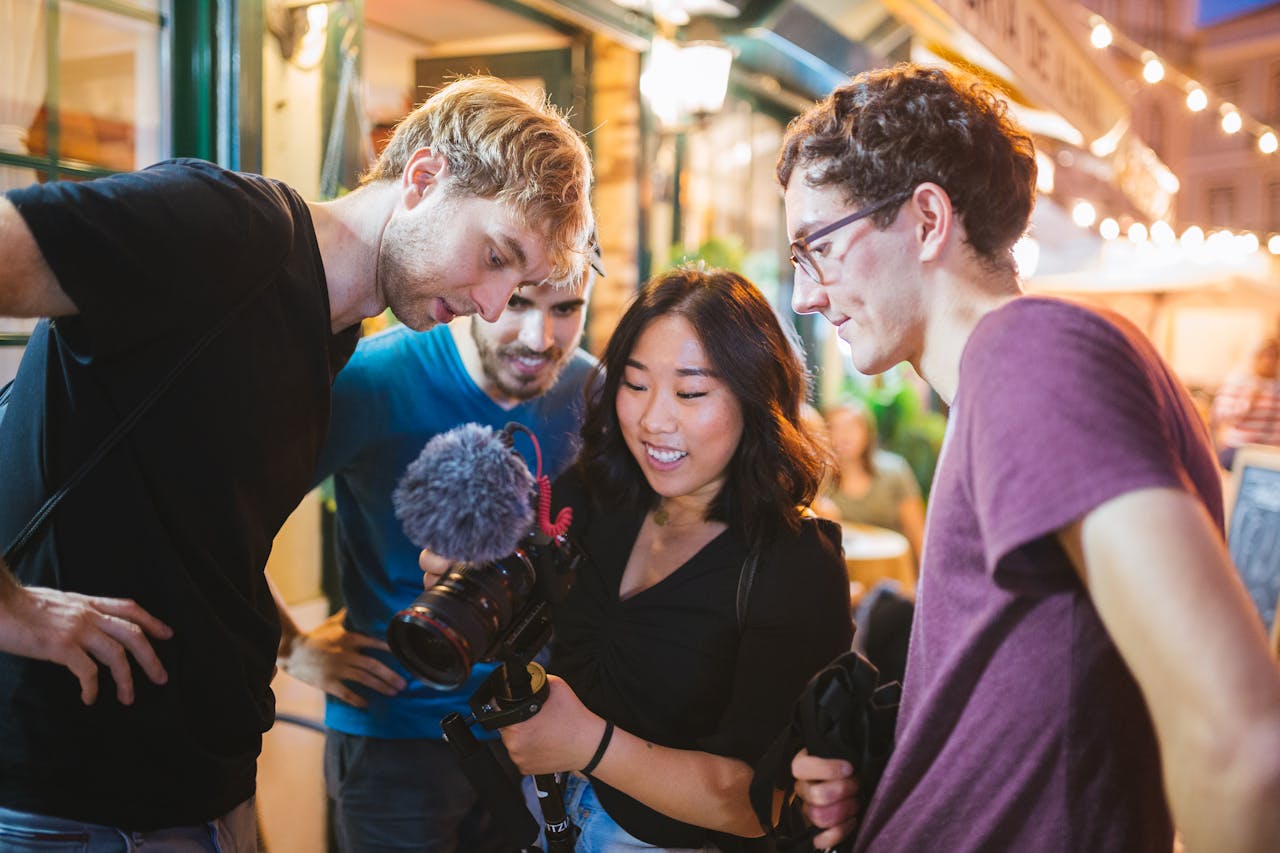
Extreme close-ups of strangers for street-style credibility can feel intrusive, particularly on transit, in markets, or in small neighborhoods where people cannot simply step away or dodge the lens without changing their whole route. Locals read it as taking without asking, even when the intent is artistic, and it can sour a friendly street faster than cold rain, especially in places with a strong sense of community. A better alternative is to photograph atmosphere first, focusing on hands, signage, textures, and wider scenes, or to ask permission, keep it brief, and offer to share the image so the moment feels respectful.
Feeding Wildlife For A Cute Shot
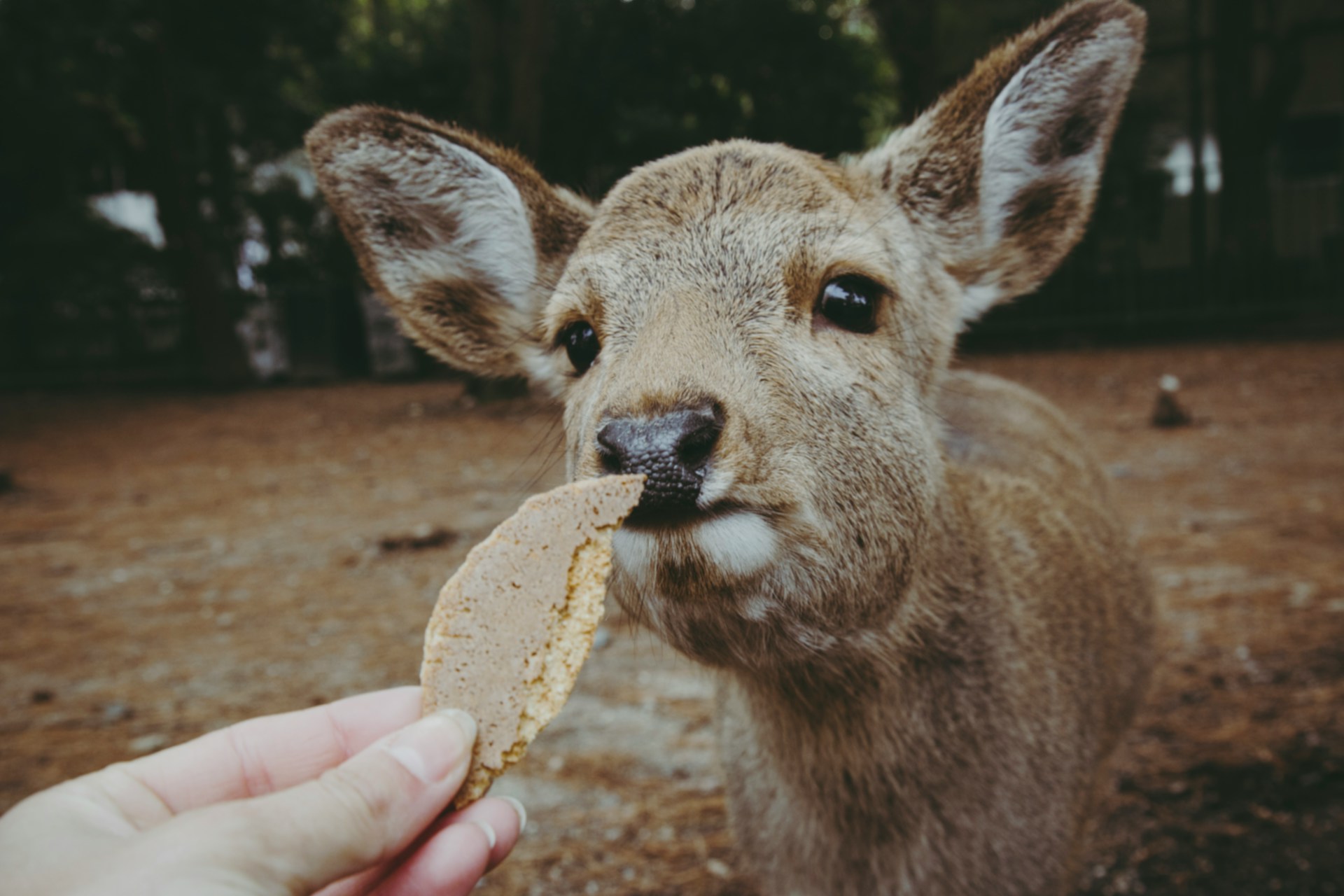
Feeding birds, deer, or monkeys to pull them closer for a photo may look harmless, but it changes behavior and concentrates animals in busy spots, creating mess, noise, and tense encounters later. It can also teach wildlife to approach people for food, which is stressful for animals, awkward for families trying to eat outside, and a cleanup headache for residents and park staff. A better alternative is patience and distance: use zoom, stay quiet, watch for natural movement, and pair a close frame with a wide one that shows habitat, weather, and the respectful space that keeps both people and animals comfortable.
Loud Drone Moments In Quiet Places
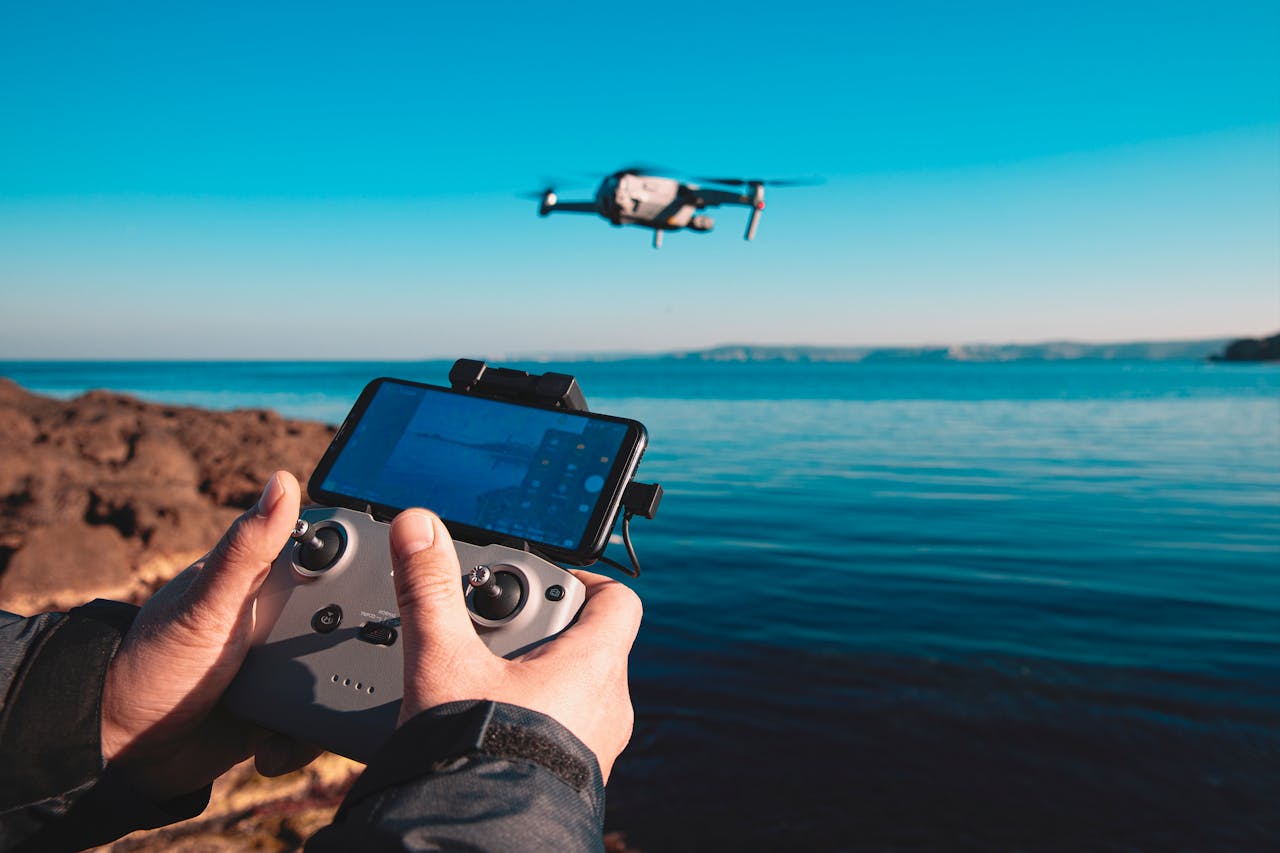
Launching a drone over a quiet beach, temple courtyard, or mountain overlook can flip the mood in seconds, replacing wind, water, and birdsong with a persistent buzz that carries far. It also raises privacy concerns for people who did not agree to be filmed, especially near homes, balconies, small picnics, or beach walks meant to feel private in public space. A better alternative is to earn height on foot, use a public terrace, or arrive at first light, then shoot a wide panorama from the ground with steady hands, letting scale show up without noise, complaints, or awkward attention from others nearby.