A statement piece can transform a simple outfit into something memorable in seconds. The same piece can lose power just as quickly when every element is loud at once. Recent runway cycles and street-style trends keep proving one core rule: impact depends on editing, proportion, and context. Fashion reads strongest when one idea leads and the rest support it. Without that balance, even expensive looks can seem heavy, uncomfortable, or disconnected from daily life.
The most reliable style signals are still fit, movement, and timing. When those stay in place, bold choices look effortless instead of overworked over time.
Oversized Blazers With Extreme Shoulders
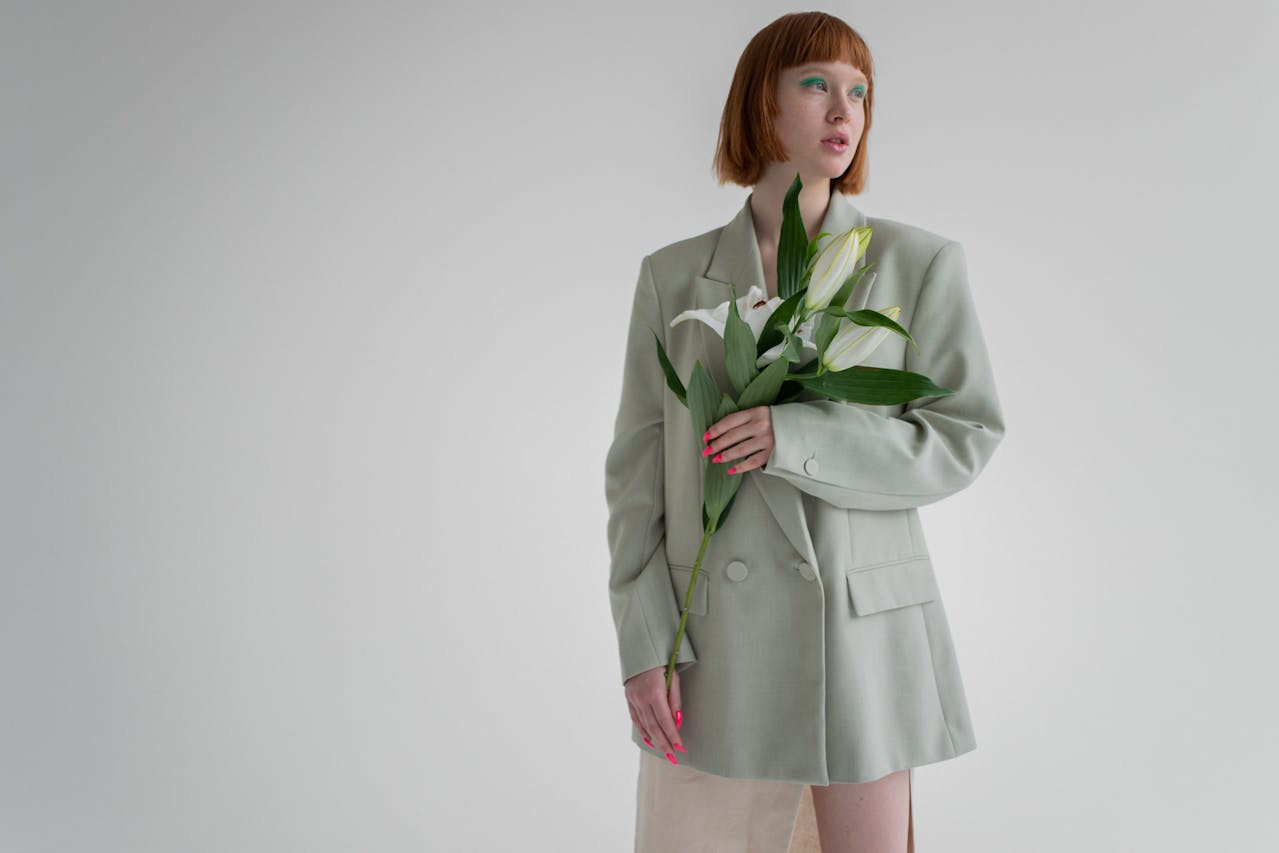
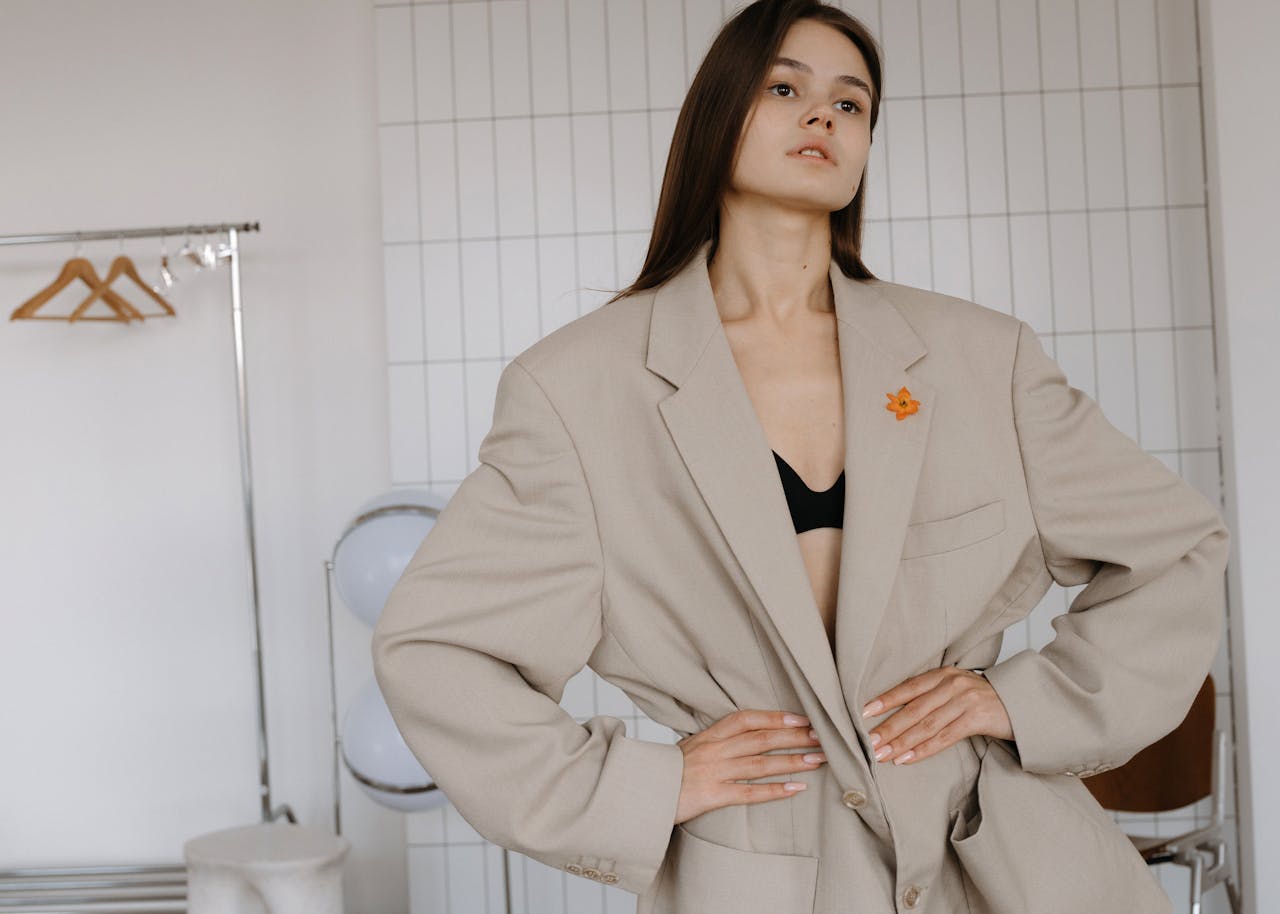
A strong shoulder can sharpen posture and give tailoring a clean, modern edge. Trouble starts when every line goes wide at once: broad shoulders, long sleeves, a boxy torso, and full trousers. The frame disappears, movement looks heavy, and the outfit reads costume instead of style. Even premium fabric cannot fix proportion drift once shape and scale lose discipline overall.
Editors usually rebalance this quickly with one slim element, such as a fitted knit, a defined waist, or a tapered pant. That single contrast restores structure, keeps the statement intact, and lets confidence carry the look rather than the padding.
Chunky Platform Heels
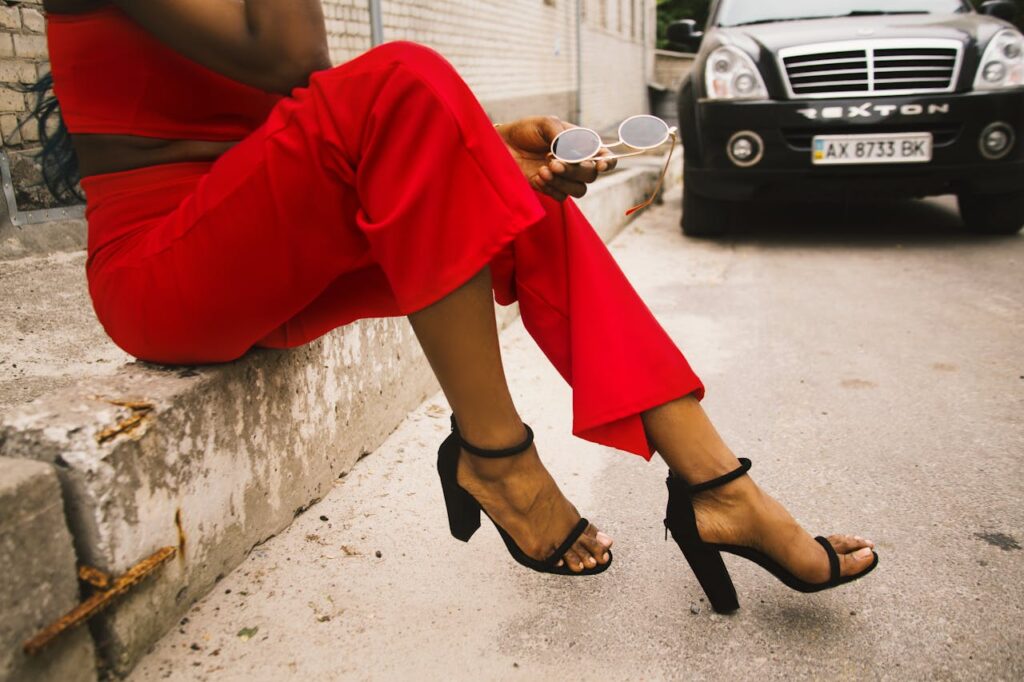
Platform heels can feel empowering because they add height with more underfoot support than thin stilettos. The look backfires when the sole gets too thick and the pitch gets too steep, forcing shorter steps and stiff posture. Instead of presence, the result can read cautious and uncomfortable, especially on uneven sidewalks, stairs, or long social events in practice.
Stylists treat platform scale like volume on a speaker: enough to create impact, never so much that the signal distorts. A moderate base, stable heel, and cleaner hemline keep motion natural, protect comfort, and preserve the bold effect without visual strain.
Logo-Heavy Designer Pieces
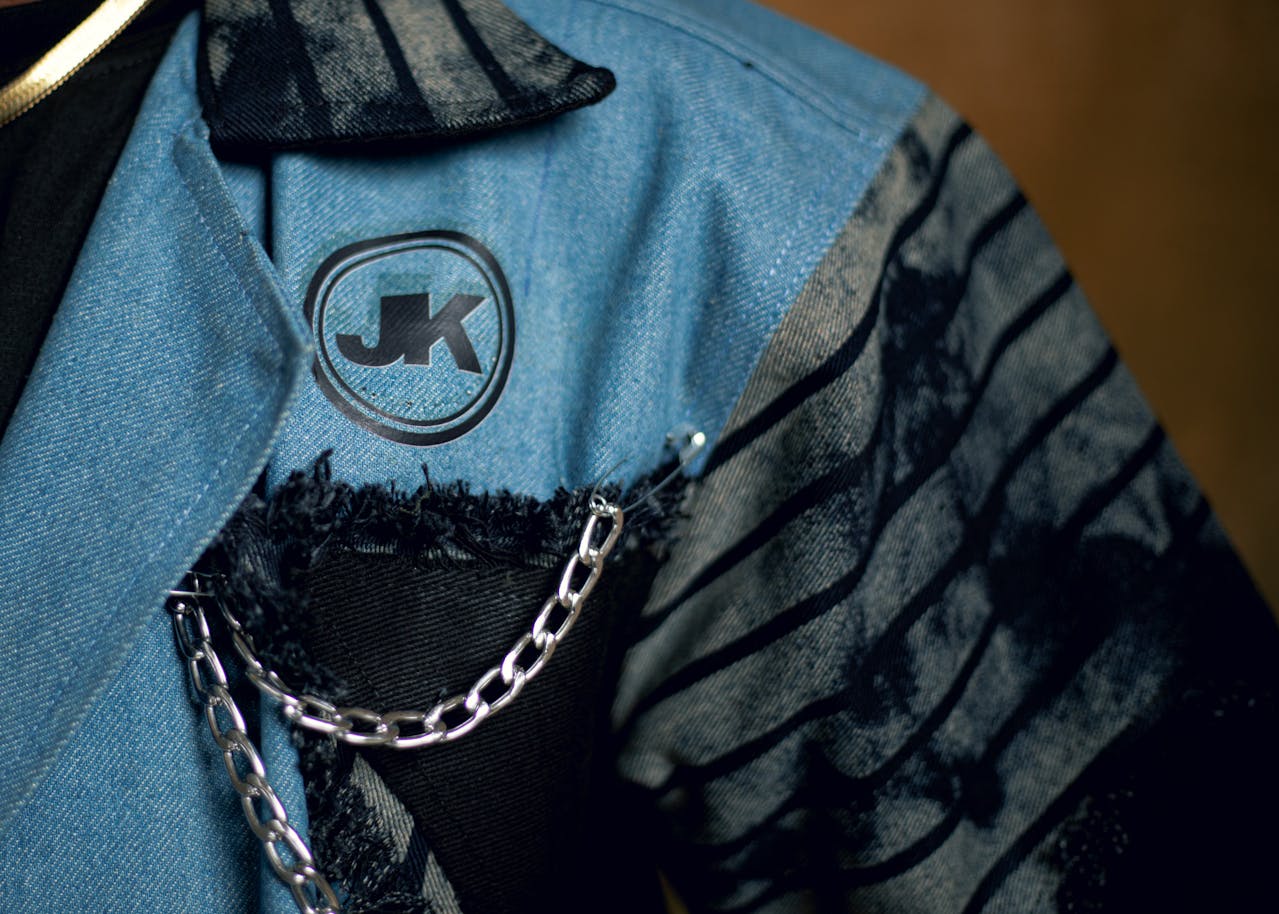
A visible logo can communicate taste, nostalgia, or streetwear energy in one quick glance. The problem appears when branding repeats across bag, belt, shoes, outerwear, and eyewear at the same time. The outfit starts to look merch-driven, not personal, and the person wearing it can fade behind the labels. The visual message shifts from style fluency to overstatement.
Many stylists follow a simple rule: one branded hero, then quieter support pieces with strong texture and fit. That approach keeps status cues present, avoids visual noise, and gives the wardrobe better longevity as trend cycles swing away from loud logo saturation.
Neon Colors From Head To Toe
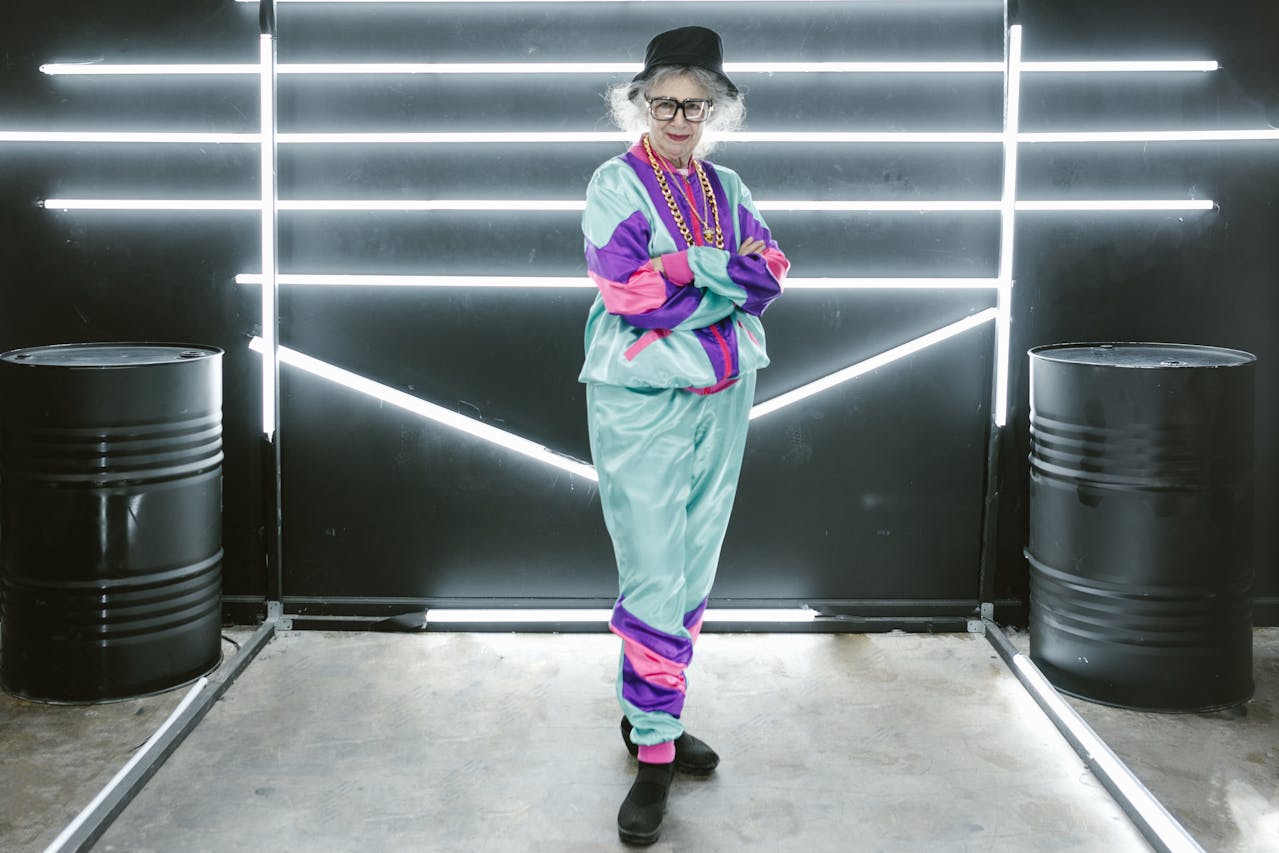
Neon works because it catches light fast and adds instant energy to a look. It can also overpower skin tone and flatten facial detail when used from head to toe, especially in daylight or harsh flash photos. What felt playful on a rack can read intense in motion, and the outfit may dominate every setting from coffee lines to office corridors.
The fix is not avoiding neon, but controlling placement. One bright anchor, like a top, shoe, or bag, against calm neutrals gives the same pulse with better balance. Contrast protects expression, keeps attention on the person, and makes the color feel deliberate instead of relentless.
Statement Jewelry Stacked All At Once
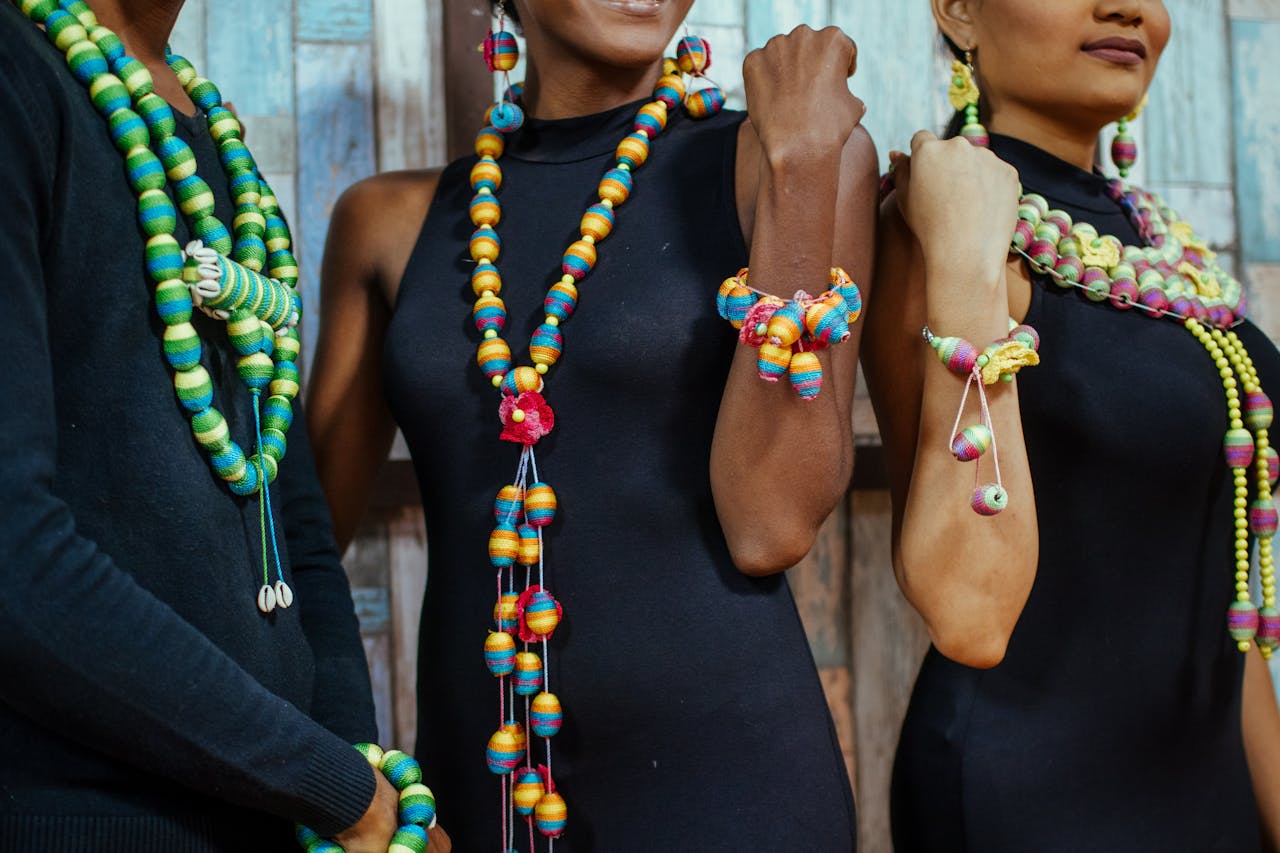
Bold jewelry can frame personality in seconds, and mixed metals now feel current rather than rule breaking. Overstacking is where impact drops: oversized hoops, thick chains, stacked cuffs, and multiple rings all competing in one frame. Each piece competes for focus, none gets room to shine, and the overall effect turns busy even when every item is strong on its own.
Practical comfort matters too. Excess weight on ears, wrists, and neck builds fatigue over a full day, which changes posture and mood. Most polished looks follow clear hierarchy: one lead piece, one support piece, then restraint that keeps elegance sharp and wearable.
Animal Prints In Multiple Variations
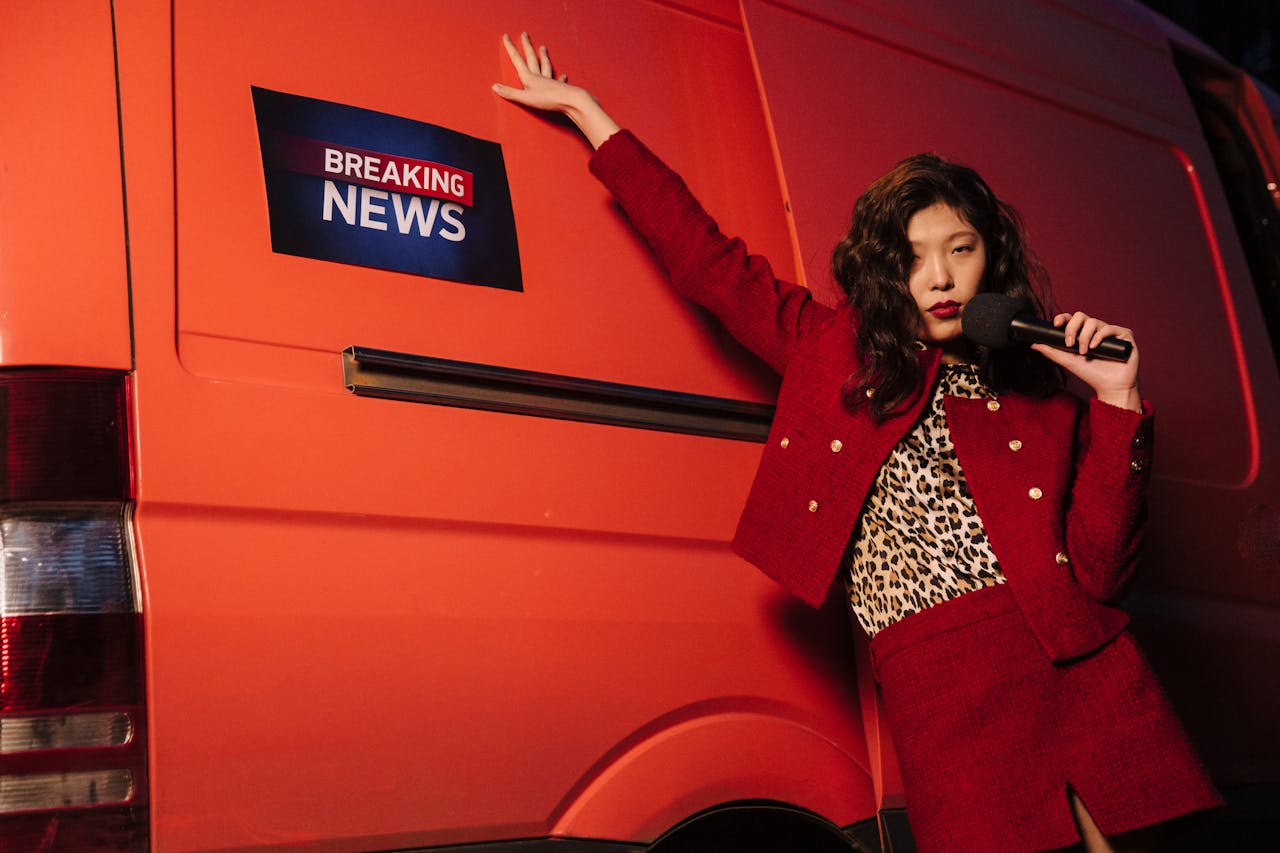
Animal prints stay popular because they add texture, motion, and attitude without needing heavy styling. The issue comes when leopard, zebra, and snakeskin are mixed at different scales and tones without a shared palette. The eye cannot settle, silhouette lines get lost, and the outfit starts to feel crowded even when each garment is high quality.
Stylists usually center one dominant print, then echo a color from it through solids or subtle accessories. This keeps the wild character alive while restoring order, polish, and repeat wear potential. Controlled contrast turns a risky combination into a coherent style decision.
Dramatic Faux Fur In Warm Weather
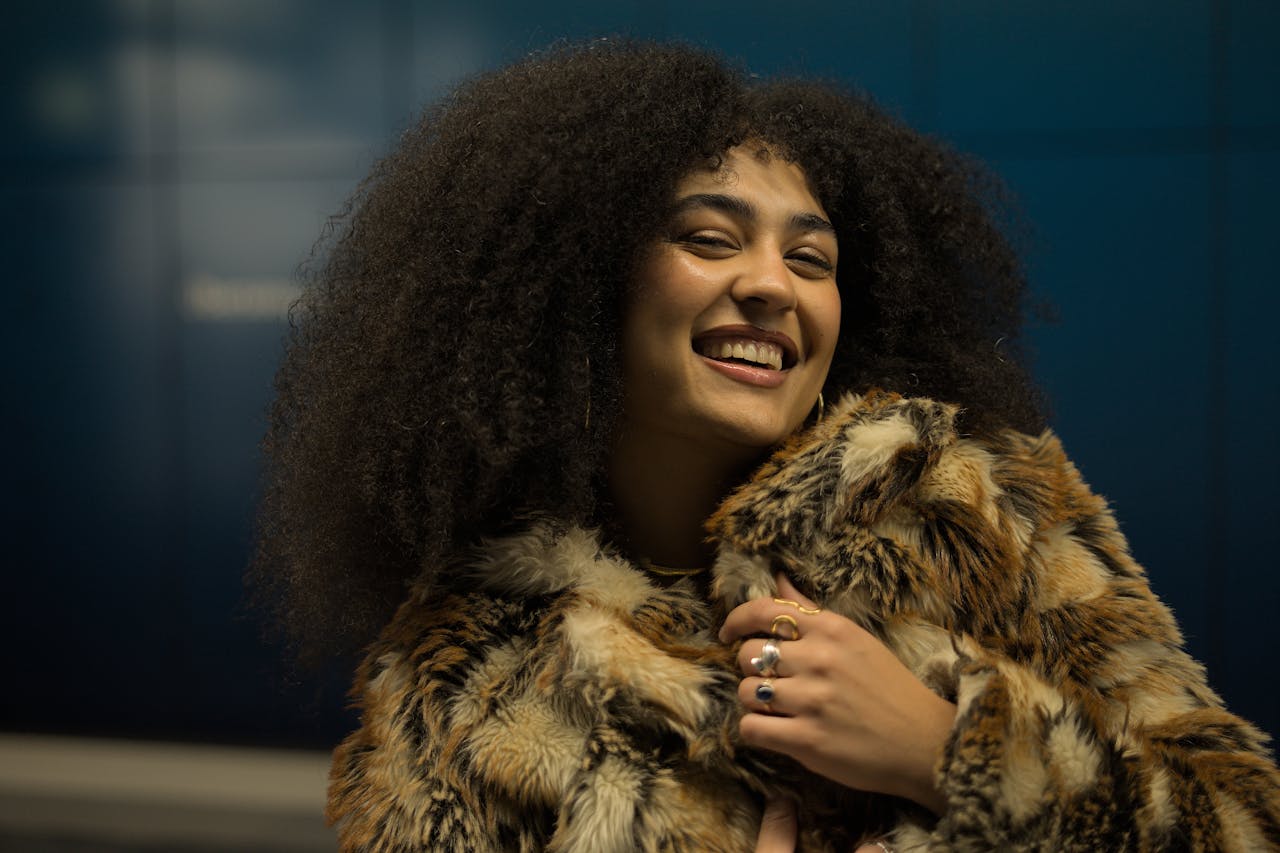
Faux fur brings cinematic texture and clear visual depth, which is why it returns every cold season. In warm weather, the same piece can look disconnected from context and become physically draining within minutes. Overheating, constant adjustment, and visible discomfort can overwhelm the style message, leaving the outfit memorable for the wrong reason.
Seasonal alignment protects the statement. Lighter layers, cropped trims, or cooler evening use preserve glamour without the burden. When fabric weight matches climate, movement stays relaxed, photographs look cleaner, and the overall impression remains confident instead of forced.
Micro Bags As Everyday Bags
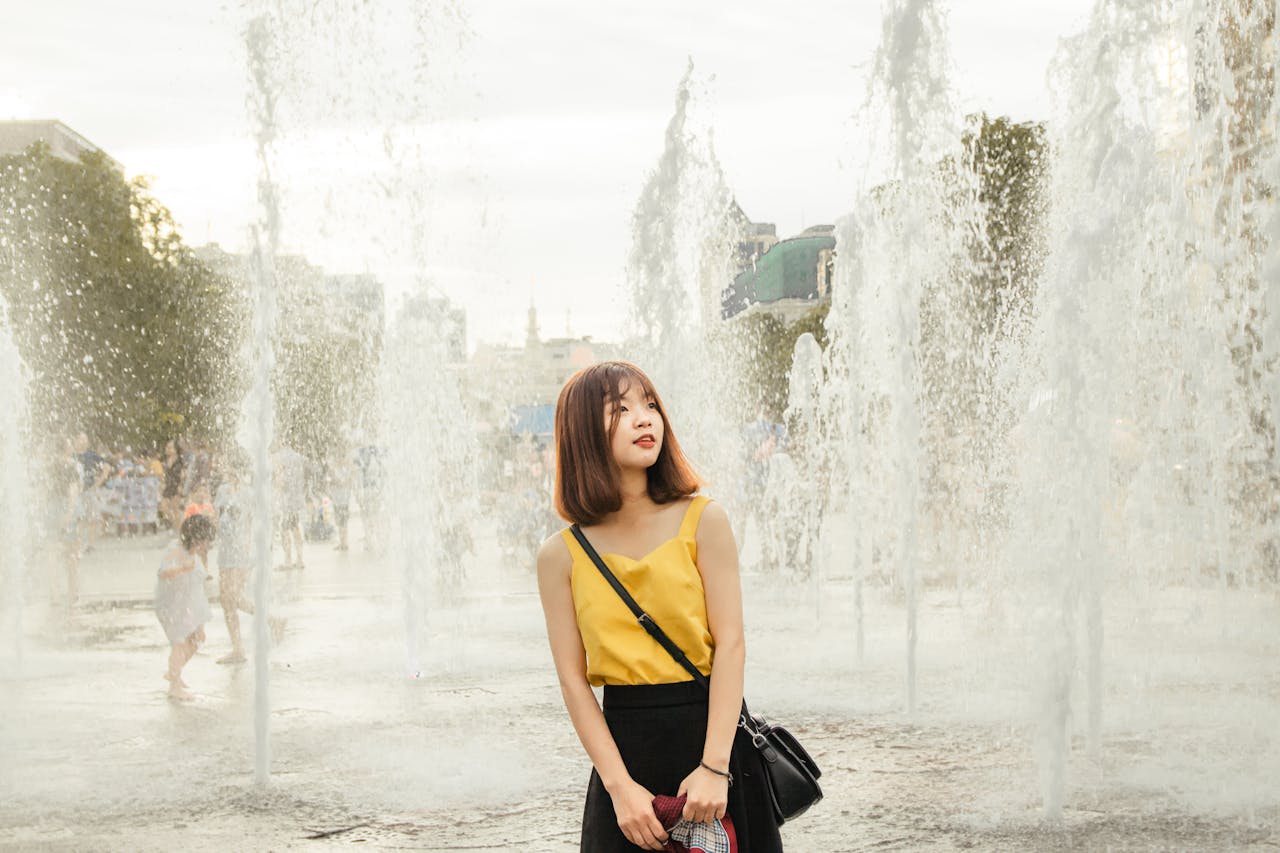
Micro bags became popular because they create a crisp, playful accent and photograph beautifully. As daily carry pieces, they often fail basic function: phone, cards, keys, transit pass, and small essentials simply do not fit. The owner ends up juggling extras by hand, which adds friction to commuting, meetings, and social plans that need quick transitions.
Stylists now frame micro bags as punctuation, not storage. Pairing one with practical pockets or a discreet secondary tote keeps the look intact while protecting utility. Style feels stronger when logistics are solved, because composure stays steady from errands to late events.
Sheer Layers Without Structure
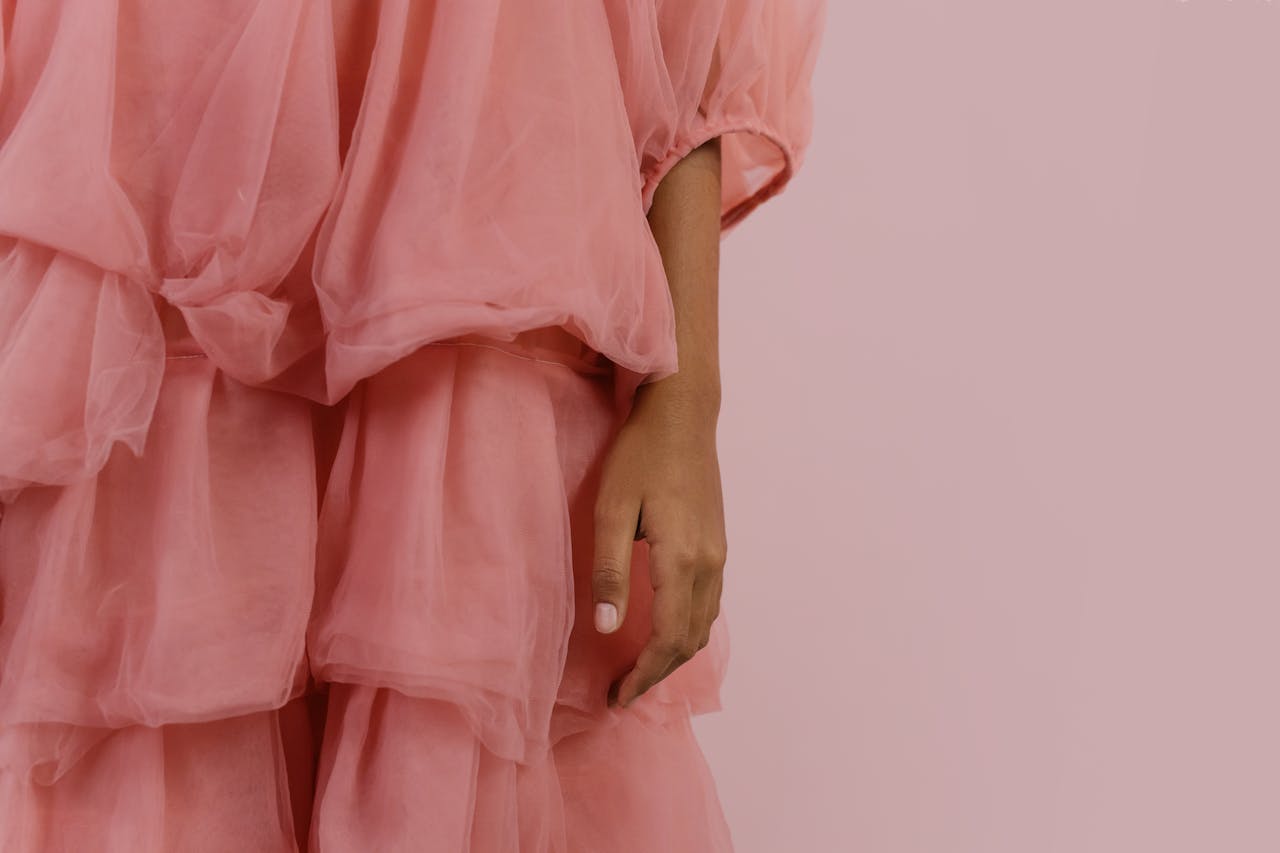
Sheer fabrics can look refined when they add movement over a stable base. Problems start when transparency appears random, underlayers clash in tone, or fit shifts during normal motion. In bright daylight, inconsistent layering can read unfinished rather than intentional, and constant readjusting pulls attention away from the garment’s texture and shape.
Structure changes everything. A tonal slip, clean camisole, or tailored outer layer gives the sheer piece an anchor and clear line. With that frame in place, the outfit keeps its edge while staying practical for work, travel, and evening settings where lighting changes.
Oversized Sunglasses Indoors And At Night
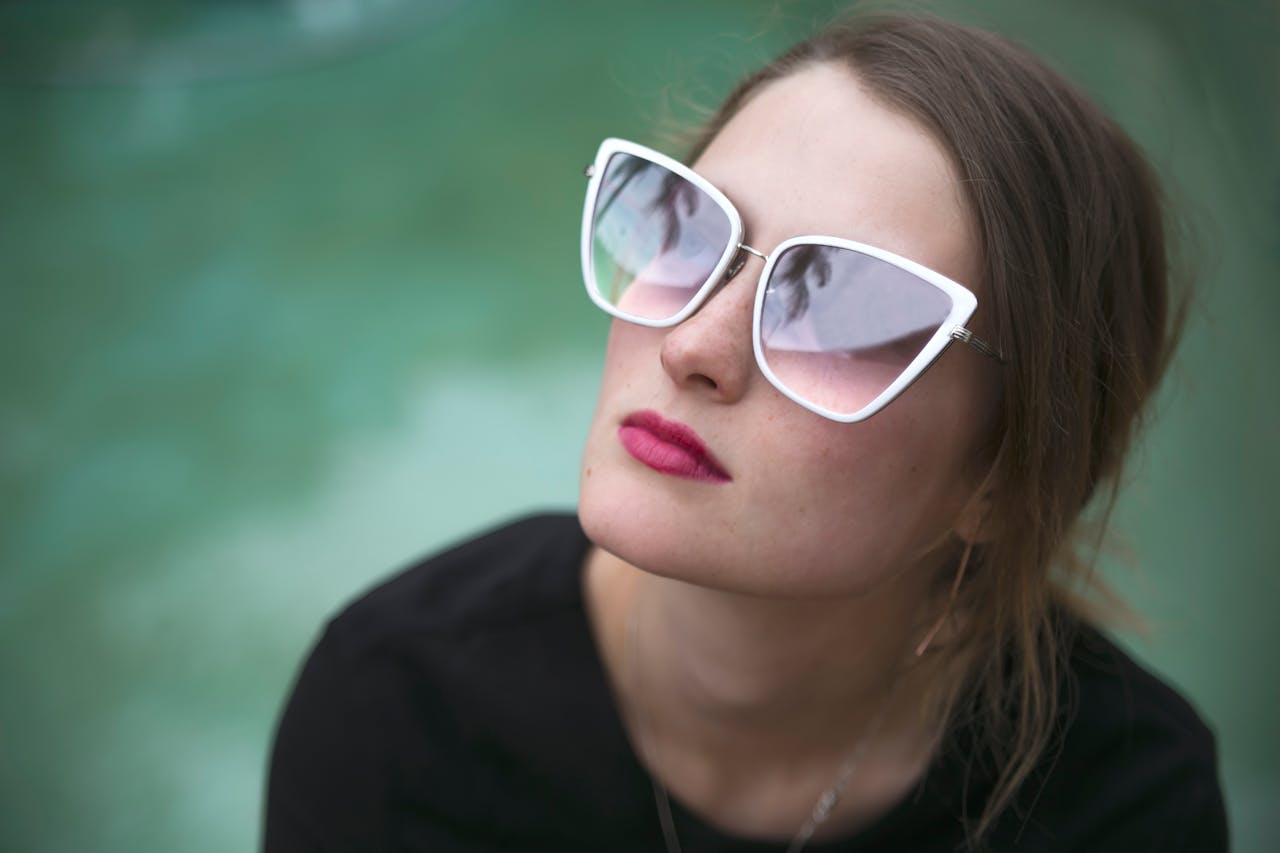
Oversized sunglasses can sharpen face shape and deliver strong visual identity under real sun. Indoors or after dark, the same frame often feels out of context and can limit social connection by hiding eye contact. What reads polished outside may seem distant in conversation-heavy spaces, where expression and approachability matter as much as styling.
Context is the quiet rule behind great fashion decisions. Saving dramatic frames for daylight keeps their impact high and prevents fatigue from wearing one mood everywhere. The result is cleaner timing, better presence, and a statement that feels intentional rather than automatic.
Cutout Dresses With Too Many Openings
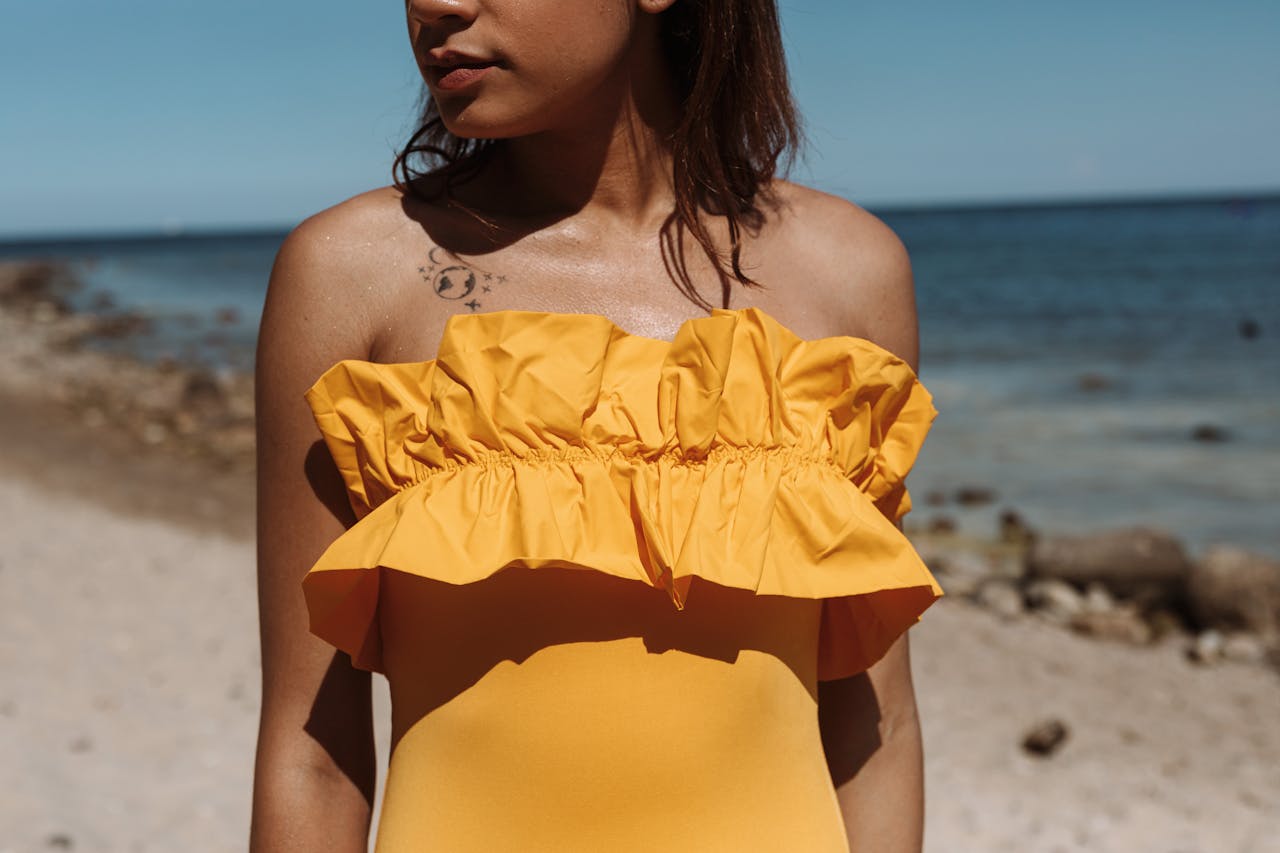
Strategic cutouts can create flattering lines, airflow, and a modern edge in one move. Overloaded designs place openings at chest, waist, back, and hips all at once, which weakens the garment’s structure and complicates basic movement. Sitting, layering, and temperature shifts become constant concerns, and confidence can fade as the day gets longer.
Design teams and stylists often prefer one focal cutout zone with clean surrounding lines. That choice keeps allure and architecture in balance, improves fit reliability, and allows repeat wear across different settings. Precision makes the statement stronger than excess ever can.