
Some childhood moments blur with time, but memories of grandparents often stay unusually clear. Their homes carry a different rhythm where stories are not rushed, meals are shared with intention, and ordinary days feel quietly meaningful. Developmental research has linked warm, stable bonds with stronger emotional resilience and social confidence in children, and grandparents often provide that steady kind of presence.
Years later, adults may forget specific gifts or trends, yet remember a patient voice, a familiar routine, and the feeling of being fully known by someone who had time to truly listen without judgment.
Keep Family Stories Alive
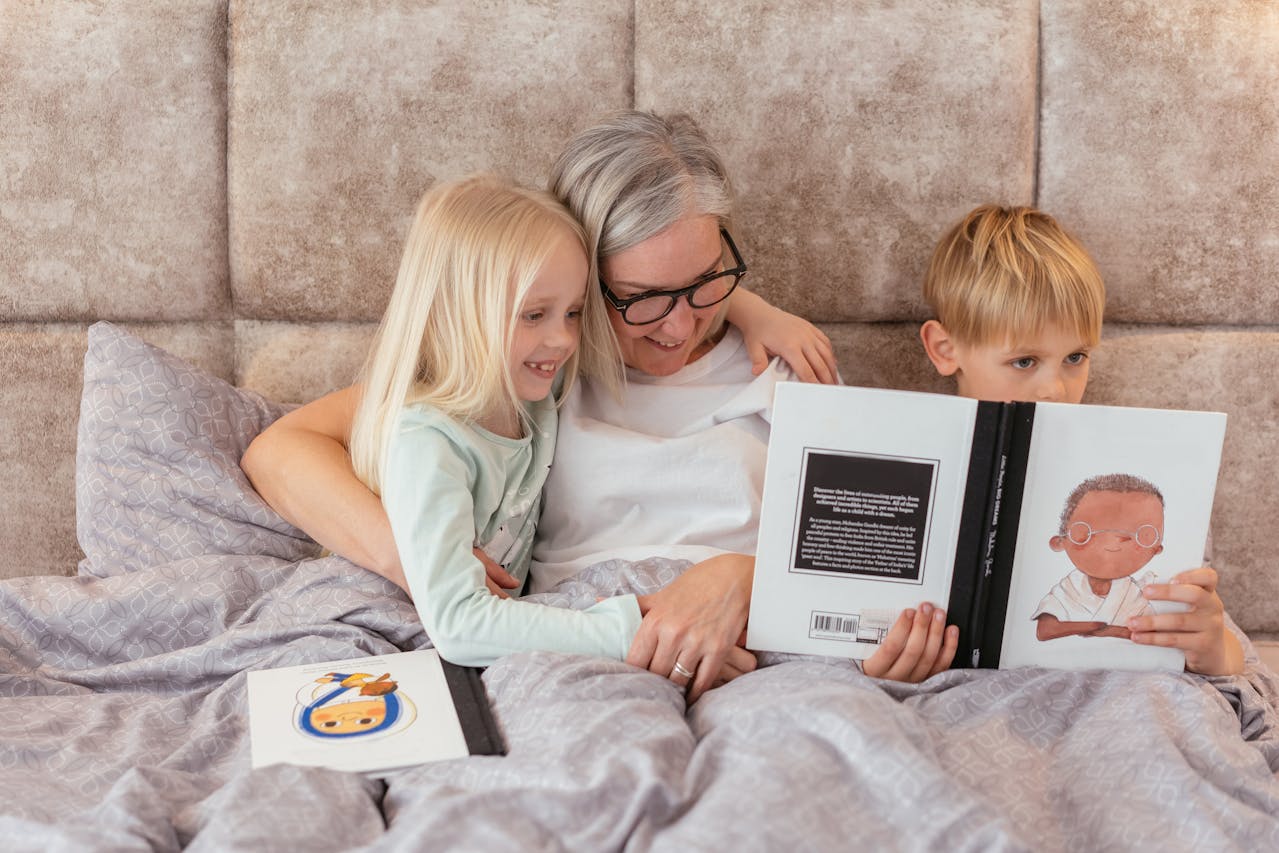
Grandparents turn family history into living conversation. Over tea, during a bus ride, or while shelling peas on the balcony, they bring back names, places, and turning points that never appear in schoolbooks. Children hear how relatives moved cities, rebuilt after loss, or celebrated small wins during hard years, and those stories give context.
The memory lasts because the stories carry feeling, not just dates. A funny mistake, a stubborn dream, a shared proverb, or a recipe linked to survival can shape identity. When children grow older and life gets complex, that thread of memory helps them stand steadier and feel less alone.
Build Rituals That Feel Like Home
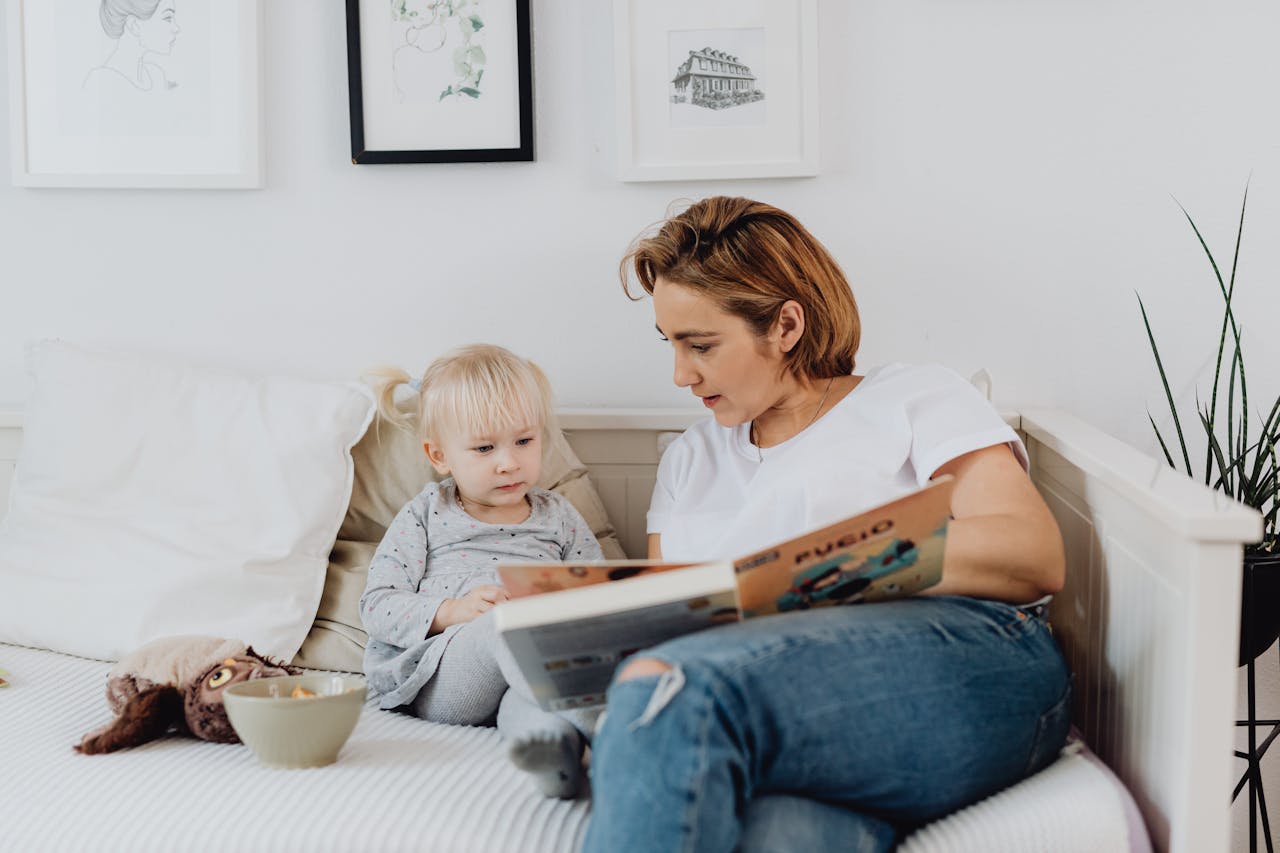
A grandparent can make simple routines feel meaningful. Saturday parathas, evening card games, a fixed call at 7 p.m., or one walk after dinner each day creates a rhythm children can trust. Repetition sends a clear message that care is dependable, not occasional, and that love can be shown through time kept consistently.
These rituals are remembered because they anchor emotion to place and season. The smell of roasted peanuts in winter, the same lamp lit before homework, or the same bench visited every summer becomes part of a child’s inner map. Later, in stressful years, those patterns still signal safety, belonging, and calm.
Listen Fully Before Giving Advice

Many grandparents have a rare conversational habit: they listen all the way through. When a child is upset about a test, a friendship issue, or a fear they cannot name, grandparents pause, let the child finish, and respond with care instead of quick correction. That patient pace makes difficult feelings easier to express.
Children remember being heard without interruption. They learn that emotions are not a nuisance and that hard conversations can happen without shame. Over time, this listening style supports healthy communication and emotional regulation, because children copy the same respect in friendships and classrooms.
Teach Useful Skills Through Everyday Tasks
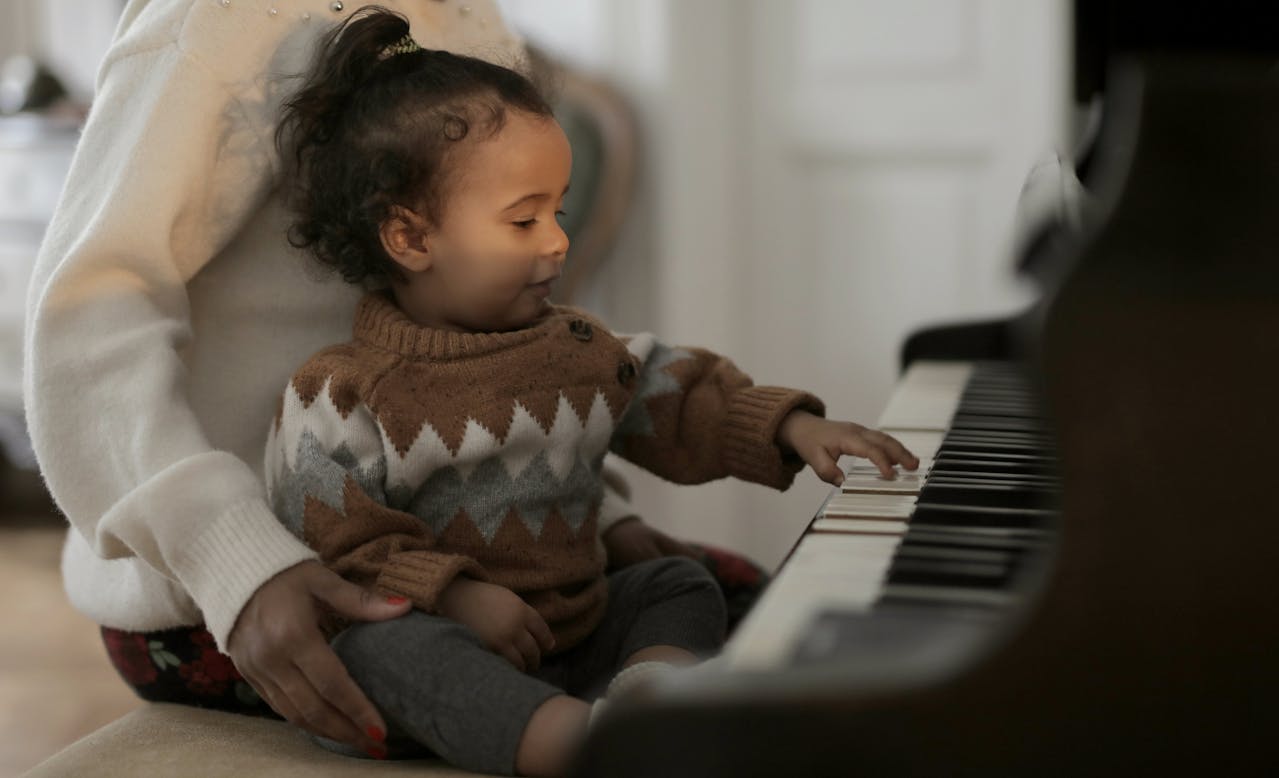
Grandparents teach practical competence in normal days. A child learns to stitch a loose button, season lentils properly, fold clothes neatly, repot a basil plant, or write a clear shopping list. None of it is presented as a grand lesson, yet each task quietly builds confidence and problem solving.
What stays in memory is the trust behind the teaching. Instead of taking over, grandparents guide with steady hands nearby and let children try, fail, and try again. That approach strengthens independence early. Years later, adults often trace their practical mindset back to afternoons where patience mattered more than speed.
Show That Patience Is a Real Strength
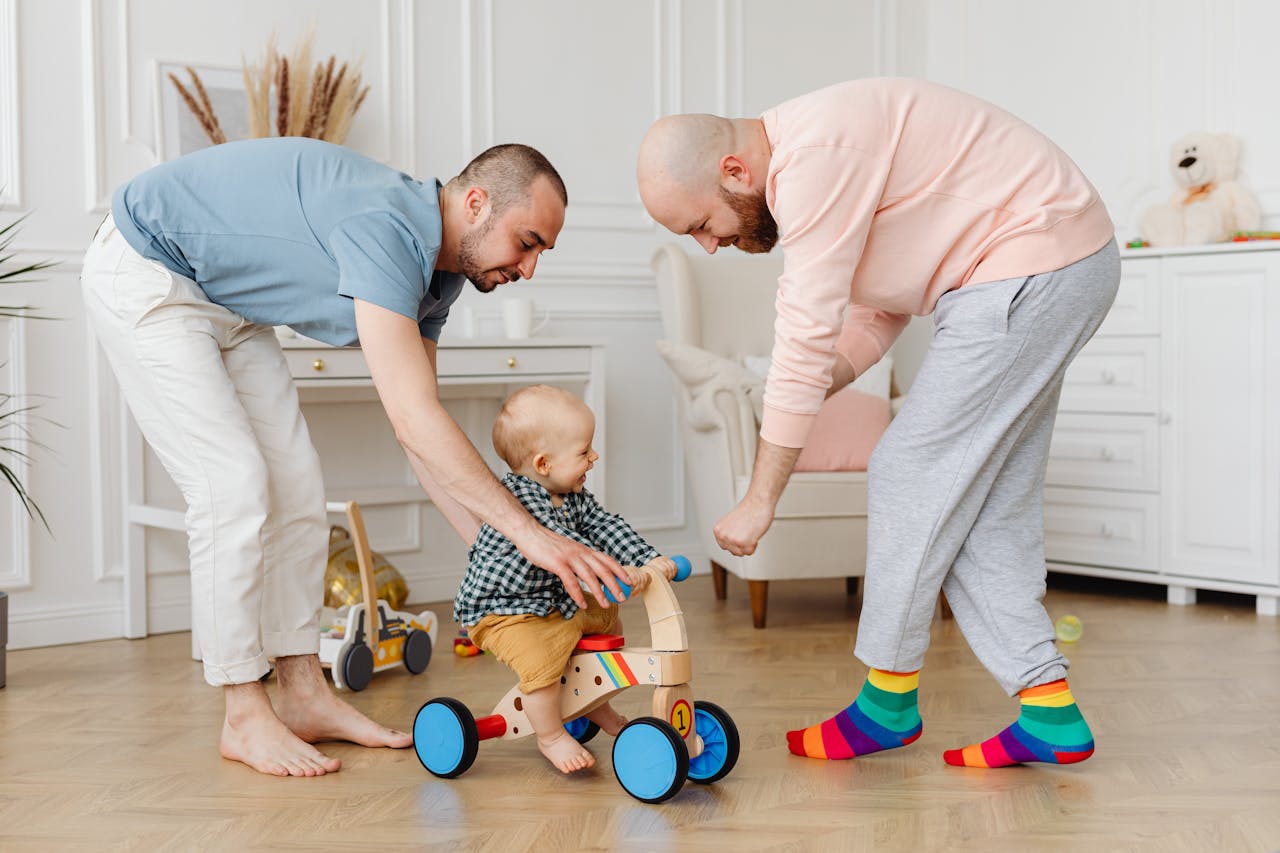
Children notice tempo as much as words. Grandparents who move with intention, stand calmly in long lines, and finish one job before starting another model self-control without preaching it. They show that urgency is not the same as importance, and that people deserve full attention even on busy days.
This slower pace has real value for growth. It helps children tolerate frustration, wait their turn, and think before reacting, all core parts of emotional maturity. The memory stays vivid because it felt different from noisy schedules elsewhere. In a rushed world, that example of patience becomes a lifelong reference point.
Celebrate Effort, Not Just Results

Grandparents are skilled at noticing quiet progress. They cheer a neatly tied shoelace, a brave apology, a page read with focus, or a cricket shot that finally connects. Their praise is usually specific and grounded in effort, which helps children link confidence to persistence rather than to perfect outcomes.
That distinction matters. Children encouraged for process tend to keep trying after setbacks, because mistakes feel like part of learning instead of personal failure. Years later, many adults still remember one elder who noticed the work before anyone else did. That memory becomes an inner voice that says keep going.
Create Screen-Free Moments That Stay Vivid

Grandparents often protect stretches of undivided attention. They suggest ludo, terrace gardening, old photo albums, letter writing, or a slow market walk where every stall has a story. At first, children may resist the slower pace. Then they settle in and engage more deeply than they expected.
These moments stick because they are sensory and social at the same time. The sound of shuffled cards, the feel of newspaper under fresh coriander, or the smell of monsoon air during evening tea becomes memory-rich detail. Later, adults describe those hours as times childhood felt fully present, calmer, and unfragmented for years.
Pass Down Food Traditions With Context
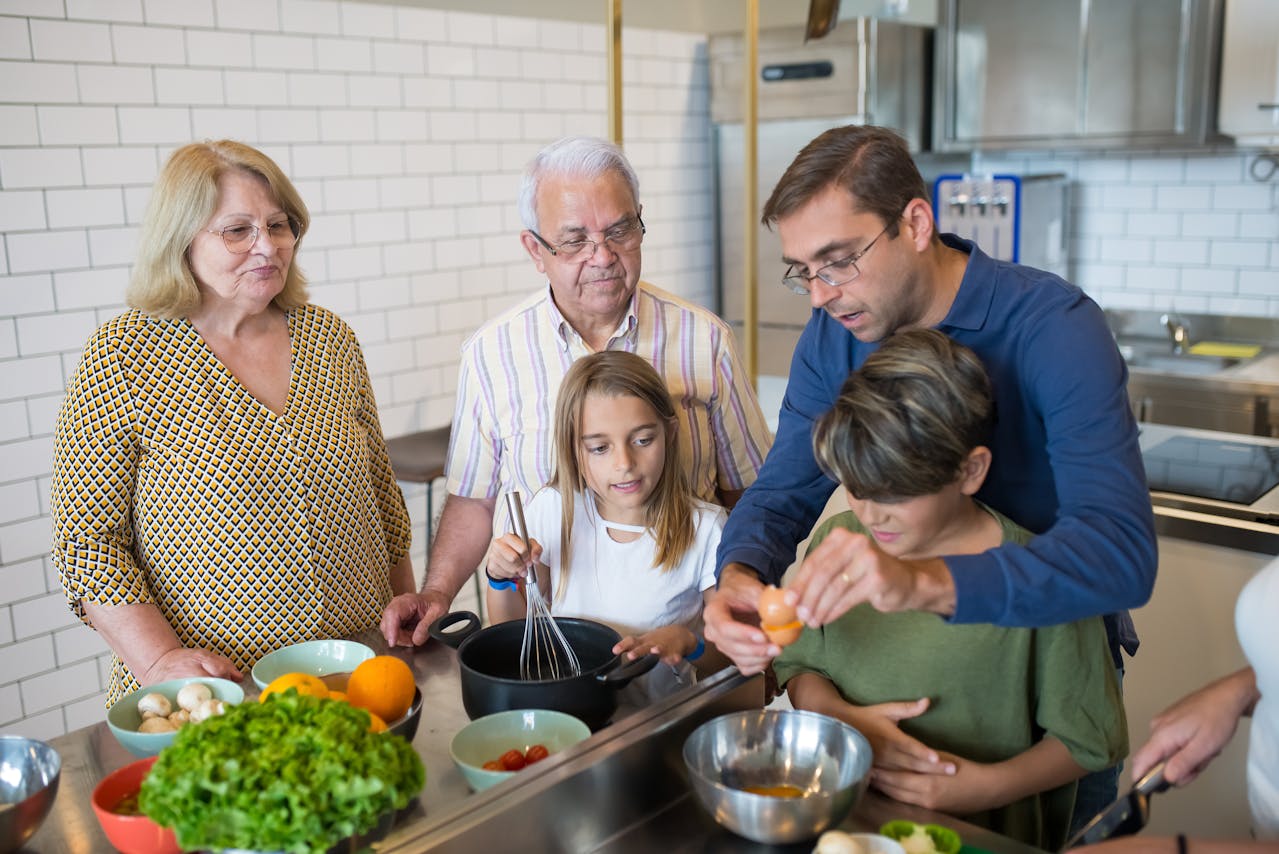
When grandparents cook with children, they pass down more than taste. They explain why cumin goes first in hot oil, why dough must rest, why festival sweets are made in batches, and why extra food is kept for unexpected guests. Technique and meaning arrive together, and culture becomes tangible.
Children remember the choreography: grinding, tasting, adjusting, and serving with care. They also learn generosity, because food is framed as sharing, not display. In adulthood, these recipes become emotional anchors during moves, grief, or celebrations. A familiar dish can reconnect people to family history in a powerful way.
Step In Quietly During Hard Times

Grandparents are often remembered most clearly in moments of stress. After a poor exam result, a friendship break, or tension at home, they tend to show up without drama. They offer a meal, a ride, a calm conversation, or simply steady company. Practical help arrives with emotional steadiness, which children read immediately.
That model of support is powerful because it is reliable and nonjudgmental. Children learn that care does not need performance or speeches. It can look like presence, timing, and tone. Later in life, many adults repeat this style with others, because they once felt how much quiet support can change a hard day.
Respect Growing Independence
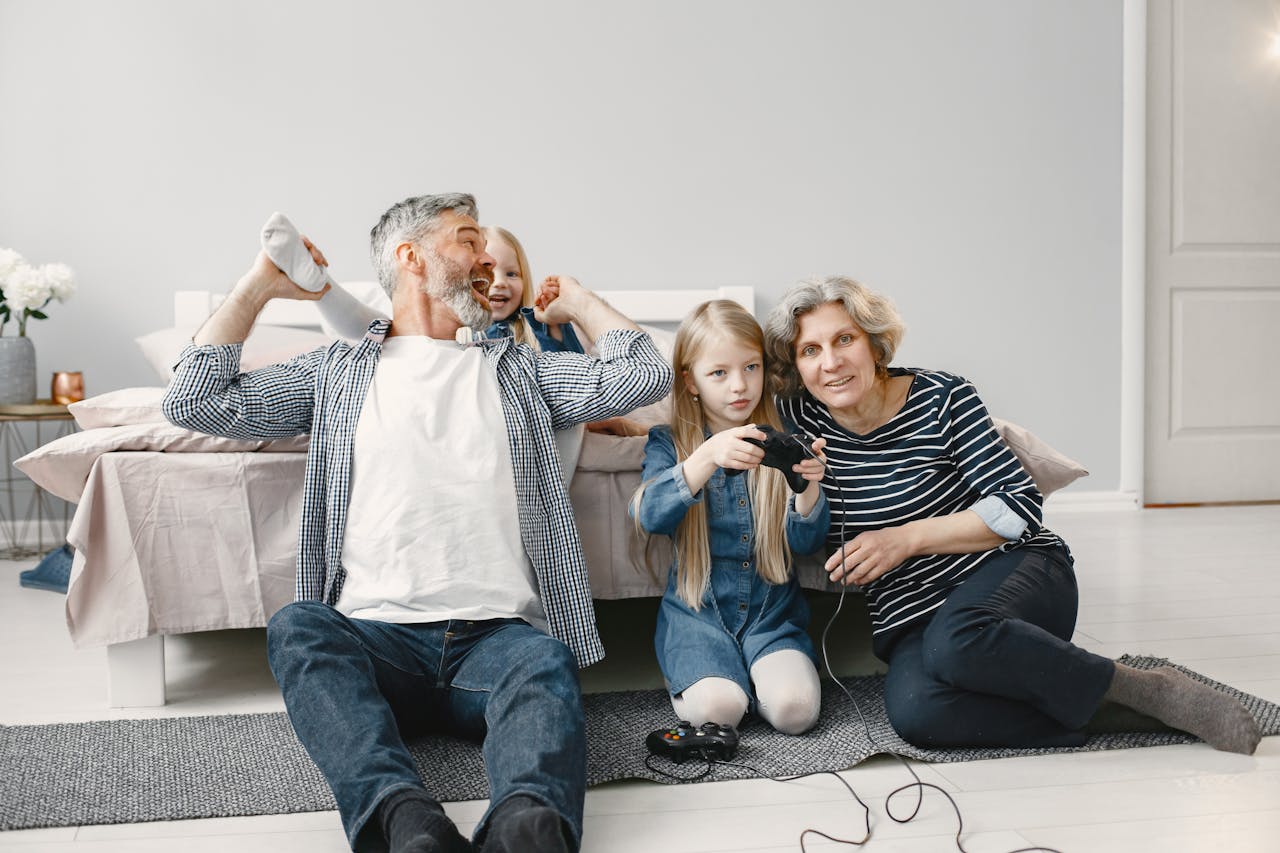
Strong grandparents guide without controlling every choice. They suggest options, explain consequences, and then let children decide small things that match their age, from organizing schoolwork to choosing a hobby or solving a conflict with a friend. That balance between boundaries and freedom builds judgment.
Children remember being trusted before they felt fully ready. Trust pushes them to think clearly, own mistakes, and act responsibly. It also reduces fear of failure, because guidance stays available without taking agency away. In adulthood, people often see that confidence was built by elders who advised, then stepped back.
Love Through Consistent, Concrete Actions

Grandparent love is often visible in ordinary acts. A sweater is mended before school, a favorite fruit appears on exam day, drawings are saved carefully, and every birthday call arrives on time. These gestures may look small from outside, but children read them as proof that they matter deeply and consistently.
That is why the memory endures. Grand declarations fade faster than repeated care. Over the years, these acts become emotional ballast that helps adults trust relationships and offer care to others with the same steadiness. The lasting lesson is simple: dependable love is built through attention, not performance.