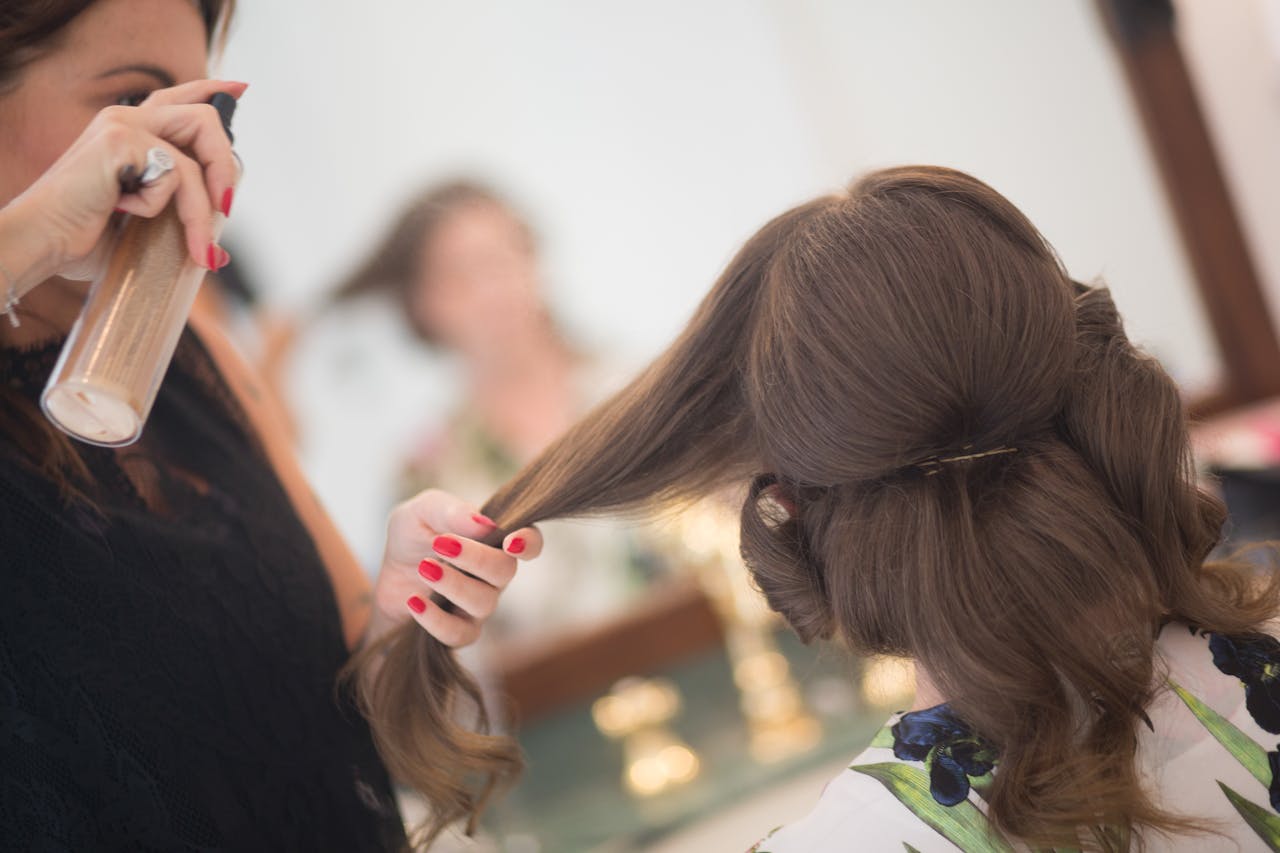
A dated hairstyle rarely comes from age alone. It usually comes from habits that stop evolving while clothes, makeup, and routines keep moving forward. Stylists see this constantly: healthy hair carrying old rules like rigid shape, flat color, and too much product control. The result can feel heavier than intended, especially in daylight and phone photos where movement matters.
The upside is practical. Most fixes are small, affordable, and easy to maintain between appointments. A softer line near the face, cleaner tone, and lighter finish can shift the whole impression from fixed to fresh while keeping personal style intact.
Heavy, Helmet-Like Hold
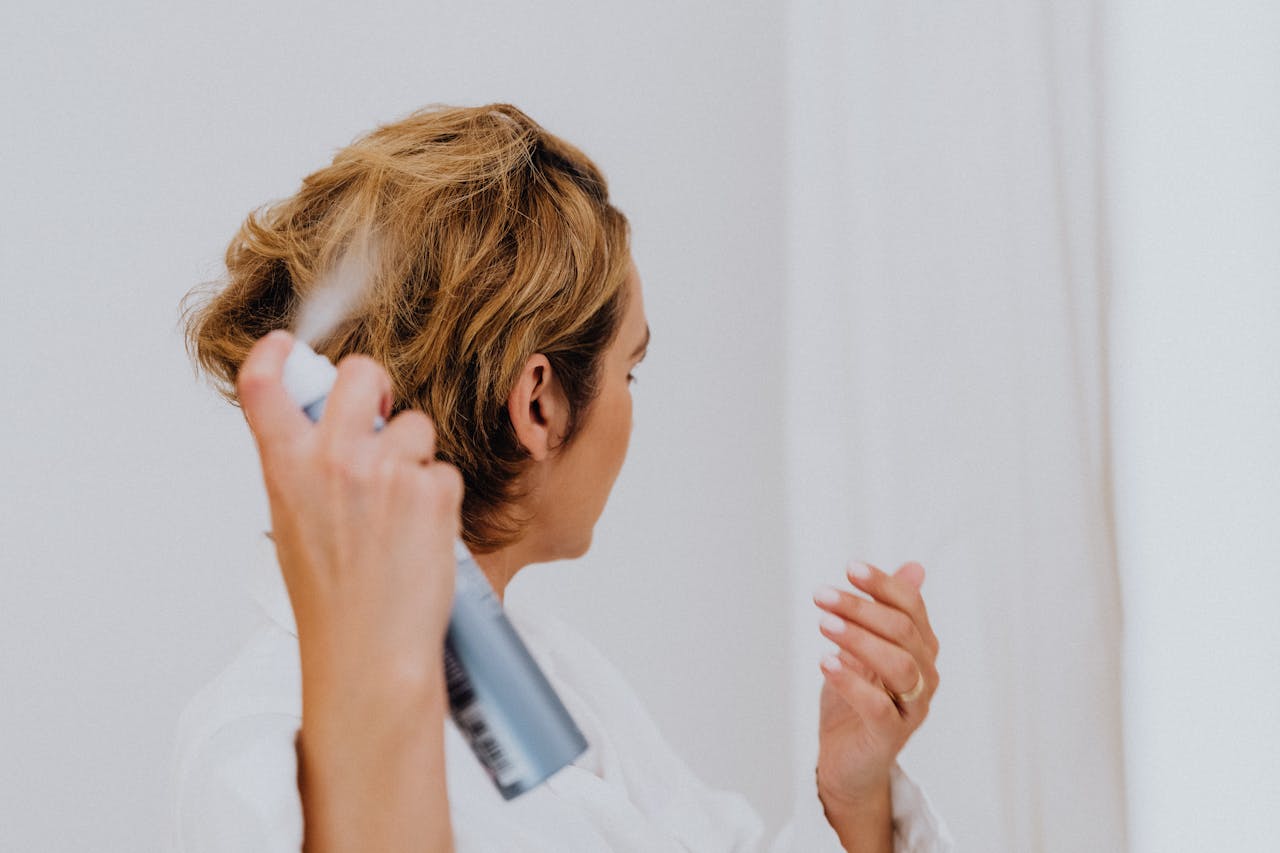
A hard helmet of hairspray can freeze a style into one unchanging shape, and that stiffness often reads older than the cut itself. Hair stops responding to movement, wind, or touch, so the finish looks formal even on casual days. Under bright indoor light, strong lacquer can also make strands appear dull instead of glossy.
Stylists usually keep hold but change formula and timing. A flexible spray applied in short layers, then loosened with fingers after setting, preserves control while restoring motion. The style still lasts, yet it looks lived-in, modern, and flattering from every angle, including close-up photos taken in harsh light.
One-Note Dark Color From Root to End
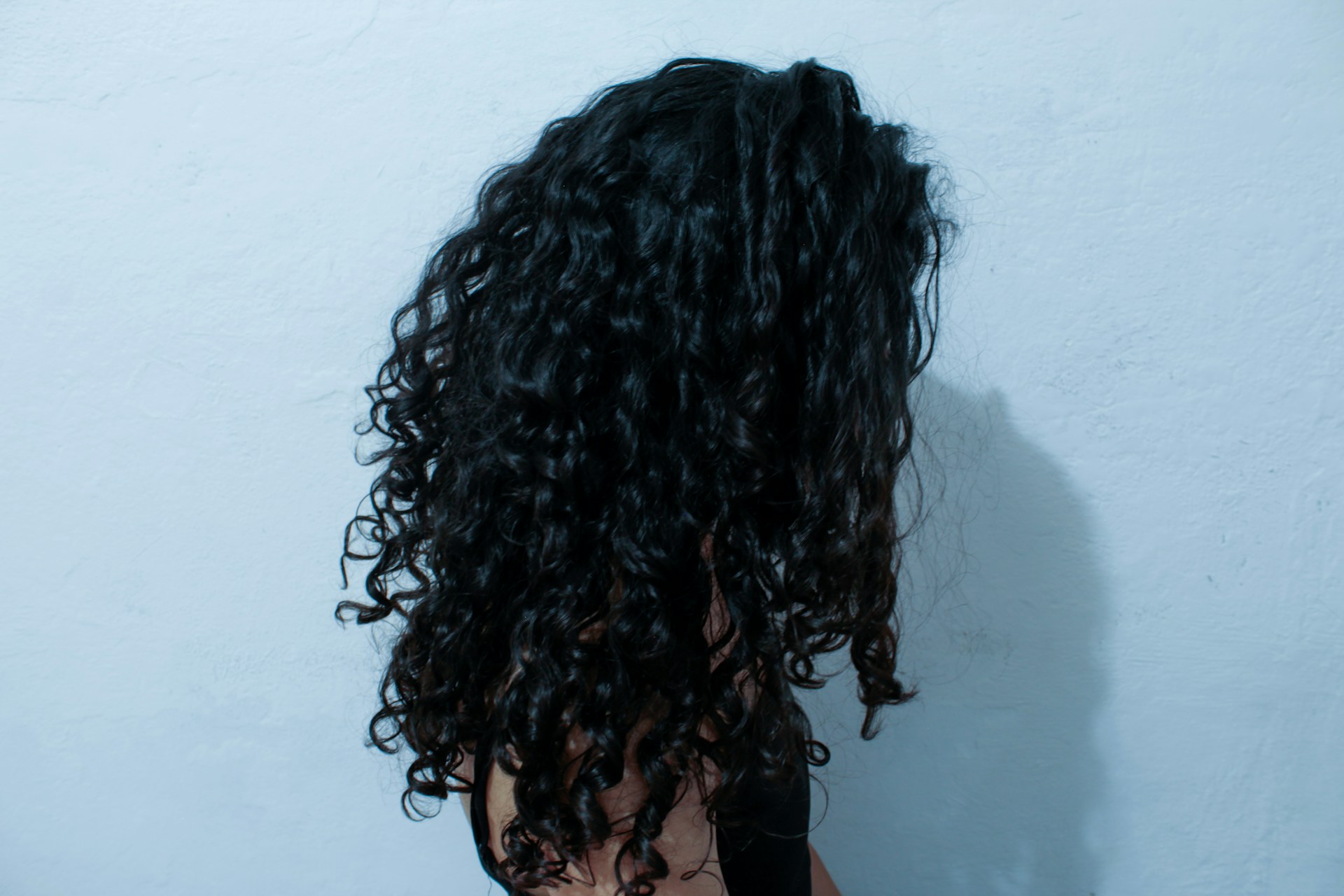
A single dark shade from roots to ends can flatten the face and create a curtain effect around the cheeks and jaw. Without tonal variation, features lose lift, and the overall look can turn severe even when hair is healthy. Many colorists say the issue is not darkness itself, but the absence of light movement within the color.
The fix is gentle dimension, not dramatic contrast. Adding fine pieces one to two levels lighter through mids and ends helps hair catch light naturally. That variation keeps depth, warms the complexion, and makes the style feel current without sacrificing elegance or polish between routine salon visits.
Short Cuts With No Internal Movement
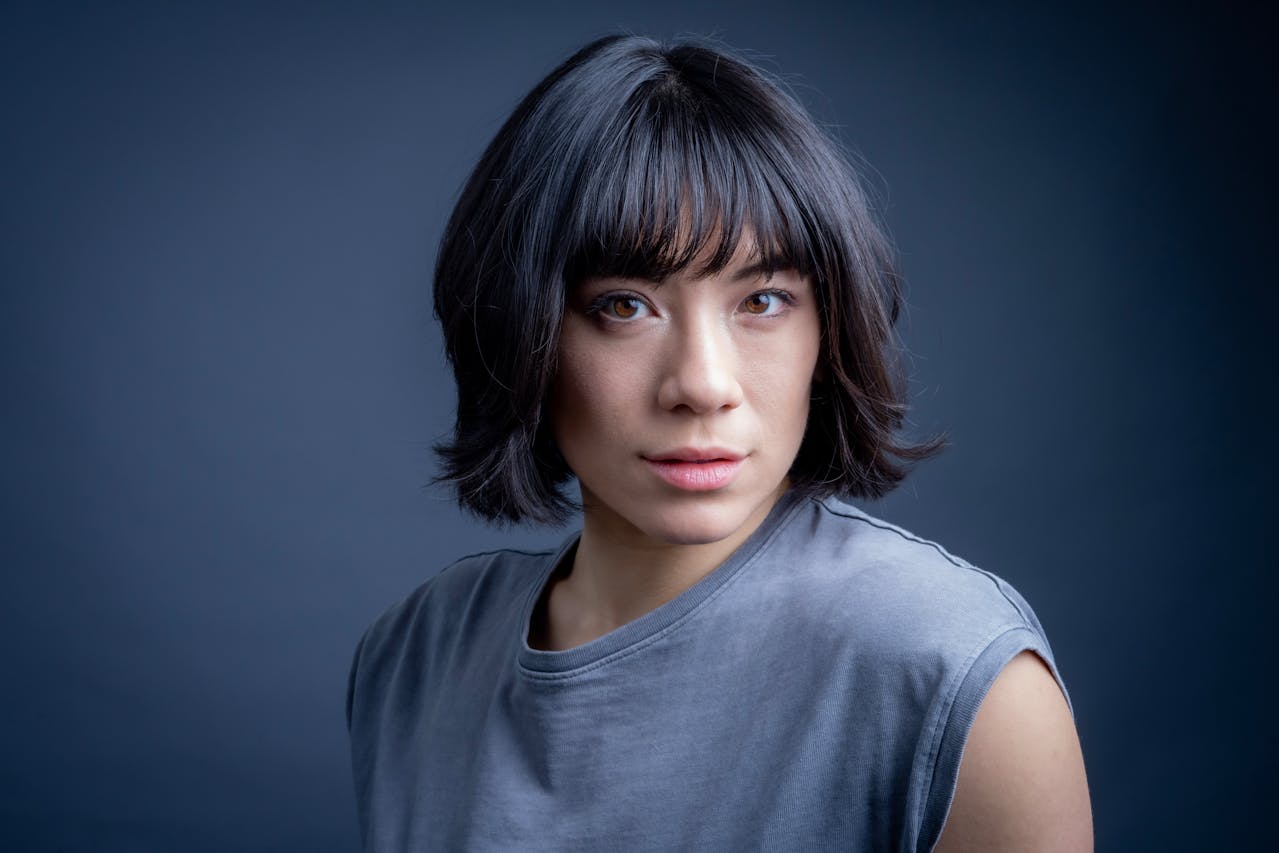
Short hair can look incredibly chic, but a blunt shape with no internal texture often lands as rigid. When every section is cut to the same density, the silhouette becomes blocky at the sides and heavy near the nape. Paired with strong cream, that geometry can make features look tighter and less relaxed.
Stylists avoid that dated finish by carving hidden layers and softening perimeter edges. Even tiny adjustments at the crown and temple can open the face and create lift where it is most flattering. The result stays neat and refined, but it moves naturally and feels contemporary instead of fixed in one era or one styling routine.
Tight, Uniform Curls Set in Rows
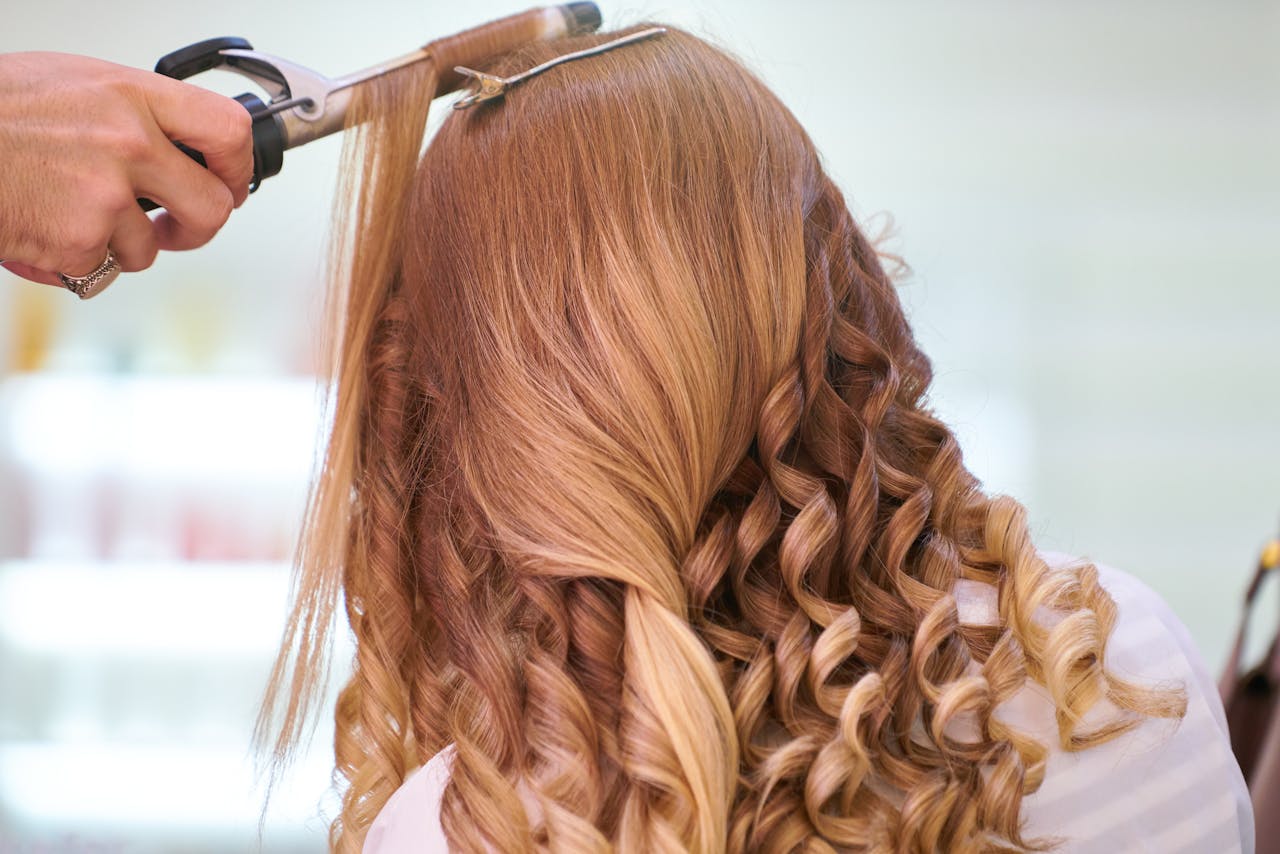
Very tight, uniform curls arranged in clear rows can quickly echo an older salon set pattern. The issue is not curl definition; it is repetition. When every section bends the same way and sits at the same height, hair loses spontaneity and starts to look smaller, denser, and visually stiff around the face.
Modern finishing breaks that pattern on purpose. Stylists mix curl direction, separate sections with fingers, and mist lightly instead of sealing everything at once. Variation creates softness, bounce, and breathing room between strands. Curls still look polished, but the final shape feels effortless, current, and alive on camera.
A Severe Part With a Flat Crown
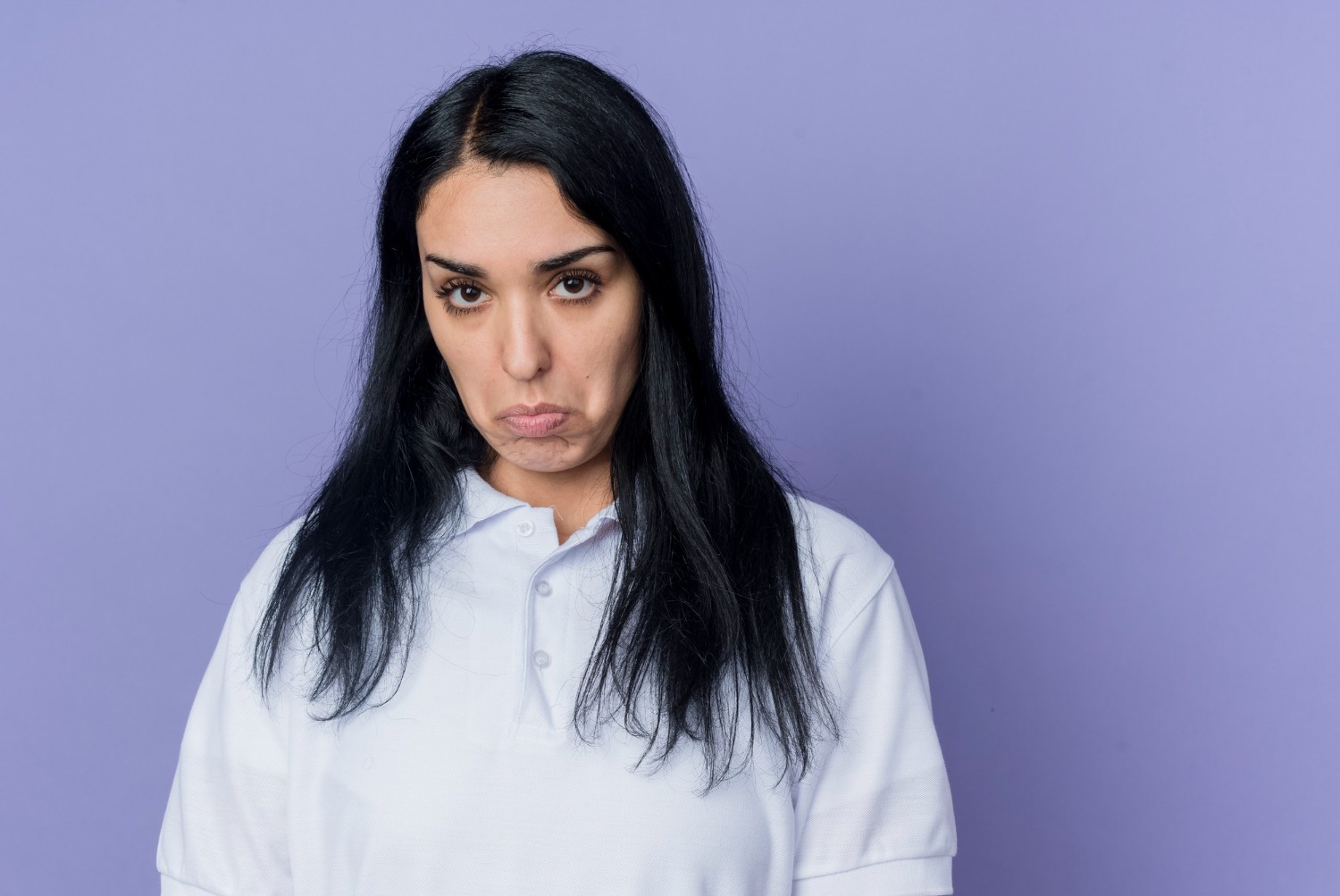
A deep, razor-sharp part combined with a flat crown can make the top of the head look compressed and severe. This usually happens when hair is blow-dried too close to the scalp, then pressed down with serum. The line appears stark, and the face can seem more tired because vertical balance disappears.
A softer part placement, even shifted slightly, often changes the mood immediately. Stylists then add gentle root support at the crown using light mousse or a round-brush pass. That small lift improves proportion, opens the eyes, and keeps the style elegant without chasing extra volume or dramatic shape changes that feel unlike everyday hair.
Ignoring Brass and Tone Drift
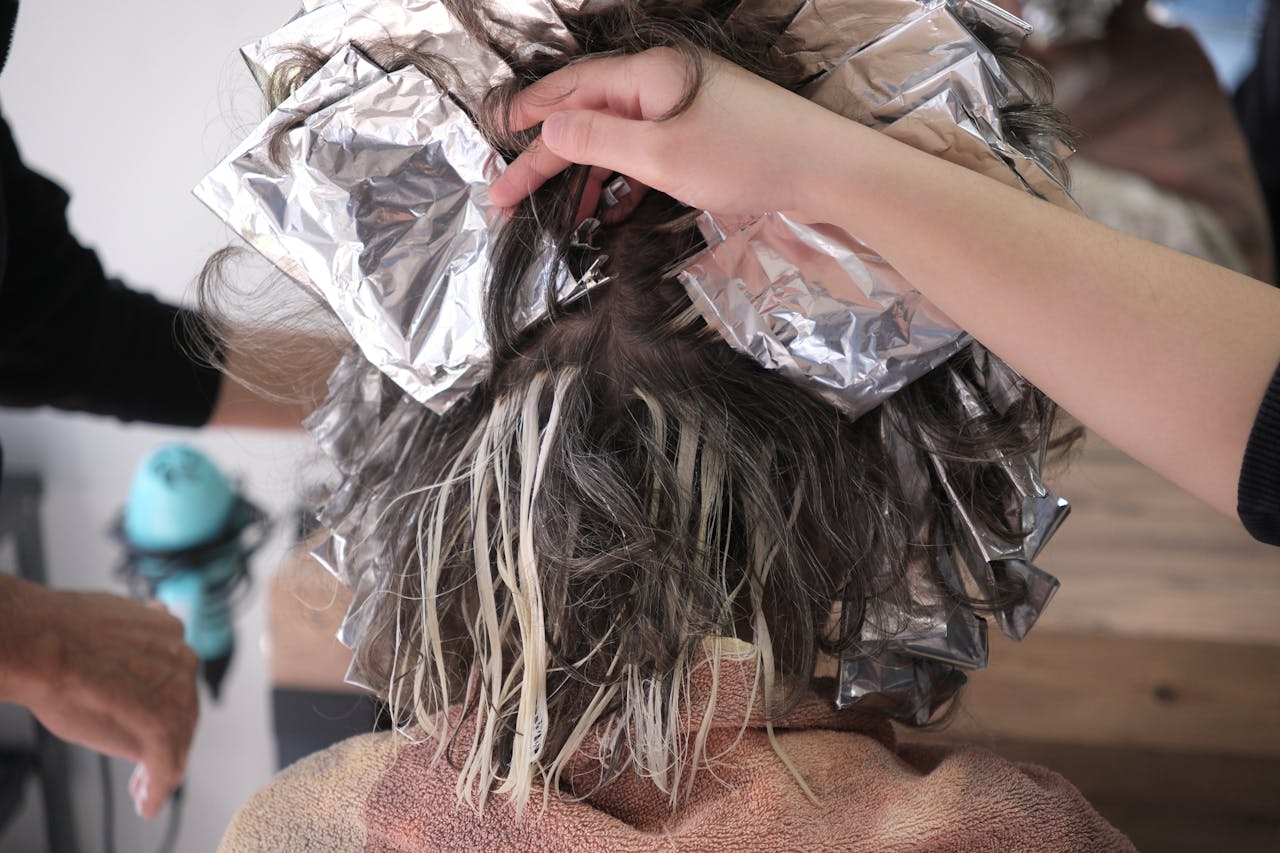
Brass is one of the fastest ways a polished color starts to look dated. Blonde can turn yellow, brunette can pull orange, and cool tones can fade into flat warmth after sun, hard water, and hot tools. Even a great haircut looks less refined when shade clarity slips and reflection becomes uneven.
Stylists treat tone as ongoing maintenance, not a one-time salon event. Gloss refreshes, color-safe cleansing, and targeted violet or blue products help neutralize drift between appointments. When undertones stay balanced, hair reflects light better, skin looks brighter, and the overall finish reads fresh, intentional, and modern.
Face-Framing Pieces Cut Too Short or Blunt
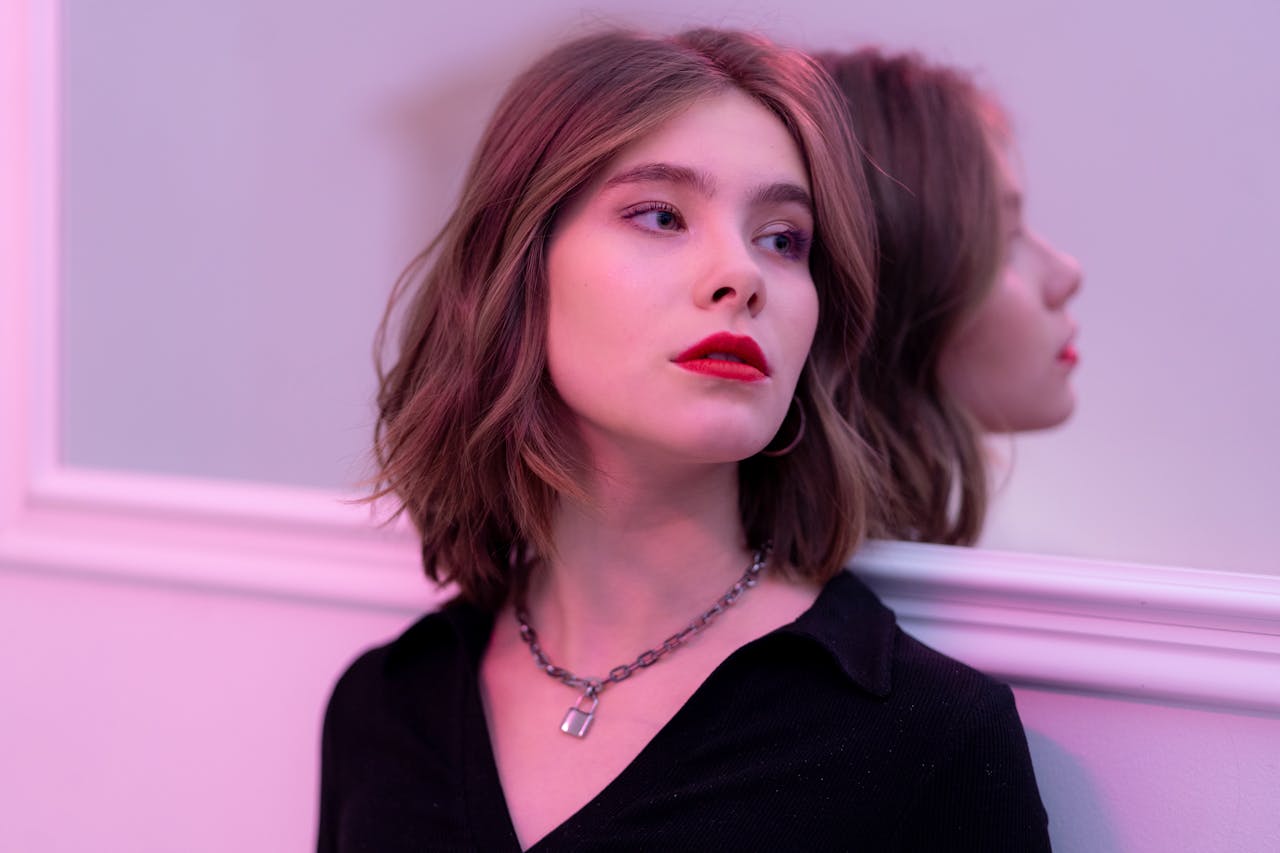
Face-framing pieces influence expression more than most people realize. When those pieces are cut too short, too thick, or too blunt, they crowd the cheek area and harden the mouth line. The haircut may still look tidy, but the frame can feel abrupt, heavy, and disconnected from the rest of the shape.
Stylists usually correct this with longer, tapered framing that blends into nearby layers. A gradual transition near the cheekbone or jaw softens angles and keeps features open. The benefit is practical too: grow-out looks better, daily styling gets easier, and the haircut keeps its shape without constant rescue appointments.
Dull Finish From Product Buildup
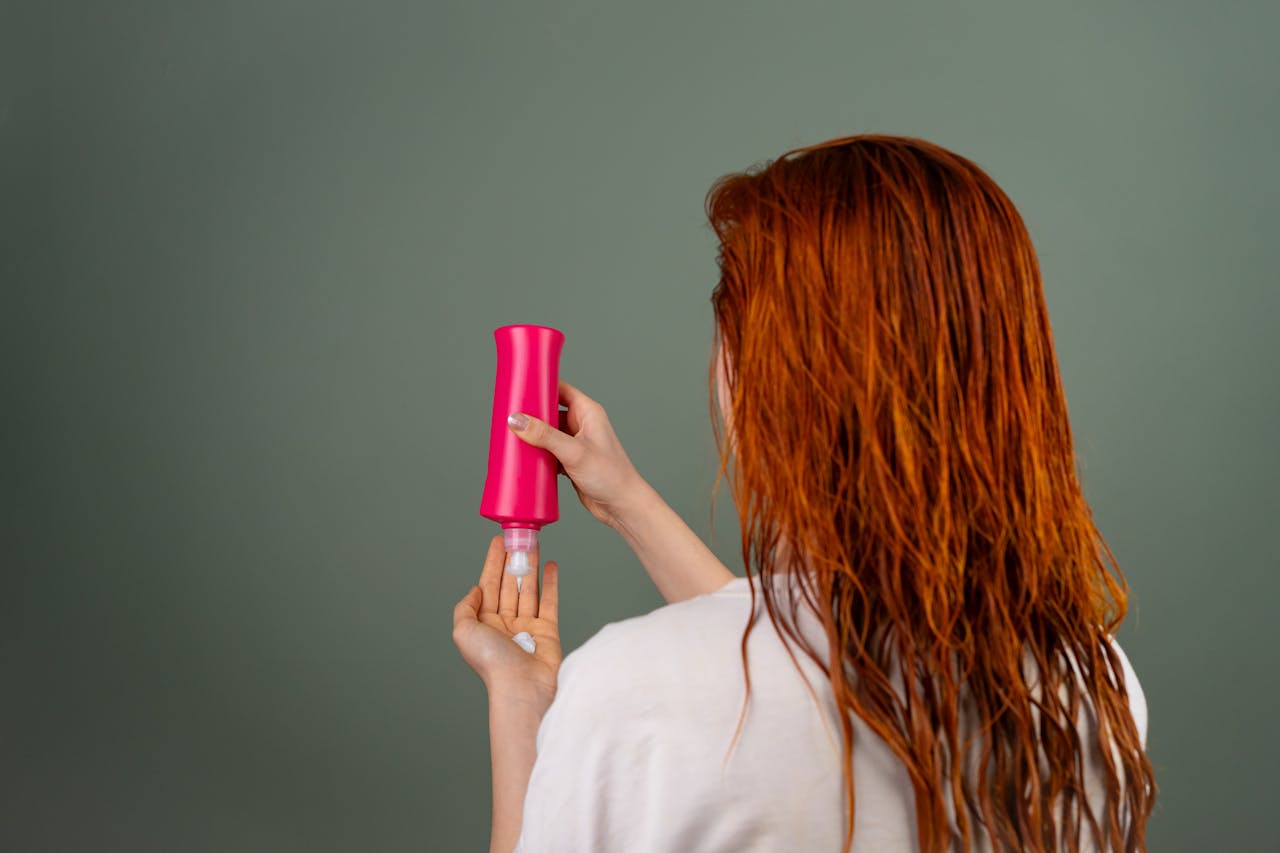
Product buildup is a quiet culprit behind the instant dated effect. Repeated layers of dry shampoo, wax, and silicone-heavy formulas can coat the shaft and mute shine. Hair then looks cloudy at the surface and rough at the ends, even when the underlying cut and color are professionally done.
Stylists reset this with a clear routine: periodic clarifying, lightweight hydration, and heat protection that does not overload strands. Once residue lifts, texture returns, tone looks cleaner, and movement comes back naturally. That clarity alone can make hair look healthier, newer, and far more current without requiring a major cut or color change.