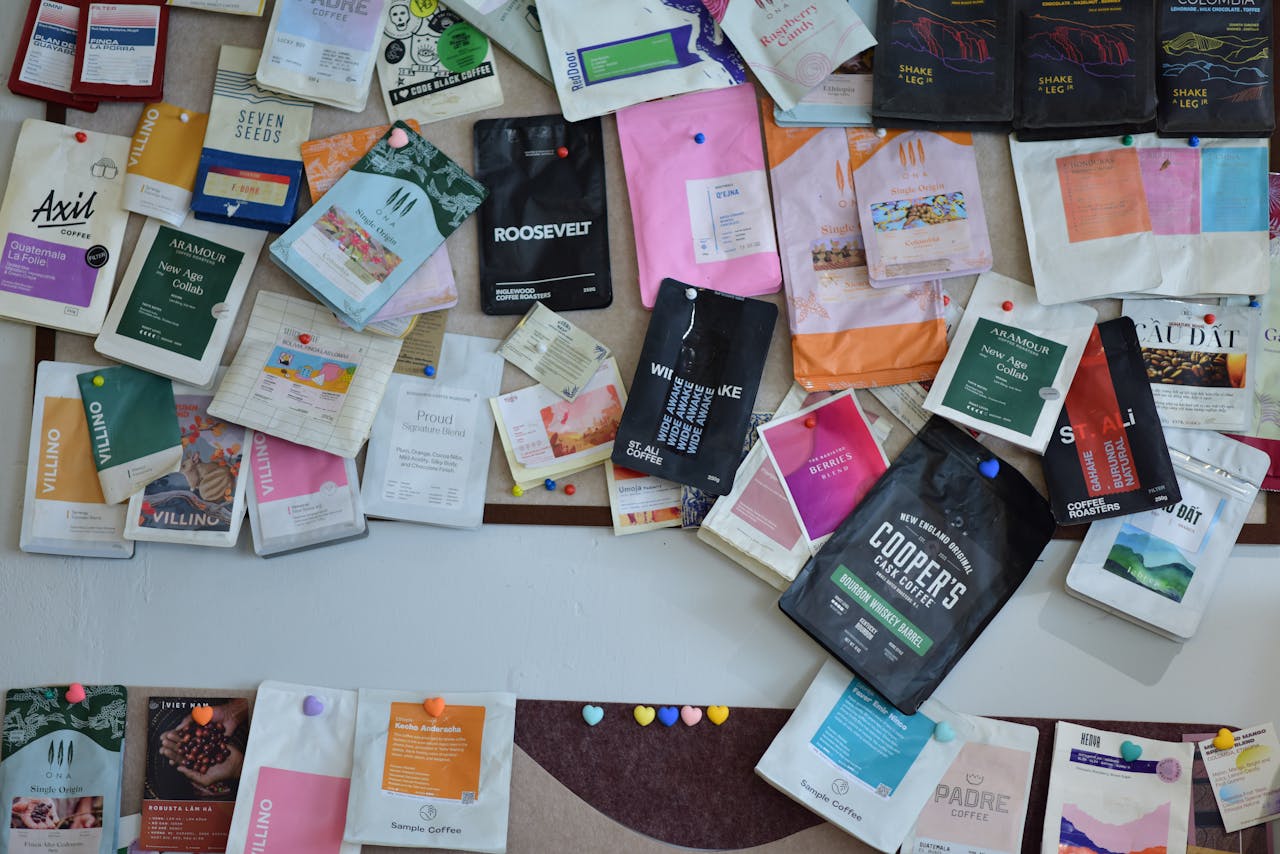
Before feeds and notifications, many towns relied on a quieter kind of scrolling: the bulletin board. Pinned near diners, libraries, and corner stores, it held the week’s pulse in paper form. A curling flyer announced a band on Friday at 8 p.m.; a smudged note asked for a lost calico last seen near Third St. People compared handwriting, tore off phone tabs, and learned local news while waiting for coffee. The board rewarded patience and curiosity, turning errands into small check-ins. Newcomers found clubs and babysitters, regulars tracked meetings and fundraisers, and everyone saw what mattered without a password. Nothing was personalized, yet everything felt close, because it belonged to the same streets and familiar faces.
They Worked Like A Shared Local Feed
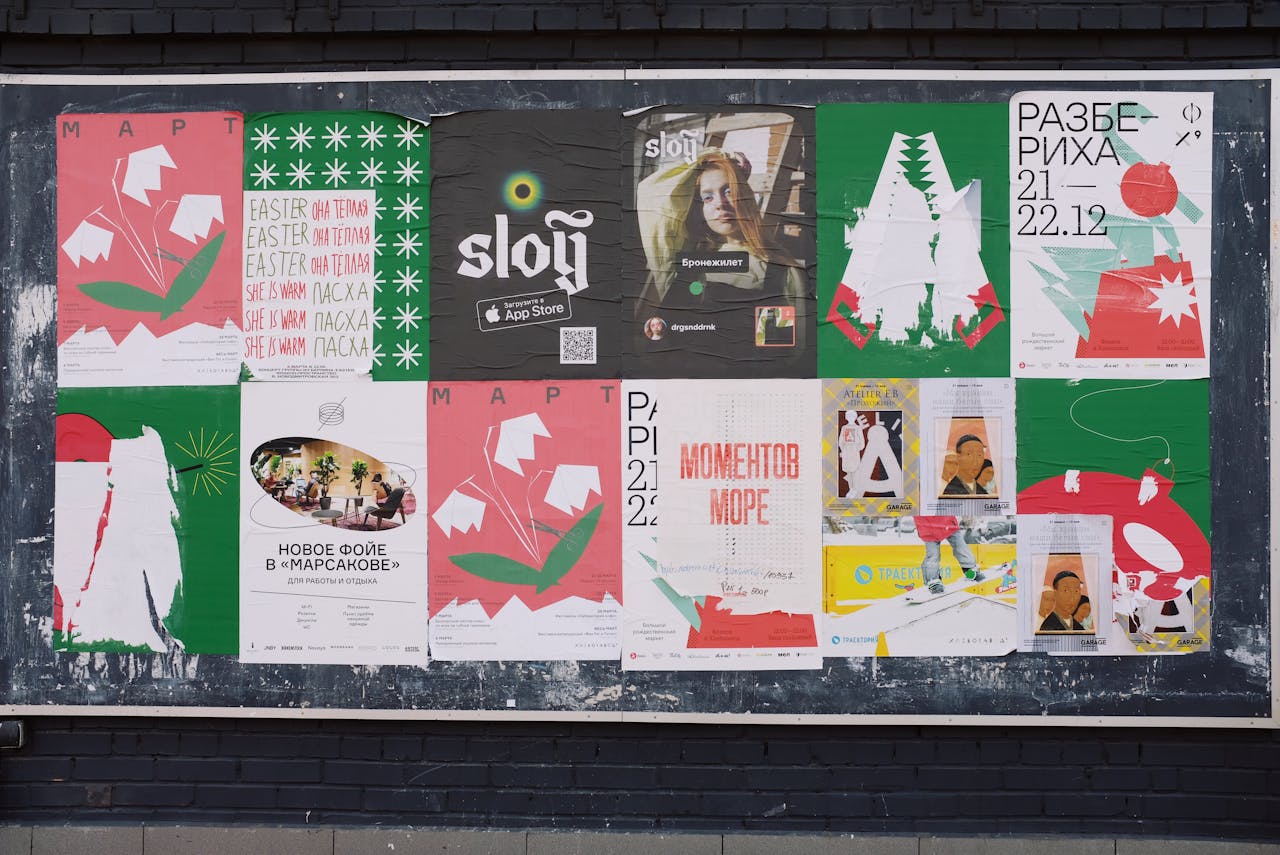
A bulletin board ran like a shared local feed: fresh posts landed at eye level, older ones drifted down, and the most useful notices reappeared in new ink when details changed. Because it lived where people truly passed through, the updates had stakes, from a bake sale for a family in crisis to a road closure, a missing calico last seen near Third St., or a petition after a close call by the school crosswalk. Torn phone tabs became quick replies, and the mix of fonts, tape, and staples turned a simple errand into a steady read on what the town needed next, who was organizing it, and when it was happening before Friday night hit.
Classifieds Became Public DMs
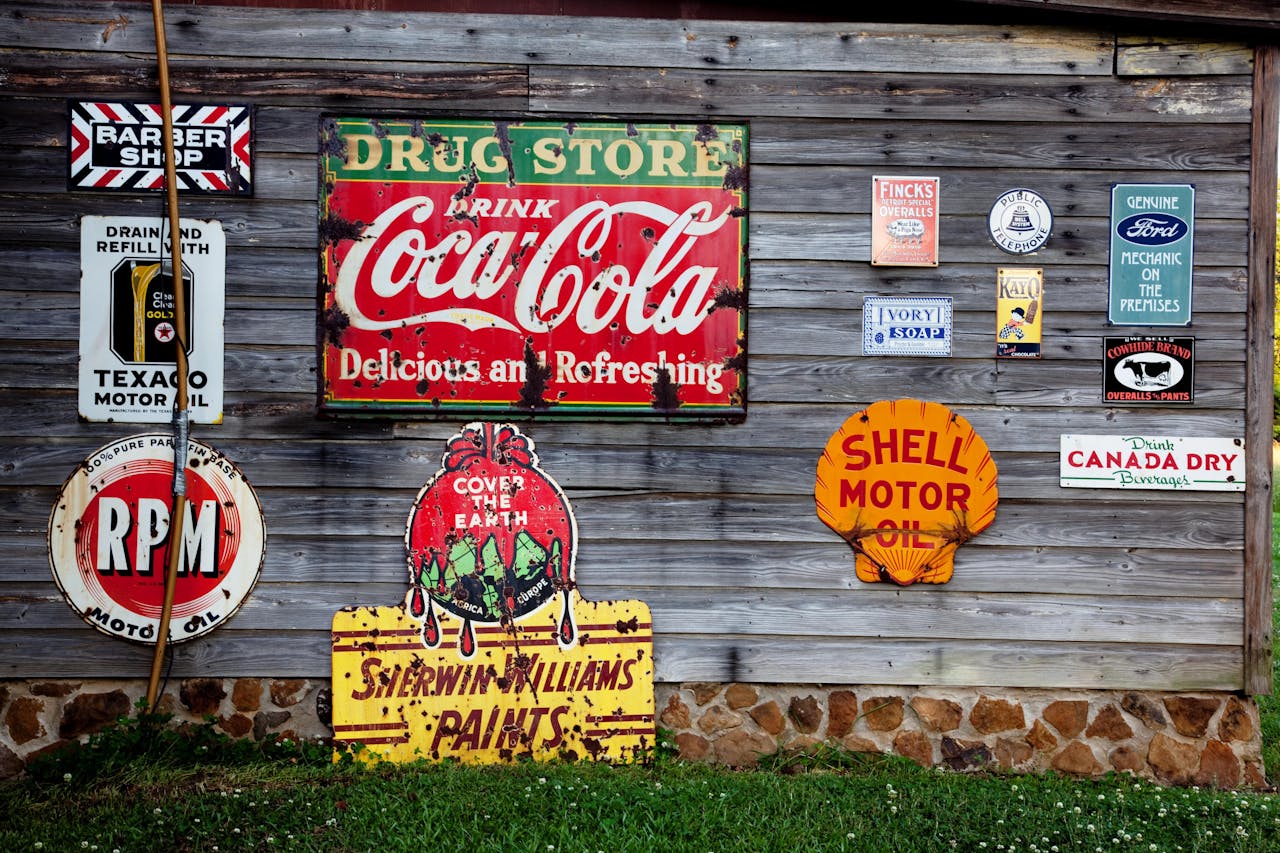
The classifieds corner acted like public DMs, only on paper and anchored to a real address, not a username. A used couch, algebra tutoring, a part-time babysitting gig for Tues. and Thurs., a guitar teacher, or help moving a washer could sit side by side, each with phone numbers on tear-off tabs that vanished by lunch and left a jagged edge behind. Deals formed through short calls, porch pickups, and follow-up slips that said SOLD or FOUND, and the bargaining carried a soft pressure of community, where flaky sellers got remembered and fair ones got recommended because the town was small, and reputations traveled faster than paper.
Flyers Went Viral Across Town
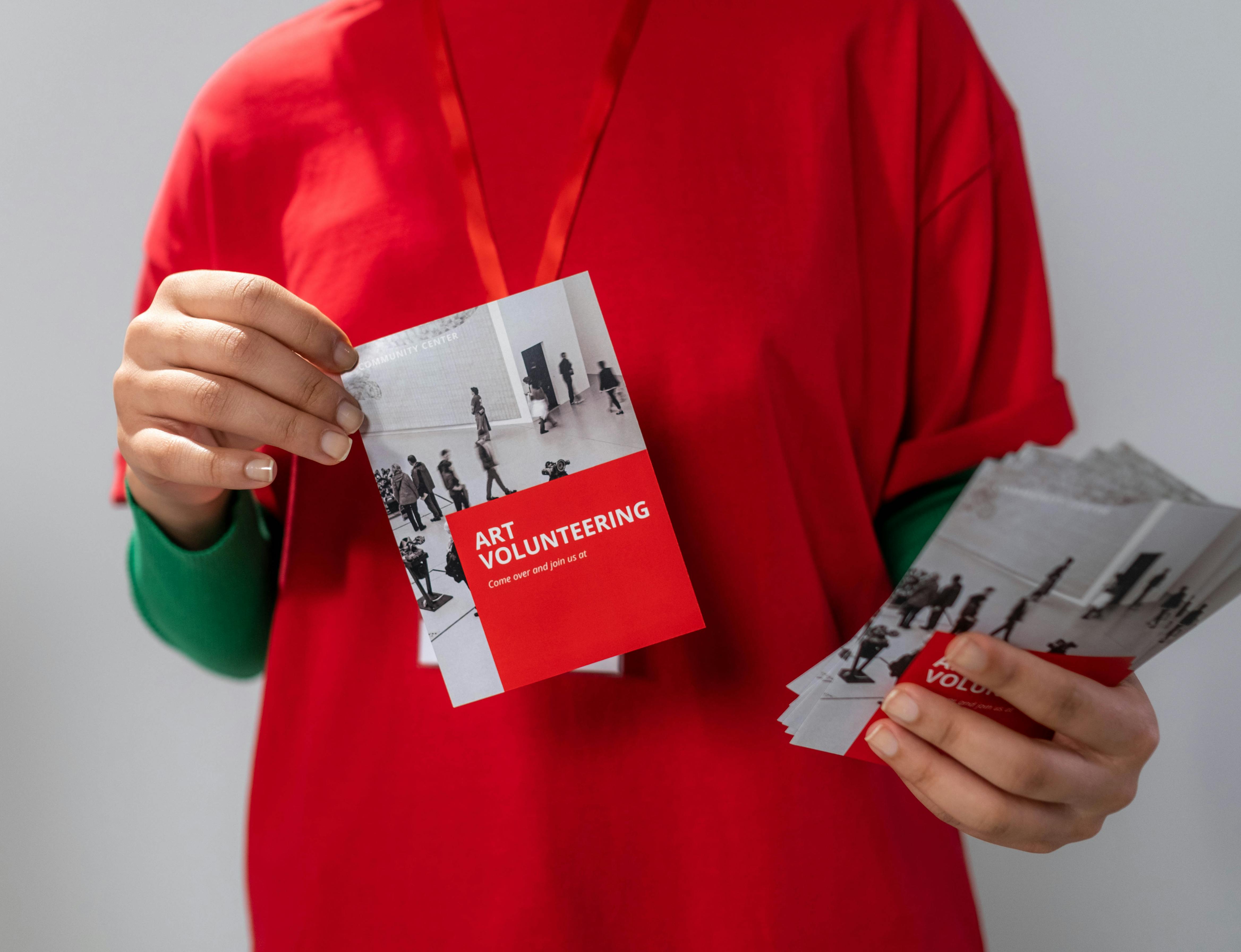
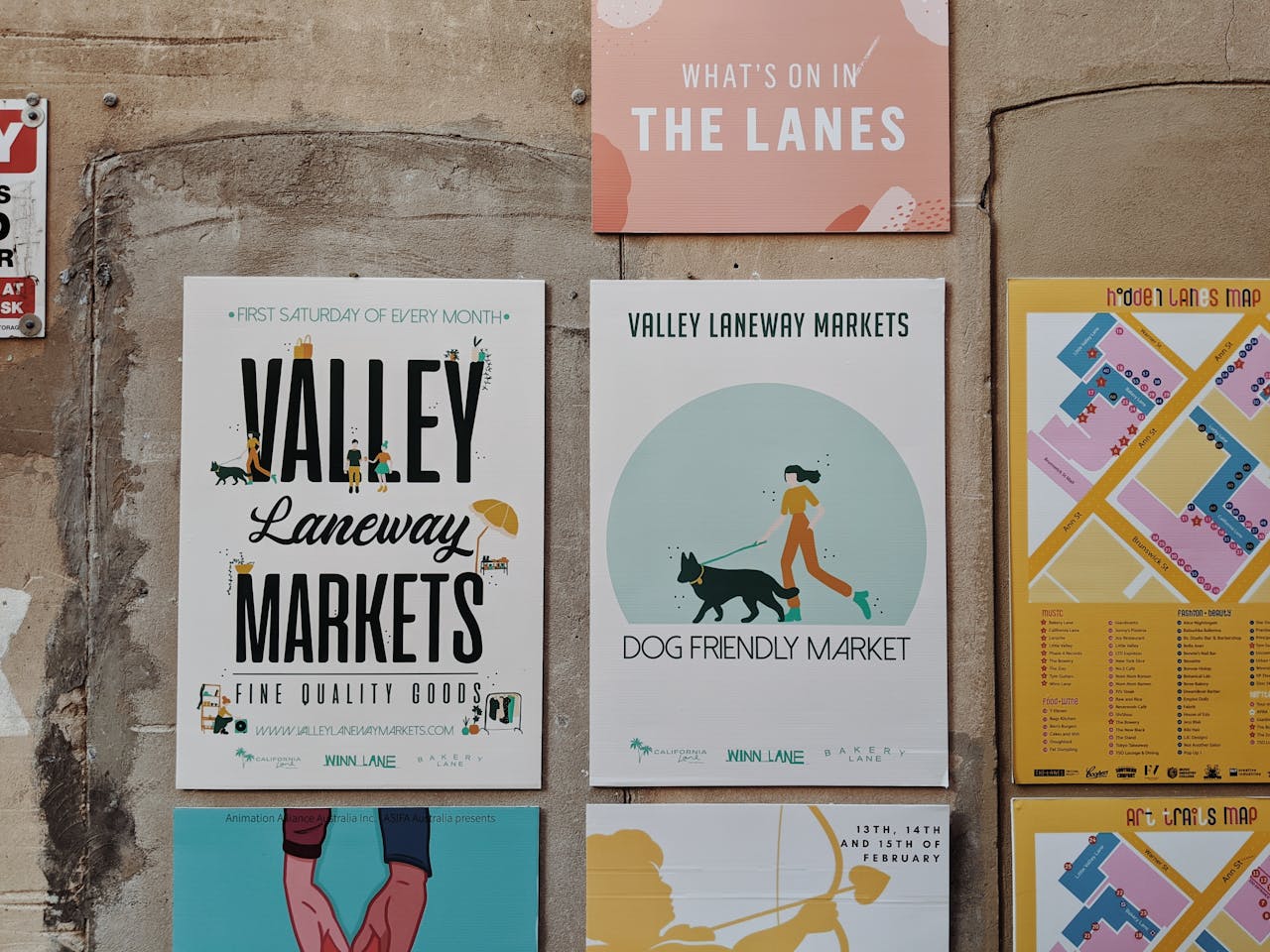
Flyers for dances, book sales, church suppers, yard sales, and open-mic nights spread the way a hot post moves through a tight group chat, passed hand to hand and re-pinned with care. A bright poster at the coffee shop showed up again at the hardware store days later, now with handwritten updates: doors open 6 p.m., bring canned goods, park behind the hall, plus a tiny map sketched in the corner for anyone new in town. Seeing the same notice in several trusted spots made it feel legitimate, and the repetition built anticipation: coworkers mentioned it at lunch, parents swapped details at pickup, and Friday night suddenly had a plan.
Posting Built A Public Identity
A bulletin board made room for identity through choices, not profile photos, and it did it in plain sight. A teen’s band announcement, a crocheted-hat side hustle, a volunteer sign-up for the shelter, a piano lessons card, a neighborhood softball league, or a neatly typed résumé for summer work all hinted at personality and ambition without needing an audience of strangers. Small signals mattered, from careful margins to glitter pen to the line call after 5 p.m., because posting meant introducing a real self to neighbors, then living with that introduction at the grocery store, the gas pump, and the school concert all season too.
Arguments Turned Into Paper Comment Threads
Some boards became low-tech comment sections when a topic touched taxes, schools, parking, or safety, and the cork filled up fast. A notice about a zoning meeting, a school board vote, a bus-route change, or a new leash rule could sprout sticky notes, counter-flyers, and penciled phone numbers for neighbors who wanted to organize, while someone else taped up a calmer summary in blue ink. The debate stayed readable because it had to fit on paper and face daylight, and it stayed human because disagreement lived next to errands, in the same hallway where people later borrowed books, posted babysitting ads, or stopped to say hello.
Light Moderation Kept Trust Intact

Most boards had quiet moderation, usually by a librarian, café owner, or clerk who set the tone without turning it into a speech. A handwritten rule sheet might require dates, limit duplicates, ban personal attacks, or pull anything older than 30 days, which filtered scams, cooled vendettas, and kept the space useful for real needs like ride shares, yard sales, and emergency fundraisers. That small friction built trust: posting meant showing up, asking permission, and accepting that questions could be asked right there at the counter, where a fuzzy story got clarified fast and a solid one gained support later, with less drama too.
Skills And Needs Found Each Other
Boards acted like recommendation engines powered by real skills and immediate needs, with no ratings stars required. A plumber’s card could sit beside a dog-walker’s flyer, a handyman’s note, a grief group schedule, a scout cookie order form, a choir audition, and a retired teacher offering SAT prep, quietly mapping what the town needed most that month. Help then traveled to the right porch: rides to appointments at 9 a.m., meals after a new baby, snow shoveling swaps for older neighbors, and odd jobs coordinated by landlines, scribbled times, and the unspoken promise of a quick check-in after the work was done before dark for real.
Layers Created A Town Memory
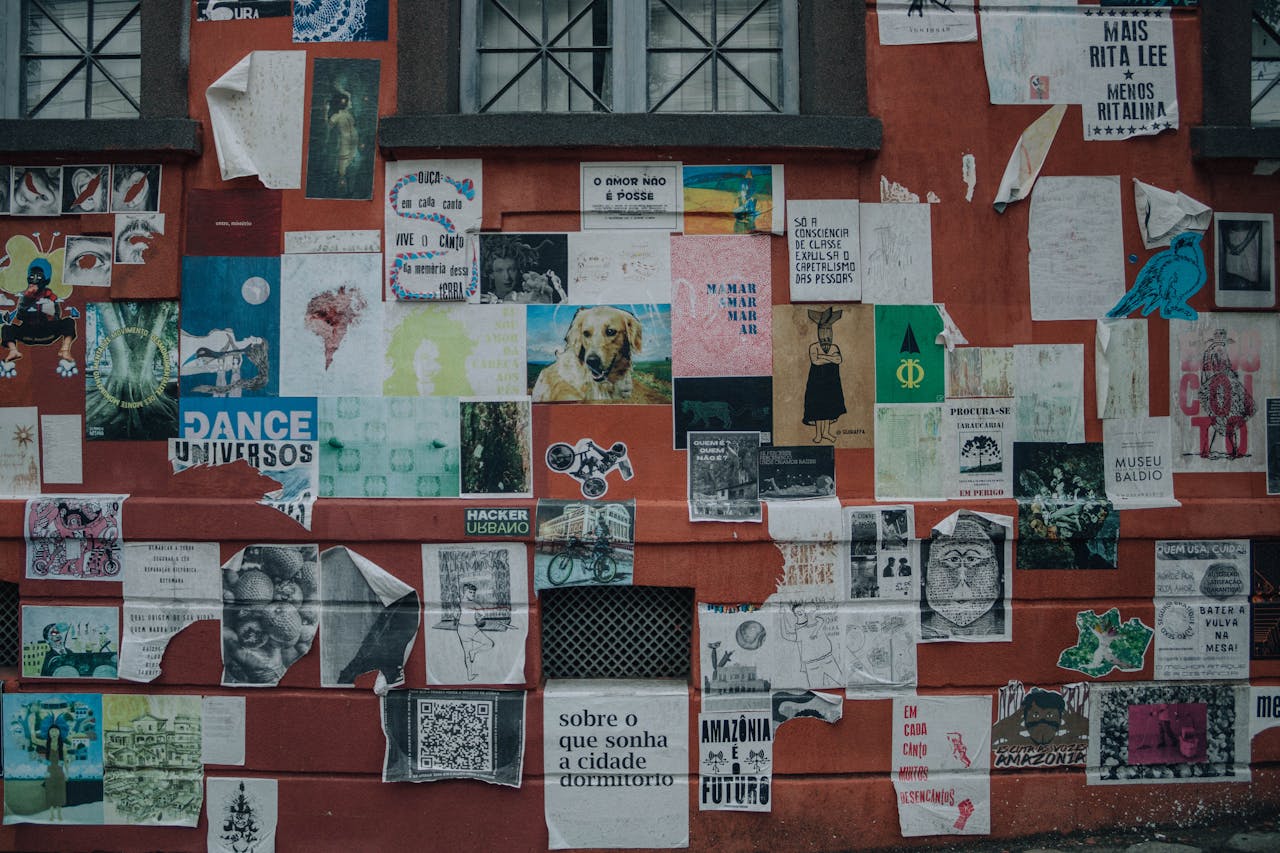
Even after a flyer yellowed, its trace stayed in the layers of staple holes and faded ink that built a public timeline, like rings in a tree cut through the town’s routine. Old band posters, charity spaghetti dinner notices, missing-pet updates, and school play handbills stacked into a record of small wins, small losses, and the seasonal rituals that made a place feel dependable. People pointed and remembered the week the bridge reopened, when the bakery changed hands, or when bingo moved to Wed. nights, and the board kept those seasons visible without needing a login, just a pause on the way to the door and a quick glance back.
Lurking Turned Into Participation
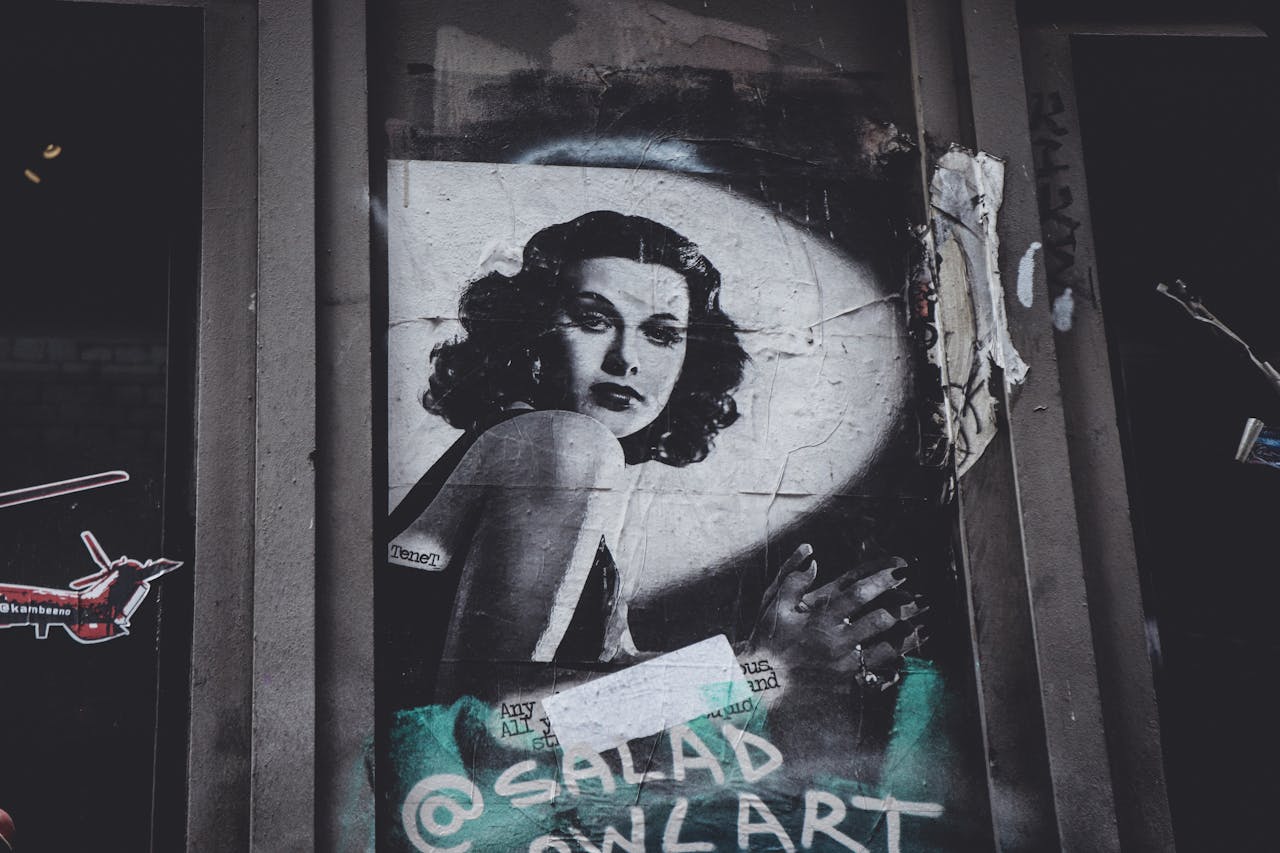
A bulletin board welcomed quiet observers, long before anyone used the word lurker, and it gave them a low-pressure way in. Someone could read for weeks, learn which clubs met on Mondays, track the same babysitter ad moving from store to store, and tear off a phone tab without speaking, then eventually post a guitar lesson card, a pickup soccer note, or an offer of extra zucchini, using masking tape and a pen borrowed at the counter. Because the barrier stayed low, observation turned into action, and the board taught a steady lesson: community is a habit built through small public gestures that keep showing up even on busy weeks.