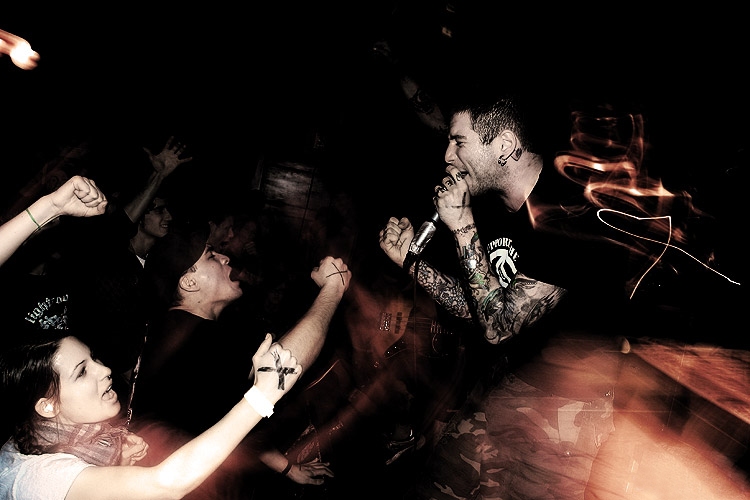
Straight edge in the 1980s looked less like a trend and more like a pact made in crowded rooms. Inside hardcore punk, young people who loved speed, volume, and confrontation chose a clean path that rejected alcohol, tobacco, and drugs. They were not trying to leave punk behind. They were trying to protect what felt true inside it.
Before the movement split into stricter factions and lost momentum, daily life revolved around all ages shows, hand marked symbols, cheap flyers, and tight local friendships. The energy stayed fierce, but the center shifted toward clarity, memory, and self respect. That mix gave many teens real direction.
When a Song Became a Social Contract
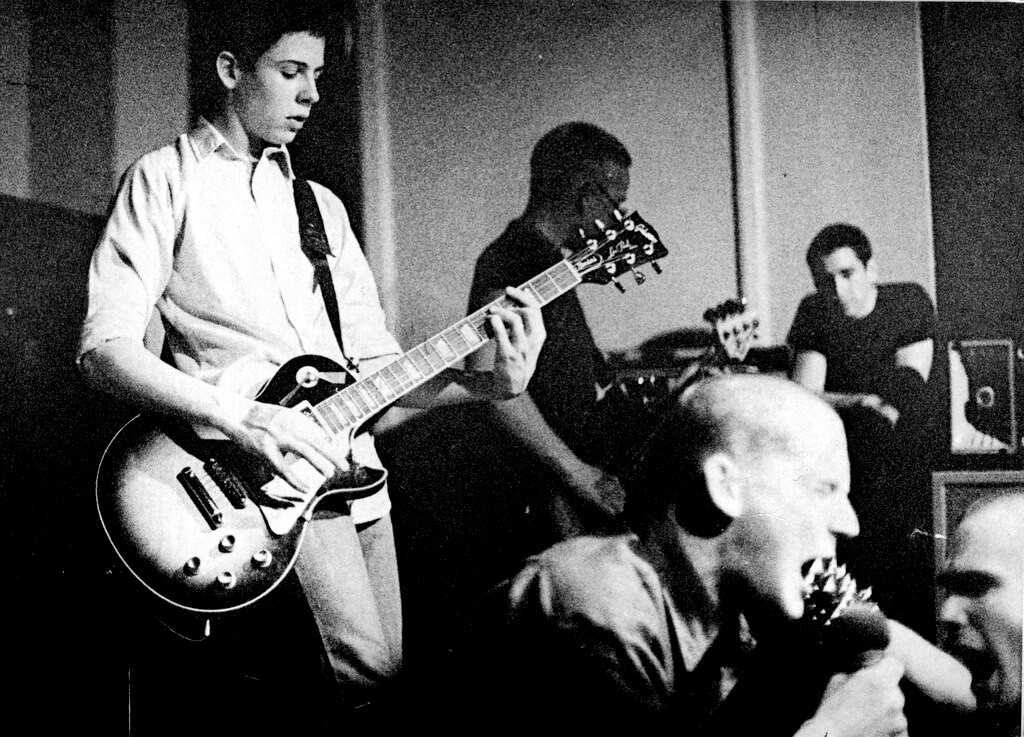
Straight edge took its name from the 1981 Minor Threat song Straight Edge, and that detail matters because the origin was personal before it became communal. The lyrics were blunt about refusing intoxication, but the tone was not polished moralizing. It sounded like someone setting a line and refusing to apologize for it in a scene that often mocked restraint.
As the song moved through tapes, records, and live sets, teenagers adopted the phrase as an identity marker. A short track became social vocabulary, and that vocabulary gave local scenes a simple way to recognize who shared the same basic commitments. The shift happened fast.
The X Mark That Changed Meaning

The X on the back of the hand began as a practical venue mark for underage attendees who could enter a show but could not buy alcohol. Straight edge participants reclaimed that mark and turned it into a symbol of chosen restraint. What started as club logistics became a visible statement carried from one city to another.
By the mid 1980s, the symbol did social work before anyone spoke. In packed rooms, one glance could signal shared rules, shared risk, and shared intent. The mark also reinforced all ages access, which kept younger fans inside live music culture instead of pushing them out of the scene. It gave youth a public place.
Sober Rooms, Unfiltered Energy
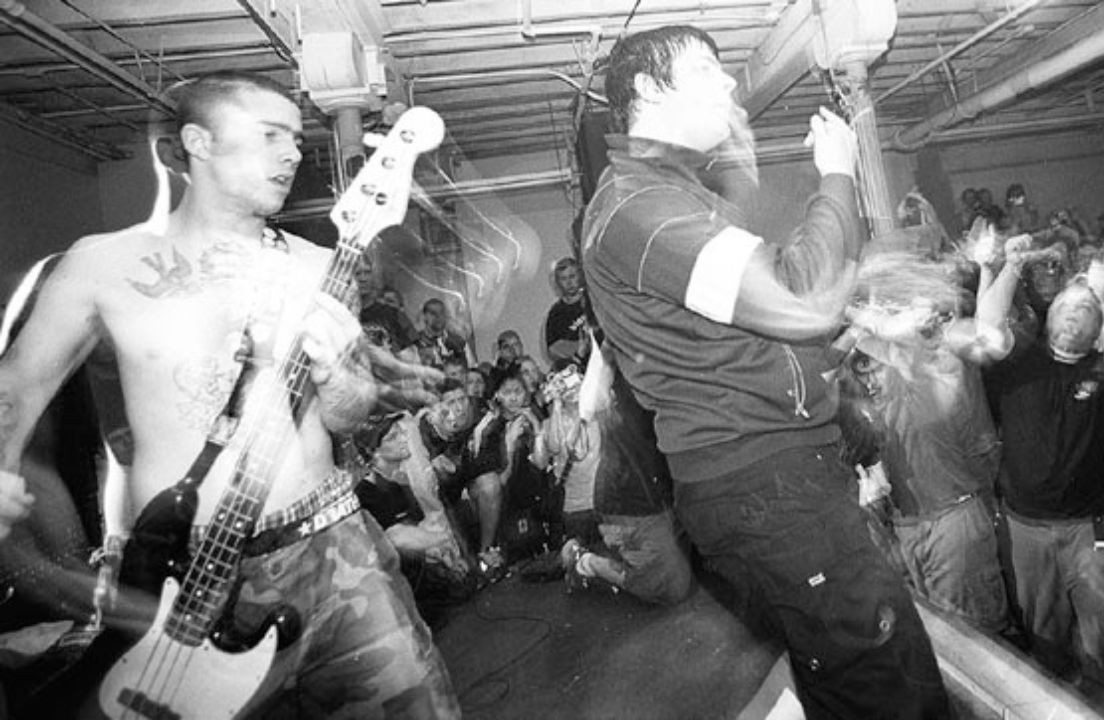
Straight edge shows were not calm or restrained events. They were loud, fast, and physically demanding, with the same urgency that defined hardcore in the decade. The difference was chemical, not emotional. Many participants treated sobriety as a way to sharpen presence, so they could stay alert to the set, the pit, and the people around them.
That choice changed the rhythm of a night. Memory was clearer, conversations lasted longer, and social trust could build across repeated weekends. Instead of chasing oblivion, many fans chased intensity with control, which felt radical in a culture where burnout was mistaken for authenticity.
Discipline as a Daily Practice

At the everyday level, straight edge in the 1980s centered on refusing alcohol, tobacco, and recreational drugs. In many local circles, that refusal was framed as a pledge, not a phase. The point was consistency across ordinary days, not one dramatic declaration at a show. Credibility came from repeated choices when nobody was watching.
This gave many teenagers structure during chaotic years. It also created pressure, because small scenes remember everything. Friends tracked who stayed committed, who drifted, and who returned after breaking edge. The same accountability that built trust could also create strain when life became uncertain.
Scenes Built by Hand
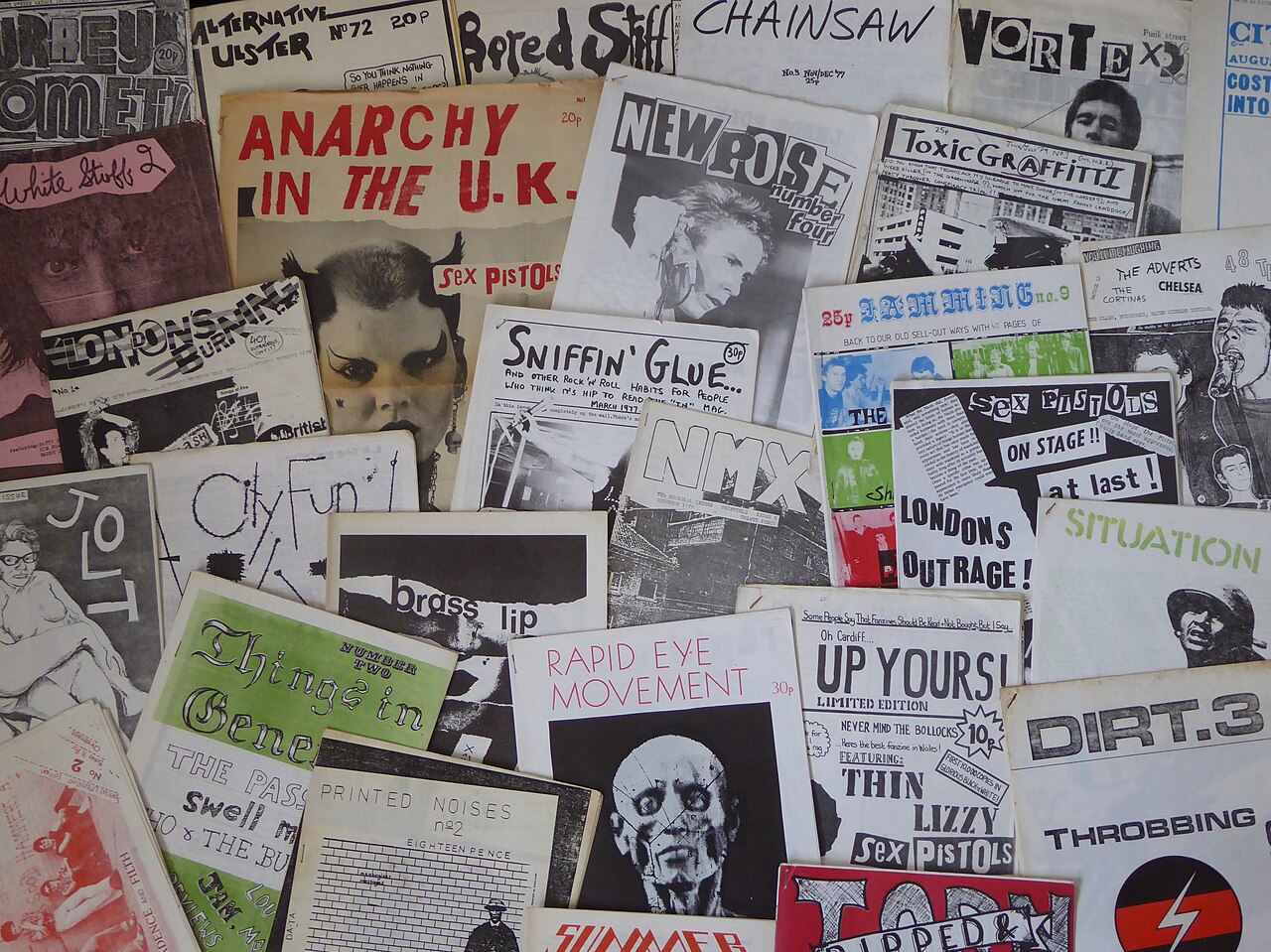
Straight edge life grew through local infrastructure that looked modest but worked hard: all ages venues, photocopied zines, indie labels, and friend networks that met weekly. Scenes were built face to face. People learned songs, rules, and reputations in real time, then carried those norms into schools, basements, and weekend streets.
Because the circles were tight, identity felt lived rather than performed. Someone could not rely on style alone for long. Attendance, reliability, and follow through mattered more than posture. That intimacy made belonging powerful, and it made conflict personal when disagreements over values spread.
From Personal Rules to Public Ethics

As the decade moved forward, parts of straight edge connected discipline to public ethics. Many participants linked sobriety with anti racist work, feminist critique, and concern for animal welfare. For them, clean living was not only about private health. It was also about reducing harm and aligning conduct with social responsibility.
This expansion brought purpose and friction together. Some cities embraced a broad political frame, while others preferred a narrow focus on substance refusal. The movement gained depth, but it also invited harder arguments over priorities and who had authority to define what commitment should include.
How the Message Traveled

Straight edge traveled beyond Washington, DC through touring bands, tape trading, seven inch records, and do it yourself networks that powered hardcore in the 1980s. As new scenes formed, the core idea moved with them: stay clear, stay present, and keep the music intense. Local groups borrowed the label, then reshaped practice to match their own social pressures.
That mix of shared identity and local variation fueled growth and instability at the same time. The movement could spread quickly without central leadership, but it could also fracture when different cities treated flexibility, enforcement, and belonging in sharply different ways.
Friction with Punk and Within Edge
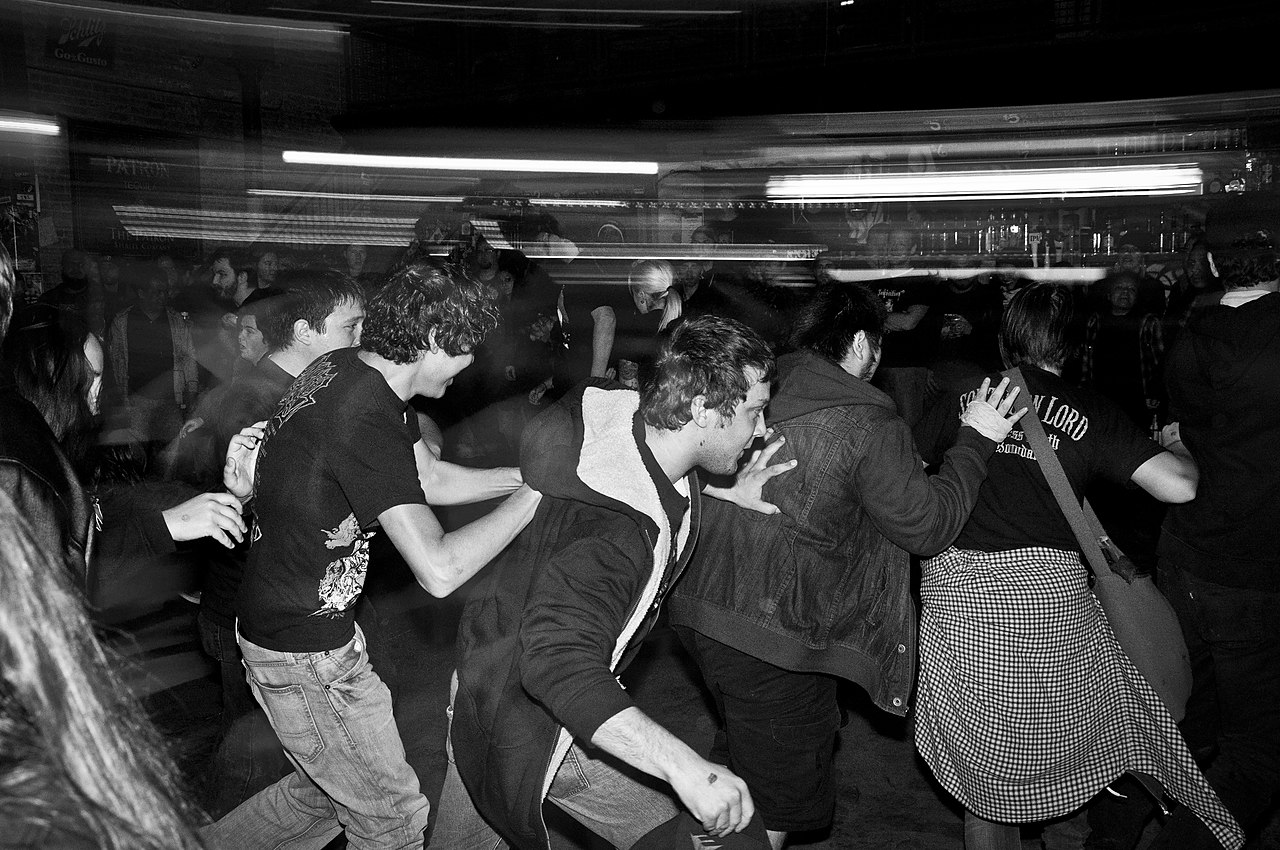
Tension with the wider punk world never disappeared. Some peers respected straight edge as a correction after years of visible excess, while others saw it as moral pressure inside a culture built on autonomy. These disagreements showed up in lyrics, friendships, show bills, and the subtle ways scenes decided who counted as trustworthy.
Internal tension was serious. Some groups treated edge as a personal standard and left room for imperfection, while others enforced stricter lines and social penalties. Once those lines hardened, energy shifted from music and support toward status checks, boundary disputes, and argument about legitimacy.
Why Momentum Began to Fade
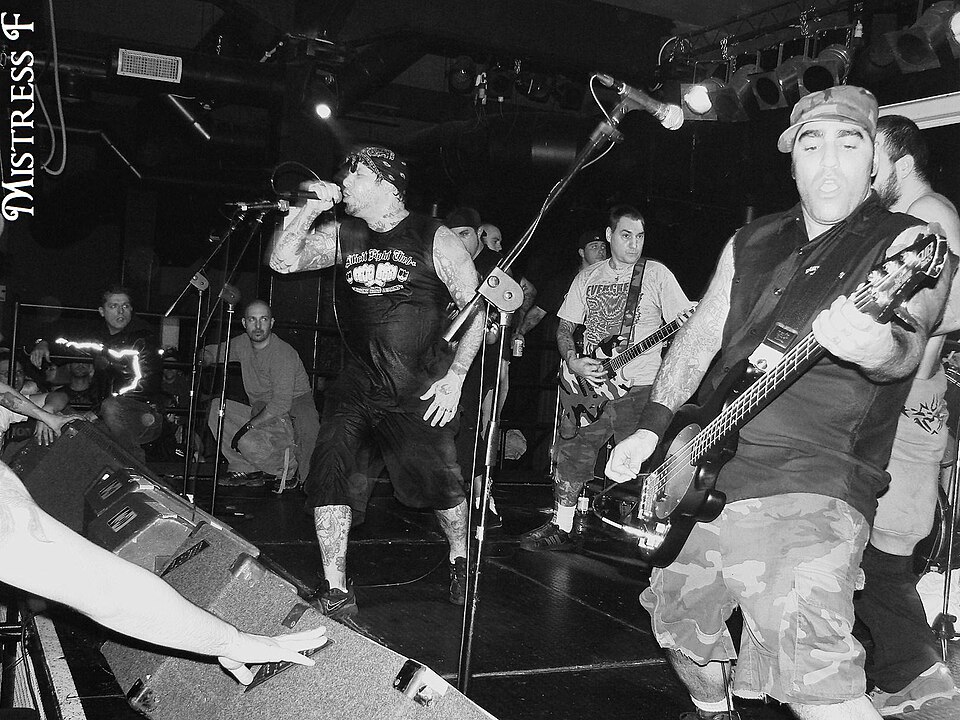
By the late 1980s, straight edge had not vanished, but signs of decline were hard to miss in many regions. Purity tests grew louder, scene policing became visible, and creative focus narrowed as arguments over doctrine took center stage. What began as a practical youth ethic started to feel, in some places, like a hierarchy.
The decline was gradual rather than dramatic. Some members stayed committed and adapted, while others stepped back from labels and kept personal discipline. Momentum thinned when trust fell, because local scenes depended on cooperation, and cooperation weakens quickly when every disagreement is treated as moral crisis.
What Endured After the First Wave
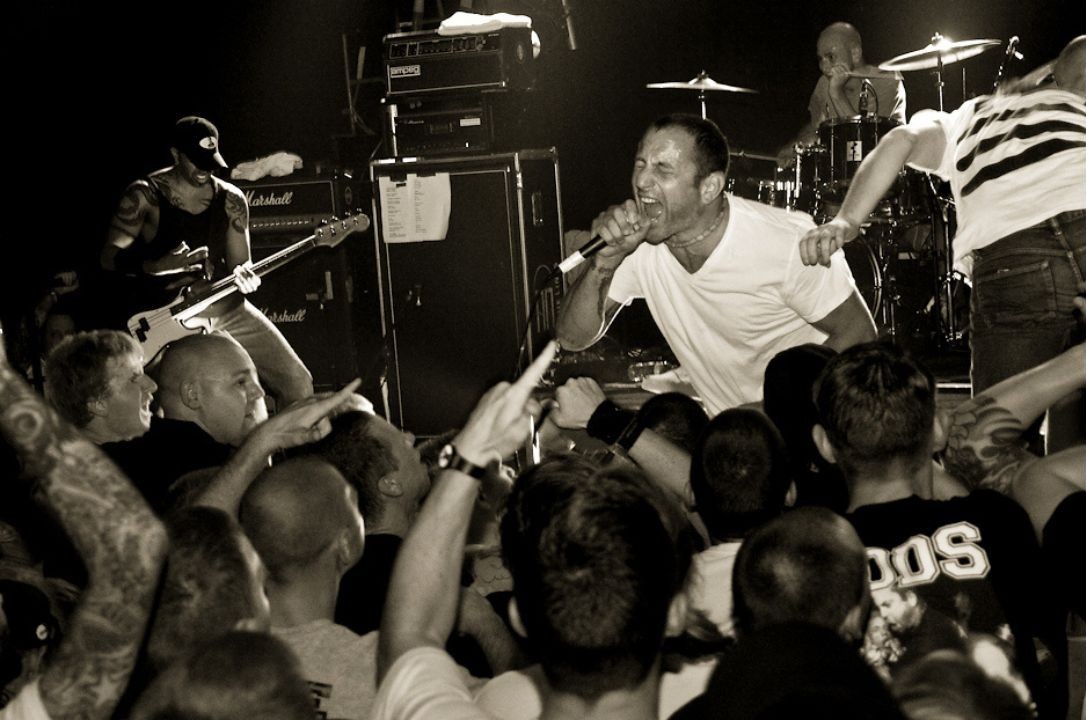
The most durable part of 1980s straight edge was not strict image management. It was the attempt to join intensity with responsibility in spaces that were noisy, emotional, and unstable. For many teenagers, that balance offered a path through early adulthood: loud music, clear memory, social purpose, and a standard that did not depend on intoxication.
Even after the first wave lost force, its practical legacy stayed alive in all ages organizing, do it yourself networks, and sober communities inside hardcore scenes. The period proved that refusal can be creative, collective, and hopeful when it is grounded in care rather than superiority.