Some films pull a quiet tear. Others leave people staring blankly at the credits.
Lots of viewers swear by Love Actually or Terminator 2: Judgment Day. Researchers wanted a repeatable answer, not a loud argument.
That pushed sadness into the lab, with clips tested like stimuli. The goal was simple: trigger the same feeling on cue.
After years of screening, one movie kept winning. The champion of heartbreak was 1979’s The Champ.
The Problem: Can Sadness Be Measured
A lab cannot wait for someone to feel moved naturally. It needs emotion that arrives on schedule.
That is why researchers use short scenes, not full films. The same clip can be shown to many people under the same conditions.
The tricky part is consistency across strangers. A personal favorite might land flat for someone else.
So the best clip is not the most famous. It is the one that works, again and again.
How Berkeley Turned Movies Into Data
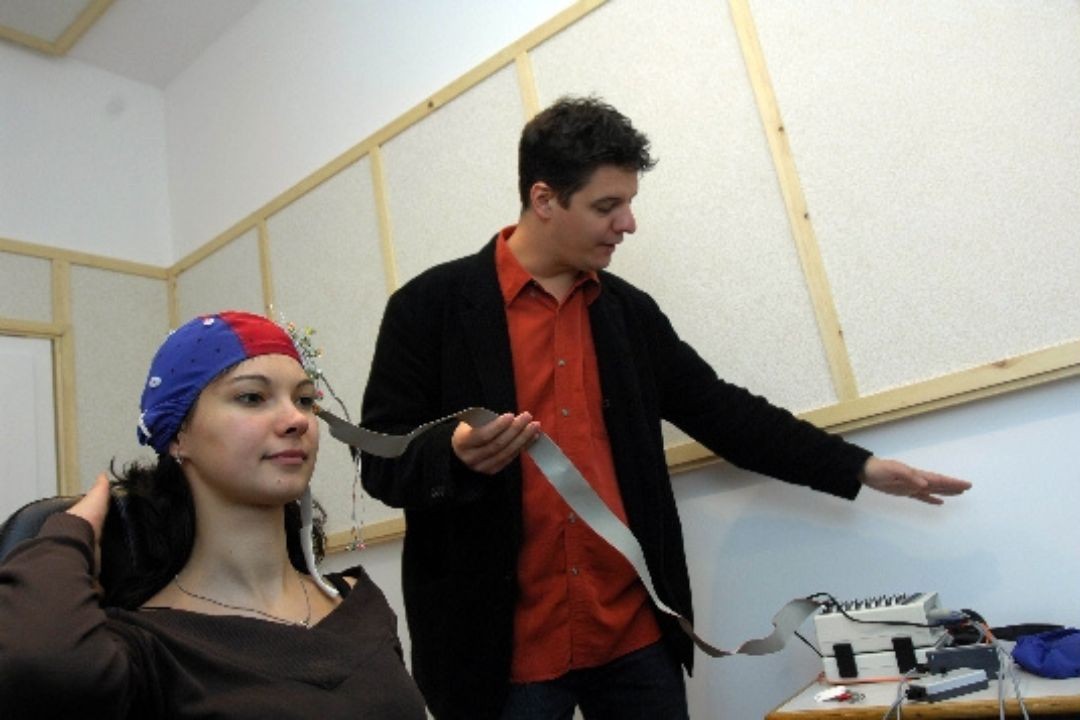
In 1988, UC Berkeley psychologist Robert Levenson and graduate student James Gross started collecting reliable emotion triggers. They asked for film recommendations and hunted for the exact moments that did the work.
Levenson reviewed about 250 films and potential scenes. That first pass took years, because they needed scenes with predictable impact.
Then they trimmed the list to 78 finalists. Only clips that repeatedly produced strong responses survived.
This was not about awards or prestige. It was about whether a room of strangers reacted the same way.
The Champ and the Story Behind the Tears
The Champ was released in 1979 and directed by Franco Zeffirelli. It is also a remake of a 1931 film with the same core premise.
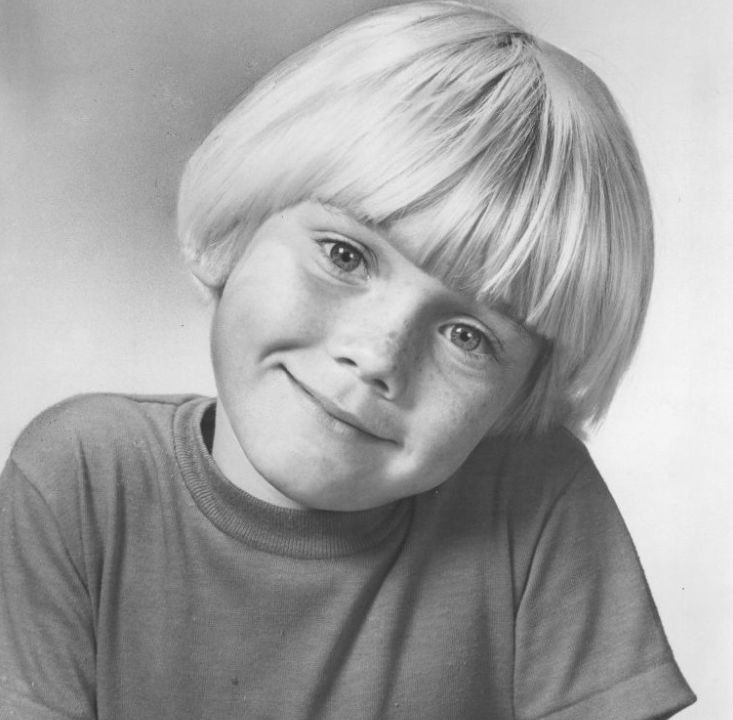
Jon Voight plays Billy Flynn, a battered boxer trying to rebuild his life. Ricky Schroder plays his son, T.J., who anchors the story emotionally.
The film arrived after Rocky made boxing feel mythic. The Champ uses boxing as pressure, not triumph.
Billy gets back in the ring to provide for his son. That choice sets up the ending that hurts most.
The Three-Minute Clip That Won Every Time
The winning moment centers on the film’s death scene. It is short, brutal, and hard to shake.
Billy is badly beaten in a fight and cannot recover. T.J. begs him to get up, as if love can reverse what happened.
In the lab, the clip runs for almost three minutes. That tight window is enough to flood people with sadness.
It worked so reliably that it rose to the top of the entire set. Many subjects struggled to even watch the credits clearly afterward.
Beating Bambi and Other Classic Cry Scenes
When the findings were published in 1995, The Champ ranked as the strongest sadness trigger. It even edged out Bambi’s 1942 scene after his mother dies.
That result surprises people because Bambi is a cultural shorthand for tears. In the lab, though, The Champ hit harder and more consistently.
Other scenes still wreck viewers in the wild. Emma Thompson’s quiet breakdown in Love Actually and the sacrifice in Terminator 2 linger for years.
But reliability is a different game than popularity. The Champ delivered the steadiest sadness across participants.
The 1995 Findings That Made It a Standard

Gross and Levenson’s publication in 1995 gave researchers a common reference point. It made sadness induction easier to replicate across studies.
Once a clip is validated, it becomes a tool. That tool can be reused without reinventing the method each time.
The Champ sequence became the default because it behaved like a constant. Show it, and the emotional shift arrives fast.
That stability is rare with art. It is also why the clip became famous in academic circles, not just movie circles.
Why Other Experiments Kept Borrowing It
The reaction was so dependable that other researchers adopted the same scene. Gross and Levenson’s work has been cited in more than 300 articles.
Researchers used it to standardize mood before testing other variables. That let them compare results across different labs and topics.
The clip has shown up in studies on sleep deprivation. It has also been used in research that tracked smoking behavior during sessions.
The point was never the boxing plot. The point was controlled sadness, delivered cleanly.
Why Viewers Feel Emotionally Drained Afterward

The scene fuses helplessness with love, and the body responds immediately. Adults sense the end while a child refuses it, and that clash hurts.
It also denies the comfort of a clean recovery. The pleading fails, and the viewer cannot fix it.
That is why people call it unforgettable. It is not just sad, it feels personal.
For many, one watch is enough. The memory lodges in place and stays sharp.