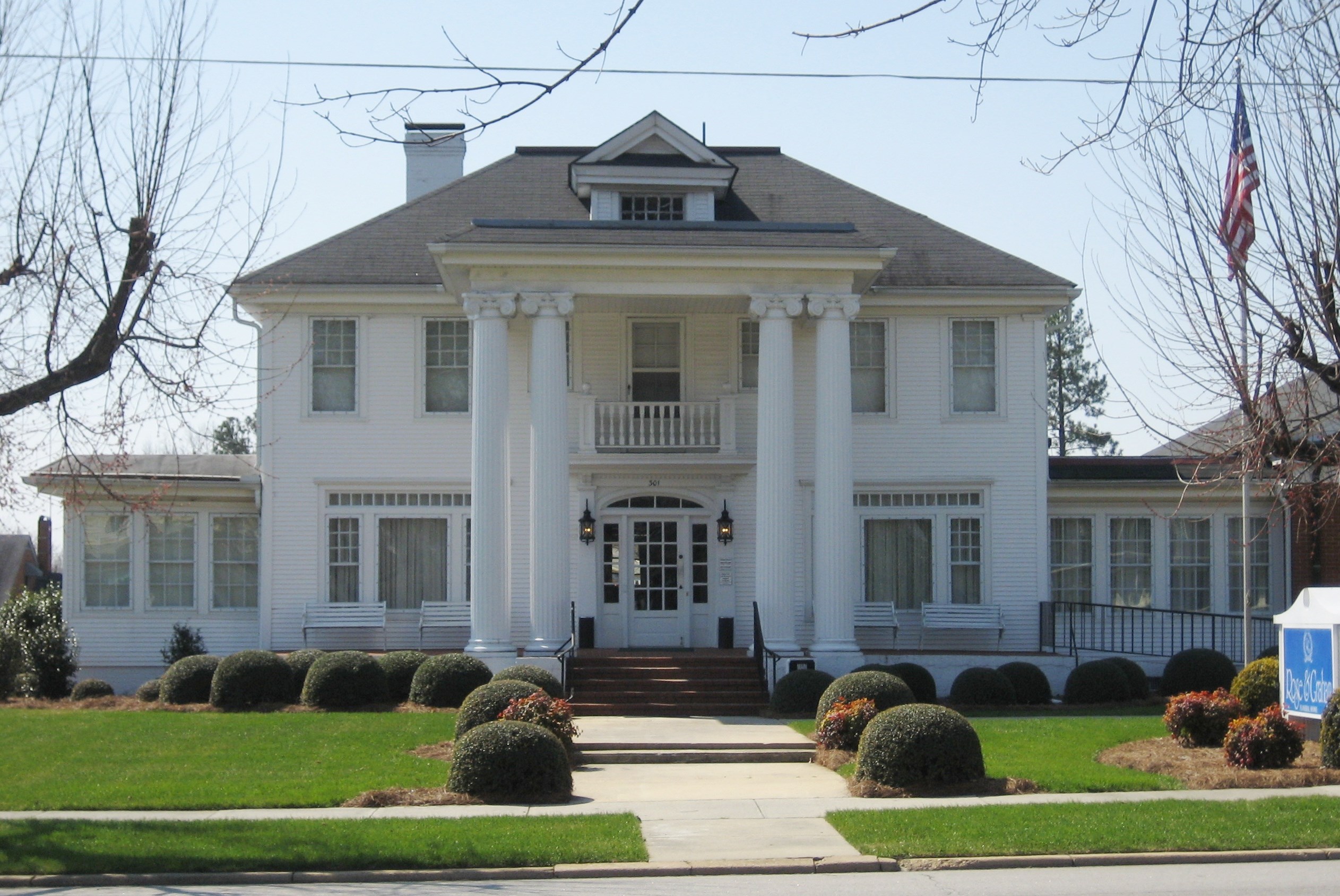
Sears kit houses arrived like a town’s worth of possibility packed into railcars. In the early twentieth century, families flipped through catalogs, circled a porch here and a bay window there, and ordered a home the way they ordered a stove. Lumber came pre-cut, pieces were labeled, and an instruction book turned construction into a practical puzzle. These mail-order homes spread across working neighborhoods, new suburbs, and company towns, offering style, indoor plumbing, and central heat at prices that felt within reach. Behind the charm sits a bigger story about manufacturing, credit, and mobility, still visible on streets where similar rooflines became wildly different lives. Many of these houses are still standing, quietly sturdy, and still worth knowing.
They Were Sold as Kits, Not Prefabs
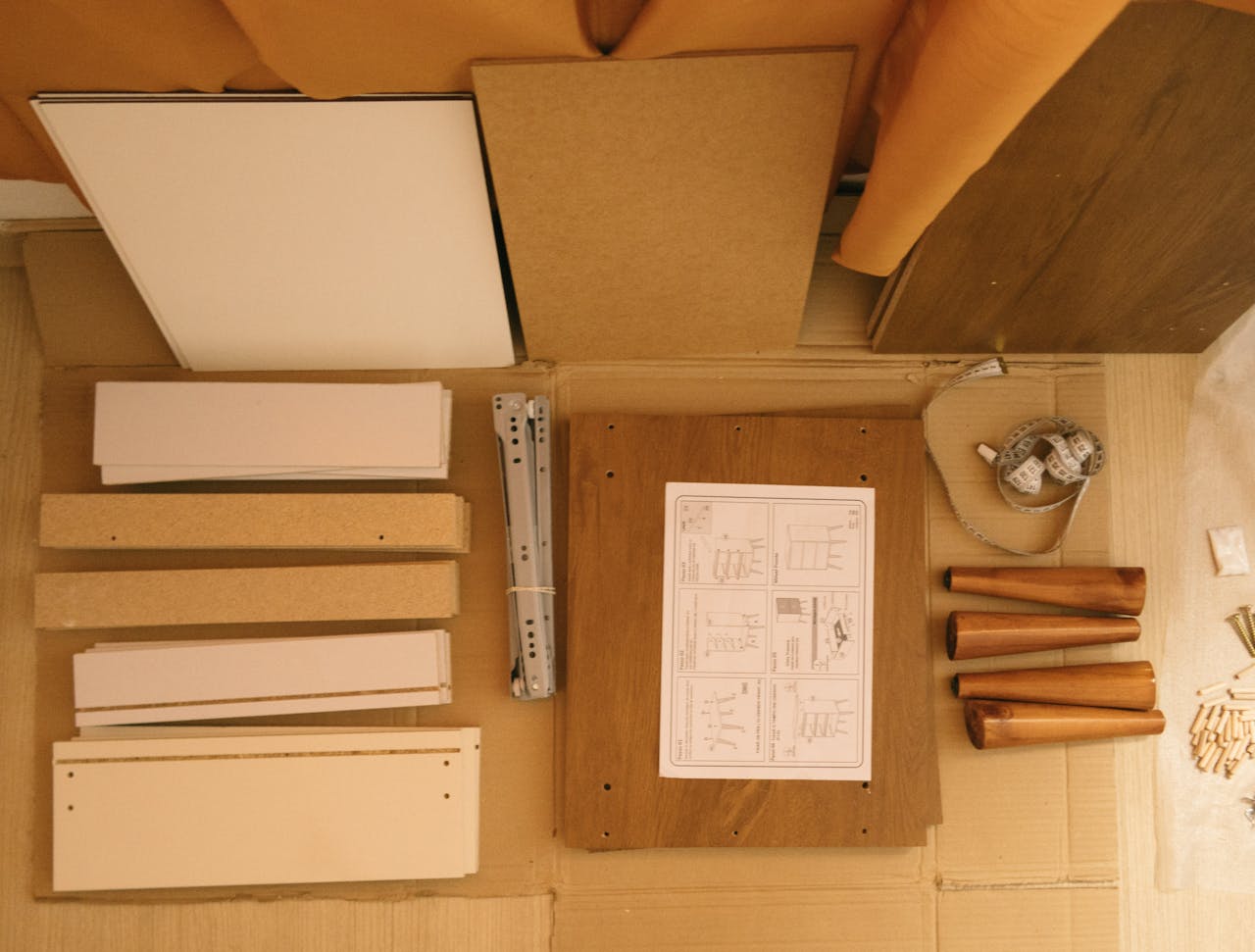
Sears Modern Homes were not factory-built boxes dropped onto a lot. They were material packages shipped mostly by rail, covering nearly everything above the foundation. The kit typically included framing lumber, siding, trim, windows, doors, nails, and a thick instruction book, with much of the wood pre-cut and labeled to reduce waste and guesswork. Because foundations, brick, stone, and plaster were often sourced locally, the same catalog plan could still pick up a town’s accents and a builder’s habits. Local builders and weather still shaped the final look, even decades later.
The Sears Program Ran for Decades
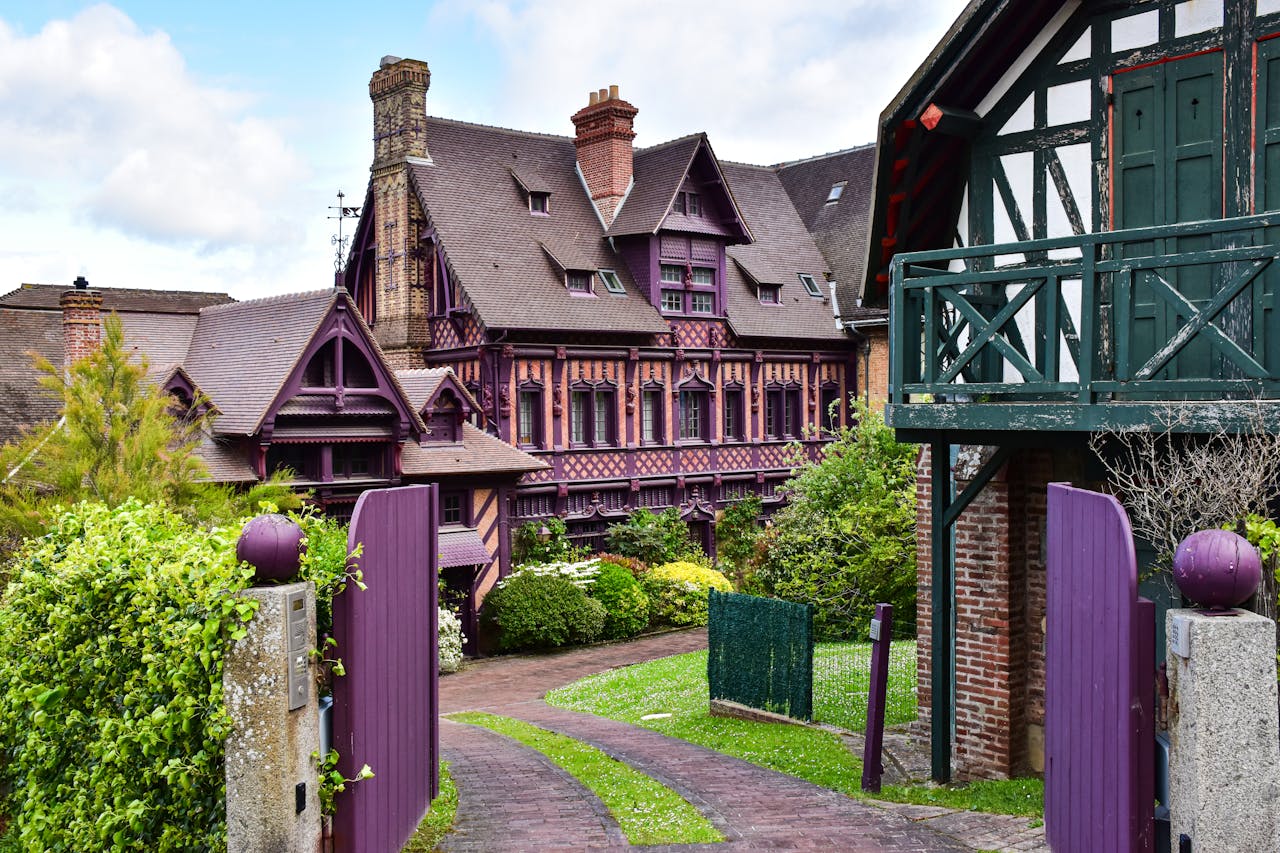
Sears launched its Modern Homes line in 1908 and kept selling kits into the early 1940s, with the catalog ending in 1940 and sales offices continuing into 1942. Over the decades, Sears advertised roughly 370 models plus variations, shifting from plain numbers to names that sounded friendly and modern. More than 70,000 kits were sold, though the true count is hazy because many records were later discarded. The long run matters: styles moved with tastes, so a 1915 bungalow and a 1935 Colonial tell different stories. That timeline explains why one street can show several eras, from bungalows to minimal Cape forms.
Sears Had Serious Competition

Sears was the loudest name, but it was not alone. Aladdin began selling mail-order homes in the early 1900s, and firms like Gordon-Van Tine, Lewis, Pacific Ready-Cut, and Montgomery Ward’s Wardway line chased the same dream with similar logistics. Competition pushed plans to feel current, from wide porches to built-ins, and it kept prices in a range working families could consider. It also complicates history today: a handsome kit house is not automatically Sears, and even a real Sears home may look “off” after a century of changes. Some firms sold through local agents, which blurs attribution today.
Financing Was Part of the Pitch

Sears did not just sell lumber. Beginning in 1911, it offered financing, letting buyers pay over time while materials arrived in boxcars. That credit helped families move from renting to owning, and it fueled sales through the 1920s when wages, streetcar suburbs, and optimism aligned. The Great Depression changed the mood fast. Defaults piled up, foreclosures followed, and Sears scaled back lending by the early 1930s. The houses remained, but many mortgages tell a quieter story about risk and resolve. It also meant a loan officer could be as important as the carpenter on site, especially in lean years.
Customization Was Built In
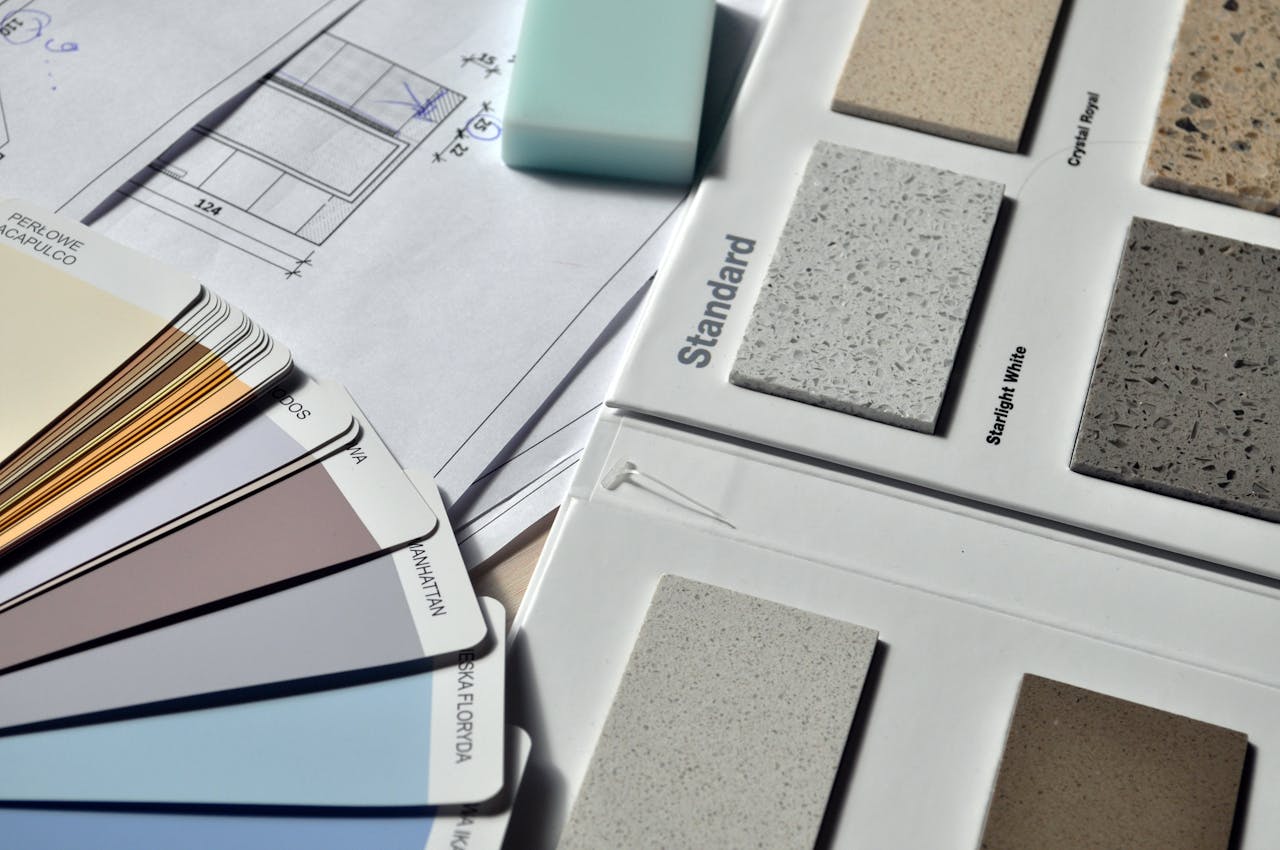
Catalog drawings looked standardized, yet buyers could personalize more than most people assume. Sears offered upgrades in flooring, shingles, siding, and millwork, and many plans could be mirrored or adjusted with added closets, dormers, or extended porches. Because local builders handled assembly, small changes often slipped in during construction, especially around kitchens, stair placement, and porch detailing. That flexibility explains why a block can share a repeating roofline rhythm while still feeling individual house by house. Lot shape and local habits nudged tweaks, softening symmetry on paper.
Delivery Depended on Railroads
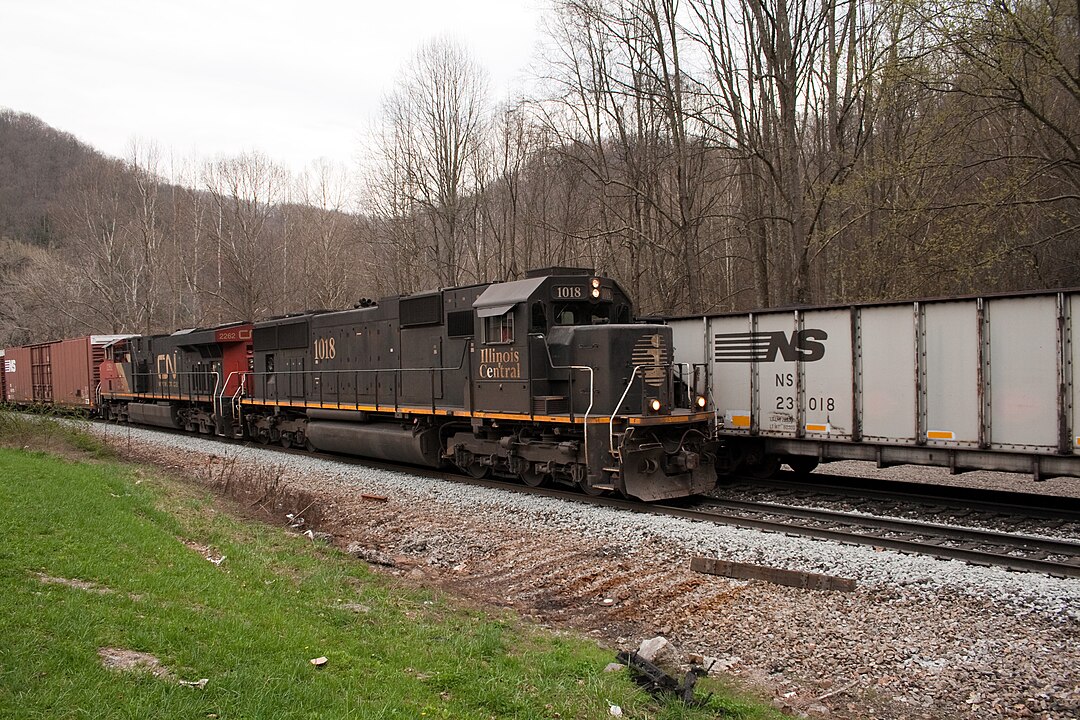
Delivery was a logistical event, not a doorstep drop-off. A kit could arrive in one or more railroad boxcars packed with thousands of pieces, from long studs to crates of hardware. The freight depot became a staging point while items were checked, loaded onto wagons or trucks, and hauled to the lot. Timing mattered: framing crews, weather windows, and the momentum of neighbors pitching in all depended on that arrival. Later, truck delivery became more common, but rail was the backbone that made the whole idea practical. A fast arrival could turn a bare lot into a framed shell within days, before the season shifted.
Identifying a True Sears Home Takes Clues

Proving a house is truly Sears often turns into detective work. Sears later destroyed many Modern Homes sales records, so certainty can hinge on small evidence: lumber stamped with codes, shipping labels tucked behind trim, or penciled order numbers on joists. Paper trails help when they exist, such as mortgage documents listing Sears as lender, old receipts for sash and doors, or building permits that match a catalog plan. Renovations can hide clues, which is why basements and attics still matter as informal archives. When proof is thin, careful measurement against catalogs fills gaps, then neighbors’ memories confirm.
Some Towns Became Living Catalogs

Kit houses often appear in clusters because builders and employers bought in batches. Developers used repeatable plans to control cost and speed, while companies used them to create stable neighborhoods near mills, mines, and rail lines. Carlinville, Ill., is a famous case: Standard Oil bought a large group of Sears homes in 1918 for mineworkers, completing the neighborhood in 1919 with several models repeated across blocks. In places like that, the concept feels less novelty and more infrastructure built for everyday life. Those clusters make walking streets where repetition turns strangely warm, not monotonous.
The Catalog Sold Quality as a System

The catalogs did more than show floor plans. They taught taste, selling porch proportions, room flow, and new comforts as practical, not fancy. Sears marketed tiers such as Honor Bilt and Standard Built, promising better lumber grades and tighter finish work in the higher lines. Whether every claim held true varies house to house, but the pitch was clear: standardization could still mean dignity, warmth, and durability. Reading those pages now explains why certain window groupings, stair layouts, and kitchen placements became so familiar across American towns. Sears also sold fixtures, so the house and its hardware arrived together.
Their Legacy Still Shapes Streets
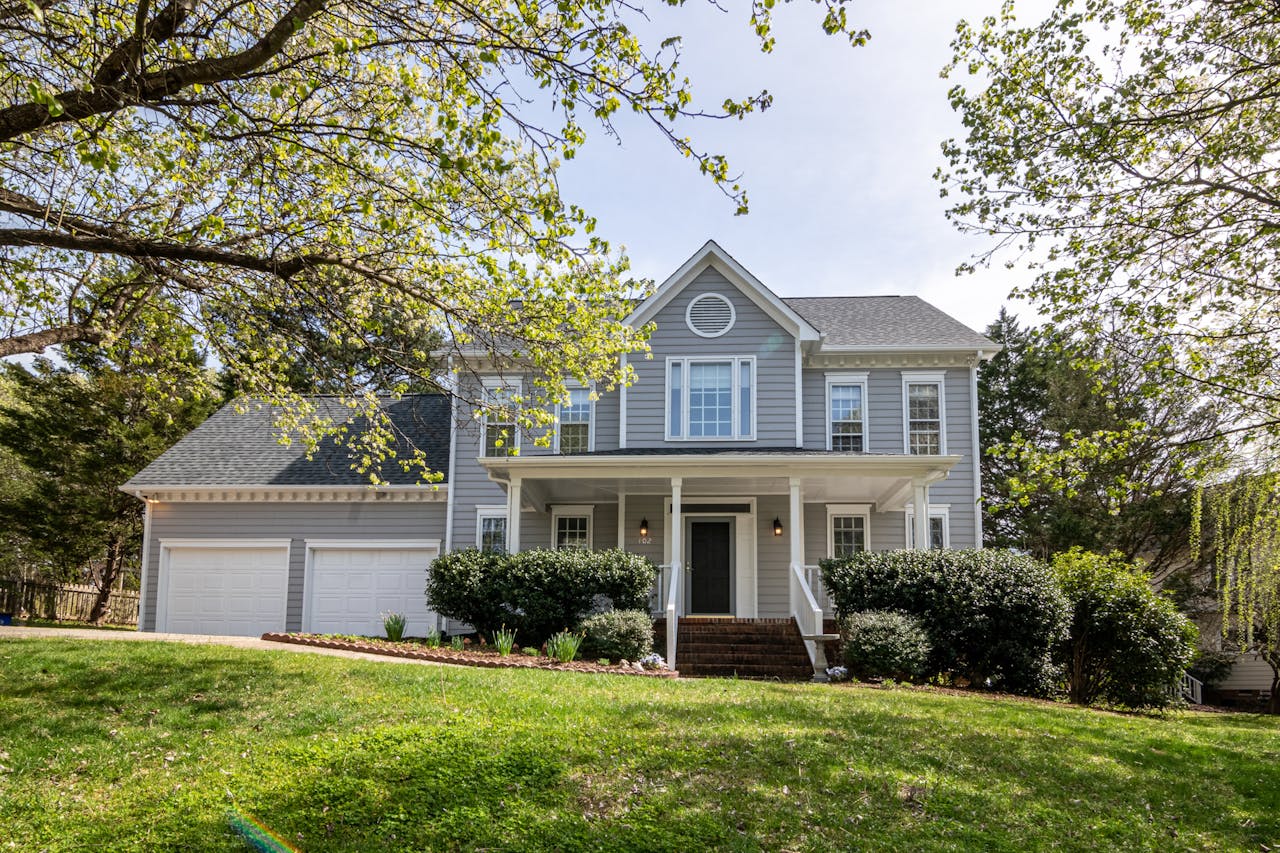
Mail-order homes mattered because they turned homebuilding into a repeatable system. They rode rail networks into streetcar suburbs and payroll towns, then settled into neighborhoods where porch talk and daily routines did the real work of making a place. Many still stand because the materials were straightforward and the forms were sensible, not fragile fashion. The deeper legacy is cultural: ownership felt achievable when a home could be chosen from a catalog, delivered in parts, and raised with local skill and patience. That quiet practicality is why preservation maps keep growing, porch by porch, across dozens of states.